
We all budget for predictable costs like gas and insurance, but it’s the sudden, thousand-dollar repair bill that can really throw a wrench in our finances. Waiting for a breakdown is the most expensive way to maintain your car. An underhood inspection checklist is a great starting point between professional visits. A much smarter strategy is to invest a small amount on a consistent basis to prevent those major failures from ever happening. Think of a quarterly vehicle inspection not as another expense, but as a powerful tool for protecting your budget. By having a professional check your vehicle’s key systems every three months, you can address minor wear and tear before it cascades into a catastrophic and costly problem. This simple habit saves you money, extends the life of your car, and keeps you in control of your expenses.
Key Takeaways
- Go beyond the legal minimums: Treat quarterly inspections as proactive wellness checks, not just legal requirements. This approach helps you catch small issues early, preventing the stress and high costs of unexpected, major repairs down the road.
- Focus on critical safety systems for peace of mind: Regular checks on your brakes, tires, lights, and fluids are essential for safe driving. Knowing these core components are in top shape gives you confidence that your car is reliable for daily commutes and family trips.
- Prepare ahead to make inspections simple: You can avoid common failures by doing a quick walk-around to check your lights and wipers. Choosing a mobile service saves you a trip to the shop, making it easier than ever to fit essential car care into your busy schedule.
What is a quarterly vehicle inspection?
Think of a quarterly vehicle inspection as a regular wellness check for your car. Just like you’d go for a routine check-up to stay healthy, this inspection happens every three months to make sure your vehicle is safe, reliable, and running smoothly. It’s a proactive approach to car care. Instead of waiting for a strange noise or a warning light to appear on your dashboard, a technician systematically reviews your car’s most important systems. This regular review helps catch small issues before they turn into major, expensive problems, giving you peace of mind on the road.
Quarterly vs. Annual Inspections: What’s the Difference?
The main difference between quarterly and annual inspections comes down to frequency and purpose. Most states have their own vehicle inspection requirements that are legally mandated every one or two years to ensure your car meets minimum safety and emissions standards. These are often about legal compliance. A quarterly inspection, on the other hand, is a more frequent, voluntary check-up focused on preventative maintenance. Think of the annual inspection as the final exam, while quarterly checks are the regular homework that ensures you pass with flying colors. They work together to keep your car in top condition.
Which Vehicles Need a Quarterly Check-up?
While commercial vehicles that are on the road all day often have strict quarterly inspection requirements, these check-ups are a smart idea for almost any driver. If you rely on your car for daily commutes, school runs, or family road trips, a quarterly inspection provides an essential layer of security. It’s especially helpful for older cars that are more prone to developing issues or for anyone who wants to avoid the stress of an unexpected breakdown. Our Quick Check plan is designed for this exact purpose, giving you a clear picture of your car’s health every few months so you can drive with confidence.
Why Quarterly Inspections are Key to Your Safety
Think of a quarterly vehicle inspection as a wellness check-up for your car. It’s a proactive step that goes beyond just waiting for a warning light to appear on your dashboard. Catching small issues before they become big, expensive problems is the smartest way to manage your vehicle’s health. Regular check-ups give you confidence every time you get behind the wheel, knowing your car is safe for you, your family, and everyone else on the road. It’s about replacing uncertainty with peace of mind, one inspection at a time.
Prevent Costly Breakdowns
We’ve all felt that sinking feeling of seeing a car stranded on the side of the highway. Often, major breakdowns start as minor issues that could have been caught early. A regular inspection schedule is your best defense against unexpected and expensive repairs. A technician can spot a fraying belt, a small fluid leak, or worn-out spark plugs long before they cause a catastrophic failure. Taking care of these small fixes on your own terms is far less stressful and more affordable than paying for a tow truck and emergency repairs. Our Essential Plan is designed to catch these potential issues, saving you money and keeping you on the move.
Spot Safety Issues Before They Become Accidents
Your car’s most important job is to get you and your loved ones to your destination safely. Quarterly inspections play a huge role in maintaining road safety by ensuring your vehicle’s critical safety systems are in top shape. We’re talking about things like your brakes, tires, steering, and lights. A worn brake pad might not seem urgent until you need to stop suddenly. A burnt-out headlight can significantly reduce your visibility at night. These aren’t just maintenance items; they are essential components that protect you. A routine check-up gives you the assurance that your car can perform when you need it most, preventing potential accidents before they happen.
Keep Your Car Reliable and Performing its Best
You rely on your car to start every morning and get you through your busy day without a hitch. Consistent performance depends on all of its complex systems working in harmony. Regular inspections are key to that reliability. During a check-up, a technician will inspect essential fluids like engine oil, coolant, and brake fluid, which are vital for your vehicle’s health. They’ll also check your battery, belts, and hoses to make sure everything is functioning as it should. This proactive care ensures your car runs smoothly and efficiently, giving you a dependable ride you can count on. Our Total Care Plan offers a comprehensive check to keep your car in peak condition.
Improve Fuel Efficiency and Extend Your Car’s Lifespan
Want to save money at the pump and keep your car running for years to come? Regular maintenance is the answer. Simple things identified during an inspection can have a big impact on your wallet. For example, ensuring your tires are properly inflated and your air filter is clean can directly improve your gas mileage. Over the long term, keeping your vehicle mechanically sound reduces wear and tear on the engine and other major components. This not only helps your car last longer but also improves its resale value. Think of quarterly inspections as a smart investment that pays you back with lower fuel costs and a longer-lasting vehicle.
Your Quarterly Inspection Checklist: What We Examine
A thorough vehicle inspection is more than just a quick look under the hood. It’s a systematic review of your car’s most critical systems to ensure everything is working as it should. Think of it as a wellness check-up for your vehicle. At Mobile Car Care, our 85-point inspection, included in our Total Care Plan, is designed to give you a complete picture of your car’s health. We examine everything from the engine to the exhaust, looking for small issues that could turn into major headaches down the road. Here’s a closer look at what our technicians focus on during every quarterly inspection.
Engine and Fluids
The fluids in your car are like its lifeblood, and keeping them at the right levels is essential for your vehicle’s health. We start by checking your engine oil, which lubricates moving parts and prevents overheating. Then we move on to the coolant, which regulates your engine’s temperature. We also inspect your brake fluid, power steering fluid, and even your windshield washer fluid. But we don’t just top things off. Our technicians look for leaks or discoloration, which can be early warning signs of a bigger problem. A comprehensive fluid check ensures your engine and its supporting systems are running smoothly and efficiently.
Brakes and Suspension
Your ability to stop safely is non-negotiable, which is why we pay close attention to your entire braking system. We inspect the brake pads for wear, check the brake lines for leaks, and examine the rotors. As we check the rotors through the wheels, we’re looking to see if they are smooth and shiny or grooved and scratched, as damage can reduce your stopping power. We also examine your suspension system, including the shocks and struts. These components absorb bumps in the road, providing a smooth ride and stable handling. Worn suspension parts can affect your control of the vehicle, especially during sudden stops or turns.
Tires and Alignment
Your tires are the only part of your car that actually touches the road, so their condition is critical for safety and performance. Our inspection includes checking the tire pressure, measuring tread depth to ensure you have enough grip, and looking for any signs of damage like cracks or bulges. We also look for uneven wear patterns on the treads, which often indicates an alignment problem. A misaligned car can pull to one side, reduce fuel efficiency, and wear out your tires prematurely. This is a key part of our Essential Plan, helping you stay safe and get the most life out of your tires.
Lights and Electrical Systems
Being able to see and be seen is fundamental to safe driving. A crucial part of our inspection is making sure all your vehicle’s lights are working correctly. We check your headlights, taillights, brake lights, and turn signals to ensure you are visible and can signal your intentions to other drivers. Beyond the lights, we inspect your car’s battery, cleaning any corrosion from the terminals and ensuring it’s securely mounted. We’ll also test your horn and check the condition of your windshield wipers. These simple checks confirm that your car’s basic electrical systems are reliable and ready for any driving conditions.
Emissions and Exhaust
Your car’s exhaust system does more than just keep it quiet; it also directs harmful fumes away from the cabin and reduces environmental pollution. During our inspection, we check the entire system, from the engine to the tailpipe, looking for rust, holes, or loose connections. A leak can not only be noisy but can also allow dangerous carbon monoxide to enter your vehicle. Our inspection is designed to find issues that are producing some kind of symptom, like a rattling sound or a visible crack, so we can address them before they become a serious safety or emissions failure.
Are Quarterly Vehicle Inspections Legally Required?
This is a common question, and the short answer is that for most personal vehicles, quarterly inspections are not legally mandated. State laws typically require safety or emissions inspections on an annual or biennial basis. So, why do we focus on quarterly check-ups? Think of them as proactive wellness visits for your car. These regular inspections are designed to keep your vehicle safe, reliable, and running smoothly throughout the year, bridging the long gaps between official state requirements.
A quarterly inspection is your best strategy for catching small issues, like worn brake pads or low fluid levels, before they become dangerous or expensive problems. It also means that when your legally required state inspection is due, you can go in with confidence, knowing your car is already in great shape. Instead of scrambling to fix a surprise issue that causes you to fail, you’re always prepared. It’s about replacing the stress and uncertainty of car maintenance with the quiet confidence that comes from being ahead of the game. This proactive approach not only protects your investment but, more importantly, ensures the safety of you and your passengers on every trip.
Know Your State’s Regulations
While we handle the proactive maintenance, it’s important to know the specific legal requirements for your vehicle. Inspection laws are set at the state level, and they can vary quite a bit. For example, some states require an annual safety inspection, while others might only require one every two years. Some focus heavily on emissions testing in certain counties, while others have no emissions requirements at all.
To stay compliant, you’ll need to know the rules where you live. The best source for this information is always your state’s Department of Motor Vehicles (DMV) or equivalent agency. A quick visit to their website will give you clear guidelines on how often you need an official inspection and what it covers. By understanding these state vehicle inspection requirements, you can ensure your car is always legally ready for the road.
Rules for Commercial Vehicles
If you use your vehicle for business, the rules of the road can change. Commercial vehicles, from delivery vans and contractor trucks to rideshare cars, often face more stringent and frequent inspection requirements than personal vehicles. These regulations are in place because commercial vehicles typically spend more time on the road and carry heavier loads, leading to faster wear and tear.
The specific requirements depend on the type of vehicle and the nature of your business. For instance, federal law has strict rules for interstate trucking, but local regulations might apply to a small business fleet. If your car is a key part of your livelihood, it’s crucial to verify the specific inspection schedule you need to follow. This ensures you’re operating legally and keeps your business running without unexpected downtime from a failed inspection.
Keeping Your Paperwork in Order
Showing up for a state-mandated inspection with the right documents is just as important as the condition of your car. It’s a simple step that can prevent an automatic failure before the technician even looks at your vehicle. Typically, you’ll need to present a valid driver’s license, your current vehicle registration, and proof of insurance. Make it a habit to keep these documents in an accessible place in your glove compartment.
Engaging in thorough preparations for your vehicle inspection ensures you are meeting legal mandates and contributing to road safety. Having a complete maintenance history, including the detailed reports from your Mobile Car Care checks, also shows a commitment to vehicle safety. It creates a comprehensive record of your car’s health, which is not only smart for compliance but also valuable if you ever decide to sell.
How to Avoid Common Inspection Failures
Nothing throws a wrench in your week quite like a failed vehicle inspection. Suddenly, you have a list of mandatory repairs, a tight deadline, and the stress of finding a reliable mechanic. The good news is that many common inspection failures are entirely preventable with a little proactive attention. By staying on top of a few key areas, you can walk into your next inspection with confidence.
Think of it less as studying for a test and more as simple, ongoing care that keeps your car safe and reliable year-round. Most issues that lead to a failed sticker, like burnt-out bulbs or worn-out brakes, give you warning signs long before they become a problem. We’ll walk through the most common culprits, from your brake system to your tires, and show you what to look for. A regular wellness check, like our Quick Check plan, is designed to catch these exact things, saving you time and a major headache down the road.
Brake System Warning Signs
Your brakes are arguably the most important safety feature on your car, so it’s no surprise they are a major focus of any inspection. Don’t wait for a professional to tell you there’s a problem. You can often spot warning signs during your daily drive. Listen for high-pitched squealing, scraping, or grinding sounds when you press the pedal. You might also feel a vibration or a “spongy” sensation, which could indicate a problem with your brake fluid. If you notice your car pulling to one side when you brake, it’s another clear signal that it’s time for a check-up. Catching these issues early not only ensures you’ll pass your inspection but also keeps you and your family safe on the road.
Common Light and Electrical Problems
A surprising number of vehicles fail inspections for something as simple as a burnt-out lightbulb. Before your inspection, take a few minutes to do a quick walk-around. Have a friend or family member help you check your headlights (both high and low beams), tail lights, brake lights, and turn signals. Don’t forget your license plate light, as that’s a common oversight. Beyond lights, it’s wise to ensure your fluid levels are where they should be. Low engine oil, coolant, or brake fluid can sometimes point to leaks or other underlying issues that an inspector will notice. Keeping these simple electrical components and fluids in check is an easy win.
Tire Maintenance Tips to Help You Pass
Your tires are your car’s connection to the road, and inspectors check them carefully for safety. Two main things will be examined: tread depth and tire pressure. Worn-out treads can’t grip the road properly, especially in wet conditions, making them a serious safety hazard. You can check your tread depth with a penny; if you can see all of Lincoln’s head, it’s time for new tires. Also, check your tire pressure regularly. You can find the correct pressure level on a sticker inside your driver’s side door. Properly inflated tires not only help you pass inspection but also improve your car’s handling and fuel efficiency.
Understanding Emissions Failures
An emissions test failure can feel confusing because it’s not always tied to a problem you can see or feel. These tests check your car’s exhaust system to ensure it isn’t releasing an excessive amount of pollutants. A failure is often triggered by the “Check Engine” light, which could point to a faulty oxygen sensor, a loose gas cap, or worn-out spark plugs. While a courtesy inspection might only find issues that are already producing symptoms, a comprehensive diagnostic check can identify the root cause. Our Total Care plan includes an 85-point inspection that helps spot these hidden problems before they lead to a failed test.
What Happens if You Skip an Inspection?
Life gets busy, and it’s easy for car maintenance to fall to the bottom of your to-do list. But putting off a vehicle inspection isn’t like forgetting to water a plant; the consequences can be serious. Skipping these crucial check-ups can lead to hefty fines, complicated insurance issues, and, most importantly, put you and your family at risk.
Think of an inspection as more than just a legal box to check. It’s a proactive step toward ensuring your car is safe and reliable. Ignoring it can create a domino effect of problems that are far more stressful and expensive than the inspection itself. Let’s break down what can happen when you procrastinate on this essential task.
Fines and Legal Consequences
The most immediate consequence of skipping a state-mandated inspection is legal trouble. Driving with an expired inspection sticker can get you pulled over, resulting in a ticket and a fine that costs much more than the inspection itself. In some cases, the penalties are even stricter. Depending on your state’s laws, you might be unable to renew your vehicle registration, and some states may even prohibit vehicles from being driven on the road until they pass. These penalties are designed to keep unsafe cars off the street, and they can quickly turn a simple oversight into a major headache.
How It Can Affect Your Insurance
Your insurance provider bases your rates on risk. A vehicle that hasn’t been inspected is seen as a higher risk because there’s no official record of its roadworthiness. If you get into an accident and your inspection is out of date, your insurance company could argue that vehicle neglect contributed to the incident. This could complicate your claim process or even lead to a denial of coverage, leaving you responsible for costly repairs or medical bills. Regularly preparing for your vehicle inspection shows your insurer that you’re a responsible car owner, which is always a good thing.
The Safety Risks of Procrastinating
Beyond any legal or financial trouble, skipping an inspection is a gamble with your safety. These checks are designed to catch worn-out brake pads, thinning tire treads, faulty steering components, and other issues that can lead to disaster on the road. While it may seem small, proper maintenance is a huge factor in road safety. In fact, it helps prevent mechanical failures that account for about 2% of all motor vehicle accidents in the US. A regular check-up from a service like our Essential Plan gives you the peace of mind that you’re catching these problems before they become dangerous.
How to Prepare for Your Vehicle Inspection
Getting ready for a vehicle inspection doesn’t have to be a source of stress. With a little bit of preparation, you can make the entire process feel smooth and straightforward. Think of it as setting yourself up for success. By running through a quick checklist, gathering your paperwork, and understanding what inspectors actually care about, you can approach your appointment with confidence. This proactive approach not only saves you time but also helps you stay on top of your car’s health, ensuring it’s safe for you and your family.
Your Pre-Inspection Checklist
Before your official inspection, take a few minutes to do a quick walk-around of your own car. You don’t need to be a mechanic to spot potential issues. Grab a friend and check that all your lights are working: headlights (both high and low beams), taillights, brake lights, and turn signals. Test your horn and make sure your windshield wipers are in good shape. A quick glance at your tires can also reveal if they look low on air. Catching a burned-out bulb or worn-out wiper blade beforehand can save you the hassle of a re-inspection. For a truly thorough review, our Quick Check service covers all these points and more, giving you a clear picture of your car’s condition.
Get Your Documents Ready
Having your paperwork in order is one of the easiest ways to ensure a smooth inspection. Before your mobile technician arrives, make sure you have three key items handy: your valid driver’s license, your current vehicle registration, and your proof of insurance. The inspector needs these documents to confirm your identity and verify that the vehicle is legally registered and insured. To make things simple, I recommend keeping your registration and insurance card together in a small folder in your glove compartment. That way, you’ll never have to scramble to find them when you need them most.
Common Inspection Myths, Busted
Let’s clear up a few common myths about vehicle inspections. First, a dirty car will not cause you to fail. While it’s always nice to have a clean vehicle, inspectors are focused on safety and function, not dust or dirt. Second, the inspection goes far beyond what’s visible on the outside. Technicians check components under the hood and inside the car, including your brakes, horn, and seatbelts. Finally, remember that a completed inspection doesn’t always mean a vehicle is perfectly safe. It simply means your car met the minimum legal standards on that specific day. For true peace of mind, consistent, proactive maintenance through a service like our Total Care Plan is the best way to catch issues before they become problems.
How to Choose the Right Inspection Service
Finding the right partner for your vehicle inspections is just as important as getting them done. You need a service you can trust to be thorough, honest, and convenient. The right choice gives you confidence that your car is in good hands and that you’re getting a clear picture of its health. When you know what to look for, you can easily find a provider that fits your needs and your busy schedule, making car care feel less like a chore and more like a smart investment in your safety.
The Benefits of a Mobile Inspection
Let’s be honest, the biggest hurdle to regular car maintenance is finding the time. Taking your car to a shop means arranging your day around the appointment, waiting in a lobby, or coordinating rides. Mobile inspections completely remove that hassle. The service comes directly to you, whether you’re at home or at the office, saving you precious time and effort. This convenience makes it so much easier to stay on top of your car’s needs without disrupting your life. A mobile vehicle inspection service transforms a time-consuming task into a simple background activity you can check off your list.
What to Look for in a Provider
When you’re vetting an inspection service, a little research goes a long way. Start by looking for a provider with a solid reputation. A quick search for online reviews and testimonials will give you a sense of their professionalism and customer service. It’s also important to ensure their technicians are certified and experienced. A great provider will be transparent about their team’s qualifications. Finally, ask about the tools they use. Modern, up-to-date diagnostic equipment allows for a more accurate and thorough check, so you can be sure nothing important is missed.
Questions to Ask Before You Book
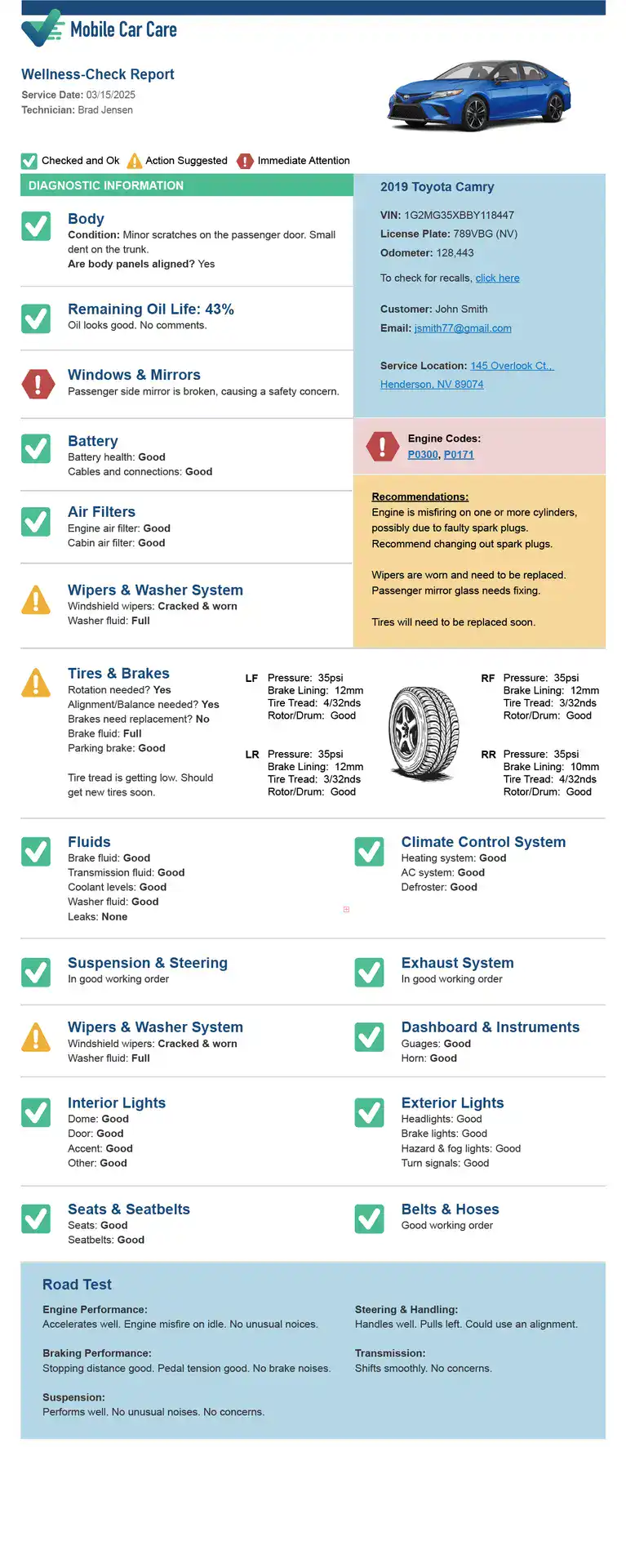
Before you commit, it’s smart to have a few questions ready. This helps you understand exactly what you’re paying for and sets clear expectations. Don’t hesitate to ask for a detailed list of what the inspection covers. Does it include a full check of the brakes, tires, fluid levels, and electrical systems? You can also inquire about the technician’s experience and certifications. A great question to ask is how they deliver the results. Will you receive a detailed digital inspection report with photos and clear explanations? Knowing this upfront ensures you’ll get the information you need to make informed decisions about your car’s maintenance.
How Much Does a Quarterly Inspection Cost?
Thinking about the cost of a quarterly vehicle inspection is smart, and the answer isn’t always a single number. The price can change based on where you live and what your car needs. But it’s helpful to think of it less as a cost and more as an investment in your car’s health and your own peace of mind. A small, regular check-up fee is much easier to handle than a sudden, massive repair bill.
Understanding what goes into the price can help you budget, and seeing the long-term value shows why it’s one of the best things you can do for your vehicle. Let’s break down what you can expect to pay and why it’s worth every penny.
What Factors Into the Price?
The cost of a basic vehicle inspection usually falls between $15 and $50. The final price tag depends heavily on your state’s specific vehicle inspection laws. Some states require both a safety and an emissions test, while others might only require one or the other. The type of vehicle and the rates of the inspection station also play a role. With a mobile service, you’re paying for a comprehensive check that comes directly to you, saving you time and a trip to the shop. Our plans, like the Total Care Plan, bundle these thorough checks into a simple, predictable subscription.
Why Preventive Maintenance is a Smart Investment
Spending a little on regular inspections saves you a lot down the road. Think of it this way: catching a worn-out belt during a check-up might cost a small amount to replace. But if that belt snaps while you’re driving, it could lead to major engine damage and a repair bill in the thousands. Proactive care is about preventing those stressful, expensive surprises. An ongoing service like our Essential Plan is designed to spot these small issues before they become big problems. It keeps your car running reliably, protects its value, and gives you the confidence that your vehicle is safe for you and your family.
Related Articles
- Vehicle Inspection Service: Your Complete Guide – Mobile Car Care
- 85-Point Inspection: What’s Included & Why It Matters – Mobile Car Care
- Multi-Point Inspection: What’s Checked & Why It Matters – Mobile Car Care
- 85-Point Vehicle Check: Your Complete Guide – Mobile Car Care
Frequently Asked Questions
How is a quarterly check-up different from my state’s required annual inspection? Think of it this way: your state’s annual inspection is like a final exam that confirms your car meets the minimum legal safety and emissions standards for that specific day. A quarterly inspection is like the regular homework and quizzes throughout the year. It’s a proactive wellness check designed to catch small issues before they become big problems, ensuring you pass that final exam with ease and drive safely all year long.
How long does a mobile inspection usually take? Our comprehensive inspections typically take about 45 to 60 minutes to complete. The best part is that you don’t have to wait around. Since we come to your home or office, you can continue with your day while our technician works. We just need access to your keys and the vehicle, and we’ll send you a detailed digital report as soon as we’re finished.
What happens if your technician finds an issue during the inspection? If we discover a problem, our first step is to document it clearly in your inspection report, often with photos, so you can see exactly what we see. We will explain the finding, assess its urgency, and provide you with a straightforward quote for the repair. For many minor issues, we can perform the fix right on the spot, while for more significant repairs, we can help you schedule a follow-up appointment.
Is a quarterly inspection necessary for a brand-new car? While new cars are less likely to have immediate problems, a quarterly inspection is still a smart practice. It helps establish a consistent maintenance history from the very beginning, which is great for your warranty and future resale value. It also ensures that fundamentals like tire pressure and fluid levels are always optimal, protecting your new investment and keeping it running perfectly.
Do I need to be present for the entire inspection? Not at all. Our service is designed for your convenience. You can meet the technician to hand over the keys and then go right back to your work or family time. We handle the entire inspection independently. Once it’s complete, we will secure your vehicle and send you the full report, allowing you to review the results on your own schedule.