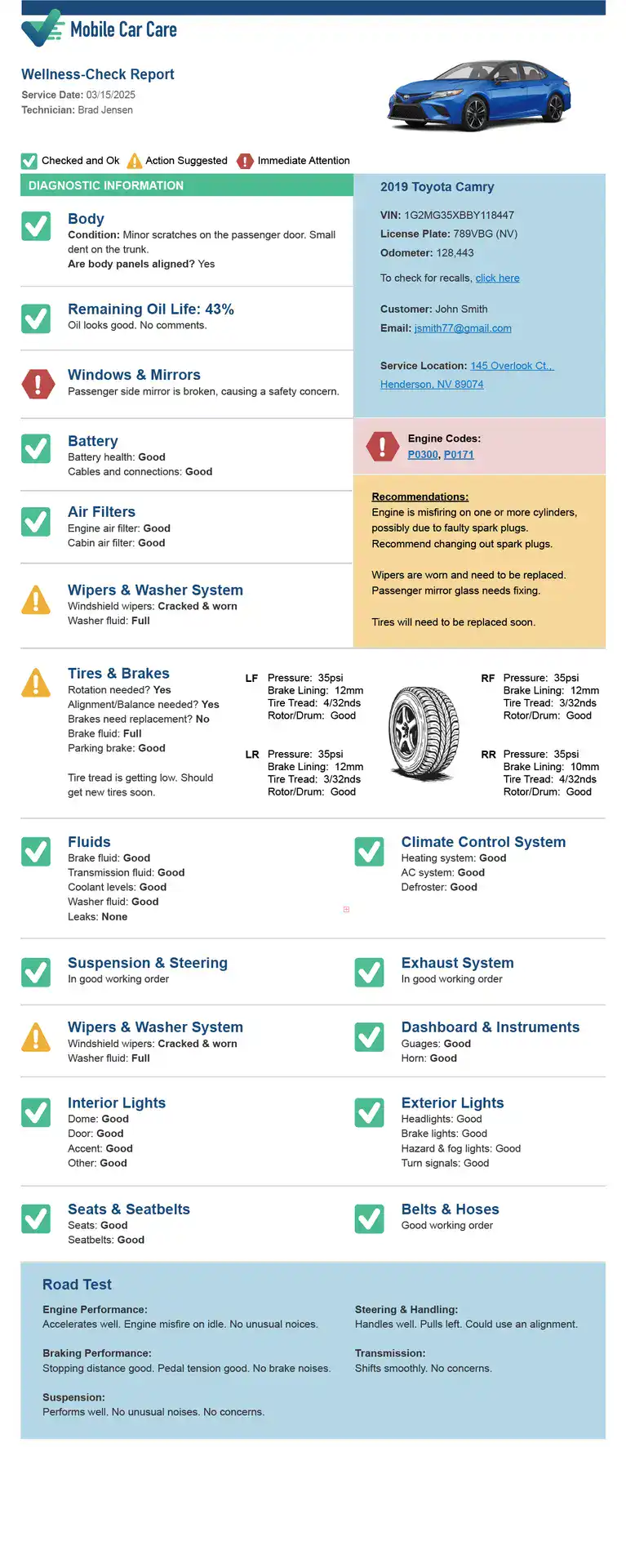

Let’s be honest: no one likes surprise expenses, especially when they come from the auto shop. An unexpected car repair can throw your entire monthly budget off track. The smartest way to protect your wallet from these costly emergencies is to shift from reactive repairs to proactive care. That’s where a multi-point inspection comes in. Think of it as a small investment that prevents huge headaches down the road. By identifying minor issues like a worn belt or low brake fluid early, you can address them affordably, long before they snowball into a major failure that leaves you stranded and facing a massive bill.
Key Takeaways
- Catch small issues before they become big problems: A multi-point inspection is your best tool for finding minor wear and tear, allowing you to handle simple fixes before they turn into stressful and expensive breakdowns.
- Understand your car’s health with a simple report: The color-coded system (green, yellow, red) gives you a clear roadmap, helping you prioritize urgent safety repairs and plan for future maintenance without feeling pressured or confused.
- Create a simple inspection schedule: As a general rule, get your car checked every 10,000-15,000 miles or at least once a year. This consistent check-in ensures your vehicle remains safe and reliable, no matter how much you drive.
What Is a Multi-Point Inspection?
Think of a multi-point inspection as a thorough wellness check for your car. It’s a comprehensive evaluation of your vehicle’s most important systems, designed to give you a clear picture of its overall health. During an inspection, a technician methodically goes through a detailed checklist, examining critical components that keep you safe on the road. This isn’t just a quick glance under the hood; it’s a systematic review of everything from your brake pads and tire treads to your fluid levels, belts, hoses, and battery connections. According to experts, a multi-point inspection is a full check of almost every part of your car, truck, or SUV.
The main purpose is to identify small issues before they have a chance to become major, expensive problems. It’s about proactive care that helps you stay ahead of unexpected breakdowns and repairs. By getting a full report on your car’s condition, you can make informed decisions about maintenance and drive with the confidence that your vehicle is in good shape. It’s one of the smartest ways to protect your investment and ensure your car remains reliable for your daily commute, family road trips, and everything in between. This detailed assessment is key to understanding what’s working perfectly and what might need attention down the road.
Why These Inspections Matter
The real value of a multi-point inspection is peace of mind. Its main goal is to find hidden problems before they can cause a breakdown or lead to costly repairs. Catching a worn belt or low brake fluid early is much simpler—and cheaper—than dealing with engine failure or a brake system overhaul later on. Ignoring small issues can easily snowball into bigger, more expensive repairs or even create safety hazards. A regular inspection acts as your car’s early-warning system, helping you address minor maintenance needs proactively. This keeps your vehicle running safely and reliably, so you don’t have to worry about unexpected car trouble disrupting your busy life.
Multi-Point vs. State Inspections
It’s easy to confuse a multi-point inspection with a state-mandated inspection, but they serve very different purposes. A state inspection is typically focused on ensuring your vehicle meets the minimum legal requirements for safety and emissions in your area. It’s a pass/fail test. A multi-point vehicle inspection, on the other hand, is much more thorough. It’s not about meeting a legal standard; it’s about assessing the overall health and condition of your car. While a state check might look at your headlights and tire tread depth, an MPI dives deeper into the condition of your engine, transmission, brakes, and suspension, giving you a complete diagnostic report.
What’s Checked During a Multi-Point Inspection?
Think of a multi-point inspection as a complete wellness check for your car. It’s a systematic process where a technician examines your vehicle’s key systems to spot any wear and tear or potential issues before they turn into major, expensive problems. Instead of just focusing on one specific complaint, this inspection gives you a comprehensive snapshot of your car’s overall health.
From the tires on the road to the fluids in the engine, every component is assessed and rated. This helps you understand what needs immediate attention, what can be watched for later, and what’s in perfect working order. For busy people, it’s the most efficient way to stay on top of vehicle maintenance and ensure your car is safe and reliable for every commute, school run, and road trip. Our technicians perform an 85-point check to make sure nothing gets missed.
Engine, Oil, and Fluids
The inspection starts under the hood, at the very heart of your vehicle. A technician will carefully check all the essential fluids that keep your car running smoothly. This includes the engine oil, coolant, brake fluid, power steering fluid, and even the windshield washer fluid. They’ll look at both the levels and the condition of these fluids to see if they need to be topped off or replaced. The inspection also covers the engine air filter, drive belts, and hoses, making sure everything is clean, tight, and free of cracks. A healthy engine is an efficient one, and these checks are fundamental to your car’s performance.
Brakes, Belts, and Hoses
Your safety on the road is the top priority, which is why the braking system gets a thorough review. The technician will measure the thickness of your brake pads and check the condition of the rotors to ensure you have plenty of stopping power. They’ll also inspect the various belts and hoses in the engine bay. These rubber components can become brittle and crack over time, leading to unexpected breakdowns. Catching a worn-out belt or a bulging hose early is a simple fix that prevents a much bigger headache down the road. Our Essential Plan is designed to keep these critical safety systems in top shape.
Tires and Suspension
Your tires are your car’s only connection to the road, so they get plenty of attention. A technician will check the tire pressure, measure the tread depth, and look for any signs of uneven wear, which could point to an alignment issue. Properly maintained tires are crucial for safe handling, traction, and even fuel efficiency. The inspection also covers your suspension system, including the shocks, struts, and other components that absorb bumps in the road. A healthy suspension doesn’t just provide a smooth ride; it ensures your car remains stable and easy to control.
Battery, Lights, and Wipers
This part of the inspection makes sure you can see, be seen, and start your car reliably. The technician will test your car’s battery and check the cables for any corrosion or loose connections that could leave you stranded. They’ll also walk around the vehicle to confirm that all exterior lights—headlights, brake lights, and turn signals—are working correctly. Finally, they’ll examine the condition of your windshield wiper blades to ensure they can clear your view effectively during rain or snow. These details are all part of the comprehensive service included in our Total Care Plan.
How an Inspection Protects Your Car (and Your Wallet)
Think of a multi-point inspection as a wellness check for your car. It’s not about passing or failing; it’s about getting a clear, proactive look at your vehicle’s health. This simple step does more than just keep your car on the road—it protects your schedule, your safety, and your budget from the stress of unexpected breakdowns. By understanding what’s happening under the hood, you can make informed decisions that save you time and money down the line.
Catch Problems Early to Save Money
The biggest benefit of a regular inspection is its power to find small issues before they snowball into major, expensive headaches. A technician might spot a worn belt that costs little to replace, preventing it from snapping and causing serious engine damage that could set you back thousands. The main goal is to identify these hidden problems before they leave you stranded. Addressing minor fixes as they come up is always more affordable than dealing with a major breakdown. It’s the difference between a manageable maintenance cost and a budget-busting emergency repair.
Drive with Confidence and Peace of Mind
Let’s be honest: that little worry in the back of your mind about whether your car is truly safe can be draining. A thorough inspection gives you the confidence to know your vehicle is in good shape, from the brakes that stop you safely to the tires that grip the road. This peace of mind is invaluable, especially when you’re carrying precious cargo like your family. Regular checks also help your car’s components last longer, extending the overall life of your vehicle. When you know a professional has looked everything over, you can simply get in and drive without the nagging “what if”s.
Keep Your Car Running Smoothly
A well-maintained car is a reliable car. A multi-point inspection is a comprehensive review designed to keep your vehicle operating at its best and ensure you stay safe. The technician examines all the critical systems that work together to give you a smooth ride, including your engine, brakes, tires, and steering. They’ll check your fluid levels, test your battery, and inspect your wipers to make sure everything is functioning as it should. This kind of preventive maintenance ensures all parts are in good working order, which improves performance, fuel efficiency, and your car’s day-to-day dependability.
How Often Should You Get an Inspection?
Knowing how often to get your car inspected can feel like a guessing game. Is it based on how much you drive, how old your car is, or the strange noise you heard last Tuesday? The simple answer is: it’s a mix of all three. Think of a multi-point inspection as a regular wellness check for your vehicle. It’s the best way to stay ahead of potential issues and keep your car running safely and reliably.
For most modern cars, there are some clear guidelines you can follow. Sticking to a regular schedule helps you catch small problems—like a worn belt or low fluid—before they turn into major, expensive repairs that leave you stranded. It’s all about proactive care. Instead of reacting to a breakdown, you’re taking control and ensuring your car is in top shape for your daily commute, school runs, and weekend getaways. Let’s break down the timing so you can create a schedule that works for you and your car.
By the Mile
If you’re on the road a lot, tracking your mileage is one of the easiest ways to stay on top of maintenance. Most car manufacturers suggest getting a multi-point inspection every 10,000 to 15,000 miles. This timing often lines up nicely with other routine services, like an oil change or tire rotation, so you can bundle them together.
Following the mileage guide is a great way to ensure that parts experiencing regular wear and tear, like your brakes and tires, get the attention they need. It keeps your car running efficiently and helps maintain its value over time. Just check your odometer when you get your oil changed, and if you’re approaching that 10,000-mile mark, it’s time for a check-up.
By the Calendar
What if you don’t drive much? Maybe you work from home or only use your car for weekend errands. In that case, a calendar-based approach is your best bet. Even when a car isn’t driven frequently, its components can still degrade over time. Rubber hoses can become brittle, fluids can lose their effectiveness, and your battery can lose its charge.
A good rule of thumb is to get an inspection every year or two, regardless of how many miles you’ve put on the odometer. This annual check-in ensures that time-sensitive parts are still in good shape and that your car is ready to go when you need it. It’s a simple way to get peace of mind without having to watch your mileage.
When to Get an Extra Check-Up
Sometimes, life calls for an inspection outside of your regular schedule. These are the moments when a quick, professional once-over can save you a lot of future headaches and give you the confidence you need to get on the road.
Consider scheduling an extra check-up if you’re:
- About to buy a used car. Don’t just take the seller’s word for it. An independent inspection reveals the car’s true condition.
- Planning a long road trip. Ensure your car is safe and reliable for the journey ahead.
- Noticing performance changes. If your car feels sluggish, is getting worse gas mileage, or is making new noises, it’s telling you something is off.
- Getting ready to sell your car. A recent inspection report can increase buyer confidence and help you get a better price.
For these one-off situations, a service like our Quick Check Plan is the perfect fit.
What to Expect During Your Inspection
Knowing what happens during a multi-point inspection can take the mystery out of the process and help you feel more in control of your car’s health. It’s a straightforward check-up designed to give you a clear picture of what’s going on under the hood and beyond. When we come to you, our goal is to make the entire experience as simple and stress-free as possible.
A Step-by-Step Look at the Process
A multi-point inspection is a thorough wellness check for your vehicle. The main goal is to spot any hidden issues before they turn into major breakdowns or costly repairs. While the specifics can vary, a quality inspection is comprehensive. Our technician will systematically review all your car’s major systems—from the engine and brakes to the tires and battery. Think of it as a complete physical for your car, designed to give you a full report on its condition. Our Essential Plan, for example, includes an 85-point check to ensure nothing gets overlooked, giving you total peace of mind.
How to Read Your Inspection Report
After the check-up, you’ll get a detailed report. To make it easy to understand, most inspection reports use a simple color-coded system: green, yellow, and red. Green means a component is in good shape and needs no attention. Yellow is a heads-up, indicating a part is showing wear and will need service soon. Red flags an issue that requires immediate attention for safety or to prevent further damage. This system isn’t meant to be alarming; it’s a tool to help you prioritize repairs and plan for future maintenance without the guesswork.
Prepping Your Car for Its Inspection
You don’t need to do much to get your car ready, but a little information goes a long way. Before the technician arrives, take a moment to think about any specific concerns you have. Have you noticed any strange noises, warning lights, or changes in performance, like squeaky brakes or a slow start? Sharing these details helps the technician focus on potential problem areas. If you’re just looking for a general check-up or are considering buying a used car and need a pre-purchase inspection, a one-time vehicle review can provide a valuable snapshot of the vehicle’s health. Just make sure your car is parked in a safe, accessible spot, and we’ll handle the rest.
What to Do After the Inspection
Okay, you have the inspection report in your hands. It might look like a long to-do list, but think of it as a roadmap to a healthier, more reliable car. This report is your key to preventing surprise breakdowns and expensive, last-minute repairs. Instead of feeling overwhelmed, you can use this information to take control of your car’s maintenance schedule. At Mobile Car Care, we make sure our 85-point wellness check reports are clear and easy to follow, delivered as a digital vehicle inspection, delivered as a digital vehicle inspection, so you know exactly where your vehicle stands. The next step is turning that knowledge into a simple, actionable vehicle inspection plan.
Decide What to Fix First
Most inspection reports use a simple color-coded system to make things easy: green, yellow, and red. Think of it like a traffic light for your car’s health. Green means an item is in good shape and needs no attention. Yellow indicates something is starting to show wear and will need to be addressed soon—it’s your heads-up to start planning. Red, however, flags an issue that needs immediate repair for safety or to prevent further damage. The main goal is to find hidden problems before they leave you stranded. By focusing on the red items first, you’re tackling the most critical issues right away.
Plan Your Maintenance and Budget
Once you’ve handled the urgent red items, the yellow ones are your guide for future planning. Ignoring these smaller issues can lead to bigger, more expensive repairs down the road. Your inspection report helps you create a plan for car maintenance that fits your schedule and budget. You can set aside money for those upcoming repairs without the stress of a sudden, costly surprise. This proactive approach is exactly what our subscription services are designed for. A recurring plan like our Essential Plan keeps you ahead of the game, so you’re always aware of what your car needs next, long before it becomes an emergency.
Make Smart Choices for Your Car
Taking care of small issues early is one of the smartest financial decisions you can make for your vehicle. For example, replacing worn brake pads is a relatively inexpensive job. But if you wait too long, those worn pads can damage the rotors, turning a simple fix into a much more complex and costly repair. By using your inspection report to make informed choices, you’re not just maintaining your car—you’re protecting your wallet. And with a service that comes to you, there’s no reason to put off those small but important fixes.
How Much Does a Multi-Point Inspection Cost?
When you’re thinking about getting a multi-point inspection, one of the first questions that comes to mind is, “What’s this going to cost me?” The answer isn’t one-size-fits-all, because the price depends on how thorough the check-up is. Generally, you can expect the cost to range anywhere from free to over $200.
The price tag is directly tied to the depth of the inspection. A quick, complimentary check might just cover the basics, while a comprehensive review that dives into your car’s systems will naturally cost more. Understanding what influences the price helps you choose the right service for your car and your budget, ensuring you get exactly what you need without any surprises.
What Influences the Price
The cost of a multi-point inspection varies based on its level of detail. A quick “courtesy check” offered at a dealership might be free, but it’s usually a high-level visual scan. It’s designed to spot obvious issues but won’t dig deep into your vehicle’s health.
On the other hand, a more detailed inspection can cost anywhere from $50 to $200 or more. The price increases with the complexity of the service. A truly comprehensive check involves more than just a visual look-over; it includes testing components, checking fluid quality, and sometimes even using computer diagnostics to read your car’s internal systems. The more points that are checked, the more time and expertise are required, which is reflected in the cost.
Free vs. Paid Inspections
You’ve probably seen ads for free multi-point inspections, especially from dealerships or large service chains. These are often offered as part of another service, like an oil change, or as a special promotion to get you in the door. While a free check can be useful for spotting obvious problems, it’s good to remember that it can also be a sales tool to identify potential repairs.
A paid inspection, however, is a standalone service you’re purchasing for a clear and unbiased assessment of your vehicle’s condition. You’re paying for a technician’s dedicated time and expertise to give you a complete picture of your car’s health. This means you get a detailed report without the pressure of an immediate upsell, allowing you to make informed decisions about maintenance on your own terms.
What You’re Really Paying For
When you pay for a multi-point inspection, you’re not just buying a service—you’re investing in peace of mind. The primary goal is to maintain your vehicle’s health and catch small issues before they snowball into major, expensive repairs. Think of it as preventative care for your car.
You’re paying for a professional to spot a worn belt before it snaps or notice a small leak before it drains a critical fluid. This proactive approach keeps your car running safely and reliably, saving you from the stress and cost of unexpected breakdowns. With a service like our Quick Check Plan, you get a comprehensive 85-point wellness check at your home or office, giving you a clear, actionable report that puts you in control of your car’s maintenance.
Where Can You Get a Multi-Point Inspection?
When it’s time for a multi-point inspection, you have a few options. The right choice often comes down to what fits best with your schedule and how involved you want to be in the process. The main goal is always the same: to find hidden problems before they turn into major headaches that disrupt your life. Let’s look at the most common places to get your car checked out so you can decide what works for you.
Convenient At-Home Inspections
Imagine getting a full vehicle check-up without ever leaving your driveway. That’s the beauty of a mobile inspection service. A certified technician comes to your home or office to perform a comprehensive check, saving you the time and hassle of a trip to the garage. This is perfect for busy parents, professionals, or anyone who would rather not spend their afternoon in a waiting room. At Mobile Car Care, our Essential Plan includes a detailed 85-point wellness check right where you are. We also provide clear reports with photos and videos, so you can see exactly what our technicians see and feel confident in your maintenance decisions.
Dealerships and Local Garages
The most traditional options are dealerships and independent auto shops. Many people are used to this routine: you drop your car off, wait, and then get a report from the service advisor. Dealerships are experts in your specific make and model, while local garages can offer a more personal touch. However, keep in mind that the depth of the inspection can vary. Different repair shops might check different things, so it’s always a good idea to ask what their multi-point inspection includes before you commit. This ensures you’re getting the thorough check-up your car needs.
How to Choose the Right Service for You
Choosing the right service depends on what you value most. If convenience is your top priority, a mobile service that comes to you is hard to beat. If you’re looking for transparency, find a provider that uses photos or videos to explain their recommendations—this helps build trust and ensures you’re not paying for unnecessary repairs. Ultimately, a properly executed inspection process leads to higher customer satisfaction and a healthier car. Think about what makes you feel most comfortable and in control of your vehicle’s maintenance, and choose the service that delivers that peace of mind.
So, Is a Multi-Point Inspection Worth It?
When you’re juggling a packed schedule, it’s easy to wonder if a multi-point inspection is just another item on an already long to-do list. The short answer is yes, it’s absolutely worth it. Think of it less as a task and more as a smart strategy to protect your time, your budget, and your peace of mind. An inspection shifts your car care from reactive (dealing with breakdowns) to proactive (preventing them), which is always a win for a busy life. It’s about catching small issues before they have a chance to become major, stressful problems that throw your entire week off track.
Clearing Up Common Myths
Let’s clear up a few common myths about multi-point inspections. First, this isn’t just a quick glance under the hood. A quality inspection is a full check of almost every part of your car, from the brake pads to the battery terminals. The entire goal is to spot hidden wear and tear before it can leave you stranded or facing a massive repair bill. Another common misconception is that the little things noted on an inspection report can be ignored. In reality, a slightly worn belt or a low fluid level is often an early warning sign. Addressing these small items promptly is key to avoiding bigger, more expensive repairs—and potential safety hazards—down the road.
The Long-Term Payoff for Your Busy Life
For anyone with a busy schedule, the real value of a multi-point inspection is the time and stress it saves you in the long run. A surprise breakdown means rearranging your day, dealing with tow trucks, and figuring out alternate transportation. An inspection gives you a clear picture of your car’s health, so you can plan for maintenance on your own terms. It provides peace of mind, knowing your vehicle is safe and reliable for your daily commute or family road trips. Plus, it’s a financially savvy move. Finding and fixing small issues early is almost always cheaper than waiting for a component to fail completely. It allows you to budget for upcoming needs instead of being hit with an unexpected expense.
Related Articles
- 85-Point Inspection: What’s Included & Why It Matters – Mobile Car Care
- 85-Point Vehicle Check: Your Complete Guide – Mobile Car Care
- Mobile Vehicle Inspection: Your Complete Guide – Mobile Car Care
- Your Complete Guide to Mobile Vehicle Inspection – Mobile Car Care
Frequently Asked Questions
Is a multi-point inspection the same as getting my oil changed? Not quite. While some shops might perform a quick visual check during an oil change, a true multi-point inspection is much more thorough. Think of an oil change as one specific task, while the inspection is a complete wellness check for your entire vehicle, covering everything from your brake system and tire health to your battery and fluid conditions.
How long does a mobile inspection usually take? The time can vary depending on your vehicle, but you can generally expect our comprehensive 85-point check to take about an hour. Since we come to you, you can carry on with your day at home or work without having to sit in a waiting room. We work efficiently to give you a full picture of your car’s health without disrupting your schedule.
If the inspection finds problems, do I have to fix them all right away? Absolutely not. The inspection report is a tool to help you understand your car’s condition, not a high-pressure sales tactic. We use a simple color-coded system to show you what needs immediate attention for safety (red items) and what can be planned for in the future (yellow items). The goal is to give you the information you need to make smart, unhurried decisions about your car’s maintenance.
My state requires an annual safety inspection. Is this the same thing? They serve different purposes. A state inspection is a pass/fail test that ensures your car meets the minimum legal standards to be on the road. A multi-point inspection is a much deeper assessment of your vehicle’s overall health. It’s designed to catch wear and tear early, helping you prevent future breakdowns and expensive repairs long before they would cause you to fail a state inspection.
What happens if you find a serious issue during an at-home inspection? If we find a critical safety issue, our first step is to show you exactly what we see and explain the concern clearly. For many minor repairs, we can schedule a follow-up visit to fix them right in your driveway. If it’s a major repair that requires a full-service shop, we’ll provide you with a detailed report so you can confidently discuss the issue with the mechanic of your choice.