Between work, family, and everything else, who has time to worry about car maintenance? It’s easy for that “check engine oil” reminder to get lost in the shuffle. But what if I told you that the most crucial check takes less than two minutes? That’s less time than it takes to make a cup of coffee. Taking a moment to learn how to check oil is the fastest way to prevent the massive inconvenience of a breakdown. This guide is for busy people who value their time and want to keep their car reliable without the hassle.
Key Takeaways
- A Quick Monthly Check Prevents Major Headaches: Taking just two minutes each month to check your oil is the easiest way to protect your engine, improve performance, and avoid the stress of an unexpected, expensive breakdown.
- Master the Basics for an Accurate Reading: Always check your oil when the engine is cool and the car is on level ground. Wiping the dipstick clean before taking a measurement ensures you get a true picture of your oil level.
- Look Beyond Just the Level: The amount of oil is important, but its color and texture tell a bigger story. Dark, gritty, or milky oil, or a level that drops frequently, are all signs that it’s time to call a professional for a closer look.
Why You Should Check Your Oil Regularly
Let’s be honest—car maintenance can feel like a chore that’s easy to push to the bottom of your to-do list. But if there’s one simple task that pays off big time, it’s checking your engine oil. Think of oil as the lifeblood of your car. It lubricates moving parts, reduces friction, and helps keep your engine from overheating. Ignoring it is like running a marathon without water; eventually, things are going to seize up.
Taking just two minutes every month to check your oil can save you from stressful and expensive breakdowns. It’s one of the easiest ways to get ahead of potential issues and keep your car running smoothly. A quick check gives you a real-time snapshot of your engine’s health and tells you exactly what it needs. By staying on top of this simple task, you’re not just maintaining your car—you’re protecting your investment, ensuring your safety on the road, and saving yourself from future headaches. It’s a small habit that delivers huge peace of mind.
Protect Your Engine
Your engine is a complex machine with countless metal parts moving at incredibly high speeds. Oil is the crucial barrier that keeps them from grinding against each other, which would cause friction, intense heat, and catastrophic damage. As Jiffy Lube explains, checking your oil regularly helps keep your engine healthy and prevents problems. When your oil level is low or the oil itself is old and dirty, it can’t do its job effectively. This leads to increased wear and tear, overheating, and eventually, engine failure. A simple dipstick check is your first line of defense in protecting your car’s most vital component.
Improve Performance and Fuel Efficiency
Have you ever noticed your car feeling a bit sluggish or not getting the gas mileage it used to? Your engine oil could be the culprit. Clean, sufficient oil is essential for optimal performance. Proper lubrication is key because, as Oil Changers notes, oil helps reduce friction, keeps parts cool, and cleans out tiny bits of dirt. When your engine is properly lubricated, its components move freely and efficiently. This means the engine doesn’t have to work as hard to power your car, which can directly translate into better fuel economy and a more responsive driving experience. Keeping your oil at the right level and quality is a simple way to help your car perform at its best.
Save Money with Preventive Care
Preventive care is always cheaper than a major repair, and this is especially true when it comes to your engine. Topping off your oil is an inexpensive task, but replacing an engine can cost thousands of dollars. It’s important to remember that having too much oil in your engine can be just as bad as having too little, so regular checks ensure you maintain that perfect balance. Catching a low oil level early prevents the kind of friction and heat that leads to warped parts and total engine seizure. This small, proactive step is one of the best ways to avoid a massive, unexpected repair bill. For ongoing peace of mind, our Essential Plan includes regular wellness checks to catch these things for you.
What You’ll Need to Check Your Oil
Before you pop the hood, let’s get you set up for success. The good news is that checking your car’s oil is one of the simplest maintenance tasks you can do, and you don’t need a garage full of tools. It takes just a few minutes and gives you a vital snapshot of your engine’s health. Getting prepared is half the battle, so here’s what you’ll need to have on hand and a few key safety tips to keep in mind.
The Right Tools and Materials
You can leave the toolbox closed for this one. All you really need is a clean, lint-free rag or a couple of paper towels. This is for wiping the dipstick clean so you can get a clear and accurate reading of your oil level. It’s also a good idea to have your car’s owner’s manual handy, especially if you’re doing this for the first time. The manual is your best friend for locating the dipstick and confirming the manufacturer’s recommendations for when to check the oil—some cars prefer a cold engine, while others suggest checking when it’s warm. When in doubt, the manual has the final say.
A Few Safety Tips
First and foremost, always turn your engine off before checking the oil. The engine has many moving parts, and checking the oil while it’s running is not only unsafe but will also give you an inaccurate reading. Make sure your car is parked on a flat, level surface. If you’re on a hill, the oil will pool to one side of the oil pan, and you won’t be able to tell how much is actually in there. Finally, give your engine a moment to cool down. If you’ve just been driving, wait at least 5 to 10 minutes. This allows the oil circulating through the engine to settle back into the pan, ensuring you’re measuring the total amount.
Find Your Dipstick and Prep Your Car
Before you can get an accurate picture of your car’s oil situation, you need to set the stage. Getting your car ready is a quick but crucial step that ensures the reading you get is the right one. Think of it as the warm-up before the main event. Taking a moment to find the dipstick and park in the right spot will make the whole process smoother and give you confidence in the results. These are the same initial steps a professional technician takes during a routine wellness check, and they’re simple enough for anyone to master. Let’s walk through exactly what you need to do to get started.
How to Locate the Dipstick
First things first, let’s find that dipstick. Pop the hood of your car and take a look at the engine. Don’t worry if it looks complicated; you’re only looking for one specific thing. The oil dipstick is designed to be easy to spot. Scan the engine bay for a small handle, which is almost always a brightly colored ring or T-shaped grip. It’s usually yellow, orange, or red, making it stand out from the other parts. Once you’ve found it, you’ve completed the first step. See? You’ve got this.
Park on a Level Surface and Let the Engine Cool
Where you park matters more than you might think. To get a true oil reading, your car needs to be on flat, level ground. Parking on a hill or a sloped driveway can cause the oil to pool on one side of the oil pan, which will give you an inaccurate reading on the dipstick. It’s also best to check the oil when the engine is cool. If you’ve just been driving, turn the car off and wait at least 10-15 minutes. This gives the oil time to settle back down into the pan, ensuring you’re measuring all of it.
How to Check Your Oil: A Step-by-Step Guide
Now for the main event! This part is much simpler than it sounds, I promise. Checking your oil is a quick, three-step process that will give you a clear picture of your engine’s health. Once you’ve prepped your car by parking it on a level surface and letting the engine cool down, you’re ready to go. Just follow these steps, and you’ll be done in less than a minute. If you’re more of a visual learner, there are some great video tutorials that can walk you through the process. Remember, the goal is to get a clear and accurate reading so you know exactly what’s going on inside your engine.
Pull and Wipe the Dipstick
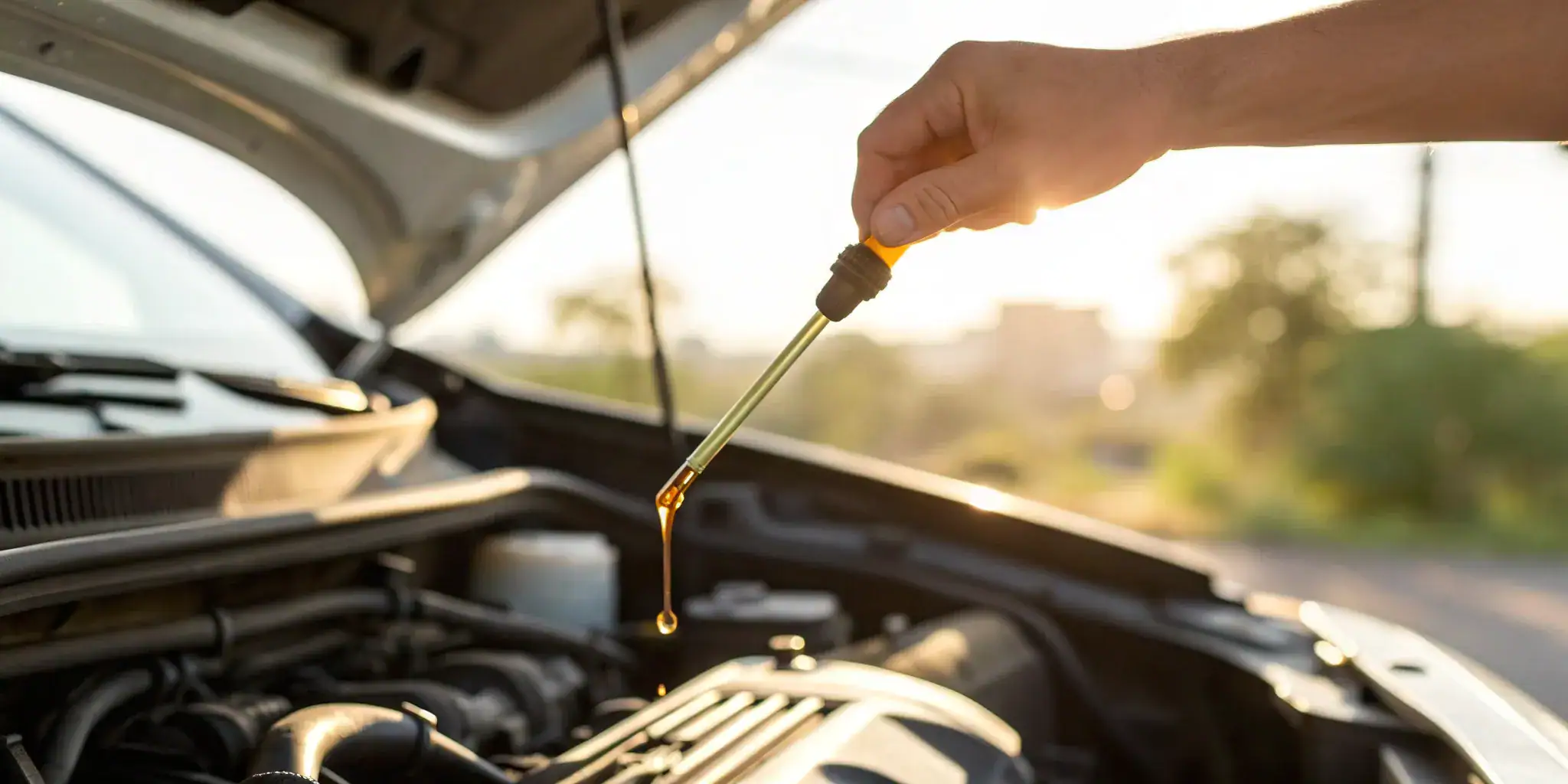
First things first, pull the dipstick all the way out of its tube. You’ll notice it’s covered in oil, which makes it impossible to get an accurate reading right away. Grab a clean, lint-free cloth or a paper towel and firmly wipe the entire end of the dipstick clean, from the handle down to the tip. Think of this as creating a clean slate. This step is crucial because old oil residue can give you a false reading, making you think you have more oil than you actually do. Once it’s completely clean and dry, you’re ready for the next step.
Reinsert for an Accurate Reading
Now, carefully guide the clean dipstick back into its tube. Make sure you push it all the way down until the handle is seated firmly in place, just as it was before you removed it. If it’s not fully inserted, your reading won’t be correct. Pause for a second, then pull the dipstick out again. This time, don’t wipe it. You’ll use this fresh coat of oil to check the oil level against the markings on the end. This simple action ensures you’re measuring the current oil level sitting in the pan.
Read Both Sides of the Dipstick
Take a close look at the end of the dipstick. You’ll see two marks, often labeled “MIN” and “MAX” or “ADD” and “FULL.” The oil level should be somewhere between these two points. Here’s a pro tip: always check both sides of the dipstick. Sometimes, oil can cling unevenly as you pull it out. If you see two different levels, the lower oil mark is generally the more accurate one to trust. This little detail helps you avoid misreading the level and ensures you know exactly where your oil stands.
How to Read Your Oil Level and Quality
Okay, you’ve got the dipstick in hand. Now what? Reading it is simpler than you might think. It’s not just about how much oil you have, but also about the health of that oil. Think of it as a quick check-up for your engine’s most vital fluid. By looking at the level, color, and consistency, you can get a surprisingly clear picture of what’s happening under the hood and catch small issues before they turn into big, expensive headaches. Let’s break down exactly what you should be looking for.
Understand the Dipstick Markings
Your dipstick is like a ruler for your oil. It will have markings to show you the proper operating range. Most have two small dots, two lines, or a cross-hatched area. The goal is for your oil level to fall somewhere between these two points. If it’s below the bottom mark (often labeled ‘min’ or ‘add’), your engine is running low on oil and you need to top it off. If it’s above the top mark (‘max’ or ‘full’), it’s overfilled, which can also cause problems. Getting a clear reading of these markings is the first step to understanding your engine’s health.
What Different Oil Colors Mean
The color of your engine oil is a great indicator of its condition. Fresh, clean oil is typically a translucent, amber or honey color. Over time, as it lubricates your engine, it picks up dirt and debris, causing it to darken. If the oil on your dipstick is dark brown or black, it’s doing its job, but it’s also a sign that it’s getting old and is likely ready for a change. If you notice the oil appears dark or gritty, it’s definitely time to schedule an oil change. A milky or foamy appearance is a red flag, as it could mean coolant is leaking into your engine, which requires immediate attention.
Check the Oil’s Consistency
Beyond color, the texture of the oil tells a story. Rub a little bit of the oil from the dipstick between your thumb and index finger. It should feel smooth and slick. If it feels gritty or you can see tiny particles of dirt or metal in it, that’s a sign of contamination. The oil is no longer protecting your engine parts as effectively as it should. This, combined with a dark color, confirms it’s time for a change. If you’re ever unsure about what you’re seeing, a professional 85-point wellness check can give you clarity and peace of mind.
What to Do if Your Oil is Low
So, you’ve checked the dipstick and the oil level is low. Don’t panic! This is a common issue and one you can often fix yourself in just a few minutes. Topping off your oil is a straightforward task that keeps your engine happy and healthy. The key is to add the right kind of oil and to do it carefully to avoid overfilling. If you notice you’re adding oil frequently, it might be a sign of a bigger issue, like a leak. Let’s walk through exactly what to do next to get your car back in top shape and give you peace of mind on the road.
Choose the Right Oil for Your Car
Before you add anything, you need to make sure you have the correct oil for your car. Using the wrong type can cause engine problems down the line. The easiest way to find this information is to check your car’s owner’s manual. It will specify the recommended viscosity grade, which looks something like “5W-30” or “0W-20.” This number tells you how the oil flows at different temperatures. If you can’t find your manual, this information is often printed on the oil cap under the hood. Picking the right oil is the most important step to ensure your engine runs smoothly and efficiently.
How to Add Oil Without Overfilling
The golden rule of adding oil is to go slowly. Overfilling your engine can be just as damaging as letting it run low, as it can cause leaks and put extra stress on engine components. Start by adding about half a quart of oil at a time. After each addition, wait a minute for the oil to settle, then re-check the dipstick. Keep repeating this process until the oil level is between the “add” and “full” marks. Remember, you’re aiming for the sweet spot, not trying to fill it to the very top line. This patient approach prevents a simple fix from turning into a bigger problem.
When to Look for Leaks
If you find yourself adding oil regularly, your car might have a leak. A good first step is to check your usual parking spot for any dark puddles on the ground. Another sign is if your oil level drops again shortly after you’ve topped it off. Consistently low oil is your car’s way of telling you something isn’t right. If you suspect a leak or just want a professional opinion, it’s a good time to schedule a check-up. Our Quick Check Plan is perfect for getting an expert to diagnose the issue right in your driveway, saving you a trip to the shop.
How Often Should You Check Your Oil?
Knowing how to check your oil is one thing, but knowing when is just as important. Creating a consistent routine is the key to catching small issues before they turn into major, expensive headaches. While every car is a little different, there are some solid guidelines you can follow to keep your engine happy and healthy. Think of it less as a chore and more as a quick, two-minute check-in that gives you incredible peace of mind on the road. It’s one of the simplest ways to practice preventive care and keep your car running smoothly for years to come.
A Recommended Schedule for Your Vehicle
A good rule of thumb is to check your oil level once a month. If you want to be extra diligent, checking it every other time you fill up your gas tank is a fantastic habit to get into. For older vehicles, which can sometimes burn oil more quickly, checking more frequently is a smart move. This simple routine helps you stay on top of your car’s health and ensures the engine is always properly lubricated. It’s a small time investment that can prevent significant engine damage down the line.
What Your Dashboard Warning Lights Mean
If a little symbol that looks like an oil can pops up on your dashboard, don’t ignore it. This is your car’s oil pressure warning light, and it’s signaling a potentially serious issue. It means the oil pressure has dropped to a dangerously low level, which could be due to a low oil level or a problem with the oil pump. If you see this light, you should pull over as soon as it’s safe, turn off the engine, and check your oil level immediately. Continuing to drive with this light on can lead to catastrophic engine failure.
Signs You Need to Check Your Oil Sooner
Sometimes, your car will give you clues that it needs attention outside of your regular schedule. If you notice any of these signs, it’s time for an immediate oil check:
- The oil looks dark or dirty: When you check the dipstick, the oil should be a translucent, amber color. If it looks dark, gritty, or milky, it’s a sign that it’s contaminated and needs to be changed.
- You smell burning oil: A sharp, acrid smell of burning oil inside or outside your car often points to a leak where oil is dripping onto hot engine parts.
- The oil level drops quickly: If you find yourself constantly topping off the oil, you likely have a leak or your engine is burning oil.
- You hear engine noises: Ticking, knocking, or rumbling sounds from the engine can indicate it’s not being lubricated properly.
If you spot any of these issues, it’s best to get a professional opinion. Our Quick Check Plan is perfect for these situations, giving you a clear diagnosis right in your driveway.
Common Mistakes to Avoid When Checking Oil
You’ve got the basic steps down, but a few small slip-ups can lead to an inaccurate reading or, worse, engine trouble down the road. It’s easy to get it right when you know what to look for. Let’s walk through the most common mistakes people make when checking their oil so you can feel confident you’re getting a true picture of your car’s health. Avoiding these simple errors is one of the easiest ways to stay on top of your vehicle’s needs and keep it running smoothly for years to come.
Getting the Timing and Temperature Wrong
One of the most frequent mistakes is checking the oil when the engine is hot or immediately after you’ve been driving. When your engine is running, oil is circulating to lubricate all the moving parts, so it won’t all be in the oil pan at the bottom. Checking it at this time will give you a falsely low reading. For the most accurate result, check the oil when the engine is cool. The best time is in the morning before you’ve started your car for the day. This gives all the oil plenty of time to settle back into the pan, ensuring the dipstick shows you exactly how much you have.
How to Avoid Misreading the Dipstick
Have you ever pulled out the dipstick and seen a confusing smear of oil up one side? This happens when oil gets wiped onto the stick as you pull it through the tube, making the level look higher than it is. It’s a super common issue that can easily lead to confusion. The fix is simple: always look at both sides of the dipstick. The side with the lower, more distinct oil line is almost always the correct reading. Wiping the dipstick clean and reinserting it for a second check can also help you get a clearer, more accurate oil level.
The Problem with Overfilling or Underfilling
The markings on your dipstick are there for a reason—your engine is designed to run with an oil level that falls squarely between them. If your oil is below the “add” or “minimum” line, your engine doesn’t have enough lubrication, which can cause friction, overheating, and serious damage. On the other hand, adding too much oil is also harmful. An overfilled engine can cause the oil to become foamy and aerated, which prevents it from lubricating properly and can damage engine seals. If you find you’ve added too much, you may need to remove some oil to get the level back in the safe zone.
When to Call a Professional
Checking your own oil is a fantastic skill to have, but it’s just as important to know when a situation calls for a professional eye. Sometimes, what you see on the dipstick is a symptom of a larger issue that a simple top-off won’t solve. Trying to fix a complex problem on your own can sometimes lead to more trouble and a bigger repair bill down the road.
Recognizing the difference between a simple fix and a serious warning sign is key to keeping your car running smoothly. If you’re ever in doubt, it’s always best to get a second opinion from a trusted mechanic. A professional can accurately diagnose the problem and prevent minor issues from turning into major ones. This is where proactive maintenance really shines, saving you from the stress and expense of an unexpected breakdown. Think of it as an investment in your car’s health and your own peace of mind.
Warning Signs That Need an Expert
While a low oil level is usually a straightforward fix, a few other signs on the dipstick signal it’s time to call for help. If you notice any of these red flags, don’t ignore them—let a professional take a look.
- Overfilled Oil: If the oil level is well above the “Full” or “T” mark on your dipstick, your engine is overfilled. This can create excessive pressure and lead to serious damage like blown seals and gaskets.
- Dark or Gritty Oil: Clean engine oil is a translucent, amber color. If the oil on your dipstick looks dark, thick, or feels gritty, it’s contaminated and needs to be changed completely.
- Persistently Low Oil: If you find yourself adding oil frequently or the dashboard warning light stays on, your car likely has a leak or is burning oil.
The Benefits of a Professional Maintenance Service
If you’re feeling unsure about what you’re seeing on the dipstick or how to add oil correctly, calling a professional is the smartest and safest move. It’s easy to make a mistake, and having too much oil in your engine can be just as damaging as having too little. A professional service eliminates the guesswork and ensures the job is done right.
Beyond just an oil check, regular professional maintenance provides a comprehensive look at your vehicle’s health. For instance, our Essential Plan includes a full 85-point wellness check that can spot potential issues before they become costly problems. Best of all, we come to you, saving you the time and hassle of a trip to the garage. It’s convenient, stress-free car care designed for your busy life.
Related Articles
- Essential At-Home Car Maintenance Checklist – Mobile Car Care
- Essential Car Check Before Your Next Road Trip – Mobile Car Care
- Quarterly Car Care at Home: Your Simple Guide – Mobile Car Care
- Monthly Car Checkups for Parked Vehicles: A Quick Guide – Mobile Car Care
Frequently Asked Questions
What’s the difference between checking my oil and getting an oil change? Think of checking your oil as a quick health snapshot. You’re simply measuring the current oil level and checking its condition to make sure your engine has enough clean oil to run properly. An oil change is the full service where a technician drains all the old, dirty oil and replaces it with fresh oil and a new filter. Checking the oil is a two-minute task you should do monthly, while an oil change is a more involved service needed every few thousand miles.
My car is pretty new. Do I still need to check the oil this often? Yes, absolutely. Even new cars can consume oil, and it’s a great habit to build from the start. Regular checks can help you spot a potential issue, like a slow leak, long before it becomes a serious problem. It’s less about the age of the car and more about proactive maintenance. Staying on top of your oil level is one of the best ways to protect your engine and keep your car running like new.
What happens if I accidentally add too much oil? Adding too much oil can be just as harmful as having too little. When the oil level is too high, the crankshaft can whip the oil into a foam, which doesn’t lubricate your engine parts effectively. This can lead to overheating and put extra stress on engine seals, causing leaks. If you’ve overfilled it by a lot, it’s best not to start the car and to have a professional drain the excess.
Is it okay to just top off my oil, or do I need to change it? Topping off your oil is the right thing to do when the dipstick shows the level is low. It’s a temporary fix to ensure your engine has enough lubrication between oil changes. However, it doesn’t replace the need for a full oil change. Over time, oil breaks down and collects dirt and grime. An oil change removes all of that contaminated oil, which is something that just topping it off can’t do.
Why does my oil level seem to drop so quickly? If you find yourself adding oil more than once a month, your car is telling you something. It’s normal for engines, especially older ones, to burn a small amount of oil over time. But if the level drops noticeably fast, it usually points to one of two things: an oil leak or your engine is burning oil at an accelerated rate. It’s a good idea to have a professional take a look to diagnose the root cause.