Let’s be honest, most of us don’t think about our brakes until we hear a strange noise. But waiting for that high-pitched squeal means you’re already behind on maintenance. Proactive car care is about catching small issues before they become big, expensive problems, and your brakes are the perfect place to start. The most critical factor in your car’s ability to stop safely is its brake pad thickness. It’s a direct indicator of how much life your brakes have left. This article will demystify the process, showing you how to check your pads, what the ideal thickness is, and what happens when you let them wear too thin. It’s the essential knowledge every driver needs.
Key Takeaways
- Mind the Millimeters: Your brake pads start thick (around 10-15mm) but should be replaced once they wear down to 3-4mm. Staying ahead of this threshold is key to ensuring your car can stop safely when you need it to.
- Listen to Your Car’s Clues: Don’t ignore the telltale signs of wear, like high-pitched squealing, a vibrating or soft brake pedal, or your car pulling to one side. These are direct warnings that your brakes need attention.
- A Small Fix Now Prevents a Big Bill Later: Putting off a brake pad replacement is a gamble on both your safety and your wallet. Ignoring worn pads can lead to longer stopping distances and expensive damage to your rotors and calipers.
What Are Brake Pads and Why Does Their Thickness Matter?
Think of brake pads like the soles of your favorite running shoes. When they’re new, they have plenty of grip and support, giving you the traction you need. Over time, that sole wears down, becoming thin and less effective. Your car’s brake pads work in a similar way. They are a fundamental, yet often overlooked, part of your vehicle’s safety system, and they are designed to wear out with use.
Every time you press the brake pedal, these pads create the friction needed to slow and stop your car. Their thickness is the single best measure of their health and your car’s stopping power. A thick, healthy brake pad can handle the heat and pressure of sudden stops, while a thin, worn-out one can’t. Understanding the condition of your brake pads isn’t just about car maintenance—it’s about keeping you, your family, and others on the road safe. Let’s look at how they work and why their thickness is so critical.
How Brake Pads Keep You Safe
So, what actually happens when you hit the brakes? Your brake pads are the hands-on workers of your car’s braking system. When you press the brake pedal, hydraulic fluid activates a caliper, which squeezes the brake pads against a spinning metal disc called a rotor. This contact creates an immense amount of friction, converting your car’s forward motion into heat and bringing it to a smooth, controlled stop.
Without effective brake pads, your car simply wouldn’t be able to stop safely or reliably. They are the direct point of contact responsible for slowing your wheels, making them one of the most important safety features you have.
The Link Between Thickness and Stopping Power
The material on a brake pad is finite. Brand new pads are thick, but with every stop, a tiny amount of that material wears away. As the pads get thinner, their ability to manage heat and create friction decreases, which means your car will take longer to stop. This is why thickness is the key indicator of their performance.
Generally, you should plan to replace your brake pads when they wear down to about 3 or 4 millimeters. If you can see them through your wheel and they look thinner than a quarter of an inch, it’s definitely time for a closer inspection. Letting them wear down further isn’t just a safety hazard; it can also cause expensive damage to other parts of your braking system, like the rotors.
What’s the Ideal Brake Pad Thickness?
Understanding the right thickness for your brake pads is one of the most important parts of vehicle safety. It’s not just about passing an inspection; it’s about ensuring your car can stop effectively when you need it to most. Think of brake pad thickness as a countdown timer—it starts full and gradually wears down with every press of the pedal. Knowing the key milestones in that countdown helps you stay ahead of potential problems and keep your car running safely. Let’s walk through what to look for, from brand new pads to the moment they need replacing.
The Starting Point: New Brake Pads
Think of new brake pads like a fresh set of tires—they have plenty of material to work with. When they’re brand new, brake pads typically have a thickness of about 10 to 15 millimeters. This thick layer of friction material is what presses against your brake rotors to slow your car down safely and effectively. It’s designed to wear away slowly over thousands of miles, providing reliable stopping power along the way. This starting thickness gives you a clear benchmark, so you have a good idea of how much material has worn down over time when you or a technician inspects them later.
When Are Your Brake Pads Too Thin?
So, how thin is too thin? The general rule of thumb is that brake pads should be replaced when they wear down to about 3 to 4 millimeters. At this point, their ability to stop your car efficiently is significantly reduced. Once they get below 3 millimeters, you’re entering a critical safety zone. The remaining friction material is insufficient for reliable braking, especially in an emergency. Continuing to drive on such thin pads not only puts you at risk but can also cause expensive damage to your brake rotors and calipers, turning a routine maintenance job into a major repair.
Knowing When It’s Time for a Replacement
If your brake pads are hovering between 3 and 5 millimeters, consider it your cue to start planning for a replacement. You don’t have to rush to the shop that very second, but you shouldn’t put it off for long, either. Acting proactively is key. Catching worn pads early prevents the metal backing plate from grinding against your rotors, which is a much costlier fix. This is where regular maintenance really pays off. Having a professional perform routine wellness checks, like those included in our Essential Plan, ensures you catch wear and tear before it becomes a dangerous and expensive problem, giving you total peace of mind on the road.
How to Check Your Brake Pad Thickness at Home
Keeping an eye on your brake pads doesn’t always require a trip to the shop. With a little know-how, you can perform a few simple checks right in your driveway to get a sense of their condition. These checks can give you valuable peace of mind and help you catch wear and tear before it becomes a serious problem. Think of it as a quick health screening for your car’s most important safety feature.
Ready to take a look? Here are a few ways to inspect your brake pads at home, from a quick glance to a more precise measurement.
The Quick Visual Check
For a fast, rough estimate, you can often see your brake pads without even taking off the wheel. Just park your car on a level surface and look through the spokes of your wheel. You’ll see a shiny metal disc—that’s the rotor. Pressed against it, you’ll find the brake caliper, and inside that is the brake pad.
Focus on the thickness of the pad material that’s making contact with the rotor. While this method won’t give you an exact number, it can help you spot pads that are obviously worn thin. If the padding looks like it’s less than a quarter of an inch thick, it’s definitely time for a closer look.
Getting an Exact Measurement with Tools
If you’re comfortable getting a bit more hands-on, you can get a much more accurate measurement. While new brake pads typically start at around 10-12 millimeters (mm), the general rule is to replace them once they wear down to 3mm. To check this, you may need to remove your wheel to get a clear view.
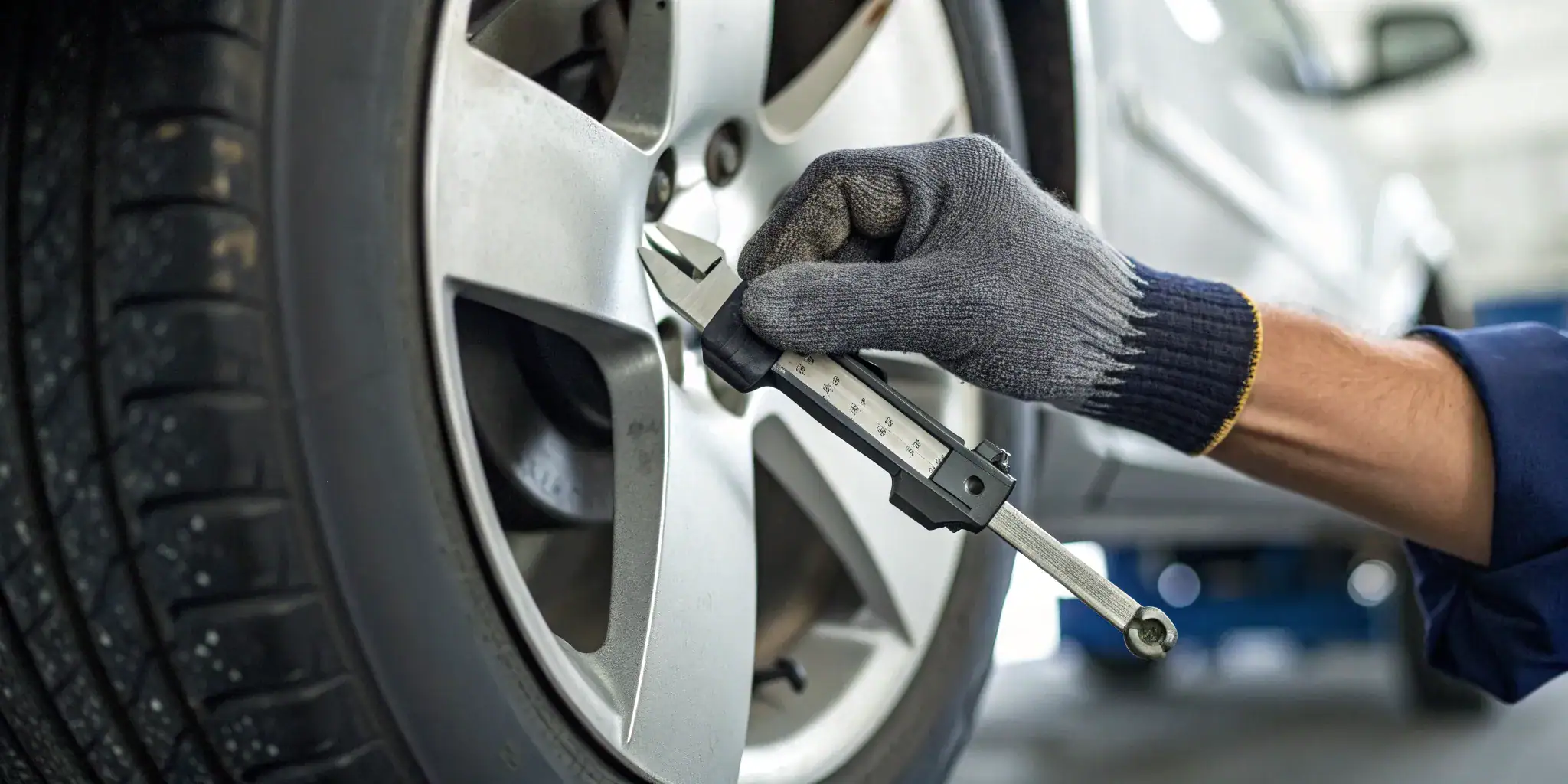
Using a brake pad thickness gauge or even a simple ruler, you can measure the remaining friction material. This gives you a precise idea of how much life your pads have left. Taking the time to get an exact measurement removes the guesswork and helps you plan for a replacement before your brakes start to lose their effectiveness.
Listen for Your Car’s Built-In Warnings
Your car has its own early-warning system for worn brakes. Many brake pads are designed with a small metal tab called a wear indicator. When your pads wear down to a certain point, this tab makes contact with the brake rotor and creates a distinct, high-pitched squealing or screeching sound whenever you apply the brakes.
This isn’t just a random noise; it’s a specific audio alert telling you it’s time for new pads. If you start hearing this sound consistently, don’t ignore it. It’s your car’s way of telling you to schedule a brake inspection as soon as possible to prevent further wear and potential damage to the rotors.
Common Mistakes to Avoid
One of the biggest mistakes is simply guessing. A quick glance can be deceiving, and it’s easy to misjudge the thickness. It’s always better to measure if you can. However, the most important thing is to know your limits. If you’re not comfortable removing a wheel or aren’t sure what you’re looking at, it’s best not to risk it. Your safety is what matters most.
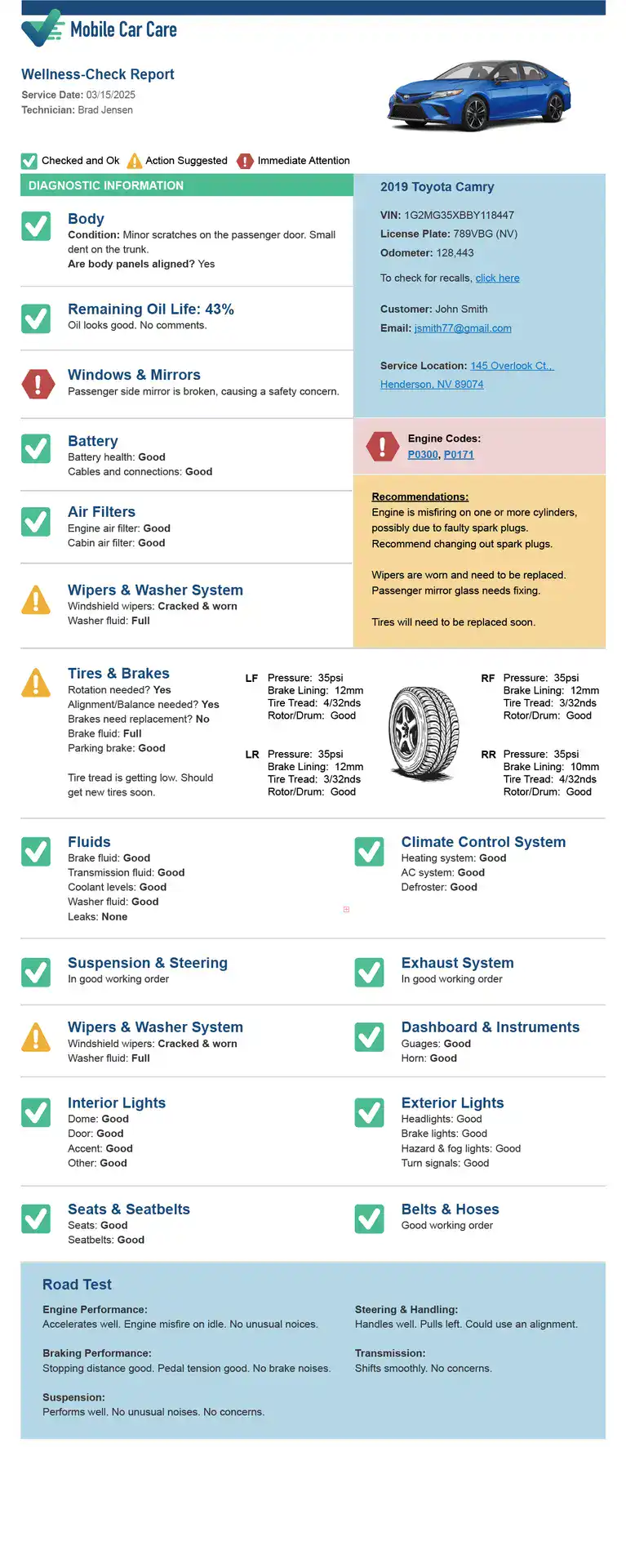
When in doubt, calling a professional is the smartest move. A comprehensive service like our Total Care Plan includes a full 85-point vehicle wellness check, where we’ll measure your brake pads precisely and give you a clear report—all without you ever having to leave home.
What Are the Telltale Signs You Need New Brakes?
Your car is pretty good at telling you when something’s wrong—you just have to know how to listen. When it comes to your brakes, ignoring the warning signs isn’t an option. These signals are your car’s way of asking for a little attention before a small issue becomes a major safety concern. If you’re noticing any of these red flags, it’s a good idea to schedule a Quick Check to get a clear picture of your brake health. Here’s what to look, listen, and feel for.
Unusual Noises: Squealing, Squeaking, and Grinding
One of the most common signs of brake trouble is sound. If you hear a high-pitched squeal or squeak when you press the brake pedal, it’s often a sign that your brake pads are worn. Many pads are designed with a small metal indicator that makes this noise to alert you when they’re getting thin. A deeper, harsher grinding sound, however, is much more serious. This usually means the pads are completely gone, and you have metal rubbing against metal. This can quickly damage your rotors, leading to a more expensive repair. Don’t wait—grinding noises require immediate attention.
How the Brake Pedal Feels
Pay attention to how the brake pedal feels under your foot. Does it feel soft, spongy, or like you have to push it almost to the floorboard to get your car to stop? This could signal a problem with your brake fluid or a leak in the brake lines. On the other hand, if you feel a vibration or pulsation through the pedal when you brake, it’s often a symptom of warped rotors. Any change from the firm, responsive feel you’re used to is a clear indicator that your braking system needs a professional inspection.
Vibrations or a Loss of Stopping Power
Beyond the pedal, you might feel vibrations through your steering wheel or notice your car pulling to one side when you brake. This can also point to unevenly worn pads or rotor issues. The most critical sign, however, is a noticeable increase in the distance it takes for your car to come to a complete stop. If you feel like you’re not stopping as quickly or effectively as you used to, your brake pads may be too worn to create the necessary friction. This is a major safety risk that can also cause expensive damage to other brake components.
What Worn-Out Brake Pads Look Like
Sometimes, you can spot worn brake pads with a simple visual check. Look through the spokes of your wheels at the brake caliper—the component that houses the pads. You should see the brake pad pressed against the shiny metal rotor. If the pad material looks thinner than 1/4 inch (about the thickness of a new pencil), it’s time for a replacement. You might also notice an excessive amount of dark brake dust on your wheels, which can be a sign that your pads are wearing down. If you’re not sure what you’re looking at, it’s always best to have a professional take a look.
What Happens if You Ignore Worn Brake Pads?
It’s easy to push car maintenance down your to-do list, especially when life gets busy. But when it comes to your brakes, procrastination is a gamble you can’t afford to take. Ignoring those squealing sounds or a soft brake pedal isn’t just an inconvenience; it can lead to serious safety issues and much more expensive repairs down the road. Let’s break down what’s really at stake when you put off a brake check.
The Safety Risks of Worn-Out Brakes
First and foremost, worn brake pads are a major safety hazard. Their entire job is to create the friction needed to stop your car, and when they’re too thin, they can’t do that job effectively. As the pad material wears away, your car’s stopping distance increases, meaning it will take you longer to come to a complete stop in an emergency. Thin brake pads can eventually lead to total brake failure, which is the last thing anyone wants to experience. A few extra feet of stopping distance can be the difference between a close call and a serious accident.
Potential Damage to Other Brake Parts
Your brake pads are designed to be the wearable component in your braking system—they’re meant to be replaced. When you let them wear down completely, the metal backing plate of the pad starts grinding directly against the brake rotor. This metal-on-metal contact not only creates a horrible noise but also quickly damages the rotors, which are the metal discs your pads clamp onto. This can cause deep grooves and uneven wear, meaning you won’t just need new pads; you’ll also need to repair or replace the rotors, too.
How Waiting Can Cost You More
Delaying a simple brake pad replacement inevitably leads to a much bigger and more expensive repair bill. What could have been a straightforward maintenance task can quickly escalate into needing new pads, new rotors, and sometimes even new calipers if the damage is severe enough. Ignoring worn pads simply makes it much harder for your car to stop, which can lead to accidents and even higher costs. This is why routine inspections are so crucial. Our Essential Plan includes a comprehensive wellness check that spots thinning pads early, saving you from the stress and expense of a major brake system overhaul.
How Often Should You Check Your Brakes?
Staying on top of your brake health is one of the most important things you can do for your safety on the road. But “regularly” can feel a bit vague. The key is to create a simple, repeatable schedule for checking your brakes that works for you. A good rule of thumb is to have a professional look at them at least once or twice a year. This proactive approach helps you catch wear and tear before it becomes a serious, and often more expensive, problem.
A Simple Inspection Schedule to Follow
You don’t need to be a mechanic to keep an eye on your brakes. Get into the habit of doing a quick visual check every few months. You can often see the outer brake pad by looking through your wheel spokes. If it looks thin—less than a quarter of an inch—it’s time for a closer look. For a more thorough inspection, you’ll need to remove the wheels, which gives you a clear view of both the inner and outer pads. Pairing these quick checks with a yearly professional inspection creates a solid routine for keeping your brakes in top condition.
What Makes Brake Pads Wear Down Faster?
Not all brake pads wear out at the same speed. Your personal driving habits play a huge role; frequent stop-and-go traffic and heavy braking are much harder on your pads than smooth highway driving. The type of vehicle you drive and the material of the brake pads themselves also make a difference. For instance, heavier vehicles like trucks and SUVs require more force to stop, leading to faster wear. Understanding these factors can help you gauge whether your brakes might need more frequent attention than the standard recommendation, keeping you one step ahead of potential issues.
DIY Checks vs. Calling a Professional
If you’re comfortable working on your car, you can measure your brake pads yourself with a ruler or a specialized brake pad gauge. Some pads even have a built-in metal wear indicator that makes a squealing noise when the pad is low. However, if you’re not sure what you’re looking for or simply don’t have the time, it’s always best to call in a professional. A trained technician can give you an accurate assessment without the guesswork. Services like our Quick Check Plan are designed for this exact purpose—giving you peace of mind without disrupting your day.
Build Your Brake Care Routine
Making brake inspections a regular part of your car care routine is crucial for your safety and your wallet. Think of it like any other recurring maintenance task. Set a reminder on your phone for your quick visual checks and schedule your annual professional inspection in advance. By catching worn pads early, you prevent damage to more expensive parts of the brake system, like rotors and calipers. Integrating this into a subscription like our Essential Plan ensures your brakes are part of a comprehensive wellness check, so you never have to worry about falling behind on maintenance.
Related Articles
- Mobile Brake Check Price Breakdown: Costs & Savings – Mobile Car Care
- Easy Car Maintenance at Home: Your DIY Guide – Mobile Car Care
- How to Do a Tire Tread Depth Check at Home – Mobile Car Care
Frequently Asked Questions
How long do brake pads typically last? There isn’t a single magic number, as brake pad life depends heavily on your driving style, the type of car you have, and the material of the pads themselves. Generally, you can expect them to last anywhere from 25,000 to 70,000 miles. If you do a lot of city driving with frequent stops, they’ll wear out faster than if you primarily drive on the highway. This wide range is exactly why regular inspections are more reliable than just going by mileage.
Do my front and rear brake pads wear out at the same time? Not usually. The front brakes on most cars do the majority of the work to stop your vehicle, so they tend to wear down much faster than the rear ones. It’s very common to replace your front pads twice as often as the rear set. This is why it’s important that any brake inspection includes a check of all four wheels, so you get a complete picture of their condition.
Is it okay to just replace the brake pads but not the rotors? Yes, it’s often possible to replace only the pads, especially if you catch the wear early. As long as your rotors are still thick enough and aren’t warped or grooved, a simple pad swap is all you need. However, if you wait until you hear grinding noises, it’s very likely the rotors have been damaged by metal-on-metal contact, which means they’ll need to be replaced or resurfaced, too.
My brakes are squeaking, but my car still stops fine. Can I wait to get them checked? That high-pitched squeal is your car’s built-in warning system telling you the pads are getting thin. While your car might feel like it’s stopping normally, its performance is already reduced, especially in an emergency. Ignoring that sound is risky because the next stage is a grinding noise, which means you’ve worn through the pads completely and are damaging more expensive parts. Think of the squeal as a friendly reminder to schedule an inspection soon.
What’s the main difference between a soft, spongy brake pedal and a vibrating one? These two feelings point to different issues. A soft or spongy pedal that sinks toward the floor usually indicates a problem with your brake fluid or a leak in the hydraulic system. A vibrating or pulsating feeling that you notice through the pedal or steering wheel when you brake is a classic sign of warped rotors. Both are serious safety concerns that mean it’s time to have your brake system inspected by a professional right away.