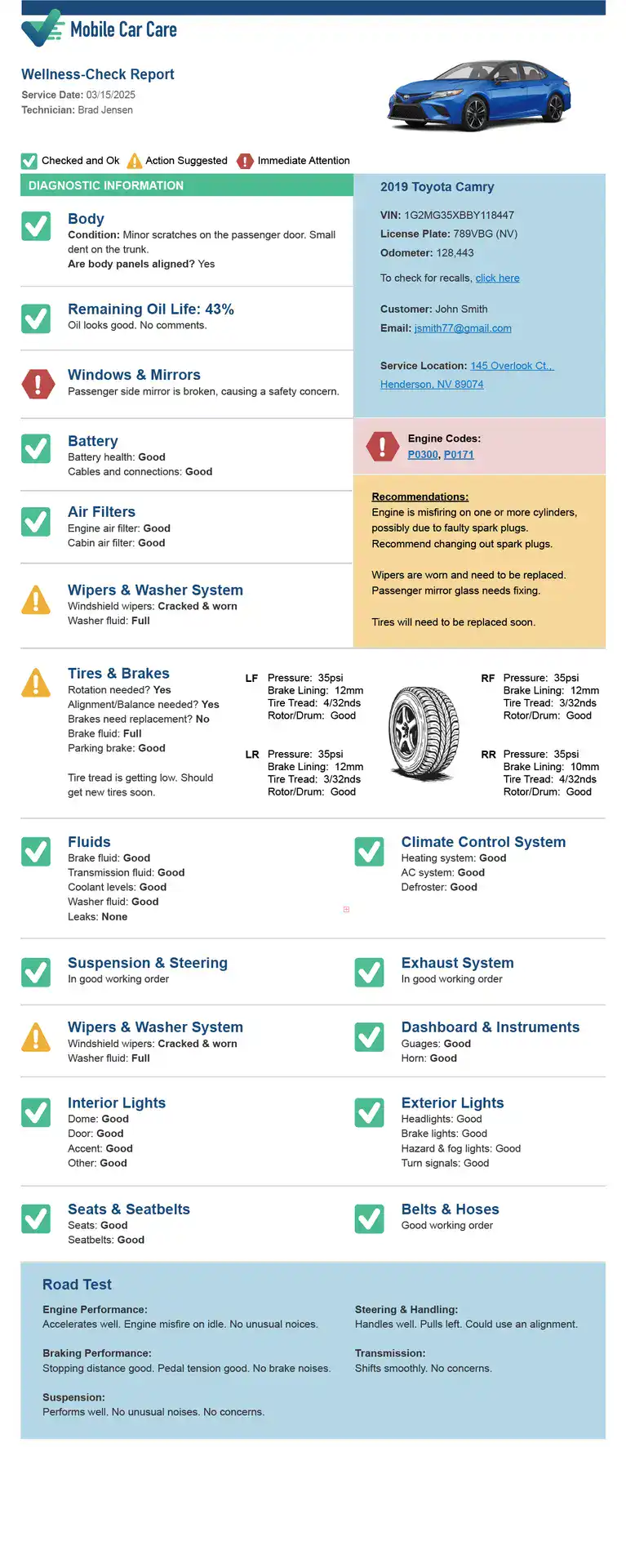

Your tires are constantly trying to tell you a story about your car’s health, and the tread is how they speak. Uneven wear patterns aren’t just random; they’re clues that can point to bigger issues like poor alignment or incorrect tire pressure. Learning to read these signs is a proactive way to catch small problems before they become expensive headaches. A regular tire tread depth check is your first step in this diagnostic process. It’s about more than just knowing when to buy new tires—it’s about understanding your vehicle on a deeper level and ensuring it runs safely and efficiently for years to come.
Key Takeaways
- Your tire tread is your car’s grip on the road: Deeper grooves are essential for channeling away water and maintaining control. Your safety margin shrinks long before your tires reach the legal minimum, so proactive checks are crucial for safe handling and stopping.
- Grab a quarter for a reliable safety check: While a penny tells you if your tires are legal (2/32″), a quarter tells you if they’re truly safe (4/32″). If the tread doesn’t touch the top of Washington’s head, it’s time to start planning for a replacement to ensure good performance in wet weather.
- Uneven wear patterns signal other problems: How your tires wear can point to issues with inflation or alignment. Wear on the edges often means low pressure, while wear in the center suggests over-inflation. Addressing these root causes will help your tires last longer and keep you safer.
Why Your Tire Tread Depth Matters
It’s easy to overlook your tires, but the tread on them is one of the most important safety features on your car. Those little grooves aren’t just for show—they’re engineered to grip the road, channel water away from the tire, and give you the control you need to drive safely. When that tread wears down, your car’s ability to handle different road conditions diminishes significantly. Think of it as the difference between wearing running shoes with great grip versus old, worn-out sneakers on a slippery floor.
Understanding what your tire tread does is the first step in appreciating why checking it regularly is so important. It directly impacts how your car performs, especially when you need it most—like during a sudden stop or in bad weather. As the tread wears away, so does your margin of safety. Keeping an eye on the depth ensures you know exactly when your tires are losing their effectiveness, so you can replace them before you find yourself in a dangerous situation. This simple check is a key part of proactive car care that keeps you and your family safe on the road.
How It Keeps You Safe on Wet Roads
The primary job of your tire’s tread is to move water out from under the tire, allowing the rubber to maintain contact with the road. When your tread is deep, it can effectively channel away rain and slush, preventing a dangerous situation called hydroplaning, where your car essentially surfs on a layer of water with no traction. As Bridgestone notes, tires with less tread can make it much harder to drive safely in wet conditions. Worn-out tread simply can’t clear water fast enough, which dramatically increases your risk of losing control on slick roads.
Why It’s Key for All-Weather Performance
While tread depth is most critical in the rain, it’s essential for reliable performance in all conditions, including snow and even on dry pavement. Deeper treads provide better grip and stability year-round. For example, having adequate tread helps your tires bite into snow for better traction. Experts recommend a depth of at least 4/32 of an inch for better performance and safety, especially in wet weather. Waiting until your tires are at the legal minimum means you’ve already given up a significant amount of all-weather capability, leaving you less prepared for unexpected changes in road conditions.
How Tread Affects Your Car’s Handling
Your car’s ability to steer, corner, and respond to your commands is directly tied to your tires’ grip on the road. As your tires wear down, these built-in safety features get weaker. You might notice that your car doesn’t feel as responsive or stable, especially when taking turns or making quick maneuvers. Checking your tread depth helps you know when it’s time to get new tires to maintain that feeling of control and stay safe. Healthy tread ensures your tires can firmly grip the pavement, giving you the confidence that your car will go exactly where you point it.
The Link Between Tread and Stopping Distance
This is where tread depth becomes truly critical. The amount of tread on your tires has a direct and dramatic impact on how quickly you can stop. On a wet road, the difference between new tires and worn ones can be staggering. According to research, a tire with only 2/32nds of an inch of tread can take almost twice as long to stop on a wet road compared to a new tire. That extra distance can easily be the difference between a close call and a serious accident. This is why monitoring your tread isn’t just about following rules—it’s about ensuring your car can stop when you need it to most.
Tools You’ll Need to Check Your Tire Tread
You don’t need a full mechanic’s toolkit to check your tire tread. In fact, you probably have what you need in your wallet or junk drawer. Whether you want a precise measurement or a quick trick that takes seconds, there’s a method that fits your style. A dedicated gauge offers the most accuracy, but a simple coin works wonders for a fast assessment. Let’s look at the three main options so you can find the right one for you.
Professional Tread Depth Gauges
For the most accurate reading, a professional tread depth gauge is your best bet. These are simple, inexpensive tools you can find at any auto parts store. A basic gauge has a small probe that you stick into the tread groove for an exact measurement, taking the guesswork out of the equation. This precision is great for tracking wear over time and catching uneven patterns early. It’s a straightforward and reliable way to monitor your tire health and know exactly where you stand.
Simple DIY Methods (Using Coins!)
For a quick check without any special equipment, all you need is a penny. This classic DIY tire tread check is surprisingly effective. Just place a penny into a tread groove with Abraham Lincoln’s head pointing down. If you can see all of Abe’s head, your tread is worn to less than 2/32 of an inch and needs replacing soon. It’s a simple visual test you can do in seconds, making it a perfect first step for assessing your tire’s condition right in your driveway.
Digital Tire Pressure Gauges
If you love a good gadget, consider a digital tire gauge. Many modern versions also measure tread depth, combining two important checks into one device. Some of the newest tools even connect to your phone and provide multiple readings for each tire—inner, center, and outer. This detailed data gives you a comprehensive look at how your tread is wearing, which can help you spot alignment or pressure issues. It’s a great option for anyone who appreciates having precise data at their fingertips.
How to Check Your Tire Tread: A Step-by-Step Guide
Checking your tire tread is one of the quickest and most important safety checks you can perform on your car. You don’t need to be a mechanic, and you probably already have the tools you need in your pocket or purse. These simple tests will give you a clear picture of your tire health and help you know when it’s time for a replacement. Taking a few minutes to do this can make a huge difference in how your car handles, especially when you need it most.
The Penny Test
This is the classic method for a reason—it’s simple and effective. The penny test helps you see if your tread depth is at or below the legal minimum of 2/32 of an inch. Just take a regular penny and place it into one of your tire’s tread grooves with Lincoln’s head pointing down. If the tread covers any part of Abe’s head, you’re still above the legal limit. However, if you can see his entire head, your tread is too shallow. This is a clear sign that you need to replace your tires as soon as possible.
The Quarter Test
While the penny test checks for the legal minimum, many safety experts recommend a more cautious approach. The quarter test helps you see if your tread has worn down to 4/32 of an inch, which is the point where performance in rain and snow can start to decline. The process is the same: place a quarter into the tread groove with Washington’s head pointing down. If the tread touches the top of his head, you still have a safe amount of tread left. If you can see the space above his head, it’s a good idea to start planning for new tires before they become a safety issue.
How to Use a Tread Depth Gauge
If you prefer a more precise measurement, a tread depth gauge is an inexpensive and easy-to-use tool you can find at any auto parts store. To use it, just push the probe into a tread groove until the base of the gauge is flush with the tire. The gauge will show you an exact measurement, usually in 32nds of an inch. This takes the guesswork out of the coin tests and gives you a specific number to track over time. It’s the most accurate way to monitor your tire wear and make informed decisions about when to get them replaced.
Find the Built-In Tread Wear Bars
Your tires have a built-in safety feature that makes checking tread depth incredibly simple. Most tires have small, raised rubber bars, called tread wear bars, located in the grooves. These bars are exactly 2/32 of an inch high. To find them, look for a small triangle or the letters “TWI” on the tire’s sidewall, which will point to their location. As your tires wear down, the tread becomes level with these bars. If you see that the tread is even with the wear bars in any spot, it means your tires have reached the end of their safe life and need to be replaced immediately.
Why You Should Check Multiple Spots on Each Tire
Tires don’t always wear down evenly, so it’s important to check the tread in several places on each tire—the inside, outside, and center. Uneven wear can be a sign of other issues, like improper tire pressure or a bad alignment. When you check, always use the lowest measurement you find as your guide. If you notice that one area is significantly more worn than another, it’s a good idea to have a professional take a look. Our Quick Check Plan is perfect for getting an expert opinion right in your driveway to catch these small issues before they become big problems.
What Your Tire Tread Measurements Mean
So, you’ve done the penny test or used a gauge, and now you have a number. But what does it actually mean for your safety on the road? These measurements are more than just figures; they’re a direct indicator of your tire’s ability to grip the road, especially when conditions are less than perfect. Think of tread depth as the difference between confidently handling a sudden rainstorm and a stressful, slippery drive.
Understanding these numbers helps you make informed decisions about when to replace your tires, ensuring you’re not just meeting legal standards but also keeping your family safe. Different depths are recommended for different driving conditions, so knowing what to look for can give you peace of mind every time you get behind the wheel.
What the Law Requires
Legally speaking, there is a minimum tread depth your tires must have. The U.S. Department of Transportation and most state laws mandate that you should replace your tires when their tread depth reaches 2/32 of an inch. This is considered the point where a tire is officially worn out and no longer safe for public roads.
While following the law is essential, it’s helpful to think of this 2/32″ measurement as the absolute bare minimum for safety, not the ideal. Driving on tires with this little tread can significantly increase your stopping distance and reduce your car’s handling ability, especially on wet roads. It’s the final warning sign that your tires are past their prime and need immediate attention.
What We Recommend for Safe Driving
For everyday driving, waiting until your tires hit the legal limit isn’t the safest bet. We recommend considering replacement when your tread depth reaches 4/32 of an inch. That extra bit of tread makes a huge difference in how your car performs, giving you a critical safety buffer when you need it most.
Why the extra buffer? Deeper treads are much more effective at channeling water away from the tire, which is crucial for preventing hydroplaning and maintaining a solid grip during a downpour. This is especially important when you’re carrying precious cargo. Having that extra traction provides a safer driving experience and better overall control, giving you the confidence you need on the road, rain or shine.
How Seasons Change the Rules
If you live in an area with harsh winters or heavy rainfall, the rules for tread depth change. When roads are covered in snow, slush, or ice, your tires need even more grip to keep you safe. For driving in these kinds of slick conditions, experts recommend a tread depth of at least 6/32 of an inch.
The deeper grooves on tires with more tread are designed to bite into snow and slush, providing the traction you need to stop and steer effectively. This is a key part of seasonal car care that shouldn’t be overlooked. Driving on worn tires in the winter is a major risk, so checking your tread before the first snowfall is a proactive step toward a safer season for you and your family.
Warning Signs to Look For
The easiest way to spot a worn-out tire is with the penny test. If you place a penny with Lincoln’s head upside down in the tread and can see his entire head, your tread is at or below the legal limit of 2/32 of an inch. This is a clear, immediate sign that your tires need to be replaced as soon as possible.
Seeing Abe’s whole head means your tires have lost their ability to provide reliable traction. If you see this, it’s time to get a professional opinion. Our comprehensive wellness checks include a thorough tire inspection, so you can get a clear answer on your tire health without ever leaving your driveway.
Know When It’s Time to Replace Your Tires
So you’ve checked your tread depth, and now you have a number. But what does it actually mean for your safety and your wallet? Knowing the difference between a tire that’s “okay for now” and one that’s a genuine risk is key. It’s not just about passing an inspection; it’s about making sure your car can handle a sudden downpour or an unexpected stop. Think of your tires as the foundation of your car’s safety system—when they’re worn, everything from braking to steering is compromised. Let’s walk through the exact signs that tell you it’s time for a new set, so you can feel confident every time you get behind the wheel.
The Minimum Safe Tread Depth
While the penny test can tell you if you’ve hit the legal limit, it’s important to know what that limit is. Across the U.S., the minimum legal tread depth is 2/32 of an inch. If your tires are at or below this point, they are considered bald and unsafe for driving. However, just because it’s the legal minimum doesn’t mean it’s the safest minimum. For better performance, especially on wet roads, it’s wise to replace your tires when they reach 4/32 of an inch. That extra bit of tread makes a huge difference in how well your tires can channel water away and grip the road, helping you avoid hydroplaning and maintain control.
Visual Signs of Dangerous Wear
Beyond tread depth, your tires have other ways of telling you they’re ready for retirement. Most modern tires have built-in tread wear indicator bars. These are small, raised bars of rubber that sit in the grooves of your tire. As your tread wears down, these bars become more visible. If the tread is flush with the indicator bars, it means you’ve hit the 2/32” mark and need new tires immediately. You should also keep an eye out for other red flags like cracks in the sidewall, or any noticeable bulges and blisters. These are signs of internal damage and mean the tire could fail at any moment.
When to Get a Professional Opinion
DIY checks are fantastic for routine monitoring, but if you’re ever unsure, it’s always best to get a professional opinion. This is especially true if you notice uneven wear. If your tires are wearing down more in the center or on the edges, it often points to an underlying issue like incorrect tire pressure or a wheel alignment problem. Ignoring these issues will just cause your new tires to wear out prematurely. A quick, professional inspection can diagnose the root cause. Our technicians can easily check your tires during an Essential Plan wellness check, giving you total peace of mind without you ever having to leave home.
What Uneven Tire Wear Is Telling You
Your tires don’t just wear down over time—how they wear down tells a story about your car’s overall health. Think of uneven wear patterns as symptoms. By learning to read them, you can catch small issues like improper inflation or alignment problems before they turn into costly repairs or safety hazards. Taking a moment to inspect your tread is a simple, proactive step that keeps you safer on the road and helps your tires last longer.
Wear Down the Center
If you notice the middle of your tire tread is wearing out faster than the sides, it’s a classic sign of over-inflation. When a tire has too much air, it bulges in the center, causing that middle strip to have the most contact with the road. This concentrates all the friction and wear right down the middle, while the edges barely touch the pavement. This not only wears out your tires prematurely but also reduces your traction and can create a harsher, bumpier ride. You can find the correct tire pressure for your car on the sticker inside the driver’s side door.
Wear on the Edges
On the flip side, if both outer edges of the tire are wearing down while the center tread looks fine, your tires are probably under-inflated. When a tire doesn’t have enough air, it sags, forcing the outer edges to carry the car’s weight and handle all the friction from the road. This is a particularly risky situation because under-inflation causes the tire to flex excessively, building up dangerous levels of heat. This heat can degrade the tire from the inside out, leading to a total tire failure or a blowout, especially at highway speeds. Keeping your tires properly inflated is one of the easiest ways to stay safe.
Patchy or Cupped Wear
This wear pattern is a bit more erratic. If you see random bald spots, diagonal stripes, or scalloped dips (a condition called “cupping”) across the tread, your car is signaling an issue with its alignment or suspension. These systems are designed to keep your tires sitting flat on the road and rolling smoothly. When parts are worn or knocked out of position, the tire can bounce or wobble as it spins, causing it to wear unevenly in patches. You might also feel this as a vibration in the steering wheel. Ignoring this can lead to poor handling and put extra stress on other components.
How to Correct Uneven Wear
The good news is that you can often correct uneven wear by addressing the root cause. Start with the basics: check your tire pressure regularly and adjust it as needed. Next, make tire rotations part of your routine maintenance to help all four tires wear down at a similar rate. If you see patchy wear or suspect a bigger issue, it’s time for a professional look. Catching these problems early saves you from buying new tires sooner than you need to. A comprehensive wellness check, like the one in our Essential Plan, can spot these issues before they become major headaches.
Simple Tips for Healthier Tires
Now that you know how to check your tires, let’s talk about making them last. A little proactive care can go a long way, saving you money and keeping you safer on the road. These simple habits will help you get the most out of every set of tires, ensuring they perform their best when you need them most. Think of it as a simple wellness routine for your car that pays off with every mile you drive. By incorporating these tips into your regular maintenance, you can catch small issues before they become big, expensive problems.
Rotate Your Tires Regularly
Your front and rear tires wear down at different rates due to factors like weight distribution and turning forces. To ensure they wear evenly, you should change their positions periodically. This is called a tire rotation. A good rule of thumb is to rotate your tires every 6,000 miles, but it’s always best to check your vehicle’s owner’s manual for the specific recommendation. Regular rotations extend the life of your tires, improve handling, and maintain balanced traction, which is especially important in wet or slippery conditions. It’s a straightforward step that makes a huge difference in the long run.
Maintain Proper Tire Pressure
Proper tire pressure is one of the most critical and easiest things to maintain. Underinflated tires can overheat and wear unevenly on the outer edges, while overinflated tires can lead to a harsh ride and wear down in the center. Both scenarios reduce your tire’s lifespan and can compromise your car’s handling and braking. You can find the correct tire pressure for your vehicle on a sticker inside the driver’s side door jamb or in your owner’s manual. Check the pressure monthly with a reliable gauge when the tires are cold for the most accurate reading.
Get Your Alignment Checked
If you notice your car pulling to one side or see uneven wear on your tires, your wheels might be out of alignment. A proper wheel alignment ensures your tires are angled correctly relative to the road and each other. Hitting a pothole or bumping a curb can be enough to throw your alignment off. Since this isn’t something you can easily spot yourself, it’s a good idea to have it checked by a professional, especially if you notice any of the warning signs. Correcting your alignment not only saves your tires but also improves your car’s handling and fuel efficiency.
Care for Your Tires Seasonally
If you live in an area with significant seasonal changes, using the right tires for the weather is a major safety factor. Winter tires are made with a special rubber compound that stays flexible in cold temperatures, providing better grip on snow and ice. Using them in the summer, however, will cause them to wear out very quickly on hot pavement. Similarly, all-season or summer tires harden in the cold, reducing traction. Swapping your tires seasonally ensures you have the best possible performance and safety, no matter what the weather looks like.
Schedule Professional Inspections
While these DIY tips are fantastic for routine care, nothing replaces the trained eye of a professional. A mechanic can spot subtle signs of damage, wear, or alignment issues that you might miss. If you’re ever unsure about the condition of your tires, it’s always best to get a professional opinion. That’s where we come in. Our comprehensive wellness checks, included in our Essential Plan, feature a thorough tire inspection right in your driveway. We check the pressure, tread depth, and overall condition, giving you complete peace of mind without the hassle of a trip to the garage.
When to Call a Professional
While checking your own tires is a fantastic habit for any car owner, there are times when a DIY test isn’t enough. Think of the penny test as a great screening tool, but a professional inspection is the full diagnostic. If you’ve done your own check and something feels off, or if you just want a second opinion for your own peace of mind, calling in an expert is always the right move. It’s about being confident that your vehicle is truly safe for you and your family.
Why Expert Help Is a Good Idea
Let’s be honest—sometimes it’s hard to know what you’re looking at. If you perform the penny test and the results are borderline, or if you see wear patterns but aren’t sure what they mean, it’s time to call a professional. As experts from Bridgestone Tire note, if you think your tires might need replacing or you’re just unsure, a mechanic can give you a clear and thorough assessment. This removes the guesswork and ensures you’re not risking your safety on a hunch. A simple Quick Check can provide that expert confirmation without you ever having to leave your driveway.
What to Expect During a Professional Inspection
When a technician inspects your tires, they do more than just measure the tread depth. They’re trained to spot subtle signs of trouble that can be easily missed. A professional will look for uneven wear, which often points to underlying issues with your car’s alignment or tire inflation. They’ll also carefully examine the tire walls for cracks, bulges, or punctures that could lead to a sudden blowout. This comprehensive check gives you a complete picture of your tire health, not just one piece of the puzzle.
The Peace of Mind of Proactive Care
Relying solely on the 2/32″ legal minimum for tread depth can give you a false sense of security. Your tires can lose significant grip and become less safe in wet conditions long before they reach that point. Proactive care is about staying ahead of potential problems. Having a professional regularly inspect your tires as part of a maintenance plan ensures that small issues are caught before they become major safety hazards. Our Essential Plan includes routine wellness checks that cover your tires and more, giving you lasting confidence every time you get behind the wheel.
Related Articles
- Quarterly Car Care at Home: Your Simple Guide – Mobile Car Care
- How to Teach Teens Car Upkeep: Safety and Confidence – Mobile Car Care
- Proactive Vehicle Maintenance: Your Car’s Best Friend – Mobile Car Care
Frequently Asked Questions
How often should I actually check my tire tread? A great habit to get into is checking your tread depth about once a month, at the same time you check your tire pressure. It only takes a few minutes and helps you stay on top of how your tires are wearing. If you’re planning a long road trip or if you’ve recently hit a nasty pothole, it’s always a good idea to do a quick check before you go.
Is the penny test a good enough check, or do I really need a special tool? The penny test is a fantastic and reliable way to see if your tires are at or below the legal safety minimum of 2/32 of an inch. It gives you a clear, immediate answer about whether a replacement is urgent. A tread depth gauge will give you a more precise measurement, which is helpful for tracking wear over time and deciding when you’re approaching the 4/32″ mark where performance can start to decline. Think of the penny test as your go-to quick screening, and a gauge as the tool for more detailed monitoring.
My tread depth is still good, but my tires are over six years old. Should I be concerned? Yes, this is something to pay attention to. Over time, the rubber compounds in a tire break down due to exposure to the elements, regardless of how much tread is left. This can lead to cracking and increase the risk of a blowout. Most vehicle and tire manufacturers recommend replacing tires every six to ten years, even if they look fine. An older tire may not provide the same level of safety as a new one.
If only one tire is worn out, can I just replace that single tire? While you can replace just one tire, it’s often better to replace them in pairs (both front or both rear tires) to maintain balanced handling and traction. If you have an all-wheel-drive vehicle, many manufacturers require you to replace all four tires at once to avoid damaging the drivetrain. If one tire is wearing out much faster than the others, it’s also a sign of an underlying issue like a bad alignment that needs to be addressed.
What’s the difference between a tire rotation and a wheel alignment? It’s easy to mix these two up! A tire rotation involves physically moving your tires to different positions on the car to ensure they wear down evenly. An alignment, on the other hand, is an adjustment of your car’s suspension system. It corrects the angles of the tires so they make proper contact with the road, which prevents uneven wear and ensures your car drives straight.