
Juggling work, school runs, and family life leaves little room for unexpected problems, especially one stranded on the side of the road. That nagging feeling in the back of your mind—is that noise normal? Are the tires okay for the upcoming road trip?—adds a layer of stress no one needs. Taking control of your car’s health is one of the best ways to reclaim your peace of mind. It’s not about becoming a mechanic overnight; it’s about having a simple, reliable routine. This guide will walk you through creating straightforward vehicle inspection plans that fit your busy schedule, helping you catch small issues before they become major headaches and ensuring your car is always ready for your family’s next adventure.
Key Takeaways
- Prioritize proactive maintenance to stay safe and save money: Regularly checking your vehicle helps you find small problems before they turn into dangerous breakdowns or expensive, unexpected repairs.
- Build a manageable inspection routine: Combine quick daily habits, like checking your tires, with monthly fluid checks and a comprehensive annual inspection from a professional to cover all your bases without feeling overwhelmed.
- Leverage convenience to stay consistent: Use mobile inspection services that come to your home and set calendar reminders or subscribe to a plan to automate scheduling, making it easier to fit essential car care into a busy family schedule.
What Is a Vehicle Inspection Plan?
Think of a vehicle inspection plan as a regular health check-up for your car. It’s a simple schedule of routine checks designed to keep your car running smoothly and safely, giving you confidence every time you get behind the wheel. Following a plan helps you catch small issues before they turn into major, expensive headaches. It’s all about having peace of mind, knowing your car is reliable for everything from the daily school run to a long family road trip.
Regular inspections are one of the best ways to protect your investment. They help keep your vehicle safe, prevent costly breakdowns, and can even make your car last longer. A well-maintained car also holds a higher resale value, which is a nice bonus when it’s time to upgrade. You can start with a simple One-Time Vehicle Review to get a baseline of your car’s health or commit to a recurring plan for ongoing care. Ultimately, a good plan saves you from the stress of unexpected car trouble.
What a Comprehensive Plan Includes
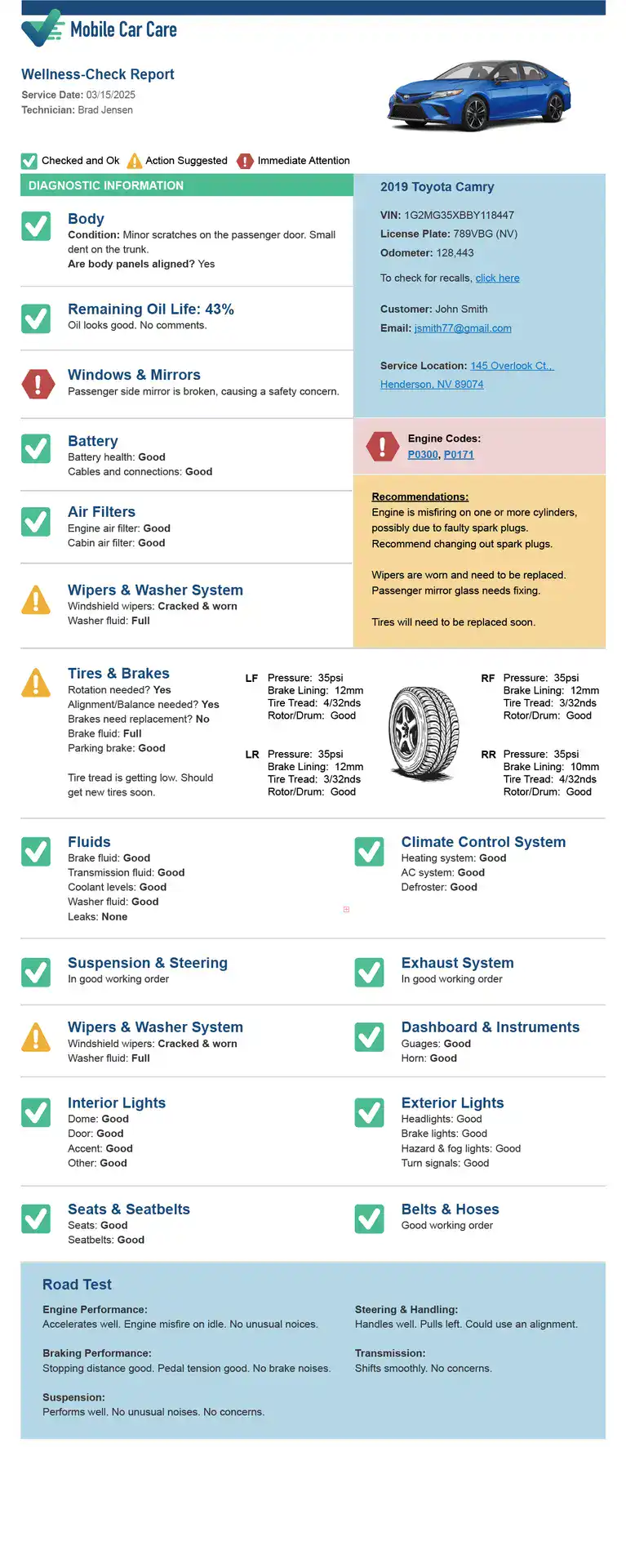
So, what exactly does a technician look at during a thorough inspection? A comprehensive check covers all the critical systems that keep your car safe and functional. This includes examining the battery, belts, and hoses for wear and tear, and testing your brakes to ensure they’re responsive. A technician will also inspect the engine, filters, and fluid levels, from oil to coolant. They’ll check your tires for proper inflation and tread depth, and make sure all your lights and windshield wipers are working correctly. Our Total Care Plan covers an 85-point check to give you a complete picture of your vehicle’s health.
Proactive vs. Reactive Car Care
When it comes to car maintenance, you can either be proactive or reactive. Reactive care means waiting for a warning light to appear or for something to break down completely. This approach often leads to stressful situations, unexpected tow truck bills, and costly emergency repairs. Proactive care, on the other hand, means following a regular inspection schedule to find and fix small problems early. A consistent maintenance schedule, like our Essential Plan, is designed to keep you ahead of major issues. Addressing a minor brake issue early is far more affordable than a full replacement that can cost thousands down the line, saving you money and keeping your family safe.
How Regular Inspections Keep You Safe on the Road
Think of a vehicle inspection as a wellness check for your car. It’s not just about avoiding a surprise breakdown on the way to soccer practice; it’s about ensuring the safety of everyone inside. Regular inspections give you the confidence that your car is in top shape to handle daily commutes, long road trips, and unexpected detours. When a professional technician looks over your vehicle, they’re trained to spot the small signs of wear and tear that can turn into major, dangerous problems down the line.
This proactive approach is the key to responsible car ownership. Instead of reacting to a flashing dashboard light or a strange noise, you’re staying ahead of potential issues. A consistent inspection plan helps you catch problems with your brakes, tires, and engine before they can compromise your safety on the road. Beyond the peace of mind, staying on top of your car’s health also helps you meet legal requirements and save a significant amount of money over the life of your vehicle. It’s a simple habit that pays off in every way that matters.
Prevent Accidents and Breakdowns
Let’s be honest, no one wants to be stranded on the side of the road, especially with a car full of kids. Regular inspections are your first line of defense against unexpected breakdowns. A technician can identify a worn brake pad, a tire with low tread, or a fraying belt long before it fails. Catching these issues early is key to preventing mechanical failures that could lead to an accident. A comprehensive vehicle wellness check ensures all your car’s critical systems are functioning correctly, giving you confidence every time you get behind the wheel. It’s a small investment of time that protects your most precious cargo.
Meet Legal Requirements
Depending on where you live, your vehicle may be required to pass an annual safety or emissions inspection to keep its registration current. These aren’t just bureaucratic hoops to jump through; they are state-mandated checks designed to ensure every car on the road meets a minimum standard of safety and environmental responsibility. Staying on top of these legal requirements helps you avoid fines, registration delays, and the stress of a last-minute scramble to get your car compliant. A regular maintenance plan makes these official inspections a breeze because you’ll already know your car is in great shape.
Save Money in the Long Run
Ignoring a small issue rarely makes it go away. In fact, it usually allows it to grow into a much bigger, more expensive problem. A strange squeak from your brakes could be a simple fix now, but if left alone, it could lead to a repair bill topping $1,500. Routine checks help you avoid costly repairs by addressing minor problems before they escalate. Think of it as the difference between a planned maintenance cost and a budget-breaking emergency. Investing a little in proactive care saves you from major expenses and keeps your car running reliably for years to come.
What Are the Different Types of Vehicle Inspections?
Vehicle inspections aren’t a one-size-fits-all task. Depending on your needs, the time of year, and your car’s age, the type of check-up can vary quite a bit. Think of it like this: you have your quick daily health check (did I get enough sleep?), your seasonal allergy prep, and your in-depth annual physical. Your car needs the same kind of varied attention to stay in top shape.
Understanding the different types of inspections helps you create a routine that keeps your car running smoothly and your family safe without adding unnecessary stress to your schedule. From a quick walk-around before you leave the driveway to a comprehensive annual review, each type plays a vital role in proactive car care.
The Quick Pre-Trip Check
This is the simplest inspection and one you can turn into a daily habit. A quick walk-around of your car before you start your trip can help you spot immediate issues that could affect your safety on the road. You’re not popping the hood or getting technical here. Instead, you’re looking for the obvious things: a flat tire, a new puddle forming underneath the car, or a headlight that’s out.
This simple routine takes less than a minute but can save you from the headache of a roadside breakdown. It’s the first line of defense in catching small problems before they become big ones. For a more thorough version, a professional Quick Check can give you peace of mind without taking up your whole day.
Your Annual Safety Check-Up
Think of this as your car’s yearly physical. This is the deep-dive inspection, often performed by a certified mechanic, to ensure your vehicle meets all safety standards. Many states require an annual safety inspection to keep your registration current, and for good reason. This check goes far beyond a visual once-over.
A mechanic will test your brakes, check your steering and suspension systems, inspect your tires for wear, and ensure all your lights and signals are working correctly. According to the National Highway Traffic Safety Administration, regular maintenance is key to vehicle safety. A comprehensive plan like our Total Care subscription covers these critical points, making sure your car is safe, reliable, and ready for another year on the road.
Prepping Your Car for the Season
The changing seasons bring different driving challenges, from icy winter roads to scorching summer heat. A seasonal inspection prepares your car for whatever the weather has in store. Before winter, this might mean checking your battery’s charge, testing your antifreeze, and inspecting your tire treads for safe grip in snow and ice. For summer, it’s all about making sure your AC is running cold and your cooling system can handle the heat.
Regular vehicle inspections are crucial for keeping your car reliable and preventing expensive breakdowns. By aligning your checks with the seasons, you ensure your car is ready for the specific demands ahead. An ongoing service like our Essential Plan is perfect for handling these recurring seasonal check-ups.
Inspections for Multiple Family Cars
Managing one car’s maintenance schedule is tough enough, but for families with multiple vehicles, it can feel like a full-time job. Juggling different inspection dates, repair needs, and service appointments for the family minivan, a commuter car, and maybe a teen’s first vehicle is a huge logistical challenge. A coordinated approach is key.
Daily checks can help you find small issues before they turn into big, costly repairs that sideline one of your essential vehicles. When one car is out of commission, it can throw the whole family’s schedule into chaos. Using a mobile service that comes to your home simplifies everything, allowing you to schedule inspections for all your cars in one go, saving you time and keeping everyone on the road safely.
Your Essential Vehicle Inspection Checklist
Knowing what a professional looks for during a vehicle inspection can give you peace of mind and help you spot potential issues early. A thorough check-up isn’t just about kicking the tires; it’s a systematic review of your car’s most critical systems to ensure everything is working as it should. Think of it as a wellness visit for your car, one that prevents small problems from turning into major, expensive headaches down the road.
From the engine that powers your daily commute to the brakes that keep your family safe, every component plays a vital role in your vehicle’s performance and safety. While some of these checks are simple enough to do yourself, a comprehensive inspection from a professional service ensures nothing gets missed. A trained eye can spot subtle signs of wear and tear that might otherwise go unnoticed. For example, our Essential Plan covers an 85-point check that dives deep into each of these areas, giving you a complete picture of your vehicle’s health without you ever having to leave home. Let’s walk through the key areas that should be on any good vehicle inspection checklist so you know exactly what to look for.
Engine and Fluids
The engine is the heart of your car, and its fluids are its lifeblood. When you or a technician inspect the engine, it’s crucial to check the levels and condition of essential fluids. This includes engine oil, transmission fluid, power steering fluid, and even windshield washer fluid. Keeping these topped off and clean ensures your car runs smoothly, prevents overheating, and helps you maintain clear visibility on the road. Low or dirty fluids can be an early warning sign of a leak or a bigger problem brewing under the hood.
Brakes and Steering
Your ability to stop and steer effectively is fundamental to your safety. A proper brake inspection involves more than just pressing the pedal. It includes a visual check of the brake pads to measure their thickness and an inspection of the brake fluid. Your steering system, including the power steering fluid and belt, also needs to be in top shape to ensure your car responds exactly when you need it to. Any grinding noises, vibrations, or a “soft” brake pedal are signs that you need a professional look right away.
Tires and Suspension
Your tires are the only part of your car that actually touches the road, so their condition is incredibly important. A good inspection includes checking the air pressure, measuring the tread depth, and looking for any cracks, bulges, or uneven wear. Your suspension system, which includes shocks and struts, is just as important for a safe and stable ride. If you notice excessive bouncing, shaking, or hear unusual noises when going over bumps, it’s time to have your suspension checked.
Lights and Electrical Systems
Being able to see and be seen is a basic rule of road safety. Take a moment to walk around your car and check all your lights: headlights (both high and low beams), taillights, brake lights, and turn signals. A burnt-out bulb is a simple fix, but it can be dangerous if it prevents another driver from seeing you signal or brake. This quick check is one of the easiest ways to prevent an accident, especially when driving at night or in poor weather.
Checking Your Safety Gear
Finally, a complete inspection includes your car’s built-in safety features. Make sure all seat belts buckle and lock properly without sticking or fraying. It’s also a good idea to know where your emergency equipment is and ensure it’s in good condition. This might include a first-aid kit, a fire extinguisher, or the tools needed to change a flat tire. You hope you never have to use them, but in an emergency, you’ll be glad they’re there and working correctly. This part of the check is all about preparing for the unexpected.
How Often Should You Inspect Your Vehicle?
Knowing how often to inspect your vehicle can feel like a moving target, but it doesn’t have to be complicated. The best approach is to think of it in layers: quick daily habits, a more focused monthly review, and a thorough annual check-up. Creating a simple, tiered routine makes car care manageable, even with a packed schedule. This consistency is what truly keeps your car running smoothly and, more importantly, keeps your family safe on the road. It’s all about building small habits that prevent big problems down the line.
Quick Daily Checks for Busy Families
We all know how hectic mornings can be. Before you buckle everyone in for school drop-off or head out for work, take just 60 seconds to do a quick walk-around of your car. You don’t need to be a mechanic to spot the basics. Check if your tires look properly inflated or if one seems low. Glance underneath for any new puddles or drips. This simple habit can help you catch an immediate issue, like a slow leak from a nail in your tire, before it becomes a major problem on the highway. It’s a tiny investment of time that offers a huge return in peace of mind.
The Monthly Once-Over
Once a month, set aside about 15 minutes for a slightly deeper look. This is a great time to check your tire pressure with a simple gauge, which you can keep in your glove compartment. Pop the hood to check your engine oil and windshield washer fluid levels; topping them off is easy to do yourself. You can also take a peek at your battery terminals to see if there’s any fuzzy-looking corrosion that needs to be cleaned off. If you’re not comfortable doing this yourself, a professional Quick Check can give you a clear and simple report on your car’s health without any guesswork.
The Annual Pro Check-Up
At least once a year, your car needs a comprehensive inspection from a certified professional. This goes far beyond what you can see in your driveway. A mechanic will perform a deep dive into your vehicle’s most critical systems, including the brakes, suspension, engine, and transmission. They have the tools and expertise to spot wear and tear before it leads to a dangerous or expensive failure. These annual professional wellness checks are absolutely essential for long-term safety and reliability, ensuring your vehicle is in the best possible condition to protect your family on every drive, and they work best alongside a regular schedule of quarterly vehicle inspections to catch issues between annual visits.
What Happens When You Skip Inspections?
Life gets hectic, and it’s easy to let car maintenance slide down the to-do list. But pushing that vehicle inspection back can lead to serious problems that affect your safety, your wallet, and your peace of mind. Think of regular inspections not as a chore, but as a crucial safety net for you and your family. Ignoring them means rolling the dice on some pretty significant risks.
The Real Safety Risks
This is where the rubber literally meets the road. Skipping inspections means you could be driving with worn-out brake pads, thinning tire treads, or a steering issue you’re completely unaware of until it’s too late. These aren’t just minor inconveniences; they are serious safety hazards that can lead to accidents. A thorough inspection is designed to catch these problems early, ensuring your car is reliable and safe every time you get behind the wheel. It’s about having the confidence that your vehicle will protect you and your loved ones on every trip.
Facing Unexpected, Costly Repairs
That strange noise you’ve been ignoring? It could be a minor issue now, but it might be signaling a major failure on the horizon. Putting off a simple check-up can turn a small, affordable fix into a shockingly expensive repair. For example, worn brake pads can damage rotors, turning a simple job into a four-figure bill. A small fluid leak could lead to a seized engine, with repair costs running into the thousands. A proactive approach with a plan like our Essential Plan helps you catch these things early, saving you from the stress and financial strain of a sudden breakdown.
Dealing with Insurance and Legal Headaches
Beyond the mechanical issues, skipping inspections can create a whole different set of problems. Many states have mandatory safety inspections, and failing to comply can result in hefty fines or even having your vehicle taken off the road. Worse, if you’re in an accident and your car is found to be poorly maintained, your insurance company could potentially deny your claim. This leaves you responsible for all the costs. Staying on top of inspections isn’t just good car care; it’s a simple way to follow the law and ensure your insurance coverage is there for you when you need it.
How Busy Families Can Stay on Top of Vehicle Inspections
Between school runs, work, and weekend activities, finding time for car maintenance can feel like just one more thing on an endless to-do list. But staying on top of vehicle inspections doesn’t have to mean losing a Saturday at the repair shop. With a few smart strategies, you can make car care a seamless part of your routine, keeping your family safe without adding stress to your schedule. It’s all about working smarter, not harder, by using convenience and technology to your advantage.
The Convenience of Mobile Inspections
One of the biggest hurdles to regular car inspections is simply getting your vehicle to the shop. Mobile inspections completely remove that obstacle by bringing a certified technician directly to your home or office. You can have your car checked while you’re in a meeting or making dinner, saving you hours of waiting room time. Services like our Quick Check Plan are designed for this exact purpose. A technician performs a comprehensive wellness check on-site and provides a detailed digital inspection report, so you have a clear record of your car’s health right on your phone.
Use Tech to Set Reminders and Schedule
Your phone is already your command center for family life, so why not use it for car care, too? Just as fleet managers use software to track vehicle maintenance, you can use simple tools to keep your family’s cars on track. Set recurring reminders in your calendar for monthly tire checks or your annual inspection. Better yet, a subscription service can handle the scheduling for you. Our recurring plans, like the Essential Plan and the more comprehensive Total Care Plan, are designed to provide proactive care, so you get reminders and scheduled visits without having to think about it.
Get the Whole Family Involved
Car safety is a team effort. Involving everyone in the family helps create a culture of awareness and shared responsibility. If you have teen drivers, teach them how to perform simple pre-trip checks, like looking at tire pressure and making sure all the lights work. This not only lightens your load but also equips them with essential life skills. Encourage everyone to speak up if they hear a strange noise or feel something is off with the car. When the whole family is tuned in to the vehicle’s health, you’re more likely to catch small issues before they become major problems.
DIY vs. Calling a Pro: What’s Right for You?
Deciding whether to pop the hood yourself or call a professional can feel like a tough choice. On one hand, handling basic car care can be empowering. On the other, you can’t put a price on the peace of mind that comes from an expert opinion. The right answer really depends on the task at hand, your comfort level, and how much time you have. Let’s break down when to tackle it yourself and when it’s time to call for backup.
When to Call in the Experts
Some jobs just require a trained eye. A professional mechanic can provide an honest assessment of your car’s health, spotting hidden problems you might easily miss. Think of issues with the engine, transmission, or complex electrical systems. An expert can identify subtle signs of wear and tear that could become serious safety concerns down the road. This is especially important if you’re buying a used car, as a thorough pre-purchase inspection can give you the information you need to negotiate a fair price or walk away from a bad deal. For the safety of your family, having a pro confirm your vehicle is in top shape is a smart move.
Easy Checks You Can Do Yourself
You don’t need to be a mechanic to keep a close eye on your car’s condition. There are several simple checks you can perform yourself to catch potential issues early. Start with a quick walk-around. Look for any fluid leaks under the car, check for uneven tire wear, and make sure all your lights are working. When you’re driving, pay attention to how the car feels and sounds. Are the brakes making a squealing noise? Does the steering feel off? These quick visual and auditory checks are a great way to stay connected to your vehicle’s health between professional inspections and can help you provide better information when you do talk to a mechanic.
Weighing the Cost and Time
It’s easy to put off a vehicle inspection when your schedule is already packed. But spending a little time on routine checks now can save you from major headaches and expenses later. A sudden breakdown is always inconvenient and often costly. Catching a small issue early, like a worn brake pad, is far more affordable than dealing with a complete brake failure. Neglected problems can quickly spiral into repairs costing thousands of dollars. Investing in a recurring service like our Total Care plan turns car care into a predictable, stress-free part of your routine, protecting both your wallet and your time.
Create Your Personalized Vehicle Inspection Plan
A generic checklist is a good starting point, but your car’s needs are as unique as your life. Creating a personalized vehicle inspection plan means you’re not just following a list; you’re creating a routine that fits your car, your driving habits, and your schedule. This proactive approach helps you stay ahead of of potential issues, ensuring your vehicle is always safe and reliable. It’s about making car care work for you, not the other way around. Let’s walk through how to build a plan that gives you total peace of mind.
Consider Your Driving Habits
Think about your typical week behind the wheel. Do you have a long commute with lots of stop-and-go traffic, or do you mostly drive short distances on weekends? Do you live in a place with extreme heat, snow, or dusty roads? All these factors affect how quickly your car’s parts wear down. A vehicle that frequently carries heavy loads or tows a trailer will need more frequent brake and tire checks. Understanding these patterns is the first step to tailoring your inspection plan. Jot down your daily mileage, common road conditions, and any unusual demands you place on your car. This will give you a clear picture of what to prioritize.
Set a Realistic Schedule
Once you know your car’s specific needs, you can build a schedule that makes sense. The goal is consistency, not perfection. A simple daily walk-around to check your tires and lights can help you spot small issues before they become major headaches. Then, you can plan for weekly fluid checks and monthly deep dives into things like tire pressure and battery terminals. If you know you’re too busy to keep up, that’s okay. Services like our Essential Plan are designed to handle these recurring checks for you, taking the pressure off your shoulders and ensuring nothing gets missed. The key is to find a rhythm that you can stick with.
Keep Simple, Clear Records
Keeping track of your vehicle’s maintenance history is incredibly helpful. It reminds you when services are due and provides a valuable record if you ever decide to sell your car. You don’t need a complicated system; a simple notebook in your glove compartment or a notes app on your phone works perfectly. Log the date, mileage, and what was inspected or repaired. For a completely hands-off approach, our Total Care Plan includes detailed 85-point wellness checks with reports that document everything for you. This ensures all work is tracked carefully, giving you a clear and organized history of your car’s health without any extra effort on your part.
Related Articles
- Used Car Pre-Purchase Inspection Guide: Everything You Need to Know
- Pre-Purchase Car Inspection: A Smart Buyer’s Guide
- 85-Point Inspection: What’s Included & Why It Matters
- Vehicle Inspection Service: Your Complete Guide
- Home Car Inspection 101: Your Complete Guide
- How a Digital Vehicle Inspection Works
- Multi-Point Inspection Guide
- One-Time Total Vehicle Review
Frequently Asked Questions
What’s the main difference between the Quick Check, Essential, and Total Care plans? Think of it like this: the Quick Check is a great one-time look to get a clear snapshot of your car’s current health. The Essential Plan is your recurring maintenance partner, perfect for seasonal prep and staying on top of routine needs. The Total Care Plan is our most comprehensive subscription, offering complete peace of mind with detailed 85-point checks, runner services, and minor on-site repairs, so you barely have to think about car care at all.
I don’t know anything about cars. What should I look for in a daily check? You don’t need to be a mechanic to spot potential trouble. Before you drive, just take a quick walk around your car. Look at your tires to see if any appear low on air. Glance underneath for any new puddles, which could signal a leak. Finally, check that your headlights and taillights turn on. This simple, 60-second routine can help you catch obvious issues before they become a problem on the road.
Is a mobile inspection as thorough as one at a traditional repair shop? Absolutely. Our technicians are certified professionals who use the same comprehensive checklists and diagnostic tools you’d find at a quality repair shop. The only difference is that we bring that expertise directly to your driveway. You receive a detailed, 85-point report on your vehicle’s health without ever having to rearrange your day or sit in a waiting room.
My car is new and under warranty. Do I still need these inspections? Yes, and it’s actually one of the best times to start a routine. Manufacturer warranties require you to keep up with scheduled maintenance to keep your coverage valid. Regular inspections help document that you’re taking proper care of the vehicle. They also catch small issues that might not be covered by the warranty, like a nail in a tire or low fluid levels, ensuring your new car stays in perfect condition.
How much time does a mobile inspection actually take? Our goal is to make car care fit seamlessly into your life. A comprehensive wellness check typically takes about 45 to 60 minutes. The best part is that you don’t have to be present for the entire service. You can continue with your workday or family time, and we’ll send you a complete digital report with our findings as soon as we’re finished.