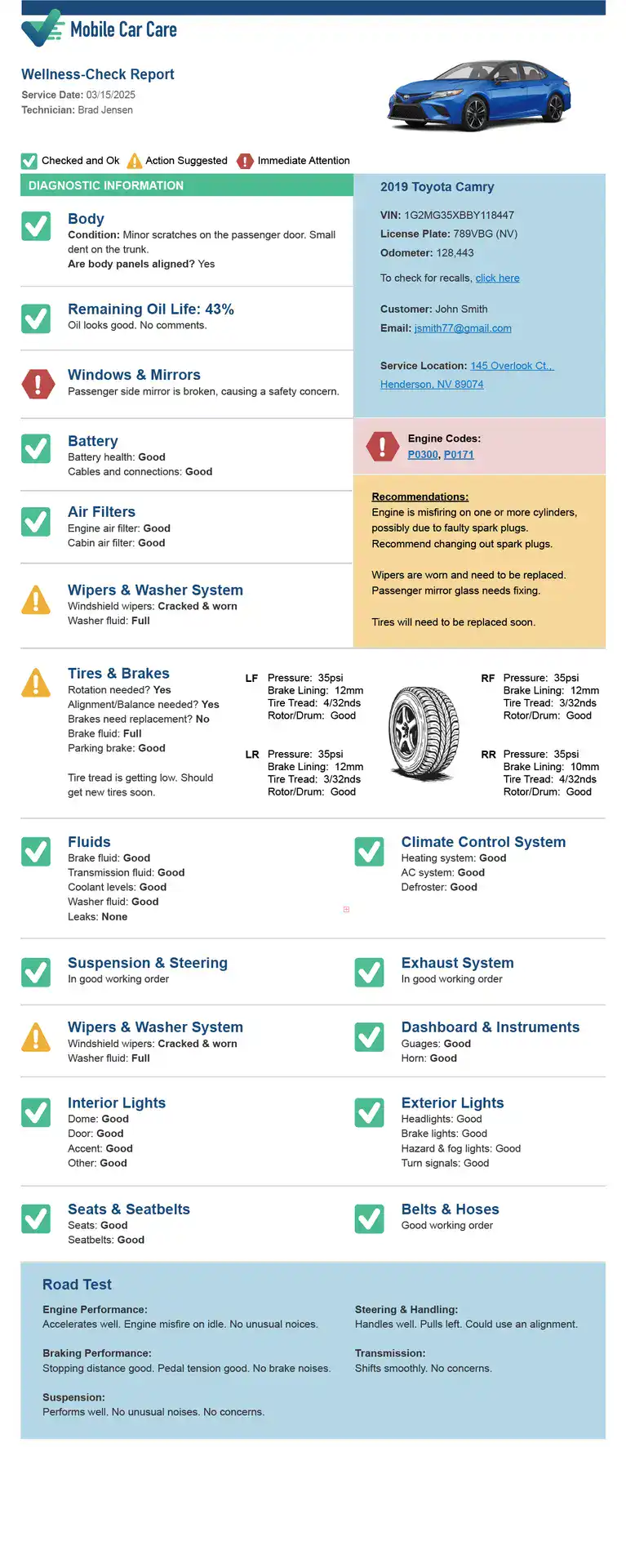

Buying a used car can feel like a gamble. You’re hoping for a great deal, but you’re worried about hidden problems that could turn your new ride into a money pit. This is where a pre-purchase mobile vehicle inspection becomes your most powerful tool. It takes the guesswork out of the equation by sending a qualified technician to assess the vehicle before you buy it. They perform a thorough check of the engine, brakes, and all critical systems, giving you an unbiased, detailed report. This information gives you the confidence to walk away from a bad deal or negotiate a better price with facts.
Key Takeaways
- Skip the Repair Shop for Good: Mobile inspections bring expert car care directly to your driveway, saving you hours of waiting and fitting seamlessly into your busy schedule.
- Make Smarter Financial Decisions: Proactive inspections catch small problems before they become costly disasters, helping you budget for maintenance, avoid surprise repair bills, and extend the life of your vehicle.
- Gain Confidence with Clear Information: A detailed, easy-to-understand report gives you the facts about your car’s health, empowering you to negotiate a fair price on a used car or create a smart maintenance plan.
What Is a Mobile Vehicle Inspection?
Think of a mobile vehicle inspection as a house call for your car. Instead of blocking off half your day to drive to a garage and wait, a qualified technician comes directly to you—whether you’re at home, at the office, or even on-site looking at a used car. The service brings professional expertise to your doorstep, giving you a clear, unbiased assessment of a vehicle’s health. It’s an ideal solution for getting a second opinion before buying a used car, but it’s also a brilliantly simple way to stay on top of your current car’s routine maintenance without the usual hassle.
The entire service is built around convenience and transparency. A technician performs a thorough check of the car’s most important systems, from the engine and brakes to the electronics and suspension. The goal is to spot any existing issues or potential problems that could become major headaches later. You get the full picture of your vehicle’s condition, allowing you to make informed decisions with confidence, all on your own schedule.
How the Inspection Works
The process is refreshingly straightforward. Once you book your appointment, the service handles the logistics. If you’re buying a car, the inspector will typically contact the seller to arrange a time and place for the inspection, so you don’t have to play coordinator. The technician then travels to the vehicle and performs a comprehensive, multi-point check. Afterward, you’ll get a notification that your detailed report is ready to view online. It’s a hands-off experience designed to give you all the information you need without disrupting your day.
Different Types of Inspections
Not all inspections are the same, and you can usually choose a service that fits your exact needs. The most common is the pre-purchase inspection, which is a must-have when you’re in the market for a used car. Services like SafeBuy specialize in checking a car’s engine, electrical parts, and other key systems to make sure you’re not buying a lemon. Beyond that, many companies offer different packages based on the vehicle’s age and type, ranging from a basic mechanical check to a full bumper-to-bumper review. There are also routine wellness checks, which are perfect for proactive car owners who want to stay ahead of maintenance.
Your Digital Report, Explained
One of the biggest advantages of a modern mobile inspection is the digital report. Forget trying to decipher a mechanic’s scribbles on a greasy piece of paper. Instead, you receive a detailed, easy-to-read report, often complete with high-quality photos and notes on any areas of concern. This level of transparency is a game-changer, as it eliminates guesswork and shows you exactly what the technician found. A quality service will also make sure you understand the results, sometimes offering to go over the report with you on the phone to answer any questions you might have.
Clearing Up Common Myths About Mobile Inspections
A few common misconceptions about vehicle inspections are worth clearing up. Some people believe inspections are just a way for shops to find problems and generate revenue. In reality, a good inspection is designed to save you money by catching small issues before they turn into costly, catastrophic failures. Another myth is that an inspection report is transferable between owners or can be used for multiple vehicles. The truth is that each report is a snapshot of a specific car’s condition at a specific time. The real purpose is to give you accurate, unbiased information for your own safety and financial well-being.
Why Choose a Mobile Vehicle Inspection?
Let’s be honest: taking your car to the shop is a hassle. It means carving time out of your busy day, sitting in a waiting room, and trying to decipher what the mechanic is telling you. A mobile vehicle inspection flips that experience on its head. Instead of you going to the car experts, they come directly to you—whether you’re at home or the office. This modern approach to car care is built around your schedule, giving you expert insights, clear reports, and a smarter way to manage your vehicle’s health without the headache. It’s about trading stress and uncertainty for convenience and confidence.
Save Time and Skip the Shop
Your time is valuable, and spending it at a repair shop is probably not your first choice. Mobile vehicle inspections are designed to fit into your life, not disrupt it. You can book an appointment that works for you, and the technician shows up at your location. There’s no need to arrange for a ride, take a half-day off work, or wonder how long you’ll be stuck waiting. A technician can perform a complete check while you’re in a meeting or making dinner. This flexibility makes it so much easier to stay on top of routine maintenance, like with a simple 85-point mobile vehicle inspection in Las Vegas, ensuring your car gets the attention it needs without interrupting your day.
Get Expert Diagnostics at Your Doorstep
Convenience doesn’t mean sacrificing quality. With a mobile inspection service, you get a certified technician bringing their expertise and professional-grade tools right to your driveway. They can perform comprehensive diagnostics on your car’s most critical systems, from the engine and transmission to the brakes and electronics. This is especially helpful for a pre-purchase inspection, where an expert can give you an unbiased assessment of a used car before you make a decision. You get the same level of professional service you’d expect from a top-tier garage, but with the unmatched ease of being at your own home.
Receive a Detailed, Easy-to-Read Report
One of the biggest frustrations with traditional car care is the confusion. You’re often handed a bill with technical jargon that leaves you wondering what you actually paid for. A quality mobile inspection service provides a detailed digital report that’s easy to understand. These reports often include photos, videos, and clear notes explaining the condition of your vehicle. They highlight what’s working well, what needs attention soon, and what requires immediate action. This transparency empowers you to make informed decisions about your car’s maintenance without feeling pressured or confused.
A Smarter Way to Manage Car Costs
Putting off car maintenance might feel like you’re saving money in the short term, but it often leads to much bigger, more expensive problems down the road. A small, undiscovered leak can turn into a major engine repair. Mobile inspections help you catch these minor issues before they become costly breakdowns. By identifying potential problems early, you can plan for repairs and budget accordingly. Regular check-ups through a vehicle inspection plan subscription like an routine vehicle inspection plan can prevent surprise repair bills and extend the life of your vehicle, making it a financially savvy way to handle car ownership.
Drive with Confidence
Ultimately, the greatest benefit of a mobile vehicle inspection is the peace of mind it provides. Knowing that a professional has thoroughly checked your car and that you have a clear understanding of its condition allows you to drive with confidence. You don’t have to worry about that strange noise or wonder if your car is safe for a family road trip. Proactive maintenance removes the guesswork and anxiety from car ownership, letting you feel secure and in control every time you get behind the wheel. It’s about ensuring your vehicle is reliable, safe, and ready for whatever your life demands.
What’s Included in the Inspection?
When you schedule a mobile vehicle inspection, you’re getting much more than a quick glance-over. A professional inspector conducts a systematic, top-to-bottom review of the vehicle’s health and safety. At Mobile Car Care, our technicians perform comprehensive 85-point vehicle checks designed to give you a complete picture of what’s going on with your car, from the engine performance to the condition of the undercarriage. This detailed process ensures that small issues are caught before they become major, costly problems.
Think of it as a full physical for your car. The goal is to identify any existing problems, flag potential future issues, and verify that all safety systems are functioning exactly as they should. Whether you’re buying a used car and want to avoid a lemon or just want to stay on top of your current vehicle’s maintenance, a thorough inspection provides the clarity and confidence you need. Let’s break down exactly what our technicians look at.
Under the Hood: Engine and Mechanical Parts
This is where the inspection gets to the heart of your vehicle. The technician will pop the hood to perform a detailed examination of the engine and its related components. They’ll check for any fluid leaks, worn belts, or cracked hoses. Critical systems like the transmission, battery, and steering are carefully assessed to ensure they’re in good working order. The inspector also scans the car’s onboard computer for any diagnostic trouble codes that might point to hidden issues. This part of the check gives you a clear understanding of the car’s mechanical health and what might need attention soon.
A Full Exterior Check
First impressions matter, but an inspector looks far beyond a shiny coat of paint. The exterior check involves a meticulous review of the car’s body panels, looking for dents, scratches, rust, or signs of previous repairs that might not have been done properly. The glass, wheels, and tires are also examined for any damage or excessive wear. An important step here is verifying the vehicle identification number (VIN) to make sure it matches the car’s documentation. This ensures there are no discrepancies with the vehicle’s history and that everything is as it should be.
Inside the Cabin: Interior and Comfort
Next, the inspector moves inside to evaluate the car’s interior. They’ll check the condition of the seats, dashboard, steering wheel, and flooring for any significant wear, stains, or damage. This isn’t just about aesthetics; signs of water intrusion or musty odors could indicate a leak or other underlying problems. The goal is to confirm that the interior is in good shape and free from issues that could affect your comfort or signal a hidden problem. Every button, switch, and lever is tested to make sure it functions correctly.
Brakes, Tires, and Safety Features
Your safety on the road is the top priority. A huge part of the inspection focuses on the systems that keep you safe, starting with the brakes and tires. The technician will measure the thickness of the brake pads and the condition of the rotors to determine how much life they have left. They’ll also check the tire tread depth and look for any unusual wear patterns that might suggest alignment or suspension issues. All essential safety features, from seatbelts to airbags and lights, are verified to be in proper working condition.
Electronics and Onboard Tech
Modern cars are packed with technology, and a good inspection ensures it all works as intended. The technician will test the electronic systems throughout the vehicle, including the infotainment screen, navigation, climate control (both A/C and heat), power windows, and sound system. While a broken radio might not leave you stranded, you want to know that all the features you’re paying for are fully functional. This check confirms that the car’s comfort and convenience features are ready to go.
A Look Underneath: Frame and Suspension
Finally, the inspector takes a look at a part of the car most owners never see: the undercarriage. This is crucial for identifying issues like frame damage from a past accident, rust that could compromise the vehicle’s structure, or leaks from the engine, transmission, or exhaust system. The suspension components, including the shocks and struts, are also examined for wear and tear. A healthy undercarriage is essential for the vehicle’s long-term safety and stability, and this part of the inspection provides true peace of mind.
Who Offers Mobile Inspections?
Once you decide a mobile inspection is right for you, the next step is finding the right provider. Several companies offer on-site vehicle checks, but they often specialize in different areas. Some focus exclusively on pre-purchase inspections for used cars, helping you avoid a bad deal. Others, like us at Mobile Car Care, concentrate on proactive, routine maintenance to keep the car you already own running smoothly. Understanding this distinction will help you choose the service that best fits your needs, whether you’re buying a new-to-you vehicle or want to simplify your current car care routine.
Mobile Car Care
We specialize in proactive vehicle maintenance that comes to you. Our goal is to make car care convenient and stress-free, helping you catch small issues before they become major problems. Unlike services that only focus on pre-purchase checks, we offer ongoing care through our subscription plans. Our Essential maintenance subscription and comprehensive car care plan provide comprehensive, recurring wellness checks to ensure your vehicle stays in top condition. As one source notes, “Mobile vehicle checks offer more scheduling flexibility. You can pick a time that works for you.” We bring expert diagnostics and detailed reports right to your home or office, giving you the peace of mind that comes with consistent, professional oversight.
CARCHEX
CARCHEX is another company in the vehicle inspection space. While they are known for extended vehicle protection plans, they also offer inspection services. To get the most accurate and current details on their mobile inspection offerings, including what their service covers and where it’s available, it’s best to visit their official website. There, you can find specific information about their pre-purchase inspections and how they can assist you in making an informed car-buying decision.
AiM Certify
AiM Certify provides vehicle inspections and is often associated with the automotive industry, including auctions and dealerships. They offer detailed assessments to verify a car’s condition. For specific details about their mobile inspection services for individual car owners or buyers, including pricing, service areas, and what their inspections entail, checking their official site directly is the best way to get up-to-date information.
LemonSquad
If you’re in the market for a used car, LemonSquad is a name you’ll likely come across. Their primary focus is on pre-purchase inspections. According to the company, “Lemon Squad helps people avoid buying ‘lemon’ (defective) used cars by offering pre-purchase inspections.” Their model is built around convenience for the buyer. “They have mobile mechanics who go directly to where the car is located,” whether that’s a dealership or a private seller’s home. This service is designed to give you a clear, unbiased picture of a vehicle’s health before you commit to buying it, helping you invest with confidence.
AutoVIN
AutoVIN is a key player in the vehicle inspection industry, primarily serving the needs of automotive manufacturers, financial institutions, and fleet management companies. They are well-regarded for providing consistent and accurate vehicle condition reports. If you’re an individual buyer looking for a one-time mobile inspection, you’ll want to visit their website to see what services they offer to the general public and to learn more about their process and service areas.
WeGoLook
WeGoLook offers a broad range of on-demand field services, which includes vehicle inspections. Their network of “Lookers” can be dispatched to a car’s location to capture photos and data, providing a general condition report. This can be useful for verifying the existence and state of a vehicle you’re considering buying from a distance. For detailed information on their specific automotive inspection packages and to understand the full scope of their services, it’s a good idea to check their official website.
iNeedaPPi
As their name suggests, iNeedaPPi (short for “I need a pre-purchase inspection”) is laser-focused on helping used car buyers. They emphasize speed and thoroughness, stating that they offer “fast, complete, same-day mobile car inspections before you buy a used car.” This is a great option if you’re on a tight timeline and need a quick, professional opinion on a vehicle you’re serious about. According to their site, “The service costs $169,” making it a straightforward choice for buyers who need a comprehensive check without a long-term commitment.
SafeBuy
SafeBuy is another service dedicated to protecting used car buyers. Their mission is to ensure you know exactly what you’re getting into before you finalize a purchase. As SafeBuy explains, they offer a service to “check cars before you buy them. This is called a ‘pre-purchase vehicle inspection.’” Their process is thorough, as “their goal is to make sure the car’s engine, electrical parts, and other systems are in good shape.” By providing a detailed report, SafeBuy empowers you to negotiate effectively or walk away from a vehicle that could cause problems down the road.
How Much Does a Mobile Inspection Cost?
Let’s talk about one of the most important questions: how much will this cost? The price of a mobile vehicle inspection isn’t one-size-fits-all. It depends on how thorough you want the check to be, the type of vehicle you have, and whether you’re looking for a one-time look or ongoing care. The good news is that this flexibility means you can find a service that fits your budget and your needs.
Generally, you can expect to pay anywhere from $35 for a very basic check-up to several hundred dollars for a highly detailed, pre-purchase inspection on a luxury or classic car. The key is to understand what you’re getting for your money. A lower-cost inspection might cover the essentials, while a premium service will dig into every nook and cranny, giving you a complete picture of the car’s health. Think about what you need—are you just trying to diagnose a weird noise, or are you about to make a major purchase? Your answer will guide you to the right service level.
One-Time Inspection Costs
If you need a single, focused check-up, a one-time inspection is the way to go. This is a popular choice for pre-purchase inspections or when you want a second opinion on a repair estimate. The cost for these services can vary widely, with some basic mobile mechanic checks starting as low as $35 and going up based on the inspection’s depth. For a comprehensive wellness check that covers all the major systems, you can expect to pay a flat fee. For example, Mobile Car Care’s single pre-purchase inspection is a great option for getting a detailed digital inspection report on your vehicle’s health without committing to a recurring plan.
Comprehensive Plan Options
For a deeper dive, many services offer tiered packages. Think of it like a menu where you can choose the level of detail you need. A standard inspection might be perfect for a newer, low-mileage car, while an exotic or classic car would benefit from a more specialized, premium inspection. These comprehensive plans often check hundreds of points on the vehicle, from the engine and transmission to the smallest electronic details. This approach ensures you’re only paying for the level of scrutiny your specific vehicle requires, giving you a tailored and cost-effective solution.
What Extras Are Available?
Sometimes, you need a little more information. Many mobile inspection companies offer useful add-ons to give you a more complete picture of the vehicle’s history and condition. A common and highly recommended extra is a vehicle history report, like a CARFAX, which can reveal past accidents, title issues, and service records for a small additional fee. Other available extras might include advanced diagnostic scans for specific warning lights, fluid analysis, or even an emissions test. These add-ons are a great way to customize your inspection and get the specific answers you’re looking for.
Ongoing Care with Subscription Plans
If you want to stop worrying about car maintenance altogether, a subscription plan is your best bet. Instead of reacting to problems, you can prevent them. These plans provide regular check-ups to ensure your vehicle remains in top condition, catching small issues before they become expensive headaches. Mobile Car Care offers an Essential Plan for proactive maintenance and a Total Care mobile maintenance for complete peace of mind, which includes runner services for repairs. This model turns car care into a simple, predictable monthly expense, much like a gym membership for your vehicle.
How to Pay for Your Service
Transparency is key when it comes to payment. Before you agree to any service, make sure you receive a clear, itemized quote. Don’t be afraid to ask what’s included—specifically, whether the price covers just labor or includes parts as well. Some people prefer to buy their own parts to potentially save money, but having the service provide them is often more convenient. A trustworthy company will be upfront about all costs and won’t hit you with surprise fees. Always confirm the total price before the inspector gets to work.
How to Prepare for Your Mobile Inspection
Your mobile vehicle inspection is all about convenience, and a little prep work on your end can make the entire process even smoother. Taking a few simple steps before your technician arrives ensures they can perform the most thorough check possible, giving you a clear and complete picture of your car’s health. Think of it as setting the stage for a great performance—it helps everything run efficiently and gives you the best results. From grabbing a folder to clearing out the trunk, here’s how you can get ready for your appointment.
Gather Your Paperwork
Before the technician arrives, take a moment to collect any service records you have for your vehicle. This isn’t a requirement, but having the service history on hand gives the inspector valuable context about your car’s past. Information about previous oil changes, tire rotations, or repairs helps them understand what’s been done and what to look for. It allows them to see patterns and check if past issues were resolved correctly. Just place the documents in the glove compartment or have them ready to hand over when your appointment begins.
Get Your Car Ready
A clean car makes for a better inspection. Start by clearing out any personal items from the cabin, glove box, and trunk. This gives the technician easy access to all areas, from the spare tire well to the under-seat components, without having to move your gym bag or grocery totes. A quick run through the car wash is also a great idea. When the exterior is clean, it’s much easier for the inspector to spot things like paint imperfections, dings, or subtle signs of previous bodywork. It’s a small step that helps ensure no detail is overlooked.
Find the Right Spot for the Inspection
One of the best parts of a mobile inspection is that we come to you. To make the process seamless, choose a good spot for the technician to work. Ideally, this should be a flat, level surface with enough space around the vehicle for the technician to open all the doors and work comfortably. Your driveway, a private parking lot at your office, or a safe spot on a quiet residential street are all great options. When you schedule your appointment, just let us know where you’d like us to meet you.
Should You Stick Around for the Inspection?
While you don’t have to, we highly recommend being present for the inspection if your schedule allows. This is a fantastic opportunity to connect with the technician and ask questions in real time. You can point out any specific concerns you have, like a strange noise you’ve been hearing or a button that’s been acting up. Walking through the inspection with an expert is one of the best ways to learn more about your vehicle. It turns the report from a simple document into a conversation about your car’s health and future needs.
What to Know About the Test Drive
The test drive is a crucial part of any comprehensive vehicle inspection. It’s where the technician gets to see, hear, and feel how your car performs in real-world conditions. During the drive, they’ll be checking for issues with the engine, transmission, steering, suspension, and brakes that might not be apparent when the car is stationary. They’ll listen for unusual noises, feel for vibrations, and assess how the car handles acceleration and braking. This dynamic evaluation helps them identify any issues and confirm that all systems are operating as they should.
What to Look for in a Quality Service
Choosing a mobile vehicle inspection service is about more than just convenience; it’s about trust. You’re inviting someone to assess one of your most valuable assets, so you want to be sure they’re qualified, professional, and transparent. A great service doesn’t just tell you what’s wrong—it helps you understand your car’s health and gives you the confidence to make smart decisions, whether you’re buying a used car or just trying to stay on top of maintenance.
Before you book an appointment, take a few minutes to vet the company. Look for clear signs of professionalism, like certifications, insurance, and service guarantees. A reputable provider will be upfront about what they offer and what you can expect. Think of it as a job interview for your car’s next check-up. Asking the right questions now can save you from headaches and unexpected costs down the road. Here are the key things to look for to ensure you’re getting a top-tier inspection from a service you can rely on.
Certified and Experienced Inspectors
The person inspecting your car should be a certified professional, not just a hobbyist. Look for technicians with credentials from recognized organizations like the National Institute for Automotive Service Excellence (ASE). An experienced inspector brings a trained eye that can spot subtle issues an amateur might miss. They understand the difference between a minor quirk and a major red flag. This expertise is crucial because many drivers believe common vehicle inspection myths that can lead to wasting money or neglecting important repairs. A certified pro will give you the facts, helping you make informed, confident decisions about your vehicle’s care.
Do They Have Insurance?
This is a non-negotiable. Any legitimate mobile inspection service must have comprehensive liability insurance. Why? Because accidents can happen. If the technician accidentally damages your car or your property during the inspection, you want to know you’re covered. Insurance protects both you and the technician, ensuring that any potential damages are handled professionally without leaving you responsible for the bill. Think of it as a safety net and a clear indicator that you’re dealing with a professional business. Any company that can’t provide proof of insurance is a major red flag, so don’t be afraid to ask for it upfront.
Service Guarantees and Warranties
What happens if an issue is missed during the inspection? A quality service will stand behind its work with a guarantee or warranty. This shows they are confident in the thoroughness of their inspections and are committed to customer satisfaction. While an inspection isn’t a crystal ball that can predict every future problem, a service guarantee provides peace of mind that the assessment was performed to a high standard. It’s a promise of quality and accountability. Companies that offer this are invested in building long-term trust with their clients, not just making a quick buck.
Check Their Service Area
The first practical step before booking is to confirm the company operates in your area. The whole point of a mobile inspection is convenience, so you need a service that can come to your home, workplace, or the seller’s location. Most reputable companies have a simple tool on their website where you can enter your zip code to see if you’re covered. This also speaks to their operational reliability. A clearly defined service area means they have the logistics in place to arrive on time and deliver a consistent experience. It’s a simple check that ensures the service can offer the scheduling flexibility that makes mobile inspections so appealing.
Help Understanding Your Report
A detailed inspection report is only useful if you can actually understand it. The best services provide clear, easy-to-read digital reports, often including photos and videos to illustrate their findings. They avoid overly technical jargon and explain what each item means for your car’s health and safety. A great company goes one step further by making its technicians available to walk you through the report and answer any questions you have. This commitment to transparency empowers you to understand your vehicle’s condition fully, so you can plan for repairs or negotiate a purchase with confidence.
How to Use Your Inspection Report
The inspection is complete, and a detailed report has landed in your inbox. This document is more than just a checklist; it’s your car’s personal health record and a powerful tool for making smart decisions. Whether you’re buying a used car or staying on top of your current vehicle’s maintenance, the report gives you the clarity you need to act with confidence. Think of it as a roadmap for your car’s future, showing you exactly where to go next to ensure it stays safe and reliable on the road. Here’s how you can turn that information into a solid plan.
Decode Your Results
Your inspection report is designed to be clear and straightforward. Within a couple of hours of the inspection, you’ll receive an email containing a full breakdown of our findings. We summarize everything with a simple “condition score” out of 100, giving you an at-a-glance understanding of your vehicle’s overall health. Inside, you’ll find a section-by-section analysis, often color-coded to help you quickly spot what’s okay, what needs watching, and what requires immediate attention. We skip the confusing technical jargon and focus on giving you the facts in plain English so you know exactly what’s going on with your car.
Use the Report to Negotiate a Better Price
If you’re in the market for a used car, a pre-purchase inspection report is your best negotiating tool. It gives you a complete picture of the vehicle’s condition, so you truly know what you’re buying. If the inspection uncovers issues like worn brake pads or a minor leak, you can use that information to ask the seller for a lower price to cover the cost of repairs. This objective, third-party assessment removes the guesswork and helps you make a fair offer, ensuring you get a good deal and avoid any unwelcome surprises down the road.
Plan Your Next Maintenance Steps
For the car you already own, the inspection report is your guide to proactive maintenance. It helps you prioritize what needs to be done now and what can wait, so you can budget for future repairs without stress. After the inspection, we can walk you through the report to make sure you understand every detail. This allows you to create a maintenance schedule that fits your life and prevents small issues from turning into major headaches. It’s all about shifting from reactive repairs to a smart, forward-thinking approach to car care.
Arrange for Follow-Up Repairs
Once your report identifies areas that need attention—from simple wear and tear to specific damage—the next step is getting them fixed. The good news is you don’t have to start searching for a reliable mechanic. Mobile Car Care can handle many minor repairs and maintenance tasks right in your driveway during a follow-up appointment. Our Total Care Plan is designed to provide this kind of comprehensive service, making it easy to address the findings in your report and keep your car in top shape without disrupting your day.
Why You Should Schedule Regular Check-Ups
A single inspection is great, but consistent quarterly check-ups are the key to long-term vehicle health and your peace of mind. Regular inspections help you find small problems before they become big, expensive ones. By staying ahead of maintenance, you not only save money but also ensure your car is safe for you and your family. Our Essential Plan makes this easy by putting your car’s health on autopilot, giving you one less thing to worry about in your busy life.
Vehicle Inspection Checklist for Parents: What to Look For
When your teen or family member drives a vehicle, you want more than a quick visual check — you want documented proof that the car is road-safe. Here is what a comprehensive vehicle inspection checklist for parents should cover:
- Brakes: Pad thickness, rotor condition, brake fluid level — the #1 safety system on any vehicle
- Tires: Tread depth (minimum 2/32″), pressure, even wear pattern — critical for wet-road traction
- Lights: All headlights, brake lights, turn signals, and reverse lights functioning
- Steering & Suspension: No play in the steering wheel, shocks/struts not leaking
- Belts & Hoses: No cracks or fraying on serpentine belt; coolant hoses pliable, not brittle
- Battery: Clean terminals, voltage holding charge — especially important in Las Vegas heat
- Fluids: Engine oil, coolant, transmission fluid, brake fluid, power steering fluid all at correct levels
- AC System: Critical in Las Vegas summers — confirm the system cools to proper temperature
- Wipers & Visibility: Wiper blades streak-free, windshield crack-free
- OBD-II Scan: No active or pending fault codes hiding a check engine light
Mobile Car Care’s 85-point inspection covers every item on this list and more — delivered to your home, your teen’s school, or wherever the vehicle is parked. Parents receive a detailed digital report with photos they can review anytime. Book a Quick Check inspection today.
Mobile Car Safety Inspection vs. Shop Inspection: Which Is Better for Families?
Las Vegas families have two main options when it comes to vehicle safety inspections: driving to a traditional repair shop or booking a mobile inspection that comes to you. Here is how they compare:
| Factor | Mobile Car Safety Inspection | Traditional Shop Inspection |
|---|---|---|
| Convenience | Technician comes to your home, school, or office | You drive the vehicle to the shop and wait |
| Time | 60–90 minutes on-site; no commute | 2–4+ hours including drop-off and pick-up |
| Safety | No driving a potentially unsafe vehicle | Must drive a vehicle you’re not sure about |
| Transparency | You watch the inspection and receive a photo report | Inspection done in the back — you see the invoice |
| Documentation | Digital report with photos sent immediately | Written work order — varies by shop |
| Best For | Teen driver safety checks, pre-purchase inspections, elderly parent vehicles | Routine service when you’re already nearby |
For families who want peace of mind without the hassle — especially for a teen’s first car or an elderly parent’s daily driver — a mobile car safety inspection delivers more value, more transparency, and more convenience than a traditional shop visit.
Ready to book? 85-point mobile vehicle inspection in Las Vegas — we come to you.
Mobile Vehicle Inspection vs. Nevada Smog or DMV Inspection
A Mobile Car Care inspection is a condition-focused review for buyers, families, and drivers who want to understand a vehicle’s safety and maintenance needs. It is different from a Nevada DMV, emissions, or smog inspection. If you need registration or emissions compliance, follow Nevada DMV requirements. If you want a practical digital report before buying or driving, schedule a mobile inspection.
Related Articles
- Mobile Car Inspections: Why You Need One & What to Expect – Mobile Car Care
- Mobile Auto Inspections: What You Need to Know – Mobile Car Care
- Independent Car Inspections: What Every Car Buyer Must Know – Mobile Car Care
- 85-Point Inspection: What’s Included & Why It Matters – Mobile Car Care
- Vehicle Safety Inspection for Teen Drivers in Las Vegas
- Car Safety Inspection Checklist for Families
Frequently Asked Questions
What’s the difference between a pre-purchase inspection and a routine wellness check? Think of it this way: a pre-purchase inspection is for a car you might own, while a wellness check is for the car you do own. The pre-purchase check is an intensive, one-time investigation to make sure you aren’t buying a vehicle with hidden problems. A routine wellness check is all about proactive care, helping you stay ahead of maintenance to keep your current car running safely and reliably for years to come.
Do I have to be present for the entire inspection? Not at all—the service is designed to fit your schedule, not the other way around. While you’re welcome to be there and ask the technician questions, you can also just go about your day. We can perform the full inspection while you’re at work or at home. Afterward, you’ll receive a detailed digital report with photos and clear notes explaining everything we found.
How long does a typical mobile inspection take? The exact time depends on the depth of the inspection and the type of vehicle, but most of our comprehensive checks take about 60 to 90 minutes. We’ll give you a more specific time frame when you book your appointment. This allows our technicians enough time to be thorough without taking up your entire afternoon.
Can the technician fix any problems they find during the inspection? The initial appointment is purely for assessment. This ensures you get a completely objective and unbiased report on your vehicle’s condition. If the inspection uncovers issues that need attention, we can then schedule a separate follow-up visit to perform many common repairs and maintenance tasks right in your driveway.
Is this the same as the annual state inspection my car needs? That’s a common question, but they are two different things. A state inspection is a legally required test to verify your car meets specific government standards for safety and emissions. Our mobile wellness inspection is a much more detailed health check-up that looks at the overall condition and long-term reliability of your vehicle, giving you a complete picture of its mechanical health.