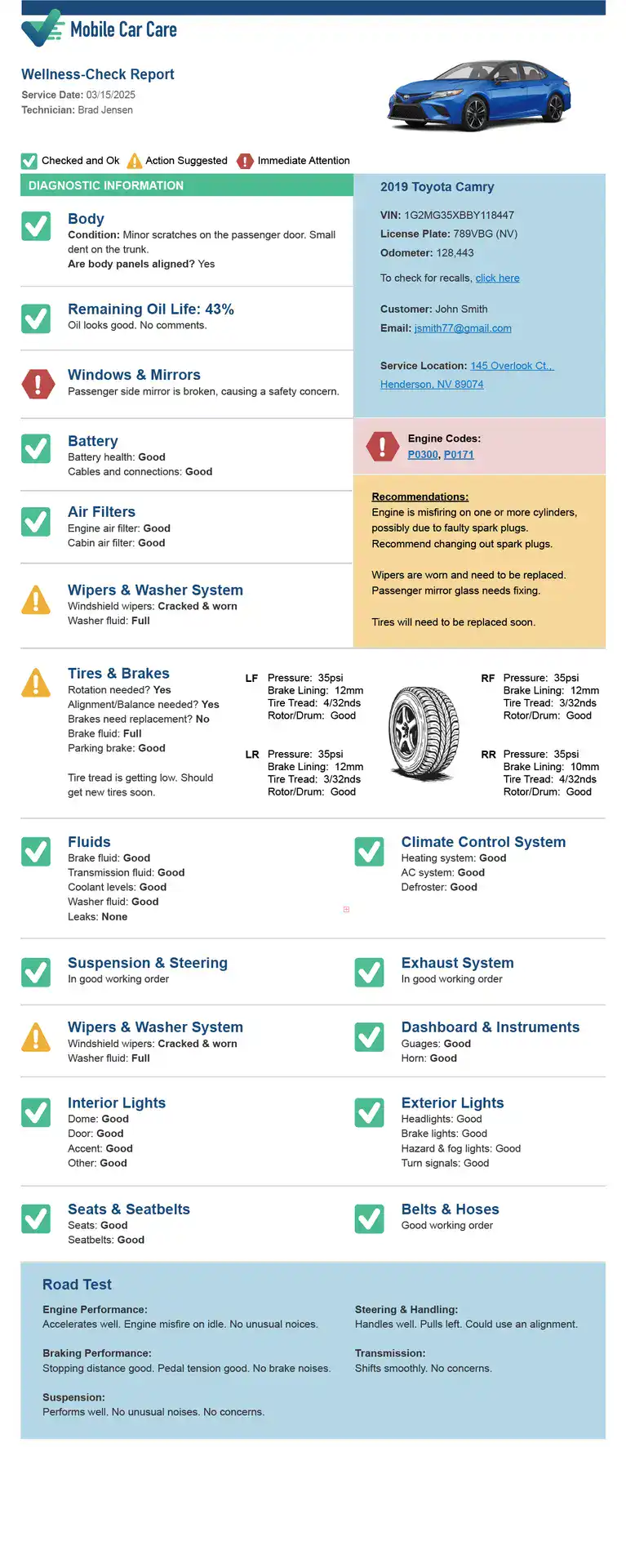

Your car is one of your most important tools, but it’s also one of the biggest hassles on your to-do list. Finding time to drive to a garage, wait around, and deal with surprise recommendations is a drain on your schedule. That’s why learning the fundamentals of at-home car maintenance is such a powerful move. It puts you back in control, helping you handle the basics on your own time. This guide breaks down the most important tasks into simple, manageable steps that anyone can follow. It’s the perfect starting point for keeping your car safe and reliable without sacrificing your valuable time or peace of mind.
Key Takeaways
- Make Maintenance a Habit: A consistent routine of checking essentials like your oil, tire pressure, and fluids is the simplest way to catch small issues before they become expensive, time-consuming problems.
- Your Safety is Non-Negotiable: Always use the right protective gear and proper equipment like jack stands. If a task feels unsafe or is beyond your skill level, the smartest move is to stop and call a professional.
- Recognize Your DIY Limits: While handling basic tasks is empowering, complex repairs involving brakes, the engine, or tricky diagnostics are best left to an expert to avoid costly mistakes and ensure the job is done right.
Your Essential At-Home Maintenance Checklist
Getting familiar with your car doesn’t have to be intimidating. A few simple checks can make a huge difference in how your vehicle runs, helping you catch small issues before they turn into big, expensive headaches. Think of it as a quick wellness check-up you can do right in your driveway. This checklist covers the basics that will keep you safer on the road and save you from surprise trips to the shop. While these tasks are straightforward, if you’re ever short on time or just want a second set of eyes, remember that a professional check can offer complete peace of mind. Our Quick Check Plan is perfect for getting an expert opinion without the hassle.
Check Your Engine Oil
Engine oil is your car’s lifeblood, so keeping an eye on it is one of the most important things you can do. When your engine is cool, pull out the dipstick, wipe it clean, reinsert it fully, and then pull it out again to check the level. It should be between the “Full” and “Add” marks. If it’s low, top it off with the specific oil type your owner’s manual recommends. Also, take a look at the oil’s color. If it appears milky or has gritty particles in it, that’s a sign you should get a professional diagnosis right away, as it could indicate a more serious engine problem.
Inspect Your Tires
Your tires are the only part of your car that actually touches the road, so their condition is critical for safety. Once a month, use a simple tire pressure gauge to check the pressure in each tire, including the spare. You can find the correct pressure (PSI) on a sticker inside the driver’s door jamb—don’t use the number on the tire itself. While you’re down there, check the tread for uneven wear or damage. You can use the “penny test” to check your tread depth; if you can see all of Lincoln’s head, it’s time for new tires.
Replace the Air Filter
Think of your engine’s air filter like your own lungs—it needs to breathe clean air to perform its best. A clogged air filter can hurt your fuel economy and make your engine work harder than it needs to. Swapping it out is usually a simple job that doesn’t require any special tools. Your owner’s manual will show you where it’s located. Don’t forget about the cabin air filter, either! Replacing it keeps the air inside your car fresh and free of dust and allergens. You can find a step-by-step guide for most vehicles online.
Top Off Key Fluids
Your car relies on several different fluids to operate smoothly, and checking them is a quick and easy task. Besides engine oil, you should regularly check your coolant (also called antifreeze), power steering fluid, brake fluid, and windshield washer fluid. Each has a reservoir under the hood, usually with clear markings for “Full” and “Low.” Always consult your owner’s manual to ensure you’re using the correct type of fluid for your specific vehicle, as using the wrong one can cause serious damage. If you’re unsure, it’s always best to let a professional handle it.
Test the Battery
A dead battery can leave you stranded at the worst possible moment, much like running out of fuel unexpectedly. While you need a special tool for a true electrical test, you can perform a simple visual inspection at home. Check to make sure the connections are tight and look for any corrosion—a crusty, white, or blue-green powder—on the terminals. If you see any, you can carefully clean it off with a wire brush or a terminal cleaning tool. This simple maintenance can prevent starting problems and help your battery last longer. Always wear gloves and eye protection when working near a battery.
Examine the Brakes
You don’t need to be a mechanic to know when something is off with your brakes. The key is to pay attention to what you hear and feel when you drive. Are your brakes making a high-pitched squealing or grinding noise? Does the brake pedal feel soft or spongy when you press it? Do you feel a vibration or pulsation through the pedal or steering wheel when you slow down? These are all common warning signs of brake problems. While brake repairs are a job for the pros, catching these issues early can keep you safe and prevent more costly damage.
Swap Out Wiper Blades
Good visibility is non-negotiable, especially in rain or snow. Worn-out wiper blades can leave streaks or fail to clear your windshield effectively, creating a serious safety hazard. You should plan to replace them every six to twelve months, or as soon as you notice their performance declining. Replacing them is a breeze—most blades just snap on and off. You can find the right size for your car by measuring your old ones or looking them up in the guide at any auto parts store. It’s a small, inexpensive task that makes a world of difference.
Gather Your Tools and Supplies
Before you can roll up your sleeves and get to work, you need the right gear. Building a basic toolkit is an investment that will save you time and money for years to come. Think of it as your car care command center. You don’t need a professional-grade garage overnight, but starting with a few key items will prepare you for most of the simple maintenance tasks on your checklist. Let’s walk through what you’ll need to get started.
Your Basic Toolkit
Think of this as your starter pack for at-home car care. You don’t need every tool ever made, but a solid foundation will make most jobs much easier. A good set of metric sockets is a must-have, as they’re used for everything from changing your oil to tightening bolts. You’ll also need a sturdy jack and a pair of jack stands. The jack lifts your car, but the jack stands are what safely keep it there—never work under a car supported only by a jack. These foundational tools will help you tackle a variety of maintenance tasks effectively and safely.
Essential Safety Gear
This part is non-negotiable. Your safety always comes first, and having the right protective gear is essential before you even think about starting a repair. A good pair of work gloves will protect your hands from grease, grime, and scrapes, while safety glasses are crucial for shielding your eyes from dirt, debris, and fluid splashes. Some tasks, like brake work, can be too dangerous for beginners, so it’s important to prioritize safety and know your limits. If gathering and using this gear feels like a hassle, remember that our technicians handle it all for you during a convenient Quick Check at your home.
Necessary Fluids and Parts
One of the best ways to stay on top of maintenance is to have common supplies ready to go. Keeping a stock of essential fluids and filters on hand means you can top things off or make a quick swap without a last-minute trip to the auto parts store. You’ll want to have the correct type of engine oil for your car, along with coolant (antifreeze) and windshield washer fluid. It’s also smart to have a spare engine air filter and oil filter. Having these items in your garage makes it easy to perform routine tasks and keep your car running smoothly.
When You Might Need a Specialized Tool
As you get more comfortable with basic maintenance, you might want to add a few specialized tools to your collection. These aren’t for everyday jobs, but they can make certain tasks much simpler. For example, a brake bleeding kit is helpful for brake fluid changes, and an OBD-II code reader can tell you why your “check engine” light is on. These helpful tools can be a great investment for the dedicated DIYer. However, if you’d rather not buy and learn how to use them, our Total Care plan includes comprehensive diagnostics, so you can leave the complex jobs to a pro.
How to Tackle Common Maintenance Tasks
Ready to get your hands a little dirty? Tackling a few key maintenance tasks yourself can be incredibly rewarding. It helps you get familiar with your vehicle and can save you a trip to the shop. These common jobs are great starting points for any aspiring at-home mechanic. Just remember to consult your owner’s manual for specifics about your car model before you begin.
How to Change Your Oil
Changing your car’s oil is a classic DIY task, though it’s a bit more involved than just topping off fluids. You’ll need to safely lift your car, drain the old oil, replace the oil filter, and add the new oil. The most important part of this job is safety; always use jack stands to secure the vehicle, never rely on a jack alone. While it’s a manageable project for a weekend, it requires specific tools and a plan for disposing of the old oil properly. If the process feels like too much, that’s perfectly okay—it’s a messy job that many people prefer to hand off.
How to Rotate Your Tires
Rotating your tires is one of the best things you can do to make them last longer. The goal is to help them wear down evenly, which improves your car’s handling and performance. You’ll need a lug wrench to remove the lug nuts and jack stands to keep the car safely elevated while you work. Most vehicles have a specific rotation pattern (front to back, or in a cross pattern) that you can find in your owner’s manual. This task requires a bit of muscle and careful attention to ensure you tighten the lug nuts correctly when you’re done.
How to Replace Your Air Filter
If you’re looking for a fast and easy win, start with the air filters. Most cars have two: an engine air filter and a cabin air filter. Replacing a dirty engine air filter is a simple fix that can directly improve your engine’s performance and fuel efficiency. The cabin air filter keeps the air you breathe inside the car clean. Both are usually easy to access and swap out in just a few minutes with no special tools required, making this a perfect task for beginners.
How to Check and Top Off Fluids
Think of this as a regular health check for your car. Popping the hood to check your essential fluids is a quick habit that can prevent major problems down the road. You’ll want to regularly inspect the engine oil, coolant, brake fluid, and windshield washer fluid. Each has a reservoir with markings to show you the proper level. If anything is low, be sure to top it off with the correct type of fluid specified in your owner’s manual—using the wrong kind can cause serious damage.
How to Clean Your Battery Terminals
Is your car having trouble starting? Sometimes, the problem is simply dirty battery terminals. Over time, a crusty, white or blueish powder can build up on the terminals, interfering with the electrical connection. You can easily clean this corrosion off with a wire brush and a mixture of baking soda and water. After cleaning, make sure the connections are tight. This simple bit of maintenance helps ensure a reliable start and can even extend the life of your battery.
Stay Safe: Your DIY Maintenance Rules
Before you even pop the hood, let’s talk about the most important part of any at-home car project: safety. Working on a two-ton machine comes with risks, but following a few non-negotiable rules will keep you protected and confident. These aren’t just suggestions; they’re the foundation of every successful DIY task. Taking a few extra minutes to set up your workspace correctly and wear the right gear makes all the difference, ensuring your maintenance session is productive and, most importantly, incident-free. After all, the goal is to keep your car running safely, and that starts with keeping yourself safe.
Use Jack Stands the Right Way
If a task requires you to get under your car, a good set of jack stands is not optional. A car jack is designed only for lifting the vehicle, not for holding it securely in place. Once your car is lifted, immediately slide jack stands into position at the manufacturer’s designated points. Never rely on a jack alone to support the weight of the car while you’re underneath it. Some jobs, like extensive brake work, can be dangerous for beginners and are often best left to a professional who has the right equipment and experience.
Work in a Well-Ventilated Space
Your car produces harmful fumes, and so do many of the fluids you’ll be working with, like oil and cleaners. To avoid inhaling anything dangerous, you need proper ventilation. If you’re working in a garage, keep the main door wide open. If you’re outside, you’re in great shape. This simple step protects your lungs and prevents dizziness or other health issues that can arise from exposure to chemical fumes in a confined space. Never run the engine for an extended period in a closed garage, even with a window cracked.
Wear Protective Gear
It might feel like overkill for a quick fluid check, but basic safety gear is your best friend. At a minimum, you should have safety glasses and a pair of work gloves. Goggles protect your eyes from fluid splashes, dirt, and debris that can get knocked loose. Gloves protect your hands from scrapes, hot engine parts, and harsh chemicals that can irritate your skin. It’s a small habit that prevents minor injuries and keeps your focus on the task at hand, not on a painful cut or a splash of antifreeze.
Disconnect the Battery Before You Start
Before you work on any of your car’s electrical components, you should always disconnect the battery. This simple step prevents accidental electric shocks and protects your car’s sensitive computer systems from getting fried by a short circuit. Just loosen the nut on the negative terminal (it’s usually marked with a “-” sign) and slide the cable off. Tuck it to the side so it can’t accidentally touch the terminal again while you work. It only takes a minute and can save you from a painful shock or a very expensive repair bill.
Always Work on a Flat, Level Surface
This rule is critical, especially if you’re jacking up your car. Working on even a slight incline creates a serious risk of the vehicle rolling or slipping off the jack stands. Before you start any project, make sure your car is parked on solid, flat, level ground. A paved driveway or a level garage floor is ideal. Avoid working on soft surfaces like grass or dirt, as the jack and stands can sink into the ground and become unstable. Always engage the parking brake and chock the wheels for an extra layer of security.
Create Your Maintenance Schedule
Consistency is your best friend when it comes to car care. Creating a simple, repeatable schedule helps you stay on top of your vehicle’s health and catch small issues before they turn into major, wallet-draining problems. Think of it less as a chore and more as a quick routine that gives you peace of mind every time you get behind the wheel. A regular schedule demystifies car maintenance, breaking it down into manageable tasks you can handle without feeling overwhelmed.
By dividing tasks into weekly, monthly, and seasonal checks, you create a rhythm that’s easy to follow. This proactive approach not only extends the life of your car but also ensures it runs safely and efficiently. While this checklist is a fantastic starting point, remember to always pair it with the recommendations in your vehicle’s owner’s manual for a truly comprehensive maintenance plan.
What to Check Weekly
A weekly check should be so quick you can do it while you’re grabbing your bags out of the car. This is all about a simple visual inspection. Take a quick walk around your vehicle and look at the tires. Do any of them look lower than the others? You don’t need to pull out the gauge yet, just look for anything obviously wrong. Next, take a minute to test your lights. Turn on your headlights, and check your high beams, low beams, turn signals, and brake lights (you can see the reflection in a garage door or ask a family member to help). This two-minute routine helps keep you safe and avoid unnecessary traffic stops.
What to Check Monthly
Once a month, it’s time for a slightly more hands-on check-up. This is the perfect time to check your tire pressure. Using a simple tire gauge, make sure each tire is inflated to the PSI recommended on the sticker inside your driver’s side door jamb—not the number on the tire itself. Properly inflated tires are crucial for safety, fuel economy, and longevity. While the hood is up and the engine is cool, pull the dipstick to check your engine oil level and check your coolant and windshield washer fluid reservoirs, topping them off if needed. A quick glance at the belts and hoses for any visible cracks or leaks is also a smart move.
What to Check Seasonally
As the seasons change, so do your car’s needs. Before the rainy or snowy season begins, inspect your wiper blades for any signs of cracking or wear and replace them if they aren’t clearing your windshield perfectly. Extreme temperatures can be tough on your battery, so it’s wise to check the terminals for corrosion and clean them if necessary, especially before winter hits. It’s also a good idea to inspect your engine and cabin air filters. A clean engine air filter helps your car run efficiently, while a fresh cabin air filter ensures the air you’re breathing inside the car is clean.
Follow Your Car’s Official Schedule
While our checklist covers the basics, your car’s owner’s manual is the ultimate authority on its maintenance needs. This little book contains a detailed schedule created by the engineers who designed your vehicle, outlining specific intervals for crucial services like oil changes, tire rotations, and transmission fluid swaps. Following this schedule is the single best thing you can do to ensure your car’s long-term health and reliability. If tracking these milestones feels like one more thing on your to-do list, a service designed to handle it for you can be a lifesaver. Our Total Care Plan is built to manage these factory-recommended services, giving you total peace of mind.
Common DIY Mistakes (And How to Avoid Them)
Getting your hands dirty with at-home car maintenance is incredibly rewarding, but it’s easy to make a few missteps along the way. The good news is that most common mistakes are completely avoidable. Knowing what to watch out for can make the difference between a successful Saturday project and a costly call for a tow truck. Think of it as building your DIY confidence—the more you know, the more smoothly your work will go.
We’ll walk through some of the most frequent slip-ups, from forgetting basic safety rules to playing guessing games with your engine. By understanding these pitfalls, you can approach your car with a clear plan, the right materials, and the foresight to keep both you and your vehicle safe. Let’s get into the simple habits that will help you avoid trouble and keep your car running beautifully.
Forgetting About Safety
This is the big one, and it’s non-negotiable. Before you even pop the hood, your first thought should always be about safety. It’s easy to get focused on the task and forget to wear protective glasses or gloves, but these small steps protect you from grime, chemicals, and unexpected splashes. Always work on a flat, stable surface, and never, ever get under a car that’s only supported by a jack. Use jack stands—every single time. Some jobs, like extensive brake work, are too dangerous for beginners. If a task feels beyond your skill level or just plain unsafe, trust your gut and stop.
Guessing the Problem
When a new dashboard light comes on or you hear a strange noise, it’s tempting to search online and jump to a conclusion. But guessing can lead you down a rabbit hole of buying and replacing the wrong parts, wasting time and money without fixing the actual issue. Your car’s owner’s manual is your best friend here; it contains specific instructions and information tailored to your vehicle. If you’ve checked the basics and still can’t pinpoint the cause, it’s better to get a professional diagnosis than to start swapping out components. A simple Quick Check can give you a clear answer and save you a major headache.
Using the Wrong Parts or Fluids
Not all engine oils, coolants, or transmission fluids are created equal. Using the wrong type can cause anything from poor performance to serious, long-term engine damage. The same goes for parts like air filters and spark plugs. A part that “looks right” might not fit or function correctly. Always consult your owner’s manual for the exact specifications for the correct fluids and parts your car needs. Take a picture of the relevant page with your phone before you head to the auto parts store. Resisting the urge to grab the generic, one-size-fits-all option will pay off in your car’s health and longevity.
Skipping Regular Check-ups
Life gets busy, and it’s easy to let routine maintenance slide. You might tell yourself you’ll check the tire pressure next week or top off the washer fluid later, but inconsistency is where small issues begin to grow into major problems. Proactive care is always better—and cheaper—than reactive repairs. Sticking to a maintenance schedule helps you catch things like a slow leak, a dirty filter, or a low battery before they leave you stranded. If you struggle to stay on top of it, consider a subscription plan like our Essential or Total Care options to ensure these crucial checks happen consistently without you having to think about them.
Know When to Call a Professional
Doing your own car maintenance is incredibly empowering, but true confidence comes from knowing your limits. Even the most seasoned DIYer knows when to hang up the wrench and call in a professional. Certain jobs require specialized tools, years of experience, and a level of precision that’s tough to achieve in a home garage. Ignoring the signs that a task is beyond your scope can turn a small issue into a costly, dangerous mistake. Think of a professional mechanic as a valuable partner in your car care journey. They handle the complex stuff so you can focus on the routine maintenance that keeps your car running smoothly. Recognizing when you need that partner is just as important as knowing how to change your own oil.
Don’t Ignore These Warning Signs
Your car has its own way of telling you when something is seriously wrong, and it’s crucial to listen. A solid check engine light is a heads-up, but a flashing one is a red alert that means “pull over now.” Other non-negotiable signs include puddles of fluid under your car, strange grinding or squealing noises, or any issues with your brakes or steering. These are not things to “wait and see” about. Ignoring these warning signs can lead to catastrophic engine damage or a serious safety failure on the road. If you notice any of these symptoms, it’s time to stop what you’re doing and get a professional opinion right away.
Leave Complex Repairs to the Experts
Some jobs are best left to those who do them every day. Anything involving the brake system, transmission, engine internals, or suspension work falls into this category. These systems are intricate and have a zero margin for error. A small mistake during a brake job, for example, could have devastating consequences. Professionals have the specific training, hydraulic lifts, and diagnostic computers needed to handle these complex repairs safely and correctly. It’s not about admitting defeat; it’s about making the smart, safe choice for you and your vehicle. Don’t risk your safety to save a few dollars on a job that’s over your head.
When You Can’t Diagnose the Issue
You’ve heard a weird noise or felt a strange vibration, but you have no idea where it’s coming from. Playing a guessing game by replacing parts one by one is a quick way to waste time and money. If you can’t pinpoint the problem, you risk fixing the wrong thing or even making the original issue worse. This is the perfect time to get a professional diagnosis. A trained mechanic can use their experience and equipment to identify the root cause quickly and accurately. A simple diagnostic service, like our Quick Check Plan, can save you a massive headache by telling you exactly what needs to be fixed.
If a Job Feels Unsafe
This is the most important rule of all: trust your gut. If you’re halfway through a repair and start to feel uneasy, or if a task just seems too risky from the start, it’s time to stop. Maybe you’re not comfortable working under the car with just jack stands, or you’re dealing with electrical components that make you nervous. There is absolutely no shame in calling for help. Professionals work in controlled environments with safety equipment for a reason. Your well-being is always more important than finishing a DIY project. Putting the tools down and making a call is a sign of wisdom, not weakness.
Why Bother With At-Home Maintenance?
Let’s be honest, your to-do list is already long enough. Adding “check the car” can feel like just one more chore. But carving out a little time for at-home maintenance—whether you do it yourself or have a professional come to you—is one of the smartest investments you can make. It’s not just about saving a few bucks; it’s about preventing the massive headaches that come from unexpected car trouble. Think of it as proactive care that keeps you in control of your schedule and your budget.
Regular check-ups help you catch small issues before they spiral into costly, time-consuming repairs. A quick look under the hood can mean the difference between a simple top-off and a weekend spent at the repair shop. This approach gives you peace of mind, knowing your vehicle is reliable and safe for you and your family. It puts you in the driver’s seat, not just on the road, but in managing your car’s health and longevity. By staying on top of the basics, you ensure your car runs smoothly, lasts longer, and keeps you safe on every trip.
Save Money and Time
Keeping up with maintenance at home is a direct path to saving both money and time. As many DIYers will tell you, routine car maintenance tasks are often simple to handle yourself, which can save you money compared to the costs at a traditional garage. Even if you’re not doing the work yourself, addressing maintenance at home eliminates the time suck of driving to a shop, waiting around, and arranging for a ride.
This proactive approach prevents small, cheap fixes from becoming major, expensive problems. More importantly, it gives you back your valuable time. Instead of losing half a day at the dealership, you can have your car serviced right in your driveway. A simple Quick Check can identify potential issues without disrupting your entire schedule, making car care feel less like a burden and more like a seamless part of your routine.
Help Your Car Last Longer
Your car is a significant investment, and you want it to last as long as possible. Consistent maintenance is the key to extending its lifespan. When you regularly check fluids, inspect belts, and listen for unusual noises, you’re actively protecting your vehicle’s engine and other critical components from premature wear and tear. This is because regular maintenance can prevent more expensive repairs down the line.
Think of it like a health check-up. By catching and addressing a minor issue—like a fraying belt or low coolant—you prevent a chain reaction that could lead to catastrophic engine failure. Committing to a recurring plan like our Essential Plan ensures these checks happen consistently, preserving your car’s performance and value for years to come. It’s the simplest way to get more miles and memories out of your vehicle.
Enjoy a Safer, Smoother Ride
Ultimately, the most important reason to stay on top of car maintenance is safety. Your car’s most critical safety features—brakes, tires, lights, and wipers—all require regular inspection to function correctly. A well-maintained vehicle is a safer vehicle, giving you the confidence that it will perform reliably when you need it most, whether you’re navigating a sudden rainstorm or braking unexpectedly in traffic.
According to AAA, this kind of simple, regular care not only saves money but also enhances your safety on the road. Knowing your tires have enough tread and your brake fluid is at the right level provides invaluable peace of mind for you and your passengers. For those who want the highest level of assurance, our Total Care Plan offers comprehensive wellness checks that cover all these points, ensuring every drive is a safe and smooth one.
Final Tips for Success
You’re well on your way to becoming a pro at home car maintenance. To round out your skills and make sure your efforts really pay off, here are a few final tips. Think of these as the habits that separate a casual DIYer from someone who truly has their car care on lock. They’ll help you stay organized, catch issues early, and handle the whole process with confidence.
Keep a Simple Maintenance Log
It’s so easy to forget when you last changed the oil or rotated the tires, especially with a busy schedule. Keeping a simple log in a notebook or a spreadsheet solves this problem. Just jot down the date, your car’s mileage, and what service you performed. This record is invaluable because regular maintenance can prevent more expensive repairs down the line and gives you a clear picture of your car’s health over time. It’s also incredibly helpful if you ever decide to sell your car. If you’re subscribed to a service like our Essential or Total Care plans, we handle this for you, providing detailed reports after every visit so you always know what’s been done.
Get to Know Your Car’s Quirks
Every car has its own personality, complete with unique sounds, vibrations, and feelings. Make it a habit to pay attention to them! Is there a new rattle when you go over bumps? A slight pull to one side when you brake? Recognizing these little changes is your best defense against major problems. Understanding your vehicle’s unique characteristics helps you spot trouble before it strands you on the side of the road. While some fixes are simple, others require specific tools or expertise. Knowing the difference is key to deciding when to DIY and when it’s time to call for backup.
Stay Curious and Keep Learning
You don’t need to become a master mechanic overnight, but staying curious will make you a much more confident car owner. Your owner’s manual is always the best place to start, but don’t stop there. Watch a few tutorials, read forums, and gradually build your knowledge base. As you get more comfortable, you can invest in a couple of essential tools and learn to tackle more tasks yourself. The more you understand how your car works, the less intimidating maintenance will feel. It’s all about taking it one step at a time and enjoying the process of becoming more self-sufficient with your vehicle.
Dispose of Old Fluids and Parts Responsibly
When you change your oil or swap out an old battery, you can’t just toss the old stuff in the trash. Motor oil, antifreeze, and other automotive fluids are considered hazardous materials that need to be handled correctly. Proper disposal is crucial for protecting the environment and complying with local regulations. Most auto parts stores will accept used oil and batteries for recycling, and your local waste management facility can tell you how to handle other fluids. Of course, this is one of the best perks of our service—when a Mobile Car Care technician services your vehicle, we take care of all the cleanup and disposal for you.
Related Articles
- Proactive Vehicle Maintenance: Your Car’s Best Friend – Mobile Car Care
- Mobile Car Inspections: Why You Need One & What to Expect – Mobile Car Care
- Mobile Auto Care: Pros, Cons & How It Works – Mobile Car Care
- Mobile Car Mechanic: Benefits, Costs & How They Work – Mobile Car Care
- On-Site Auto Care Costs: A Complete Guide – Mobile Car Care
- Car Storage in Vegas: Essential Tips for Desert Climates – Mobile Car Care
Frequently Asked Questions
I don’t own any tools. Can I still do any of this? Absolutely. Many of the most important checks don’t require a single tool. You can visually inspect your tires, test all your lights, and check most fluid reservoirs with just your eyes. For a few dollars, you can buy a tire pressure gauge, which is simple to use and essential for monthly checks. You don’t need a full mechanic’s toolkit to get started; the goal is to get familiar with your car, and you can build your tool collection over time if you enjoy it.
How much time does this routine actually take? I’m already so busy. I completely get that. The weekly checks we outlined should take less than five minutes—you can do them while you’re waiting for your coffee to brew. The monthly checks, like checking tire pressure and oil level, might take about 15 minutes. The idea isn’t to add a huge chore to your list, but to create a quick, simple habit that saves you from the massive time-suck of an unexpected breakdown.
I’m nervous I’ll break something. What’s the safest task to start with? That’s a totally normal feeling. The best way to build confidence is to start with a task that has a very low risk. I’d suggest replacing your cabin air filter. It’s usually located behind the glove box, is easy to access, and swapping it out has no impact on how the car runs—it just cleans the air you breathe. Checking your fluid levels is another great starting point, as you’re just looking and topping off if needed.
My “check engine” light just came on. What should I do? First, notice if the light is solid or flashing. A flashing light is a serious warning that means you should pull over safely and turn off the engine to prevent major damage. A solid light is less urgent, but you shouldn’t ignore it. While you can buy a code reader to see what the issue might be, the code often points to a symptom, not the root cause. If the light stays on, your best bet is to get a professional diagnosis to avoid wasting money replacing the wrong parts.
Is it really better to do this myself instead of just taking my car to the shop? It’s less about “better” and more about being an informed car owner. Understanding the basics, even if you never change your own oil, helps you know when something is wrong and allows you to have more confident conversations with a mechanic. It puts you in control. Whether you do the tasks yourself or have a convenient service come to you, being proactive with maintenance is what truly saves you from the stress and high costs of surprise repairs.