
You found it. The perfect used car. It has the right color, the features you wanted, and the price fits your budget. The test drive went great, and you’re ready to sign the papers. But there’s that little voice in the back of your head asking, “What if I’m missing something?” That uncertainty is exactly why a used car pre purchase inspection is the most important step you can take. It’s a thorough health checkup performed by a professional mechanic who works for you, not the seller. This expert review gives you a clear, unbiased picture of the car’s true condition, uncovering potential issues that aren’t visible to the untrained eye. It transforms your decision from a hopeful gamble into a confident investment.
Key Takeaways
- Get an inspection before you buy: A pre-purchase inspection is your best tool for uncovering hidden mechanical, electrical, or structural issues before you commit to a used car.
- Choose an unbiased expert: Whether you opt for a convenient mobile service or a trusted independent mechanic, make sure your inspector is working for you, not the seller, to get an honest assessment.
- Use the report to your advantage: The inspection findings give you the power to negotiate a fairer price, budget for future maintenance, or confidently walk away from a bad deal.
What is a Pre-Purchase Inspection (PPI)?
Think of a pre-purchase inspection, or PPI, as a health checkup for a used car. Before you commit to buying, you have a trusted, impartial mechanic give the vehicle a thorough once-over to spot any potential issues, from hidden mechanical flaws to past accident damage. It’s an expert opinion that goes far beyond a simple test drive and a glance under the hood. A PPI gives you a clear, unbiased picture of the car’s true condition.
This inspection is your best tool for making an informed decision. The mechanic will provide a detailed report of their findings, letting you know what’s in great shape, what might need attention soon, and what could be a deal-breaker. Armed with this information, you can buy with confidence, negotiate a better price, or walk away from a bad deal before it costs you thousands in unexpected repairs.
Why a PPI is a Non-Negotiable Step
Buying a used car is a significant investment, and a PPI is your insurance policy against making a bad one. It helps you avoid buying a “lemon”—a car plagued with persistent, costly problems that weren’t obvious during your test drive. A professional mechanic can spot red flags you might miss, like signs of a previous accident or early warnings of engine trouble.
Ultimately, a pre-purchase inspection is about protecting your money and ensuring your peace of mind. Knowing the car’s true condition helps you budget for future maintenance and prevents the stress of surprise breakdowns. It’s a small, upfront cost that can save you from major financial headaches down the road, ensuring the car you buy is safe, reliable, and worth the price.
What a Standard Inspection Covers
A comprehensive PPI is a deep dive into the car’s overall health. The mechanic will typically start with a visual check of the exterior and interior, looking for signs of rust, frame damage, uneven paint that could indicate a past repair, and excessive wear and tear inside the cabin. They’ll then move under the hood to inspect the engine and its components for leaks, worn belts, and other potential issues.
🔍 Buying a Used Car? Get It Inspected First.
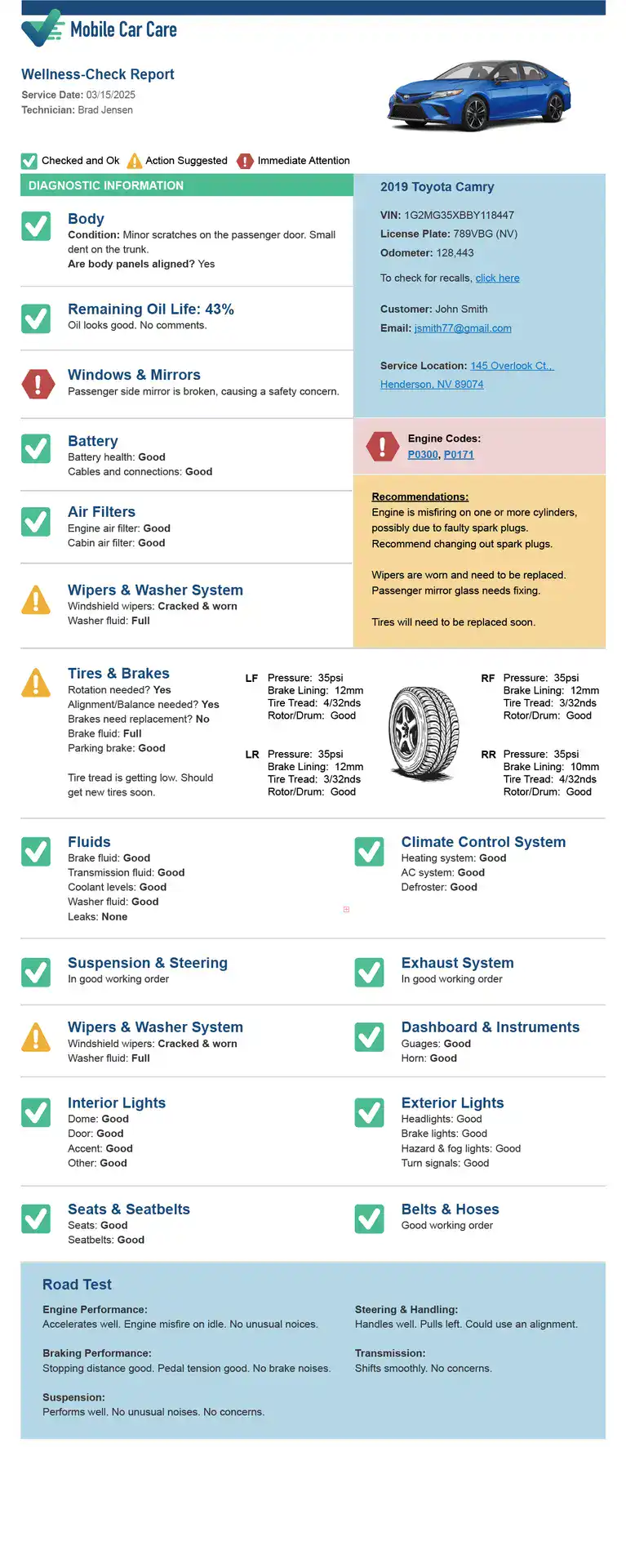
Our mobile technicians come to you (or the seller’s location) for a comprehensive pre-purchase vehicle review. Get a detailed digital report with photos, ratings, and repair estimates before you sign.
The inspection also covers the car’s essential systems. This includes checking the brakes, tires, suspension, steering, and exhaust. The mechanic will also scan the car’s onboard computer for any trouble codes that could point to hidden electrical or engine problems. Finally, a thorough road test is crucial to assess how the car actually performs, listening for strange noises and feeling for any issues with the transmission or handling.
Common PPI Myths, Debunked
One of the biggest myths is that PPIs are only necessary for older, high-mileage cars. The truth is, even a newer used car can have hidden problems from an accident or a history of poor maintenance. A clean exterior doesn’t always mean a healthy engine, and a PPI can uncover issues regardless of the car’s age.
Another common misconception is that an inspection is an unnecessary expense when you’re already spending a lot on the car itself. It’s better to think of it as an investment. Spending a couple of hundred dollars on an inspection could save you from buying a car that needs thousands in repairs. It’s a smart financial move that provides invaluable insight before you make your final decision.
The Best Time to Schedule Your Inspection
The timing for a PPI is simple and absolute: always get it done before you sign any paperwork or hand over any money. Once you buy a used car, the sale is almost always final. Most private sales and many dealership sales are “as-is,” which means you have no legal recourse if you discover a major problem the next day.
Make the inspection a condition of the sale. Let the seller know that your offer is contingent on the car passing a PPI from a mechanic of your choice. If a seller is hesitant or refuses to allow an inspection, consider it a major red flag. A transparent seller with nothing to hide should have no problem with you doing your due diligence.
How to Find the Right Inspector
Finding the right person to inspect your potential new car is just as important as the inspection itself. You need a skilled, unbiased professional who can give you a clear and honest assessment of the vehicle’s condition. Think of them as your trusted advisor in this process. The goal is to find someone who works for you, not the seller. With so many options out there—from mobile services to independent shops and dealership technicians—it can be tricky to know who to trust. Let’s walk through how to find a reliable expert who can give you the confidence you need to either sign on the dotted line or walk away without regrets.
Consider a Mobile Inspection Service
For busy people, the logistics of getting a used car to a mechanic’s shop can be a headache. This is where mobile inspection services shine. A certified technician comes to you—whether you’re at home, at the office, or even at the seller’s location. This saves you time and hassle, making the entire process incredibly convenient. Mobile services are designed for this exact scenario, equipped with all the tools needed to perform a thorough check on-site. Our Quick Check plan, for example, provides a comprehensive 85-point wellness check that gives you a detailed picture of the car’s health before you commit.
Vet Independent Mechanics
An independent mechanic is often your best bet for an unbiased opinion. Since they have no connection to the seller or dealership, their only goal is to give you an accurate report. Getting an independent second opinion ensures objectivity and gives you control over the process. Look for a local shop with a great reputation—check online reviews and ask for recommendations from friends or family. It’s also a smart move to find a mechanic who specializes in the make of the car you’re considering. Their expertise with specific models can help them spot common issues that a generalist might miss.
Ask About Dealership Services
Sometimes, a private seller or dealership will offer a pre-inspected vehicle with a report in hand. While this is a nice gesture, you should approach it with a healthy dose of skepticism. A dealership’s service department has a vested interest in selling the car, which means their inspection may not be as thorough or impartial as one from an independent source. It’s not that they’re necessarily hiding anything, but their definition of “good condition” might be different from yours. Always treat a seller-provided report as a starting point, not the final word.
Key Questions to Ask Before You Book
Before you hire an inspector, you should do a little inspection of your own. A few key questions can help you gauge their professionalism and expertise. Start by asking what their pre-purchase inspection includes—do they provide a detailed checklist? You’ll also want to know if you’ll receive a full written report with photos and notes afterward. Don’t be shy about asking about their experience, especially with the specific make and model you’re looking at. A confident and transparent mechanic will have no problem answering your questions, which is a great sign you’re in good hands.
Spot These Inspector Red Flags
Just as you’re looking for green flags, you need to be aware of the red ones. Be cautious if an inspector seems rushed or dismissive of your concerns. A true professional will take their time and be happy to explain their findings. A major red flag is any unwillingness to provide a detailed, written report. A verbal “it looks good” isn’t enough—you need documentation to back it up, especially if you plan to use it for negotiations. Trust your gut. If the inspector seems vague or avoids direct answers, it’s best to find someone else.
What to Expect During the Inspection
So, you’ve booked the inspection. What happens next? A pre-purchase inspection is a systematic, top-to-bottom review of the vehicle’s health, designed to give you a complete picture before you commit. Think of it as a doctor’s physical for the car. A professional technician won’t just kick the tires; they’ll follow a detailed checklist to assess every major system, from the engine’s performance to the condition of the frame. The goal is to uncover any existing problems or potential issues that might not be obvious during a standard test drive.
The process typically unfolds in a few key stages. First, the inspector will review the vehicle’s paperwork and history. Then, they’ll conduct a thorough visual and hands-on examination of the car’s mechanical components, body, and interior. After that comes the all-important road test, where the technician can evaluate how the car performs in motion. Finally, all these findings are compiled into a detailed report that tells you everything you need to know. A comprehensive service like our Total Care Plan ensures no stone is left unturned, giving you the confidence to make a smart purchase.
Get Your Paperwork in Order
Before the physical inspection begins, your technician will want to see the car’s paperwork. This includes the title, registration, and any service records the seller can provide. These documents are crucial for verifying the car’s history and ownership. The service records are especially valuable, as they show whether the car has received regular maintenance, like oil changes and tire rotations. A thick folder of receipts is a great sign that the previous owner was diligent about upkeep. This is also the perfect time to review the vehicle history report you ran, which can flag major events like accidents or title issues that you’ll want the inspector to look at closely.
A Look at the Engine and Mechanical Systems
This is the core of the inspection. The technician will get under the hood to examine the engine and its related systems. They’ll check for any fluid leaks from the engine, transmission, or radiator, which can be signs of failing gaskets or seals. They’ll also inspect the condition of belts, hoses, and the battery. Beyond the engine, the inspection covers other critical mechanical parts, including the brakes, steering, suspension, and tires. Our Essential Plan, for example, includes a comprehensive 85-point wellness check to ensure all these vital systems are in good working order, so you know the car is safe to drive.
Assessing the Car’s Exterior and Interior
Next, the inspector will give the car a thorough walk-around, looking for issues that go beyond simple cosmetic flaws. They’re trained to spot signs of previous accidents, such as mismatched paint, panels that don’t line up correctly, or evidence of frame damage. They’ll also check for rust, especially on the undercarriage. Inside the car, the technician will test all the electronics, from the air conditioning and heat to the power windows and infotainment system. They’ll also check the upholstery for excessive wear or damage and look for any signs of water leaks or musty odors that could indicate a bigger problem.
The Importance of the Road Test
The road test is where everything comes together. While you may have already driven the car, the technician’s test drive is different—they’re using it as a diagnostic tool. During the drive, they’ll pay close attention to how the engine performs under acceleration, how smoothly the transmission shifts, and whether the steering feels responsive and aligned. They’ll listen for any unusual noises, like clunks from the suspension or squeals from the brakes. This is often when subtle issues that aren’t apparent during a visual inspection make themselves known, providing a complete understanding of the car’s operational health.
How to Read the Digital Inspection Report
After the inspection is complete, you’ll receive a full report detailing everything the technician found. Gone are the days of greasy, hard-to-read checklists. Services like our Quick Check provide a clear, digital report with photos and easy-to-understand notes. The report will categorize findings, often highlighting issues that need immediate attention versus those that are minor or can be addressed later. Take the time to review it with the inspector. This is your chance to ask questions and understand the real-world implications of their findings. This report is your most powerful tool for negotiating a fair price or deciding to walk away.
Identify Common Issues and Deal-Breakers
A pre-purchase inspection is your best defense against buying a car with costly secrets. It’s about moving past the shiny exterior to understand the vehicle’s true condition. An inspector has the trained eye and specialized tools to catch things you might miss, from subtle engine noises to signs of a past accident. This isn’t just about avoiding a bad deal; it’s about ensuring the car you’re about to trust with your daily commute and family trips is safe and reliable.
The inspection report gives you a complete picture, highlighting both minor flaws and major red flags. This information is powerful. It can help you decide whether to move forward with the purchase, negotiate a lower price to cover upcoming repairs, or walk away with confidence, knowing you dodged a bullet. Think of it as an investment in your peace of mind.
Spotting Potential Engine Problems
The engine is the heart of any car, and potential problems here can be the most expensive to fix. During an inspection, a mechanic will check for oil leaks, listen for unusual sounds, and assess the condition of belts and hoses. They’ll also check fluid levels and quality, which can reveal a lot about the car’s maintenance history. A thorough PPI helps you find these problems before you buy, so you don’t get stuck with a “lemon.” This expert check goes far beyond what you can see or hear on a short test drive, giving you a clear idea of the engine’s health and what to expect down the road.
Uncovering Hidden Body Damage
A fresh coat of paint can hide a lot, but a skilled inspector knows exactly where to look for signs of previous accidents. They’ll check for things like inconsistent paint texture, mismatched body panels, and signs of rust or damage to the frame. Frame damage is a serious issue that can compromise the car’s structural integrity and safety in a future collision. Even if the seller isn’t aware of past repairs, an inspection can uncover the car’s true history, protecting you from buying a vehicle with hidden structural problems that could affect its safety and long-term value.
Checking for Electrical System Glitches
Modern cars are packed with complex electrical systems that control everything from the dashboard lights to the power windows and advanced safety features. Finding glitches can be tricky. An inspector will test the battery, alternator, and starter, and run diagnostic scans to check for error codes that might not be visible on the dashboard. Because these inspections dig deeper than a surface-level look, they can uncover intermittent issues that you might not notice during a test drive. This ensures all the car’s features are working as they should, saving you from frustrating and potentially expensive electrical repairs later.
Evaluating Brakes and Suspension
Your ability to stop safely and maintain control of the car depends entirely on the brakes and suspension. These are non-negotiable safety items. An inspector will measure the thickness of the brake pads and rotors, check for leaks in the brake lines, and test the suspension components for wear and tear. They’ll look at the shocks, struts, and steering components to make sure the car handles properly and provides a smooth ride. A comprehensive vehicle inspection gives you confidence that these critical systems are in good shape and won’t require immediate, costly attention.
Prioritizing Key Safety Checks
Ultimately, a pre-purchase inspection is about ensuring the car is safe for you and your passengers. Beyond the engine and brakes, a professional mechanic will verify that essential safety features are functioning correctly. This includes checking the airbags, ensuring all seatbelts lock properly, and examining the tires for adequate tread depth and uneven wear, which could indicate alignment issues. Spotting these used car red flags is a critical step in the buying process. An inspector’s final report will give you a clear, objective assessment of the car’s overall safety, allowing you to make a fully informed decision.
Weighing the Cost vs. the Value
It’s easy to see a pre-purchase inspection as just another expense in the car-buying process, but it’s truly an investment in your future peace of mind. Spending a little money upfront can save you from spending thousands on unexpected repairs down the road. Think of it as a detailed background check for your potential new car. This report gives you the full story, not just the highlight reel the seller provides.
The real value of a PPI isn’t just in what it finds, but in the confidence it gives you. It empowers you to make a smart, informed decision, whether that means negotiating a better price, budgeting for future repairs, or walking away from a vehicle that would have been a nightmare. When you weigh the relatively small cost against the potential for major financial and safety risks, the choice becomes clear. An inspection isn’t just a good idea; it’s an essential step for any savvy car buyer.
How Much Does an Inspection Typically Cost?
A pre-purchase inspection will generally cost a couple of hundred dollars. While that might sound like a lot, consider it against the price of a new transmission or fixing major engine issues. The final price tag often depends on your location and the type of vehicle you’re looking at. A standard sedan will likely cost less to inspect than a complex luxury SUV or a classic car that requires specialized knowledge. It’s a small price to pay for the detailed information you’ll receive about the car’s true condition, helping you avoid a purchase you might regret later.
What Influences the Final Price?
Several factors can affect the cost of your PPI. The make and model of the car play a big role; high-end or specialty vehicles often have more intricate systems that take longer to evaluate, which can increase the price. The depth of the inspection also matters. A basic visual check will cost less than a comprehensive review that includes diagnostic scans and a thorough road test. At Mobile Car Care, our Quick Check plan provides an 85-point wellness inspection that covers all the essential systems, giving you a complete picture of the vehicle’s health without breaking the bank.
The Long-Term Payoff of a Good Inspection
The true benefit of a quality inspection reveals itself over time. It helps you make a smart decision by uncovering hidden problems that could impact the car’s safety, performance, or overall value. Knowing that a car will soon need new brakes or has a slow oil leak allows you to budget for those future expenses instead of being caught by surprise. This knowledge protects you from buying a “lemon” and gives you a realistic understanding of what it will take to maintain the vehicle, ensuring it remains a reliable part of your life for years to come.
Use the Report to Negotiate a Better Deal
An inspection report is one of the most powerful negotiation tools you can have. If the mechanic finds issues, they will be clearly outlined in the report, often with estimated repair costs. You can then present this information to the seller and use it as leverage. This doesn’t mean you have to be confrontational; you can simply present the facts. Many sellers are willing to lower their asking price to cover the cost of needed repairs or may even offer to fix the issues before the sale. The inspection could easily pay for itself in the money you save during negotiation.
Know When It’s Time to Walk Away
Sometimes, the most valuable thing an inspection tells you is to walk away. If a seller is hesitant or outright refuses to allow a PPI, consider it a major red flag. An honest seller with nothing to hide should have no problem with you getting a second opinion on the vehicle’s condition. Furthermore, if the inspection uncovers serious problems like frame damage, flood damage, or major engine or transmission issues, it’s often best to look for another car. These types of problems can be incredibly expensive and complicated to fix, and you’ll be glad you dodged a bullet.
How to Prepare for Inspection Day
With your inspector chosen and the car you’re serious about in your sights, it’s time to get ready for the main event. A little preparation goes a long way in making sure inspection day is smooth, efficient, and gives you all the information you need. Think of it as your final homework assignment before making a major purchase. Getting your ducks in a row now ensures you can focus on the car and the mechanic’s feedback when it matters most. From coordinating with the seller to knowing what to do with the results, here’s how to prepare.
Coordinate with the Seller
Clear communication with the seller is the first step. Whether you’re buying from a dealership or a private party, let them know you want to arrange a pre-purchase inspection. A reputable seller will have no problem with this; in fact, they should expect it. If they push back or refuse, consider it a major red flag and be prepared to walk away. When you schedule the inspection, find a time and location that works for everyone. This is where a mobile service shines—the inspector can meet you and the seller at a home, office, or another convenient spot, saving everyone a trip to a repair shop.
Your Inspection Day Checklist
A pre-purchase inspection is a thorough check-up of a used car by a professional mechanic before you commit to buying it. The process itself usually takes about 45 minutes to an hour. To make sure everything goes off without a hitch, run through this quick checklist before you go:
- Confirm the details: Double-check the appointment time and location with both the inspector and the seller.
- Bring your license: You’ll need it for the test drive portion of the inspection.
- Have your questions ready: Write down any specific concerns you have about the car so you don’t forget to ask the mechanic.
- Prepare for payment: Have your payment method ready for the inspection service fee.
Why You Should Attend the Inspection
While you can get a report afterward, being there in person is incredibly valuable. Attending the inspection allows you to see any potential issues firsthand and ask the mechanic questions in real-time. It’s a fantastic opportunity to learn more about the car’s condition directly from an expert. You can ask them to explain what they’re seeing, what it means for the car’s future, and how urgent a potential repair might be. Being present also shows the seller that you’re a serious and diligent buyer, which can give you a stronger position if you decide to negotiate later.
What to Do After You Get the Results
Once the inspection is complete, the mechanic will provide a detailed report outlining their findings. They will explain any problems they discovered and suggest what repairs are needed. This report is your key to making a smart decision. If it comes back clean, you can buy with confidence. If it uncovers issues, you have options. You can use the report as a tool to negotiate a lower price with the seller or ask them to fix the problems before you buy. For minor issues that you decide to handle later, a maintenance plan like our Essential Plan can help you stay on top of future care without the stress.
Related Articles
- The Complete Guide to Used Car Inspections – Mobile Car Care
- Mobile Used Car Inspection: What You Need to Know – Mobile Car Care
- Independent Car Inspections: What Every Car Buyer Must Know – Mobile Car Care
📋 Ready to Take the Next Step?
Choose the plan that fits your needs — or call 📞 (702) 329-8424 to talk with our team.
One-Time Vehicle Review
A thorough, neutral inspection with a digital report — perfect for used car buyers who want the full picture.
Total Care Plan
Already bought the car? Keep it in top shape with recurring mobile maintenance and inspections.
Frequently Asked Questions
What if the seller refuses to allow an inspection? Honestly, this is one of the biggest red flags you can encounter. A seller who is confident in their vehicle should have absolutely no problem with you getting a second opinion from a professional. If they push back, make excuses, or flat-out refuse, it’s often a sign they know something is wrong with the car and don’t want you to find it. While it can be disappointing, your best move is almost always to walk away and continue your search.
Do I still need a PPI for a newer car or a “certified pre-owned” vehicle? Yes, it’s always a smart move. A car’s age doesn’t guarantee its condition. A newer vehicle could have been in an unreported accident or have a history of poor maintenance. As for “certified pre-owned” cars, remember that the certification inspection is done by the dealership that’s trying to sell you the car. An independent inspection ensures you get a completely unbiased assessment of the vehicle’s health before you sign anything.
How is a pre-purchase inspection different from a state safety inspection? This is a great question because they serve very different purposes. A state inspection is a basic check to ensure a car meets the minimum legal requirements to be on the road, like working brakes and turn signals. A pre-purchase inspection is a much more thorough investigation into the car’s overall mechanical, structural, and cosmetic condition. It’s designed to identify potential future problems and protect your financial investment, not just confirm it passes a state-mandated checklist.
How long does the inspection usually take, and should I be there for it? A comprehensive inspection typically takes about an hour to 90 minutes. While you don’t have to be there, I strongly recommend it if you can. Attending allows you to speak directly with the mechanic, ask questions as they come up, and see any potential issues with your own eyes. It’s a great opportunity to get a real feel for the car’s condition and understand the inspector’s findings on a deeper level.
What should I do if the inspection finds problems with the car? Finding issues doesn’t automatically mean you should walk away. The inspection report is a powerful tool. If the problems are minor, you can use the estimated repair costs to negotiate a lower price with the seller. For more significant issues, you could ask the seller to make the repairs before you finalize the purchase. And if the report uncovers major deal-breakers, like frame damage or a failing transmission, you can walk away with confidence, knowing you just saved yourself from a huge headache.
Keep your car in top shape year-round
Mobile Car Care brings certified technicians to your door in Las Vegas. Choose our Essential Plan for routine maintenance or the Total Care Plan for full-service coverage.