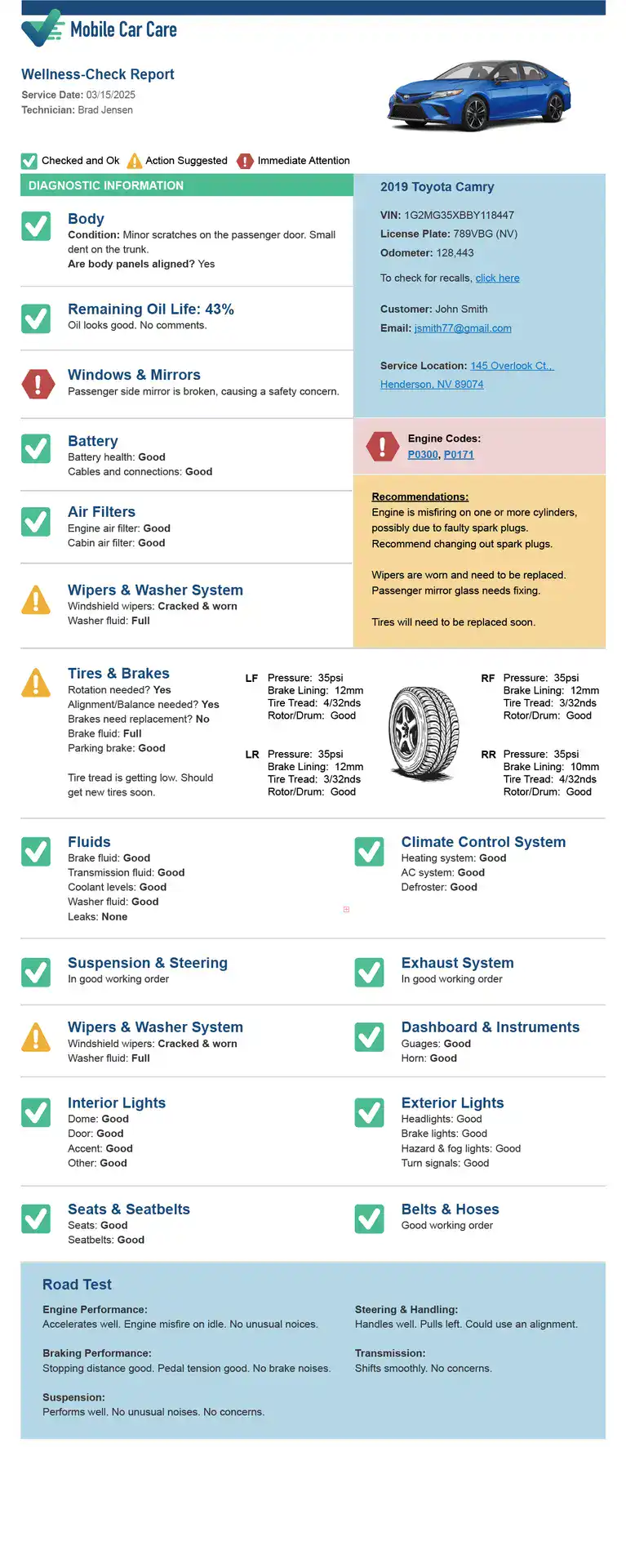

Let’s be honest: coordinating a car inspection is a hassle. You have to convince the seller to let you take their car to a shop, juggle everyone’s schedules, and then burn your valuable time driving across town and waiting in a lobby. It’s enough to make you want to skip it altogether. Thankfully, there’s a much smarter way. A mobile pre purchase inspection brings the expert mechanic directly to the car’s location. Instead of rearranging your day, the service works around you. This modern approach saves you time, eliminates stress, and delivers the same professional insights you’d get from a traditional shop, making it the easiest decision in the entire car-buying process.
Key Takeaways
- An inspection is your best negotiating tool: A professional report gives you unbiased facts about the car’s condition, providing the leverage you need to ask for a lower price or have the seller cover repairs before you buy.
- Focus on the major mechanical systems: A thorough inspection goes beyond cosmetics to check the engine, transmission, brakes, and frame—the critical areas where hidden problems can lead to the most expensive repairs.
- Use the report to create a clear action plan: The findings empower you to make a final decision. You can confidently negotiate, walk away from a potential money pit, or buy the car with a clear understanding of its future maintenance needs.
What’s a Pre-Purchase Inspection? (And Why You Absolutely Need One)
Buying a used car is exciting, but it can also feel like a gamble. You’ve found one that looks perfect, but what’s hiding under the hood? That’s where a pre-purchase inspection, or PPI, comes in. Think of it as a health check-up for your potential new car. A qualified mechanic performs a thorough check of the vehicle before you sign any paperwork or hand over any money. The goal is simple: to uncover any existing problems, from worn-out brake pads to signs of a previous accident, and identify issues that could turn into expensive headaches down the road. It’s an unbiased, expert opinion on the car’s true condition. Getting a PPI isn’t just a suggestion; it’s one of the smartest moves you can make to protect your investment and ensure you’re not buying someone else’s problems.
The Real Cost of Skipping an Inspection
It’s tempting to save a little money by skipping the inspection, especially if the car looks great and the seller seems trustworthy. But that small upfront saving can quickly disappear. The real cost of skipping an inspection isn’t the money you save today, but the thousands you might spend tomorrow on unexpected repairs. A car can look pristine on the outside while hiding serious mechanical or structural issues. Without a professional eye, you could easily miss a slow oil leak, a failing transmission, or a frame that was damaged in an accident. These are the kinds of problems that can turn your dream car into a financial nightmare. An inspection is your best defense against these hidden costs.
Buy Your Next Car with Confidence
Beyond just saving you from a bad deal, a pre-purchase inspection gives you two powerful things: leverage and peace of mind. If the inspection report comes back with a few minor issues—say, the tires need replacing soon or the battery is old—you haven’t necessarily found a deal-breaker. Instead, you’ve found a negotiating tool. You can use the estimated repair costs to negotiate a lower price with the seller, which often covers the cost of the inspection itself. Most importantly, a clean report lets you buy with total confidence, knowing you’ve done your homework and are making a sound decision. You can drive away excited about your new car, not worried about what might go wrong next week.
Your Pre-Purchase Inspection Checklist
A pre-purchase inspection (PPI) is your secret weapon when buying a used car. It’s a detailed check-up performed by a qualified mechanic to uncover any existing problems or issues that could pop up down the road. Think of it as a full physical for the car before you commit. A thorough inspection gives you the full picture, so you can either negotiate a better price or walk away from a bad deal with your head held high.
While you don’t need to be a mechanic, knowing what’s on the checklist helps you understand the value you’re getting from the inspection. A great PPI covers the vehicle from bumper to bumper, but the most critical areas fall into a few key categories. These are the things that can turn a dream car into a financial nightmare if left unchecked. From the engine’s health to the integrity of the safety systems, every detail matters. At Mobile Car Care, our Quick Check is designed to give you this exact peace of mind, focusing on the components that matter most for safety and reliability. Let’s walk through what a professional looks for.
Engine and Transmission
The engine and transmission are the heart and soul of the car, and they’re also the most expensive components to fix. Your inspector will start by checking for any visible fluid leaks, worn belts, or cracked hoses. They’ll listen for any unusual noises, like knocking or hissing, that could signal internal trouble. During the test drive, they’ll pay close attention to how the transmission shifts. Is it smooth or does it hesitate or jerk between gears? They’ll also check the engine’s performance to make sure it has good power and doesn’t overheat. This part of the inspection is all about catching major mechanical red flags before they become your problem.
Brakes and Safety Features
Nothing is more important than your safety, which is why this part of the inspection is non-negotiable. A technician will perform a complete check of the braking system, including the pads, rotors, and brake fluid, to ensure the car can stop safely and effectively. Beyond the brakes, an inspection should verify that all key safety parts are working correctly. This includes checking the airbags, seatbelts, lights, and horn. It’s a comprehensive look to confirm the car is ready to protect you and your family on the road. These are details that are easy to overlook but are absolutely critical for your peace of mind.
Tires, Suspension, and Electrical Systems
How a car feels on the road can tell you a lot about its condition. An inspector will look for uneven tire wear, which can point to alignment or suspension problems you might not notice on a short test drive. They’ll check the shocks and steering components for wear and tear that could lead to a bumpy or unstable ride. Finally, they’ll run a diagnostic on the electrical systems, testing everything from the battery and alternator to the power windows, air conditioning, and infotainment screen. These systems are complex, and fixing them can be surprisingly expensive, so a thorough check is essential.
How Much Should a Pre-Purchase Inspection Cost?
Alright, let’s talk numbers. A quality pre-purchase inspection typically costs between $100 and $300. While it might feel like just another expense in the car-buying process, it’s one of the smartest investments you can make. Think of it this way: spending a couple hundred dollars now for a professional opinion could easily save you thousands in unexpected repairs down the road. It’s the crucial step that separates buying a reliable used car from inheriting someone else’s expensive mechanical problems.
This isn’t just about avoiding a lemon; it’s about gaining peace of mind. A detailed report gives you a complete and unbiased look at the vehicle’s health, from the engine performance to the brake life. Instead of just trusting the seller’s word and hoping for the best, a pre-purchase inspection arms you with the facts you need to either buy with confidence or walk away without regret. This expert assessment also gives you powerful leverage for negotiation. If the inspection uncovers minor issues, you can use the report to ask for a lower price or have the seller fix the problems before you sign. It’s a small price to pay to ensure your next big purchase is a sound one.
What Influences the Price?
That $100 to $300 range is a general guideline, and a few key factors can cause the price to vary. The final cost often depends on the mechanic’s experience, the complexity of the vehicle, and even your geographic location. For example, inspecting a high-end luxury vehicle with advanced electronic systems will naturally require more time and expertise than checking a standard sedan. While it can be tempting to hunt for the absolute cheapest option, remember that you’re paying for a professional’s skill and thoroughness. A detailed inspection is a small price for the clarity and confidence it provides.
Mobile vs. In-Shop Inspection Costs
You also have a choice in how the inspection gets done: you can coordinate taking the car to a traditional repair shop, or you can have a mobile service come directly to the vehicle’s location. Mobile inspections are a game-changer for convenience, especially if you’re buying from a private seller or the car isn’t close by. Instead of juggling schedules and driving across town, the expert comes to you. While some mobile services may charge a premium for that convenience, the time and stress you save is often invaluable. A service like our Quick Check Plan is designed to make the entire process seamless.
How to Choose the Right Inspection Service
Finding the right person to inspect a used car is just as important as getting the inspection itself. You need an expert who is thorough, unbiased, and can clearly explain their findings. Think of it as hiring a detective for your potential new car—their job is to uncover any hidden issues so you can make a smart purchase. A great inspection gives you the confidence to either sign on the dotted line or walk away without regrets.
What to Look For in an Inspector
Your top priority should be finding a mechanic who is both qualified and trustworthy. If you already have a mechanic you love, that’s the perfect place to start. If not, look for a certified technician with a solid reputation for detailed work. The inspector should be completely independent of the seller to ensure you get an unbiased report. You want someone working for you, not for the dealership or private owner. A professional service like Mobile Car Care provides vetted, experienced technicians who specialize in comprehensive vehicle wellness checks, giving you a clear and honest assessment every time.
Key Questions to Ask Before You Book
Before you schedule anything, get on the phone and ask a few direct questions. Start with the basics: What exactly does the inspection cover, and how long will it take? Ask what the final report looks like—will you get photos, detailed notes, and estimated repair costs? It’s also a great idea to ask if you can be present for the end of the inspection to discuss the findings directly with the mechanic. A professional service will have clear answers for all of this. For example, our Quick Check plan outlines exactly what we examine. Finally, pay attention to the seller’s reaction. If they refuse to let you get an independent inspection, consider it a major red flag and be prepared to walk away.
What to Expect on Inspection Day
You’ve found a car that checks all your boxes, and you’re ready to make it official. The pre-purchase inspection is the final, crucial step that stands between you and a new set of keys. Knowing what happens on inspection day can turn a potentially stressful event into a straightforward process. It’s all about being prepared. From scheduling the appointment to reading the final report, this is your chance to get an unbiased, expert opinion on the car’s true condition. Think of it as your last line of defense against unexpected problems and a powerful tool for making a smart, confident purchase. Let’s walk through exactly what the day will look like.
Scheduling and Timing
The best time to schedule a pre-purchase inspection is after you’ve test-driven the car and agreed on a price with the seller, but before any money changes hands or contracts are signed. Make the offer contingent on the vehicle passing the inspection to your satisfaction. This way, you aren’t spending money to inspect a car you haven’t even negotiated a price for. You’ll need to coordinate a time that works for you, the seller, and the inspector. If you’re using a mobile service, this becomes much simpler since the technician can meet the car wherever it is—at the seller’s home, office, or even the dealership.
The On-Site Process
On the day of the inspection, a technician will perform a detailed check of the car’s overall health. This isn’t just a quick look under the hood. A thorough inspection examines the vehicle’s mechanical, safety, and cosmetic condition to uncover any existing problems or signs of hidden damage. The process includes checking the engine, transmission, brakes, suspension, and electrical systems. The technician will also perform a full OBD2 scan to check for any diagnostic trouble codes that could point to underlying issues. Our Quick Check service is designed for this exact purpose, giving you a comprehensive report on the vehicle’s condition without you having to lift a finger.
Understanding Your Inspection Report
Once the inspection is complete, you’ll receive a detailed report outlining the technician’s findings. This document is your roadmap for the final stage of the car-buying process. It will list any necessary repairs, from minor fixes to major mechanical problems. Don’t just glance at it—read it carefully. Use this information to your advantage. If the report uncovers issues, you can go back to the seller and negotiate a lower price to cover the cost of repairs or request that they fix the problems before you finalize the sale. Pay close attention to the big-ticket items. While a worn-out air filter is a minor issue, a failing transmission is a deal-breaker.
Major Red Flags to Watch For
A pre-purchase inspection is your best defense against buying a car with hidden, and often expensive, problems. While you can spot some issues during a test drive, a trained technician knows exactly where to look for signs of trouble that aren’t obvious to the average buyer. Think of them as your personal car detective, uncovering the vehicle’s true story.
The goal isn’t to find a perfect car—every used vehicle will have some wear and tear. The goal is to understand exactly what you’re buying so you can make a smart, informed decision. An inspection helps you identify the difference between minor, fixable issues and serious deal-breakers that should make you walk away. We’ll cover the three biggest areas of concern: accident damage, mechanical failures, and a questionable history.
Spotting Accident Damage and Bad Repairs
A fresh coat of paint can hide a lot. An inspector can spot subtle signs of previous accidents, like mismatched paint colors, body panels that don’t line up perfectly, or signs of shoddy repair work underneath the car. This is crucial because poorly repaired frame damage can affect how the car drives and handles, creating safety issues down the road.
Pay close attention to the seller’s attitude. If they seem hesitant or refuse to let you get an independent inspection, consider it a major red flag. An honest seller with nothing to hide should be completely open to a professional evaluation. Their reluctance could mean they know something about the car’s history that they don’t want you to discover.
Mechanical Issues That Are Deal-Breakers
Some of the most expensive car problems are the hardest to spot on your own. Issues with the engine, transmission, or suspension might not be apparent during a quick spin around the block. An inspector will check for things like engine oil leaks, transmission fluid condition, and worn-out suspension components that you might not notice.
Many common problems found during pre-purchase inspections, such as worn brakes or uneven tire wear, can indicate deeper alignment or suspension issues. While an inspection provides a detailed snapshot of the car’s current health, it’s important to remember it isn’t a guarantee against all future problems. It is, however, your best tool for avoiding immediate, costly repairs.
When Maintenance Records Don’t Add Up
A car’s service history is like its medical chart. A complete set of maintenance records shows that previous owners cared for the vehicle and followed the manufacturer’s recommended service schedule. On the other hand, a patchy or non-existent service history is a cause for concern.
Look for consistency. Are there large gaps in the service timeline? Do the repairs listed on the records match the car’s current condition? If the seller claims the oil was just changed but the records don’t show it and the oil on the dipstick looks dark, you have a right to be skeptical. Inconsistent or missing records, combined with other warning signs like rust or strange noises, suggest the car may have been neglected.
Your Inspection Report Is In. Now What?
Getting the inspection report back is the moment of truth. It can feel a little overwhelming, but this report is your most powerful tool in the car-buying process. It transforms you from a hopeful buyer into an informed one, giving you a clear, unbiased look at the vehicle’s true condition. Instead of relying on the seller’s word or your own gut feeling, you now have a professional assessment detailing everything from the engine’s health to the brake pad thickness.
With this information, you have three clear paths forward. You can use the findings to negotiate a more favorable price, decide that the issues are too significant and walk away, or move forward with the purchase while budgeting for any necessary repairs. Each option is a valid choice, and the right one depends on the report’s findings and your personal comfort level. The key is that you are now in control, equipped with the facts you need to make a decision that protects your wallet and your peace of mind.
How to Negotiate a Better Price
Think of your inspection report as a factual, third-party negotiation tool. It’s no longer your opinion against the seller’s; it’s a professional breakdown of the car’s condition. The report outlines exactly what repairs the car might need, and you can use this information to ask for a lower price or have the seller fix the issues before you buy.
Start by getting a few quotes for the necessary repairs to understand the real costs involved. Approach the seller calmly and present the findings from the report. You can then propose a new price that reflects the money you’ll need to spend, or you can ask them to handle the repairs themselves. This data-driven approach makes the conversation less emotional and more focused on finding a fair price for both of you.
Knowing When to Walk Away
Sometimes, the smartest move you can make is to walk away from the deal. This isn’t a failure—it’s a success, because you just saved yourself from a potential money pit. If the inspection uncovers major problems like a bent frame, flood damage, or serious engine or transmission issues, the car is likely not worth the headache.
Another huge warning sign is the seller’s attitude. If a seller is hesitant to let you get an inspection in the first place, it could be a major red flag that they’re hiding something. Trust your gut. There are plenty of other cars on the market, and finding one that starts with a clean bill of health is always the better long-term investment.
Budgeting for Future Repairs
Not every issue on an inspection report is a deal-breaker. Minor problems like worn brake pads, an aging battery, or upcoming fluid changes shouldn’t necessarily scare you away from an otherwise great car. Instead, the report gives you a clear roadmap for what to expect. A pre-purchase inspection can save you money by identifying these problems before you buy, allowing you to budget accordingly.
You can use these findings to create a vehicle inspection plan for your first year of ownership. Knowing what’s coming helps you stay on top of your car’s health from day one. Services like our Essential Plan are designed to manage this proactive care for you, ensuring small issues are handled before they become major problems.
Common Myths About Pre-Purchase Inspections
When you’re excited about buying a new-to-you car, it’s easy to let some details slide. Unfortunately, falling for common myths about pre-purchase inspections (PPIs) can turn your dream car into a costly nightmare. Let’s clear up some of the biggest misconceptions so you can approach your next car purchase with total clarity and confidence. Think of this as your myth-busting guide to making a smarter, safer decision. Getting the facts straight now will save you a world of headaches later.
“It’s a newer car, it doesn’t need one.”
It’s tempting to think a car with low mileage and a recent model year is a safe bet, but that’s a risky assumption. Even newer cars can have hidden issues that aren’t obvious during a test drive. The vehicle could have been in an unreported accident, used as a rental and driven hard, or even have underlying factory defects that the previous owner didn’t address. A shiny exterior and a clean interior don’t tell the whole story. An inspection looks beneath the surface to check the health of the engine, transmission, and frame, ensuring you’re not inheriting someone else’s problems.
“An inspection catches absolutely everything.”
A pre-purchase inspection is incredibly thorough, but it’s important to have realistic expectations. A PPI is a snapshot of the car’s condition on a specific day, not a crystal ball that predicts future problems. While a skilled inspector can identify many issues, some problems can be intermittent or deep within a component that can’t be disassembled. The goal of an inspection isn’t to guarantee a problem-free car for life; it’s to give you a comprehensive report on its current state. This information empowers you to avoid vehicles with major red flags and make an informed decision about the one you choose.
“It costs too much and takes too long.”
This is one of the most common, yet misguided, reasons people skip an inspection. While a PPI has an upfront cost, it’s a small investment compared to the potential repair costs you could face down the road. Discovering a hidden engine or transmission problem after you’ve bought the car could cost you thousands. An inspection fee is a fraction of that. As for the time commitment, services like Mobile Car Care eliminate the hassle. We come to the car’s location—whether it’s at the dealership, the seller’s home, or your office—so you don’t have to disrupt your day coordinating appointments and driving across town.
How to Prepare for Your Pre-Purchase Inspection
A little prep work before your pre-purchase inspection can make a huge difference. It helps the process run smoothly and ensures you get the most value out of your mechanic’s time. By having the right information on hand and knowing what to ask, you can turn a standard check-up into a powerful negotiating tool. Here’s how to get organized before the big day.
Documents to Have Ready
Walking into an inspection with a folder of documents shows you’re a serious buyer and gives your mechanic crucial context. Think of it as providing the car’s resume. Before the appointment, gather the vehicle’s history report, any available maintenance records from the current owner, and information on existing warranties. These documents can help the inspector connect what they see on the lift with the car’s past, potentially spotting patterns of neglect or confirming a history of diligent care. This information helps you make a much more informed decision.
Questions to Ask the Inspector
Your job isn’t over once the car is with the mechanic. If you can, be present for the inspection so you can ask questions and see any issues firsthand. Go beyond asking, “So, is it a good car?” Instead, get specific. Ask things like, “What repairs are the most urgent?” or “Are there any signs of a previous accident?” It’s also smart to discuss the findings directly with the mechanic after they’re done. Have them walk you through the report so you understand the severity of any problems and the potential costs involved.
Smart Scheduling Tips
Timing is everything. You should schedule the inspection after you’ve test-driven the car and are serious about buying it, but before you’ve signed any paperwork or agreed on a final price. This gives you leverage to negotiate or the freedom to walk away. Coordinating with a private seller to get their car to a shop can be a logistical headache. A much simpler approach is to book a mobile pre-purchase inspection that comes to you. A technician can meet you and the seller at a convenient location, saving everyone time and stress.
The Smartest Way to Get an Inspection: Go Mobile
Let’s be honest, coordinating a pre-purchase inspection can be a logistical nightmare. You have to convince a seller to let you take their car to a shop, align everyone’s schedules, and then spend your valuable time driving back and forth. It’s enough to make you want to skip the inspection altogether—but you know that’s not a smart move. The stress of finding a reputable shop near the seller, getting the car there, and then waiting for the results can feel like a full-time job, especially when you’re juggling work, family, and everything else.
Thankfully, there’s a much simpler way. Mobile pre-purchase inspections bring the expert mechanic directly to the car, wherever it is. This modern approach saves you time, eliminates stress, and gives you the same professional insights you’d get from a traditional shop. Instead of working your schedule around the garage, the garage works around you. It’s about getting the critical information you need to make a confident purchase without turning your week upside down. This shift puts you back in control of the car-buying process, making it more efficient and far less daunting. You get the peace of mind you deserve without the headache.
Why an On-Site Inspection Saves You Time and Stress
The biggest advantage of a mobile inspection is pure convenience. Instead of rearranging your day to get a car to a garage, the inspection happens on your terms—at the seller’s home, their office, or even at a dealership. This is especially helpful when you’re buying from a private seller or considering a car that’s located far away. As experts at NerdWallet point out, mobile services come to the car’s location, which is a total game-changer. You don’t have to ask the seller for a huge favor or burn your Saturday waiting in a lobby. The entire process is streamlined to fit your life, not the other way around.
How Mobile Car Care Makes the Process Easy
We designed our service to take the hassle out of car care, and that includes pre-purchase inspections. With Mobile Car Care, you can book an inspection and have a certified technician meet you at the vehicle. Our One-Time Vehicle Review is perfect for this. It includes a comprehensive 85-point vehicle check covering everything from the engine and brakes to the electrical systems. We also perform a full OBD2 scan to check for hidden error codes that might not be visible to the naked eye. After the inspection, you get a detailed, easy-to-understand digital inspection report that gives you the clarity and confidence you need to make a smart purchase decision.
Related Articles
- Used Car Pre-Purchase Inspection Guide: Everything You Need to Know
- Pre-Purchase Car Inspection: A Smart Buyer’s Guide
- Mobile Used Car Inspection: What You Need to Know
- The Complete Guide to Used Car Inspections
Frequently Asked Questions
What if the seller won’t let me get an inspection? Honestly, this is one of the biggest red flags you can encounter. A seller who is confident in their vehicle should have absolutely no problem with you getting a second opinion from a professional. If they push back, seem hesitant, or refuse outright, it’s a strong signal that they may be hiding something. While it can be disappointing, your best move is to thank them for their time and walk away. There are plenty of other cars out there from sellers who are transparent.
Is a mobile inspection as thorough as one done at a repair shop? Yes, a professional mobile inspection is just as comprehensive. Our certified technicians come equipped with the same diagnostic tools and follow a detailed checklist, just like they would at a traditional shop. They check everything from the engine and transmission to the brakes and electrical systems. The only real difference is the convenience—we bring the expertise directly to the car, saving you the time and hassle of coordinating a trip to a garage.
Do I still need an inspection for a “certified pre-owned” car? Getting an independent inspection on a certified pre-owned (CPO) vehicle is still a very smart move. While the “certified” label offers some reassurance, the standards can vary greatly between dealerships. An independent inspection gives you a truly unbiased assessment of the car’s condition, confirming the dealer’s claims and ensuring nothing was overlooked. Think of it as a final layer of protection for your investment.
The inspection found some minor issues. Should I still buy the car? Finding a used car with zero issues is incredibly rare. If the report comes back with minor things like worn brake pads, an aging battery, or tires that will need replacing soon, it’s not necessarily a deal-breaker. Instead, you can use this information as a tool. You can negotiate a lower price to cover the cost of the repairs or simply use the report to budget for that maintenance in the near future. The goal is to avoid major surprises, not to find a perfect car.
How long does a pre-purchase inspection usually take? A thorough inspection typically takes about 60 to 90 minutes to complete. The technician needs enough time to go through their entire checklist, perform a diagnostic scan, and take the car for a short test drive to assess its performance. Using a mobile service makes this time much easier to manage, as you don’t have to factor in travel or waiting around in a lobby.