
When it comes to car maintenance, we tend to focus on the things we see and hear. We notice when our tires look low or when the engine makes a funny noise. But some of your car’s most critical safety components are completely hidden from view. Your brake lines, the small tubes and hoses that carry the fluid needed to stop your vehicle, are tucked away under your car. Because they’re out of sight, they’re often out of mind, but a failure in this system can have serious consequences. A routine brake line inspection is the single best way to ensure this vital network is in good shape, giving you confidence every time you get behind the wheel.
Key Takeaways
- Make brake inspections a routine: Integrate brake line checks into your yearly car care schedule, like during a tire rotation, to catch rust, cracks, and wear before they become serious safety risks.
- Listen to your car’s warning signs: Pay attention to changes in your vehicle’s performance. A spongy brake pedal, fluid puddles near your wheels, or a dashboard warning light are clear signals that your brake system needs immediate professional attention.
- Leave complex repairs to professionals: While visual checks are helpful, your brake system is critical for safety. If you find a problem, avoid DIY fixes and call a technician to ensure the repair is done correctly.
What Are Brake Lines and Why Do They Matter?
When you think about your car’s safety features, the brakes are probably the first thing that comes to mind. You press the pedal, and the car stops. Simple, right? But behind that simple action is a network of parts working together, and one of the most critical components is your brake lines. It’s easy to overlook them since they’re tucked away under your car, but these small hoses and tubes are essential for your ability to stop safely. Understanding what they do, how they connect to your safety, and the common myths surrounding them is the first step toward more confident driving.
What Brake Lines Do
Think of brake lines as the circulatory system for your car’s brakes. These thin tubes, made of steel or flexible rubber, run from the master cylinder (the heart of the brake system) to the brake calipers at each wheel. Their job is to carry brake fluid. When you press the brake pedal, you create hydraulic pressure that sends this fluid through the lines. This pressure activates your brake pads and rotors, creating the friction needed to slow down and stop your vehicle. Without healthy, intact brake lines, that crucial fluid can’t get where it needs to go.
The Link Between Brake Lines and Your Safety
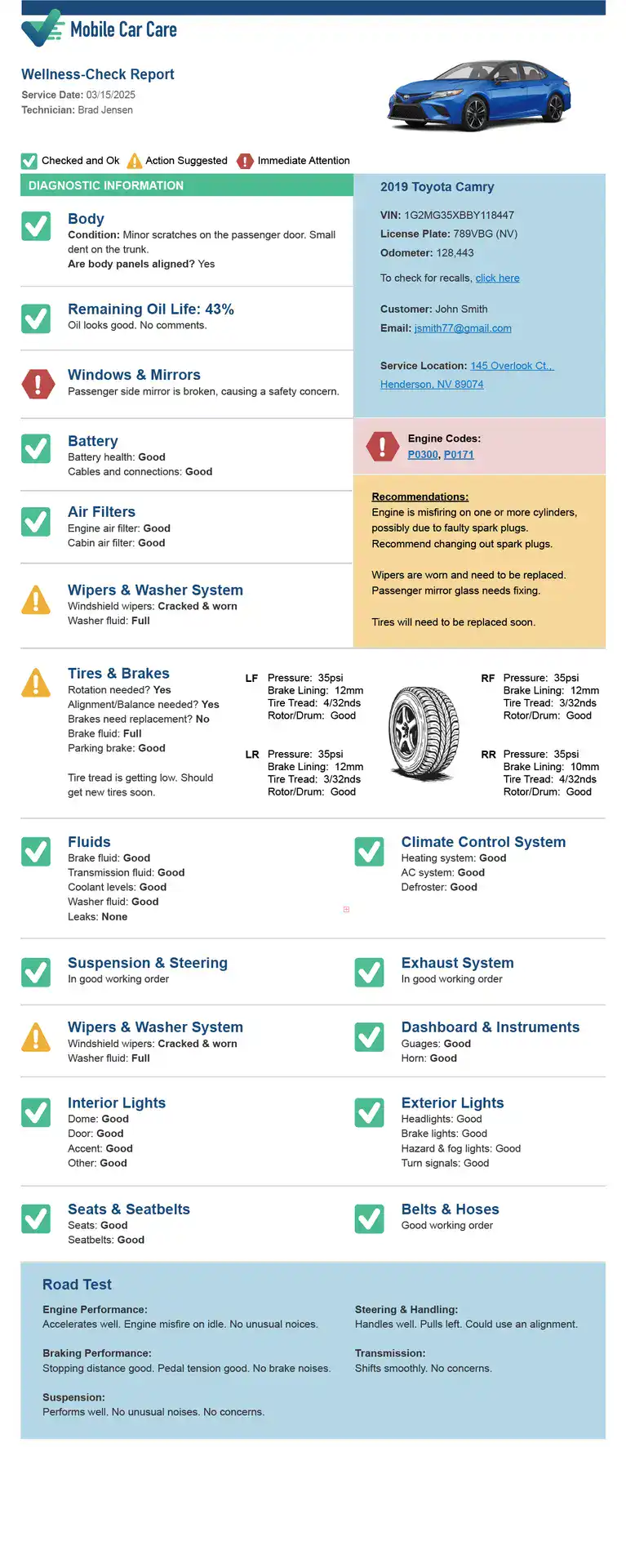
Because brake lines carry the fluid that makes your car stop, their condition is directly tied to your safety. A leak or break in a line means a loss of brake fluid, which leads to a loss of hydraulic pressure. This can result in a “spongy” brake pedal or, worse, a complete failure to stop. Even a tiny crack is a major problem, as it can let in air and moisture, compromising the entire system. That’s why a comprehensive wellness check, like our Essential Plan, always includes a close look at your brake system.
Common Myths About Brake Line Durability
One of the most dangerous myths in car care is that brakes last forever. The truth is, every part of your brake system is a wear-and-tear item, including the lines. They are constantly exposed to the elements: road salt, moisture, and debris. Another common misconception is that brake fluid never needs to be changed. Old, contaminated fluid can corrode the lines from the inside out. Believing these parts don’t need attention can lead to serious safety risks. Staying on top of this is simple with a proactive maintenance schedule, which is the core of our Total Care Plan.
Signs You Need a Brake Line Inspection
Your car has its own way of communicating, and when it comes to your brakes, it’s smart to listen closely. Ignoring the subtle (and not-so-subtle) hints can lead to bigger, more expensive problems down the road. More importantly, it can compromise your safety. Your brake lines are critical for stopping your vehicle, and when they start to fail, your car will let you know. The key is knowing what to look and listen for.
Paying attention to changes in how your car feels and performs is the first step in proactive vehicle care. You don’t have to be a mechanic to spot a potential issue. From a weird feeling in the pedal to a strange puddle on your driveway, these signs are your car’s way of asking for help. A thorough wellness check, like the one included in our Total Care plan, can catch these issues early. Let’s walk through the most common signs that your brake lines need a professional inspection.
A Spongy or Slow Brake Pedal
If you press the brake pedal and it feels soft, squishy, or “spongy,” that’s a major red flag. The pedal should feel firm and responsive. A spongy feeling often means there’s air or moisture in the brake lines, which disrupts the hydraulic pressure needed to stop your car effectively. This is a serious problem because it can significantly increase your stopping distance. Think of it as a delay between when you hit the brakes and when your car actually starts to slow down. Don’t dismiss this feeling; it’s a clear signal that your brake system needs an immediate inspection.
Visible Fluid Leaks Near Your Wheels
Have you noticed any small puddles under your car where you normally park? Take a closer look. If you see a clear or brownish fluid that feels a bit oily, you could have a brake fluid leak. Brake fluid is essential for your braking system to work, and low fluid levels almost always point to a leak somewhere in the lines or wheel cylinders. Check the ground beneath your car, particularly near the inside of your wheels. A leak means your brake lines are compromised and losing the pressure required to stop your vehicle safely. This is one of the most urgent signs that you need a professional to take a look.
Strange Noises or Dashboard Warnings
Your car’s dashboard is your command center, and its warning lights are there for a reason. If your brake warning light (it often looks like an exclamation point in a circle) comes on, don’t ignore it. This light indicates that the car’s onboard computer has detected a problem within the braking system. You might also hear unusual noises when you brake, like grinding, squealing, or clicking. These sounds can point to worn brake pads, but they can also be related to bigger issues that affect your brake lines. Any new noise or warning light related to your brakes warrants an immediate check-up.
Your Car Brakes Differently
You know your car better than anyone. If you notice any change in how it brakes, trust your instincts. Does your car pull to one side when you press the brake pedal? Does it seem to take longer to come to a complete stop? These are signs that your brake system isn’t working evenly, which could be caused by a failing brake line on one side. The rubber hoses can also become cracked, soft, or worn over time, affecting performance. Any deviation from the smooth, straight stop you’re used to is a clear signal that it’s time for a brake line inspection.
How to Safely Inspect Your Brake Lines
Checking your own brake lines is a great way to stay on top of your car’s health, but it requires a bit of prep work and a careful eye. If you’re not comfortable getting under your car, that’s perfectly okay. Our technicians handle this during our comprehensive wellness checks, so you can have peace of mind without the hassle. But if you’re ready to take a look yourself, here’s how to do it safely.
Safety First: What You’ll Need
Before you do anything else, make sure your car is parked on a flat, stable surface. You’ll need to get underneath it to see the brake lines clearly. The safest way to do this is with a car lift, but if you don’t have one, you can use a jack to lift each corner of the car and secure it with a jack stand. Never rely on a jack alone to support the vehicle while you’re under it. You’ll also want a good flashlight to get a clear view of the lines and hoses, which often run along the car’s undercarriage.
Check Hoses for Cracks and Bulges
Your brake system has both metal lines and flexible rubber hoses. Start by inspecting the rubber hoses that connect to your wheels. They should feel firm but still flexible, not brittle or spongy. Look closely for any cracks, blisters, or bulges on the surface. It’s also a great idea to have a friend pump the brake pedal while you watch the hoses. They shouldn’t expand or swell under pressure. If you see any wet spots, that’s a clear sign of a leak that needs immediate attention.
Spot Rust on Metal Lines
Next, trace the metal brake lines that run along the frame of your car. These lines are usually made of steel and can be prone to rust, especially if you live in an area with harsh winters and salted roads. A little surface rust isn’t always a major issue, but you should pay close attention. If you see significant corrosion, gently try to sand a small spot. If the metal underneath feels thin or pitted, the line has been compromised and is at risk of leaking. It’s best to get it replaced before it fails.
Test Hose Flexibility and Check Brake Fluid
While you’re checking the hoses for cracks, also give them a gentle squeeze to test their flexibility. A healthy hose won’t feel rock-hard or mushy. Finally, take a look at your brake fluid reservoir under the hood. Healthy brake fluid is typically a light, clear color. Over time, it can absorb moisture from the air, which causes it to darken and become less effective. If your brake fluid looks dark or murky, it’s time for a flush. This moisture can also contribute to a spongy brake pedal, which is a sign that there might be air in your brake lines.
What Causes Brake Line Damage (And How to Prevent It)
Brake lines don’t last forever, and several factors can speed up their decline. Understanding what causes the damage is the first step toward preventing a serious problem. From the weather outside to the fluid inside, your brake lines face a lot of stress. The good news is that with a little knowledge and proactive care, you can keep them in great shape and ensure your car stops safely every time.
Damage from Weather and Road Salt
If you live somewhere with harsh winters, you know what road salt does to the body of a car. Well, it’s just as tough on the parts you can’t see, like your metal brake lines. The constant exposure to moisture and corrosive salt can cause rust to form on the lines. This isn’t just a cosmetic issue; rust weakens the metal, creating thin spots that can fail under pressure. The scariest part is that you might not notice the damage until a line breaks suddenly, which is a situation no one wants to be in. Regular cleaning of your car’s undercarriage, especially after winter storms, can help wash away harmful salt deposits and slow down the corrosion process.
Wear and Tear from Age and Moisture
Just like anything else, brake lines simply wear out over time. The flexible rubber hoses that connect to your wheels typically have a lifespan of about six years. Their constant bending and exposure to heat take a toll. Another sneaky culprit is moisture. Brake fluid is hygroscopic, which is a fancy way of saying it absorbs water from the air. This moisture can cause the inside of your brake lines to corrode and can make your brake fluid less effective. If you ever notice your brake fluid has turned dark and murky, it’s a clear sign that it has absorbed too much moisture and needs to be replaced to protect the entire system.
Tips to Make Your Brake Lines Last
Being proactive is the best way to handle brake line maintenance. Here’s a key rule of thumb: if you find one worn or damaged brake hose, it’s best to replace all of them at the same time. They are all the same age and have been exposed to the same conditions, so if one is failing, the others are likely not far behind. A great time to do this is when you’re already having other brake work done, like replacing rotors or calipers. And as always, your car’s owner’s manual is your best friend; check it for the manufacturer’s recommended replacement schedule. Regular wellness checks, like those in our Essential Plan, can catch these issues early and give you total peace of mind.
Found a Problem? Here’s What to Do Next
So, you’ve inspected your brake lines and spotted something that doesn’t look right. What now? First, take a deep breath. Finding a potential issue is the first step toward fixing it and keeping your car safe on the road. Ignoring a problem with your brakes is never an option, as even small signs can point to a serious safety risk. Your next steps are critical for ensuring your safety and getting the problem handled correctly. Let’s walk through what to do if you find a crack, leak, or any other sign of damage.
Immediate Steps for Your Safety
If you suspect a problem with your brake lines, your immediate priority is safety. If your brake pedal feels slow or spongy when you press it, it could mean there’s air or moisture in the system, which is a serious issue that needs an expert’s attention right away. Don’t put it off until tomorrow or hope it gets better on its own. The safest course of action is to stop driving the vehicle until it can be properly inspected. This isn’t about being overly cautious; it’s about protecting yourself, your passengers, and others on the road.
DIY vs. Calling a Professional
While it can be tempting to try a DIY fix to save time and money, brake repairs are best left to the experts. Your car’s brake system is complex, and unless you have the right tools and experience, a small mistake could compromise your vehicle’s safety. For example, a common professional practice is to replace all brake hoses if even one shows signs of wear, ensuring the entire system is sound. Getting a professional inspection doesn’t have to mean losing your car to a garage for a day. A mobile mechanic can come to you, diagnose the problem, and help you understand the necessary repairs.
Common Inspection Mistakes to Avoid
One of the biggest mistakes car owners make is skipping brake inspections altogether, which can lead to unexpected failures. Another common error is giving the lines a quick, superficial glance. A loose brake line that’s free to move can rub against other parts of your car, causing friction and wear that you might not spot without a thorough check. It’s also important to inspect the entire system, not just one or two easy-to-see hoses. This is why routine, comprehensive wellness checks are so valuable; they ensure that hidden problems are caught before they become major safety risks.
How Often Should You Check Your Brake Lines?
Knowing when to check your brake lines isn’t about following one strict rule; it’s about creating a smart routine that fits your car and your life. While you should always get an immediate inspection if you notice any warning signs, proactive checks are what keep you safe and prevent small issues from turning into major, expensive repairs. The best approach is to consider your personal driving habits and build brake line inspections into your existing vehicle maintenance schedule. This way, you’re not just reacting to problems, you’re staying ahead of them. A little bit of regular attention goes a long way in ensuring your car’s most critical safety system is always ready to perform when you need it most.
Inspection Frequency for Your Driving Style
How and where you drive plays a big role in how often you should inspect your brake lines. While a typical rubber brake hose can last about six years, that lifespan can shorten depending on your environment and driving habits. If you live in an area with harsh winters where roads are frequently salted, or in a hot, humid climate, your brake lines are exposed to more corrosive elements. Similarly, if your daily commute involves a lot of stop-and-go city traffic, you’re putting more stress on your entire braking system. These factors can accelerate wear and tear, so it’s a good idea to have your lines checked more frequently than someone who primarily drives on highways in a mild climate.
Adding Brake Checks to Your Routine
The easiest way to stay on top of brake line health is to make it part of your regular car care. A great rule of thumb is to have your brakes inspected once or twice a year. Many people find it convenient to schedule this service at the same time as their regular tire rotations, which makes it simple to remember. By making it a habit, you’re more likely to catch potential issues like small cracks or minor leaks before they become serious. Our recurring plans, like the Essential plan, are designed to take the guesswork out of it by including comprehensive wellness checks that cover your entire braking system.
The Value of a Professional Inspection
While a quick visual check is helpful, nothing beats the thoroughness of a professional inspection. A trained technician does more than just glance at the hoses; they examine the entire brake system, including the metal lines, calipers, and brake fluid. They can spot subtle signs of internal wear that you might miss. For example, even if a brake hose looks fine on the outside, it could be deteriorating internally. That’s why experts recommend that if one hose needs replacing, you should replace all of them at the same time. A professional service provides you with a detailed report and peace of mind, ensuring every component is in safe working order.
Related Articles
- Brake Pad Replacement 101: Your Complete Guide – Mobile Car Care
- Brake Pad Thickness: How Thin Is Too Thin? – Mobile Car Care
- Brake Rotor Replacement: A Step-by-Step Guide – Mobile Car Care
- Mobile Brake Service: A Complete Guide for Drivers – Mobile Car Care
- Mobile Brake Check Price Breakdown: Costs & Savings – Mobile Car Care
Frequently Asked Questions
My brake pedal feels a little soft, but the car still stops. Should I be worried? Yes, you should take that very seriously. A soft or “spongy” brake pedal is one of the most common signs that there is air or moisture in your brake lines. This compromises the hydraulic pressure your car needs to stop effectively. While your car might still stop for now, your stopping distance could be much longer than you expect, which is a major safety risk. It’s a clear signal to stop driving the vehicle and have the brake system inspected right away.
If only one rubber brake hose is cracked, do I really need to replace all of them? This is a great question, and the short answer is yes. Think of your brake hoses like the tires on your car; they are all the same age and have been exposed to the exact same conditions. If one has become brittle and cracked, the others are likely not far behind, even if they look fine on the outside. Replacing them all at once is a smart, proactive step that prevents you from having another hose fail unexpectedly in the near future.
How can I tell if the puddle under my car is brake fluid or something else? Brake fluid is typically clear to light brown and has a slightly oily texture, a bit thinner than motor oil. If you see a puddle near the inside of one of your wheels, that’s a strong indicator of a leak. You can dip a white paper towel into the liquid to get a better look at the color. Other fluids, like engine oil (dark brown or black) or coolant (often bright green, pink, or orange), have very different appearances and locations under the car.
Is it safe to have a mobile service handle something as important as my brakes? Absolutely. Our technicians are certified professionals who bring the expertise and equipment of a traditional garage directly to you. We perform comprehensive brake inspections and repairs using high-quality parts. The only difference is the convenience. Having your brakes serviced at your home or office means you don’t have to disrupt your day, and you can be confident that a critical safety system is being handled by an expert.
Besides rust and cracks, are there other hidden brake line problems I should know about? Yes, some of the most significant damage can happen from the inside out. Over time, brake fluid absorbs moisture, which can cause internal corrosion in the metal lines and deterioration of the rubber hoses. This type of wear isn’t visible from the outside but can lead to a sudden failure. This is why professional inspections are so valuable; a technician can assess the condition of your brake fluid and identify subtle issues that a simple visual check might miss.