
Most drivers think about their brakes only when they hear a problem, but a proactive approach can save you from stress and expensive surprises down the road. Understanding the health of your brake rotors is a key part of smart vehicle ownership. Instead of waiting for a scary grinding noise, you can learn to spot the early signs of wear and plan accordingly. This guide will empower you with that knowledge, covering everything from routine inspections to the full brake rotor replacement procedure. We’ll show you how to make your rotors last longer and what to do when it’s finally time for a change.
Key Takeaways
- Pay attention to how your car feels and sounds: Don’t ignore unusual vibrations in the steering wheel, a pulsating brake pedal, or grinding noises—these are your car’s direct warnings that your rotors need to be inspected for safety.
- Match your rotors to your driving style: The right rotors for your car depend on how you drive. While standard solid rotors are great for daily commutes, consider performance options if you tow heavy loads or want improved stopping power.
- Prioritize proper installation and break-in: Getting the most life out of your new rotors isn’t just about the purchase; it’s about the process. A correct installation followed by a proper “bed-in” procedure is critical for ensuring smooth, long-lasting performance.
Signs You Need New Brake Rotors
Your car has its own way of telling you when something isn’t right, and it’s especially important to listen when your brakes are the ones talking. Think of these signs as early warnings—your vehicle’s way of asking for a little attention before a small issue becomes a major headache. Ignoring them can compromise your safety and lead to more expensive repairs down the road.
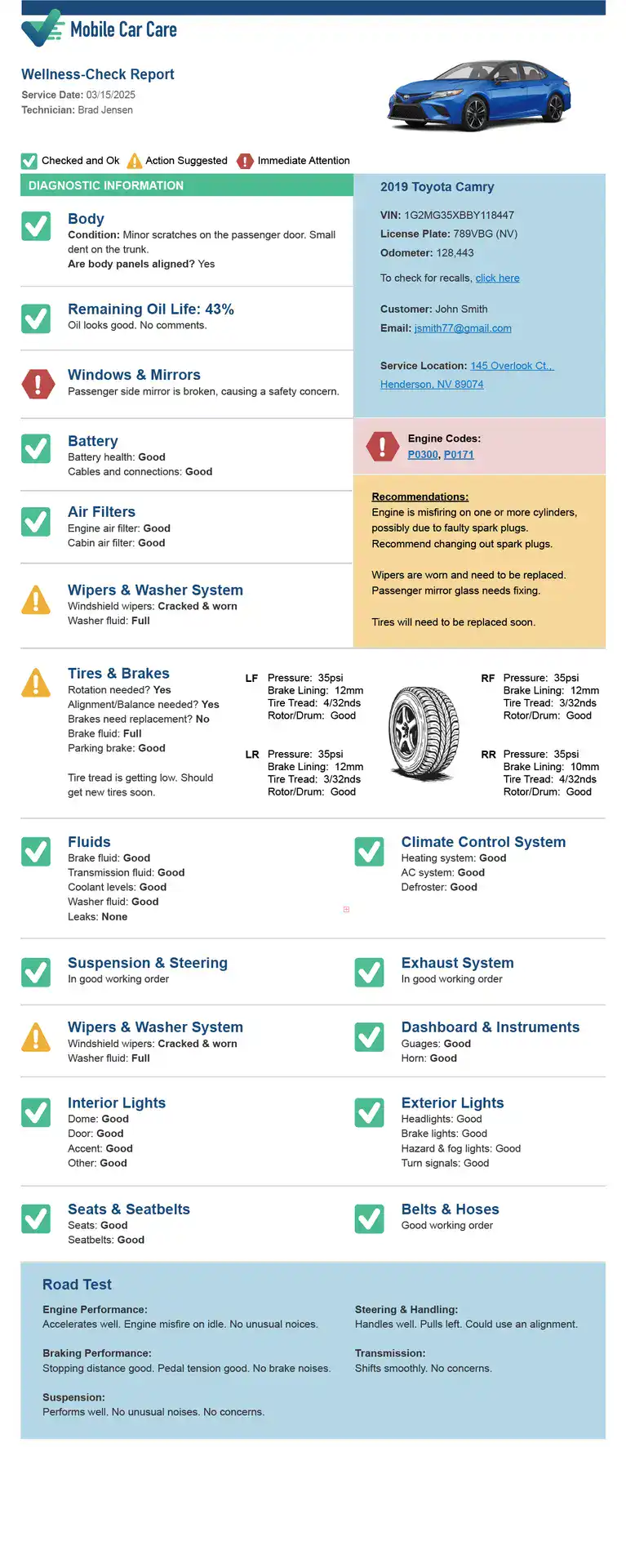
Paying attention to how your car feels, sounds, and handles when you slow down is the first step. Most brake problems start small and get progressively worse, so catching them early is key. If you notice any of the following symptoms, it’s a clear signal that your brake rotors might need a closer look. A professional inspection can confirm the issue, giving you peace of mind that you’re addressing the problem correctly. Our Essential Plan includes a comprehensive wellness check that covers your entire braking system, right in your driveway, so you don’t have to guess. We’ll help you understand exactly what’s going on and what your options are, without you ever having to leave home. It’s about making sure you feel confident and safe every time you get behind the wheel.
Squeaking or Grinding Noises
If you’ve ever cringed at a high-pitched squeal when you tap the brakes, you know this sound. That squeak is often caused by a small metal indicator built into your brake pads, telling you they’re getting thin. It’s an audible alert to get your brakes serviced soon.
However, if that squeal turns into a harsh, metallic grinding noise, it’s a much more urgent warning. This usually means your brake pads have worn down completely, and now the metal backing plate is grinding directly against the rotor. This metal-on-metal contact can quickly destroy your rotors and seriously reduce your stopping power.
A Pulsating Brake Pedal
Do you feel a vibration or pulsing sensation through the brake pedal when you press down? This is a classic sign of warped brake rotors. Over time, the intense heat from braking can cause the rotor’s flat surface to become slightly uneven.
When this happens, your brake pads can’t maintain consistent contact as the rotor spins. The pedal feels like it’s pushing back against your foot in a rhythmic pulse. Not only is this annoying, but it also means your brakes aren’t working as effectively as they should, which can increase your stopping distance in an emergency.
Shaking in Your Steering Wheel
Similar to a pulsating pedal, a steering wheel that shakes or vibrates when you brake is another red flag for warped rotors, especially the front ones. As the uneven rotors spin, they send vibrations up through the suspension and into your steering column. You’ll feel it directly in your hands.
This symptom often goes hand-in-hand with a pulsating pedal and is a strong indicator that your rotors are no longer providing a smooth, stable surface for the brake pads. It’s a clear sign that your braking system is compromised and needs immediate attention to ensure your car remains safe to drive.
Visible Grooves or Damage
You don’t always have to rely on sound or feel to spot a rotor problem. Sometimes, you can see it. If you look at your brake rotors through your wheels, their surface should appear relatively smooth and shiny.
If you see deep grooves, scoring, or visible cracks, it’s a sign the rotors are worn out. Another thing to look for is a prominent “lip” on the outer edge, which indicates the surface has worn down significantly. If you’re not sure what you’re looking at, a quick inspection can give you a definitive answer. Our Quick Check is perfect for diagnosing specific issues like this.
What Are Brake Rotors and Why Do They Matter?
When you think about your car’s brakes, you probably picture the brake pads. But there’s another major player working behind the scenes to bring you to a safe stop: the brake rotors. These components are fundamental to your car’s ability to slow down effectively, and keeping them in good shape is non-negotiable for your safety on the road. Understanding what they are and why they matter will help you catch problems early and avoid dangerous situations.
Their Role in Your Braking System
Brake rotors, also called brake discs, are the large metal discs you can sometimes see sitting behind your wheels. They are attached directly to the wheel hub and spin at the same speed as your wheels. When you press the brake pedal, you trigger a hydraulic system that causes the brake pads to clamp down hard on these spinning rotors. This clamping action creates a massive amount of friction, which converts the kinetic energy of your moving car into heat, slowing the wheels and bringing you to a smooth, controlled stop. This simple but powerful process is the foundation of your vehicle’s braking system.
The Safety Risks of Worn-Out Rotors
Over time, the intense heat and friction from braking wear down the surface of your rotors. They can become thinner, warped, or develop grooves. When this happens, the brake pads can’t make solid, even contact, which seriously reduces your stopping power and can increase the distance it takes to stop your car. Worn rotors also struggle to dissipate heat effectively, which can lead to a dangerous condition called brake fade, where your brakes temporarily lose their effectiveness after heavy use. Ignoring worn rotors doesn’t just put you at risk; it can also cause premature wear on your brake pads, potentially compromising the entire braking system and leading to more expensive repairs down the line.
Which Type of Brake Rotor Is Right for Your Car?
Walking into an auto parts store or browsing online can feel overwhelming when you see all the different types of brake rotors available. They aren’t just one-size-fits-all. The right choice for your car really comes down to your vehicle and your driving style. Are you mostly commuting to work and running errands, or do you have a performance car you like to push on the weekends?
Let’s break down the three main types of rotors you’ll encounter: solid, drilled, and slotted. Each one is designed with a specific purpose in mind, from everyday reliability to high-performance stopping power. Understanding the differences will help you make a smart decision that keeps you safe on the road without breaking the bank on features you don’t need. Think of this as your cheat sheet for choosing the perfect match for your driving needs. We’ll go over the pros and cons of each so you can feel confident in your choice.
Solid Rotors for Daily Driving
For most of us, solid rotors are the go-to choice, and for good reason. These are the standard rotors that come on most new cars. They are a single, solid piece of metal designed for the typical demands of daily driving—think city commuting, highway cruising, and school drop-off lines. They offer a great balance of durability, performance, and cost-effectiveness. Solid rotors are excellent at managing the heat generated from normal braking, making them a reliable and practical option for everyday vehicles. If you’re not a performance driver, these will serve you well.
Drilled Rotors for Performance
If you’ve ever looked at a sports car’s wheels, you may have noticed rotors with holes drilled through them. These are called drilled rotors, and they are designed for superior heat and water dissipation. The holes allow heat to escape more quickly, which helps prevent brake fade during repeated hard braking. They also channel water away from the rotor’s surface, which is a huge plus in wet conditions. This makes them a popular upgrade for performance vehicles and drivers who want a bit more bite from their brakes. The performance comparison between rotor types often highlights how drilled designs excel in cooling.
Slotted Rotors for Better Heat Control
Slotted rotors are another performance-oriented option. Instead of holes, they have shallow channels, or “slots,” cut into the face of the rotor. These slots act as escape routes for the hot gases and brake dust that build up between the brake pad and the rotor during heavy braking. By clearing away this debris, the slots help maintain a clean, consistent contact surface, which improves braking response. They are particularly effective for trucks, SUVs that tow, or any vehicle that experiences intense braking situations. The slots also provide a visual indicator of wear, which is a handy feature.
Comparing Performance and Cost
Ultimately, the decision comes down to how you use your vehicle. While drilled and slotted rotors offer clear benefits for performance driving, they also come with a higher price tag. For the average driver, the added cost may not be justified. It’s all about finding the right balance between performance and cost for your specific needs. Solid rotors are the most economical and are perfectly suited for daily driving. If you’re unsure, one of our technicians can always inspect your vehicle and driving habits to recommend the best fit during a Mobile Car Care appointment.
Which Brake Rotor Brands Are Best?
Walking into an auto parts store or browsing online can feel overwhelming with all the different brake rotor brands out there. How do you know which one to trust with something as important as your car’s ability to stop? The good news is that you don’t have to be a mechanic to make a great choice. A few brands consistently stand out for their quality, reliability, and performance.
Choosing the right brand comes down to your driving style and your vehicle. Are you mostly commuting and running errands, or do you enjoy a more spirited drive on the weekends? Do you tow a trailer or live in a hilly area? Answering these questions will help you narrow down the options. We’ve done the research and listened to what other drivers have to say to bring you our top picks for brands that deliver on their promises, giving you confidence every time you hit the brake pedal.
Our Go-To Recommendations
When it’s time for a replacement, you want parts that are as good as, or even better than, what your car came with from the factory. We recommend focusing on brands that have a proven track record for safety and durability. Companies like EBC Brakes, PowerStop, and StopTech have built strong reputations by specializing in braking systems. They invest heavily in research and development to create products that improve stopping power and last longer. Sticking with a well-regarded brand ensures you’re getting a product that has been rigorously tested and is trusted by car enthusiasts and daily drivers alike.
EBC Brakes: A Performance Pick
If you’re looking for an upgrade over standard rotors, EBC Brakes is a fantastic choice. They are well-known in the performance world for providing a noticeable improvement in stopping power without being too aggressive for daily driving. Their Ultimax series, for example, is designed to reduce brake fade during heavy use, which is perfect if you live in a hilly area or occasionally tow. Drivers often praise EBC for their excellent balance of performance and durability, making them a solid investment for anyone wanting a little extra confidence from their brakes.
PowerStop: A Reliable Choice
For most drivers, PowerStop offers the perfect blend of performance, reliability, and value. They are famous for their all-in-one brake kits that include perfectly matched rotors and pads, taking the guesswork out of your brake job. These kits are engineered to be a direct-fit, hassle-free upgrade over your stock brakes. They provide quiet, low-dust braking that’s ideal for your daily commute. PowerStop is consistently recognized for its outstanding performance-to-cost ratio, making it one of the smartest and most popular choices for families and commuters who want safe, dependable braking without a high price tag.
StopTech: For the Racetrack
If you’re a true driving enthusiast who takes your car to the track or participates in performance driving events, StopTech is a top-tier brand. Their rotors are engineered specifically for the extreme heat and stress of high-speed braking. Features like specially designed slots help vent hot gases and keep the pad surface clean, providing incredible bite and consistency lap after lap. While they might be overkill for daily driving, their consistent performance under the most demanding conditions shows the level of engineering that goes into their products. For those who push their vehicles to the limit, StopTech is a name you can trust.
DIY or Hire a Pro for Your Brake Rotor Replacement?
So, your brake rotors need to be replaced. The big question now is: should you roll up your sleeves and tackle the job yourself, or call in a professional? It’s a classic DIY dilemma that pits your budget against your time and expertise. While replacing rotors can be a satisfying project that saves you money on labor, it’s also a task where precision is critical for your safety on the road. Getting this job right means smooth, reliable stopping power every time you hit the pedal. Getting it wrong could lead to uneven braking, damage to other parts, or worse.
The right choice really comes down to three things: your comfort level with car repairs, having the right equipment, and whether you have a few hours to spare. If you’re a seasoned home mechanic with a well-stocked garage, you might be ready to go. But if you’re new to auto maintenance or just don’t have the time to spend an afternoon in the driveway, leaving it to a pro is a smart move. Let’s break down what you should consider before making the call.
The Tools and Safety Gear You’ll Need
Before you get started, you need to make sure you have the right gear. This job requires more than just a basic wrench set. You’ll need a socket set, a breaker bar for stubborn bolts, a torque wrench to tighten everything to spec, and a wire brush for cleaning. You’ll also need a special tool called a brake caliper compressor, along with a jack and sturdy jack stands to safely lift your car.
Safety is non-negotiable here. Always work on a flat, dry surface and block the wheels with chocks. Protective gloves and safety goggles are a must. Remember, you’re dealing with one of your car’s most important safety systems, so taking every precaution is essential. If you’re not sure how to lift your car safely, it’s best to pause and reconsider.
When to DIY vs. When to Call for Help
Changing your own brake rotors can be incredibly rewarding. For someone with moderate DIY skills, it’s a manageable project that can usually be done in a couple of hours. You’ll save a good amount of money on labor costs and get to know your car a little better in the process. It’s a great way to feel more connected to your vehicle and confident in your ability to handle basic maintenance.
However, your car’s braking system isn’t the place for guesswork. If you run into a rusted bolt you can’t budge or you’re just not feeling confident about the process, it’s always the smarter and safer choice to call for help. There’s no shame in knowing your limits—in fact, it’s the wisest thing you can do.
The Mobile Car Care Advantage
What if you could get professional, reliable brake service without the hassle of a traditional auto shop? That’s where we come in. Mobile Car Care brings the expertise directly to your home or office, saving you time and stress. You don’t have to arrange for a ride or sit in a waiting room; you can just go about your day while our certified technicians handle the work.
We provide the peace of mind that comes from knowing your brakes were serviced correctly by a professional using high-quality parts. Our service isn’t just about fixing problems—it’s about preventing them. Our Essential Plan includes a comprehensive 85-point wellness check that can spot brake wear early, so you can address it before it becomes a serious safety issue.
How to Replace Your Brake Rotors: A Step-by-Step Guide
Replacing your own brake rotors is a challenging but rewarding project that can save you money and give you a better understanding of your car. It requires the right tools, a bit of patience, and a strong focus on safety. If you’re ready to get your hands dirty, this guide will walk you through the process one step at a time. Remember, brakes are a critical safety system, so if you feel unsure at any point, it’s always best to call in a professional.
Step 1: Prep Your Car and Workspace
First things first: safety. Park your car on a flat, level surface like a garage floor or a flat driveway—never on a slope or soft ground. Engage the parking brake and place wheel chocks behind the wheels you aren’t working on. Before lifting the car, use a lug wrench to slightly loosen the lug nuts on the wheel you’re removing; it’s much harder to do this when the wheel is in the air.
Next, use a jack to lift the vehicle and secure it firmly with jack stands. Never work on a car supported only by a jack. Finally, pop the hood and check your brake fluid reservoir. If it’s full, you may need to siphon a little out to prevent overflow later.
Step 2: Remove the Old Rotor and Brake Parts
With the car safely supported, you can finish removing the lug nuts and take off the wheel. This will expose the brake assembly. Your next task is to remove the brake caliper. You’ll find two bolts holding it in place; once they’re out, slide the caliper off the rotor. Be careful not to let it hang by the brake hose, as this can cause serious damage. Use a bungee cord or a piece of wire to hang the caliper securely from the suspension.
Now, the old rotor should slide right off. Should is the key word here. Often, rust can make it stick to the hub. If it’s stubborn, a few firm hits with a hammer on the rotor’s edge can help break it free.
Step 3: Install the New Rotor Correctly
Before you slide on that shiny new rotor, grab a can of brake cleaner. New rotors come with a thin, oily coating to prevent rust during shipping, and it needs to be cleaned off completely for your brakes to work properly. Once it’s clean, place the new rotor onto the hub. You can thread on a lug nut by hand to keep it from wobbling while you work.
Next, you’ll need to reinstall the brake caliper. Because your new brake pads are thicker, you’ll likely need to compress the caliper piston to create enough space. A C-clamp or a specialized tool can make this job easy. Once the piston is retracted, slide the caliper back over the rotor and bolt it securely in place.
Step 4: Test and Bed-In Your New Brakes
You’re almost done! Reinstall the wheel, tighten the lug nuts, and lower your car back to the ground. Before you even think about driving, get in the car and pump the brake pedal several times. It will feel soft at first, but it should become firm after a few pumps. This is a crucial step to ensure the brake pads are seated correctly.
Finally, you need to bed-in your new brakes. This process helps the new pads and rotors mate properly, ensuring smooth, effective braking. Find a safe, open road and perform a series of moderate stops from about 35 mph. Avoid coming to a complete stop. This heats up the components and transfers a thin layer of pad material to the rotor. Following a proper bed-in procedure is key to long-lasting, quiet performance.
How Much Does Brake Rotor Replacement Cost?
Let’s talk numbers. The final price for replacing your brake rotors can vary quite a bit, so it helps to know what factors into the total cost. From the parts themselves to the labor involved, here’s a breakdown of what you can expect to pay so you can budget accordingly and avoid any surprises.
What Influences the Price of Parts?
The cost of brake rotors isn’t a simple, one-size-fits-all price tag. The final bill for parts depends heavily on the type of vehicle you drive and the quality of the parts you choose. For most cars, you can expect aftermarket rotors to cost between $30 and $75 each. If you have a high-performance or luxury vehicle, the price will likely be higher. You’ll also see options for standard rotors versus premium ones, which might have special features like drilled holes or slots for better cooling. While these can improve performance, they also come with a higher price. It’s all about balancing your budget with your driving needs.
Understanding Professional Labor Costs
If you take your car to a traditional repair shop, the parts are only one piece of the puzzle. Labor costs can add up quickly, with most shops charging between $90 and $200 per hour. For a complete brake job that includes replacing both the pads and rotors, you’re typically looking at a total cost between $300 and $800. For more complex vehicles or in areas with higher labor rates, that number can easily climb over $1,000. This doesn’t even account for the time you’ll spend dropping your car off, waiting for the work to be done, and picking it up again.
How Our Service Packages Compare
This is where we do things differently. Instead of you having to rearrange your day to visit a shop, we bring the service directly to you. Our goal is to catch brake wear before it becomes a major, expensive problem. Our comprehensive 85-point wellness checks, included in our Essential and Total Care plans, give us a clear picture of your brake health. If we spot an issue, we can handle minor repairs on-site, saving you from that surprise four-figure bill down the road. It’s a more proactive and transparent way to manage your car’s maintenance, giving you peace of mind without the hassle.
Where Can You Find the Best Deals on Brake Rotors?
Finding the right brake rotors can feel like a balancing act. You want a great price, but you absolutely can’t compromise on safety. The good news is that you have plenty of options, and a little know-how can help you find a deal without sacrificing quality. The best place to buy really depends on your comfort level with car parts, how quickly you need them, and whether you value expert advice over the convenience of online shopping. Your main choices will be large online retailers and your local auto parts stores, and each has its own set of benefits and drawbacks. Online stores often have a massive selection and competitive prices, but you’re on your own to find the exact right part for your car. Local shops offer hands-on help from knowledgeable staff, but their prices might be a bit higher. Ultimately, the “best deal” isn’t just the lowest number on a receipt. It’s the one that gets you a reliable, high-quality rotor that fits your car and your budget, giving you total peace of mind every time you hit the brakes.
Online Retailers vs. Local Auto Shops
When you start your search, you’ll likely come across big online players and familiar local shops. Online stores like AutoZone offer an enormous inventory, making it easy to compare brands and prices from your couch. They often have kits with everything you need for the job. The challenge? You need to be certain you’re ordering the correct parts for your vehicle’s specific make, model, and year. On the other hand, walking into a local auto parts store means you can talk to an expert face-to-face. They can look up your vehicle and help you choose the right rotors, and you can inspect the parts before you buy. This is a great option if you’re not 100% confident in what you need. The trade-off is usually a slightly higher price and a more limited selection than what you’d find online.
When to Buy for Maximum Savings
Timing and strategy can make a big difference in what you pay. One of the best ways to save money and ensure compatibility is to buy your brake pads and rotors as a kit. These bundles are designed so the pads and rotors work perfectly together, which can improve your car’s stopping power and help the components last longer. It’s almost always more cost-effective than buying each part separately. It’s also smart to plan ahead. Don’t wait until your brakes are grinding to start shopping. When you’re in a rush, you’re more likely to pay a premium for whatever is available. By checking your brakes regularly, you can anticipate when they’ll need replacing and give yourself time to shop around for sales or promotions without the pressure of a failing system.
How to Balance Quality and Price
While it’s tempting to grab the cheapest rotors you can find, your braking system is not the place to cut corners. For your safety, quality should always be the top priority. Instead of just looking at the price tag, consider the value. A slightly more expensive, well-made rotor will likely perform better and last longer than a budget option, saving you money in the long run. It’s also a good practice to replace your brake pads and rotors at the same time. Putting new pads on worn-out rotors can cause uneven wear, noise, and poor performance, meaning you’ll just have to do the job again sooner. If you have a high-performance vehicle or do a lot of heavy towing, you might even consider upgrading your brakes for better stopping power. Our Total Care Plan includes regular wellness checks where we can advise you on the best parts for your specific needs and driving habits.
How to Make Your New Brake Rotors Last
Getting new brake rotors is a great step toward a safer, smoother ride, but your work isn’t quite done. To get the most out of your investment and keep them performing well for miles to come, you’ll want to give them a little TLC. Think of it this way: a few simple habits can save you from another costly replacement down the road. By taking a proactive approach, you can extend the life of your new rotors and enjoy greater peace of mind every time you get behind the wheel. It all comes down to a proper start, consistent check-ins, and mindful driving. These small efforts ensure your braking system remains reliable, responsive, and ready for whatever the road throws your way.
Follow the Proper Break-In Process
You can’t just install new rotors and drive off like nothing happened. Your new brake pads and rotors need to get acquainted through a process called “bedding in.” This crucial first step ensures the pad material transfers evenly onto the rotor surface, creating a perfect match for smooth, effective braking. After installation, pump your brake pedal a few times until it feels firm. Then, follow the specific break-in procedure recommended by the manufacturer, which usually involves a series of controlled stops from various speeds. Skipping this can lead to noise, vibration, and a shorter lifespan for your new parts.
Keep Up with Regular Inspections
The easiest way to make your rotors last is to catch small issues before they become big problems. Regular inspections are your best friend here. You don’t have to be a mechanic to pop the hood and check your brake fluid level, but a professional eye can spot wear patterns and potential issues you might miss. This is where having a routine maintenance plan really pays off. Our Essential Plan includes an 85-point wellness check where we come to you, making it incredibly simple to stay on top of your brake health without ever visiting a shop.
Adopt Rotor-Friendly Driving Habits
How you drive has a huge impact on your brakes. Aggressive driving—like speeding, tailgating, and slamming on the brakes—generates a massive amount of heat, which is the number one enemy of brake rotors. To keep them in good shape, try to anticipate stops and coast to slow down whenever possible. Leave plenty of room between you and the car ahead to avoid sudden braking. If you frequently tow heavy loads or live in a hilly area, your brakes are working overtime. Being mindful of these factors and adjusting your driving style can significantly extend the life of your rotors and pads.
Related Articles
- Mobile Brake Check Price Breakdown: Costs & Savings – Mobile Car Care
- Guide to Keeping Student Cars Running Smoothly – Mobile Car Care
Frequently Asked Questions
Do I have to replace my brake pads at the same time as my rotors? Yes, it’s always the best practice to replace your brake pads whenever you get new rotors. Think of them as a matched set. Putting new pads on an old, uneven rotor surface can cause them to wear down improperly and reduce your stopping power. Installing fresh pads with new rotors ensures they wear in together, giving you the smoothest, safest, and most effective braking performance right from the start.
Is it safe to drive if my brakes are making a grinding noise? A grinding sound is a serious red flag, and you should stop driving the car as soon as it’s safe to do so. That harsh, metallic noise usually means your brake pads have worn away completely, and now the metal backing plate is scraping directly against the rotor. This severely compromises your ability to stop and can quickly lead to more extensive and expensive damage. It’s a situation that requires immediate professional attention.
What’s the difference between resurfacing and replacing rotors? Resurfacing, or “turning,” involves shaving a very thin layer of metal off the rotor’s surface to make it smooth again. This can sometimes fix minor vibrations, but it’s only an option if the rotors are thick enough to remain within safety specs. Replacement is exactly what it sounds like—installing brand new rotors. With modern rotors being lighter and thinner than they used to be, replacement is often the more reliable and safer long-term solution.
Why would I pay more for drilled or slotted rotors if I just drive around town? Honestly, for most people who use their car for daily commuting and errands, you don’t need to. Solid rotors are the standard for a reason—they are durable, effective, and budget-friendly for everyday driving conditions. The extra cost for drilled or slotted rotors is for performance benefits, like better heat dissipation during heavy braking, which is more suited for performance cars, towing, or driving in mountainous areas. For typical city and highway driving, a quality set of solid rotors is the perfect choice.
How often should I have my brakes inspected? A good rule of thumb is to have your brakes professionally inspected at least once a year. However, you should have them checked immediately if you notice any changes in how they feel or sound. Since it’s easy to forget, building it into a routine is key. Our wellness checks, which are part of our subscription plans, include a full brake system inspection, so you get peace of mind without having to add another reminder to your calendar.