That subtle but constant fight with your steering wheel to keep the car driving straight? It’s not just annoying; it’s your car telling you something is wrong. Many of us dismiss it as a quirk of an older vehicle or a feature of a windy day, but it’s often a clear signal that your wheels are misaligned. This issue does more than just wear on your patience—it wears down your tires unevenly and can compromise your control on the road. A simple alignment check is the first step to diagnosing and fixing the problem. In this guide, we’ll walk through all the signs your car is asking for help and explain why this small check-up is so critical for your safety and your wallet.
Key Takeaways
- Prioritize Alignment for a Safer Ride and Longer Tire Life: Correct wheel alignment is a key safety feature that ensures your car handles predictably, and it prevents uneven tire wear that can lead to costly, premature replacements.
- Listen to Your Car’s Warning Signs: Don’t wait for your annual check if you notice your car pulling to one side, your steering wheel is crooked, or your tire tread looks uneven. These are clear signals that you need an alignment check now.
- Make Your Alignment Last Longer: You can actively protect your car’s alignment by driving carefully to avoid potholes, maintaining correct tire pressure, and addressing any worn suspension parts before they cause bigger issues.
What Is a Wheel Alignment Check, and Why Do You Need One?
Think of a wheel alignment check as a health check-up for your car’s suspension system. It’s a simple but essential procedure that makes sure your wheels are pointing in the right direction, according to the original manufacturer’s specs. When your wheels are properly aligned, your car handles better, your tires last longer, and you’re safer on the road. It’s one of those maintenance tasks that’s easy to forget, but ignoring it can lead to bigger, more expensive problems down the line.
So, why is it so important? Proper wheel alignment is critical for how your car drives. It affects everything from how your car steers to how it stops. When the angles are off, even by a tiny amount, you might notice your car pulling to one side or your steering wheel vibrating. More importantly, misalignment causes your tires to wear down unevenly and prematurely, which means you’ll be shelling out for a new set of tires much sooner than you need to. A quick check can catch these issues early, saving you stress and money.
The Three Angles We Measure
When we talk about wheel alignment, we’re really talking about three specific angles: caster, camber, and toe. It might sound technical, but the concepts are pretty straightforward.
- Caster affects your steering stability and how your steering wheel returns to the center after a turn.
- Camber is the inward or outward tilt of your wheels when viewed from the front. If it’s off, it can cause the tire tread to wear unevenly on one side.
- Toe refers to the direction your tires are pointing relative to each other, like looking down at your own feet.
Getting these three angles just right ensures your tires make optimal contact with the road, giving you a smoother, more stable ride.
How Proper Alignment Keeps You Safe
Beyond saving your tires, proper alignment is a huge factor in your vehicle’s safety. When your wheels are aligned correctly, your car is more responsive and easier to control, especially during turns or sudden maneuvers. According to the experts at MOOG Parts, correct alignment helps your tires wear evenly and improves steering, making your car handle better overall. This stability can make a real difference in preventing accidents. It’s a simple step that provides a lot of peace of mind every time you get behind the wheel, knowing your car is performing exactly as it should.
Alignment vs. Balancing: What’s the Difference?
It’s easy to mix up wheel alignment and tire balancing, but they are two very different services. While both are key to a smooth ride, they address separate issues. As one auto service center points out, a common misconception is that they are the same thing. Alignment focuses on the angles of your wheels to ensure they travel straight and true. Balancing, on the other hand, involves correcting weight imbalances in the tire and wheel assembly. If you feel a vibration in your steering wheel at certain speeds, you likely need your tires balanced. If your car is pulling to one side, an alignment check is in order.
Telltale Signs You Need an Alignment Check
Your car has its own way of communicating, and learning its language can save you headaches and money. When it comes to wheel alignment, the signs are usually clear if you know what to look for. Ignoring them can lead to bigger problems, from buying new tires too soon to compromising your safety. If you notice any of the following issues, it’s a strong signal that your car is due for an alignment check. Let’s get into what you should be watching (and feeling) for.
Your Tires Are Wearing Unevenly
Take a close look at your tires. Is the tread on the inner or outer edge significantly more worn than the rest? This is a classic sign of poor alignment. When your wheels aren’t pointing straight, they drag along the road instead of rolling smoothly. This causes accelerated and uneven tire wear, which shortens the life of your tires. Catching this early with an alignment check saves you from a premature and costly replacement.
Your Car Pulls to One Side
You’re driving down a straight road, but you have to constantly fight the wheel to stop your car from drifting. Sound familiar? This feeling that your car pulls to one side is a major red flag for misalignment. Not only is it exhausting to constantly correct your car’s path, but it’s also a serious safety issue. Proper alignment ensures your car travels in the direction you point it, giving you full control and peace of mind.
Your Steering Wheel Isn’t Straight
Here’s an easy visual check. When you’re on a straight road, is your steering wheel level, or is it tilted? A crooked steering wheel is a dead giveaway that your wheels aren’t aligned with your steering system. While it might seem like a minor annoyance, it’s a direct symptom of a real alignment problem. It means your wheels are pointing in a different direction than your steering wheel is, which leads to the pulling and uneven tire wear we just discussed.
Alignment Check vs. Full Alignment: What to Expect
It can be confusing to hear terms like “alignment check” and “full alignment” thrown around. What’s the difference, and which one does your car actually need? Think of it like a check-up versus a treatment. An alignment check is the diagnosis, while a full alignment is the fix. Understanding what happens during each process helps you make informed decisions about your car’s health, ensuring you’re only paying for what you truly need to stay safe on the road. Let’s walk through what to expect from each service.
The Quick Alignment Check Process
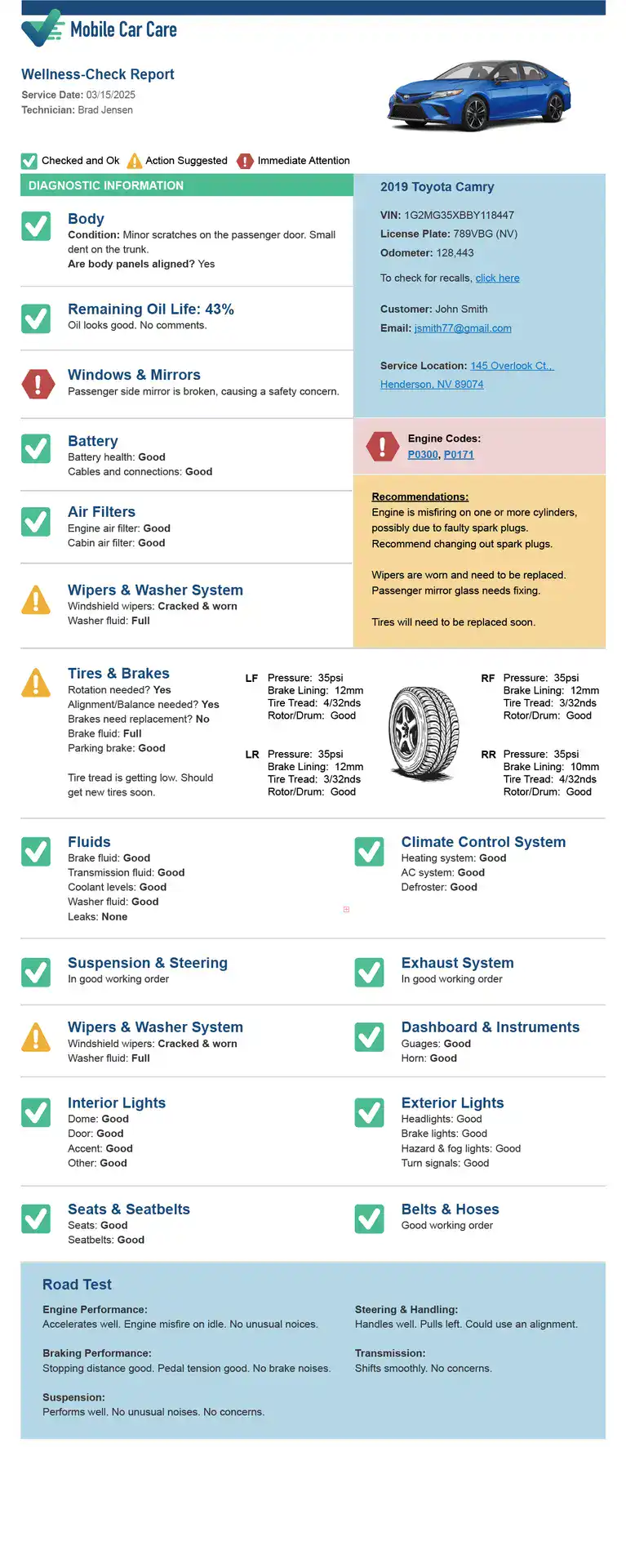
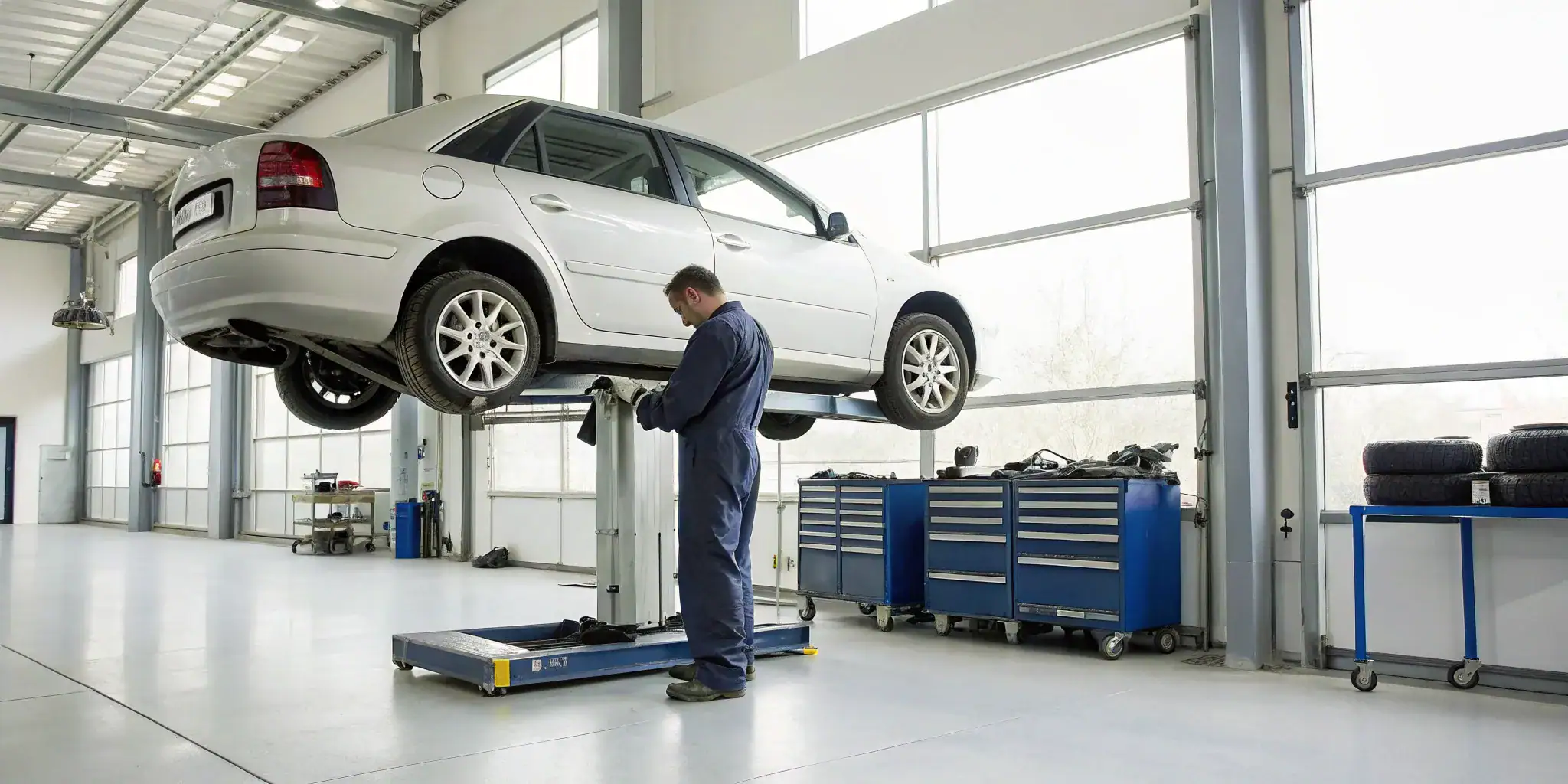
An alignment check is a quick inspection to see if your wheels are pointing in the right direction. A technician will use specialized equipment to measure your car’s key alignment angles—camber, caster, and toe—and compare them to your vehicle’s factory specifications. This process doesn’t involve making any adjustments; it’s purely a diagnostic step. It’s designed to catch misalignments early before they cause serious tire wear or handling issues. Most experts recommend getting a wheel alignment check about once a year. With our on-site service, this essential inspection is part of our Total Care plan, making it easy to stay on top of your car’s needs without disrupting your day.
When a Full Alignment Is Necessary
If the alignment check reveals that your wheels are out of spec, then a full alignment is necessary. This is the hands-on process of adjusting the suspension components to bring the wheels back to the manufacturer’s recommended settings. You’ll definitely need one if you’ve hit a major pothole, bumped a curb, or notice your car pulling to one side. A proper alignment is crucial for more than just preventing your car from veering off-course; it ensures your tires wear down evenly, improves your steering response, and makes your car safer and more predictable to handle. It’s the solution that gets your car driving straight and true again.
Comparing the Costs
The cost of a full alignment can vary, but you can generally expect to pay between $50 and $170. The final price often depends on whether you need a two-wheel (front-end) or four-wheel alignment. A front-end alignment typically costs between $50 and $75, while a four-wheel alignment for an all-wheel-drive vehicle might range from $100 to $170. While it might seem like just another maintenance cost, investing in a full alignment when needed saves you money over time. It extends the life of your tires and prevents premature wear on your suspension, saving you from more expensive repairs down the road.
How Often Should You Get an Alignment Check?
Knowing when to get an alignment check can feel like a guessing game, but it doesn’t have to be. Think of it less as a rigid rule and more as a rhythm that depends on your car, your driving habits, and the roads you travel on. While there’s a standard guideline most technicians recommend, your real-world experiences—like that new pothole on your commute—are just as important. For busy families and professionals, the last thing you have time for is an unexpected car problem. Staying on top of your alignment is a simple, proactive step that prevents bigger headaches later.
It’s not just about extending the life of your tires; it’s a core part of your vehicle’s overall health and safety. A car that drives straight and true is more predictable, easier to handle, and safer for you and everyone you share the road with. By understanding the key milestones and warning signs, you can move from reactive repairs to proactive care, saving you time, money, and the stress of a major issue down the road. Let’s break down the timeline so you know exactly when to schedule a check.
The General Rule: Annually or Every 12,000 Miles
As a solid starting point, plan to have your vehicle’s alignment checked once a year or every 12,000 miles, whichever comes first. Consider this your car’s annual wellness visit. Just like a routine check-up, this preventative step allows a technician to catch and correct minor misalignments before they develop into bigger, more expensive problems.
This regular interval helps account for the slow, subtle shifts that happen during thousands of miles of normal driving. Following a consistent vehicle maintenance schedule ensures your suspension components are working together as they should, giving you a smoother ride, better fuel efficiency, and longer-lasting tires. It’s the easiest way to maintain your car’s performance and your peace of mind.
Why You Should Check After Hitting a Pothole
Life happens, and sometimes the road is less than smooth. Certain events can knock your alignment out of place in an instant, and you shouldn’t wait for your annual check-up if you experience one. If you hit a significant pothole, strike a curb, or are involved in even a minor collision, it’s wise to get your alignment checked right away.
The sudden, sharp force from an impact can be enough to bend suspension parts or shift them from their precise settings. Even if you don’t notice an immediate change in how your car drives, the misalignment could be there, silently causing uneven tire wear and strain on your steering components. A quick inspection after a jarring incident can confirm everything is okay or fix a new problem before it gets worse.
Driving Habits That Call for More Frequent Checks
Beyond major impacts, your everyday driving habits can also influence how often you need an alignment check. If you frequently drive on rough, poorly maintained roads, or unpaved surfaces, the constant vibration and jolts can take a toll on your suspension system more quickly. Similarly, if you often carry heavy loads in your vehicle, the added weight can strain components and affect your alignment over time.
Pay close attention to your car’s behavior. If you feel the steering wheel vibrating or your car pulling to one side, don’t ignore it. These are clear signals that your alignment is off. When you notice these signs, it’s time to schedule a Quick Check to get things back in order.
What Does an Alignment Check Cost?
Thinking about the cost of an alignment check is a smart move. It’s one of those small investments that protects your car and your wallet. The price isn’t set in stone and can vary based on a few key things, but understanding the breakdown helps you see the value. Instead of just a line item on a bill, think of it as paying for a smoother ride, longer-lasting tires, and peace of mind. Let’s look at what goes into the cost and how a little proactive care can save you a lot of money later on.
Factors That Influence the Price
The cost for a wheel alignment typically falls between $50 and $175. The final price tag depends on a few things. First, is it a two-wheel or four-wheel alignment? A front-end alignment for a standard car is usually on the lower end of that range. However, if you have an all-wheel-drive vehicle or a car that requires all four wheels to be adjusted, the cost will be higher. Your vehicle type also matters—a luxury car or a large truck might require more specialized work. Finally, your location and whether any other parts need attention can influence the total. It’s always a good idea to get a clear quote upfront so you know exactly what to expect.
Mobile Service vs. a Traditional Shop
Traditionally, you’d head to a tire shop, dealership, or repair center for an alignment. This usually means booking an appointment, driving over, and waiting for about an hour—if not longer. It’s a classic errand that can easily eat up a chunk of your afternoon. But there’s a more convenient way. A mobile service brings the expertise directly to your driveway or office parking spot. You can skip the waiting room and get on with your day while a technician handles the check. Our Quick Check Plan is a perfect way to get a professional assessment of your vehicle’s health, including its alignment, without any of the usual hassle.
How Regular Checks Save You Money in the Long Run
Spending a little on an alignment check now can save you a lot down the road. When your wheels are properly aligned, your tires wear down evenly, which means you won’t have to replace them prematurely. That alone can save you hundreds of dollars. Plus, a well-aligned car has less resistance on the road, which can actually improve your gas mileage. Think of it as preventative care for your vehicle. By catching and fixing alignment issues early, you avoid putting extra strain on your steering and suspension systems, preventing more costly repairs. Our recurring Essential Plan includes these wellness checks to ensure you catch small issues before they become big, expensive problems.
How to Keep Your Car Aligned Longer
Getting a wheel alignment isn’t a one-and-done fix for the life of your car, but you can definitely extend the time between services. With a few good habits, you can protect your car’s alignment, save money, and enjoy a smoother, safer ride. It all comes down to being a little more mindful on the road and staying on top of basic maintenance.
Drive Mindfully to Protect Your Alignment
Your daily drive has a huge impact on your car’s alignment. Every time you hit a pothole, scrape a curb, or take a speed bump too fast, you’re jarring the suspension and steering components that keep your wheels pointed in the right direction. While you can’t avoid every road imperfection, being an attentive driver makes a big difference. Try to safely steer around major potholes and slow down for railroad tracks and speed bumps. This simple awareness reduces the sudden, harsh impacts that are the primary cause of misalignment, helping your car stay straight and true for longer.
Take Care of Your Tires
Your tires are the foundation of your car’s alignment. If they aren’t in good shape, your alignment won’t be either. Underinflated or overinflated tires wear unevenly, which can pull your vehicle to one side and put unnecessary stress on your suspension. Make it a habit to check your tire pressure monthly and inspect the tread for uneven wear patterns. Regular tire rotations are also key to ensuring they wear down evenly. Our Essential Plan includes a comprehensive wellness check where we inspect your tires, so you never have to worry about it. Healthy tires provide a stable base that helps maintain proper alignment.
Keep an Eye on Your Suspension
A common myth is that alignment just “slips” out of place over time. In reality, it’s almost always caused by a loose or worn-out suspension part. Your car’s suspension system is a complex network of components that holds your wheels steady. If a part like a ball joint or tie rod end becomes worn, it creates slack that prevents the alignment from holding its position. Pay attention to any new clunking sounds, vibrations, or a “loose” feeling in the steering wheel. Catching these issues early is crucial. During a Total Care check, we can spot developing suspension problems before they knock your alignment out of whack.
Related Articles
- How to Do a Tire Tread Depth Check at Home – Mobile Car Care
- What Is an Undercarriage Inspection & Why It Matters – Mobile Car Care
- Multi-Point Inspection: What’s Checked & Why It Matters – Mobile Car Care
- Easy Car Maintenance at Home: Your DIY Guide – Mobile Car Care
- How to Do a Tire Pressure Check for a Safer Ride – Mobile Car Care
Frequently Asked Questions
My car seems to drive straight. Do I really need an annual alignment check? It’s a great question, and it’s easy to think everything is fine if you don’t feel a strong pull. However, alignment can be off by a small amount—not enough for you to notice in the steering, but just enough to cause your tires to wear down unevenly. An annual check is about proactive care. It catches these subtle issues early, protecting the life of your tires and preventing you from facing a bigger, more expensive problem down the road.
Is it okay to just get an alignment when I buy new tires? This is a common approach, but it often means you’re spending money you didn’t have to. If you wait until you need new tires, it’s usually because the old set wore out prematurely from poor alignment. The real goal is to protect the tires you already have. Regular alignment checks ensure your current tires wear evenly, helping them last as long as they were designed to and saving you from buying a new set sooner than necessary.
What’s the difference between an alignment check and tire balancing again? It’s easy to get these two mixed up! Think of it this way: alignment deals with the direction your wheels are pointing, while balancing deals with the weight distribution of the wheel itself. If your car is pulling to one side or your steering wheel is crooked, you likely have an alignment issue. If you feel a vibration or shaking in the steering wheel, especially at higher speeds, you probably need your tires balanced.
If my alignment check shows a problem, what happens next? If the check reveals that your wheel angles are outside of the manufacturer’s specifications, the technician will show you the results and recommend a full alignment. This is the service where they make the necessary adjustments to your car’s suspension to get everything pointing straight again. We’ll provide a clear explanation of what’s needed so you can make an informed decision about the next steps.
How long does a mobile alignment check take? An alignment check is a quick and efficient process. Typically, the inspection itself takes about 30 minutes. The best part about a mobile service is that you don’t have to factor in travel time or sit in a waiting room. You can be at home or at the office getting on with your day while we take care of your car right in your driveway.