
Keeping your vehicle in good shape doesn’t always require a visit to the mechanic. In 2026, DIY car maintenance is more accessible than ever, with better tools and more online resources to guide you. With a few basic supplies and some practical knowledge, many important car maintenance at home tasks can be done right in your own driveway. Regular at-home care can prevent costly repairs and help your vehicle run more smoothly for longer.
This guide walks you through 15 essential DIY car maintenance tasks that every driver should know in 2026. From checking fluid levels to changing your oil and inspecting your brakes, each section is designed to be clear and easy to follow. Whether you’re a new car owner or someone looking to cut back on service costs, these do it yourself car maintenance steps will help you build confidence and take better care of your vehicle.
Key Takeaways for At-Home Car Maintenance
- Start with Simple Tasks: Focus on easy wins like checking oil, changing air filters, or topping up fluids. These basic tasks build confidence and save money over time.
- Prioritize Safety: Always work on a flat surface with proper equipment like jack stands. Avoid working under a car supported only by a jack. Use gloves, goggles, and ensure good ventilation.
- Know When to Call a Pro: Stick to manageable jobs. For anything involving brakes, engine components, or complex electronics, professional help is safer and more cost-effective in the long run.
Why Car Maintenance at Home Matters
Taking care of basic car maintenance at home helps you stay in control of your vehicle’s performance and safety. It allows you to catch small issues early, which can prevent them from turning into costly repairs down the road. With regular upkeep, you can extend the life of your vehicle and avoid unexpected breakdowns. Simple habits like monitoring your fuel gauge can also prevent stressful situations—if you do run out of gas, knowing about emergency fuel delivery services can get you back on the road quickly.
DIY car maintenance also saves you time and money. You won’t need to wait for shop appointments or pay for services you can easily handle yourself. Plus, understanding how your car works builds confidence and helps you make informed decisions when professional repairs are needed.
The Cost of Neglect vs. The Value of Small Checks
Overlooking small maintenance tasks can lead to larger mechanical problems over time. A low tire or a clogged air filter might seem minor at first but can reduce fuel efficiency, strain your engine, or even cause a breakdown. These issues often end up costing far more to fix than the time it takes to prevent them.
In contrast, quick routine checks like monitoring fluid levels, inspecting tires, and testing brakes can help you catch problems early. These simple habits support your car’s overall performance and reduce the risk of unexpected repairs. A few minutes of attention each month can protect you from expensive issues later.
Practicing your own DIY car repair gives you more control over your vehicle’s condition. It helps you stay informed, manage basic issues confidently, and avoid unnecessary service costs. This hands-on approach adds long-term value and helps keep your car road-ready.
Home Tasks That Save Time and Extend Vehicle Life
Basic maintenance tasks done at home can make a big difference in how long your vehicle lasts. Things like checking oil levels, replacing air filters, and keeping tires properly inflated can improve performance and reduce wear. These small efforts help your car run more smoothly and avoid unnecessary strain on its systems.
🏠 Love DIY? Let Us Handle the Rest.
You handle the basics — we’ll take care of the tasks that need professional tools and expertise. Our mobile technicians come to your home for oil changes, brake inspections, diagnostic scans, and more.
Regular DIY upkeep also saves time by preventing sudden breakdowns or last-minute trips to the mechanic. Simple tasks such as topping off fluids, cleaning battery terminals, and inspecting belts (learn about mobile serpentine belt replacement) can be done quickly and on your schedule. These checks reduce the chance of unexpected issues and help keep your vehicle dependable.
By staying consistent with these at-home tasks, you’re not only avoiding major repairs but also improving your car’s efficiency. Routine care supports better fuel economy and reduces the risk of long-term damage. It’s a practical way to protect your investment and stay safer on the road.
Car Maintenance Tasks You Can Do Yourself
Many essential car maintenance tasks can be done right at home with minimal tools and a bit of guidance. These include checking and topping off fluids, changing the engine oil, and replacing air filters. Taking care of these tasks regularly helps your vehicle perform better and last longer.
You can also inspect tire pressure, rotate tires, and replace windshield wipers without professional help. These simple jobs improve safety and prevent uneven wear or visibility issues. Learning how to do them builds confidence and gives you more control over your vehicle’s upkeep.
Completing this car maintenance checklist at home not only saves money but also keeps your car running reliably. By making these tasks part of your routine, you can prevent costly repairs and stay ahead of common issues. It’s a smart way to stay proactive about your car’s condition.
Weekly Checklist
Staying on top of your car’s condition doesn’t have to take much time. A simple weekly checklist helps you spot small issues before they become big problems. By setting aside a few minutes each week, you can maintain your vehicle’s performance and safety.
This essential toolkit should include checking tire pressure, inspecting fluid levels, and making sure all lights and signals are working. These quick tasks support better fuel efficiency, safer driving, and fewer surprise repairs. It’s a smart habit for any car owner looking to stay ahead of maintenance needs.
- Tire Pressure and Tread Check – Checking your tire pressure once a week helps improve fuel economy and ensures even tire wear. Underinflated or overinflated tires can affect handling, braking, and ride comfort. Use a pressure gauge to match your tire levels with the manufacturer’s recommended settings.
- Fluid levels (oil, coolant, brake) – Keeping fluid levels in check is one of the easiest and most important parts of DIY car maintenance. Low or dirty fluids can cause engine damage, overheating, or brake failure. Check your oil, coolant, and brake fluid weekly to make sure they’re at proper levels and clean.
- Lights and signals inspection – Fully functioning lights and signals are essential for safe driving and legal compliance. A quick check each week ensures that your headlights, brake lights, turn signals, and hazard lights are all working properly. Ask a friend to help you confirm rear lights or check reflections in a garage door.
Monthly Checklist
A monthly maintenance routine adds another layer of protection for your vehicle’s long-term health. These checks focus on areas that don’t need weekly attention but still play a critical role in performance and comfort. Staying consistent with monthly tasks helps prevent wear and keeps your car running smoothly.
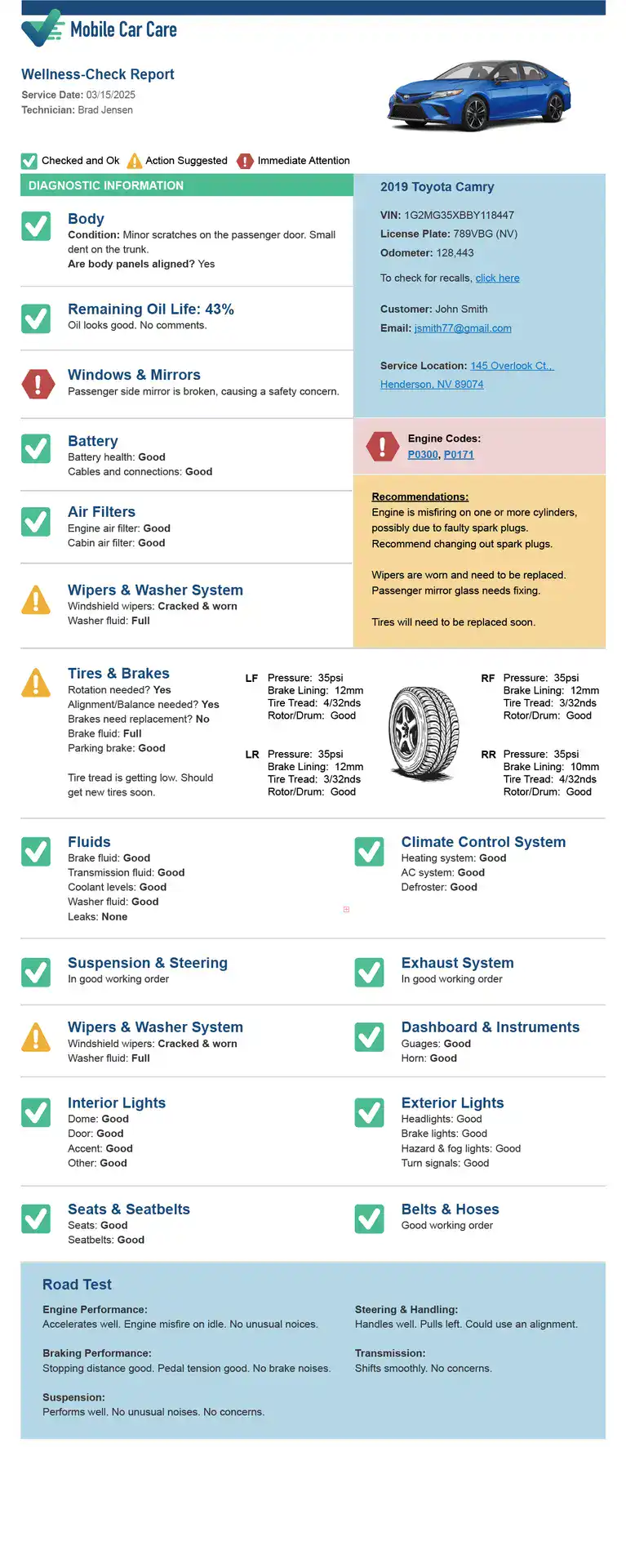
Your monthly checklist should include inspecting air filters, checking the battery condition, and reviewing your wipers and washer fluid. These quick actions take only a few minutes and help you avoid unexpected issues during daily driving. Services like our Quick Check plan can give you the peace of mind you need.
- Cabin & engine air filter check – Both the cabin and engine air filters play a key role in your car’s efficiency and comfort. The engine air filter protects your engine from dirt and debris, while the cabin filter ensures clean air inside the vehicle. A clogged filter can reduce performance and cause strain on your systems.
- Battery terminals and cables – Your car’s battery health depends on clean, secure connections at the terminals. Corrosion or loose cables can lead to slow starts or even prevent your car from starting altogether. Checking the battery once a month helps you avoid unexpected electrical issues.
- Wiper blades and washer fluid – Clear visibility is essential for safe driving in all conditions. Check your wiper blades each month for cracks, streaking, or missed spots during use. Damaged blades should be replaced right away to maintain proper visibility during rain or snow.
Seasonal or As-Needed Tasks
Some car maintenance tasks don’t need to be done weekly or monthly, but they’re still essential throughout the year. These checks should be part of your seasonal routine or done whenever you notice a change in performance. Staying ahead of them helps prevent more serious mechanical problems down the road.
Key seasonal tasks include inspecting spark plugs, checking brake pad wear, and examining belts and hoses. These components play a vital role in your vehicle’s function and safety. Taking time to assess them regularly ensures your car is ready for changing weather and driving conditions.
- Spark plug inspection or replacement – Spark plugs are essential to engine performance, affecting fuel efficiency, acceleration, and even starting reliability. Over time, they can become worn or fouled, leading to misfires or rough idling. Checking your spark plugs every 30,000 miles or as needed helps maintain smooth engine operation.
- Brake pad wear check – Brake pads are a critical safety feature and should never be overlooked. Worn brake pads reduce stopping power and can damage other parts of the braking system. Checking them every few months or when you hear squeaking or grinding helps you stay safe on the road.
- Belts and hoses inspection – Belts and hoses are responsible for powering and cooling major engine components. Cracks, fraying, or leaks can lead to breakdowns or overheating. Inspect these parts every few months, especially before long trips or seasonal weather changes.
Tools You’ll Need for Home Maintenance
Having the right tools makes home car maintenance safer, easier, and more effective. A basic set should include a tire pressure gauge, socket wrench set, jack and jack stands, and a funnel. These essentials allow you to handle routine tasks like oil changes, tire checks, and fluid top-offs on your own.
As you become more confident with DIY car repair, tools like a battery terminal cleaner, multimeter, and spark plug socket become useful for more detailed inspections. Keeping a clean rag, gloves, and a flashlight nearby can also make your work more efficient. If a task ever feels too complex, you can always have a service like our Total Care Plan take care of the replacement for you, right in your driveway.
Expanding your toolkit over time gives you greater control over your vehicle’s care and helps you complete jobs more quickly. Whether you’re doing the work yourself or calling in expert help when needed, having the right tools ensures better results and fewer headaches.
Essential tools for beginners
If you’re just getting started with home car maintenance, you don’t need a full workshop. A tire pressure gauge, basic socket wrench set, oil drain pan, jack, and jack stands are enough for most beginner tasks. These tools let you safely perform oil changes, tire checks, and fluid top-offs with confidence.
Including a funnel, flashlight, and a pair of work gloves makes the job cleaner and more comfortable. With just a small investment, you can start building skills and keeping your vehicle in better condition between visits to the mechanic.
Upgrades for more advanced DIYers
As you gain experience with DIY car repair, upgrading your toolset opens the door to more complex maintenance tasks. A torque wrench, multimeter, code scanner, and spark plug socket are great additions for tackling engine work and electrical diagnostics. These tools offer greater precision and help you expand your capabilities.
Having a creeper, impact wrench, and fluid pump can also make under-car tasks easier and faster. With the right tools, you can take on jobs like brake pad replacement or coolant flushes with greater efficiency and accuracy.
Safety gear and when to avoid DIY
No matter your skill level, safety should always come first during home car maintenance. Gloves, safety glasses, a jack stand set, and wheel chocks are essential for protecting yourself while working under or around your vehicle. Always work on a flat surface and make sure your car is securely supported before starting any task.
There are times when it’s better to leave a repair to a professional, especially if it involves the vehicle’s computer systems, suspension, or internal engine components. When in doubt, or if you don’t have the right tools, we have services that offer a convenient and safe alternative for maintenance and replacement work.
When to DIY and When to Call a Pro
Knowing when to handle car maintenance yourself and when to rely on a professional helps protect your vehicle and your safety. DIY tasks can save money and time, but not every issue should be tackled at home. Making smart choices supports your car’s performance and long-term fuel efficiency.
Tasks that are safe to perform at home
Basic upkeep like oil changes, tire pressure checks, and air filter replacements are safe and manageable with the right tools. You can also wax your car, inspect electrical connections, and regularly check battery terminals or fluid levels. These simple steps help maintain performance and appearance.
Signs that you should let a technician take over
Unusual noises, dashboard warning lights, or fluid leaks are signs that require expert attention. Complex systems like the suspension, transmission, or advanced electrical connections are best left to trained technicians. Attempting these repairs without experience can lead to more serious damage.
How a mobile car service complements your home maintenance
Even if you manage routine tasks at home, professional support adds value to your overall maintenance plan. A service like our Total Care Plan can handle more advanced repairs or inspections right in your driveway. This helps ensure your car stays in top shape while you continue to regularly check and care for it at home.
Breakdown Cost for Common Home Maintenance Tasks
Understanding the cost and time involved in basic car care helps you plan and prioritize maintenance more effectively. Many common tasks are affordable and take less time than scheduling a shop visit. With the right tools and preparation, home maintenance can fit easily into your routine.
Estimated cost if done at home vs at a shop
Performing tasks like oil changes, air filter replacements, or battery terminal cleaning at home can cost a fraction of what you’d pay at a repair shop. For example, a DIY oil change might cost $30 in supplies, compared to $70 or more at a shop. These savings add up over time, especially when combined with other small tasks.
Time required for each task
Many basic maintenance jobs can be completed in 15 to 60 minutes, depending on your experience and setup. Tire pressure checks or topping off fluids take just a few minutes, while changing spark plugs or brake pads may take closer to an hour. Planning these tasks around your schedule makes upkeep more manageable.
Create a maintenance schedule for your vehicle
Start by reviewing your owner’s manual for manufacturer-recommended service intervals. Use that as a base and build a schedule that fits your driving habits, climate, and vehicle age. A simple checklist or calendar reminder can help you stay consistent with tasks like oil changes, filter checks, and fluid inspections.
Car Maintenance Tips for Las Vegas Drivers
If you live in the Las Vegas, Henderson, or North Las Vegas area, your car faces unique challenges that make DIY car maintenance even more important. The desert climate puts extra stress on your vehicle throughout the year, and staying proactive with at-home checks can prevent breakdowns during the hottest months. If your car will be sitting idle while you’re away, our guide to storing your car in Las Vegas covers everything you need to protect it from the desert elements.
Here are Las Vegas-specific maintenance considerations for 2026:
- Coolant system checks – Las Vegas summer temperatures regularly exceed 110°F, putting intense pressure on your cooling system. Check coolant levels and condition weekly during June through September. A coolant flush before summer is one of the smartest DIY car maintenance moves you can make.
- Battery inspection – Extreme heat degrades car batteries faster than cold weather. In Las Vegas, battery life averages 2–3 years compared to 4–5 in milder climates. Test your battery monthly, especially if it is over 18 months old.
- Tire pressure monitoring – Desert heat causes tire pressure to fluctuate significantly. Check pressure early in the morning before the asphalt heats up. Properly inflated tires also improve fuel economy during long commutes on I-15 or the 215 Beltway.
- Air filter replacement – Dust and sand from the desert environment clog air filters faster than in other regions. Plan to replace your engine air filter every 10,000–12,000 miles instead of the standard 15,000–20,000.
- Wiper and windshield care – UV damage is real in Southern Nevada. Wiper blades degrade faster under constant sun exposure, and windshield cracks spread quickly in the heat. Inspect wipers monthly and address any chips promptly.
For tasks that go beyond basic car maintenance at home, Mobile Car Care offers mobile vehicle inspection and maintenance plans throughout the Las Vegas metro area. Our technicians come to your home or office, so you never have to deal with shop wait times.
Related Articles
- Essential At-Home Car Maintenance Checklist – Mobile Car Care
- Monthly Car Checkups for Parked Vehicles: A Quick Guide – Mobile Car Care
- Essential Car Maintenance Tips for College Students – Mobile Car Care
- Mobile Serpentine Belt Replacement: What to Expect – Mobile Car Care
📋 Ready to Take the Next Step?
Choose the plan that fits your needs — or call 📞 (702) 329-8424 to talk with our team.
Total Care Plan
Complete mobile car care: oil changes, brake checks, diagnostics, and an 85-point inspection — all at your home.
Get Total CareEssential Plan
Affordable routine care that covers the tasks you can’t DIY — scheduled at your convenience.
See Essential PlanFrequently Asked Questions
I’m a complete beginner. What’s the absolute first thing I should do? Start by getting to know your owner’s manual. It’s the single best resource for understanding your specific vehicle. It will show you where everything is under the hood and tell you the exact type of fluids and parts your car needs. Once you’ve done that, pick one simple task, like checking your tire pressure or topping off your windshield washer fluid. These small wins build confidence and make the whole process feel much more approachable.
How do I know which parts or fluids are right for my car? Your owner’s manual is your best friend here, as it lists the specifications for everything from engine oil to spark plugs. When you go to an auto parts store, the staff can look up your car’s year, make, and model to find the exact parts you need. Many of their websites also have a feature where you can enter your vehicle information to filter for compatible products, which takes all the guesswork out of the equation.
I don’t have a garage. Can I still do my own car maintenance? Absolutely. Many essential tasks don’t require a garage at all. You can easily check your fluids, replace your windshield wipers, and swap out your air filters in a driveway or a designated parking spot. The most important thing is to work on a flat, level surface. The only time a lack of a garage becomes a real challenge is for bigger jobs that require lifting the car, as you need a stable, solid surface for the jack stands.
What if I try a repair and make things worse? This is a common fear, and it’s why the rule “know your limits” is so important. Start with simple, low-risk projects first. If you get into a task and feel unsure or realize you don’t have the right tool, it’s always okay to stop. The goal is to feel empowered, not overwhelmed. There is no shame in calling a professional to finish a job or to double-check your work if it gives you peace of mind.
How much money can I realistically save with basic DIY car care? The savings add up faster than you might think. For simple jobs like replacing an air filter or changing wiper blades, a repair shop might charge you for a half-hour of labor on top of marked-up parts for a task that takes you 15 minutes. By handling these basics yourself, you could easily save a few hundred dollars over the course of a year. More importantly, you save money in the long run by catching small issues before they become major, expensive problems.
Does living in Las Vegas affect how often I need to do car maintenance at home? Yes. The extreme desert heat in Las Vegas, Henderson, and North Las Vegas accelerates wear on your battery, tires, coolant system, and air filters. You should check coolant levels weekly during summer (June–September) and replace your engine air filter more frequently due to dust and sand. Tire pressure also fluctuates more in extreme heat, so morning checks are recommended.
Has anything changed about DIY car maintenance in 2026? The biggest changes in 2026 relate to hybrid and electric vehicle maintenance, which require fewer traditional tasks like oil changes but introduce new considerations like battery health monitoring and regenerative braking system checks. For conventional gas vehicles, the core DIY car maintenance tasks remain the same, but OBD-II scanners and Bluetooth tire pressure monitors have become more affordable, making it easier than ever to diagnose issues at home.