
Quick answer: An undercarriage inspection is a visual and hands-on check of your vehicle’s frame, exhaust, suspension, fluid lines, and drivetrain. Mechanics look for rust, leaks, cracks, and loose components that could lead to expensive repairs or safety hazards. Most shops recommend one every 12 months or 12,000 miles, especially if you drive on salted roads or rough terrain.
We’ve all felt that sinking feeling when a strange new noise starts or a warning light flashes on the dashboard. Unexpected car trouble is stressful and expensive, often leading to a cascade of problems. Many of these major failures don’t just happen overnight; they start as small, silent issues hidden underneath your vehicle. A tiny fluid leak, a patch of rust, or a loose component can quickly escalate if ignored. A professional undercarriage inspection is your best defense against these surprises. It gives you a clear picture of your car’s health, empowering you to address minor issues before they leave you stranded and facing a massive repair bill.
Key Takeaways
- Shift from reactive repairs to proactive care: Regular undercarriage inspections are your best defense against expensive, surprise breakdowns. Catching small issues like minor leaks or early rust saves you money and gives you confidence on the road.
- Learn to spot the early warning signs: You don’t need to be a mechanic to know when something is off. Pay attention to fluid spots on your driveway, listen for new clunks or rattles, and trust your gut if the car feels different to drive.
- Use professional reports to create a maintenance plan: A clear, color-coded report helps you prioritize your car’s needs. Address critical safety issues first (red items) and use the warnings (yellow items) to budget for future work, keeping you in control.
Why Look Under Your Car? The Importance of an Undercarriage Inspection
Let’s be honest—the underside of your car probably isn’t something you think about often. It’s out of sight, out of mind. But the undercarriage is your vehicle’s foundation, protecting everything from the engine and transmission to the fuel lines and exhaust system. It’s constantly exposed to road salt, moisture, debris, and potholes. Ignoring it is like ignoring the foundation of your house. A thorough undercarriage inspection is one of the smartest things you can do for your car’s health, your wallet, and your peace of mind. It’s about shifting from reactive repairs to proactive care, catching small issues before they become major headaches.
Save Money by Catching Problems Early
Think of an undercarriage inspection as a small investment that prevents huge expenses later. Small problems, like a tiny fluid leak, a patch of rust, or a loose component, are relatively easy and inexpensive to fix when caught early. If left alone, that tiny leak could drain essential fluids and lead to engine or transmission failure. That small rust spot could spread and compromise your car’s frame. Regular checks can truly save you a significant amount of money by finding these problems early. A simple, proactive check gives you a clear picture of what’s going on, so you can address minor issues before they turn into budget-breaking repairs.
How It Affects Your Safety and Performance
Your car’s undercarriage is directly linked to its core safety systems. The frame provides structural integrity, while the suspension and steering components ensure you stay in control on the road. A problem underneath your car, like a corroded brake line or a worn-out suspension part, can have serious consequences. Some issues can cause a breakdown with very little warning. For example, if critical parts like rollers or idlers start leaking, a failure could happen within hours. A proper inspection ensures these vital systems are in good shape, giving you confidence that your car will perform safely and reliably, whether you’re running errands or heading out on a family road trip.
🔧 Skip the Guesswork — Get a Professional Undercarriage Check
Our mobile technicians bring a complete 85-point wellness check to your driveway, including a thorough undercarriage inspection. We catch rust, leaks, and worn components before they become costly repairs.
Make Your Vehicle Last Longer
You want to get as many miles out of your car as possible, and undercarriage care is key to making that happen. The undercarriage is your vehicle’s skeleton, and protecting it from corrosion and damage is essential for its longevity. When you understand the condition of your undercarriage, you can take steps to get the most use out of it. Regular inspections help you stay ahead of rust and wear, preserving the structural integrity of your car for years to come. This not only keeps your car running well for longer but also helps maintain its resale value. Consistent, comprehensive wellness checks are the best way to protect your investment.
Common Myths About Undercarriage Care
There are a lot of misconceptions about undercarriage maintenance that can lead to costly mistakes. One common myth is that you only need to worry about it if you hear a strange noise. The truth is, many serious problems like fluid leaks or advanced rust can be completely silent. Another myth is that a standard car wash is enough to keep the undercarriage clean. While helpful, automatic washes often can’t remove corrosive materials like road salt that get trapped in hard-to-reach places. Understanding the facts helps you make better decisions. Proactive inspections are always better than waiting for a warning sign, and targeted cleaning is crucial, especially after winter.
Key Parts to Check Under Your Car
When you think about car maintenance, you probably picture an oil change or a tire rotation. But the complex world underneath your vehicle is just as important. Your car’s undercarriage houses the essential systems that keep you moving safely and smoothly, from the frame that provides structural support to the fluid lines that act as your car’s circulatory system. Ignoring what’s happening down there is like ignoring the foundation of a house—small issues can quickly become big, expensive problems.
A thorough undercarriage inspection isn’t just for off-road enthusiasts or people living in snowy climates. Potholes, road debris, and even everyday moisture can cause wear and tear. Regularly checking these key components helps you catch rust, leaks, and damage before they compromise your safety or lead to a breakdown. Understanding what to look for gives you the power to be proactive about your vehicle’s health. Our Essential Plan includes a comprehensive wellness check that covers these critical areas, giving you a clear picture of your car’s condition without you ever having to leave home.
Frame and Body Mounts
Think of your car’s frame as its skeleton. It’s the core structure that supports the entire vehicle, including the engine, transmission, and body. The body mounts are the connectors that secure the car’s body to this frame. During an inspection, it’s vital to look for corrosion on the frame and other underbody components. Rust isn’t just a cosmetic issue; it can weaken the metal and compromise the structural integrity of your vehicle, which is a major safety concern. Catching and addressing frame rust early can prevent it from spreading and causing irreversible damage, ensuring your car remains solid and secure for years to come.
Exhaust System and Shields
Your car’s exhaust system does more than just muffle engine noise. It’s responsible for safely directing harmful fumes, like carbon monoxide, away from the engine and the passenger cabin. That’s why it’s so important to check for rust, holes, or loose components in the exhaust pipes and muffler. A leak in the exhaust system can allow dangerous gases to enter your car and can also hurt your engine’s performance and fuel economy. The heat shields surrounding the exhaust are also critical, as they protect other undercarriage parts from extreme temperatures. A loose or missing shield can create a rattling noise and pose a fire risk.
Fluid Lines and Seals
Your car relies on a variety of fluids to operate, including engine oil, transmission fluid, brake fluid, and coolant. These fluids flow through a network of lines and hoses, and their connections are sealed with gaskets to prevent leaks. A key part of any undercarriage inspection is to inspect for any fluid leaks from the engine, transmission, brake lines, and fuel lines. Even a small drip can signal a bigger problem. A brake fluid leak could lead to brake failure, while an oil leak can cause catastrophic engine damage. Spotting these leaks early allows for a simple fix, like tightening a connection or replacing a seal, saving you from a costly and dangerous failure down the road.
Suspension and Steering Components
Ever wonder what keeps your ride smooth and your car heading in the right direction? That’s your suspension and steering systems at work. These systems are made up of parts like control arms, shocks, struts, and tie rods, which absorb bumps and translate your steering wheel movements to the tires. It’s crucial to check these components for damage or leaks. A leaking shock or a bent tie rod can lead to a bouncy, uncomfortable ride, uneven tire wear, and poor handling. More importantly, a failing steering or suspension part can make it difficult to control your vehicle, especially in an emergency.
Axles and Drivetrain
The drivetrain is the group of components that delivers power from your engine to your wheels, making the car go. This includes the driveshaft and axles, which are constantly rotating under heavy stress. A thorough inspection should always look at these parts for signs of wear or damage. A torn boot on a CV axle, for example, can let dirt and moisture in, quickly destroying the joint and leaving you stranded. Problems with the drivetrain often start as subtle vibrations or strange noises, so having a professional look at it can catch issues before they result in a breakdown and a call for a tow truck. Our Total Care Plan ensures these critical parts are always in top shape.
How to Spot Signs of Wear and Damage
You don’t have to be a mechanic to notice when something is off with your car. Your senses are your best first line of defense. By paying attention to how your car looks, feels, and sounds, you can catch undercarriage issues before they turn into major headaches. Think of it as giving your car a quick health check-up—it’s a simple habit that can save you a lot of stress and money down the road. Learning to spot these early warning signs puts you in control, helping you address small problems before they become expensive repairs.
Red Flags You Can See
Take a moment to look under your car every once in a while, especially after driving on rough roads. You might be surprised by what you can spot with a quick visual scan. Look for obvious signs of trouble like cracks, dents, or broken parts on the frame and other metal components. Pay close attention to rust, which can eat away at the structure, especially if you live where roads are salted in winter. You should also check for anything that looks bent, loose, or is hanging lower than it should be, like an exhaust pipe. These visual cues are your car’s way of telling you it needs a closer look from a professional.
Performance Issues You Can Feel
Sometimes, you can feel a problem before you can see it. Is your car pulling to one side when you drive straight? Do you feel new or unusual vibrations through the steering wheel, your seat, or the floor? A rougher, bouncier ride than you’re used to can also signal that your suspension components are wearing out. These changes in performance are often subtle at first, but they point to developing issues in your undercarriage. Trust your gut—if the drive feels different, it’s time to figure out why. A professional can diagnose these symptoms during a comprehensive wellness check and pinpoint the exact cause.
Spotting Fluid Leaks
Your driveway can tell you a lot about your car’s health. One of the easiest things to spot is a fluid leak. Before you pull out of your parking spot, take a quick look at the ground underneath your car. Dark brown or black spots could indicate an oil leak, while bright green, pink, or orange puddles often point to a coolant leak. A reddish fluid might be from your transmission or power steering. Any active leak is a sign that a seal or hose has failed. Catching it early can prevent serious damage to your engine and other critical systems, saving you from a much bigger repair bill.
Listening for Unusual Noises
Turn down the radio and listen to your car as you drive. Do you hear any new or strange sounds coming from underneath? Clunking, rattling, or scraping noises, especially when you go over bumps or make sharp turns, are clear indicators of a problem. A grinding or squealing sound could mean a component is failing and needs immediate attention. These aren’t just annoying sounds; they are audible warnings that something is loose, worn out, or broken. Don’t ignore them, as they can quickly escalate into more severe and dangerous issues if left unaddressed.
Checking for Structural Damage
Beyond surface-level rust, it’s important to be aware of potential structural damage. This can happen after hitting a deep pothole, a high curb, or road debris. Look for any significant dents or bends in the frame or other key undercarriage parts. A compromised frame can affect your car’s alignment, handling, and overall safety in an accident. While a quick glance can reveal major issues, a detailed inspection is the best way to ensure everything is structurally sound. A thorough check helps you avoid big, unexpected repair costs by addressing damage before it worsens.
What a Professional Inspection Looks Like
When you schedule a professional undercarriage inspection, you’re getting much more than a quick look-see. It’s a systematic and thorough process designed to give you a complete picture of your vehicle’s health from the ground up. A trained technician knows exactly what to look for, from the smallest crack in a component to the slightest sign of a fluid leak. They follow a detailed checklist to ensure nothing is missed, giving you a clear and honest assessment.
At Mobile Car Care, our technicians bring this expertise directly to your driveway. Our comprehensive 85-point wellness check, included in our Essential and Total Care plans, covers every critical area under your car. We believe that a proper inspection combines a trained eye with the right tools to catch issues before they become costly, stressful breakdowns. It’s about giving you the information and peace of mind you need to feel confident on the road. Let’s walk through what that process actually involves.
The Initial Walk-Around
The first step of any professional inspection is a methodical walk-around. Before lifting the car or breaking out any tools, a technician performs a general visual scan to identify anything that seems obviously out of place. They’re looking for red flags like parts hanging lower than they should, significant rust damage, or visible cracks in the frame. This initial assessment helps the technician get a baseline understanding of your vehicle’s condition and highlights any areas that might need a closer look during the more detailed parts of the inspection. It’s a simple but crucial starting point for a truly thorough check.
A Deep Dive into Each Component
After the initial scan, it’s time to get up close and personal with each part of the undercarriage. This is where a technician’s expertise really shines. They’ll carefully examine the vehicle’s frame and undercarriage rails for any cracks, dents, or signs of corrosion that could compromise its structural integrity. They also inspect critical suspension components, checking the control arms, shocks, struts, and tie rods for any damage, wear, or leaks. This thorough examination ensures that all the parts responsible for a smooth and safe ride are in good working order and can handle the demands of the road.
Using the Right Tools for Measurement
A professional inspection goes beyond what the eye can see. Technicians use specialized tools to take precise measurements and quantify wear and tear on critical components. For example, they might use a depth gauge to measure the remaining life on your brake pads or calipers to check the thickness of your brake rotors. This isn’t about guesswork; it’s about gathering objective data. These measurements help determine if a part is still within its safe operating limits, giving you a clear and accurate timeline for future repairs or replacements so you can plan ahead.
Getting a Detailed Digital Report
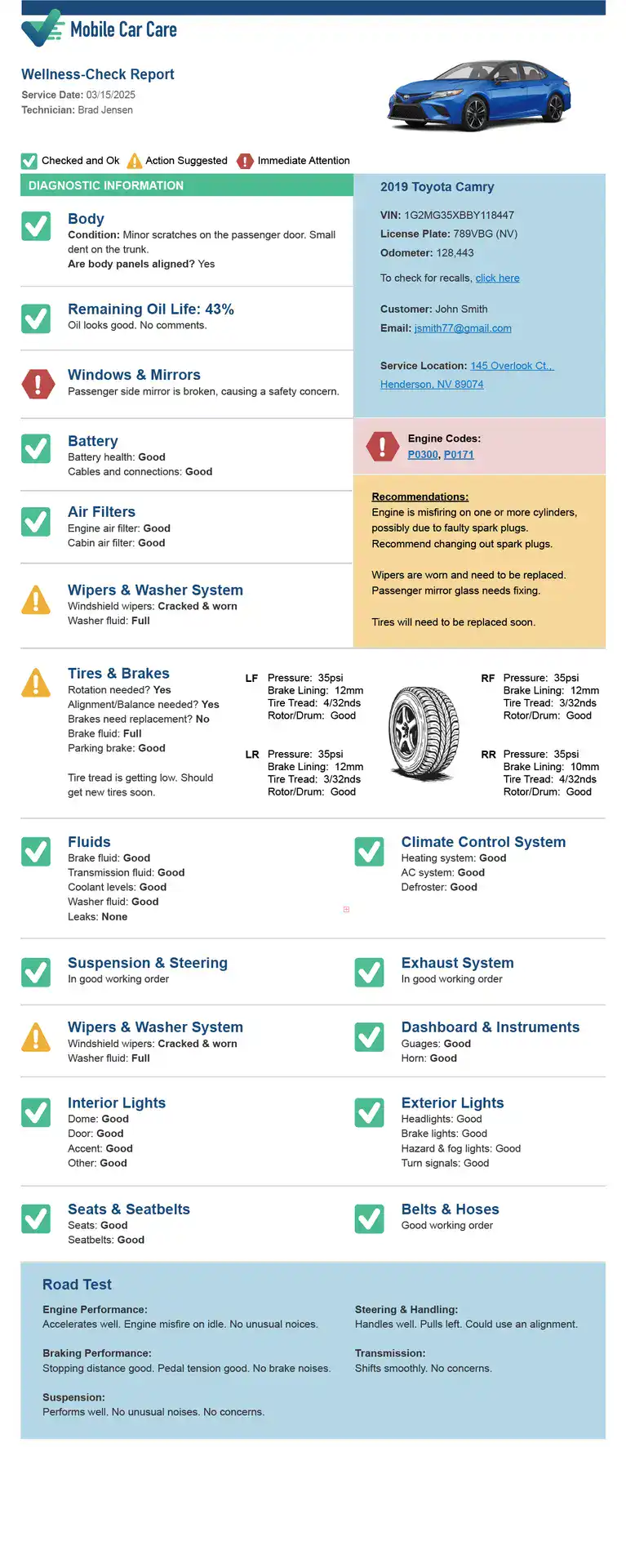
Once the inspection is complete, you shouldn’t be left wondering what was found. A key part of a professional service is a clear, detailed report that explains everything. Our Total Care plan provides a complete digital report with photos, notes, and easy-to-understand ratings for each checkpoint. This document acts as a health record for your vehicle, showing you exactly what was inspected, what’s in great shape, and what might need attention soon. It empowers you to make informed decisions about your car’s maintenance without any pressure or confusing technical jargon.
Checking Key Systems and Connections
Finally, a thorough inspection includes a careful check of all the vital systems that run through the undercarriage. Technicians meticulously inspect for any fluid leaks from the engine, transmission, differential, brake lines, and fuel lines. Even a small drip can signal a bigger problem, so catching it early is crucial for both your safety and your wallet. This final check ensures that all the essential connections are secure and that your car’s key systems are functioning exactly as they should be, giving you confidence that everything is in proper working order.
How Often Should You Schedule an Inspection?
Figuring out the right inspection schedule for your car isn’t a one-size-fits-all answer, but it’s also not a mystery. The key is to think about your car’s age, your driving habits, and where you live. A good rule of thumb is to have your undercarriage professionally inspected at least once a year. This simple step is one of the best ways to stay ahead of wear and tear.
Think of it like a regular health check-up. These routine inspections can save you a significant amount of money and stress by catching small issues before they turn into major, expensive repairs. By creating a consistent schedule, you’re not just maintaining your car; you’re investing in its longevity and your own peace of mind. A comprehensive service like our Total Care Plan is designed to make this process seamless, keeping your vehicle in top shape without disrupting your life.
Guidelines Based on Mileage and Use
A great starting point for scheduling an undercarriage inspection is to follow your mileage. Most mechanics recommend a thorough check every 12,000 to 15,000 miles, or at least once a year, whichever comes first. However, if you drive more than the average person—perhaps you have a long daily commute or use your car for ridesharing—you should consider more frequent inspections. The more time your car spends on the road, the faster its components will wear down.
Sticking to a regular schedule helps you find problems early, which is the secret to avoiding those shocking repair bills. An annual check-up can easily fit into your routine and ensures that critical parts like your suspension, exhaust, and frame are holding up as they should.
How Your Driving Environment Matters
Where you drive is just as important as how much you drive. If you live in an area with harsh weather or rough road conditions, your car’s undercarriage is taking a beating. Driving on roads treated with salt and de-icing chemicals in the winter can accelerate rust and corrosion at an alarming rate. Similarly, living near the coast exposes your vehicle to salty air, while driving on gravel or poorly maintained roads can cause physical damage.
If any of these situations sound familiar, you’ll want to schedule inspections more often than the standard annual recommendation. A twice-a-year check—once before winter and once after—is a smart strategy to stay on top of any potential damage from these tough environmental factors.
Preparing Your Car for the Season
Seasonal changes bring different challenges for your vehicle, making it a perfect time to schedule an undercarriage inspection. Before winter arrives, it’s wise to have a professional look underneath to ensure there are no vulnerabilities that road salt could worsen. A clean undercarriage makes it much easier to spot any developing issues, so a good wash followed by an inspection is an excellent pre-season ritual.
Once the snow and ice have melted, a post-winter check is just as crucial. This allows you to assess any damage that may have occurred and address it before it becomes a bigger problem. A simple Quick Check can give you the clarity you need to head into the new season with confidence.
When You Need an Inspection Immediately
Sometimes, your car will give you clear signals that something is wrong and needs immediate attention. Don’t ignore these red flags. If you hear any new or unusual noises like clunking, scraping, or rattling from under the car, it’s time to get it checked. The same goes for any changes in how your car feels, such as new vibrations, a shaky steering wheel, or the car pulling to one side.
You should also schedule an inspection right away if you’ve had a significant impact, like hitting a large pothole, a curb, or debris on the road. These events can cause immediate damage that might not be visible but can compromise your safety. Listening to your car and acting quickly are key to preventing a small issue from leading to a breakdown.
Maintaining Your Undercarriage Between Checks
A professional inspection is crucial, but what you do between those appointments makes a huge difference in your car’s long-term health. Think of it like visiting the dentist—your daily brushing and flossing are what really keep cavities at bay. The same principle applies to your vehicle. Simple, consistent habits can prevent minor issues from turning into major, expensive repairs. By paying a little attention to your car’s underbelly, you can extend its life, improve its performance, and drive with greater peace of mind. These small steps empower you to be a proactive car owner, ensuring your vehicle stays reliable for years to come.
The Importance of Regular Cleaning
It’s easy to forget about the parts of your car you don’t see, but keeping the undercarriage clean is a simple and effective piece of preventive maintenance. Dirt, mud, and road grime can trap moisture against the metal, which can lead to rust and corrosion over time. This is especially important if you live in an area where roads are salted in the winter. That salt is incredibly corrosive and can do serious damage if left sitting on your car’s frame and components. A quick rinse with a hose, especially after driving on muddy roads or during winter months, helps prevent the buildup of harmful materials and protects the vital parts of your vehicle from premature wear.
Smart Driving Habits to Prevent Damage
How you drive has a direct impact on the health of your undercarriage. While you can’t avoid every bump in the road, being mindful can significantly reduce wear and tear. Try to steer clear of potholes, drive slowly over speed bumps, and avoid scraping the bottom of your car on steep driveways or curbs. If you frequently drive on gravel or poorly maintained roads, the risk of damage from rocks and debris increases. Adopting smoother, more cautious driving habits is a free and easy way to protect your suspension, exhaust system, and other critical components. It’s one of the simplest ways to be a friend to your car (and your wallet).
What to Look for in Your Driveway
Your driveway can tell you a lot about your car’s health. Before you pull out for the day, take a quick look at the spot where your car was parked. Are there any new drips or puddles? Small spots are often the first sign of a fluid leak. You can even place a large piece of cardboard under your car overnight to get a clearer picture. Different colors can indicate different problems—black or brown could be engine oil, reddish-brown might be transmission fluid, and bright green or orange often points to a coolant leak. Catching these signs early allows you to address them before they lead to bigger, more complicated issues down the road.
Simple Care for Long-Term Health
Being proactive is always better than being reactive when it comes to car care. Instead of waiting for a strange noise or a warning light, a consistent maintenance schedule keeps your vehicle in top shape. This is where having a reliable system in place truly pays off. Our Essential Plan is designed for this exact purpose, providing regular wellness checks that catch potential problems before they escalate. This approach not only saves you from the stress of unexpected breakdowns but also helps maintain your car’s value and safety. A little bit of consistent care goes a long way in ensuring your vehicle runs smoothly for its entire lifespan.
Why Keeping Records Helps
Keeping a simple log of your car’s maintenance might sound tedious, but it’s one of the smartest things you can do as a car owner. When you have a record of every oil change, tire rotation, and inspection, you and your mechanic can easily spot patterns and anticipate future needs. For example, if you know a certain part tends to wear out around a specific mileage, you can plan for its replacement. At Mobile Car Care, we make this easy by providing a detailed digital report after every check. This report becomes your vehicle’s health history, empowering you to make informed decisions and stay on top of your car’s needs without any guesswork.
How to Choose the Right Inspection Service
Finding the right person to look under your car is just as important as the inspection itself. You’re trusting them with your vehicle’s safety and your peace of mind, so it pays to be a little picky. A great service doesn’t just tell you what’s wrong; it helps you understand your car’s health and gives you a clear path forward. The goal is to find a partner in your car’s care—someone who is thorough, transparent, and makes the entire process feel easy.
When you’re comparing options, think beyond the price tag. Consider their expertise, the technology they use, and the quality of their reports. A cheap inspection that misses a critical issue isn’t a bargain. The right service gives you confidence that every bolt, line, and component has been carefully checked by a professional who knows exactly what to look for. This helps you make informed decisions and keeps you in control of your vehicle’s maintenance schedule.
Find a Mechanic with the Right Expertise
You want a mechanic who does more than just follow a checklist. A true expert understands the why behind each inspection point and can spot subtle signs of wear that might lead to bigger problems down the road. They should be able to explain what they’re seeing in simple terms, so you’re not left guessing. A skilled technician can even help you estimate when certain parts might need replacing, allowing you to plan and budget for future maintenance instead of being caught by surprise. This proactive approach is what separates a standard check-up from a truly valuable service.
Ask About Their Tools and Technology
Modern vehicles are complex, and the tools used to inspect them should be, too. Ask a potential service provider about the technology they use. Do they rely on advanced diagnostic equipment to check for hidden issues? A service that uses modern tools is more likely to give you a precise and comprehensive assessment. More importantly, ask how they deliver their findings. A detailed digital report with photos and clear explanations is far more useful than a greasy, jargon-filled piece of paper. This kind of thorough documentation gives you a clear record of your vehicle’s health over time.
Understand the Service Options
Not all inspections are the same. Some services offer a basic, one-time check, while others provide ongoing maintenance plans. Think about what works best for your lifestyle and your vehicle. A one-time inspection, like our Quick Check, is great for a specific concern or before a long road trip. However, a recurring plan, like our Essential or Total Care subscriptions, ensures your car gets consistent attention. Implementing a regular maintenance schedule is the best way to identify potential issues before they become major, costly problems. This approach keeps your car running smoothly and saves you from stressful, last-minute repairs.
Look for High-Quality Standards
A professional service operates with high standards of quality and transparency. One of the best indicators of this is their reporting process. A quality inspection service will provide a detailed, easy-to-read report that outlines the condition of each component. This documentation is crucial because it creates a reliable history of your vehicle’s maintenance. It helps you track wear patterns over time and make smarter decisions about preventive care. Look for a service that takes pride in its thoroughness and is committed to giving you a complete picture of your car’s health, not just a quick once-over.
Consider the Overall Value
Finally, look at the complete picture. The best service isn’t always the cheapest—it’s the one that provides the most value. Value includes the mechanic’s expertise, the convenience of the service, the quality of the report, and the peace of mind you get from it. An on-site service that comes to your home or office saves you hours of waiting at a traditional garage. A detailed report that prevents a major breakdown saves you thousands in the long run. When you choose a service, you’re investing in your vehicle’s longevity and your own safety.
How to Read Your Inspection Report
Getting a detailed report about your car’s health is great, but it can feel like reading a different language. Don’t just file it away—this report is your roadmap to a safer, more reliable vehicle. When we perform an 85-point wellness check, our goal is to give you a clear picture of what’s going on under your car so you can make confident decisions. Think of it as a conversation starter about your car’s needs. Let’s walk through how to make sense of it all, so you know exactly what to do next.
What Do the Ratings Mean?
Most inspection reports use a simple color-coded system to make things easy: green, yellow, and red. Green means the component is in great shape and needs no attention. Yellow is a heads-up; the part shows some wear and will need attention in the future, but not immediately. Red indicates a problem that requires prompt action, often for safety reasons. These ratings help you identify wear patterns over time. By comparing reports from each service, you can see how parts are wearing and plan for replacements before they fail, which is key to avoiding surprise breakdowns.
Prioritizing Your Maintenance Needs
Your report is essentially a to-do list for your car, and the color codes help you set priorities. Always address the red items first. These are critical issues that could affect your safety, like worn-out brake pads or a serious fluid leak. Next, look at the yellow items. These are the things to budget and plan for in the coming months. Knowing a component is wearing down gives you time to prepare instead of being hit with an unexpected repair bill. Our recurring plans, like the Total Care Plan, are designed to help you manage these needs proactively and stay ahead of potential problems.
Understanding Repair Recommendations
Next to each yellow or red item, you’ll find a recommendation from your technician. This is the “what to do next” part of the report. It won’t just say “suspension issue”; it will specify what’s needed, like “replace front struts.” If you see a note like “adjust belt tension,” it’s a specific action needed to prevent bigger issues down the road. Don’t hesitate to ask questions if a recommendation is unclear. We want you to understand exactly what we’re suggesting and why it’s important for your vehicle’s health and performance.
Create a Plan for Preventive Care
Your inspection report is your best tool for creating a preventive care strategy. Use the yellow-rated items to build a long-term maintenance plan. For example, if your tires are starting to show wear, you know you’ll likely need a new set before winter. This allows you to research options and budget accordingly. Keeping a file of your past reports helps you and your technician track your vehicle’s history and make smarter decisions. A subscription like our Essential Plan ensures you get these regular updates, turning reactive repairs into a proactive, stress-free routine.
Related Articles
- Las Vegas Mobile Car Care: Your Complete Guide
- Vehicle Inspection in Henderson, NV
- Mobile Vehicle Inspection: Your Complete Guide
- 85-Point Inspection: What’s Included & Why It Matters
📋 Ready to Take the Next Step?
Choose the plan that fits your needs — or call 📞 (702) 329-8424 to talk with our team.
Total Care Plan
Recurring undercarriage inspections, oil changes, brake checks, and a full digital report — all at your door.
One-Time Review
Need a one-time deep dive? Our comprehensive vehicle review covers every undercarriage component.
Essential Plan
Regular wellness checks that include undercarriage, fluids, tires, and brakes — starting at less than an oil change.
Frequently Asked Questions
How is a professional undercarriage inspection different from what I can see myself? While a quick look in your driveway can help you spot obvious issues like a hanging part or a major leak, a professional inspection goes much deeper. A trained technician uses specific tools and follows a systematic process to check for things you can’t easily see, like hairline cracks in the frame, the precise amount of wear on brake components, or subtle corrosion in hard-to-reach areas. They know exactly what to look for and can identify early warning signs that might seem insignificant to an untrained eye.
My car is fairly new. Do I still need to worry about the undercarriage? Yes, absolutely. Undercarriage issues aren’t just for older vehicles. Potholes, road debris, and harsh weather can cause damage to a car of any age. For newer cars, regular inspections are about preservation. Catching a small issue, like a scraped component or the beginning of corrosion from road salt, helps you maintain your car’s condition and value from the start. It’s a proactive step that ensures your investment stays in great shape for the long haul.
What’s the single most important sign of an undercarriage problem I should watch for? If you have to pick just one thing, pay attention to new and unusual noises. Sounds like clunking when you go over bumps, scraping during turns, or a persistent rattling are your car’s way of telling you something is loose, broken, or worn out. While fluid leaks and visual damage are also important, a new sound is often the first indicator of a problem that needs immediate attention to ensure your safety.
How long does a mobile inspection typically take? A comprehensive wellness check, which includes the full undercarriage inspection, is thorough but efficient. You can generally expect the process to take about an hour. The best part is that since we come to you, that hour is spent on your terms. You can be working from home, spending time with family, or getting other things done instead of sitting in a waiting room at a garage.
Is an undercarriage check part of a standard oil change at a regular shop? Typically, no. A standard oil change service is usually very focused on just the oil and filter. While a mechanic might notice a major, obvious problem while the car is on the lift, they aren’t performing the systematic, detailed inspection that covers all the critical components of your undercarriage. A dedicated wellness check ensures that everything from your frame and exhaust system to your fluid lines and suspension gets the focused attention it needs.