
Walking into an auto parts store can feel like a pop quiz you didn’t study for, especially when you get to the wiper blade aisle. With dozens of brands, types, and sizes all promising a perfect wipe, it’s easy to feel overwhelmed and just grab the first box you see. But the right wipers make a huge difference in your visibility and safety, and choosing incorrectly can lead to annoying streaks or an improper fit. This guide is your cheat sheet. We’ll break down the three main types of blades, help you find the perfect size for your car, and walk you through a simple wiper blade replacement. Think of this as your clear, straightforward path to a streak-free windshield.
Key Takeaways
- Match the Blade to Your Climate and Car: The best wiper isn’t one-size-fits-all. Choose from conventional, beam, or hybrid styles based on your local weather, and prioritize durable materials and aerodynamic designs for a longer-lasting, streak-free performance.
- Get the Right Fit and Replace on Schedule: Using the correct blade size—found in your owner’s manual or online—is crucial for a clean wipe. Replace them every six to twelve months, or as soon as you notice streaking, skipping, or visible damage to the rubber.
- Proper Care and Installation Are Simple: You can extend the life of your wipers by cleaning them regularly and protecting them from extreme weather. Installation is a quick DIY job, but always protect your windshield with a towel and test the new blades before you drive.
Which Wiper Blade Brands Are Best?
Walking down the wiper blade aisle can feel a little overwhelming. With so many brands promising a streak-free shine, how do you know which one to trust? The truth is, the “best” brand often comes down to your specific needs, like the climate you live in and your budget. But some brands consistently stand out for their quality and performance. We’ve narrowed it down to a few of our favorites that have earned a reputation for reliability and innovation. Think of this as your cheat sheet for choosing a brand you can count on to keep your view clear, mile after mile.
Our Top Recommendations
When it comes to safety, you want parts you can depend on. That’s why we recommend brands that have a proven track record of excellence. The names on this list—Bosch, Rain-X, Michelin, and Trico—are all leaders in the industry, known for their durable materials and smart designs. Each one offers something a little different, whether it’s a water-repellent coating or an advanced beam design. Choosing the right one ensures you get the best performance for your car. And if you’d rather skip the research and installation, our Total Care Plan includes wiper blade replacement, so you can leave the details to us.
Bosch
Bosch is a huge name in the auto parts world, and for good reason. Their wiper blades are known for top-notch engineering and high-quality materials that deliver excellent performance in all sorts of weather. According to experts at AutoZone, the Bosch Icon line is a standout, featuring a modern beam design that hugs the curve of your windshield. This ensures even pressure across the entire blade, giving you a clean, quiet wipe every time. If you’re looking for a premium, long-lasting option that you can rely on through rain, sleet, or snow, Bosch is a fantastic choice.
Rain-X
If you live somewhere with a lot of wet weather, Rain-X is a brand you need to know. Their specialty is creating products that make driving in the rain safer and less stressful. Rain-X wiper blades are designed with a unique water-repellent technology that coats your windshield as they wipe. This causes water to bead up and roll right off, improving your visibility even when the wipers are resting. This innovative feature helps you see clearly and react faster to hazards on the road, making them a popular pick for drivers who prioritize safety in stormy conditions.
Michelin
You probably know Michelin for their tires, so it’s no surprise they know a thing or two about durable rubber. They bring that same expertise to their wiper blades, which are engineered for longevity and consistent performance. Michelin offers a wide range of blades designed for different driving needs, all featuring advanced rubber technology that provides a smooth, streak-free wipe. As a brand synonymous with quality, Michelin wiper blades are a reliable choice for drivers who want a product that will last and perform well through every season.
Trico
Trico has a long and impressive history—they actually invented the windshield wiper over a century ago. That legacy of innovation continues today, as they are recognized for their quality and reliability. Trico offers a huge variety of blade types, from traditional blades for older cars to modern beam blades for new models. This means you can almost always find a Trico blade that’s a perfect fit for your vehicle. The company also emphasizes the importance of selecting the correct size for the best possible performance, making them a trusted source for drivers everywhere.
The 3 Main Types of Wiper Blades
When it’s time to replace your wiper blades, you’ll quickly notice there isn’t just one type on the shelf. It can feel a bit like a pop quiz you didn’t study for. But don’t worry, it’s actually pretty simple once you know what you’re looking at. The main differences come down to design, performance, and price. Let’s walk through the three main types of wiper blades so you can confidently choose the right fit for your car, your budget, and the weather you drive in most often.
Conventional Blades
You’ve definitely seen these before. Conventional blades are the classic, old-school style with a metal frame that holds the rubber squeegee. Think of them as the reliable standard. They are the most budget-friendly option and are widely available, which makes them a popular choice. The main thing to remember with conventional blades is that they need to be replaced more frequently, typically every six months. The exposed frame can also collect ice and snow in the winter, which can affect their performance. They get the job done without any fuss, making them a solid pick if you’re looking for a straightforward, affordable solution.
Beam Blades
Beam blades have a more modern, sleek look. Instead of a metal frame, they are made from a single piece of rubber with a built-in spoiler. This design allows the blade to apply more uniform pressure across the entire windshield, giving you a much cleaner, streak-free wipe. Because there’s no external frame, they are fantastic in winter weather—no more chipping ice out of frozen joints! While they do cost more upfront than conventional blades, they often last about twice as long. Many drivers find the improved visibility and durability make beam blades a worthwhile investment for long-term performance.
Hybrid Blades
Can’t decide between conventional and beam? You don’t have to. Hybrid blades offer the best of both worlds. They start with the sturdy metal frame of a conventional blade for consistent pressure, but then add a protective, aerodynamic shell like a beam blade. This clever combination gives you the reliable performance of a traditional blade while preventing ice and snow from building up on the frame. They provide a great all-around performance in various weather conditions, making them a versatile and popular upgrade for many vehicles. Think of them as the dependable, all-season tire of the wiper blade world.
How to Find the Right Wiper Blade Size
Finding the right wiper blade size can feel like a guessing game, but it’s simpler than you think. The most important thing to remember is that the driver’s side and passenger’s side blades are often different lengths, so you’ll need to get the correct size for each. Using the wrong size can lead to streaks, missed spots, or even damage to the wiper motor or the blade itself.
Getting this small detail right ensures your new wipers clear your windshield effectively, giving you a safe and clear view of the road. If you’d rather skip the guesswork, a professional can handle this during a routine check. Our Quick Check Plan is perfect for taking care of small but important tasks like this right in your driveway. But if you’re ready to find the right size yourself, here are four easy ways to do it.
Check Your Owner’s Manual
Your car’s owner’s manual is the most reliable source for wiper blade specifications. Tucked away in the glove box, this guide has all the manufacturer-recommended details for your specific vehicle, including the exact lengths for the front and rear wipers. Just flip to the maintenance or specifications section to find what you need. This method takes all the uncertainty out of the process, ensuring you get the precise size your car was designed for. It’s the first place you should look for a guaranteed-to-fit answer without having to measure or search online.
Use an Online Size Finder
If you can’t find your owner’s manual, the internet is your next best friend. Most major wiper blade brands and auto parts retailers have online tools to help you find the right fit. You simply enter your car’s year, make, and model, and the tool will tell you the exact blade sizes you need. Reputable brands like Michelin offer a wiper blade finder that makes the process quick and painless. This is a great option if you’re shopping online or just want to confirm the sizes before heading to the store.
Measure Your Old Blades
For a hands-on approach, you can measure your existing wiper blades. Grab a tape measure and measure each blade from one end of the rubber strip to the other. Be sure to measure both the driver’s and passenger’s side blades, as they are usually different lengths, and don’t forget the rear wiper if you have one. Round the measurement to the nearest inch. This is a great way to double-check the information you found in your manual or online, giving you extra confidence that you’re buying the correct replacements for your car.
Match the Attachment Type
Besides getting the length right, you also need to make sure the new wiper blade can connect to your car’s wiper arm. There are several different attachment types, with the most common being the hook, pin, and clip-on styles. Before you throw away your old blades, take a close look at how they attach to the wiper arm. An easy trick is to snap a quick photo with your phone. This way, when you’re at the store, you can compare the connection point on the new blades to your photo to ensure a perfect match and a smooth installation.
Is It Time to Replace Your Wiper Blades?
Wiper blades are one of those car parts we rarely think about—until we’re caught in a sudden downpour and can barely see the road. Since clear visibility is non-negotiable for safe driving, knowing when to swap out your old wipers is key. It’s not just about how old they are; it’s about how well they perform.
Thankfully, your car will give you some pretty clear signals when it’s time for a change. You just have to know what to look for and listen for. Paying attention to a few signs of wear, their performance during a storm, and even the changing seasons will tell you everything you need to know. This is exactly the kind of thing we check during our Essential Plan maintenance visits, catching small issues before they become big problems.
Look for Signs of Wear
The easiest way to check your wipers is to give them a quick visual inspection. Lift the blades off your windshield and run your finger along the rubber edge. Is it smooth and flexible, or does it feel brittle and cracked? The rubber squeegee can dry out and harden over time, leading to damage.
You should also look for specific problems like peeling rubber, a bent or damaged frame, or a squeegee that’s splitting away from the blade. If you notice any of these issues, it’s a definite sign that your wipers have reached the end of their life and won’t be able to make clean, consistent contact with your windshield.
Watch for Poor Performance
Sometimes, wipers look fine but just don’t work well anymore. If you turn them on and they leave behind streaks, smears, or large patches of water, their clearing edge is worn out. This is more than just an annoyance; it can seriously impair your vision in heavy rain or snow.
Another performance issue is “skipping,” where the blade chatters and bounces across the windshield instead of gliding smoothly. This often happens when the rubber has developed a curve from not being used enough. Worn-out wipers can also damage your windshield by dragging dirt across the glass, potentially scratching it or pushing debris into tiny, existing cracks.
Consider the Season
Where you live and drive plays a big role in how long your wiper blades last. If you’re in a climate with harsh weather—think heavy rain, ice, snow, or even extreme heat and sun—your blades will wear down much faster. The sun’s UV rays can degrade the rubber, while ice and snow can cause it to tear.
Because of this, it’s a good idea to inspect your wipers at the beginning of each new season. You can help them last longer by regularly cleaning the rubber edge with a cloth and some warm, soapy water. If you’d rather not add another task to your to-do list, our Total Care Plan includes proactive checks to make sure your car is ready for whatever the season brings.
Your Step-by-Step Guide to Wiper Blade Installation
Changing your own wiper blades is one of those car maintenance tasks that feels incredibly satisfying to do yourself. It’s quick, straightforward, and instantly improves your driving visibility and safety. While it might seem intimidating at first, it really just comes down to a few simple moves. We’ll walk through everything you need to know, from making sure you have the right parts to testing your work. Think of it as a five-minute upgrade for your car.
Of course, if you’d rather leave it to the pros, we’re always here to help. Our technicians can swap out your old blades during any of our on-site wellness checks, ensuring you have a perfect, streak-free view of the road ahead.
Get Ready for Installation
A little prep work makes any job go smoother, and this one is no different. Before you even open the packaging, the most important thing is to confirm you have the correct size of wiper blades for your vehicle. We covered how to find the right size in the previous section, so just give your new blades a quick double-check against your car’s requirements.
Once you’ve confirmed the size, grab a small towel or a piece of thick cardboard. You’ll want to place this on your windshield where the wiper arm rests. This is a simple but crucial step to protect your glass from accidental cracks or chips if the metal arm snaps back during the installation.
Follow These Simple Steps
With your new blades and a towel ready, you’re set to make the swap. It’s a good idea to change one blade at a time so you can use the other as a reference if you get stuck.
- Lift the wiper arm: Gently pull the wiper arm away from the windshield until it locks in an upright position.
- Unclip the old blade: Look for a small tab or button where the blade connects to the arm. Press it down and slide the old blade off the hook-shaped arm. It might take a little wiggle, but it should come off easily.
- Clip in the new blade: Slide the new wiper blade onto the arm in the same way you removed the old one. You should hear a distinct “click” when it locks securely into place. Give it a gentle tug to make sure it’s attached firmly.
- Lower the arm: Carefully lower the wiper arm back onto the windshield.
Avoid These Common Mistakes
This process is pretty forgiving, but there are a few common slip-ups to watch out for. The most frequent mistake is simply buying the wrong size blades, which is why we stress double-checking before you start. Another big one is letting the bare metal wiper arm snap back against the windshield—it’s an easy way to get a costly crack. Always use a towel for protection.
It’s also a mistake to wait until your wipers are completely useless to replace them. Pay attention to the early signs of wear, like streaking, which happens when the rubber dries out and cracks, or skipping, where the blade chatters across the glass. Addressing these issues early keeps your vision clear in unexpected rain.
Test Your New Wipers
You’re almost done! The final step is to give your new wipers a quick test run. Don’t wait for the next rainstorm—just use your windshield washer fluid. Turn them on and watch to make sure they move smoothly and quietly across the glass, leaving a clear, streak-free path. If you see any smearing or hear any chattering, double-check that the blade is clipped in securely.
This simple check ensures they’re ready when you need them most. And remember, even the best blades wear out. Plan on replacing them every six months to a year to maintain optimal performance. If you’d rather have one less thing on your to-do list, our Essential Plan includes wiper checks to keep you prepared for any weather.
What to Look for When Buying Wiper Blades
When you walk down the auto parts aisle, the sheer number of wiper blade options can feel overwhelming. It’s tempting to just grab the cheapest pair and call it a day, but not all blades are created equal. The right wipers can make a world of difference for your visibility and safety on the road. Investing a little thought into your purchase ensures you get a product that performs well and lasts longer, saving you from having to replace them again in just a few months.
Think of it like buying a good pair of rain boots—you want something that will actually keep your feet dry when you need it most. The same principle applies to your windshield. Key factors like the blade material, its ability to handle different weather conditions, the overall design, and the sturdiness of the frame all play a huge role in how effectively your wipers clear away rain, snow, and debris. Let’s break down exactly what you should be looking for to make a smart choice.
Blade Material and Coatings
The part of the wiper that actually touches your windshield is a rubber squeegee, but the quality of that rubber matters. Basic blades use natural rubber, which works fine but can wear down more quickly from sun exposure and use. For better performance and a longer lifespan, look for blades made from synthetic or silicone-infused rubber. Many top brands also offer special features like silicone coatings that help the blade glide smoothly and quietly across the glass. These advanced materials resist drying out and cracking, giving you a streak-free wipe for much longer.
All-Weather Performance
Your wipers need to be ready for anything, from a light drizzle to a sudden downpour or a slushy winter storm. That’s why choosing blades designed for all-weather performance is so important. These wipers are built to withstand extreme temperatures and precipitation without losing their flexibility or effectiveness. A good all-weather blade will maintain firm, even contact with your windshield whether it’s clearing away summer rain or winter ice. This ensures you always have the best possible visibility, no matter what the forecast throws at you.
Aerodynamic Design
Have you ever noticed your wipers lifting off the windshield when you’re driving at highway speeds? That’s a common problem with older, conventional designs. Modern beam blades, however, feature a sleek, aerodynamic design that helps prevent this. Built from a single piece of rubber, they have an integrated spoiler that uses wind force to press the blade firmly against the glass. This ensures a clean, consistent wipe even in windy conditions. While they might cost a bit more upfront, their superior performance and longer lifespan make them a great investment.
Frame Durability
The frame is the backbone of your wiper blade, holding the rubber element in place and ensuring it applies even pressure across your windshield. Cheaper blades often use flimsy plastic frames that can warp or break over time, leading to chattering, streaking, or missed spots. For better results, look for wipers with sturdy metal or hybrid frames. These durable constructions are built to last and can withstand the elements without losing their shape. A solid frame provides the stability needed for a smooth, effective wipe every single time.
How to Make Your Wiper Blades Last
New wiper blades are great, but you can keep them working effectively for longer with a little bit of care. Taking a few simple steps can extend their lifespan, which saves you money and ensures you have a clear view of the road when you need it most. Think of it as simple preventative maintenance—just like checking your tire pressure or oil levels. Adding these small habits to your routine will make a noticeable difference in how your wipers perform over time.
If you’re short on time, having a professional take a look is always a great option. During our routine wellness checks, like those included in our Essential Plan, we inspect your wiper blades for wear and tear, so you have one less thing to worry about. But if you want to handle it yourself, here are four easy ways to get more life out of your blades.
Clean Them Regularly
Your windshield collects a lot of dirt, dust, and grime, and so do your wiper blades. When that buildup is dragged across your glass, it not only causes annoying streaks but also wears down the delicate rubber edge of the blade. To keep them in top shape, simply wipe the rubber blades with a damp cloth every few weeks. You can also use a little windshield washer fluid on the cloth to help break down any stubborn residue. It’s an easy habit to add to your car wash routine and takes less than a minute.
Protect Them from the Elements
Extreme weather is tough on your car, and your wiper blades are no exception. The sun’s UV rays can dry out and crack the rubber, while freezing temperatures can make it brittle. Whenever possible, try to park in a garage or a shady spot to shield your blades from direct sunlight. In the winter, lift your wipers off the windshield before a snow or ice storm. This simple trick prevents them from freezing to the glass, which can tear the rubber when you try to free them. A little protection goes a long way.
Never Run Them on a Dry Windshield
It can be tempting to flick on your wipers to clear a bit of dust, but running them on a dry windshield is one of the fastest ways to ruin them. Without lubrication, the friction can damage the rubber edge, leading to premature wear and streaking. Always spray washer fluid first to give the blades a slick surface to glide across. This not only protects your wipers but also prevents fine scratches from being dragged across your windshield. Make it a habit to hit the washer button before the wipe button.
Prep for Winter Weather
If you live somewhere with harsh winters, your all-season blades might not be up to the task. Heavy snow and ice can overwhelm standard wipers, causing the frames to clog or freeze. For better performance and durability, consider switching to winter-specific wiper blades. These blades are built tougher, often with a protective rubber shell that prevents ice from building up on the joints. They provide the heavy-duty clearing power you need to maintain visibility during a storm, making your winter drives much safer.
Finding the Best Deals on New Wiper Blades
Getting a good price on new wiper blades is about finding the right balance between cost, quality, and convenience. You don’t have to spend a ton of time hunting for a deal, but a little know-how can save you money and ensure you get a product that lasts. Whether you prefer the ease of online shopping, the speed of a local store, or the peace of mind that comes with professional installation, there’s a perfect option for you. The key is to figure out what you value most—the lowest price, immediate availability, or a completely hands-off experience. Let’s walk through the best places to look so you can make a smart choice without the hassle.
Shop Online Retailers
One of the easiest ways to find wiper blades is by shopping online. Major retailers and specialty sites offer a huge selection, often at very competitive prices. The best part is the convenience of their vehicle-matching tools. When you shop for wiper blades online, you can find the right ones for your car by entering its make, model, and year on their website. This takes the guesswork out of finding the perfect fit. While you’ll have to wait for shipping and handle the installation yourself, the combination of price and selection makes online shopping a fantastic option for those who like to plan ahead.
Check Local Auto Parts Stores
If you need new wipers right away, your local auto parts store is the way to go. You can walk in, find what you need, and have your new blades in hand within minutes. Many stores also offer helpful services to make things even easier. For example, you can often find same-day pickup options if you order online, which lets you secure your parts before you even leave the house. The staff can also be a great resource if you have questions about which brand or type of blade is best for your car and local climate.
Let a Professional Handle It
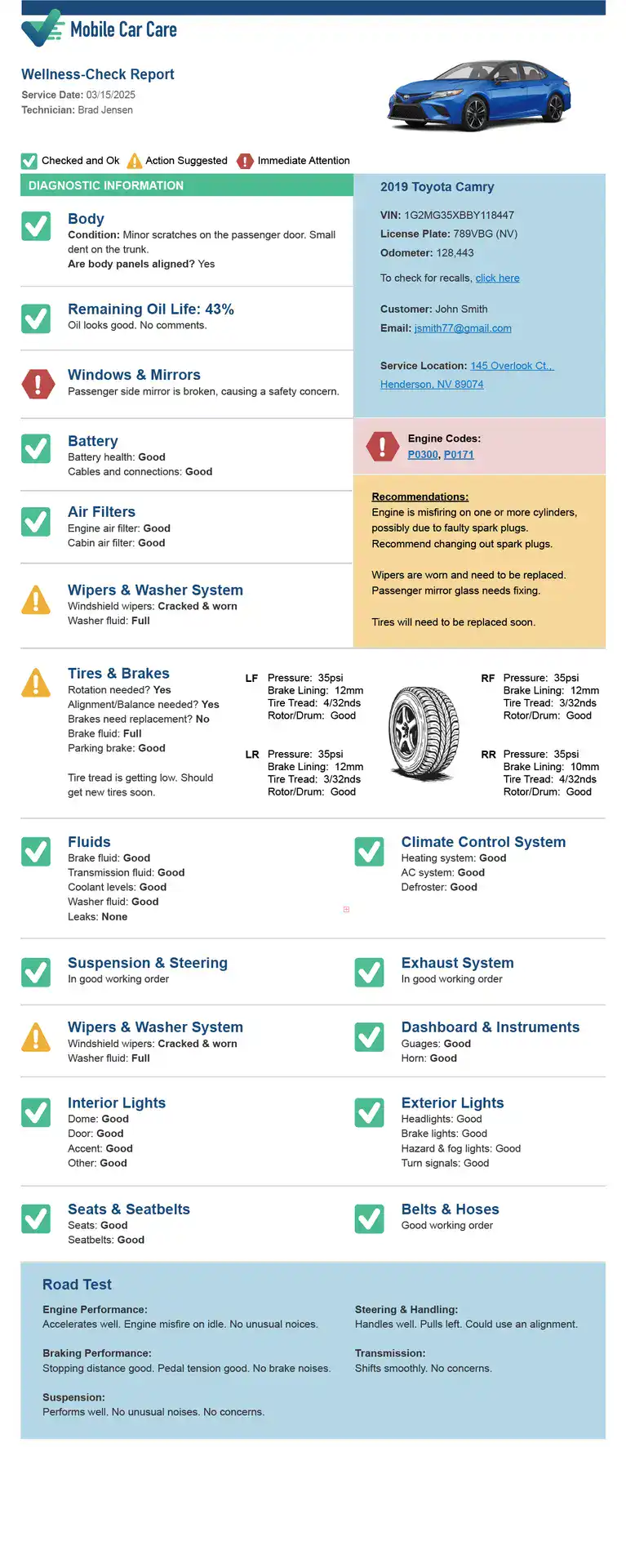
Let’s be honest—sometimes you just don’t have the time or desire to deal with car maintenance, even for something as simple as wiper blades. If you prefer not to change the wiper blades yourself, you can let a professional handle it. This ensures the installation is done correctly, which saves you time and guarantees your new wipers will perform at their best. It’s the ultimate stress-free solution. At Mobile Car Care, we check your wipers as part of our comprehensive vehicle wellness checks. If they need replacing during our Total Care Plan service, we can take care of it right there on the spot, giving you one less thing to worry about.
Related Articles
- The Complete Windshield Wiper Replacement Guide – Mobile Car Care
- Easy Car Maintenance at Home: Your DIY Guide – Mobile Car Care
- Your Guide to Easy Engine Air Filter Replacement – Mobile Car Care
Frequently Asked Questions
How often should I really be replacing my wiper blades? While the general rule of thumb is every six to twelve months, it’s better to think about performance rather than a strict calendar. If your blades start streaking, skipping, or making chattering noises, it’s time for a new pair, regardless of how long they’ve been on your car. Your local climate also plays a huge role; intense sun and icy winters will wear down the rubber much faster, so you may need to replace them more frequently.
Is it really worth paying more for premium wiper blades? In most cases, yes. While budget-friendly conventional blades get the job done, you’re paying for better technology and materials with a premium blade. More expensive beam or hybrid blades are designed to apply more even pressure to your windshield, which gives you a much cleaner, streak-free wipe. They are also typically made from more durable rubber compounds that last longer, so you may find you’re actually saving money by not having to replace them as often.
My new wipers are already streaking. What’s the problem? This is a common and frustrating issue, but it’s usually an easy fix. Before you assume the blades are defective, give your windshield a thorough cleaning to remove any stubborn grime or residue that could be causing the streaks. You should also wipe down the new rubber blades with a damp cloth. If that doesn’t work, double-check that the blade is fully clicked into place on the wiper arm, as a loose connection can affect performance.
Do I actually need special winter wiper blades? If you live in an area that gets significant snow and ice, they are a fantastic investment in your safety. While all-season blades can handle light winter weather, they can struggle with heavy, wet snow. Winter blades are built with a more rugged frame and are often covered in a rubber shell that prevents ice from building up in the joints. This design helps them stay flexible and maintain proper contact with the glass, even in the worst conditions.
Besides the right size, what’s the most important thing to check before buying? You absolutely need to make sure the new blade’s attachment mechanism matches your car’s wiper arm. Not all cars use the same type of connector; the most common are a simple hook or a pin-style attachment. The easiest way to avoid any frustration is to take a quick photo of how your old blade connects to the arm before you head to the store or shop online. This way, you can be certain you’re buying a replacement that will clip on perfectly.