
The idea of working on your own car can feel intimidating, but some tasks are surprisingly simple, quick, and incredibly satisfying. If you’ve ever wanted to get more hands-on with your vehicle’s maintenance but didn’t know where to start, the engine air filter replacement is the perfect entry point. It requires minimal tools, takes less than 15 minutes, and gives you an immediate sense of accomplishment. This one small task can save you money, improve your car’s performance, and build your confidence to tackle other simple maintenance jobs. It’s the ultimate DIY win for any car owner.
Key Takeaways
- A Clean Filter Protects Your Engine and Your Wallet: This simple part stops harmful debris from damaging sensitive engine components and ensures the right air-to-fuel mix. Keeping it clean directly supports better fuel economy and prevents expensive future repairs.
- Use Your Eyes, Not Just the Calendar: While mileage is a helpful guideline, the most reliable way to know if your filter needs changing is to perform a quick visual check. If the filter is dark and you can’t see light through it, it’s time for a new one.
- The Correct Part is Crucial for Success: Using the wrong size or a low-quality filter can do more harm than good by failing to create a proper seal. Always confirm the exact part number for your vehicle to ensure effective filtration and engine protection.
What Does an Engine Air Filter Actually Do?
Think of your car’s engine air filter as its lungs. It’s a simple but vital part that ensures your engine breathes clean air, which is essential for it to run properly. A clean filter protects your engine, helps with fuel efficiency, and keeps your car performing at its best. Let’s break down exactly what this small part does for your vehicle.
How It Protects Your Engine
Your engine needs a precise mix of air and fuel to create combustion. For every gallon of gas it burns, it sucks in thousands of gallons of air from outside. That air is filled with dust, dirt, pollen, and other debris you don’t want anywhere near your engine’s sensitive internal parts. The air filter’s job is to trap these contaminants before they can cause damage. Without a clean filter, tiny abrasive particles could scratch pistons and cylinder walls, leading to poor performance and potentially expensive repairs down the road. Keeping a fresh filter in place is one of the easiest ways to protect your engine and extend its life.
The Link Between Your Filter and Fuel Efficiency
Have you noticed you’re stopping for gas more often than you used to? A dirty air filter might be the reason. When a filter gets clogged with dirt, it restricts the amount of air that can get to the engine. This forces the engine to work harder and burn more fuel to compensate for the lack of oxygen. This inefficiency can significantly reduce your gas mileage, costing you more money at the pump. Swapping out a dirty filter is a quick and inexpensive way to help your engine breathe easier, which can restore lost power and improve your fuel economy.
Telltale Signs of a Clogged Filter
Your car will usually give you a few hints when its air filter needs attention. Besides a drop in fuel efficiency, you might notice your engine idling roughly or having trouble starting. Black smoke coming from the exhaust pipe is another classic sign, indicating that the fuel isn’t burning completely because of insufficient air. You may even hear strange sounds from the engine as it strains to draw in air. The easiest way to check is to do a quick visual inspection. If you pull the filter out and can’t see light through it, it’s definitely time for a replacement. If you’d rather leave it to an expert, our Essential Plan includes a full vehicle wellness check where we inspect your filter for you.
When Should You Replace Your Air Filter?
Knowing when to replace your engine air filter can feel like a guessing game, but it doesn’t have to be. While your car’s manual gives you a general timeline, your actual driving habits and environment play a huge role. Think of the manufacturer’s recommendation as a starting point, not a strict deadline. The best approach is to pay attention to a few simple signs from your car and the filter itself.
Instead of just waiting for the 15,000-mile mark to roll around, you can look for real-world clues that tell you it’s time for a change. From a quick visual inspection to noticing subtle shifts in your car’s performance, you can get a much more accurate sense of your filter’s health. Combining these observations with the recommended mileage will help you replace your filter at the perfect time—not too early and definitely not too late. This proactive approach keeps your engine running smoothly and can even save you money on fuel in the long run.
A Quick Visual Check
One of the easiest ways to know if your filter needs changing is to simply look at it. You don’t need to be a mechanic to do this. In most cars, the air filter is in a black plastic box that’s easy to open with a few clips or screws. Once you have it out, hold it up to a light source. If you can see light shining through the pleated paper, it’s still in decent shape. If it’s clogged with dirt and debris and looks dark or you can’t see any light, it’s time for a new one. This simple, five-minute check gives you a clear and immediate answer.
Listen to Your Car: Performance Clues
Your car will often tell you when its air filter is getting clogged. Since a dirty filter restricts airflow to the engine, it has to work harder to get the air it needs to run efficiently. You might notice your car feels a bit sluggish when you accelerate or that your fuel economy isn’t what it used to be. A dirty air filter can make the engine burn too much gas, which wastes fuel and increases emissions. If you feel like you’re stopping for gas more often than usual, a clogged air filter could be the culprit. Replacing it will help your engine run better and breathe freely again.
Follow the Mileage and Time Rules
As a general rule of thumb, it’s a good idea to check your air filter every 12,000 to 15,000 miles. This is the standard recommendation for most vehicles and a great baseline to follow. You can find your car’s specific schedule in the owner’s manual. Some high-quality filters are designed to last much longer, but it’s still wise to inspect them regularly. If you’d rather not keep track of mileage intervals yourself, a recurring maintenance plan can handle it for you. Our Essential Plan includes routine checks to ensure small things like your air filter are taken care of before they cause bigger issues.
How Your Driving Environment Plays a Role
Where you drive matters just as much as how much you drive. If your daily commute involves dusty roads, construction zones, or areas with high pollen and pollution, your air filter is going to get dirty much faster than someone driving in a cleaner environment. Living on a gravel road or in a rural area can significantly shorten your filter’s lifespan. In these cases, you might need to check it more frequently than the standard mileage guidelines suggest—perhaps every six months or so. Adjusting your maintenance schedule based on your specific conditions is a smart way to keep your car in top shape.
How to Pick the Perfect Air Filter
Walking into an auto parts store or browsing online can feel overwhelming with all the air filter options available. They all look pretty similar, but the right choice can make a real difference for your car’s health and performance. Picking the perfect filter isn’t about finding the most expensive one; it’s about finding the one that’s right for your specific vehicle and driving habits. Let’s break down what you need to look for so you can choose with confidence.
Understanding Filter Types and Materials
The most important job of an air filter is to stop contaminants from getting into your engine. Its ability to do this is called filtration efficiency—the percentage of dust, dirt, and other gunk the filter successfully traps. A higher efficiency rating means better protection for your engine. Most filters are made from pleated paper or cotton gauze. Paper filters are affordable and do a great job for everyday driving, while reusable cotton filters can offer higher performance but require regular cleaning. For most drivers, a high-quality disposable paper filter is the perfect balance of performance and convenience.
Comparing Top Brands and Features
When you’re comparing filters, look beyond the price tag. Consider the filter’s expected lifespan, how easy it is to install, and its overall impact on performance. It’s a good idea to read reviews and compare different brands to see what other drivers with your type of car are saying. Your local climate also plays a role; if you live in a particularly dusty or polluted area, you’ll want a filter that’s up to the challenge. A little research now can save you from potential engine trouble later.
Balancing Quality and Price
It’s always tempting to grab the cheapest option on the shelf, but this is one area where you don’t want to cut corners. A low-cost, low-quality filter can let harmful particles into your engine, leading to poor performance and potentially expensive repairs down the road. Investing a few extra dollars in a high-quality filter is a smart move for your engine’s long-term health. Think of it as preventative care for your car. A well-made filter from a reputable brand provides peace of mind and helps your engine run smoothly.
Match the Filter to Your Car’s Specs
This might be the most critical step of all. Cars can be particular, and an air filter that fits one model won’t necessarily work for another. The best way to find the right part is to check your vehicle’s owner’s manual. It will tell you the exact type of filter you need and the recommended replacement schedule. Using the wrong size or type of filter can create a poor seal, allowing dirty air to bypass the filter completely. If you’re ever unsure, our technicians can verify you have the right filter during a Quick Check service.
Your Step-by-Step Guide to Replacing an Air Filter
Ready to get your hands a little dirty? Changing your engine air filter is one of the easiest and most satisfying DIY car maintenance tasks you can do. It doesn’t require a lot of time or specialized equipment, and it can make a real difference in your car’s performance and fuel economy. Think of it as letting your car breathe a little easier. Following these simple steps will have you feeling like a pro in no time. Let’s walk through the process together, from start to finish.
Gather Your Tools and Materials
First things first, let’s get everything you need in one place. You won’t need much! The most important item is, of course, the new air filter that’s specifically designed for your car’s make and model. You’ll also likely need a screwdriver (Phillips or flathead) or a small socket set to open the air filter housing. It’s also a good idea to have a small cloth or shop rag for cleaning out the housing and a pair of gloves if you want to keep your hands clean. That’s it! Having everything ready before you pop the hood makes the whole process go smoothly.
Find Your Car’s Air Filter
Now, let’s find that filter. Open your car’s hood and look for a large, black plastic box located either on top of or to the side of the engine. This is the air filter housing. It’s connected to the engine by a large rubber hose. If you’re having trouble spotting it, don’t worry. Your best friend here is your owner’s manual. It will have a diagram showing you exactly where the air filter is located. It’s always a good idea to check your owner’s manual anyway, as it will confirm the correct filter type and the recommended replacement schedule for your specific vehicle.
How to Remove the Old Filter
With the engine off and cool, it’s time to open the air filter housing. You’ll see that the cover is held in place by either clips you can undo by hand or a few screws. Simply unfasten them and lift the cover off. Inside, you’ll see the old filter. Just lift it straight out. Before you move on, take your cloth and wipe out the inside of the housing. You might find leaves, dirt, or other debris in there, and you definitely don’t want that getting into your engine. A clean housing ensures your new filter can do its job properly from the start.
How to Install the New Filter
This part is as simple as putting a puzzle piece in place. Take your new filter and place it inside the clean housing. Most filters are designed to fit perfectly in only one direction, so you can’t really get it wrong. Just make sure it’s seated snugly and the rubber rim creates a complete seal all the way around. Once the filter is in, put the cover back on the housing and secure it with the clips or screws you removed earlier. Make sure the cover is on tight to prevent any unfiltered air from sneaking past the filter and into your engine.
Final Safety Checks
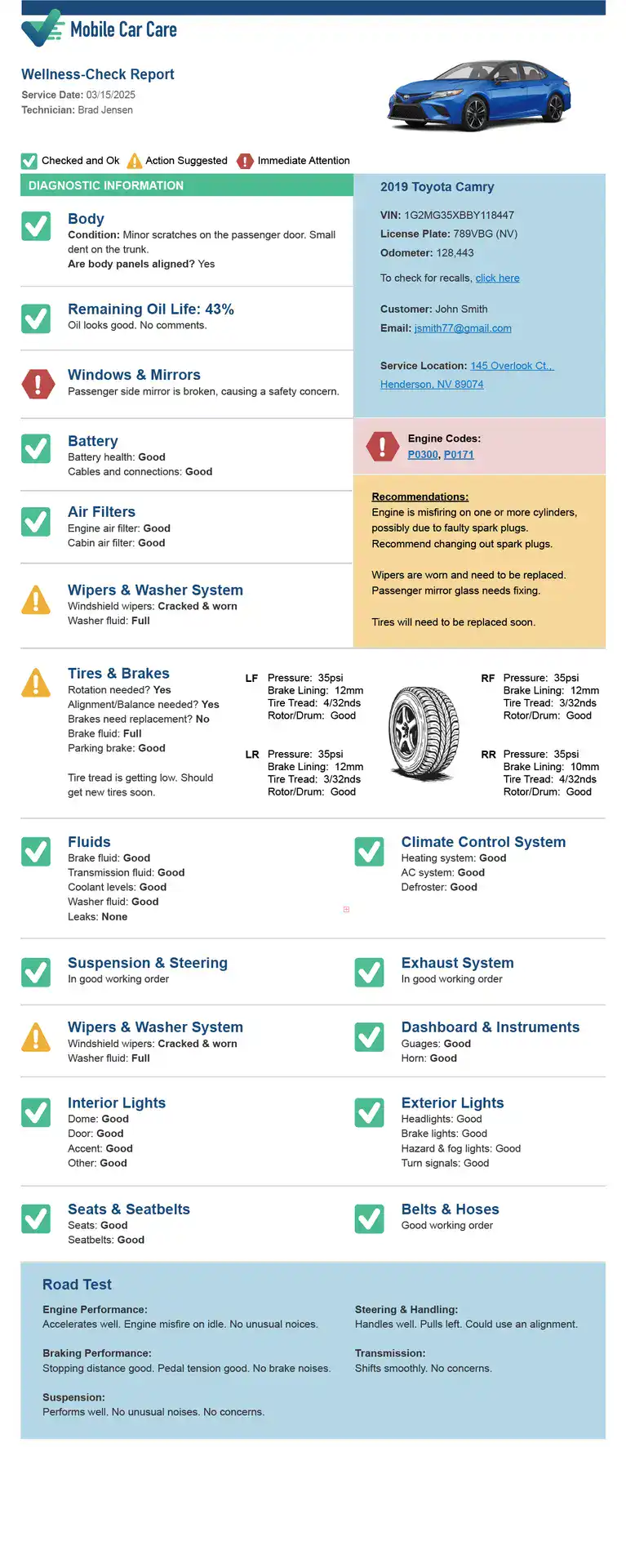
You’re almost done! Before you close the hood, do one last quick scan of the engine bay. Make sure you haven’t left any tools, rags, or even the old filter behind. You don’t want anything rattling around in there once you start driving. After you’ve confirmed the coast is clear, you can start the engine. Let it run for a minute to make sure everything sounds normal. If this process feels like a bit much, or you’d just rather have an expert handle it, our Essential Plan includes a full 85-point wellness check where we take care of things just like this for you.
Should You DIY or Call a Pro?
Deciding whether to change your engine air filter yourself or call a professional comes down to a few key factors: cost, time, and your personal comfort level. Unlike more complex car repairs, replacing an air filter is one of the most accessible maintenance tasks you can tackle. It’s a great entry point if you’re looking to get more hands-on with your vehicle’s upkeep.
However, just because you can do something doesn’t always mean you should or even want to. Your time is valuable, and sometimes, the peace of mind that comes with having an expert handle it is worth every penny. Let’s break down the pros and cons to help you figure out the best route for you and your car.
Comparing the Costs
If you’re looking to save a little money, a DIY air filter replacement is a fantastic option. The filter itself is usually inexpensive, often costing between $15 and $30. Since the job typically doesn’t require special tools and takes just a few minutes, your main saving is on labor costs. A repair shop might charge anywhere from $40 to $100+ for the part and installation, so you can see how the savings add up. For a simple task, doing it yourself is a clear financial win and a great way to keep your maintenance budget in check without cutting corners on quality.
How Much Time Will It Take?
One of the biggest perks of changing your own air filter is how quick the job is. For most vehicles, the entire process takes less than 10 minutes. All you have to do is locate the air filter housing in the engine bay (it’s usually a black plastic box with clips or screws), open it, swap the old filter for the new one, and secure the housing. When you compare that to the time it takes to schedule an appointment, drive to a garage, wait for the service, and drive back, the DIY approach is a major time-saver.
What Skills Do You Need?
You don’t need to be a seasoned mechanic to change an engine air filter. This is widely considered a beginner-level task. If you can open a container and replace what’s inside, you have all the skills required. The most important step is ensuring you buy the correct filter for your car’s specific make, model, and year. Your owner’s manual or a quick search at an auto parts store can confirm the right part number. It’s a straightforward job that builds confidence and helps you become more familiar with what’s under your hood.
When to Let an Expert Handle It
While changing an air filter is simple, sometimes life is just too busy. If you’re juggling work, family, and a never-ending to-do list, even a 10-minute task can feel like too much. Or maybe you’d just rather not deal with it, and that’s perfectly fine! The convenience of having a professional handle it ensures the job is done right without you having to lift a finger. This is where a service like our Essential Plan comes in handy. We can take care of it during a routine wellness check right in your driveway, giving you back time and providing total peace of mind.
Where to Buy Your Next Air Filter
You’ve decided to replace your air filter—great! Now, where do you actually get one? You have a few solid choices, and the best spot for you really depends on what you value most: speed, price, or getting an exact match for your car. Each option has its perks, whether you prefer getting advice in person, scoring a deal online, or going straight to the source for a guaranteed fit. Think about what’s most important for your situation. Are you in a hurry and need the part today? Or do you have a few days to wait for a better price? Knowing your priorities will make the decision much easier.
The good news is that engine air filters are widely available, so you won’t have trouble finding one. The challenge is simply picking the right source for your needs and budget. We’ll walk through the pros and cons of each place, from your neighborhood auto shop to online retailers and your car’s dealership. Of course, the most convenient option is to let us handle it for you during a Mobile Car Care wellness check, saving you the trip entirely. But if you’re tackling this yourself, here’s a breakdown of your main options so you can find the perfect part with confidence.
Your Local Auto Parts Store
For immediate needs and helpful advice, your local auto parts store is a fantastic resource. Places like AutoZone carry a wide range of filters from trusted brands like FRAM and K&N, and you can walk out with the part in hand the same day. The staff can look up your vehicle and help you find the exact filter you need, which is a huge plus if you’re feeling unsure. This is also a great way to see the filter and check its quality before you buy. Many stores even offer curbside pickup, blending convenience with hands-on help. It’s the perfect choice when you want to get the job done right away.
Shopping Online
If you’re looking to save a few dollars and you know exactly what part you need, shopping online is the way to go. Websites like Rockauto often have competitive pricing because they don’t have the overhead of a physical storefront. You can browse a massive selection and have the filter delivered right to your door. The key here is to be certain about the part number. Double-check your owner’s manual or the old filter itself to ensure you’re ordering the correct one for your car’s make, model, and year. This option requires a little planning for shipping time, but the savings can be worth it if you’re not in a rush.
Buying from the Dealership
When you want a guaranteed perfect fit, the dealership is your best bet. They will provide you with an Original Equipment Manufacturer (OEM) part, which is the exact same one your car had when it left the factory. This is often the most expensive option, but it completely removes any guesswork about compatibility or quality. If your car is still under warranty or if you simply prefer using parts made specifically for your vehicle, this is the safest route. Just call their parts department with your vehicle information, and they’ll have the right filter waiting for you. It’s the ultimate peace-of-mind purchase.
How to Compare Prices
It can be tempting to just grab the cheapest filter on the shelf, but this is one area where quality really matters for your engine’s long-term health. A poorly made filter might not trap contaminants effectively, which could lead to bigger, more expensive problems down the road. Instead of focusing only on the price tag, take a moment to compare the materials and read reviews from other drivers with a car like yours. Think of it as a small investment in your vehicle’s performance and longevity—a few extra dollars now can save you a major headache later. Your engine will thank you for it.
Common Air Filter Mistakes (and How to Avoid Them)
Changing your engine air filter seems straightforward, but a few common missteps can lead to poor engine performance or even damage. The good news is that these mistakes are easy to avoid once you know what to look for. Let’s walk through the most frequent slip-ups so you can handle this task with confidence and keep your car running smoothly.
Choosing the Wrong Filter
It’s tempting to grab the cheapest air filter on the shelf, but this is one of the most common mistakes you can make. Often, a lower price means lower quality materials that don’t trap contaminants as effectively, letting harmful debris into your engine. Beyond just price, getting the wrong size is another frequent issue. An ill-fitting filter won’t create a proper seal, allowing dirty air to sneak around the edges. Always check your owner’s manual or consult a parts guide to find the exact filter your car needs. Investing in a quality, correctly-sized filter is a small price to pay for protecting your engine and maintaining performance.
Common Installation Goofs
You’ve bought the right filter—great! Now, the key is to install it correctly. A frequent goof is not seating the filter properly in the airbox. If it’s crooked or not flush, it can’t do its job. Take a moment to make sure it sits snugly before you close the housing. Another common mistake is failing to secure the airbox lid. Whether it uses clips or screws, ensure the lid is completely sealed. Any gaps will render the new filter useless, as unfiltered air will get sucked right into the engine. A proper installation only takes an extra minute and ensures your engine gets the clean air it needs to run smoothly.
Forgetting Regular Checks
Life gets busy, and it’s easy to forget about a small part like an air filter. But neglecting regular checks can lead to a clogged filter that suffocates your engine, hurting fuel economy and performance. Your owner’s manual provides a recommended replacement schedule, but it’s just a guideline. If you frequently drive in dusty conditions or heavy city traffic, you’ll need to check it more often. Making this a part of your routine is key. That’s why our Essential Plan includes a full vehicle wellness check, so you never have to wonder if your filter is due for a change. We handle the remembering for you.
Debunking Filter Cleaning Myths
You might have heard that you can save money by cleaning your disposable paper air filter with compressed air or a vacuum. This is a persistent myth that can actually harm your engine. These filters are designed with a complex web of fibers to trap tiny particles. Blasting them with air can create microscopic tears in the filter media, making it less effective and potentially letting damaging grit through. While some high-performance filters are designed to be washed and reused, the standard paper filters in most cars are not. When your disposable filter is dirty, the only safe and effective solution is to replace it with a new one.
Keep Your New Air Filter in Great Shape
You’ve successfully replaced your engine air filter—great job! Now, the key is to maintain that fresh performance and protect your engine for the long haul. Staying on top of your filter’s condition doesn’t have to be a chore. With a few simple habits, you can ensure your engine breathes easy and runs efficiently, saving you from potential headaches and costly repairs down the line. Think of it as simple, proactive care that pays off with every mile you drive. This is all about making sure your hard work continues to benefit your vehicle.
Set a Regular Inspection Schedule
A good rule of thumb is to visually inspect your engine air filter every 12,000 to 15,000 miles. This quick check helps you catch dirt and debris before they build up enough to hurt your car’s performance and fuel economy. Setting a reminder on your phone or calendar is a great start, but an even easier way to stay on track is to build it into a regular maintenance plan. When a professional is already looking over your vehicle, they can assess the filter’s condition in seconds and let you know if it’s time for a change, taking one more thing off your to-do list.
Adjusting for Your Driving Conditions
The standard replacement schedule isn’t one-size-fits-all. Where you drive matters just as much as how much you drive. If your daily commute involves dusty roads, construction zones, or rural areas with a lot of pollen and debris, your air filter is working overtime. In these harsher environments, you’ll likely need to check and change your filter more frequently. Tailoring your maintenance schedule to your specific driving conditions is one of the best ways to keep your engine running strong and prevent unnecessary strain.
Why You Should Keep Records
It might sound a bit tedious, but keeping a simple log of when you change your air filter can be incredibly helpful. Jotting down the date and mileage of each replacement creates a clear service history for your vehicle. This record helps you track your car’s health, predict when the next change is due, and spot any unusual patterns. When you use a service like Mobile Car Care, you automatically receive detailed reports after every visit, giving you a professional and organized history of all maintenance performed without any effort on your part.
Tips for Extending Your Filter’s Life
The best way to extend your filter’s life is simply to pay attention to it. A clean filter ensures your engine gets the clean airflow it needs for optimal power and performance. While there aren’t any magic tricks to make a filter last forever, regular inspections are your best tool. By catching a dirty filter early and replacing it on time, you’re not just maintaining your car—you’re actively preventing the engine wear and tear that a clogged filter can cause. This simple, consistent attention is the key to a healthier engine.
Related Articles
- Mobile Car Filter Change Price: Worth the Cost? – Mobile Car Care
- Preventive Car Maintenance: Your Complete Guide – Mobile Car Care
- Essential At-Home Car Maintenance Checklist – Mobile Car Care
Frequently Asked Questions
Can a dirty air filter really cause serious engine damage? While a clogged filter won’t cause your engine to fail overnight, long-term neglect is a different story. Think of it as slow, steady damage. When a filter is too dirty, it can let tiny abrasive particles of dirt and grit slip past and enter your engine. Over thousands of miles, these particles can wear down sensitive internal parts like pistons and cylinder walls, leading to reduced performance and eventually, some very expensive repairs.
Is a more expensive, reusable air filter better than a standard paper one? It really depends on your priorities. For most everyday drivers, a high-quality disposable paper filter is the perfect choice. It offers excellent protection and is incredibly convenient—you just swap it out and you’re done. Reusable filters, often made of cotton gauze, can offer slightly better airflow for a performance edge, but they require regular cleaning and re-oiling. If you don’t mind the extra maintenance, they can be a good option, but for simple, effective protection, you can’t go wrong with a good paper filter.
I replaced my air filter, but my fuel economy is still bad. What else could be the problem? Changing a clogged air filter is a great first step for improving fuel efficiency, but it’s not the only factor. If you’re still getting poor mileage, other common culprits could be underinflated tires, old spark plugs, or a faulty oxygen sensor. Your car is a complex system, and sometimes one symptom can point to a few different issues. A comprehensive vehicle check can help pinpoint the exact cause.
How do I know for sure I’m buying the right filter for my car? This is a common worry, but it’s easy to solve! The most reliable way is to check your vehicle’s owner’s manual, which will list the exact part number or specification you need. If you can’t find your manual, you can take your car’s year, make, and model to any auto parts store, and the staff can look up the correct filter for you in their system. This ensures you get a perfect fit and a proper seal.
I mostly drive in the city on paved roads. Does my filter still get that dirty? Yes, absolutely. While you might not be dealing with clouds of dust from gravel roads, city driving has its own challenges. Urban environments are full of exhaust soot, industrial pollutants, and pollen, all of which your air filter has to trap. Stop-and-go traffic can also make your engine work hard. So even if you stick to pavement, it’s still important to check your filter regularly according to your car’s recommended schedule.