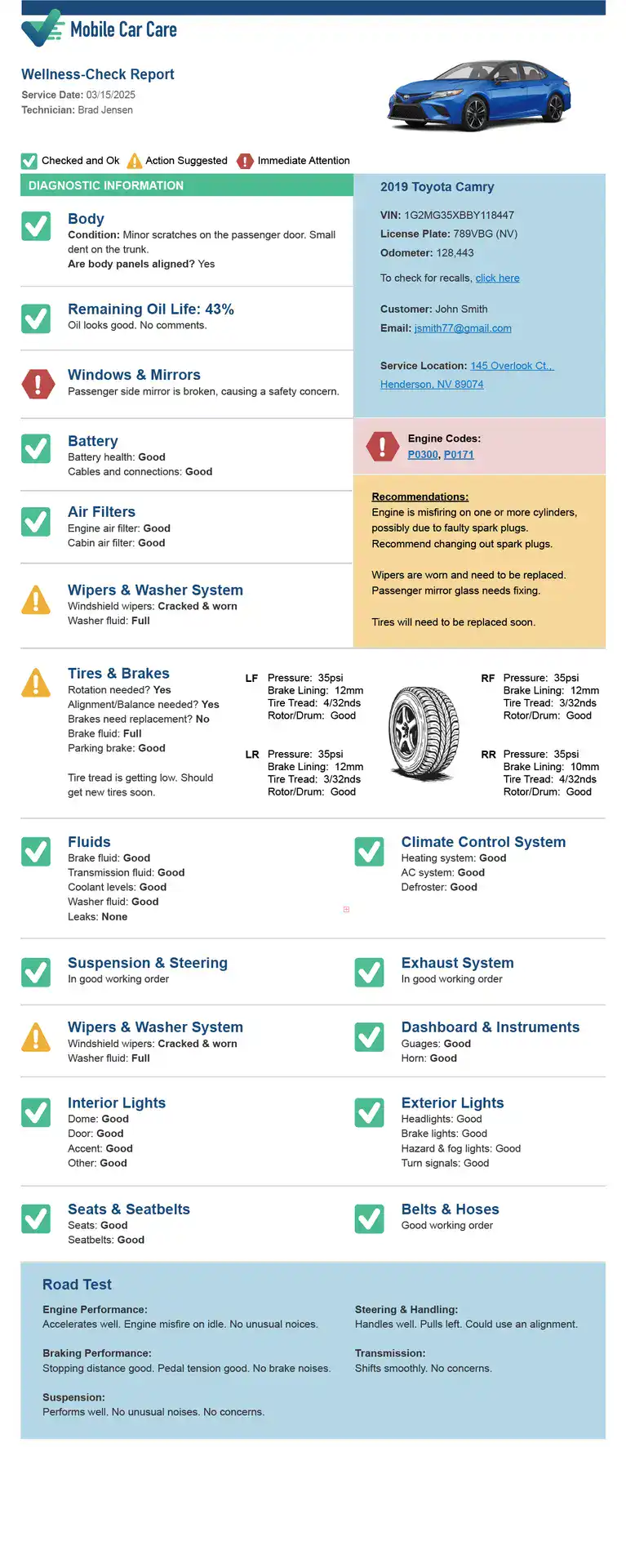
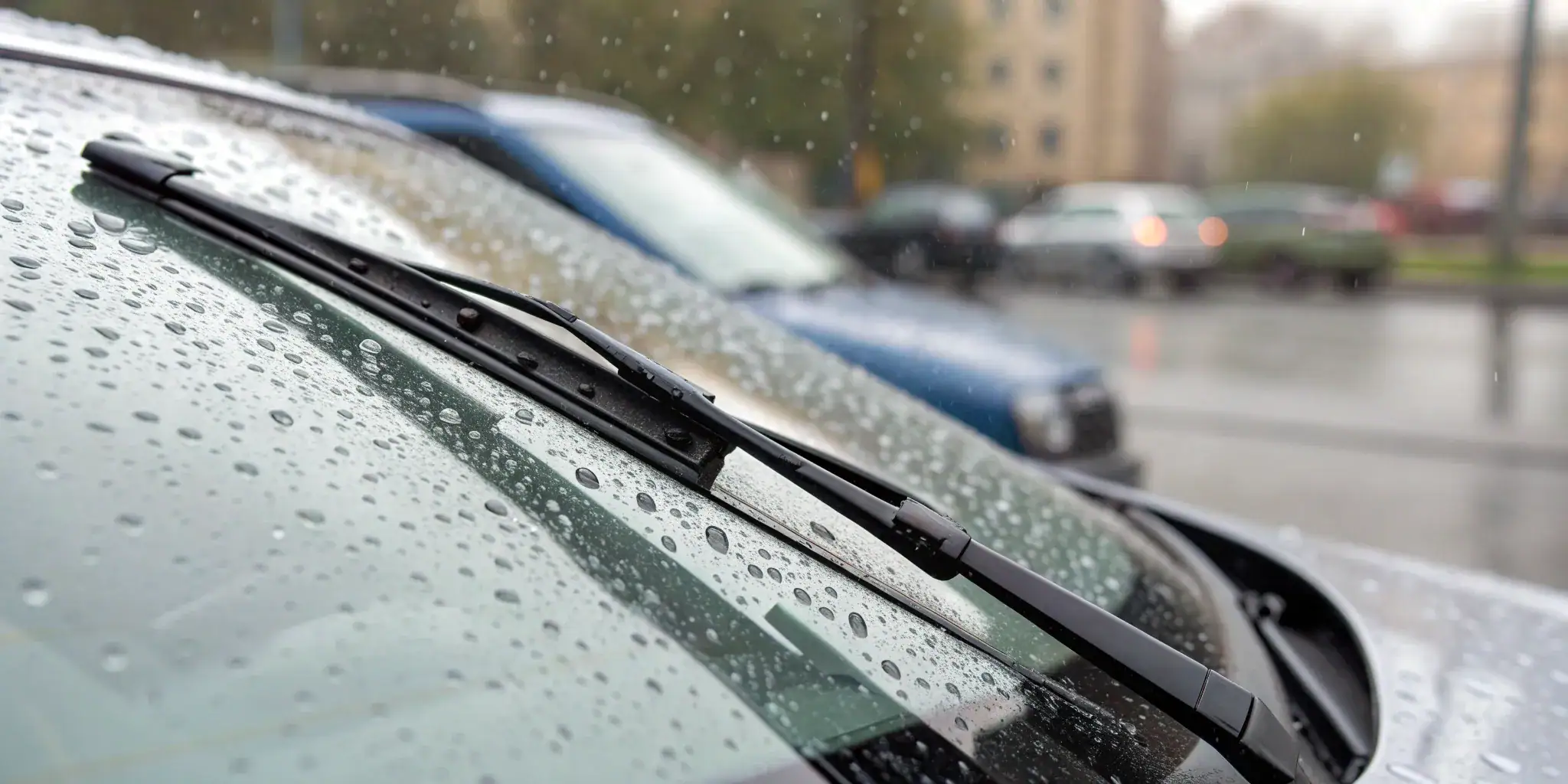
We all know that sound—the awful screeching or chattering of old wiper blades dragging across the glass. It’s more than just an annoying noise; it’s a clear signal that your wipers are failing. Streaks, smears, and missed spots aren’t just frustrating, they’re a safety hazard that can obscure your vision at the worst possible moment. While it’s tempting to ignore the problem until the next rainstorm, being proactive is a much safer bet. Knowing the signs of wear and understanding the simple process of a windshield wiper replacement is a small step that makes a huge difference on the road.
Key Takeaways
- Look and listen for signs of wear: Don’t wait for a downpour to find out your wipers are failing. Regularly check the rubber for cracks, and pay attention to any squeaking or chattering sounds. If they leave streaks, it’s a clear sign you need a new pair.
- Match your wipers to your car and climate: Your vehicle requires specific wiper sizes, which you can find in the owner’s manual or with an online tool. Choose beam-style blades for harsh winters or conventional ones for a solid, budget-friendly option in milder weather.
- A little maintenance goes a long way: Extend the life of your new blades with simple habits. Wipe them down with a clean cloth, always use washer fluid on a dry windshield, and use an ice scraper before turning them on in freezing weather.
Is It Time for New Windshield Wipers?
Let’s be honest—windshield wipers are one of those car parts we completely forget about until we’re caught in a sudden downpour. One minute the sky is clear, and the next, you’re squinting through a streaky, blurry mess, wishing you’d swapped out those old blades sooner. While they may seem like a minor detail, your wipers are a critical safety feature. Worn-out blades can seriously compromise your visibility, turning a simple drive in the rain or snow into a stressful and dangerous situation.
Knowing the tell-tale signs of failing wipers helps you stay ahead of the problem. A quick inspection can tell you everything you need to know about their condition. Think of it as a small, proactive step that makes a huge difference for your safety and peace of mind on the road. So, how can you tell if your wipers are ready for retirement? It comes down to a few key indicators.
What to Look For
You don’t need to be a car expert to spot a pair of worn-out wiper blades. Your eyes and ears will tell you everything you need to know. The next time you’re near your car, take a moment to check for the obvious physical signs. Look closely at the rubber squeegee. Do you see any cracks, gashes, or rough, torn edges? The rubber should be flexible and smooth. If it looks brittle or has pieces missing, it’s time for a replacement. Also, pay attention to what happens when you use them. If your wipers leave behind streaks, smears, or a thin, hazy mist, they aren’t making proper contact with the windshield anymore. And don’t forget to listen—any screeching, chattering, or thumping sounds are a clear signal that the blades are struggling to glide smoothly.
How They’re Performing
The ultimate test of your wipers is how well they actually do their job. Their one and only purpose is to give you a clear, unobstructed view of the road, no matter the weather. If they fail at this, they are failing as a safety feature. Think about it: even a few streaks can create a dangerous glare at night from oncoming headlights, and a blade that isn’t clearing the windshield completely can hide pedestrians, cyclists, or other hazards. This isn’t just an annoyance; it’s a risk. For busy parents and professionals, ensuring your car is safe is non-negotiable. Functioning wipers are just as important as your brakes or tires when it comes to protecting yourself and your passengers.
Consider Age and Weather
As a general rule of thumb, it’s a good idea to replace your wiper blades every six to twelve months. However, this timeline isn’t set in stone. Your local climate and driving habits play a huge role in how quickly they wear out. If you live in an area with harsh weather—think intense sun, heavy snow, or freezing rain—your blades will degrade much faster. The sun’s UV rays can break down the rubber, while ice can cause it to tear. Even where you park your car makes a difference; a vehicle left outside is far more exposed than one kept in a garage. If you’re not sure how old your wipers are, our technicians check them as part of our Essential Plan, taking the guesswork out of your hands.
A Quick Guide to Wiper Types
When you walk into an auto parts store or browse online, the sheer number of wiper blade options can be overwhelming. But it really boils down to three main types, each with its own pros and cons. Understanding the differences will help you pick the right one for your car, your climate, and your budget. Think of it less like a complicated car part and more like choosing the right tool for the job—some are simple and get the job done, while others offer advanced features for better performance. Let’s break down the most common wiper blade types you’ll find.
Conventional Wipers
Think of conventional wipers as the classic, go-to option. They have a metal frame that holds a rubber blade, and you’ve probably seen them on countless cars. Their biggest advantage is their price; they are the most affordable choice, making them a great pick if you’re on a tight budget. The trade-off is their lifespan. Because of their design, they tend to wear out faster and usually need to be replaced every six months or so. They get the job done reliably but may not offer the best performance in heavy snow or ice, as the frame can collect buildup.
Beam-Style Wipers
Beam-style wipers are a more modern and increasingly popular choice. Instead of a metal frame, they are made from a single, solid piece of rubber that’s designed to press evenly against your windshield. This allows them to conform perfectly to the curve of the glass, resulting in a smoother, streak-free wipe. While they do cost more upfront than conventional wipers, they often last about twice as long, which can make them a better value over time. Their sleek, frameless design also makes them more effective at clearing away snow and ice, a huge plus for winter driving.
Hybrid Wipers
Can’t decide between conventional and beam-style? Hybrid wipers offer a “best of both worlds” solution. They combine the sturdy metal frame of a conventional blade with the aerodynamic shape and superior contact of a beam blade. The frame is covered in a protective rubber shell, which gives it a sleek look and prevents ice and snow from building up. This design provides the even pressure and all-weather performance of a beam blade while maintaining the durability of a traditional frame. They’re a fantastic all-around performer for almost any weather condition.
Comparing the Costs
Whether you’re buying the parts yourself or having a professional handle it, cost is always a factor. The price of the blades themselves will vary based on the type and brand you choose. If you decide to go to a traditional repair shop, you’ll also be paying for labor. The average windshield wiper blade replacement costs at a shop range from about $53 to $64, which covers both the new blades and the time it takes to install them. Knowing this benchmark can help you decide whether to tackle the job yourself or leave it to a pro.
How to Choose the Right Wipers
Walking into an auto parts store can feel a bit overwhelming when you see a whole aisle dedicated to windshield wipers. With different styles, sizes, and price points, how do you know which ones are right for your car? The good news is that you don’t need to be a car expert to make a great choice. Picking the perfect wipers comes down to just a few key factors: size, compatibility, your local climate, and your budget.
Getting these details right ensures your new wipers will clear your windshield effectively, keeping your view clear and your drives safe. A mismatched set can leave annoying streaks, miss spots, or even scratch your windshield. Let’s break down exactly what you need to look for to find the right fit for your vehicle and your life.
Find the Correct Size
Wiper blades aren’t one-size-fits-all. Your car requires specific lengths for the driver’s side and passenger’s side, and using the wrong size can lead to poor visibility or damage. The easiest place to find this information is in your vehicle’s owner’s manual. If you can’t find your manual, don’t worry. You can also measure the old blades yourself with a tape measure. For a quick and reliable answer, use an online tool like the Rain-X Blade Size Finder to match the perfect blades to your car’s make and model.
Check Your Car’s Compatibility
Beyond getting the length right, you also need to make sure the new wipers will actually attach to your car’s wiper arms. Different vehicles use different connector types, like a hook, pin, or bayonet style. While many modern wiper blades come with a set of universal adapters to fit various models, it’s always a good idea to double-check. To be certain you’re getting the right ones, you can use a website’s vehicle matching tool to confirm that the blades you’re buying are compatible with your specific car. This simple step saves you a potential return trip to the store.
Factor in Your Climate
Where you live plays a big role in what kind of wipers you should buy. If you deal with frequent, heavy rain, beam-style or “flat” blades are excellent at maintaining even pressure against the glass. For those in areas with mild seasons, standard conventional rubber wipers are a solid, all-around choice. But if you face harsh winters with heavy snow and ice, you’ll want to look for heavy-duty or winter-specific blades. These often have a protective rubber shell to prevent ice from building up on the frame, ensuring they work when you need them most.
Balance Quality and Price
When it comes to wipers, you generally have two options: Original Equipment Manufacturer (OEM) or aftermarket. OEM blades are made by your car’s manufacturer and are an exact match for what came with your vehicle. They often offer superior quality and durability but come with a higher price tag. Aftermarket blades are made by third-party companies and are usually more affordable. While they can be a great value, their performance and lifespan might not match OEM standards. Consider your budget and how much you prioritize longevity when making your decision. A slightly higher initial investment can sometimes mean better performance and safety down the road.
Your Step-by-Step DIY Replacement Guide
Ready to tackle this yourself? Great! Replacing your windshield wipers is one of the simplest and most satisfying car maintenance tasks you can do. It typically takes less than 15 minutes and doesn’t require any special tools. Just follow these steps, and you’ll have a clear view of the road ahead in no time.
What You’ll Need
First, you need to get the right wiper blades for your car. The most critical detail is the size, as the driver and passenger sides often require different lengths. You can find this information in your vehicle’s owner’s manual. If you can’t find your manual, simply measure the old blades from tip to tip with a tape measure. An even easier option is to use an online size finder from an auto parts store. Just enter your car’s year, make, and model to see the exact sizes you need.
How to Remove the Old Wipers
With your new blades ready, it’s time to remove the old ones. Gently lift the metal wiper arm away from the windshield. It should lock into a standing position on its own. Look closely at where the blade connects to the arm—most cars use a simple hook-style connector. You should see a small plastic tab or clip. Press down on the tab, then slide the old blade down the arm and off the hook. Be careful not to let the metal arm snap back against the glass, as it can easily crack your windshield. I like to place a folded towel on the glass just in case.
How to Install the New Blades
Now for the satisfying part. Take your new wiper blade and attach it to the hook on the wiper arm, using the reverse motion of how you took the old one off. Slide it up the hook until you hear a solid “click.” That sound means it’s locked securely in place. Give the blade a gentle tug to confirm it’s not going anywhere. Once it feels secure, carefully lower the wiper arm back down onto the windshield. Repeat the process on the other side, and you’re all set. It’s a small task that makes a huge difference in your driving safety.
Test and Make Adjustments
Before you drive off, give your new wipers a quick test. Spray some windshield washer fluid and turn them on. You’re looking for a smooth, quiet, and complete wipe that leaves no streaks behind. If you notice any skipping or smearing, the blade might not be seated correctly. Lift the arm again and make sure the blade is fully clicked into place. A clean sweep confirms you’ve done the job right and are ready for any weather. If you still see streaks or a flimsy mist, the new blade might be defective.
Common Mistakes to Avoid
To get the best performance from your new wipers, try to sidestep a couple of common mistakes. First, always replace your wipers as a pair. It’s tempting to swap out only the one that’s visibly falling apart, but they wear down at a similar rate. Replacing both at the same time ensures they apply even pressure for a consistently clear view. Another mistake is waiting too long. Worn blades don’t just hurt visibility—the exposed metal can scratch and permanently damage your windshield. Making this a part of your regular maintenance schedule is a small habit that keeps you safe.
DIY vs. Professional Replacement
Deciding whether to replace your windshield wipers yourself or have a professional handle it comes down to your comfort level, budget, and how much time you have. While a DIY replacement can save you a few dollars and give you a sense of accomplishment, sometimes calling in an expert is the smarter, safer choice. Let’s walk through the costs and considerations for each option so you can make the best decision for you and your car.
Breaking Down Parts Costs
No matter who installs them, you’ll have to pay for the wiper blades themselves. The price can vary quite a bit depending on the type and brand you choose, from basic conventional blades to premium all-weather ones. On average, you can expect a full windshield wiper replacement to run between $50 and $61, which includes both the parts and the labor at a typical shop. If you’re going the DIY route, your only expense will be the blades, but it’s helpful to know this all-in cost as a benchmark. Think of it as the starting line for figuring out your potential savings.
Understanding Labor Fees
If you’d rather have a professional handle the installation, you’re paying for their time and expertise. The convenience of having it done quickly and correctly is often worth the cost, especially if you’re short on time. Most repair shops will charge between $53 and $64 for the complete service. While this might seem like a small job, it’s one less thing on your to-do list. Services like ours roll this kind of essential care into a broader vehicle check-up, so you can get your wipers replaced while an expert inspects the rest of your car right in your driveway.
Where to Find Free Installation
Want the best of both worlds? You can save on labor without having to do the work yourself. Many auto parts stores offer a fantastic perk: if you buy your wiper blades from them, they’ll often install them for free. For example, an employee at AutoZone can help you find the right blades and then install them for you in the parking lot. This is a great option if you’re feeling a little unsure about the installation process but still want to avoid extra fees. It’s a perfect middle ground that gets the job done without any hassle.
When to Call a Professional
Sometimes, a faulty wiper isn’t just about a worn-out blade. If your wipers are moving slowly, stopping mid-swipe, or not working at all, you might be looking at a deeper electrical issue with the wiper motor or switch. In these cases, a DIY blade swap won’t solve the problem. This is when you should definitely call a professional. A thorough diagnostic check can pinpoint the real issue, ensuring your visibility and safety aren’t compromised. Our Essential Plan includes a comprehensive wellness check that can catch these kinds of underlying problems before they leave you stranded in a downpour.
Make Your New Wipers Last Longer
You’ve just installed a fresh set of windshield wipers, and your view of the road is crystal clear. So, how do you keep it that way for as long as possible? With just a little bit of attention, you can extend the life of your wiper blades, saving you money and ensuring you have a safe, clear view in any weather.
Wiper blades are made of soft rubber, which makes them vulnerable to the elements. Things like road grime, UV rays from the sun, and freezing temperatures all contribute to wear and tear. But you don’t have to replace them every few months. By building a few simple habits into your routine, you can protect the rubber, prevent damage, and get the most out of your investment. Think of it as simple, proactive care that keeps a small issue—like a worn-out wiper—from becoming a bigger problem. These tips will help you maintain that just-installed clarity and performance for months to come.
Clean Them Regularly
One of the easiest ways to make your wipers last is to keep them clean. Over time, they pick up dirt, pollen, and road grime that can act like sandpaper on your windshield, causing streaks and damaging the rubber blade itself. A dirty blade has to work much harder to clear away rain, which accelerates wear.
To clean them, just dampen a cloth with some windshield washer fluid or a bit of rubbing alcohol and wipe down the length of each blade. You’ll probably be surprised by how much black residue comes off. Do this every time you fill up your gas tank or wash your car. It only takes a minute and makes a huge difference in their performance and lifespan.
Care for Them Seasonally
Your local climate plays a big role in how long your wipers last. Intense summer heat and sunlight can cause the rubber to dry out, crack, and lose its flexibility. If you can, try parking in a garage or a shady spot to protect the blades from direct UV exposure.
In the winter, ice is the main enemy. Never use your wipers to scrape ice off your windshield—this is a surefire way to tear the rubber edge. Always use a proper ice scraper first. If you’re expecting a snow or ice storm, you can also pull the wipers away from the windshield so they don’t freeze to the glass. Taking these small seasonal steps can prevent the kind of harsh weather damage that sends you to the auto parts store sooner than necessary.
Store Spares Correctly
It’s smart to grab a new set of wipers when you see them on sale, but how you store them matters. If you just toss them in a hot trunk or a sunny spot in the garage, the rubber can degrade before you even get a chance to install them.
To keep your spare blades in top condition, store them in their original packaging in a cool, dark, and dry place, like a cabinet in your garage or a closet indoors. Make sure they are lying flat and not bent or crushed under other items. This prevents the rubber from warping or cracking, ensuring they’re ready to perform perfectly when you need them.
Simple Tips to Extend Wiper Life
Beyond cleaning and seasonal care, a few good habits can significantly prolong the life of your wipers. First, never run them on a dry windshield. Always spray washer fluid first to lubricate the glass. This reduces friction and prevents the blades from skipping or chattering across the surface.
Also, keep your windshield washer fluid reservoir topped up so you’re never caught without it. Finally, give your blades a visual inspection every so often. If you notice any signs of wear like nicks or tears, it’s time for a change. Regular vehicle wellness checks, like those included in our Essential Plan, are a great way to have a professional keep an eye on them for you.
Get Your Wipers Ready for Winter
When the forecast calls for snow and ice, the last thing you want is to be caught with wipers that can’t handle the job. Prepping your wipers for winter isn’t just about avoiding streaks; it’s a critical safety step. A clear windshield is non-negotiable when visibility is already low. Taking a few minutes to inspect and potentially replace your blades before the first snowfall can save you a lot of stress and ensure you have a clear view of the road, no matter what the weather throws at you. Let’s walk through how to get your car ready.
Look for Cold-Weather Features
Not all wiper blades are created equal, especially when it comes to winter weather. For heavy snow, you’ll want to look for heavy-duty or winter blades, which often have a protective rubber shell to prevent ice and snow from building up on the frame. While conventional rubber wipers are fine for mild conditions, they can struggle in a blizzard. It’s also a good idea to check how the blades connect to your car’s wiper arm, as there are a few different styles. Choosing a blade designed for harsh weather ensures it will stay flexible and effective even when temperatures drop.
Prevent Damage From Ice
Ice is your wiper system’s worst enemy. Trying to run your wipers when they’re frozen to the windshield can strip the rubber on the blades and even burn out the wiper motor. If you notice your wipers are moving slowly or not at all, the problem could be the blades, the motor, or the switch. Waiting too long to address these issues can lead to poor visibility or even scratches on your windshield. A pre-winter vehicle wellness check is a great way to catch these small problems before they turn into major headaches during a snowstorm.
Tips for Winter Installation
If you decide to replace your wiper blades yourself, the process is usually pretty straightforward. Most vehicles use a simple hook-style clip that makes it easy to remove the old blade and snap the new one into place. The most important tip for winter installation is to do it before it gets too cold. Fumbling with small plastic clips with frozen fingers is no fun. Make sure you have a soft towel to place on your windshield to prevent the metal wiper arm from snapping back and cracking the glass once the old blade is off.
Make Seasonal Adjustments
As a general rule, you should plan to replace your windshield wipers every six months to a year. However, your climate and how often you use them play a big role. Keep an eye out for the tell-tale signs that it’s time for a change: squeaking sounds, streaks left on the glass, or visible tears in the rubber. Making wiper inspection a part of your seasonal car care routine ensures you’re always prepared. Services like our Total Care Plan include these checks, so you have one less thing to remember.
How to Fix Common Wiper Problems
Even with brand-new wipers, you can sometimes run into issues like streaking or chattering. The good news is that most common wiper problems have simple fixes you can handle yourself. Before you assume you bought a faulty pair, run through these quick troubleshooting steps. From a simple cleaning to a quick adjustment, you can often get your wipers working perfectly in just a few minutes. Identifying the specific problem is the first step to finding the right solution and getting back to a clear, safe view of the road.
Solve Streaking and Smearing
Streaks and smears are not only annoying, but they can also be dangerous, especially when driving in heavy rain or at night. Often, streaks are a clear sign that you should replace your wiper blades. Over time, the rubber edge wears down and can’t make solid contact with the glass, leaving a film of water or debris behind.
Before you toss them, try giving the blades a good cleaning. Dampen a clean cloth with windshield washer fluid or rubbing alcohol and wipe down the rubber edge. This removes any built-up grime or debris that might be causing the streaks. If cleaning doesn’t solve the problem, the rubber is likely cracked or worn out, and it’s time for a new pair.
Stop Squeaking and Chattering
That awful squeaking or chattering sound is enough to drive anyone crazy. This noise usually happens when the rubber on the blades has hardened or worn down, causing them to drag and skip across the windshield instead of gliding smoothly. A dirty windshield can also be the culprit, as residue can create extra friction.
Start by giving your windshield a thorough cleaning with a quality glass cleaner to remove any dirt, sap, or grime. If the noise continues, inspect the wiper blades themselves. If the rubber feels hard and inflexible, it’s time for a replacement. Investing in new blades is a small price to pay for a quiet, effective wipe, and understanding wiper blade replacement costs can help you budget accordingly.
Adjust Uneven Pressure
If your wipers are missing large patches of your windshield or only clearing certain spots, you’re likely dealing with an uneven pressure problem. When wipers wear out, they can lose their ability to apply consistent pressure across the blade, leading to poor contact with the glass. This can leave you with frustrating uncleared sections right in your line of sight.
First, check the wiper arm itself. Sometimes, it can get slightly bent (hello, automatic car washes!), preventing the blade from sitting flat against the windshield. You can often gently twist it back into the correct position. If the arm looks fine, the issue is probably the blade. The frame might be damaged, or the rubber has simply lost its shape. A new set of high-quality blades should solve the problem.
Check for Motor Issues
What if your wipers are moving much slower than usual, stopping mid-swipe, or not moving at all? This usually points to a problem beyond the blades themselves. The issue could be electrical, potentially involving the wiper motor or a blown fuse. While it sounds intimidating, a quick check can often identify the source of the problem.
Your car’s manual will show you where the fuse box is located. A blown fuse is an easy and inexpensive fix. If the fuse is fine, the problem might be with the wiper motor itself. Diagnosing and replacing a motor can be a more involved job. If you’re not comfortable with electrical work, this is a great time to call for help. A service like our Total Care plan can diagnose the issue for you, saving you the time and stress of a complex repair.
Related Articles
- Essential Car Maintenance Tips for College Students – Mobile Car Care
- Quarterly Car Care at Home: Your Simple Guide – Mobile Car Care
- Preventative Auto Care at Home: A Complete Checklist – Mobile Car Care
- Essential At-Home Car Maintenance Checklist – Mobile Car Care
Frequently Asked Questions
How often do I really need to change my wipers? The six-to-twelve-month rule is a great starting point, but your eyes are the best judge. If you live somewhere with intense sun or harsh winters, you’ll likely be closer to the six-month mark. The best habit is to check them for cracks or stiffness every few months and pay attention to how they perform in the rain. If you see streaks or hear chattering, it’s time for a change, regardless of how long they’ve been on the car.
Are expensive wiper blades actually worth the money? In many cases, yes. More expensive beam or hybrid blades tend to last longer and perform better in rough weather because they apply more even pressure to the windshield. While a basic conventional blade gets the job done, think of a higher-quality blade as an investment in better visibility and safety. You might pay more upfront, but you’ll likely replace them less often and have a clearer view during a downpour.
I just put new wipers on, but they’re already streaking. What did I do wrong? This is a common frustration, but don’t worry, it’s usually an easy fix. Before you assume the blades are faulty, give your windshield a thorough cleaning to remove any residue. Then, double-check that the new blade is fully clicked into the wiper arm. If it’s even a little bit loose, it won’t make proper contact. If you’ve done both and still see streaks, you might have a defective blade, which can happen occasionally.
Is it okay to just replace one wiper blade at a time? I’d strongly advise against it. Wipers wear out at roughly the same rate, even if one looks slightly worse than the other. When you replace only one, you create uneven pressure and clearing power across your windshield. For the best and safest visibility, you should always replace them as a pair to ensure they work together seamlessly.
Besides replacing them, what’s the single most important thing I can do to make my wipers last? The simplest and most effective habit is to clean the rubber blades regularly. Just wipe them down with a cloth dampened with windshield washer fluid every few weeks or whenever you wash your car. This removes the dirt and grime that builds up and acts like sandpaper on your glass. A clean blade glides smoothly, works better, and will last significantly longer.