
That scraping sound your old wipers make isn’t just annoying—it could be costing you money. While it’s tempting to squeeze a few more months out of a worn-out pair, you might be risking a much bigger expense down the road. Once the soft rubber on a blade wears away, the hard plastic or metal wiper arm can press directly against the glass. This doesn’t just create a terrible noise; it can permanently scratch your windshield. What starts as a simple, inexpensive fix can quickly turn into a costly windshield replacement. Prioritizing this small maintenance task is a smart investment. Knowing when to replace wipers protects not only your visibility but also your wallet.
Key Takeaways
- Watch for the warning signs of wear: Streaking, skipping, and squeaking aren’t just annoyances—they’re clear indicators that your wipers can no longer keep your windshield clear, putting your safety at risk. A quick visual check for cracks in the rubber also tells you it’s time for a new pair.
- Replace your wipers on a schedule, not just when they fail: The rubber on your blades breaks down from sun and ice over time. Plan to install a new set every 6 to 12 months, especially before winter arrives, to ensure they work perfectly when you need them most.
- The right fit is crucial for a clear view: Wiper blades are not one-size-fits-all, so always check your owner’s manual for the correct measurements. Using the right size and type ensures complete coverage and prevents potential damage to your windshield.
Know the Signs: When to Replace Your Wipers
Your windshield wipers are one of those car parts you probably don’t think about until you desperately need them. We’ve all been there: a sudden downpour starts, you flip the switch, and instead of a clear view, you get a smudgy, streaky mess. Worn-out wipers aren’t just an annoyance; they’re a serious safety hazard. Since they wear down gradually, it can be tough to notice they’re failing until you’re caught in a storm.
Luckily, your car gives you some pretty clear signals that it’s time for a new pair. Paying attention to these signs ensures you can handle whatever the weather throws your way. Think of it as a quick, easy check-up you can do yourself to keep your drives safe and stress-free. Here are the four key signs that your wiper blades are ready for retirement.
They Leave Streaks and Smears
This is the most common red flag. If your wipers leave behind streaks, lines, or a hazy film, their cleaning edge has worn out. The rubber has likely become hardened or cracked, so it can no longer make solid contact with the glass to squeegee the water away cleanly. Even after you’ve used plenty of washer fluid, a streaky windshield means your wipers are just pushing water and dirt around instead of clearing it. This can be especially dangerous at night when the glare from oncoming headlights hits those smears.
They Chatter, Skip, or Squeak
Do your wipers make a chattering or squeaking sound as they move across the windshield? That noise is more than just irritating—it’s a sign of a problem. A properly functioning wiper blade should glide silently and smoothly. A loud, skipping sound usually means the rubber has become too stiff to flex properly, or the wiper arm is bent. Instead of clearing the water, the blade is dragging and hopping across the surface. This not only results in poor visibility but can also put extra strain on the wiper motor.
You See Cracks, Tears, or Damage
Sometimes, a quick visual inspection is all you need. Take a moment to lift your wiper blades and look closely at the rubber squeegee. If you see any signs of cracking, splitting, or tearing, it’s time for a replacement. The rubber edge should be uniform and flexible. Over time, exposure to sunlight, extreme temperatures, and road grime causes the rubber to break down. A damaged blade can’t create the seal needed to wipe away water effectively and might even have pieces missing, leaving large patches of your windshield untouched.
They Miss Spots on Your Windshield
If your wipers consistently miss the same spots on your windshield, they aren’t doing their job. This happens when the blade’s frame is bent or the rubber has aged and lost its shape, preventing it from applying even pressure across the entire curve of the glass. These unwiped areas create significant blind spots that obstruct your view of the road. Maintaining clear visibility is crucial for safe driving, and wipers that don’t make full contact with the windshield are a clear sign that a replacement is overdue.
How Often Should You Replace Wiper Blades?
Knowing when to replace your wiper blades can feel like a guessing game, but it’s one of the simplest and most important parts of vehicle maintenance. Worn-out wipers are a major safety hazard, especially when you’re caught in an unexpected downpour or a messy winter storm. While it’s easy to put this task on the back burner, staying on top of it ensures you have a clear view of the road, no matter what the weather throws at you. Let’s break down the recommended timeline and why it matters for your safety.
The General Rule: Every 6-12 Months
The most straightforward answer is to replace your wiper blades every six to 12 months. Most experts recommend this timeframe because the rubber on the blades naturally degrades over time from exposure to sun, heat, and cold. However, this is just a guideline. If you notice your wipers are streaking, skipping across the glass, or making a chattering sound, it’s time for a new set, even if it hasn’t been a full year. Think of the 6-12 month rule as your absolute maximum, not a minimum. Regular checks can help you spot wear before it becomes a real problem.
Why You Should Always Replace Them in Pairs
It might seem like a good way to save a few dollars, but only replacing one wiper blade is a bad idea. Both blades are exposed to the same harsh conditions, meaning they wear down at roughly the same rate. If one is failing, the other is likely not far behind. Replacing them together ensures you get even performance and a consistently clear field of vision. An old blade paired with a new one can leave uneven streaks, defeating the purpose of the replacement. For total peace of mind, make it a habit to swap them out as a set. It’s a small step that makes a big difference in driving safety.
What Shortens a Wiper Blade’s Life?
Ever feel like you just replaced your wipers and they’re already failing? You’re not imagining it. Even the highest-quality blades are fighting a constant battle against the elements. From scorching sun to freezing ice, several factors are working to wear down the delicate rubber edge that keeps your windshield clear. Understanding what causes this wear and tear can help you get the most out of every pair and know when it’s time for a fresh set.
Sun and Heat Exposure
The sun is one of your wiper blades’ biggest enemies. Just like a rubber band left out in the yard, the rubber on your wipers doesn’t stand a chance against constant heat and UV rays. This exposure causes the material to break down through a process called oxidation, making it stiff, brittle, and prone to cracking. Once the rubber loses its flexibility, it can’t conform to the curve of your windshield anymore. That’s when you start seeing missed spots and streaks, as the hardened blade can no longer make a clean sweep. Parking in a garage or using a sunshade can help, but eventually, the sun always wins.
Ice and Freezing Temperatures
If the sun doesn’t get them, the cold might. Winter weather is incredibly tough on wiper blades. The rubber can freeze to the windshield, and trying to run them when they’re stuck can tear the blade right off. Even if they don’t tear completely, scraping them over a layer of ice can easily rip and nick the delicate rubber edge. Freezing temperatures also make the rubber less pliable, which means it won’t wipe as effectively. This is why you should always use an ice scraper or your car’s defroster to clear ice before turning on your wipers. It’s a small step that can save your blades from premature damage.
Dirt, Debris, and Grime
Your windshield is a magnet for dirt, dust, road salt, and bug splatter. When you turn on your wipers, they have to drag that gritty mess across the glass. All of those tiny, abrasive particles act like sandpaper, slowly wearing down the smooth edge of the blade with every pass. Over time, this abrasion creates an uneven surface on the rubber, which is why old wipers start leaving behind a constant film of dirt or annoying streaks. Regularly cleaning your windshield and the blades themselves can help reduce this wear, but the daily grind of keeping your view clear ultimately takes its toll on the rubber.
When Is the Best Time for a Replacement?
While the six-to-twelve-month rule is a great guideline, timing your replacement with the seasons can make a huge difference in your visibility and safety. Certain times of the year put more stress on your wipers, making it the perfect opportunity to inspect them and install a fresh set. By thinking ahead, you can ensure you have high-performing blades right when you need them most, whether you’re dealing with a surprise snowstorm or a spring downpour.
Before Winter Arrives
It’s a smart move to replace your wipers in the fall, just before the weather turns. Think of it as winter-proofing your car’s vision. Old, worn-out blades won’t stand a chance against sleet, snow, and ice, which can leave you with a dangerously obstructed view. Installing a new pair ensures the rubber is flexible and ready to handle freezing temperatures without cracking. This proactive approach helps you maintain visibility and safety during the harshest driving conditions of the year, so you’re not caught off guard by the first snowfall.
After Winter Thaws
Winter is incredibly tough on your wiper blades. Scraping away ice and pushing heavy snow can cause the rubber edges to tear, warp, and crack. That’s why spring is another ideal time for a replacement. Once the threat of frost has passed, give your wipers a thorough inspection. You’ll likely find they’ve been damaged from ice and snow and are no longer making proper contact with the windshield. Swapping them out ensures you’re prepared for those unpredictable spring showers, which can be just as challenging to see through with streaky, chattering blades.
The Risks of Driving with Bad Wipers
Putting off a wiper blade replacement might seem like a minor thing, but it comes with some serious risks. Worn-out wipers don’t just make annoying noises; they can compromise your safety and lead to expensive repairs. Understanding what’s at stake makes it easier to prioritize this simple maintenance task.
Compromised Visibility and Safety
It sounds obvious, but being able to see clearly out of your windshield is non-negotiable for safe driving. Your wiper blades are your first line of defense against the elements, and when they aren’t working properly, your vision is dangerously impaired. Worn-out blades can’t make proper contact with the glass, leaving behind streaks, smears, or large uncleared patches right in your line of sight. This is especially hazardous during a sudden downpour or a snowstorm, when you need to react quickly. Good visibility is a cornerstone of defensive driving, and functional wipers are a critical part of that equation. Don’t let a five-minute fix become a major safety hazard.
Damage to Your Windshield
Beyond just being annoying, those skipping and scraping sounds can be a warning sign of bigger trouble. As the soft rubber on a wiper blade wears down, cracks, or splits, the hard plastic or metal of the wiper arm can get exposed. When that happens, the wiper is no longer cleaning your windshield—it’s scratching it. These scratches aren’t just a cosmetic issue; they can create glares and permanently weaken the glass. What starts as a small, inexpensive maintenance item can quickly turn into a costly windshield repair or replacement. Replacing your wipers on a regular schedule is one of the easiest ways to protect your windshield and avoid a much bigger bill down the road.
How to Make Your Wiper Blades Last Longer
Replacing your wipers is inevitable, but you can definitely extend their lifespan with a little proactive care. A few simple habits can make a huge difference in how well your wipers perform and how long they last, keeping your view clear and your drives safe. Here’s how to get the most out of every set.
Clean Your Blades Regularly
Think of it this way: you wouldn’t use a dirty towel to clean a window. The same goes for your wipers. Over time, the rubber edges collect dirt, pollen, and road grime, which can cause streaks and wear down the blade. A quick wipe-down every few weeks can work wonders. Just dampen a clean cloth with some windshield washer fluid or rubbing alcohol and gently clean the rubber edge. This simple step removes abrasive debris and helps maintain a sharp, effective edge for a streak-free wipe every time.
Park Smart in Winter
Where you park has a bigger impact on your wipers than you might think. The sun’s UV rays can bake the rubber, making it brittle, while ice can cause it to tear. Whenever possible, park in a garage or a shaded spot to protect your blades from the elements. During winter, if you have to park outside before a snowstorm, lift your wipers off the windshield. This prevents them from freezing to the glass, which can cause major damage when you try to free them. A little foresight goes a long way in preserving your winter car safety.
Use Them Wisely
Your wiper blades are designed for one thing: clearing moisture. Using them for other tasks can shorten their life dramatically. Never run your wipers on a dry windshield; the friction can damage the rubber. Always spray washer fluid first to lubricate the surface. Similarly, resist the urge to use your wipers as ice scrapers. The hard edges of ice can easily tear the delicate rubber. Take a moment to properly defrost your windshield and use a dedicated scraper first. Using your wipers correctly ensures they’re ready for the rain and snow they were made for.
How to Choose the Right Replacement Wipers
Walking into an auto parts store can feel overwhelming with a whole aisle dedicated to wiper blades. But picking the right pair doesn’t have to be complicated. Getting the correct size, type, and quality for your car is what really matters for keeping your windshield clear and your drives safe. A few key details will help you make a confident choice every time.
Find the Right Size for Your Car
Wiper blades aren’t one-size-fits-all. In fact, many cars use different-sized blades for the driver and passenger sides. Installing the wrong size can lead to missed spots or even damage your windshield frame. The easiest way to find what you need is to check your car’s owner’s manual for the right size and specific instructions. If your manual is hiding somewhere, you can usually find the correct sizes listed in the reference guides at an auto parts store or by looking up your vehicle’s make and model online. Taking a moment to confirm the size ensures your new wipers will have the perfect fit for maximum coverage.
Know the Different Blade Types
You’ll generally find three main types of wiper blades on the shelf: conventional, beam, and hybrid. Conventional (or frame-style) blades are the classic, budget-friendly option with a metal frame. Beam blades are more modern, with a sleek, one-piece design that applies more uniform pressure for a streak-free wipe. They also perform better in icy conditions since there are no frames to freeze up. Hybrid blades offer the best of both worlds, combining the sturdy frame of a conventional blade with the aerodynamic design of a beam blade. The right choice often depends on your climate and budget, but beam and hybrid blades are excellent all-around performers.
Choose Quality Over Price
While it might be tempting to grab the cheapest option, investing in quality wiper blades can make a huge difference in performance and longevity. Premium blades from trusted brands are made with better materials that resist cracking from sun exposure and stay flexible in the cold. This means a clearer, quieter wipe for much longer. Drivers often share their wiper blade recommendations online, and brands like Bosch, Rain-X, and VALEO consistently get high marks for durability. Spending a few extra dollars upfront often saves you the hassle of replacing cheap, squeaky wipers a few months down the road.
DIY vs. Professional Wiper Replacement
So, you’ve identified that your wipers need to be replaced. Now you have a choice: roll up your sleeves and do it yourself, or call in a professional? The truth is, there’s no single right answer. It really comes down to your comfort level, your schedule, and whether you suspect a bigger issue might be at play. Replacing wiper blades can be a quick and satisfying DIY project, but there are also times when letting an expert handle it is the smarter, safer, and more convenient option. Let’s break down when each approach makes the most sense.
The Case for DIY
If you’re comfortable with basic car maintenance, replacing your wiper blades is one of the easiest tasks you can tackle. Most auto parts stores sell a wide variety of blades, and the packaging usually includes straightforward instructions. The key is to get the right size for your vehicle. The best way to find the correct size is to check your car’s owner’s manual, which will give you the exact specifications for the driver and passenger sides. With the right blades in hand, you can typically swap out the old ones in just a few minutes, giving you a clear view and a nice sense of accomplishment.
When to Call a Pro
Doing it yourself isn’t for everyone, and that’s perfectly fine. If you’re short on time or just not confident in your ability to get the job done right, calling a professional is a great choice. It’s especially important to seek expert help if you notice signs of a deeper problem. For instance, if your old wipers were making a loud chattering noise or skipping across the glass, it could point to an issue with the wiper arm tension, not just the blade itself. A professional can diagnose the root cause and ensure your entire wiper system is working correctly, giving you total peace of mind.
Mobile Car Care’s On-Site Solution
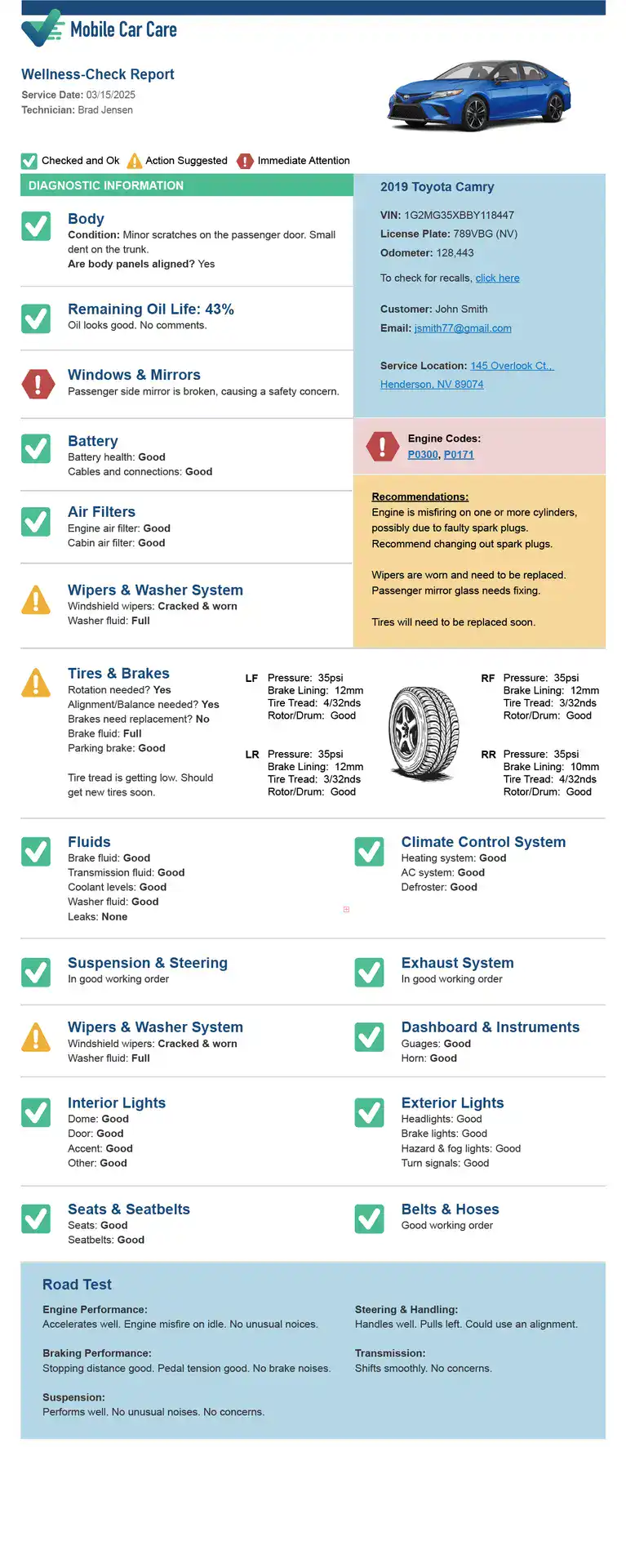
What if you want the quality of a professional replacement without the hassle of driving to a shop and waiting around? That’s where we come in. Mobile Car Care brings the solution directly to your driveway or office parking spot. We handle the entire process for you—from sourcing the perfect, high-quality blades for your vehicle to installing them correctly. It’s the ultimate convenience. A wiper check is a standard part of our comprehensive wellness checks, so we can catch wear and tear before it becomes a safety issue. You get expert service without disrupting your day.
Related Articles
- The Complete Windshield Wiper Replacement Guide – Mobile Car Care
- Easy Car Maintenance at Home: Your DIY Guide – Mobile Car Care
- How to Do a Tire Tread Depth Check at Home – Mobile Car Care
Frequently Asked Questions
My wipers are only a few months old but they’re already streaking. Do I need to replace them already? Not necessarily. Before you run out to buy a new pair, try giving the rubber blades a good cleaning. They pick up a surprising amount of road grime, dust, and pollen that can cause streaking. Just take a clean cloth dampened with a little windshield washer fluid or rubbing alcohol and wipe down the rubber edge. If they still leave streaks after a thorough cleaning, then it might be time for a new set.
Is it really necessary to replace both wipers at the same time? Yes, you absolutely should. Think of them as a pair of shoes—both are exposed to the same elements and wear down at roughly the same rate. If one blade is worn out enough to need replacing, the other isn’t far behind. Replacing only one can result in an uneven wipe, leaving you with a dangerously inconsistent view of the road. For your safety, always swap them out as a set.
I live in a place with mild weather. Do I still need to replace my wipers every year? That’s a great question, and the answer is yes. While harsh winters with ice and snow are incredibly tough on wipers, the sun is just as big of an enemy. Constant exposure to UV rays causes the rubber to dry out, become brittle, and crack. A stiff, cracked blade can’t flex to the curve of your windshield, which leads to those annoying missed spots and streaks. So even in a sunny climate, the rubber still degrades and needs to be replaced regularly.
Are expensive ‘beam’ or ‘hybrid’ wiper blades actually better than the standard ones? In most cases, they are. While traditional frame-style wipers get the job done, beam and hybrid blades have a more modern, flexible design that applies even pressure across the entire blade. This results in a much cleaner, streak-free wipe. They also perform better in winter because they don’t have the exposed metal frames that can clog with ice and snow. Many drivers find the superior performance and longer lifespan are well worth the slightly higher price.
Besides replacing them, what’s the single most important thing I can do to maintain my wipers? The easiest and most effective thing you can do is to keep the blades clean. Every few weeks, or whenever you stop for gas, take a moment to wipe the rubber edges with a paper towel and some washer fluid. This simple step removes the abrasive dirt and grit that builds up and acts like sandpaper on your windshield. It helps your wipers perform better, last longer, and keeps your view crystal clear.