
We spend years teaching our kids essential life skills like cooking, budgeting, and laundry. Yet, we often overlook the complex machine they’ll be operating daily. For many new drivers, what’s under the hood is a total mystery, which can lead to panic during a minor issue and costly neglect down the road. Car care is a fundamental skill that builds responsibility and preparedness. If you’re wondering how to teach teens car upkeep without overwhelming them, the key is to start small and be consistent. In this post, we’ll break down the basics into simple, manageable lessons, from decoding dashboard lights to creating a simple maintenance schedule that will serve them for life.
Key Takeaways
- Start Early and Stay Consistent: Integrate car care into a simple, repeatable routine long before your teen starts driving. Regular weekly and monthly checks transform maintenance from a chore into a lifelong habit of responsible ownership.
- Build Confidence Through Hands-On Practice: Move beyond theory by practicing essential skills like checking fluids, using a tire gauge, and changing a flat in the driveway. This practical experience is the best way to build their competence and reduce panic during a real issue.
- Focus on Prevention and Preparedness: Equip your teen with a basic emergency kit and teach them to recognize their car’s warning signs. The ultimate goal is to instill a proactive mindset that catches small problems before they become stressful roadside emergencies.
When Should You Teach Your Teen About Car Care?
Deciding when to teach your teen about car maintenance can feel like a moving target, but the best time to start is sooner than you think. The goal isn’t to turn them into a mechanic overnight. It’s about gradually building their knowledge and confidence so they feel prepared for the responsibility of driving. By breaking down car care into small, manageable lessons, you can empower them to be safer, more responsible drivers who know how to handle common issues and, more importantly, when to ask for help.
Think of it as another essential life skill, just like cooking or managing a budget. Starting early and focusing on the fundamentals will give them a solid foundation to build on for years to come. This proactive approach helps prevent small problems from becoming major headaches and gives you peace of mind when they finally take the keys and head out on their own.
Start Before They Get Their License
The ideal time to introduce car care concepts is long before your teen is even thinking about their driver’s test. You can start teaching your kids car maintenance and safety from a young age. When they’re little, this can be as simple as having them help you wash the car or pointing out the different lights on the dashboard. As they get older, you can involve them in more hands-on tasks, like watching you check the oil or helping you add windshield washer fluid. These early, low-pressure experiences make the car feel less intimidating and build a natural curiosity about how it works. By the time they’re ready for their permit, they’ll already have a basic understanding and familiarity with the vehicle.
Cover the Basics First
When you’re ready to get more specific, focus on the fundamentals. Teaching your teen the basics of auto maintenance is the key to preparing them for a lifetime of safe driving. Start with the owner’s manual—show them where it is and how to use it to find important information. Go over what the common dashboard warning lights mean so they know the difference between a minor alert and a serious problem. Cover essential checks like tire pressure, oil level, and other vital fluids. The objective isn’t to overwhelm them with technical details but to equip them with the core knowledge they need to operate their car safely and identify when something is wrong.
Build Their Confidence
Many teens feel completely lost when it comes to what’s happening under the hood. In fact, one survey found that two-thirds of parents rated their teen’s car care knowledge as “somewhat or completely clueless.” Hands-on learning is the best way to close this confidence gap. Walking them through simple tasks builds self-assurance and shows them they’re capable of handling these responsibilities. A great way to start is with a professional inspection, like our Quick Check Plan, where a technician can give you both a guided tour of the vehicle’s health. This provides a perfect opportunity to ask questions and establish a baseline for future maintenance checks you can do together.
The Essential Skills Every Teen Driver Needs
Getting a driver’s license is a huge milestone, but the learning doesn’t stop there. True confidence behind the wheel comes from knowing how to handle the car itself, not just the rules of the road. Teaching your teen these fundamental maintenance skills will empower them to be safer, more responsible drivers who can spot small issues before they become big, expensive problems.
Decode the Dashboard Lights
Think of dashboard lights as your car’s way of communicating. It’s crucial your teen knows what the most important ones mean. The Check Engine Light, for example, signals an issue with the emissions system and means it’s time for a professional look. If the Oil Light comes on, the engine’s oil pressure is too low, which can cause serious damage. Finally, the Coolant Warning Light is a sign the engine is overheating. If they see this, they need to pull over safely and let the car cool down immediately. Ignoring these warnings is a recipe for a breakdown and costly repairs.
Check and Top Off Fluids
Knowing how to check essential fluids is a core part of car ownership. Start by showing your teen how to check the oil level with the dipstick, explaining that too much or too little can harm the engine. Next, show them the coolant reservoir and explain its role in preventing overheating. Finally, make sure they know how to check and refill the wiper fluid to maintain clear visibility in all weather. While you can teach them these basics, having regular, comprehensive wellness checks can give you both peace of mind that everything is in working order.
Master Tire Care
Proper tire maintenance is non-negotiable for safety. Teach your teen to check their tire pressure regularly, as properly inflated tires provide better handling and fuel efficiency. They should also know how to check tire tread depth to see when it’s time for a replacement. You can easily do this with a penny—if you can see all of Lincoln’s head, the treads are too worn. Most importantly, practice changing a flat tire together in the driveway. You don’t want their first time tackling this task to be on the side of a busy road in the dark.
Understand the Car Battery
A dead battery can leave a new driver stranded without warning. While you don’t need to teach them the complexities of a car’s electrical system, they should learn to recognize the signs of a failing battery. The most common clue is a slow or sluggish engine start. If they turn the key and the engine sounds like it’s struggling to turn over, it’s a clear signal to get the battery tested before it fails completely. This simple piece of knowledge can prevent a stressful roadside emergency and a call for a tow truck.
Maintain Wipers and Windshield
A driver’s ability to see the road clearly is paramount. Worn-out wiper blades can create streaks or fail to clear rain and snow, severely impairing vision. Teach your teen to inspect their wiper blades for cracks or stiffness and to clean them periodically to remove grime. A good rule of thumb is to replace the blades at least once a year, or sooner if they notice their performance declining. It’s a simple, inexpensive bit of maintenance that has a huge impact on their safety and the safety of others on the road.
How to Teach Car Maintenance Hands-On
Once your teen understands the basics on paper, it’s time to get your hands dirty. This is where theoretical knowledge turns into practical skill and real confidence. Learning by doing is the best way to make these lessons stick. Set aside some time on a weekend to walk them through these essential tasks right in your driveway. Remember to be patient and let them take the lead as much as possible. Your role is to guide and supervise, not to do it for them. This hands-on experience will empower them to handle minor issues on their own and know when a problem requires a professional.
Always Put Safety First
Before you even pop the hood, the first and most important lesson is safety. Cars are heavy and have a lot of moving parts, so establishing ground rules is non-negotiable. Always work on a flat, level surface, put the car in park, and engage the emergency brake. If you’re lifting the vehicle, teach them that using a car jack is serious business. As one parent advises, “Always use a jack stand to keep the car from falling. Make sure to place the jack under a strong metal part of the car.” Never rely on a jack alone to support the vehicle’s weight if someone is working underneath it.
Show Them How to Check the Oil
This is one of the most fundamental skills every driver should have. An engine’s health depends on it, because as one expert notes, “Too little or too much oil can badly damage the engine.” Show your teen how to locate the dipstick (it usually has a brightly colored handle). Walk them through the process: “Pull out the dipstick, wipe it clean, put it back in, then pull it out again to see the oil level.” Explain the markings on the end and what to do if the level is low. This simple, two-minute check can save them from a massive repair bill down the road.
Practice Checking Tire Pressure
Proper tire pressure is crucial for safety, fuel economy, and tire longevity. Get a simple tire pressure gauge and show your teen how to use it. A key lesson here is that “the MAX PSI shown on the tire is not the recommended amount of pressure.” Explain that the correct pressure is found on a sticker inside the driver’s door jamb or in the owner’s manual. Have them practice checking all four tires and the spare. This is a great opportunity to also teach them how to inspect tire tread for wear and tear using the penny trick.
Learn to Jump-Start a Car Safely
A dead battery can happen to anyone, and knowing how to safely jump-start a car is an incredibly empowering skill. However, doing it wrong can be dangerous. It’s critical that “teens should practice this with a parent first to avoid hurting themselves or the car.” Make sure their car is equipped with a good set of jumper cables. Go through the steps together in the correct order: connecting the red (positive) clamps first, then the black (negative) clamp to the good battery, and finally grounding the last black clamp on an unpainted metal surface of the dead car. Always have them consult the owner’s manual, as some vehicles have specific instructions.
Tackle Simple Fixes Together
Building confidence comes from small wins. Start with easy, low-risk tasks you can do together, like replacing windshield wiper blades or changing the engine air filter. These simple fixes show them that not every car issue requires a trip to the mechanic. The goal isn’t to turn them into an expert technician overnight. Instead, it’s about building a foundation of knowledge and self-reliance. As one guide puts it, “Teaching basic vehicle maintenance isn’t just about keeping their car running longer. It’s about safety, responsibility, and building confidence.” For the bigger things, a comprehensive wellness check from a service like our Essential plan can ensure everything is in top shape.
Build Your Teen’s First Tool Kit
A driver’s license is a ticket to freedom, but true confidence on the road comes from being prepared. A well-stocked tool kit is like a safety net, empowering your teen to handle minor issues without panicking. It’s not about turning them into a mechanic overnight, but about giving them the resources to be self-reliant and safe. Teaching your teen the basics of auto maintenance will help them feel more in control behind the wheel, transforming the car from a mysterious machine into something they can understand and manage.
Putting this kit together is a great hands-on activity you can do with your teen. As you add each item, you can explain what it’s for and when they might need it. This simple step builds a foundation of knowledge and preparedness that will serve them well for years to come.
The Must-Have Tools
A basic tool kit doesn’t need to be complicated or expensive. Start with the essentials that can handle common, simple tasks. A digital tire pressure gauge is a must for quick and accurate readings. Add an adjustable wrench, a pair of multi-grip pliers, and a multi-bit screwdriver to cover most nuts, bolts, and screws they might encounter. A small funnel is also handy for topping off fluids without making a mess. The goal is to equip them with just enough to tighten a loose connection or check their tires, building their confidence with small wins.
Essential Safety Gear
Working on a car, even for a simple check, requires putting safety first. A pair of sturdy work gloves will protect their hands from dirt, grease, and scrapes. A high-visibility reflective vest is crucial if they ever need to be on the side of the road. You should also include road flares or reflective triangles to alert other drivers. If you’re teaching them to change a tire, remember that using a car jack can be dangerous. You should always use a jack stand to keep the car from falling. This gear keeps them safe while they work.
What to Put in Their Emergency Kit
An emergency kit is for those “what if” moments that can happen to any driver. This kit should be separate from their basic tools and focused on getting them out of a jam. Start with a good set of jumper cables for a dead battery. A powerful LED flashlight with extra batteries is non-negotiable. Beyond that, a well-stocked first-aid kit is essential for any minor injuries. You can also add a multi-tool, a roll of duct tape (which fixes almost anything temporarily), and some zip ties. Having these items on hand provides incredible peace of mind.
Helpful Apps and Resources
Lean into the technology your teen already uses. There are fantastic apps that can help them track their car’s maintenance schedule, sending reminders for oil changes or tire rotations. These digital tools make it easy to stay on top of routine care. You can also create a playlist of helpful YouTube videos that demonstrate basic tasks, like checking fluids or changing a wiper blade. Watching someone else do it first can make the process less intimidating. These online resources allow teens to learn about car maintenance in a calm, controlled way, right from their phone.
Create a Simple Maintenance Schedule
One of the best ways to make car care feel less intimidating is to break it down into a simple, repeatable schedule. Consistency is key. When your teen gets into the habit of checking their car regularly, they’ll start to notice when something looks, sounds, or feels off. This proactive approach not only keeps them safer on the road but also helps catch small issues before they turn into major, expensive repairs. Think of it as building muscle memory for responsible car ownership. A predictable routine transforms car maintenance from a daunting task into a manageable habit that will serve them for life.
Quick Weekly Checks
Encourage your teen to set aside just five minutes every week for a quick once-over. This isn’t about getting greasy; it’s about a simple visual inspection. They can do it on Sunday afternoon or before they head out for the week. Have them walk around the car to check that all lights are working—headlights, taillights, and turn signals. They should also glance at the tires to make sure none look low and check that the windshield wipers are in good shape. This simple habit helps them stay connected to their vehicle’s condition. For a professional opinion without the hassle, a one-time Quick Check can give you both peace of mind and a solid baseline.
Monthly Inspections
Once a month, it’s time for a slightly more detailed check-in. The most important monthly task is checking the tire pressure. Show your teen how to use a tire pressure gauge and where to find the recommended PSI on the sticker inside the driver’s door—not on the tire itself! Proper tire pressure is crucial for safety, handling, and even fuel efficiency. This is also a great time to check the engine oil level and the tread depth on their tires. These monthly inspections build confidence and reinforce the importance of preventative care. If you want to ensure these checks are done right, our Essential Plan covers all these points and more on a recurring basis.
How to Prepare for Each Season
Different seasons bring different challenges for a car, so it’s smart to teach your teen how to prepare for them. Before winter hits, make sure they check the battery, as cold weather can make it harder for a car to start. It’s also the time to check antifreeze levels and ensure their tires are ready for colder temperatures. As summer approaches, the focus shifts to the cooling system and air conditioning. A quick check of the coolant level can prevent overheating on a hot day. Getting them into the rhythm of seasonal prep will help them avoid weather-related breakdowns and keep them safe no matter the forecast.
Teach Them to Keep Good Records
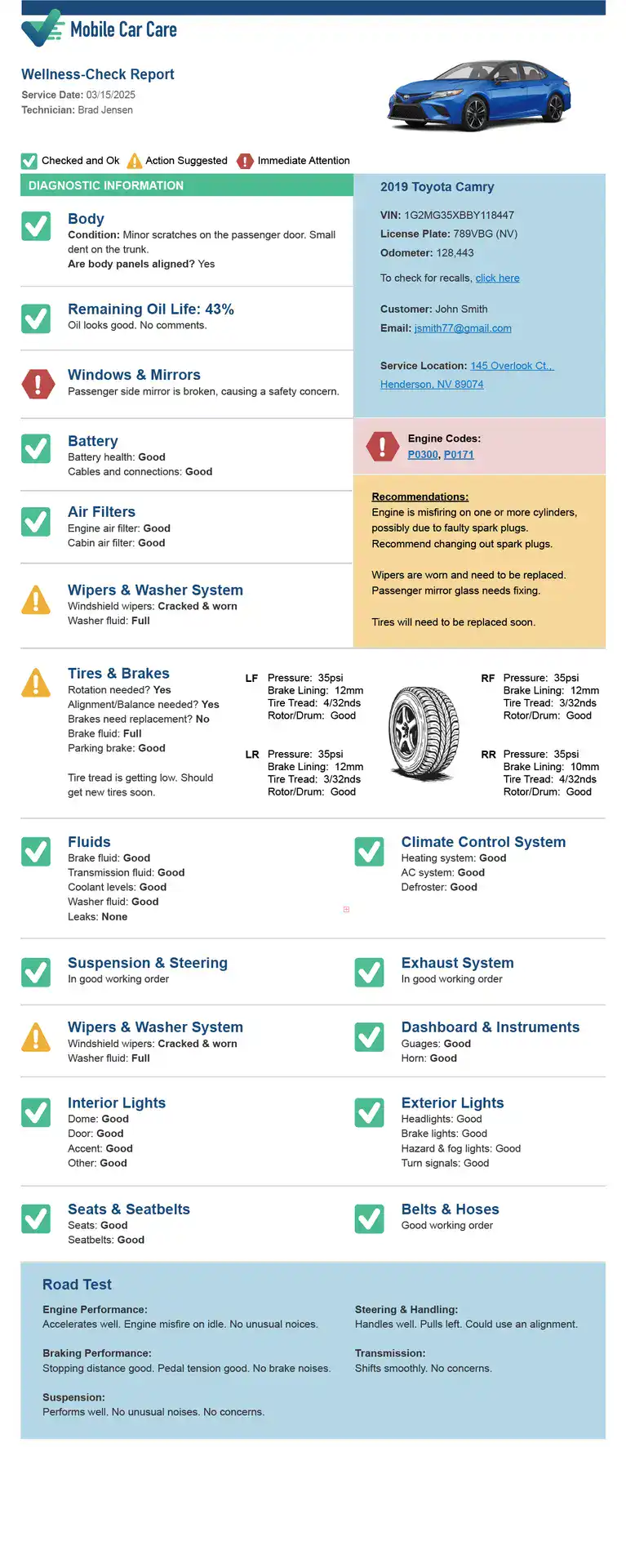
Keeping track of maintenance is just as important as doing it. Show your teen how to keep a simple log of every oil change, tire rotation, and repair. They can use a small notebook in the glove compartment or a notes app on their phone. This record is incredibly valuable. It helps them stay on top of scheduled maintenance, provides a necessary paper trail for any warranty claims, and can even increase the car’s resale value down the road. For the ultimate in hassle-free maintenance and record-keeping, our Total Care Plan includes detailed reports after every service, so you always have a complete history of your vehicle’s health.
Debunk Common Car Care Myths
When it comes to car care, there’s a lot of advice that gets passed down—some of it helpful, and some of it completely outdated. Cars have changed so much over the years, and what worked for your grandpa’s sedan probably doesn’t apply to a modern vehicle. Teaching your teen to separate fact from fiction will help them care for their car confidently and avoid unnecessary services or, worse, neglect critical tasks. Let’s clear up a few of the most common myths.
The Truth About Oil Changes
You’ve probably heard the old rule: change your oil every 3,000 miles. For most modern cars, this is simply not true. Thanks to better engine technology and higher-quality synthetic oils, many vehicles can go 7,500, 10,000, or even 15,000 miles between oil changes. Sticking to an outdated schedule just wastes money and resources. The best source of truth is always the owner’s manual. It will give you the manufacturer’s specific recommendation for your teen’s car. This same logic applies to other fluids, as some transmissions may only need a fluid change every 100,000 miles, showing how vehicle-specific maintenance really is.
Why Tire Pressure Matters
It’s easy to assume that a brand-new car doesn’t need much attention, but that’s a risky mindset. Even the latest models require regular care, from brake service to tire rotations. One of the most overlooked basics is tire pressure. Properly inflated tires are crucial for safe handling, braking, and preventing blowouts. They also directly impact fuel efficiency, so keeping them at the right pressure saves money at the pump. Teach your teen how to find the recommended PSI on the driver’s side doorjamb—not on the tire itself—and to check their tires monthly with a simple pressure gauge. It’s a small habit that makes a huge difference in safety and performance.
How Often Maintenance is Really Needed
Many of us feel a little lost when it comes to car maintenance schedules, and teens are no exception. In fact, a survey found that most parents rated their teen’s knowledge of car care as average or completely clueless. The key is teaching them that maintenance isn’t just for when something breaks—it’s about preventing problems in the first place. Following a simple schedule for checks and services keeps the car running safely and avoids surprise repair bills. A recurring service like our Essential Plan can help create this routine by handling the comprehensive checks for you, ensuring nothing gets missed and giving you both peace of mind.
Why You Can’t Ignore a Warning Light
A glowing light on the dashboard can be intimidating, and it’s tempting to just hope it goes away. Teach your teen that these lights are the car’s way of communicating that it needs help. Ignoring them can turn a minor issue into a major, expensive repair. For example, if the oil warning light comes on, they should pull over safely and check the oil level. If the level is fine, the car needs to see a mechanic right away. Help them learn what the most common symbols mean—like the check engine, battery, and temperature lights—so they know how to react quickly and responsibly instead of panicking.
Prepare Them for Roadside Emergencies
Even the most well-maintained car can have a bad day. A flat tire, a dead battery, or a mysterious warning light can pop up when you least expect it. While regular check-ups can prevent many of these issues, it’s just as important to prepare your teen for what to do when things go wrong. The goal isn’t to turn them into a master mechanic overnight, but to give them the knowledge and confidence to handle a stressful situation calmly and safely. Panicking on the side of a busy road is dangerous; having a clear plan is empowering.
Walking them through these scenarios before they happen can make all the difference. It transforms a potential crisis into a manageable problem. This preparation involves both practical skills, like changing a tire, and critical thinking, like knowing when it’s safer to stay in the car and call for help. By equipping them with a plan, you’re giving them one of the most important safety tools they can have.
What to Do During a Breakdown
The first rule of any roadside issue is simple: don’t panic. Teach your teen to take a deep breath and follow a safety-first checklist. The moment they sense trouble, they should signal, slow down, and pull over to the right shoulder, getting as far from moving traffic as possible. Once they’re stopped, the next step is to become visible by turning on their hazard lights. If they have an emergency kit with reflective triangles, now is the time to use them, placing them behind the car to warn other drivers.
Unless there’s an immediate danger like smoke, it’s safest to stay in the vehicle with the doors locked and seatbelt on. Getting out of the car on a busy road or highway is incredibly risky. From the safety of the car, they can call for roadside assistance or a family member to get the help they need.
How to Change a Flat Tire
Knowing how to change a flat tire is a classic rite of passage for any driver, but it’s a skill that absolutely requires practice. The side of a highway is not the place to learn. Find a weekend to walk them through the process in your driveway. Make sure they know where to find the jack, lug wrench, and spare tire. Guide them as they practice loosening the lug nuts, jacking up the car safely, and swapping the tire.
This hands-on lesson teaches them the mechanics and builds muscle memory. Remind them that safety is everything. They should only attempt to change a tire on a flat, stable surface, far from traffic, with the parking brake engaged. If they get a flat in a spot that feels unsafe, their job is to follow the breakdown steps and call for help instead.
Troubleshoot Common Problems
A glowing dashboard light can be intimidating, but many have simple explanations. Teach your teen to be an automotive detective. The most common culprit for a check engine light, for example, is a loose gas cap. Show them how to check and tighten it. Often, the light will turn off after a bit of driving. If it stays on, it’s a signal to get the car checked by a professional.
Help them learn to recognize the most critical warnings, like the oil pressure or engine temperature lights, which usually mean “pull over and turn the engine off now.” Understanding these basic dashboard warning lights helps them assess the urgency of a problem. It’s not about diagnosing the exact issue, but about knowing whether it’s safe to keep driving or if they need to stop immediately.
Know When to Call for Help
One of the most important lessons you can teach your teen is that there’s no shame in asking for help. Empower them to trust their gut. If they’re faced with a problem they don’t know how to fix, or if they feel unsafe for any reason—be it heavy traffic, bad weather, or the time of day—the right move is always to stay in the car and make a call. Their personal safety is more important than trying to be a hero.
Make sure their phone is always charged and that they have a list of emergency contacts. This should include family members, your trusted mechanic, and a roadside assistance service. For ongoing peace of mind, a subscription plan like our Total Care plan ensures they always have a reliable team to turn to, taking the guesswork out of getting help.
Help Them Build Good Habits for Life
Teaching your teen the nuts and bolts of car care is one thing, but helping them build lasting habits is what truly sets them up for a lifetime of safe driving. The goal isn’t just to show them how to check their oil, but to instill a mindset of proactive responsibility. When they understand that a car is a complex machine that needs consistent attention, they move from being a passenger to being a confident and capable owner. These habits are about more than just vehicle maintenance; they’re about foresight, financial planning, and prioritizing safety for themselves and everyone else on the road. By framing car care as a routine part of their lives, you’re giving them a powerful skill set that will serve them well long after they’ve left the nest. It’s about transforming a chore into a sense of ownership and pride. When they know their car inside and out, they’re more likely to treat it with respect and drive it more carefully. This foundation of good habits reduces the likelihood of being stranded by a preventable issue and gives both of you peace of mind every time they grab the keys.
Make Car Checks a Routine
Consistency is the key to forming any good habit, and car care is no exception. Encourage your teen to make vehicle checks a regular part of their schedule, like taking out the trash or doing laundry. You could suggest a quick five-minute inspection every other Sunday morning or on the first of every month. During this time, they can walk around the car to check the tires, test the lights, and peek under the hood to check fluid levels. The more they do it, the more it becomes second nature. This simple routine helps them develop an awareness of their car’s normal state, making it easier to spot when something is off before it becomes a serious problem.
Adapt Maintenance to the Weather
A smart driver knows that car care isn’t one-size-fits-all; it changes with the seasons. Teach your teen to pay attention to how weather impacts their vehicle. For example, explain that cold weather can cause tire pressure to drop, so it’s wise to check the PSI more frequently during the winter months. Before the rainy season starts, it’s a good time to inspect the windshield wipers and top off the washer fluid. Heading into a hot summer? That’s the perfect time to make sure the coolant is at the right level. This teaches them to think ahead and prepare their car for the specific challenges it will face, ensuring it runs reliably no matter what the forecast says.
Teach Them to Budget for Car Care
The freedom of driving comes with financial responsibilities that go beyond the gas pump. Help your teen understand that car ownership includes budgeting for routine maintenance and unexpected repairs. You can start by creating a simple budget that sets aside a small amount of money each month for car care. This fund can cover things like oil changes, tire rotations, and new wiper blades. Learning to plan for these predictable car maintenance costs will prevent financial stress when a larger expense, like new brakes or tires, comes up. It’s a practical life lesson in financial planning that reinforces the value of maintaining their vehicle.
Focus on Prevention, Not Just Repairs
The most important habit you can teach your teen is to focus on preventing problems rather than just reacting to them. Driving is a privilege that comes with the serious responsibility of keeping the vehicle in safe, working order. Regular maintenance is the best way to catch small issues, like a worn belt or a slow leak, before they lead to a breakdown on the side of the road. To make this easier, a subscription service like our Essential Plan can help them stay on top of routine checks without the hassle of visiting a shop. By prioritizing proactive care, you’re teaching them that safety isn’t an accident—it’s the result of consistent, thoughtful attention.
Instill a Mindset of Safety and Responsibility
Beyond knowing how to check the oil or change a tire, teaching your teen about car upkeep is really about instilling a mindset of safety and responsibility. When they get behind the wheel, you want them to have the confidence that comes from understanding their vehicle and respecting its needs. This isn’t just about avoiding costly repairs; it’s about giving them the tools to stay safe on the road and handle unexpected situations with a cool head.
By framing car care as a life skill, you empower them to be proactive rather than reactive. They’ll learn that a few minutes of prevention can save them hours of stress. This shift in perspective is the foundation of a lifetime of safe driving. It helps them see the car not just as a way to get from point A to point B, but as a complex machine that requires their attention and care. Practicing these simple habits will help your teen keep a well-maintained, smooth-running car for years to come.
The 2-Minute Pre-Drive Check
One of the best habits you can teach your teen is the two-minute pre-drive check. It’s a quick, simple routine that can catch small issues before they become big problems. Before they even put the key in the ignition, encourage them to do a quick walk-around. Are the tires properly inflated? Are there any new drips or puddles underneath the car? A quick check of the headlights, taillights, and turn signals also ensures they can see and be seen. This simple practice builds a connection with their vehicle and makes them more aware of its condition. For more thorough, professional inspections, a service like our Quick Check plan can provide extra peace of mind.
Understand the Car’s Limits
Many adults drive every day without really knowing how their car works or what its limits are. You can give your teen a huge advantage by teaching them to respect the vehicle’s capabilities. This means understanding that cars have limits on how fast they can safely corner, how much weight they can carry, and how hard the engine can work. Talk to them about why they shouldn’t overload the car with friends or cargo and why it’s important to listen for strange noises when accelerating or braking. Understanding these boundaries helps them become a smoother, safer driver and prevents unnecessary wear and tear on the vehicle’s most important components.
Learn to Recognize Warning Signs
A car will almost always give you a heads-up before a major problem occurs. The key is teaching your teen to pay attention to the warning signs. Encourage them to trust their senses. If they see a new light on the dashboard, hear a strange noise, feel a weird vibration, or smell something unusual, they shouldn’t ignore it. For example, if the oil warning light comes on, they should know to check the oil level and, if it’s fine, get the car to a mechanic immediately. By teaching them to be observant, you’re empowering them to catch issues early, which is the core of what we do at Mobile Car Care.
Why Keeping Records Matters
Keeping good records is a habit that pays off in the long run. No matter where you get your car serviced, a detailed maintenance history is incredibly valuable. Teach your teen to keep a small notebook in the glove compartment or use an app to log every oil change, tire rotation, and repair. This log helps them stay on top of scheduled maintenance, provides crucial information for mechanics, and can even increase the car’s resale value. Our Total Care plan makes this easy by providing detailed reports after every 85-point wellness check, so you always have a clear and professional record of the vehicle’s health.
Related Articles
- Essential Car Maintenance Tips for College Students – Mobile Car Care
- Simple Car Maintenance Tips for Busy College Students – Mobile Car Care
- Trusted Car Care for College Students in Las Vegas – Mobile Car Care
Frequently Asked Questions
My teen is about to get their permit. Is it too late to start teaching them about car care? Not at all—in fact, this is the perfect time to start. The goal isn’t to turn them into an expert overnight. Begin with the basics, like showing them how to use the owner’s manual to find information and explaining what the most common dashboard lights mean. You can build their knowledge and confidence gradually, making car care a normal part of the driving experience from day one.
What are the most critical skills my teen needs to know for their safety? If I had to narrow it down, I’d focus on three areas. First, they need to know what the major dashboard warning lights mean, especially for oil pressure and engine temperature. Second, they should be comfortable checking their tire pressure and tread depth, since tires are so crucial for safe handling. Finally, they need a clear plan for what to do during a breakdown, which often means staying safely in the car and calling for help.
I don’t know much about cars myself. How can I teach my teen effectively? You don’t have to be a mechanic to be a great teacher. The key is to learn alongside them. Use the car’s owner’s manual as your textbook and watch online video tutorials together for simple tasks. You can also bring in a professional for a hands-on lesson. A mobile technician can perform a wellness check right in your driveway and answer questions for both of you, which takes the pressure off you to know everything.
My teen seems completely uninterested. How can I get them engaged in learning this? Try connecting car care directly to the freedom and independence they want. Frame these lessons as the key to avoiding a breakdown, being stranded, or having to ask for money for a big, preventable repair. Start with small, practical tasks you can do together, like building their roadside emergency kit or replacing the windshield wipers. Making it a shared, hands-on activity is always more effective than a lecture.
Should I focus more on teaching them how to fix things or on knowing when to call for help? Knowing when to call for help is by far the more important skill. While it’s empowering for them to handle simple jobs like topping off fluids, the real goal is to teach them how to recognize warning signs. Instilling the confidence to know when a problem is beyond their ability—and that it’s okay to ask for assistance—is one of the most valuable safety lessons you can give them.