
That bright green or pink puddle under your car isn’t just a harmless drip; it’s a warning sign. Your car’s cooling system is the only thing standing between a smooth ride and a steaming engine on the side of the road. A leak in this system means your engine is losing its primary defense against overheating, which can lead to catastrophic and expensive damage. But don’t panic. Understanding what to look for is the first step toward a simple fix. This guide will walk you through everything you need to know, from spotting the first signs to performing a basic visual coolant leak check yourself. It’s all about catching small issues before they become major headaches.
Key Takeaways
- Spot the early warning signs: Pay attention to your car’s signals—a brightly colored puddle on the ground, a distinct sweet smell after driving, or a temperature gauge creeping into the red are all clear indicators of a coolant leak.
- Act safely and aim for a real fix: If your engine overheats, pull over immediately to prevent serious damage. While stop-leak products offer a temporary patch, the only lasting solution is to find the source of the leak and replace the faulty part.
- Prevention is simpler than repair: Stay ahead of problems by using the correct type of coolant for your car and having your cooling system inspected regularly to catch aging hoses or worn components before they fail.
What Is a Coolant Leak (And Why It Matters)
Let’s start with the basics. A coolant leak is exactly what it sounds like: the fluid that keeps your engine cool is escaping from where it’s supposed to be. Think of it like a leak in a garden hose—a small drip can turn into a big problem if you ignore it. This fluid, also known as antifreeze, circulates through your engine, radiator, and a series of hoses to regulate temperature. When there’s a hole or crack in any part of this cooling system, the fluid gets out, and your car can’t cool itself properly.
This isn’t just a minor inconvenience; it’s a direct threat to your engine’s health. Your car’s engine operates under intense heat, and coolant is its primary line of defense against overheating. A leak means that defense is compromised, putting critical engine components at risk. The good news is that coolant leaks are often easy to spot if you know what to look for. Understanding what coolant does and the risks involved is the first step to keeping your car running safely and avoiding a massive repair bill down the road. It’s all about catching small issues before they become major headaches, which is a core part of proactive vehicle maintenance and the reason regular checks are so important.
What Coolant Does for Your Engine
So, what is this brightly colored liquid, anyway? Coolant, or antifreeze, is the unsung hero of your engine. Its main job is to absorb heat from the engine and dissipate it through the radiator. This keeps your engine running at its optimal temperature, preventing it from getting too hot during summer drives. But it also works the other way—in the winter, it prevents the water in your cooling system from freezing and cracking the engine block. Without enough coolant, your engine is left vulnerable to extreme temperatures, which can lead to serious and expensive damage.
The Risks of Ignoring a Leak
Ignoring a coolant leak is like ignoring a smoke alarm—it’s a warning sign you can’t afford to miss. Driving with a leak is not safe and can quickly lead to your engine overheating. This can cause catastrophic damage, like a warped cylinder head or a cracked engine block, resulting in repairs that cost thousands. Beyond overheating, a persistent leak can cause rust to form inside your engine, lead to a burning sweet smell inside your car, and even hurt your gas mileage. It’s a small problem that can spiral into a major safety issue and a huge financial burden if left unchecked.
Signs Your Car Has a Coolant Leak
Your car is pretty good at telling you when something’s wrong—you just have to know what to look for. A coolant leak sends out clear warning signals before it becomes a major headache. Catching it early can save you from a steaming engine on the side of the road and a much bigger repair bill. Here are the most common signs that your car is losing coolant.
Look for Puddles and Brightly Colored Fluid
One of the most straightforward signs of a coolant leak is a puddle under your car. And no, I’m not talking about water from the A/C. Take a closer look at the color. Coolant, also known as antifreeze, is typically a bright, almost neon color to make it easy to spot. You’ll want to look for puddles of green, orange, or pink fluid. The specific shade depends on the different types of coolant your vehicle uses. If you see a colorful puddle forming under the front of your car, especially after it’s been parked for a while, it’s a strong indicator that you have a leak somewhere in the cooling system.
Notice a Sweet Smell or a High Temp Gauge
Your other senses can be a huge help here. If you notice a distinct, sweet smell coming from your car, especially after you’ve turned it off, that’s a classic sign of coolant leaking onto a hot engine and burning off. You should also keep an eye on your dashboard. Your car’s temperature gauge should normally sit right in the middle. If you see it climbing into the red zone, your engine is overheating, likely due to a lack of coolant. In serious cases, you might see steam coming from under the hood. If this happens, pull over as soon as it’s safe and turn off the engine to prevent serious damage.
Check Your Dashboard Warning Lights
Modern cars have sensors for just about everything, including your cooling system. Don’t ignore the symbols that light up on your dashboard—they’re your car’s way of asking for help before a small issue becomes a big one. You might see a specific low coolant light, which often looks like a thermometer floating in liquid, or your general check engine light might come on. These warnings are designed to alert you to a problem before it gets critical. Seeing one of these lights is the perfect time to schedule a Quick Check to find out what’s going on without having to rearrange your day to visit a garage.
How to Visually Inspect for a Leak
So, you think you might have a coolant leak. Don’t panic! A simple visual inspection is the best first step, and it’s something anyone can do. You don’t need any special tools—just a flashlight and a keen eye. This quick check can help you find the source of the leak or at least give you enough information to know what to do next. Before you start, park your car on a clean, flat surface, like your driveway or a clean spot in your garage. This makes it much easier to spot any new drips. Also, make sure your engine is completely cool to the touch. The cooling system is pressurized and gets extremely hot, so never open the radiator cap or touch hoses when the engine is warm.
We’ll walk through the three key areas to check: what’s happening under your car, the condition of your radiator and hoses, and the state of your water pump and engine bay. This process is all about looking for the obvious signs—puddles, drips, wet spots, or visible damage. By taking a few minutes to investigate these common culprits, you can often get a clear idea of the problem’s severity. It’s a straightforward way to stay proactive about your car’s health and prevent a small issue from turning into a major, trip-ruining breakdown. Let’s get started.
Look Under Your Car for Drips
The most obvious sign of a leak is a puddle under your car. Start by looking at the ground directly beneath your engine. If you see a puddle, take note of its color. Coolant, also known as antifreeze, is typically a bright color to make it easy to spot. You might see shades of green, pink, orange, or yellow. This isn’t just water—it’s a clear sign that something is dripping from your cooling system. If you park in the same spot every day, you might notice stains on the pavement even if there isn’t a fresh puddle. A piece of clean cardboard placed under the engine overnight can also help you catch and identify any drips you might otherwise miss.
Inspect the Radiator, Hoses, and Connections
Next, open the hood (remember, only when the engine is cool!) and take a close look at the radiator. It’s usually at the very front of the engine bay. Look for any wet spots, rust-colored stains, or visible damage to the cooling fins. From there, trace the large rubber hoses connected to the top and bottom of the radiator. Squeeze them gently (they should feel firm, not mushy or brittle). Run your hand along the underside of the hoses to feel for any wetness. Pay special attention to the connection points where the hoses meet the radiator and the engine. A loose clamp or a tiny crack in a hose is a very common source for slow leaks that can be tricky to spot.
Examine the Water Pump and Engine Bay
The water pump is the heart of your cooling system, circulating coolant through the engine. It’s usually located at the front of the engine, driven by a belt. Shine your flashlight around it and look for any drips, stains, or crusty buildup, especially around the pulley and the small ‘weep hole’ on the pump’s body. A leak here is a sure sign the pump is failing. While you’re there, do a general scan of the entire engine bay. Look for any spray patterns or stains on other components. Sometimes a small leak from a hose can spray coolant onto other parts of the engine as you drive, leaving a trail that can help you find the source.
Tools and Tricks for Finding Hidden Leaks
Sometimes, a coolant leak plays hard to get. You might smell that sweet scent or see your temperature gauge creeping up, but a quick look under the hood reveals nothing. When a visual inspection doesn’t give you answers, you need a few more tricks up your sleeve. These methods are what the pros use to uncover even the most elusive leaks. While they require a bit more effort and some specific tools, they can help you pinpoint exactly where the problem is. If playing detective with your car isn’t your idea of a fun weekend, remember that a thorough professional inspection can find these issues for you, stress-free. Our Essential Plan includes a comprehensive check of the cooling system, so you can get answers without getting your hands dirty.
Use a UV Dye Detection Kit
One of the most effective ways to find a slow or hidden leak is with a UV dye detection kit. Think of it as a mini-CSI investigation for your engine. You simply add a special fluorescent dye to your coolant reservoir, then run your car for a bit to let it circulate through the system. Afterward, you can scan your engine bay with a UV light (or black light). Any spot where the coolant has escaped will glow brightly, showing you the exact source of your leak. This method is great for finding tiny cracks or drips that are otherwise invisible to the naked eye.
Pressure Test Your Cooling System
Another reliable technique is to perform a pressure test. This sounds technical, but the concept is simple: you’re checking to see if your cooling system can hold pressure. You’ll need a special pressure tester tool that attaches to your radiator or coolant tank. Once it’s connected, you pump it up to the pressure level recommended in your car’s manual (usually around 15-20 psi). Then, you watch the gauge. If the pressure holds steady, your system is sealed. If it starts to drop, you have a leak somewhere, and the escaping air might even make a hissing sound that helps you find it.
Watch for Steam and White Smoke
You don’t always need special tools—sometimes your senses are enough. Keep an eye out for steam coming from the engine bay when you’re stopped, as this is a classic sign that hot coolant is spraying onto a hot engine part. Another major red flag is white smoke from the exhaust. This isn’t the same as the thin vapor you see on a cold morning. We’re talking about thick, sweet-smelling white smoke, which often means you have an internal engine leak, like a bad head gasket. This is a serious issue that needs immediate attention from a professional.
Where Do Coolant Leaks Usually Start?
Coolant leaks can feel like a mystery, but they almost always start in a few predictable places. Think of your car’s cooling system as a network of plumbing. Leaks tend to happen where parts connect, where materials get old and brittle, or where a component simply wears out from doing its job day after day.
Most of the time, the culprit is something simple and visible on the outside of your engine. Hoses, clamps, and the radiator itself are the usual suspects. Other times, the leak might come from a hardworking part like the water pump. And in more serious cases, the leak can be hidden deep inside the engine itself. Knowing where to look first can help you narrow down the problem and figure out your next steps.
Radiators and Hose Connections
The most common spots for coolant to escape are from the radiator and the rubber hoses connected to it. Your radiator sits at the front of your car, and over time, the constant heating and cooling can cause its plastic or metal parts to develop small cracks. More often, though, the problem lies with the hoses. These flexible tubes carry hot coolant to and from the engine, and with age, they can become brittle, crack, or soften. The hose connections are another weak point; the clamps holding them in place can loosen, allowing coolant to seep out right where the hose meets the engine or radiator.
Water Pumps and Thermostat Housings
If the hoses look fine, your next stop should be the water pump. This part is the heart of your cooling system, responsible for circulating coolant through the engine. It has a seal and a gasket that can wear out over time, causing a slow drip that often leaves a colorful stain on the engine block. You can usually spot drips or stains around the pump, which is typically located at the front of the engine. Similarly, the thermostat housing, which contains the thermostat that regulates coolant temperature, can crack or its gasket can fail, creating another potential leak point.
Head Gaskets and Internal Engine Leaks
This is the leak you can’t see. If your coolant level keeps dropping but you can’t find a single puddle or drip under your car, you might have an internal leak. This usually points to a failed head gasket, which is the critical seal between the top and bottom parts of your engine. When it fails, coolant can leak into the engine’s cylinders and burn away with the exhaust—often creating white, sweet-smelling smoke. An internal leak can also allow oil and coolant to mix, which is a serious problem. This is definitely a job for a professional, as it requires specific tools to diagnose and repair.
Found a Leak? Here’s What to Do Next
Finding a puddle of brightly colored fluid under your car can be alarming, but don’t panic. A coolant leak is a clear sign that your car needs attention, and knowing the right steps to take can prevent a small issue from turning into a major, expensive repair. Your immediate actions are all about safety and damage control.
First, you need to assess whether your car is safe to drive. Continuing to run an engine without proper cooling can lead to overheating and severe damage. Next, if you’re in a safe spot, you might be able to apply a temporary fix to get you home or to a mechanic. Finally, it’s crucial to understand the difference between a quick patch and a permanent solution. A proper repair is the only way to ensure your car is reliable and safe for the road. Let’s walk through exactly what to do when you spot that tell-tale puddle.
Know When to Stop Driving
The most important thing to do when you suspect a coolant leak is to prioritize safety. If your car’s temperature gauge starts creeping into the red zone or you see a warning light pop up on your dashboard, pull over as soon as it’s safe to do so. Continuing to drive an overheating engine can cause catastrophic damage, like a warped cylinder head or a cracked engine block.
Even if the temperature gauge seems normal, a visible puddle of coolant is a clear signal to get your vehicle checked immediately. Don’t risk it. The best course of action is to stop driving and call for help. A service like our Quick Check Plan can come to you and diagnose the problem on the spot, saving you the stress of finding a tow.
How to Safely Top Off Your Coolant
If the leak is minor and you’re in a safe location, you might be able to top off the coolant to get your car to a safe place. But first, safety is key. Never attempt to open the radiator or coolant reservoir cap when the engine is hot. The system is pressurized, and opening it can cause hot coolant to spray out, leading to serious burns.
Always let your car cool down completely—for at least 30 minutes—before opening the hood. Once it’s cool, locate the coolant reservoir (it’s usually a translucent plastic tank with “max” and “min” lines). If the level is low, slowly add the correct type of coolant for your vehicle until it reaches the “max” line. In a pinch, you can use distilled water, but this should only be a temporary measure.
Understand Temporary vs. Permanent Fixes
While it’s tempting to reach for a quick fix, it’s important to know that products like radiator sealants or stop-leak additives are not permanent solutions. They might plug a tiny pinhole leak for a short time, but they don’t address the underlying cause, which could be a cracked hose, a failing water pump, or a corroded radiator. These temporary patches can sometimes cause more harm by clogging up the cooling system.
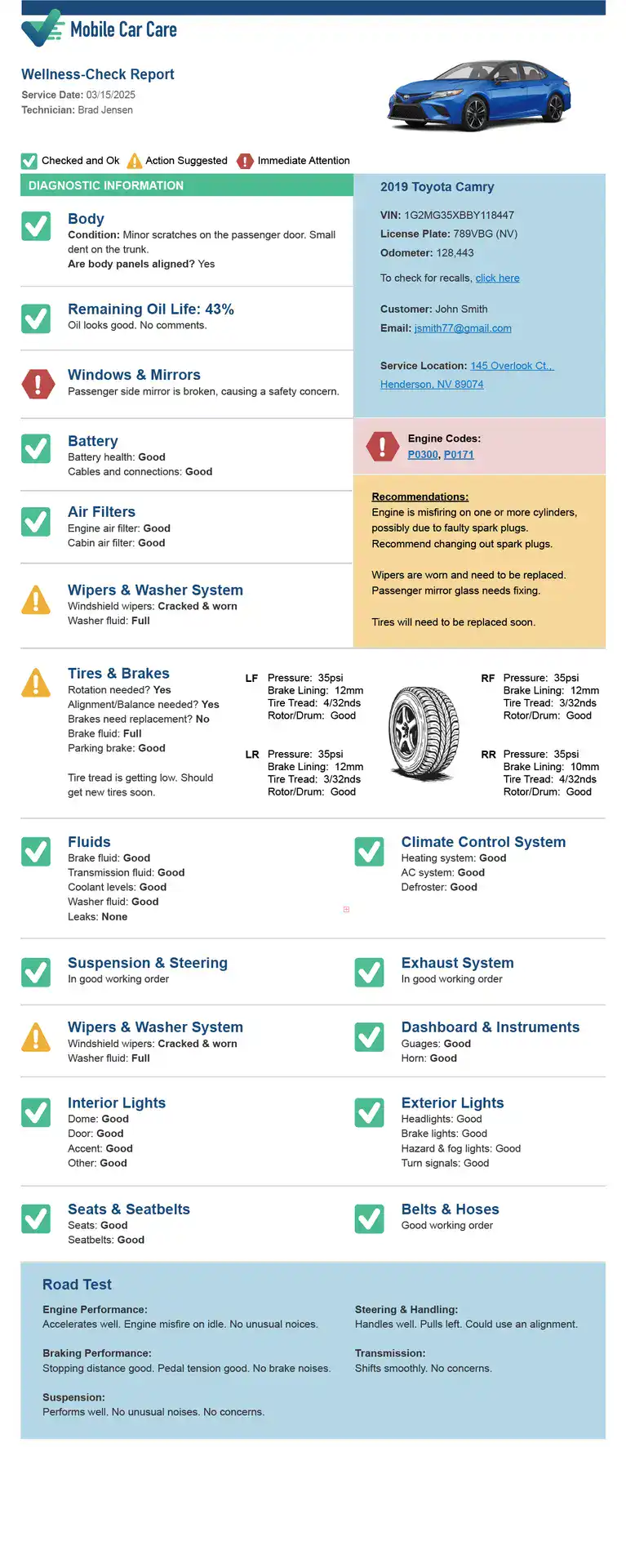
The only real solution is to find the source of the leak and replace the broken part. A thorough inspection is the best way to pinpoint the problem. Our comprehensive Total Care Plan includes a detailed wellness check that can identify the exact cause, ensuring your cooling system is repaired correctly for lasting peace of mind.
How to Prevent Coolant Leaks in the First Place
The best way to deal with a coolant leak is to stop it from ever happening. While you can’t prevent every issue, a little proactive care goes a long way in keeping your car’s cooling system healthy and saving you from the stress of a breakdown. Think of it like this: spending a few minutes on maintenance now can save you hours (and hundreds of dollars) on a major repair down the road.
Preventing leaks is all about staying ahead of wear and tear. Your car’s cooling system is a network of hoses, clamps, and seals that work under high pressure and extreme temperatures. Over time, these parts naturally degrade. By keeping an eye on them and following a few simple rules, you can catch potential problems before they leave you stranded. It’s the easiest way to ensure your engine stays cool and your daily drive remains uninterrupted.
Use the Correct Coolant for Your Car
It might seem like all antifreeze is the same, but that couldn’t be further from the truth. Using the right coolant is one of the simplest yet most critical steps in preventing leaks. Your car’s manufacturer specifies a certain type of coolant for a reason—it contains the right additives to protect the specific metals and plastics in your engine and radiator. Using the wrong kind can lead to corrosion, which eats away at components from the inside out, causing leaks. Always use the type of coolant your car’s manufacturer recommends. You can find this information in your owner’s manual.
Get Your Cooling System Inspected Regularly
You don’t have to be a mechanic to spot a problem, but having a professional look things over is the best way to catch issues you might miss. Regular inspections can identify worn hoses, loose clamps, or early signs of a water pump failure before they become serious leaks. This is where routine maintenance truly shines. Instead of waiting for a dashboard light to come on, you can address small issues proactively. Our Essential Plan includes a comprehensive 85-point wellness check that covers your entire cooling system, giving you total peace of mind without you ever having to leave home.
Replace Aging Hoses Before They Fail
The rubber hoses in your cooling system are the most likely components to fail over time. Constant exposure to heat and pressure causes them to become hard, brittle, and cracked. Don’t wait for a hose to spring a leak while you’re driving. During your regular checks, feel the hoses (when the engine is cool!). If they feel spongy, mushy, or rock-hard, it’s time for a replacement. Proactively replacing aging components like hoses and clamps is a small investment that prevents a much bigger headache. It’s a simple, effective way to maintain the integrity of your cooling system.
When Is It Time to Call a Professional?
While doing your own visual checks is a great first step, some coolant leaks are tricky to find or require special tools to diagnose. It’s smart to know your limits. If you’ve looked everything over and still can’t pinpoint the source of the leak, or if you simply don’t feel comfortable popping the hood, it’s time to call in a professional. Trying to fix something you’re unsure about can sometimes lead to bigger, more expensive problems.
Think of it this way: a mechanic has the experience and equipment to find the problem quickly and accurately. They can perform pressure tests to find hidden leaks and have seen just about every issue that can pop up. Getting an expert opinion isn’t giving up; it’s making a smart choice to protect your car and your wallet. When you’re dealing with something as critical as your car’s cooling system, getting it right is what matters most.
Signs You Need an Expert’s Help
It’s perfectly fine to admit when a car problem is out of your league. If you can’t find the leak yourself or just aren’t comfortable poking around the engine, that’s your cue to call a mechanic. Some signs are more urgent than others. If you notice your temperature gauge creeping into the red, see steam coming from under the hood, or find a significant puddle of fluid under your car, you should get it checked immediately. These are clear signals that something is wrong and needs professional attention before it causes serious engine damage. Don’t hesitate to reach out for help when you see these red flags.
How Mobile Car Care’s Inspections Give You Peace of Mind
Finding and fixing a coolant leak early can save you a lot of money and trouble down the road. That’s where we come in. If you’re losing coolant but can’t see an obvious leak, you might need a professional pressure test to find the hidden source. Our technicians come directly to your home or office to perform comprehensive wellness checks that cover your entire cooling system. We use professional-grade tools to diagnose the issue accurately, giving you a clear report of your vehicle’s health. Our Essential Plan is designed to catch these small issues before they become major headaches, giving you total peace of mind without the hassle of a garage visit.
Related Articles
- Essential Car Check Before Your Next Road Trip – Mobile Car Care
- Monthly Car Checkups for Parked Vehicles: A Quick Guide – Mobile Car Care
- Your Guide to Preventive Vehicle Maintenance – Mobile Car Care
- Preventive Car Maintenance: Your Complete Guide – Mobile Car Care
- Essential At-Home Car Maintenance Checklist – Mobile Car Care
Frequently Asked Questions
Is it safe to drive if I think I have a small coolant leak? It’s best not to risk it. Even a tiny leak can become a big problem without warning, and the last thing you want is for your engine to overheat while you’re on the road. An overheating engine can lead to very serious and expensive damage. If you see a puddle, notice a sweet smell, or your temperature gauge is higher than normal, the safest move is to stop driving and get it checked out as soon as possible.
My car is losing coolant, but I don’t see a puddle. What’s going on? This is a classic sign of a hidden leak. The coolant might be dripping onto a hot part of your engine and evaporating before it ever hits the ground, which is often the source of that sweet smell. In more serious cases, it could be an internal leak, where a failing head gasket allows coolant to seep into the engine itself. If you notice thick, white smoke coming from your exhaust, that’s a major red flag for an internal leak that needs immediate professional attention.
Can I just add water to my coolant reservoir in an emergency? In a true emergency, adding a little distilled water can help you get to a safe location or a repair shop. However, this should only be a temporary fix. Water alone doesn’t have the crucial anti-corrosion and anti-freeze properties that your engine needs. Running your car on just water for too long can lead to rust inside your cooling system and won’t protect your engine from freezing in cold weather.
How often should I be checking my coolant level? A good rule of thumb is to take a quick peek at your coolant reservoir about once a month and always before you head out on a long road trip. It only takes a second to check the “min” and “max” lines on the see-through tank. Making this a regular habit is one of the easiest ways to catch a slow leak early and stay on top of your car’s health.
What’s the difference between coolant and antifreeze? People often use these terms interchangeably, and for good reason—they refer to the same essential fluid. Technically, “antifreeze” is the concentrated liquid you might buy at the store. “Coolant” is what’s actually in your car’s system, which is typically a 50/50 mixture of that antifreeze and distilled water. This mixture provides the best balance for protecting your engine from both overheating and freezing.