
Your car is a significant investment, but the relentless Las Vegas sun can quickly diminish its value. Intense UV rays fade paint, extreme heat cracks dashboards, and fine desert dust works its way into every crevice, causing both cosmetic and mechanical issues. Letting a vehicle sit idle without a plan is one of the fastest ways to turn a reliable asset into a project requiring expensive repairs. Protecting your investment means being proactive. We’ve compiled the most important car storage tips Vegas drivers need to follow to keep their vehicle in prime condition, preserving its worth and saving them from future headaches.
Key Takeaways
- Prioritize Pre-Storage Prep: Before storing your car, give it a thorough cleaning, change the oil, and fill the gas tank with a stabilizer. This prevents long-term damage to the engine and paint from contaminants and moisture.
- Select the Right Environment: The Las Vegas heat is harsh, so opt for an indoor, climate-controlled storage unit. This is the most effective way to protect your car’s paint, interior, and electronics from sun damage and extreme temperatures.
- Don’t Park It and Forget It: Periodically check on your vehicle to monitor tire pressure and look for pests. When you’re ready to drive again, perform a full inspection of the battery, fluids, and brakes before hitting the road to ensure a safe start.
Why You Need to Properly Store Your Car in Las Vegas
Leaving your car parked for an extended period in Las Vegas requires more than just finding a spot and taking the keys. The desert environment is uniquely harsh, and letting a vehicle sit unprotected is an invitation for damage that can be costly and time-consuming to fix. Proper storage isn’t just for classic cars or luxury vehicles; it’s a crucial step for anyone looking to protect their investment and ensure their car is ready to go when they need it. Whether you’re away for a month or a year, taking the right precautions will save you from future headaches and keep your car in prime condition.
How the Desert Climate Affects Your Car
The relentless sun and dry heat of Las Vegas are tough on a vehicle. The intense UV rays can cause your car’s paint to fade, crack, and peel, while the interior plastics and upholstery can become brittle and discolored. Under the hood, extreme temperatures accelerate the breakdown of essential fluids like oil, coolant, and transmission fluid. Rubber components, such as belts, hoses, and tires, are also at risk of drying out and cracking. While we don’t have the coastal humidity that causes rust, the fine desert dust can be just as damaging, working its way into every crevice, clogging air filters, and scratching surfaces. Protecting your vehicle from these elements is key to its longevity.
Common Reasons for Storing a Vehicle
You might need to store your car for any number of reasons. Perhaps you’re a service member on deployment, a snowbird who spends winters elsewhere, or you’re heading off on a long-term trip. Many people also have a second vehicle—a classic car, a convertible, or a truck—that doesn’t get driven daily. In these cases, proper storage is essential to keep your car in top shape and ready for its next drive. Letting a car sit idle without preparation can lead to a dead battery, flat-spotted tires, and degraded fuel. Should you ever find yourself stranded with an empty tank, understanding your options for emergency fuel delivery can be a lifesaver. A little planning ensures your vehicle remains a reliable asset rather than becoming a project.
The Perks of Professional Car Storage
While parking your car in a garage is a good first step, professional storage facilities offer a higher level of protection. The best way to store a car is inside a dedicated unit that shields it from the weather and other potential damage. Many facilities offer climate-controlled units, which maintain a consistent temperature and humidity level, protecting your car from the extreme heat swings of the desert. These locations also typically provide enhanced security features like surveillance cameras, gated access, and on-site staff. This gives you peace of mind that your vehicle is safe from theft, vandalism, and the harsh environmental factors unique to Las Vegas.
How to Prepare Your Car for Storage
Putting your car away for a while involves more than just finding a parking spot. A little prep work now will save you from headaches and costly repairs later. Think of it as tucking your car in for a long nap—you want to make sure it’s clean, comfortable, and ready to wake up without any issues. Following a few key steps ensures your vehicle remains in the same great condition as the day you stored it. Let’s walk through exactly what you need to do to get your car ready.
Clean and Inspect Your Vehicle
First things first, give your car a thorough cleaning, inside and out. Dust, bird droppings, and water spots can eat away at your paint over time, especially under the intense Vegas sun. A good wash and wax will create a protective barrier for the exterior. Don’t forget the inside—vacuum the carpets and seats to remove any crumbs or debris that could attract pests. A clean car is not just nice to come back to; it’s a crucial step in preserving its value and condition while it sits idle. This is also the perfect time to do a quick walk-around and note any existing dings or scratches.
Top Off Fluids and Handle Maintenance
Before you store your car, it’s essential to handle its basic maintenance needs. Old, used oil contains contaminants that can damage your engine, so it’s best to change the oil and filter before storage. You should also fill the gas tank to about 90% full. This prevents moisture from accumulating in the tank and keeps the seals from drying out. If you have any known mechanical issues, get them fixed now. It’s much easier to handle repairs before the car is tucked away. If you’re short on time, a service like our Quick Check Plan can take care of these fluid top-offs and pre-storage inspections for you.
Get Your Paperwork in Order
This step is simple but easy to forget in the rush. Gather all your important vehicle documents, including the title, registration, and any recent maintenance records. It’s a good idea to make digital copies and store the physical papers in a secure, dry place at home—not in the glove compartment where they could be damaged or stolen. Having everything organized will make your life much easier when you’re ready to get the car back on the road or if you need to access the information for any reason while it’s in storage. This small organizational task takes just a few minutes but can prevent a lot of scrambling later on.
Review Your Car Insurance Policy
Don’t pay for coverage you don’t need, but don’t leave your car unprotected, either. Before storing your vehicle, contact your insurance provider to discuss your options. You may be able to reduce your premium by dropping collision coverage since the car won’t be on the road. However, you should absolutely maintain comprehensive coverage. This is what protects you from non-driving-related incidents like theft, vandalism, or fire. A quick phone call can clarify what your car insurance covers during storage and potentially save you some money while ensuring your investment is protected.
Choose the Right Storage Environment
Where you store your car is just as important as how you prepare it. The Las Vegas climate isn’t kind to vehicles left exposed, so finding the right shelter is your best defense against the elements. Think of a storage unit as a temporary home for your car—you want it to be safe, stable, and secure. From preventing sun damage to keeping out pests, the right environment makes all the difference in ensuring your car starts right up when you’re ready to hit the road again.
Indoor vs. Outdoor Storage
While parking your car in an outdoor lot or even a covered carport might seem like an easy solution, it leaves your vehicle vulnerable. Storing your car outside exposes it to intense sun, whipping dust, and potential dings from other vehicles. The best way to protect your investment is to secure an indoor, fully-enclosed storage unit. This shields your car from the harsh weather and other environmental factors that can cause damage over time. An indoor space provides a crucial barrier against the desert, keeping your car’s paint, interior, and mechanical parts in much better condition.
The Importance of Climate Control
You might think a dry desert climate means you don’t have to worry about moisture, but that’s not always the case. Las Vegas experiences a monsoon season that can bring sudden humidity, and moisture is a car’s worst enemy when it comes to rust. A climate-controlled unit helps maintain a consistent temperature and humidity level, preventing condensation from forming on and inside your vehicle. This stability also protects sensitive interior materials like leather, vinyl, and plastic from cracking under extreme heat, and it safeguards your car’s delicate electronic systems from temperature-related stress.
Key Security Features to Look For
When you’re trusting a facility with your car, security should be a top priority. Look for storage locations with features like gated access, 24/7 video surveillance, and good lighting. Beyond the facility’s security, you can add your own layer of protection with a high-quality car cover. A snug, breathable car cover is essential for keeping dust off the paint and preventing pests like rodents or spiders from making a home in your engine bay or interior. Be sure to use a cover designed for vehicles, as a generic plastic tarp can trap moisture and even scratch the paint.
Comparing Storage Costs
Storage costs can vary widely based on size, location, and features. An indoor, climate-controlled unit will naturally cost more than an outdoor parking space, but it’s an investment in your car’s longevity. When comparing options, consider the value of what you’re protecting. Spending a little more each month for a secure, climate-controlled space can save you from spending thousands on repairs for sun damage, rust, or pest infestations later. Look for facilities that offer drive-up access for convenience, making it easy to move your car in and out as needed.
Protect Your Car from the Desert Elements
The Las Vegas climate is no joke, and leaving your car to fend for itself against the elements is a recipe for damage. The intense sun, fine dust, and surprising humidity can take a toll on your vehicle’s exterior, interior, and even its mechanical parts. Protecting your car isn’t just about keeping it clean; it’s about preserving its value and ensuring it’s in great shape when you’re ready to drive it again. A little preparation goes a long way in shielding your vehicle from the harsh desert environment. Let’s walk through the key steps to keep your car safe from the sun, sand, and everything in between.
Shield Your Car from Sun and Heat
The relentless desert sun is one of your car’s biggest enemies. Over time, UV rays can cause your paint to fade, peel, and oxidize, while the intense heat can crack your dashboard, fade your upholstery, and damage sensitive interior electronics. The best line of defense is a high-quality, well-fitting car cover. It acts as a barrier, reflecting harmful UV rays and keeping the interior temperature down. This simple step not only preserves your car’s finish and interior but also helps prevent plastics and rubber seals from becoming brittle and breaking down prematurely. Think of it as sunscreen for your car—an essential layer of protection.
Keep Out Dust and Sand
In Las Vegas, dust gets everywhere. Fine sand and dust particles can settle on your car’s exterior, creating a gritty layer that can scratch the paint if you try to wipe it off. Worse, it can work its way into your engine bay, air filters, and ventilation system, potentially causing mechanical issues down the road. A snug-fitting car cover is your best tool here, as it creates a seal that keeps airborne dust and sand from settling on your vehicle. This helps maintain your car’s finish and reduces the amount of cleaning and detailing you’ll need to do when you take it out of storage.
Manage Moisture and Prevent Rust
It might sound strange to worry about moisture in the desert, but it’s a real concern. Monsoon season brings sudden downpours, and even temperature fluctuations can create condensation. When moisture gets trapped under a non-breathable cover or settles in your car’s undercarriage, it can lead to rust and mildew. If you’re storing your car near the coast or in a more humid part of the valley, it’s best to keep it indoors. For extra protection, you can place a few dryer sheets or moisture-absorbing packets on the floorboards to soak up any dampness and keep the interior smelling fresh.
Choose the Best Car Cover
Not all covers are created equal. While it might be tempting to just throw a plastic tarp over your car, this can do more harm than good. Tarps can scratch your paint and trap moisture underneath, creating a perfect environment for rust and mold to develop. Instead, invest in a proper, breathable car cover designed specifically for vehicles. Look for one with a soft inner lining to protect the paint and a durable, weather-resistant outer layer. A quality cover will shield your car from the sun and dust while still allowing air to circulate, preventing moisture buildup.
Protect Your Car’s Most Important Parts
Once you’ve found the right storage spot, the next step is to prep your car’s key components for their downtime. A little attention to the battery, tires, and engine now will save you from some major headaches later. Think of it as tucking your car into bed—you want to make sure it’s comfortable and ready to wake up refreshed when you need it again. These steps are straightforward and make a huge difference in how well your car weathers its time in storage, giving you peace of mind that it will be ready to go when you are.
Maintain Your Car’s Battery
A car battery will slowly lose its charge over time, and a dead battery is one of the most common (and annoying) issues people face when taking a car out of storage. Understanding your battery health before and after storage can save you from this frustration. To avoid this, you have a couple of options. The simplest is to disconnect the negative battery cable, which stops the slow drain from your car’s electronics. If you’re storing your vehicle for several months, a better solution is to use a battery tender or float charger. This small device provides a steady, low-level charge that keeps your battery healthy and ready to go without overcharging it, ensuring a quick start when you return.
Protect Your Tires
Letting a car sit in one spot for months can cause the tires to develop flat spots from the constant pressure. Keeping up with regular tire pressure checks is critical, especially for stored vehicles. It can also lead to slow leaks, leaving you with deflated tires when you return. To prevent this, inflate your tires to the maximum recommended pressure listed on the tire sidewall or the sticker inside your driver’s side door. This extra air helps the tires maintain their round shape and provides a buffer against gradual air loss. It’s a simple, five-minute task that can save you the cost and hassle of replacing a set of tires down the road.
Preserve Your Engine
Your car’s engine and fuel system need a little TLC before a long rest. Start by getting an oil change, as used oil contains contaminants that can damage your engine if left to sit. Next, fill the gas tank to about 90% capacity. This prevents moisture from building up inside the tank, which can lead to rust. For extra protection, add a quality fuel stabilizer to the tank to keep the gasoline from degrading. A pre-storage check-up from a service like our Quick Check Plan can handle these fluid top-offs for you, making the process completely stress-free.
Safeguard Your Interior
The inside of your car is just as important as the outside. Before you store it, give the interior a thorough cleaning. Vacuum the carpets, wipe down surfaces, and make sure there are no food wrappers, crumbs, or stray snacks left behind—these are an open invitation for pests. Once it’s clean, ensure the interior is completely dry to prevent mold and mildew from growing in the Las Vegas heat. Using a quality, breathable car cover will also help keep dust from settling on your dashboard and seats, so your car feels fresh when you get back in.
Keep Pests Out
Nothing is worse than discovering that rodents have turned your stored car into their new home. These unwelcome guests can chew through wiring, destroy upholstery, and build nests in your engine bay, causing thousands of dollars in damage. To keep them out, block off any potential entry points. Stuff steel wool into the exhaust pipe and air intake opening (just remember to remove it before you start the car!). Many people also have luck placing mothballs, cedar blocks, or peppermint-oil-soaked cotton balls in the cabin and under the hood to deter critters.
Create a Mid-Storage Check-In Plan
Putting your car into storage isn’t a “set it and forget it” task. Even with the best preparation, things can happen. Tires lose air, pests can try to move in, and batteries can die. Creating a simple check-in plan and visiting your vehicle every few weeks is the best way to catch small issues before they turn into costly repairs. Think of it as a quick wellness check to ensure your car will be ready to roll the moment you need it again.
What to Check for Regularly
On your check-in visits, do a quick walk-around inspection. First, check your tires to make sure they aren’t going flat. Look for any signs of pests, like droppings or nesting materials, around and under the vehicle. Peek underneath for any new puddles that could signal a fluid leak. If you’re using a car cover, make sure it’s still secure and hasn’t been disturbed. This simple routine takes just a few minutes but provides incredible peace of mind. If you’re short on time or out of town, scheduling a Quick Check can be a great way to have a professional keep an eye on things for you.
When (and How) to Start the Engine
There’s some debate on this, but starting your car periodically can help keep everything in working order. Firing up the engine circulates the oil and other fluids, keeping internal components lubricated. If you decide to do this, don’t just start it for a minute and shut it off. You need to let the engine run for at least 10 to 15 minutes, allowing it to reach its normal operating temperature. This helps burn off any condensation that has built up in the engine and exhaust system. Always make sure you do this in a well-ventilated area—open the garage door completely to prevent a dangerous buildup of carbon monoxide.
Monitor Fluid Levels
Before you put your car away, you topped off all the essential fluids. During your check-ins, it’s a good idea to pop the hood and take a look at them again. Check the engine oil, coolant, and brake fluid levels. A sudden drop in any of these could point to a slow leak you’ll want to address right away. Keeping fluids clean and at the proper levels is one of the most important parts of vehicle maintenance, as old, contaminated fluids can cause damage over time. This is why regular checks are so crucial for maintaining your engine’s health while it sits idle.
Use a Battery Tender
A dead battery is the most common headache people face when taking a car out of storage. Your car’s battery will naturally lose its charge over time, and the Las Vegas heat can speed up that process. The solution is a battery tender, also known as a float charger. Unlike a standard charger that can overcharge and damage your battery, a tender provides a slow, steady stream of low-voltage electricity. It intelligently monitors the battery’s charge and only delivers power when needed, keeping it perfectly healthy and ready to go for months on end. This is a small investment that prevents a major inconvenience later.
What to Look for in a Professional Storage Service
Finding the right place to store your car is just as important as preparing it for storage in the first place. You’re not just renting a parking spot; you’re entrusting a valuable asset to someone else’s care. In a city with extreme conditions like Las Vegas, the stakes are even higher. A standard self-storage unit or an open lot simply won’t cut it. You need a professional service that understands the specific challenges of protecting a vehicle from the desert climate.
When you start your search, it’s easy to get overwhelmed by the options. To simplify the process, focus on four key areas: the services they offer, their maintenance protocols, their security measures, and their climate control capabilities. Digging into these details will help you separate the basic parking lots from the top-tier facilities that will give you genuine peace of mind. Think of it as an interview process—you’re hiring a service to protect your car, so it’s essential to ask the right questions and ensure they’re up to the task.
Review Their Service Options
A one-size-fits-all approach doesn’t work for vehicle storage. Your needs for storing a classic convertible for the winter are different from storing an SUV during a year-long deployment. Look for a facility that offers flexible storage solutions tailored to different vehicle types and timelines. Do they have dedicated spaces for cars, motorcycles, and RVs? Can they accommodate both short-term and long-term storage without locking you into an unforgiving contract? The right provider will work with you to find a plan that fits your specific situation, ensuring you’re only paying for what you truly need.
Ask About Maintenance Packages
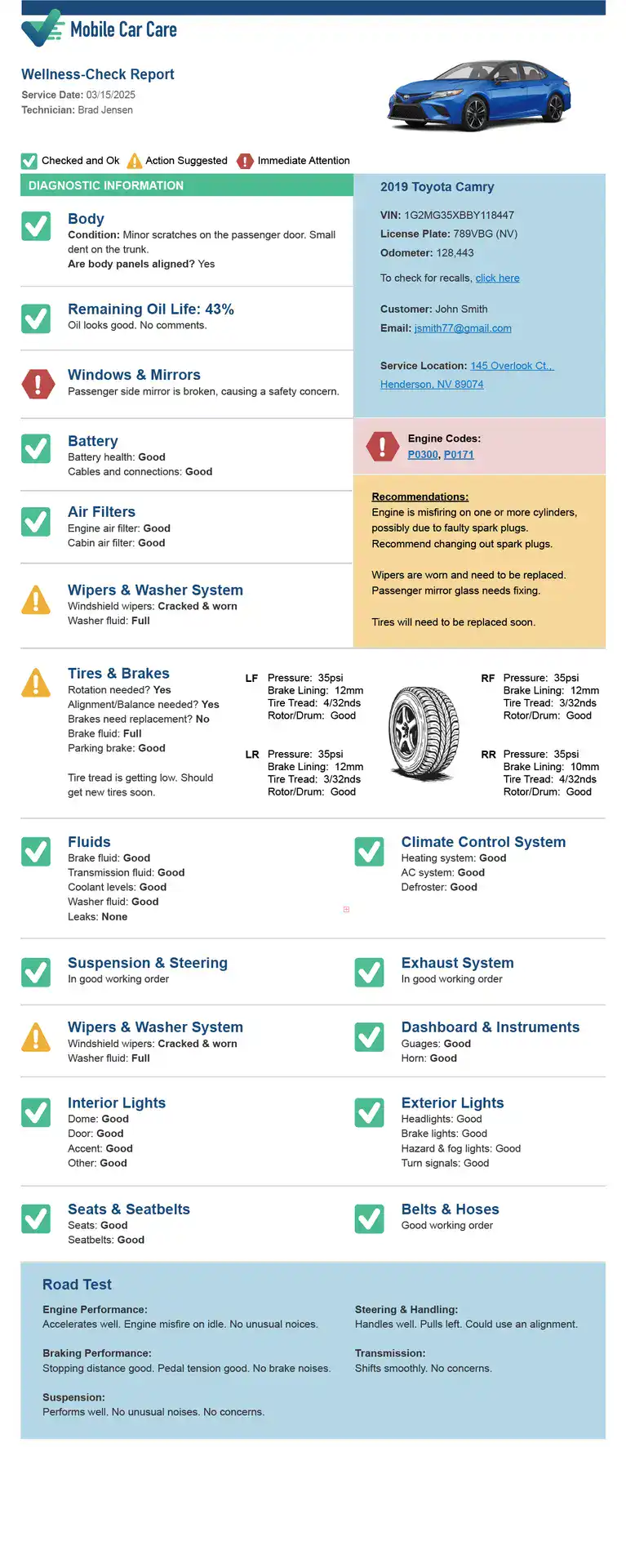
Out of sight shouldn’t mean out of mind. A car that sits idle for months can develop issues with its battery, tires, and fluids. The best storage facilities recognize this and offer maintenance packages to keep your vehicle in top shape. These services can range from simple battery tending and tire pressure checks to more comprehensive care. For complete assurance, consider supplementing the facility’s offerings with a mobile maintenance plan. Our Total Care plan provides on-site, 85-point wellness checks, ensuring that even while in storage, your car receives expert attention to prevent small issues from becoming major problems.
Verify Security Measures
When you hand over the keys, you need to know your vehicle is safe. Don’t just take a company’s word for it—verify their security features yourself. A secure facility should have a multi-layered approach to protection. Look for essentials like 24/7 video surveillance, gated and controlled access, and good lighting across the entire property. Some top-tier facilities also have on-site staff or security personnel, which adds another layer of protection. Ask who has access to the storage area and how they monitor the premises after hours. Your car is a significant investment, and its security should be a top priority for any storage provider you consider.
Confirm Climate Control Details
In the Las Vegas desert, climate control is not a luxury—it’s a necessity. The intense sun and triple-digit temperatures can wreak havoc on a vehicle, cracking dashboards, fading paint, and damaging sensitive electronics. A standard, non-cooled garage can act like an oven, causing irreversible harm. When a facility says it offers “climate control,” ask specifically what that entails. You’re looking for an indoor, temperature-regulated environment that provides superior weather protection from extreme heat and dust. This feature is one of the most important investments you can make to preserve your car’s condition and value while it’s stored.
Waking Your Car Up from Storage
After weeks or months in storage, your car needs a little TLC before it’s ready to hit the Las Vegas streets again. Just turning the key and driving off can risk damaging components that have been sitting idle. A thorough wake-up routine ensures your vehicle is safe, reliable, and ready for the road. Think of it as a gentle re-introduction to the world. Here’s a step-by-step guide to get your car back in action safely.
Your Post-Storage Inspection Checklist
Before you even think about starting the engine, do a full walk-around. First, check the tires. They were likely overinflated for storage to prevent flat spots, so you’ll need to adjust them back to the manufacturer’s recommended pressure. Next, pop the hood and look for any signs of nesting critters—rodents love the shelter of an engine bay. You’ll also want to remove any deterrents you put in place, like the steel wool you might have used to block the exhaust pipe. If this initial check feels like a hassle, a Quick Check from a mobile service can give you peace of mind before you go any further.
Handle Immediate Maintenance Needs
Fluids are the lifeblood of your car, and they need attention after a long nap. Ideally, you changed the oil before storage, but if not, now is the time. Old oil can contain contaminants that are harmful to your engine. A fresh oil and filter change is one of the best things you can do for your car’s health post-storage. While you’re at it, check the levels of your other essential fluids, including coolant and brake fluid. Topping off fluids and changing the oil can be messy, which is why having a professional handle it right in your driveway with an Essential plan can be a game-changer.
Check All Vehicle Systems
With the visual checks done, it’s time to focus on the electrical system. If you disconnected the battery, now’s the time to reconnect it, making sure the terminals are clean and tight. If you didn’t use a battery tender, your battery might be weak, so have a charger on hand. Once it’s connected, turn the key to the ‘On’ position (without starting the engine) and test your electronics. Check your headlights, taillights, turn signals, and interior lights. Give the horn a quick beep and test the windshield wipers. Ensuring these basic systems are functional is a critical safety step before you pull out of your driveway.
Get Your Car Ready for the Road
You’re almost there! Before your first drive, double-check that your tires are inflated to the correct pressure for driving, not the higher pressure used for storage. If you filled the gas tank before storing it (which is a great move to prevent moisture buildup), you should be good to go. For your first trip, plan a short, gentle drive around your neighborhood. Pay close attention to the brakes—they might feel a bit stiff at first. Listen for any unusual sounds and monitor the temperature gauge to make sure everything is running smoothly. This initial drive will help you confirm your car is truly ready for the road.
Related Articles
- Best Car Maintenance Tips for Vegas Snowbirds – Mobile Car Care
- Car Maintenance Tips for Seasonal Homes: The Ultimate Guide – Mobile Car Care
- Leaving a Car Unused for Months? How to Prep for Storage – Mobile Car Care
Frequently Asked Questions
Is a climate-controlled unit really necessary in a dry climate like Las Vegas? Yes, it’s one of the most important things to consider. While we don’t have coastal humidity, the extreme temperature swings in Las Vegas can still cause condensation to form inside your vehicle, leading to potential rust or mildew. More importantly, a climate-controlled unit protects your car’s interior plastics, leather, and sensitive electronics from the intense, dry heat that can cause them to crack and become brittle over time.
If I only have time to do one thing before storing my car, what should it be? If you’re short on time, focus on the battery. A battery will naturally lose its charge while sitting, and the desert heat can speed up that process. The simplest solution is to disconnect the negative battery terminal. An even better option is to connect a battery tender, which is a small device that maintains the battery’s charge safely over a long period. This single step will save you from the common headache of returning to a car that won’t start.
Can I just leave my car in my garage instead of paying for a storage unit? While your home garage offers basic protection, a professional storage facility provides a higher level of security and environmental control. Garages can still get incredibly hot, and they may not be as well-sealed against dust and pests. Professional facilities offer features like 24/7 surveillance, gated access, and true climate control that create a much safer and more stable environment for your vehicle during its downtime.
Is a car cover necessary even if my car is stored indoors? Absolutely. Even inside a garage or storage unit, a good car cover is your best defense against dust. Fine desert dust can settle on your paint and create a gritty film that can cause micro-scratches. A cover also acts as a great deterrent for pests, preventing spiders or rodents from trying to make a home in your engine bay or interior. Just be sure to use a breathable cover made for cars, not a plastic tarp that can trap moisture.
What’s the biggest mistake people make when taking their car out of storage? The most common mistake is simply starting the car and driving away without a proper inspection. After sitting for a long time, your tire pressure will be incorrect for driving, fluids may have settled, and critters could have built a nest under the hood. Taking 15 minutes to check your tire pressure, inspect fluid levels, and look for any signs of pests can prevent damage to your vehicle and ensure your first drive is a safe one.