
Parking your car for the season and walking away might seem like the easiest option, but it can be a surprisingly expensive mistake. A vehicle isn’t designed to sit idle for months on end. Without proper care, you could return to a dead battery that needs replacing, tires with permanent flat spots, or even engine damage from degraded fuel. These aren’t just inconveniences; they’re costly repairs that can be easily avoided. This guide is designed to help you sidestep those problems with straightforward car maintenance tips for seasonal homes. We’ll show you the simple, proactive steps that protect your investment and ensure your car is in great shape when you get back, saving you both time and money.
Key Takeaways
- Establish a Pre-Storage Routine: A few key steps protect your car’s most critical systems. Before you leave, change the oil, fill the fuel tank and add a stabilizer, connect a battery tender, and inflate the tires to the recommended pressure. This simple process is the best way to ensure a smooth start-up when you return.
- Choose a Safe and Dry Environment: Where you store your car is just as important as how you prepare it. An indoor, secure location is always best to shield your vehicle from weather, pests, and moisture. A quality, breathable car cover is the final step to keep it clean and prevent rust.
- Get a Professional Pre-Storage Check: For complete confidence, have a professional inspect your vehicle before you leave. A technician can spot subtle issues you might miss, like slow leaks or a weakening battery, preventing them from turning into expensive problems while you’re away.
Leaving Your Car for the Season? Start Here
When you’re packing up your seasonal home, the car is often the last item on the to-do list. It’s easy to just park it in the garage, lock the doors, and assume it will be ready to go when you return. But leaving a car to sit for months without proper preparation is a recipe for trouble. A little bit of planning now can save you from the headache of a dead battery, flat tires, or even pest infestations later. Think of it as tucking your car in for a long nap—you want to make sure it’s safe, sound, and ready to wake up refreshed.
How Weather Affects a Stored Car
Your car doesn’t get a break from the weather just because it’s parked. The climate at your seasonal home plays a huge role in what your vehicle needs. For instance, cold temperatures can drain your battery and cause tire pressure to drop, while intense summer heat can degrade rubber components and cause essential fluids to evaporate. If you’re in a coastal or snowy area, humidity and road salt can accelerate rust and corrosion, even in a garage. Understanding these environmental risks is the first step in creating a solid storage plan. A good seasonal vehicle maintenance routine is all about protecting your car from the specific challenges it will face while you’re away.
What Happens When Your Car Sits Too Long
Cars are designed to be driven, and letting one sit idle for an extended period can cause a surprising number of issues. The first step in preparing your vehicle for storage is to give it a thorough clean, inside and out. This isn’t just about looks; bird droppings, dirt, and grime can permanently damage your paint over time. Tires can develop flat spots from sitting in one position for too long, and fluids can settle and degrade. Failing to prepare your car can lead to poor performance and potential safety hazards when you return. A pre-storage inspection can catch underlying issues, giving you peace of mind. Our Quick Check Plan is a great way to get a professional wellness report before you leave.
Essential Tools and Products You’ll Need
You don’t need a professional mechanic’s garage to get your car ready for storage, but having a few key items on hand makes the process much smoother. Think of it as building a small, dedicated car care kit for seasonal storage. Your list should include a high-quality, breathable car cover to protect against dust and moisture, and a battery tender to keep the battery charged. A fuel stabilizer is essential to prevent gasoline from breaking down and damaging the engine. You’ll also want some basic cleaning supplies, like microfiber cloths and car wash soap, for that final pre-storage detail. Finally, a tire pressure gauge will help you ensure your tires are properly inflated before you leave.
Your Pre-Storage Maintenance Checklist
Leaving your car behind for a few months doesn’t have to be a source of stress. By taking a few proactive steps before you go, you can ensure it will be in great shape and ready to drive the moment you return. Think of this as a simple to-do list that protects your investment and prevents those unwelcome surprises, like a dead battery or funky smells, when you get back. A little preparation now saves you from dealing with bigger, more expensive problems later. This checklist covers the four most important areas to address before putting your car into storage, giving you the confidence that it’s safe and secure while you’re away.
Check and Change Your Fluids
Before you store your vehicle, it’s a great idea to change the oil and filter. Used oil contains contaminants that can settle and cause damage to your engine over time. Starting with a fresh change ensures everything stays clean and protected. While you’re at it, top off other essential fluids like coolant, brake fluid, and windshield washer fluid. It’s also smart to give your car a thorough cleaning, both inside and out. Removing dirt, bird droppings, and tree sap will protect your paint, and clearing out any food crumbs or wrappers from the interior will help prevent pests from making a home in your car while you’re gone.
Protect Your Battery
A car battery will naturally lose its charge over time, and a completely drained battery can be permanently damaged. The last thing you want is to return to a car that won’t start. The best way to prevent this is by using a battery tender or maintainer. This handy device connects to your battery and provides a slow, steady stream of power, keeping it optimally charged without overcharging it. It’s a small investment that can save you the cost and hassle of a new battery. Just connect it, plug it in, and you can leave knowing your car will be ready to fire up as soon as you get back.
Care for Your Tires
When a car sits in one spot for months, its tires can develop flat spots from the constant pressure. This can create a bumpy, unpleasant ride when you start driving again. To avoid this, check your tire pressure and inflate your tires to the maximum recommended PSI, which you can find on the sticker inside your driver’s side door jamb. This extra pressure helps the tires maintain their round shape. If possible, it also helps to move the car a few inches every couple of weeks, but if you can’t, over-inflating them is your best bet. Don’t forget to give the wheels a good cleaning to remove corrosive brake dust.
Get a Professional Inspection
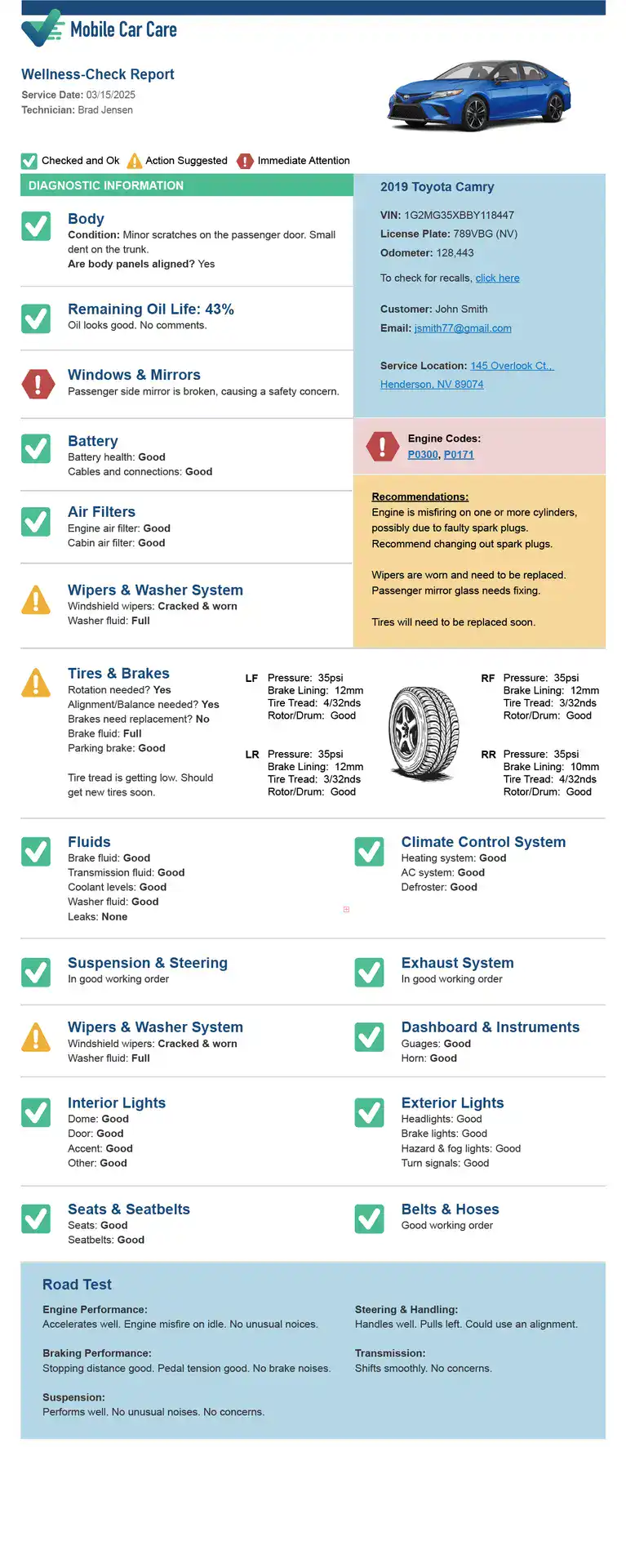
While you can handle many pre-storage tasks yourself, nothing provides peace of mind like a professional inspection. A trained technician can spot subtle issues you might miss, like a slow fluid leak, a fraying belt, or early signs of corrosion. Getting a comprehensive wellness check ensures your vehicle is in top condition before it sits idle. At Mobile Car Care, our Quick Check Plan is perfect for this. We come to you and perform an 85-point inspection, giving you a detailed report and the confidence that your car is truly ready for storage. It’s the easiest way to ensure your vehicle remains dependable and safe.
How to Protect Your Vehicle While It’s Stored
Once you’ve completed your pre-storage maintenance checklist, it’s time to tuck your car in for its long nap. Protecting your vehicle while it sits idle involves more than just parking it and walking away. These next steps are all about creating a safe, stable environment for your car to prevent the kind of slow-developing issues that can turn into major headaches later. Think of it as setting your car up for success, so it’s ready to go the moment you return.
From managing the fuel in your tank to keeping unwelcome critters out, each of these measures plays a key role in preserving your vehicle’s condition. A little bit of prep work now saves you from dealing with rust, engine damage, and other preventable problems down the road. We’ll walk through five key areas to focus on, ensuring every part of your car—inside and out—is protected during its time in storage.
Manage the Fuel System
Leaving a gas tank half-empty is an open invitation for trouble. It allows moisture to accumulate inside, which can lead to rust and fuel system issues. Before you store your car, fill up the tank to about 90% full. This simple step minimizes air space and reduces the risk of condensation. To keep the fuel from degrading over time, you should also add a fuel stabilizer. This will help keep the gasoline fresh and ensure your engine starts smoothly when you get back. Just pour the stabilizer into the tank before you fill it up, then drive the car for a few miles to circulate it through the entire system.
Keep the Engine Safe
You wouldn’t leave dirty dishes in the sink for months, and the same logic applies to your car’s engine oil. Before putting your vehicle into storage, it’s crucial to change the oil and filter. Used oil contains contaminants that can settle and cause damage to sensitive engine components over time. Fresh, clean oil will coat the engine parts and protect them from corrosion while the car is sitting. This is one of the most important steps for preserving your engine’s health and ensuring it’s in top shape when you’re ready to hit the road again.
Maintain Climate Control
Your car’s climate control system needs a little attention before storage, too. Seals and hoses can dry out and crack if they sit unused for too long, leading to leaks and costly repairs. A few days before you store the car, run the air conditioning on its highest setting for about 10 minutes, then do the same with the heat. This helps circulate the refrigerant and lubricants through the system, keeping all the components conditioned and ready for when you return. It’s a quick task that helps prevent that musty smell from developing and ensures your A/C and heater work properly later.
Keep Pests Out
A quiet, dark, and sheltered car can look like a five-star hotel to rodents and other pests. To make your vehicle less inviting, give it a thorough cleaning inside and out. Vacuum every nook and cranny, and be sure to remove all food, crumbs, and trash from the interior, glove box, and trunk. Even old wrappers or air fresheners can attract unwanted guests. Some people also place mothballs, cedar blocks, or peppermint oil-soaked cotton balls in the cabin and engine bay to deter critters. Blocking the exhaust pipe with steel wool can also prevent mice from making a nest inside.
Secure Your Vehicle
The final step is to secure your car for its time away. Make sure all the windows are completely closed and the doors are locked. For an extra layer of protection against dust, debris, and moisture, consider using a high-quality car cover. A breathable, soft-lined cover will protect your paint from scratches and prevent condensation from building up underneath. This not only keeps your car clean but also acts as a visual deterrent, adding a bit more security while it’s stored. It’s a simple finishing touch that makes a big difference in preserving your car’s exterior.
Find the Right Storage Environment
Where you store your car is just as important as how you prepare it. The right environment protects your vehicle from the elements, prevents moisture damage, and keeps it in great shape until you return. Think of it as a safe, cozy home for your car while you’re away. Choosing the right spot and setting it up correctly can save you from costly repairs down the road. A little planning now ensures your car is ready to go the moment you get back, without any unpleasant surprises like rust, mold, or a faded paint job.
Indoor vs. Outdoor: What’s Best?
If you have the option, always choose indoor storage. A garage or a climate-controlled storage unit is your car’s best defense against the elements. Storing your vehicle indoors shields it from harsh UV rays that can fade paint and crack the interior, as well as damage from rain, snow, and hail. Outdoor storage leaves your car vulnerable to changing weather, bird droppings, and tree sap, all of which can cause long-term harm. While it might seem easier to just leave it in the driveway, the protection offered by indoor storage is well worth the effort. It’s the simplest way to preserve your car’s condition and value while you’re gone.
Control Moisture and Humidity
Moisture is a stored car’s worst enemy, leading to rust, mold, and mildew. The first step is to give your car a thorough cleaning, inside and out, before you store it. Dirt and grime can trap moisture against the car’s surfaces, creating the perfect conditions for corrosion. If you’re storing your car in a garage or enclosed space, consider using a dehumidifier to keep the air dry. This simple tool can help prevent rust and mildew from forming, protecting both the metal components and the interior fabric. A little effort here goes a long way in keeping your car fresh and damage-free.
Choose the Right Car Cover
A good car cover is a non-negotiable part of your storage plan. If you have to store your car outside, invest in a high-quality cover that is both waterproof and breathable. A waterproof layer keeps rain and snow out, while a breathable fabric allows moisture and condensation to escape, preventing rust from forming underneath. For indoor storage, a softer cover will protect your vehicle from dust, dirt, and accidental scratches. A quality car cover acts as a protective bubble, ensuring your car looks just as good when you return as it did when you left.
Ensure Proper Ventilation
Proper ventilation is key to preventing moisture buildup, especially in a closed garage. Good airflow stops condensation from settling on and inside your vehicle, which helps keep rust and mildew at bay. You can improve air circulation by using a fan on a low setting or by ensuring the space isn’t completely sealed off. Using a breathable car cover is also essential, as it allows air to move freely around the vehicle. While some suggest cracking the windows slightly, be mindful of security and the potential for pests to get inside. The goal is to create an environment where air can circulate, keeping your car dry and protected.
Prepare for Any Season
Every season brings its own set of challenges for a stored vehicle. Extreme cold can be tough on a battery and make rubber components brittle, while intense summer heat can lead to overheating and fluid evaporation. That’s why your storage prep shouldn’t be a one-size-fits-all routine. Thinking about the specific climate your car will be sitting in is the key to making sure it starts right up when you return. A little bit of seasonal foresight prevents small issues from turning into major headaches and expensive repairs.
Prepping for Winter Storage
If you’re leaving your car for the winter, it’s best to get it ready before the first big storm hits. Cold weather is particularly hard on vehicles. It can make hoses and belts brittle, so you’ll want to check them for any cracks or wear. Brakes are another critical point, as stopping on icy or slick roads takes much longer. A thorough check ensures everything is in good shape before the temperature drops. Getting ahead of winter helps prevent nasty surprises and ensures your car weathers the cold safely.
Prepping for Summer Storage
Don’t underestimate the summer heat—it can be just as damaging as winter cold. The biggest threats to your car in hot weather are the battery, fluids, and its interior and paint. High temperatures can cause the liquid inside your battery to evaporate, which leads to corrosion and weakens its ability to hold a charge. Likewise, engine fluids can thin out or evaporate more quickly. A comprehensive wellness check, like our Quick Check plan, can spot these potential issues before you put your car away for the season.
Handling Spring and Fall Transitions
The shoulder seasons of spring and fall might seem mild, but they are critical times for car care. As the weather shifts, your vehicle’s needs change, too. Ignoring these transitions can lead to lower fuel efficiency, reduced performance, and even safety risks. For example, leftover winter salt can cause corrosion, and falling autumn leaves can clog air intakes. Consistent, year-round upkeep is the best way to handle these seasonal challenges. It also significantly reduces the risk of facing costly repairs when you return to your car.
Adapt to Your Local Climate
Where you store your car matters. A vehicle stored in a humid, coastal area faces different risks than one in a dry, desert climate or a region with harsh winters. If your car will be in a place with heavy snowfall, you might consider winter tires for when you return. In hot climates, using a sunshade is a must to protect the interior. Understanding your local environment allows you to tailor your storage plan effectively. Our Total Care Plan includes an 85-point inspection that can help you create a maintenance routine perfectly suited to your car’s specific needs and location.
Your Mid-Storage Maintenance Plan
Just because your car is in storage doesn’t mean you can completely forget about it. A little attention while you’re away can save you from a lot of headaches when you return. Think of this as a simple check-in to make sure everything is still in good shape. A mid-storage maintenance plan is your secret weapon against dead batteries, flat tires, and other unwelcome surprises. It’s all about proactive care, catching small issues before they turn into big, expensive problems. Here’s a straightforward plan to keep your car happy and healthy while it waits for your next visit.
What to Check Monthly
Even if you can’t be there, see if a trusted friend or neighbor can pop in once a month for a few quick checks. First, have them look at the tires. A quick visual inspection and a pressure check will ensure they aren’t going flat. It’s also a good idea to check the oil level. A low oil level could signal a slow leak you’d want to catch early. These simple steps take just a few minutes but can prevent long-term damage to your engine and tires, ensuring your car is ready to go when you are.
Keep Good Records
Keeping a simple log of your car’s maintenance is one of the best habits you can develop. Every time you check the oil, rotate the tires, or have a professional service, jot it down with the date and mileage. This record helps you stay on top of your car’s needs and can prevent major issues down the road. Plus, a detailed service history is a huge asset if you ever decide to sell your car. Our service plans, like the Essential Plan, always include a detailed report, making it easy to keep track of your vehicle’s health without any extra effort on your part.
When to Schedule Professional Service
Some things are best left to the pros, even when your car is in storage. If you suspect the AC isn’t blowing cold air or the battery seems weak, it’s time to call for help. Cold weather is especially tough on batteries, so having a professional check its strength before winter sets in is a smart move. With a service like our Quick Check Plan, we can come to your car’s location and perform a comprehensive wellness check. This gives you total peace of mind, knowing an expert has confirmed your vehicle is in good shape while you’re away.
Plan for the Unexpected
You can’t predict everything, but you can certainly prepare for it. Make sure your car is always stocked with a basic emergency kit. This should include essentials like water, non-perishable snacks, a first-aid kit, a blanket, and jumper cables. It’s also wise to think ahead about the seasons. Don’t wait for the first big snowstorm to get your car ready for winter. Taking proactive steps before the weather turns can save you from the stress of a breakdown in freezing temperatures. A little preparation goes a long way in handling whatever the road throws at you.
Get Your Car Ready to Drive Again
The moment has arrived—it’s time to get your car out of storage and back on the road. While it’s tempting to just hop in and turn the key, taking a little time for a post-storage inspection is one of the smartest things you can do. A car that has been sitting for a season needs a careful wake-up call to ensure everything is working as it should. Think of it like stretching before a workout; you’re getting all the parts ready for action and catching any potential issues before they turn into major headaches.
This process doesn’t have to be complicated or time-consuming. By following a few simple steps, you can safely restart your vehicle, perform a quick safety check, and prepare for that first drive with confidence. This initial once-over is your best defense against the problems that can arise from a long period of inactivity, like brittle belts or low fluid levels. A proactive approach now will save you from the stress of an unexpected breakdown later. Let’s walk through exactly what you need to do to ensure a smooth and safe transition from storage to the open road.
How to Safely Restart Your Car
Before you even think about starting the engine, give your car a good look. A thorough clean, both inside and out, is a great first step to remove any dust or debris that has settled. Once it’s clean, pop the hood and do a quick visual inspection for any signs of nesting pests. Then, if you disconnected the battery for storage, reconnect it, making sure the terminals are clean and secure. When you’re ready, turn the key to the “on” position (without starting the engine) and let the fuel pump prime for a few seconds. This helps get fuel flowing properly. Finally, start the car and let it idle for a few minutes to allow the fluids to circulate.
Your Post-Storage Safety Checklist
With the engine running, it’s time for a quick safety scan. First, check your car’s fluids to make sure the engine oil, antifreeze, and windshield washer fluid are at the proper levels. Next, take a look at the belts and hoses. Cold or hot weather can make rubber brittle, so carefully inspect them for any visible cracks or signs of wear. While the car is idling, listen for any unusual noises and test your brakes by pressing the pedal a few times to ensure it feels firm. This simple checklist helps you spot potential problems before you even pull out of the driveway.
Prepare for the First Drive
Your final checks are all about ensuring a safe ride. Start with the battery. Make sure it’s held tightly in place and that the connections are clean to prevent any rust buildup, which can interfere with its performance. Next, focus on your tires. Use a gauge to check your tire pressure and inflate them to the manufacturer’s recommended PSI, which you can usually find on a sticker inside the driver’s door. Also, inspect the tread depth to make sure you have enough grip on the road. Once these checks are complete, you’re ready for a short, gentle test drive around the neighborhood to make sure everything feels right.
Schedule Post-Storage Maintenance
Even if your car seems to be running perfectly, scheduling a professional inspection is a wise move. A trained technician can spot subtle issues that might not be obvious during your initial checks. Regular upkeep is the key to reducing the risk of costly repairs down the line by addressing small issues before they become big problems. To make it completely stress-free, a service like our Quick Check plan brings the inspection directly to you. A professional wellness check ensures your vehicle is not just running, but running safely and efficiently after its long rest.
Common Storage Mistakes to Avoid
Putting your car away for a few months seems straightforward, but a few common missteps can lead to costly repairs and a whole lot of frustration when you return. The goal is to have your car start right up, not to come back to a dead battery, flat tires, or a family of mice living in your glovebox. Taking a little extra time to sidestep these errors will save you a major headache down the road.
The most frequent mistakes we see involve neglecting the battery, forgetting about fluids, making simple tire care goofs, and choosing the wrong storage environment. Each one is easily preventable with a bit of planning. If you’re short on time or just want the peace of mind that everything is handled correctly, a professional pre-storage inspection is a great option. Our Quick Check Plan is designed to spot these potential issues before they become real problems, ensuring your car is ready to go when you are.
Battery Care Errors
Leaving your car’s battery connected and unattended is one of the quickest ways to ensure it won’t start when you get back. Even when your car is off, the battery slowly loses its charge. Over time, this can drain it completely and even shorten its lifespan. Hot weather is especially tough on batteries, as it can cause the internal liquid to evaporate, leading to corrosion and weakness. To avoid this, use a quality battery tender to maintain a steady, optimal charge while your car sits. It’s a simple, inexpensive tool that prevents deep discharge and keeps your battery healthy for the long haul.
Forgetting About Fluids
Your car’s fluids are its lifeblood, and they don’t stop being important just because the engine is off. Old, dirty oil contains contaminants that can damage engine components if left to sit for months. Similarly, low levels of coolant or windshield washer fluid can lead to problems when you start your car again. Before storage, make sure your engine oil, antifreeze, and windshield washer fluid are at the right levels. If your oil is close to its change interval, it’s best to change it before you leave. This ensures your engine is protected by clean oil, free from corrosive sludge and acids.
Common Tire Care Goofs
Tires naturally lose air over time, and a car that sits in one spot for months is at risk of developing flat spots. These happen when the weight of the vehicle constantly presses down on the same section of the tire, causing it to deform. To prevent this, check your tire pressure and inflate all four tires to the maximum recommended pressure listed on the tire sidewall. This helps them maintain their shape. It’s also a good idea to give them a thorough cleaning to remove corrosive brake dust and grime. Properly caring for your tires before storage protects your investment and ensures a smooth, safe ride when you return.
Choosing the Wrong Environment
Where you store your car matters just as much as how you prepare it. A damp, unsecured location can expose your vehicle to moisture, pests, and theft. Rodents are a particularly big threat, as they love to chew on wiring and build nests in engine bays, causing thousands of dollars in damage. To protect your car, choose a clean, dry, and secure space like a garage. Seal any openings that pests could get through and make sure the garage door seals properly. If you’re using a car cover, opt for one that is breathable to prevent moisture from getting trapped against the paint. A little effort in pest-proofing your storage space can prevent a nightmare scenario.
Best Practices for Long-Term Storage
Leaving your car for an extended period requires a bit more planning than just finding a parking spot and tossing the keys on the counter. Proper long-term storage is all about proactive care. By taking a few key steps before you leave, you can prevent the most common issues that arise from letting a vehicle sit idle. This approach not only protects your car’s engine, battery, and exterior but also ensures it’s safe and ready to go the moment you return. Think of it as setting your car up for success, so you have one less thing to worry about while you’re away. These practices will help you maintain your vehicle’s health and save you from costly surprises down the road.
Tips for Storing Over Six Months
If you’re storing your car for six months or longer, a few extra steps are crucial. Start by giving your vehicle a deep clean, both inside and out. It might seem purely cosmetic, but lingering dirt, bird droppings, and grime can damage your paint over time. Next, fill the fuel tank about 90% full and add a quality fuel stabilizer. This prevents moisture from building up in the tank and keeps the fuel from degrading. It’s also a great idea to change the oil and filter before storage. Old oil contains contaminants that can damage engine components if left to sit for months on end.
Keep Your Supplies Stocked
There’s nothing worse than being ready to perform a quick check-up on your stored car, only to realize you don’t have what you need. Before you leave for the season, create a small supply station near your vehicle. Stock it with essentials like a bottle of engine oil, coolant, windshield washer fluid, and some basic cleaning products. Having these items on hand makes it easy to top off fluids or clean up any issues you spot during a periodic check-in. This simple preparation saves you a last-minute trip to the store and makes routine maintenance feel less like a chore.
Save Money on Long-Term Storage
While it might seem counterintuitive, spending a little on maintenance before storage can save you a lot of money later. Proactive care helps you avoid the expensive, complex repairs that can result from neglect. A small issue like a slow leak or a weakening battery can become a major problem if left unaddressed for months. Scheduling a professional wellness check, like our Essential Plan, is a smart investment. We can spot potential problems before they escalate, ensuring your car remains in great shape and saving you from a hefty repair bill when you return.
Use Tech to Monitor Your Car
You don’t have to be physically present to keep an eye on your car. Technology offers some great tools for remote monitoring that provide incredible peace of mind. A smart battery tender, or trickle charger, is a must-have. Many models not only maintain your battery’s charge but also connect to a smartphone app, allowing you to check its status from anywhere. For even more oversight, you can look into car monitoring systems that send alerts for issues like significant temperature changes or battery drain. This tech lets you stay connected to your vehicle’s health, even from hundreds of miles away.
Related Articles
- Leaving a Car Unused for Months? How to Prep for Storage – Mobile Car Care
- Best Car Maintenance Tips for Vegas Snowbirds – Mobile Car Care
- How to Keep Your Car Safe While Away: A Complete Guide – Mobile Car Care
Frequently Asked Questions
If I only have time to do one thing before storing my car, what should it be? Protecting the battery is the most critical task. A car battery naturally loses its charge over time, and letting it go completely flat can cause permanent damage. The simplest and most effective solution is to connect it to a battery tender. This small device provides a steady, low-level charge that keeps the battery healthy and ensures your car will start right up when you return.
Is it better to leave the gas tank full or empty? You should always store your car with the gas tank about 90% full. An empty or partially full tank allows moisture to build up inside, which can lead to rust and other fuel system problems. Filling the tank minimizes the empty space where condensation can form. For the best results, add a fuel stabilizer to the tank before you fill it up to keep the gasoline from breaking down over time.
My car will be stored outside. Is a car cover really enough protection? While indoor storage is always ideal, a high-quality car cover is your best defense when storing a vehicle outdoors. Look for one that is both waterproof and breathable. This combination protects your car from rain and snow while still allowing moisture to escape from underneath, which helps prevent rust and mildew. A good cover also shields the paint from sun damage, bird droppings, and tree sap.
How often should someone check on my car while I’m away? Having a friend or neighbor check on your car about once a month is a great idea. They don’t need to do much—just a quick visual inspection is plenty. Ask them to make sure the tires don’t look flat and to check for any signs of leaks under the vehicle or pests in the engine bay. This simple check-in can help you catch a small issue before it becomes a major problem.
What are the first things I should do when I get back to my car? Before you start the engine, do a quick walk-around. Check the tire pressure and look under the hood for any signs of nesting critters or frayed belts. Once you start the car, let it idle for a few minutes to allow all the fluids to circulate properly. Before you hit the main road, take it for a short, slow drive around the neighborhood and listen for any unusual sounds while testing the brakes.