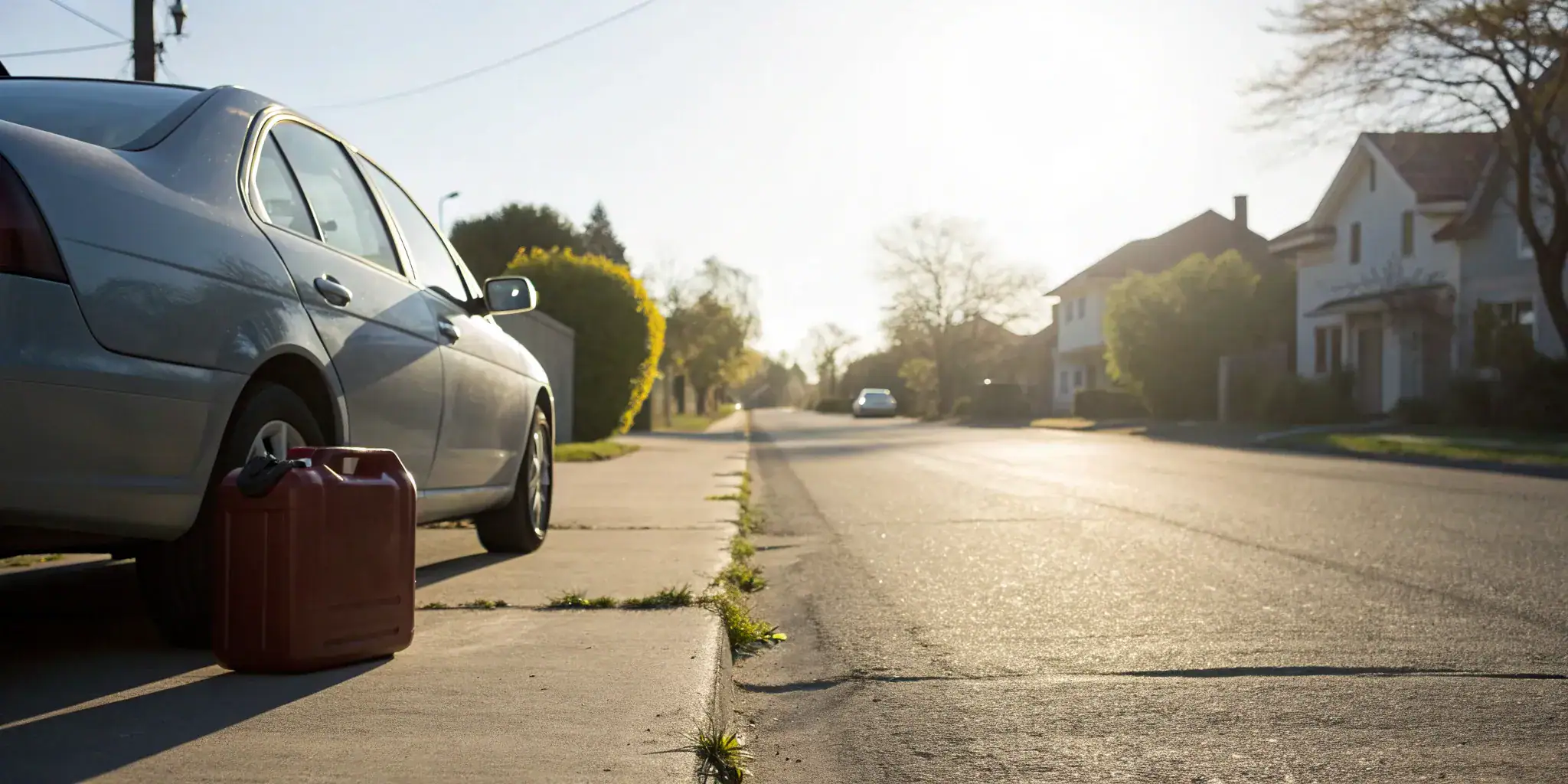
Quick answer: Emergency fuel delivery brings gasoline or diesel directly to your stranded vehicle, usually within 30 to 60 minutes. Most services deliver 2 to 5 gallons, enough to reach the nearest gas station. Expect to pay between $50 and $150 depending on your location, time of day, and fuel type.
Running out of gas can leave you stranded and stressed, but emergency fuel delivery offers a fast and reliable solution. This guide explains how the service works, what you can expect, and how much fuel is usually provided. If you need quick roadside help, you’ll also find simple steps to get support right away.
Key Takeaways
- Understand What Fuel Delivery Offers: It’s an on-demand service that brings a few gallons of gas or diesel directly to your vehicle, getting you back on the road and to the nearest gas station without needing a tow.
- Choose Your Provider Before an Emergency: Research local services ahead of time to find one with 24/7 availability, transparent pricing, and a solid safety record. Having a trusted contact ready saves you from making a frantic decision when stranded.
- Simple Habits Can Prevent the Problem: The best way to avoid running out of fuel is to keep your tank at least a quarter full and stay on top of regular car maintenance, which helps your vehicle run more efficiently.
What Is Emergency Fuel Delivery?
No gas means instant stress, especially when the nearest station is far away or a packed day makes refueling slip your mind. Emergency fuel delivery solves the problem by bringing gasoline or diesel directly to your location. This trusted form of roadside help works like an on-demand fuel delivery service designed to get you moving again quickly.
Instead of walking to a gas station or waiting for a tow truck, you can call for help and have a professional bring enough fuel to get you moving again. This service is especially helpful for busy parents, commuters, and travelers who want a faster and easier solution during an unexpected stop. It turns a stressful situation into a simple fix and helps you get back on the road with confidence.
In the Las Vegas metro area, running out of gas is more common than you might think. Drivers frequently find themselves stranded on I-15, I-215, or along Las Vegas Boulevard, where long stretches between exits and heavy traffic make it easy to misjudge your fuel level. Whether you are in Las Vegas, Henderson, or North Las Vegas, having a reliable emergency fuel delivery option can turn a stressful situation into a quick fix.
What Kinds of Services Are Offered?
Top-tier fuel delivery companies offer more than a simple canister of gas, giving drivers a range of helpful options built for different situations. Many operate around the clock, so you can get assistance whether you run out of fuel during a morning drive or late at night. Their goal is to provide fast, dependable support whenever you need it.
Some providers also help business fleets by offering scheduled fill-ups and clear usage reports that keep operations running smoothly. For individual drivers, the experience is straightforward. A technician brings the fuel you need, fills your tank safely, and gets you ready to drive to the nearest station for a full top-off.
What Fuel Types Are Available?
Most emergency fueling services arrive prepared with the right type of fuel for nearly any car. They commonly carry regular unleaded gasoline and diesel, which cover the majority of passenger vehicles on the road. Some providers may also offer premium gasoline depending on the region.
⛽ Never Get Stranded Again
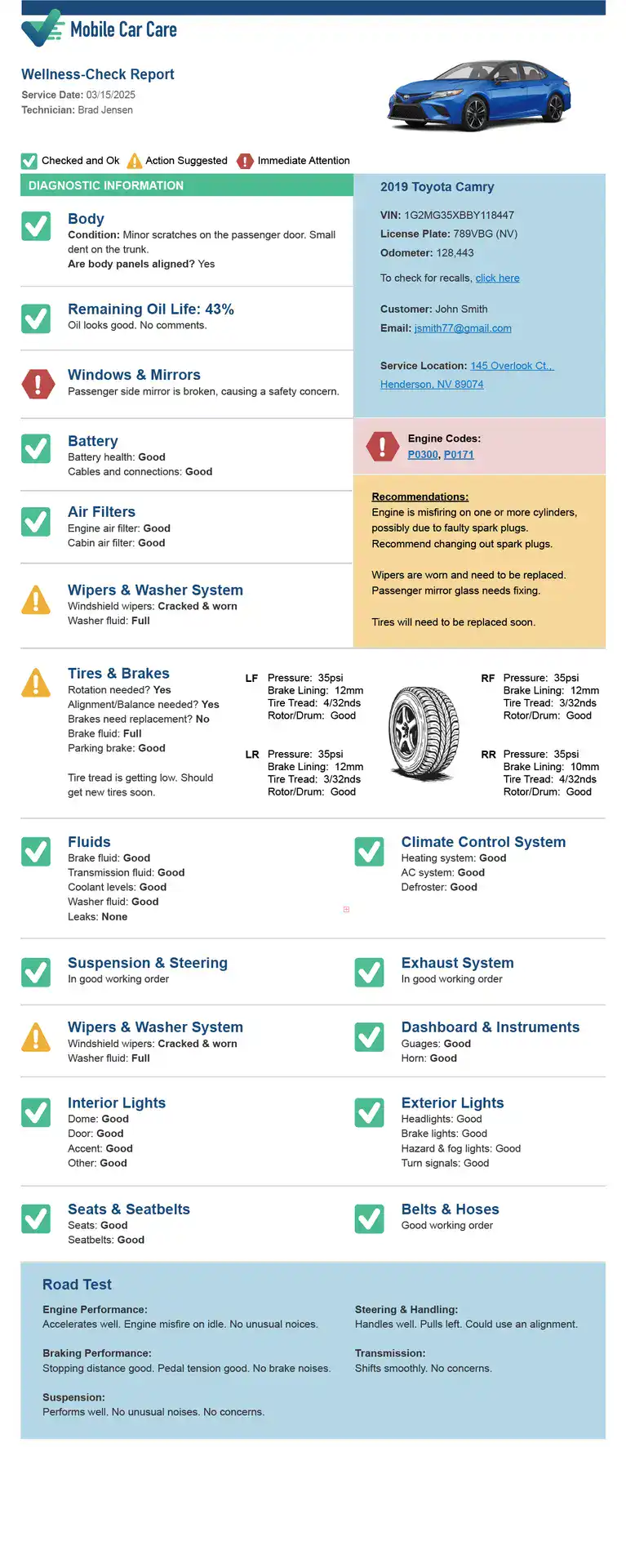
Mobile Car Care members get priority roadside help and ongoing vehicle wellness checks that catch fuel system issues, battery problems, and more — before they leave you stranded.
For drivers or businesses with special requirements, certain companies supply various types of fuel to support equipment, generators, or commercial vehicles. When you request help, simply share your vehicle type so the technician can bring the correct fuel. This small detail ensures fast service and a smooth return to the road.
How Does the Service Work?
The process is built to feel simple and calm from the moment you notice you are out of fuel. You find a safe place to stop, call the provider, and share your location so help can reach you quickly. Mobile fuel delivery services then send a driver with the amount of fuel you need, usually enough to reach the nearest station without worry.
This service removes the frustration of searching for a gas station on foot or waiting for a tow truck. The technician completes the refueling for you in a safe and clean way, making the entire experience easy to manage. Once the job is done, you pay on the spot and continue your trip with confidence.
Common Reasons to Call for Fuel
Forgetting to fill your tank is only one reason drivers end up calling for help. A faulty fuel gauge can make you think you have more range than you do, and long drives through rural areas can lead to simple miscalculations. In Las Vegas, the combination of desert heat and stop-and-go traffic on busy routes like I-15 and Las Vegas Boulevard can drain your tank faster than expected. These everyday issues make emergency fueling services a practical backup for anyone on the road.
In more serious situations, this support becomes even more valuable. Power outages can shut down local stations, and unexpected fuel shortages can create frustrating gaps in supply. Having access to a fuel delivery service gives you peace of mind by keeping your vehicle or generator running when it matters most.
How to Choose the Right Fuel Provider
When you’re stuck on the side of the road, the first fuel delivery service you find online can feel like the best one. But taking a moment to find a reliable provider can save you time, money, and a lot of stress. Not all services are created equal, and knowing what to look for ensures you get safe, prompt, and professional help. Think of it like selecting any other service for your car, because in an emergency you want help from someone you can rely on.
The best time to find a great emergency fueling provider is before you actually need one. Doing a little research now means you won’t be scrambling and settling for the first option you see. By identifying a go-to provider in your area ahead of time, you can have their number saved and ready, turning a potential crisis into a minor inconvenience. Here are the key things to consider when making your choice.
What to Look For in a Provider
Experience matters when you are dealing with an urgent fuel situation, so focus on companies with a strong history of responding quickly. A provider that specializes in emergency fueling services will have the proper tools and training to handle your request with care. Checking reviews and customer feedback can help you feel confident that you are choosing a reliable and professional team.
Safety Standards and Insurance
Fuel is a hazardous material, so your provider must be a company that adheres to strict safety regulations to protect you, your vehicle, and their driver. They should be fully licensed and insured, and they should be open about the safety standards they follow. Choosing a service that takes safety seriously helps you avoid unnecessary risks.
It is always reasonable to ask about safety protocols before you schedule a delivery. A reputable provider will gladly explain how they handle fuel, how they train their technicians, and how they keep each delivery controlled and secure. This level of transparency gives you confidence that your safety is their priority.
Guaranteed Response Times
When you’re stranded, time is everything. A key question to ask any potential provider is about their emergency response time. Do they offer a guaranteed window for arrival? Is their service available 24/7?
An emergency can happen at any time, so you need a provider who is ready to respond day or night, weekends and holidays included. A company that can give you a clear and reliable ETA is one you can count on when you need it most.
Service Coverage Area
A great service does not help if it cannot reach your location, so always check the provider’s coverage area before you choose one. For Las Vegas drivers, Mobile Car Care covers the entire metro area, including Las Vegas, Henderson, and North Las Vegas, bringing help directly to wherever you are stranded. Most companies offer a service map or a ZIP code lookup tool on their website. This simple step helps you avoid surprises when you need assistance the most.
If you often drive through the same regions for work or family travel, make sure your preferred provider covers those routes. It is one of the most important factors to consider because it ensures help can reach you wherever you go. A quick check now saves you from the frustration of discovering you are just outside their service range when you need support.
Available Payment Options
The last thing you need during a roadside emergency is a payment issue, so it helps to confirm accepted payment methods ahead of time. Most providers take major cards and sometimes mobile payments, and clear pricing without hidden fees shows you are working with a trustworthy service. Choosing a company with flexible payment options keeps the process smooth and avoids unwanted surprises.
How Much Does Emergency Fuel Delivery Cost?
Running out of gas is stressful enough without worrying about unexpected costs, so it helps to understand how pricing works before you need help. The cost of emergency fuel delivery can vary based on the provider, your location, and the amount of fuel required, but most companies use a simple structure that includes a call-out fee and the price of the fuel.
Breaking Down the Service Fees
The first cost you will usually see is a service fee, sometimes called a dispatch or call-out fee, which covers sending a driver to your location. This charge reflects the time, travel, and labor involved in getting help to you quickly. The fee may be a flat rate or depend on how far you are from the provider.
Some roadside assistance programs, including well-known membership services, include this type of support at no extra cost. This means you might only pay for the fuel itself. It is always smart to ask about any service fees and what they cover before the provider heads your way.
How Fuel Is Priced
Emergency deliveries usually include just enough gas to reach the nearest station, often two to three gallons. Some companies charge the current pump price, while others add a small convenience markup. Certain membership tiers with roadside assistance clubs may even include the fuel at no additional cost. Asking how the fuel is priced when you request service helps you understand the total cost before the driver arrives.
After-Hours and Weekend Charges
Your car can run out of fuel at any time, but some providers handle pricing differently depending on when you call. Many companies provide emergency fuel delivery around the clock, yet it is common for late-night requests, weekends, or holidays to come with higher rates. Asking about these details helps you understand the full cost before you commit.
Not every provider adds after-hours surcharges, so it is always worth confirming during the call. A reliable company will be clear about any additional fees and explain how their pricing works. This level of transparency keeps you from being surprised when the bill arrives.
Membership and Subscription Options
Membership and subscription plans are one of the simplest ways to manage unexpected roadside costs. Services like AAA offer yearly packages that include emergency fuel delivery, giving you reliable help without a surprise bill. Paying once a year provides peace of mind any time you need support.
This same idea applies to our Mobile Car Care plans here in Las Vegas. Our Total Care Plan includes free emergency fuel delivery (you only pay for the cost of fuel), along with free jump starts, free minor repairs, and comprehensive quarterly inspections. Our Essential Plan also includes emergency fuel delivery for a fee, making it a great option for drivers who want reliable coverage without the full premium. Both plans bring convenient maintenance directly to your home or workplace anywhere in the Las Vegas valley. A subscription keeps you protected from sudden expenses and makes stressful moments far easier to handle. It is a smart choice for drivers who want steady support throughout the year.
Potential Extra Fees
A few extra details can affect the final cost of your fuel delivery, such as the type of fuel you need or whether your vehicle is in a remote spot. Some providers charge more for diesel or for longer travel distances, so sharing this information upfront helps you get the most accurate quote. Clear communication keeps the bill predictable and prevents unwanted surprises.
How to Avoid Running Out of Fuel
Running out of fuel brings a very specific kind of frustration, often popping up at the worst time and turning a simple day into a real hassle. The upside is that it is almost completely avoidable with a few easy habits. By staying a bit more aware of your tank and your routine, you can sidestep that sudden stall on the shoulder.
These small habits help keep your drives smooth and stress-free. It is not about perfection, just simple preparation that keeps you moving without worry. With a little attention, you can avoid the dreaded sputter and stay confident on every trip.
Stay on Top of Vehicle Maintenance
A healthy car uses fuel more efficiently, and even small issues can make your tank drain much faster than normal. Underinflated tires, a clogged air filter, or worn spark plugs all reduce gas mileage and put extra strain on your engine. Bigger problems can stop your car just as quickly as running out of fuel.
Regular vehicle wellness checks, like our 85-point inspections available throughout Las Vegas, Henderson, and North Las Vegas, help you spot these issues early and keep your car running smoothly. Catching small problems before they grow can save you money and prevent stressful roadside stops. With routine care, you maintain stronger performance and enjoy more reliable trips.
Keep an Eye on Your Tank
It is easy to let the gauge slip toward empty on a busy day, but keeping at least a quarter tank is a reliable habit. This small buffer helps you handle surprises like traffic, detours, or last-minute errands without stress. It also gives you more flexibility if you need extra time to reach a station.
Staying above a quarter tank becomes even more helpful during severe weather or larger disruptions when fuel shortages can make gas harder to find. With this simple routine, you stay prepared for unexpected delays and avoid the rush of hunting for fuel at the last moment.
Prepare for Roadside Emergencies
Even with the best planning, things can go wrong. That’s why having a plan for roadside emergencies is a smart move. Put together a basic safety kit for your car that includes items like a phone charger, a flashlight, jumper cables, and a first-aid kit. During widespread emergencies, logistical issues can make it difficult for help to reach you quickly. Having the right supplies on hand can make a long wait much more manageable. Also, keep the number of a trusted roadside assistance service saved in your phone so you can make the call without having to search for it.
Keep a Backup Fuel Supply
For true peace of mind, consider keeping a small, approved gas can in your trunk or garage. This isn’t for everyday use but for genuine emergencies. If you choose to do this, safety is key. Always use a container specifically designed for gasoline, and never store it inside the passenger area of your car.
It’s also a good idea to rotate the fuel every few months to ensure it stays fresh. As we’ve seen, disruptions in the supply chain can happen unexpectedly. Having a small backup supply ensures you have a solution ready when you need it most.
Related Articles
- How Mobile Car Service Benefits Your Company Fleet – Mobile Car Care
- Mobile Oil Change Service: Benefits, Costs & Convenience – Mobile Car Care
- Mobile Fleet Maintenance: Your Complete Guide – Mobile Car Care
- How to Take Care of Your Car While Out of Town – Mobile Car Care
📋 Ready to Take the Next Step?
Choose the plan that fits your needs — or call 📞 (702) 329-8424 to talk with our team.
Total Care Plan
Priority scheduling, full vehicle wellness checks, and proactive care so you’re never caught off guard on the road.
GET TOTAL CAREEssential Plan
Regular checkups covering battery, fluids, tires, and brakes — stay road-ready without the stress.
SEE ESSENTIAL PLANFrequently Asked Questions
How much fuel will they actually bring me? An emergency fuel delivery service isn’t designed to fill your entire tank. The goal is to provide just enough fuel—typically two or three gallons—to get your car started and safely to the nearest gas station. This approach keeps the service quick and efficient, solving your immediate problem without the time and expense of a full fill-up on the roadside.
Is it safe to have fuel delivered to my car on the side of the road? Absolutely. Reputable fuel delivery companies operate under strict safety regulations. Their technicians are trained professionals who use specialized, approved containers and equipment to prevent spills and ensure the fuel is transferred safely. They will also take precautions to secure the area around your vehicle before they begin, making the process safe for everyone involved.
Should I just call a tow truck instead? While a tow truck is always an option, calling for fuel delivery is often a much faster and more direct solution. A tow truck will take your entire vehicle to a gas station, which can be time-consuming and sometimes more expensive. A fuel delivery service resolves the specific issue on the spot, getting you back on your journey in a fraction of the time.
Is this service included with my roadside assistance plan? Many roadside assistance programs, like AAA, do include emergency fuel delivery as a covered service. However, the specifics can differ between plans. Some memberships might cover the delivery fee but require you to pay for the fuel itself, while premium plans may cover both. It’s always a good idea to review your specific membership details so you know exactly what’s included before you need it.
What if I don’t know what kind of fuel my car takes? Don’t worry, this is a common situation. When you call for service, the dispatcher will ask for your vehicle’s make and model. With that information, they can typically determine the correct type of fuel you need, whether it’s regular unleaded, premium, or diesel. The technician will arrive with the right fuel to get you moving again.