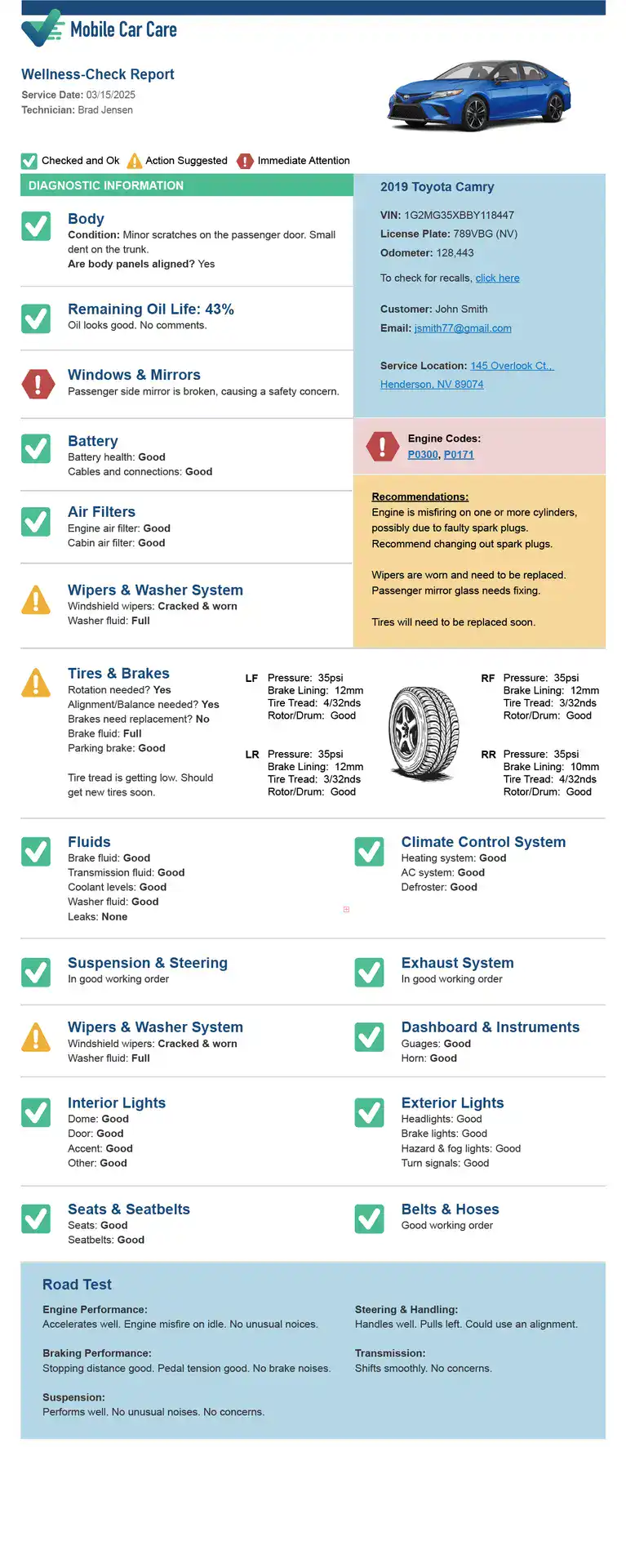

A healthy battery is essential for starting your car, powering electronics, and keeping your vehicle reliable in all weather conditions. Over time, batteries lose their charge capacity, and without regular checks, they can fail unexpectedly. Knowing how to test and maintain your battery helps avoid breakdowns and extends the life of your vehicle’s electrical system.
Many drivers overlook battery care until they face slow starts, dim lights, or complete failure. These common issues can often be prevented with a few simple steps at home. In this guide, you’ll learn how to check battery health, clean terminals, and keep your electrical system running smoothly.
Key Takeaways
- Stay ahead of battery issues: Use a digital multimeter or your vehicle’s built-in system to check battery voltage and performance. Early signs like slow engine starts, dim headlights, or interior lights flickering can indicate a weakening battery before it fails completely.
- Adopt smarter charging habits: To prolong battery life, keep terminals clean, avoid frequent short trips, and protect the battery from extreme temperatures. Maintaining charge levels and driving regularly helps your battery stay healthy and perform more efficiently.
- Don’t guess with your car’s battery: Unlike small devices, car batteries power essential systems and can leave you stranded when they fail. If you see a dashboard warning light, notice corrosion, or experience repeated slow starts, it’s time to get a professional check through your mechanic or a mobile service.
Why Battery Health Matters for Your Vehicle
A healthy car battery is essential for starting your engine and keeping critical systems running smoothly. Without it, features like lights, power windows, and infotainment systems may stop working altogether. Performing regular battery checks ensures your vehicle stays reliable and ready to drive.
Over time, even well-maintained batteries lose performance due to age and environmental factors. Treating battery care as part of your car’s overall wellness check helps you catch issues early. This proactive approach supports consistent performance and helps prevent unexpected breakdowns.
Signs of a Failing Car Battery
There are several signs that may point to battery trouble. These include slow cranking when starting the engine, dim headlights, and dashboard warning lights. A weak battery may also cause electronics to behave unpredictably or fail to respond.
You might also notice that your car struggles to start after being parked overnight or in cold temperatures. Visible corrosion on terminals or a swollen battery case are additional signs of wear. These symptoms suggest it’s time to test the battery or replace it before it fails completely.
Risks of Ignoring Battery Health
Delaying battery maintenance can lead to inconvenient and sometimes dangerous situations. A dead battery may leave you stranded in traffic, during poor weather, or in remote areas. This creates unnecessary stress and potential safety risks.
Ignoring early warning signs often results in emergency repairs, which cost more than preventive maintenance. In some cases, battery failure can affect other vehicle systems, like power steering or anti-lock brakes. Staying ahead of battery issues helps you avoid these problems and maintain peace of mind on the road.
What Does a Battery Health Check Involve?
A complete battery health check includes both visual inspection and performance testing. These steps help identify signs of wear or early failure, giving you time to act before you’re left with a dead battery. When done regularly, these checks improve your car’s reliability and help you avoid unexpected breakdowns.
Each part of the process contributes to a clearer picture of battery condition. By learning how to perform basic inspections and tests at home, you can stay informed about your battery’s performance and know when to replace it.
Visual Inspection: Corrosion, Leaks, Terminals
Begin your battery check by inspecting the terminals and surrounding areas for corrosion. This often looks like a white or blue powder and can interfere with proper electrical flow. Cleaning the terminals with a brush and tightening the cables helps restore full contact and improves performance.
Also, check for any visible leaks, swelling, or damage to the battery casing. Fluid around the battery or a bloated case may signal internal failure. These issues usually mean the battery should be replaced as soon as possible.
Voltage and Load Tests: Performing a Battery Health Test
To test battery voltage, use a digital multimeter while the engine is off. A healthy car battery should show a reading of around 12.6 volts. Readings below 12.4 volts suggest the battery is undercharged and may not start the car reliably.
A load test shows how well the battery performs under stress. This can be done by observing voltage during engine startup or using a dedicated load tester. If voltage drops too far during cranking, it indicates the battery cannot handle demand and may need replacement.
Understanding Cycle Count and Battery Health Relationship
Cycle count measures how many times a battery has fully charged and discharged. Each cycle slightly reduces the battery’s overall capacity, even if it still functions. A higher cycle count usually means the battery is closer to the end of its usable life.
The number of cycles a battery goes through depends on driving habits and charging consistency. Short, frequent trips can increase cycle wear because the battery does not have enough time to fully recharge. By understanding this pattern, you can adjust your driving or maintenance habits to extend battery life.
Checking Your Battery Health at Home
Checking your car battery health at home is a simple task that can prevent unexpected breakdowns. With a few basic tools and a clear process, you can test your battery’s condition and take action if needed. This helps you stay in control of your vehicle’s performance and avoid costly emergency repairs.
Each step, from gathering tools to deciding when to consult a technician, plays a part in maintaining your battery’s reliability. Whether you drive daily or occasionally, regular checks help extend battery life and keep your car ready to go.
Tools for DIY battery health check
To check your battery at home, you’ll need a few essential tools. A digital multimeter is the most important item, as it measures voltage to show the battery’s charge level. A wire brush or battery terminal cleaner is also helpful for removing corrosion that can block electrical flow.
Optional but useful tools include a load tester and protective gloves. These extras help you perform more detailed checks and stay safe during the process. With these items on hand, you can complete most basic battery inspections confidently.
How to Check Battery Health at Home
Start by turning off your engine and setting the multimeter to DC voltage. Place the red probe on the positive terminal and the black probe on the negative terminal. A reading of 12.6 volts or higher means the battery is fully charged, while anything under 12.4 may require attention.
If you want to go further, check voltage during engine startup to see how the battery handles load. A drop below 10 volts during cranking is a sign the battery may be weak. Clean any corrosion on the terminals to ensure accurate readings and better performance.
When You Should See a Technician
Some battery issues go beyond what you can check at home. If your battery fails a load test, shows signs of swelling, or keeps losing charge quickly, it’s time to consult a professional. These problems may be caused by internal damage or issues with your vehicle’s charging system.
Interpreting the Results: What the Numbers Mean
After testing your car battery, it’s important to understand what the numbers actually mean. Voltage readings, percentage scores, and other data give you insight into your battery’s performance
and help determine its current condition. Interpreting these results correctly can prevent you from being caught off guard by a failing battery.
Whether your results show a small voltage drop or something like “69 battery health,” each value helps guide your next steps. Knowing what to look for ensures you make informed decisions about maintenance or replacement.
Healthy Voltage Range and When to Worry
A fully charged battery should read around 12.6 volts with the engine off. Readings between 12.4 and 12.6 volts are still acceptable but may mean the battery is slightly discharged. Anything below 12.4 should be watched closely, while readings under 12.0 volts suggest the battery is losing capacity.
During a start-up, a healthy battery should not drop below 10 volts. If it does, the battery may not be able to hold a charge under load, indicating that replacement could be necessary.
How Other Metrics Might Show Up
Some diagnostic tools or vehicle systems display battery condition as a percentage. For example, “69 battery health” means the battery has retained only 69 percent of its original capacity. Readings below 70 percent can lead to weaker starts and shorter battery life.
This kind of metric is common in battery testers or onboard diagnostics in modern vehicles. While helpful, it should be used alongside voltage and load readings to get a complete picture.
What to Do If Your Battery Fails the Test
If your test shows poor voltage, weak load results, or a low health percentage, take action immediately. Start with basic fixes like cleaning terminals and checking connections, then retest. If results do not improve, replacement is likely needed. You can replace the battery yourself or contact a service for professional help.
Tips to Maintain and Improve Battery Health Over Time
Keeping your car battery in good condition helps extend its lifespan and reduces the risk of sudden failure. Simple, consistent maintenance and smart driving habits play a big role in long-term battery health. A quarterly vehicle inspection includes professional battery testing so you know when to replace rather than maintain, saving time and avoiding unexpected breakdowns.
Regular tasks to keep battery health in check
Cleaning battery terminals, checking for corrosion, and tightening cable connections are easy ways to maintain performance. You should also regularly check the voltage and keep the battery securely mounted to prevent vibration damage. These small steps support reliable operation in all seasons.
Keeping the battery charged is just as important. If your vehicle sits for long periods, consider using a trickle charger to maintain voltage and prevent discharge. Routine attention helps your battery stay strong and responsive.
Driving Habits and Conditions Affecting Battery Health
Frequent short trips can weaken a battery by not giving it enough time to fully recharge. Cold weather also puts extra strain on battery power and can shorten overall lifespan. Driving regularly and allowing the engine to warm up helps keep the battery in good condition.
Using power-hungry accessories when the engine is off, like lights or the stereo, can drain the charge. Avoiding this habit helps preserve your battery’s energy and performance. Weather, traffic, and storage conditions all play a part in how long a battery lasts.
Replacement Makes More Sense Than Maintenance
If your battery is more than three to five years old and begins to show signs of weakness, replacement may be the best option. Repeated charging problems, visible damage, or test results showing low capacity indicate it’s no longer reliable. Continuing to maintain a failing battery can lead to sudden breakdowns. Replacing an aging battery ensures your vehicle starts reliably and operates safely.
Related Articles
- On-Site Car Battery Checks: Costs & Providers – Mobile Car Care
- Mobile Battery Replacement: What You Need to Know – Mobile Car Care
- Car Maintenance Tips for Seasonal Homes: The Ultimate Guide – Mobile Car Care
Frequently Asked Questions
How often should I perform a battery health test on my car battery? – You should test your car battery every three to six months, or before long trips and seasonal changes. Regular testing helps catch early signs of wear and prevents unexpected failure.
How do I know if my car battery health is good or bad? – A healthy car battery typically reads 12.6 volts or higher at rest and performs well during a load test. If readings are below 12.4 volts or it struggles to start the engine, it may be in poor condition.
What does “cycle count” mean for battery health? – Cycle count refers to how many times a battery has been fully charged and discharged. Higher cycle counts indicate the battery has experienced more wear and may be approaching the end of its life.
How much does a professional battery health check cost? – A professional battery health check typically costs between $20 and $50, depending on your location and service provider. Some mobile services or maintenance plans include it at no extra charge.
Will a bad battery health result affect my car warranty? – In most cases, a weak battery won’t affect your overall vehicle warranty unless it directly damages other components. However, battery warranties are usually separate and may not cover wear from age or usage.