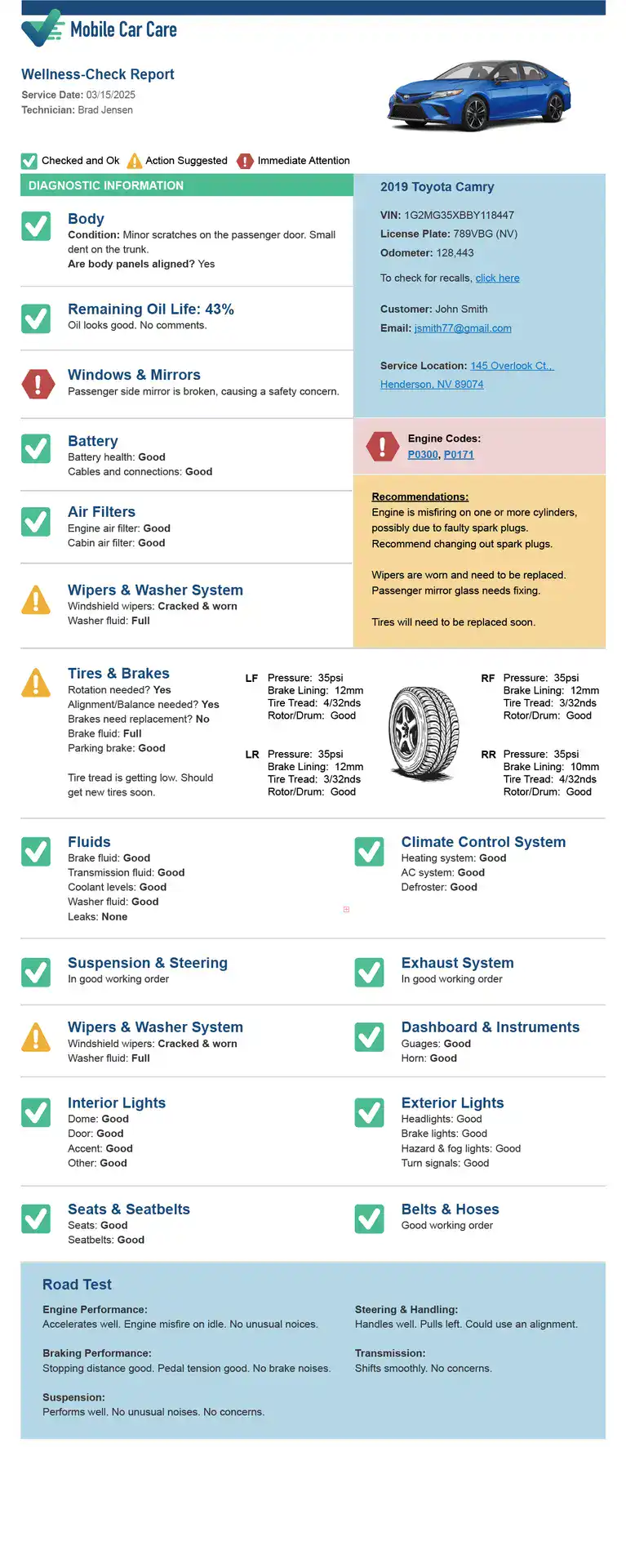

You don’t need to be a mechanic to understand what your car is trying to tell you. When it refuses to start, it’s giving you clues through sounds and signals. By learning to interpret a rapid click versus a slow crank, or dim dashboard lights versus bright ones, you can become your own first responder. This guide is designed to empower you with that knowledge. We will break down the most common reasons why a car won’t start, helping you confidently diagnose the issue. Understanding the problem is the first step to finding the right solution, saving you time, stress, and potentially unnecessary repair costs.
Key Takeaways
- Decode your car’s sounds: A rapid clicking noise usually points to a battery or starter problem, while an engine that cranks without starting suggests a fuel or ignition issue.
- Start with a simple visual check: Before calling for help, look for dim dashboard lights, loose battery cables, or corrosion on the terminals, as these common culprits are often easy to spot.
- Prevent problems with regular maintenance: The most effective way to avoid getting stranded is through proactive care; routine wellness checks can identify a failing battery or clogged filter before they become an emergency.
Why Won’t My Car Start? The Most Common Culprits
That moment of silence when you turn the key and nothing happens is one of the worst feelings. Your whole day, with its carefully planned schedule of meetings, school pickups, and errands, comes to a screeching halt. It’s incredibly frustrating, but before you start imagining worst-case scenarios and expensive repair bills, take a deep breath. The cause is usually one of a few common issues, and figuring out which one is the first step toward getting back on the road.
Understanding what’s happening under the hood can help you determine your next move, whether it’s a simple fix you can handle yourself or a sign you need to call for help. By listening to the sounds your car is (or isn’t) making and checking a few visual cues, you can play detective and narrow down the possibilities. We’ll walk through the most likely reasons your car has decided to stay put, from the usual suspect (the battery) to problems with the starter, fuel, or ignition systems. Knowing the difference can save you time and stress. Of course, the best way to handle these problems is to prevent them, which is why regular vehicle check-ups, like our Essential Plan, are designed to catch small issues before they leave you stranded.
Is It a Dead Battery?
The battery is the most frequent offender when a car won’t start. Think of it as your car’s heart; without its initial jolt of energy, nothing else can get going. You might have a dead or dying battery if you notice your dashboard lights are dim or your radio won’t turn on. A telltale sign is a rapid clicking sound when you turn the key, which is the starter trying to engage with insufficient power. Take a peek under the hood. If you see a crusty, white or greenish substance on the battery terminals, that’s corrosion that can block the electrical connection. Also, if your battery is over three years old, it might just be at the end of its life.
Could It Be the Starter Motor?
If your battery seems fine and the lights and radio turn on brightly, but you still only hear a single, solid click or nothing at all when you turn the key, the starter motor could be the problem. The starter is a small motor that gets the engine cranking. When it fails, it can’t do its job, even with a fully charged battery. So, if all your car’s accessories have power but the engine itself isn’t turning over, the starter is a prime suspect. It’s a classic case of the lights being on, but nobody’s home (or at least, the engine isn’t).
Are You Having Fuel System Issues?
Sometimes, your car sounds like it’s trying to start. The engine will crank and crank, but it just won’t catch and run. This often points to a fuel system problem. Your engine needs three things to run: air, fuel, and a spark. If the engine is turning over, it’s getting air and spark, but it might not be getting any fuel. The culprit is often a failing fuel pump, which is responsible for sending gasoline from the tank to the engine. A clogged fuel filter can also prevent gas from reaching the engine, essentially starving it of the fuel it needs to start.
Is the Ignition System Failing?
If you can’t even turn the key in the ignition, or if it turns but nothing happens (no click, no crank, nothing), you might be looking at a faulty ignition switch. This switch is the command center for starting your car, sending the signal to the battery and starter to get to work. When it goes bad, that signal never gets sent. You might also notice the dashboard lights flickering as you try to turn the key. In some cases, the issue could be with your key fob if it has a dead battery, as modern security systems can prevent the car from starting without a recognized key signal.
What About an Electrical Problem?
An electrical issue can be tricky, but a key symptom is complete silence when you turn the key, even though your headlights and interior lights work perfectly. This suggests the battery has power, but it’s not reaching the starter motor. The problem could be something as simple as a blown fuse or a bad relay in the starter circuit. It could also be a loose or broken wire somewhere between the ignition switch and the starter. This electrical disconnect prevents the starting command from ever making it to its destination, leaving you with a car that’s powered up but won’t respond.
Your First Steps: What to Check Immediately
That moment of silence when your car is supposed to start can be incredibly stressful, especially when you have places to be. Before you assume the worst, take a deep breath. You can often figure out the root of the problem with a few simple checks that don’t require any tools. By paying attention to the sounds your car is making (or not making) and taking a quick look under the hood, you can gather clues that point you in the right direction.
Listen for Clues
Your car’s sounds are its way of telling you what’s wrong. Turn the key again and listen closely. Do you hear a rapid clicking noise or just complete silence? This often points to an electrical issue, like a dead battery or a faulty starter. If you hear the engine cranking (that familiar ruh-ruh-ruh sound) but it just won’t catch and turn over, the problem is more likely related to your fuel or ignition system. Distinguishing between these sounds is the most important first step in diagnosing the problem and deciding what to do next.
Check Your Dashboard Lights
Your dashboard is another great source of information. When you turn the key to the “On” position (without trying to start the engine), your dashboard lights should come on and be bright. If they are dim, flicker, or don’t come on at all, you have a very strong sign that your battery is dead or dying. A healthy battery has more than enough power to light up your dashboard. If the lights are bright but the car won’t start, you can likely rule out the battery and start looking at other potential culprits, like the starter or fuel system.
Give the Battery a Quick Visual Check
You don’t need to be a mechanic to pop the hood and look at your battery. First, see if the cables connected to the battery terminals (the positive and negative posts) are tight. A loose connection can prevent power from flowing. Next, look for corrosion, which is a crusty, white or blueish-green substance that can build up on the terminals. This buildup can also block the electrical current. If you see significant corrosion or the cables are loose, you may have found your problem without needing any special tools or diagnostic equipment.
How to Tell if It’s Your Battery
A dead battery is the top reason a car won’t start. Before assuming the worst, you can play detective in your driveway. Checking the battery’s voltage, inspecting its condition, and recognizing the warning signs will help you figure out if you need a jump-start or a new battery. If you’d rather leave it to a pro, our technicians can handle this during a Quick Check Plan.
Test the Battery Voltage
If you have a multimeter, you can get a direct answer about your battery’s health. A fully charged car battery should read around 12.6 volts. A reading closer to 12.0 volts means it may not have enough power to start the engine, and anything lower suggests it’s dead. If the battery reads 12.6 volts but the car still won’t start, the problem isn’t the battery. Instead, the issue likely lies with your fuel delivery or spark plugs.
Inspect for Corrosion and Loose Connections
Sometimes, the battery has plenty of power but can’t deliver it. Pop the hood and look at the battery terminals where the cables connect. If you see crusty white or greenish-blue buildup, that’s corrosion blocking the flow of electricity. Next, gently wiggle the battery cables. They should be completely snug. If they’re loose, the connection isn’t secure enough to start the car. Even a new battery will seem dead if the terminals are dirty or loose.
Recognize the Signs of a Dying Battery
Your car often gives hints before the battery completely fails. Think back: were your dashboard lights dimmer than usual? Did the radio cut out? When you turn the key, do you hear a rapid clicking sound or just silence? These are classic signs of a weak battery. Other red flags include a battery over three years old or a case that looks swollen. If you’ve noticed these symptoms, your battery is likely the culprit. Regular maintenance can spot a failing battery before it leaves you stranded.
It’s Cranking, But Not Starting—Now What?
That sputtering sound of an engine trying, but failing, to turn over is one of the most frustrating car troubles you can face. You know the battery has some juice because things are happening, but the engine just won’t catch. This specific problem usually points to one of three key areas: fuel, spark, or timing. Let’s walk through what might be happening under the hood when your car cranks but refuses to start. By understanding the potential causes, you can figure out your next steps and know when it’s time to call for help.
Is It Getting Enough Fuel?
An engine can’t run without fuel, and if it’s not getting a steady supply, it won’t start. The two most common culprits here are the fuel pump and the fuel filter. The fuel pump is responsible for sending gasoline from the tank to the engine. If it’s failing, the engine simply won’t get the fuel it needs to ignite. Another possibility is a clogged fuel filter. Over time, this filter can get so full of debris that it blocks gas from reaching the engine. A professional can safely diagnose issues with your car’s fuel system to see if a lack of gas is the real problem.
Is There a Spark? (Ignition Problems)
If the fuel system is working correctly, the next thing to consider is the ignition. Your engine needs a spark to ignite the fuel-air mixture, and if that spark is missing, your car will crank all day without starting. This could be due to a faulty ignition switch that isn’t sending the “start” signal properly. It could also point to worn-out spark plugs or bad ignition coils, which are responsible for generating the high-voltage spark. While there are ways to test for a spark, they can be risky if you’re not experienced. It’s often safer to have a technician inspect for common ignition system problems.
Could It Be an Engine Timing Issue?
This is one of the more serious reasons a car might crank but not start. Your engine’s pistons and valves have to work in perfect, synchronized harmony, a job managed by the timing belt or chain. If the timing belt breaks, slips, or is severely worn out, this delicate dance falls apart, and the engine won’t start. If you hear a distinct ticking or rattling noise coming from the engine when you try to start it, stop immediately. Continuing to crank the engine with a bad timing belt can cause catastrophic damage. This is a definite sign to put the keys down and call a professional.
How to Troubleshoot Starter and Electrical Problems
When your car’s battery seems fine but the engine won’t cooperate, the issue often lies with the starter or the broader electrical system. These components work together to get your engine running, and a failure in one can leave you stranded. Here’s how to listen for clues and check for some of the most common culprits before you start to worry.
What That Clicking Sound Means
If you turn the key and hear a single, sharp click or a series of rapid clicks, your starter is likely the source of the trouble. This sound is the starter’s solenoid trying to engage, but it either lacks the electrical power to turn the engine or the starter motor itself has failed. While a weak battery can cause this, if your lights are bright, the problem points more directly to the starter. Think of it as the starter asking for power but not being able to use it properly. This is a classic symptom that helps narrow down the potential issues.
Understanding No-Crank vs. Weak-Crank Symptoms
It’s important to distinguish between a car that won’t crank at all and one that cranks weakly. A weak crank, where the engine turns over slowly and sluggishly, almost always points to a dying battery. A no-crank situation is different. If you turn the key and hear nothing, but your dashboard lights and headlights work, power isn’t reaching the starter. This could be due to a bad starter, a faulty ignition switch, a blown fuse, or a problem with the electrical connections between the battery and the starter.
Check Your Starter Connections and Fuses
Before assuming a major repair is needed, take a look at the simple things. Your car has a fuse box, and inside it is a fuse dedicated to the starter motor. Your owner’s manual can show you where to find it. If the fuse is blown, replacing it might solve the problem. If fuses and connections seem overwhelming, a professional check-up can provide clarity. The Essential Plan from Mobile Car Care includes a comprehensive 85-point inspection that covers these electrical components, giving you peace of mind without the hassle.
Rule Out the Security System
Sometimes, the problem is your car’s own anti-theft system. If your car’s computer doesn’t recognize your key, it may prevent the engine from starting as a security measure. This can happen if the battery in your key fob is dead or if the car’s security system has a glitch. Before you panic, try using your spare key. If that works, the problem is likely with your primary key fob. Also, check your dashboard for a flashing security light, which can be another indicator that the anti-theft system is engaged.
Digging Deeper: Fuel and Ignition Issues
If your battery is strong and the starter is trying to work, the next place to look is your car’s fuel and ignition systems. These two systems are a team: the fuel system delivers gasoline to the engine, and the ignition system creates the spark that ignites it. If either one isn’t doing its job, your engine won’t start. Pinpointing the problem here can get a little more technical, but there are still a few simple checks you can perform to narrow down the possibilities before calling in a professional.
Listen for the Fuel Pump
Your car’s fuel pump is responsible for sending gas from the tank to the engine. It’s an electric motor, and you can usually hear it for a second or two when you first turn the key. Before you try to crank the engine, turn your key to the “On” position (the spot right before the engine starts) and listen carefully. You should hear a faint humming or buzzing sound coming from the back of the car. If you hear silence, the fuel pump may not be working. This is a great first clue that your engine isn’t getting the fuel it needs to start.
Check the Fuel Filter
The fuel filter acts as a gatekeeper, preventing dirt and debris in your gas tank from reaching the sensitive parts of your engine. Over time, this filter can get clogged, restricting the flow of fuel. If the filter is severely blocked, not enough gas can get through to start the engine. You might notice the car sputtering or trying to start before dying. While replacing a fuel filter is often a job for a mechanic, recognizing the symptoms can save you a lot of time and guesswork. A consistently clogged fuel filter is a clear sign your car needs attention.
Test Your Ignition Switch and Key Fob
Sometimes the problem isn’t with the engine itself but with the switch that tells it to start. A faulty ignition switch can prevent power from reaching the starter motor. Signs of a bad switch include dashboard lights that don’t turn on when you turn the key or a key that turns with no response at all. In modern cars, don’t forget about the key fob. If its battery is dead, your car’s security system might not recognize the key and will prevent the engine from starting. Trying the spare key or replacing the fob battery is an easy and often overlooked fix.
Inspect the Ignition Coils and Spark Plugs
For your engine to run, it needs a spark to ignite the fuel-air mixture. This job belongs to the spark plugs and ignition coils. The coils transform your battery’s low voltage into the high voltage needed to create a spark. If a coil fails or a spark plug is old and fouled, you won’t get the necessary spark. A common symptom is an engine that cranks normally but never catches and runs. While you can sometimes see if a spark plug is worn just by looking at it, diagnosing a bad coil usually requires a professional.
Know When to Call for Professional Help
While it’s empowering to handle some car issues yourself, it’s just as important to know when to pass the torch to a professional. Trying to fix a complex problem without the right tools or expertise can lead to more expensive repairs down the road, or worse, put your safety at risk. Think of it as knowing your limits. If you’ve worked through the basic checks and are still stumped, it’s time to call for backup. There’s no shame in it; in fact, it’s the smartest and most efficient move you can make.
Red Flags That Require a Mechanic
Certain symptoms are your car’s way of screaming for a professional. If your dashboard lights and radio turn on but the engine won’t start, the problem likely goes beyond the battery. This could point to a faulty starter, a fuel system issue, or a problem with the ignition switch. A distinct, rapid clicking sound when you turn the key is a classic sign of a bad starter that needs a mechanic’s attention. These aren’t issues you can typically solve with a simple DIY fix in your driveway, so save yourself the headache and get an expert opinion.
When Diagnostics Are Beyond DIY
You’ve checked the battery, you’ve listened for the fuel pump, and you’ve made sure it’s not a simple key fob issue. If you’re still at a standstill, you’ve reached the end of the DIY road. Continuing to troubleshoot without a clear direction can sometimes create new problems. Instead of guessing, this is the perfect time to get a professional diagnosis. A trained technician has specialized diagnostic tools that can read your car’s computer codes and pinpoint the exact cause, saving you time and preventing you from replacing parts you don’t need.
Prioritizing Your Safety
Your safety should always be your top priority. Some car problems, like a suspected timing belt failure, can be dangerous to diagnose on your own. Attempting to start an engine with a broken timing belt can cause severe and irreversible engine damage. If you have any reason to believe a major component has failed, don’t try to start the car again. Making the call for professional help is the responsible choice, ensuring both your safety and your vehicle’s health. Staying on top of your car’s condition with regular wellness checks can help you catch these issues before they become critical problems.
Your Diagnostic Toolkit: What You’ll Need
When your car refuses to start, having a few key tools on hand can make the difference between a quick fix and a long wait for a tow truck. You don’t need a professional-grade garage setup to handle the initial diagnostics. In fact, a small, well-curated toolkit can empower you to identify, and sometimes even solve, the most common starting problems. Think of it as your first-response kit for car trouble.
Building this kit is simple and doesn’t require a huge investment. The goal is to gather items that help you safely inspect your vehicle and gather clues about what’s going wrong. From basic visual checks to reading your car’s computer, these tools will help you narrow down the possibilities. Having them ready in your trunk or garage provides peace of mind, ensuring you’re prepared to tackle the situation calmly and methodically. Let’s walk through the essentials, some helpful gadgets, and when it’s time to let a professional take over.
The Basic Essentials
Before you invest in any special gadgets, make sure you have the basics covered. A good flashlight is non-negotiable, as you’ll often need to peek into the dark corners of your engine bay. A pair of gloves will keep your hands clean and protected. The most important first step is often a visual inspection of the battery. Check that the battery cables are securely fastened to the terminals. A loose connection can prevent your car from starting, even if the battery is fully charged. Also, look for any fuzzy, greenish-white buildup (corrosion) on the terminals, which can be cleaned off with a wire brush to restore a solid connection.
Helpful Gadgets: OBD-II Scanners and Multimeters
If the basic visual checks don’t reveal the problem, a couple of affordable gadgets can give you much deeper insight. A multimeter is a fantastic tool for testing your battery’s health. A healthy, fully charged car battery should read around 12.6 volts. If it’s lower, it may not have enough power to start the engine. Another incredibly useful device is an OBD-II scanner. You can plug this small scanner into a port under your dashboard to read diagnostic trouble codes from your car’s computer. It’s the secret to understanding what that mysterious “check engine” light really means.
When to Rely on Professional Tools
While DIY diagnostics can solve many issues, it’s crucial to know your limits. If you’ve run through the basic checks and are still stumped, or if the problem seems complex, it’s time to call for help. Issues with the timing belt or internal engine components require specialized tools and expertise. Trying to fix these yourself can cause more damage. Your safety is the top priority, so if you feel unsure at any point, step back. Instead of guessing, you can have a professional technician come to you. A service like our Quick Check brings the advanced diagnostic tools and expertise right to your driveway, saving you the stress and hassle.
How to Prevent Starting Problems in the Future
The best way to deal with a car that won’t start is to stop it from happening in the first place. While you can’t predict every issue, a little proactive care goes a long way in preventing that sinking feeling of turning the key to silence. Staying on top of your vehicle’s health doesn’t have to be a chore, especially when you focus on the systems most likely to cause trouble.
Regular maintenance is your best defense against unexpected starting problems. By paying attention to your battery, keeping your fuel and ignition systems in good shape, and preparing for seasonal changes, you can catch small issues before they leave you stranded. Think of it as a wellness routine for your car. A consistent check-up ensures all the critical components are working together, giving you peace of mind every time you get behind the wheel. Our Essential Plan is designed to cover these bases, making proactive care simple and convenient.
Practice Proactive Battery Care
Your car’s battery is the heart of its electrical system, and it’s often the main reason for starting trouble. A healthy battery should hold a charge of around 12.6 volts. Anything less, and it might not have enough power to turn the engine over. Beyond just the charge, it’s important to keep the battery terminals clean and free of corrosion, as buildup can block the flow of electricity. Make it a habit to visually inspect your battery and ensure the connections are tight. If your battery is more than three years old, getting it tested regularly is a smart move, as its performance can decline over time.
Keep Your Fuel and Ignition Systems Healthy
If your battery is in great shape but the car still struggles to start, the issue might lie with your fuel or ignition systems. For your engine to run, it needs a precise mix of fuel and a spark to ignite it. Components like the fuel pump, fuel filter, and spark plugs are critical to this process. A clogged fuel filter can restrict gas flow, while worn-out spark plugs can fail to create a strong enough spark. Since these parts can be tricky to diagnose and replace on your own, having them inspected during routine maintenance is key. This helps ensure your engine gets exactly what it needs to start reliably every time.
Prepare Your Car for Every Season
Extreme temperatures can be tough on your vehicle, especially the battery. Cold weather is particularly harsh, as it can reduce a battery’s starting power significantly. When temperatures drop below freezing, your engine also requires more power to get going, putting extra strain on an already weakened battery. Before winter arrives, it’s a great idea to have your battery tested. You might also consider using an engine oil formulated for colder weather. For complete, year-round protection, a comprehensive service like our Total Care Plan can prepare your car for whatever the seasons throw at it.
Related Articles
- Starter Replacement: Everything You Need to Know – Mobile Car Care
- How to Perform a Starter Draw Test (The Easy Way) – Mobile Car Care
- A Beginner’s Guide to Car Electrical Diagnostics – Mobile Car Care
- How to Jump Start a Car Safely: A Simple Guide – Mobile Car Care
Frequently Asked Questions
What is the very first thing I should check if my car won’t start? Before you do anything else, pay attention to the sounds and lights. When you turn the key, do you hear a rapid clicking, a single click, or just silence? Then, look at your dashboard. Are the lights bright, dim, or completely off? These two clues will give you the best initial idea of whether you’re dealing with a battery, starter, or another electrical issue.
How can I tell the difference between a dead battery and a bad starter? A dead battery usually gives you a few warning signs. You’ll likely hear a rapid clicking sound when you turn the key, and your dashboard lights will be very dim or won’t turn on at all. With a bad starter, your battery is often fine, so your lights and radio will turn on brightly. The key difference is that you’ll hear either a single, solid click or complete silence when you try to start the engine.
My car makes a sound like it’s trying to start but never actually turns on. What does that mean? That sound, often described as cranking or turning over, means your battery and starter are likely working. The problem is probably that your engine isn’t getting one of the other two things it needs to run: fuel or spark. This often points to an issue like a clogged fuel filter, a failing fuel pump, or worn-out spark plugs.
What’s the most important thing I can do to prevent my car from not starting? Regularly checking your car’s battery is the single most effective step you can take. Make sure the terminals are clean and the connections are tight. If your battery is over three years old, have it professionally tested at least once a year, especially before winter. A weak battery is the number one cause of starting problems, so keeping it in good health is your best defense.
If my car is stuck in my driveway, how can a mobile mechanic help? That’s exactly what a mobile service is for. Instead of you having to arrange for a tow truck to take your car to a shop, a technician comes directly to you. They can run diagnostics on-site to pinpoint the problem, whether it’s a dead battery, a bad starter, or something else. They can often perform the necessary repairs, like replacing a battery or starter, right in your driveway.