
That sinking feeling when you turn the key and get nothing but a click is all too familiar. Or maybe it’s the dashboard light that flickers for no reason, making you wonder if your car is haunted. These electrical gremlins can be incredibly frustrating because they often seem random and impossible to pin down. The good news is that there’s a logical process for finding the source of the problem. It’s called electrical diagnostics, and it’s less about magic and more about a step-by-step investigation. This guide will walk you through the fundamentals, helping you understand the warning signs and learn what you can check yourself before a small quirk becomes a major headache.
Key Takeaways
- Listen to your car’s electrical clues: Seemingly minor issues like dimming headlights or a slow-starting engine are early warnings. Addressing these symptoms promptly helps you avoid a breakdown and more significant repairs later on.
- Troubleshoot methodically, starting with the power source: Many electrical problems stem from simple causes. Always check the battery, its connections, and the fuse box first before assuming a more complicated issue is at play.
- Prioritize safety for complex problems: While you can diagnose basic issues, anything involving safety systems like airbags and ABS, or recurring problems like a constantly blowing fuse, requires a professional. An expert can accurately find the root cause and ensure your car is safe to drive.
What Are Car Electrical Diagnostics?
Think of your car’s electrical system as its central nervous system. It’s a complex network of wires, sensors, and computers that controls everything from your headlights and radio to your engine’s performance and safety features. When something goes wrong, it can feel like a mystery. Your car might not start, the check engine light could pop on, or your windows might refuse to roll down. That’s where electrical diagnostics come in.
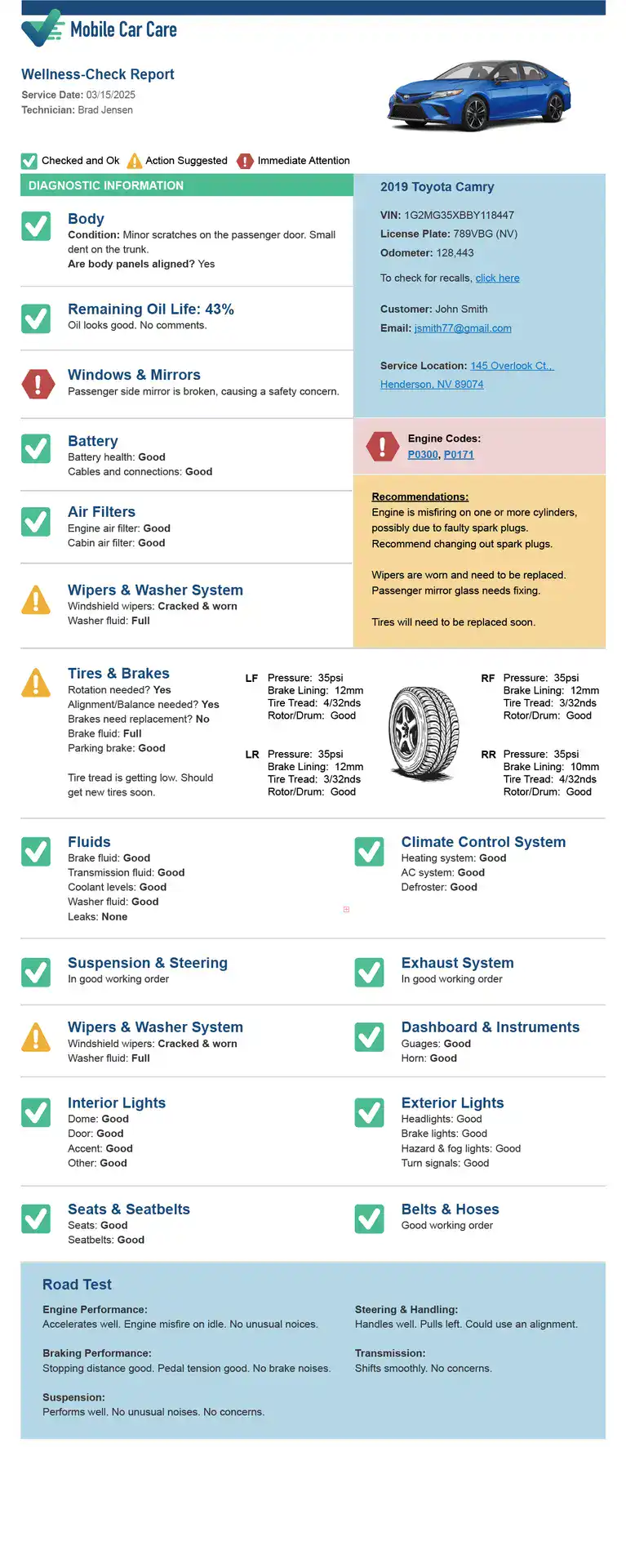
An electrical diagnostic is a systematic inspection of this entire network. It’s not just about checking the battery; it’s a deep dive to find the root cause of a problem. A technician uses specialized tools to test circuits, read computer codes, and measure electrical signals to pinpoint exactly where the fault lies. This process helps identify why a component is failing, if there’s a short circuit draining your battery, or what’s causing that strange intermittent issue. By getting a detailed review, you can fix the actual problem instead of just treating the symptoms, ensuring your car runs reliably and efficiently. A thorough wellness check can often catch these issues before they leave you stranded.
How Electrical Diagnostics Work
The process of diagnosing an electrical issue is a logical investigation. While it can get complex, the basic approach is something you can understand. The very first step in any electrical check is always the battery. A technician will ensure it’s fully charged and in good condition, as a weak battery can cause a host of misleading symptoms.
From there, they use tools like wiring diagrams, which are like roadmaps for your car’s electrical system. These diagrams show how everything is connected. They also perform tests, such as a voltage drop test, to find problems like a “parasitic draw”—an electrical component that keeps pulling power even when the car is off. It’s a step-by-step process of elimination to trace the problem back to its source.
Why Electrical Checks Keep You Safe
Diagnosing electrical problems can be tricky and time-consuming. A single issue might involve checking multiple parts of a system. In modern cars, the electrical system is tied to critical safety features like your anti-lock brakes (ABS), airbags, and stability control. A seemingly minor glitch could have serious implications down the road.
That’s why for anything beyond a simple fuse or battery check, it’s wise to see a professional. Intermittent problems that come and go are especially hard to track down without the right equipment and experience. A professional electrical diagnostic not only solves the problem correctly but also gives you peace of mind that your vehicle is safe to drive.
Is Your Car Showing These Electrical Warning Signs?
Your car is pretty good at telling you when something’s off, especially with its electrical system. You just have to know what to look and listen for. Ignoring these little hints can lead to bigger, more expensive problems down the road, or worse, leave you stranded. Paying attention to these early warnings is the first step in keeping your vehicle reliable and safe. From a battery that just won’t hold a charge to lights that flicker for no reason, these signs are your car’s way of asking for a little help.
Dead Batteries and Charging Failures
A dead battery is one of the most common and frustrating car problems. If you turn the key and hear a clicking sound or nothing at all, your battery is likely the culprit. You might also notice your headlights are dim when you start the car or that your engine is slow to crank. While batteries do wear out over time, a recurring dead battery could signal a problem with your alternator. The alternator is responsible for recharging the battery while you drive, and if it’s failing, your battery can’t hold a charge. A quick diagnostic check can determine whether you need a new battery or if the issue lies with the charging system.
Blown Fuses and Bad Relays
Think of fuses as the protectors of your car’s electrical circuits. When too much power flows through a circuit, a fuse will break to prevent damage to more important components. If your radio, power windows, or interior lights suddenly stop working, a blown fuse is a likely cause. While replacing a single fuse is often a simple fix, if the same fuse blows repeatedly, it points to a deeper electrical issue that needs attention. Bad relays can cause similar problems, often intermittently, making them tricky to diagnose. Catching these issues early prevents them from affecting more critical systems and gives you peace of mind on the road.
Corroded Wires and Faulty Connections
Your car’s electrical system relies on a complex network of wires and connections to function correctly. Over time, moisture and vibrations can cause wires to corrode and connections to loosen. This can lead to all sorts of strange behavior, like flickering dashboard lights or accessories that work one minute and not the next. A bad ground connection is a frequent source of these mysterious electrical gremlins and can even prevent your car from starting. A thorough visual inspection during a wellness check, like the one in our Essential Plan, can spot corrosion or loose wires before they become a major headache.
Unexplained Battery Drain
Do you find your car battery is dead after sitting for just a day or two, even if it’s brand new? You might be dealing with a parasitic draw. This happens when a component in your car continues to draw power even after the ignition is turned off. It’s like a silent energy leak that slowly drains your battery. Finding the source of a parasitic draw can be difficult without the right tools, as it could be anything from a faulty alarm system to a glove box light that won’t turn off. Our technicians can perform tests to hunt down these hidden drains, ensuring your car is ready to go when you are.
The Essential Toolkit for Electrical Diagnostics
Diving into your car’s electrical system might sound intimidating, but you don’t need a professional-grade garage to get started. Having a few key tools on hand can help you pinpoint common issues quickly and confidently. Think of these as your first-aid kit for electrical troubleshooting. They’ll help you gather the information you need to either handle a simple fix yourself or explain the problem clearly to a professional. With the right tools, you can move from guessing to knowing, which is the first step in solving any car problem.
What Is a Multimeter?
If you’re going to have one tool for electrical diagnostics, make it a multimeter. A multimeter is an essential device for measuring electrical values like voltage, current, and resistance. It’s your go-to for getting accurate readings from your car’s battery, alternator, and circuits. By testing different components, you can determine if they’re getting the right amount of power or if there’s a break somewhere in the system. It’s the most reliable way to get a clear picture of what’s happening inside the wires, taking the guesswork out of your diagnosis.
Using Test Lights and Circuit Testers
A test light is a simpler, but incredibly useful, tool for quick checks. Its main job is to confirm if power is flowing through a circuit. You just connect the clip to a ground point (like the car’s frame) and touch the probe to a wire or fuse. If the light turns on, you have power. A circuit tester works similarly and can help you find breaks in wires or identify faulty components by showing whether a circuit is complete. It’s a fast and easy way to trace a problem back to its source without needing to interpret complex readings.
How to Read a Wiring Diagram
A wiring diagram, or schematic, is like a roadmap for your car’s electrical system. These diagrams are crucial because they give you a visual layout of all the connections, wires, and components. Instead of blindly following a wire through your car, you can look at the diagram to see exactly where it goes and what it connects to. This makes it much easier to understand how different parts of the system work together and to trace the path of a fault. You can often find your car’s specific wiring diagrams online or in a repair manual.
A Quick Guide to Your Car’s Electrical Basics
You don’t need an engineering degree to understand what’s happening under your hood. Your car’s electrical system operates on a few simple principles, and getting a handle on them will make it much easier to pinpoint what’s going wrong when your car starts acting up. Think of this as a quick crash course in the fundamentals. Knowing the basics helps you understand why a small issue in one spot can cause a headache somewhere else, and it gives you the confidence to know what you’re looking at.
Understanding Circuits and Ohm’s Law
At its core, every electrical component in your car works on a circuit. A simple circuit has four parts: a power source (your battery), a load (like a headlight), a switch (the button you press), and conductors (the wires connecting everything). It helps to understand these components because they all need to work together. The flow of electricity is governed by a principle called Ohm’s Law, which describes the relationship between voltage (the push), current (the flow), and resistance (anything that slows the flow). When one of these is off, it can cause problems, from dim lights to a system that won’t turn on at all.
Series vs. Parallel Circuits
Remember those old holiday lights where if one bulb went out, the whole string died? That’s a series circuit. Thankfully, your car mostly uses parallel circuits, where each component gets its own path to power. This is great because a burnt-out headlight won’t stop your radio from working. However, it also means that electrical problems can be tricky. A fault in one part of the system can sometimes show up as a strange symptom in a completely different area. This interconnectedness is why a methodical approach to diagnostics is so important for figuring out the root cause.
The Importance of a Good Ground Connection
A surprisingly common cause of electrical issues is a bad ground connection. Every circuit needs a path for electricity to return to the battery, and this is often done through the car’s metal frame. The ground wire or strap completes this circuit. If that connection is loose, corroded, or broken, the electricity will try to find another way back, sometimes through other components, which can cause damage or strange behavior. Symptoms of a bad ground can range from flickering lights to a car that refuses to start. Checking that your ground connections are clean and tight is a fundamental step in any electrical diagnosis.
A Step-by-Step Guide to Diagnosing Electrical Problems
When your car’s electronics start acting up, it can feel like a mystery with a million possible culprits. But you don’t need to be a master mechanic to start troubleshooting. By following a logical, step-by-step process, you can often narrow down the issue yourself. The key is to start with the most common and easiest-to-check problems before moving on to more complex diagnostics.
Think of yourself as a detective. Your first job is to rule out the obvious suspects. Is the power source working? Are the pathways clear? Is anything visibly broken? This methodical approach saves you time and frustration, and it ensures you don’t overlook a simple fix. Many electrical gremlins are caused by surprisingly minor issues, and a little patience can go a long way in solving the puzzle. We’ll walk you through the same process a professional would use, starting with the basics and building from there.
Start with the Battery and Fuses
Before you go down a rabbit hole of complex diagnostics, always start with the heart of your car’s electrical system: the battery. A weak or dead battery can cause a wide range of strange symptoms that might seem unrelated. As the experts at Clore Automotive note, the very first step is to make sure the battery is in good condition and fully charged. If the power source isn’t reliable, you can’t accurately test anything else.
Next, check the fuse box. Fuses are the silent protectors of your car’s electrical circuits. When they detect a power surge, they blow to prevent damage to more expensive components. A blown fuse is often the root cause of a specific function—like your radio or interior lights—suddenly stopping.
Visually Inspect Wires and Connections
Once you’ve confirmed the battery and fuses are okay, it’s time for a visual inspection. You’d be surprised how many electrical problems are caused by something you can see with your own eyes. Look for obvious signs of trouble like frayed or cracked wires, melted plastic connectors, or corrosion on battery terminals.
Pay special attention to the ground connections. A bad ground wire is a very common cause of electrical issues, leading to everything from flickering lights to a car that won’t start. A ground wire is simply a connection from the electrical circuit to the car’s metal frame. If that connection is loose or corroded, the circuit is incomplete, and things stop working correctly. Tighten any loose connections and clean away any grime or rust you find.
Learn Voltage Drop Testing
If the problem isn’t obvious, your next step is a voltage drop test. This sounds technical, but the concept is simple. It helps you find hidden resistance in a circuit that’s stopping electricity from flowing properly. Think of it like a kink in a garden hose—the water is on, but the flow is weak at the end. A voltage drop test uses a multimeter to find that “kink” in your car’s wiring. This is an essential skill for tracking down tricky electrical issues that don’t have a visible cause, helping you pinpoint exactly which wire or connection is failing.
Test Individual Parts
If you’ve checked the power source, fuses, and wiring without finding the problem, it’s time to test individual components. This is where you might investigate parts like the alternator, starter motor, or a specific sensor. Using your car’s wiring diagram, you can follow the electrical path from the fuse box to the part that isn’t working. A multimeter can help you confirm whether the component is receiving power and functioning as it should. This step helps you determine if the problem lies with the part itself or the wiring leading to it, giving you a clear answer on what needs to be repaired or replaced.
What Electrical Problems Can You Diagnose at Home?
Not every flicker of your dashboard lights means a trip to the mechanic. While complex electrical systems are best left to the pros, you can diagnose some common issues right in your driveway. These basic checks can save you time and stress by helping you pinpoint the problem before it gets worse. Think of it as a first-aid check for your car’s nervous system. If these checks feel like too much, our Quick Check Plan can give you a professional opinion without you ever leaving home.
Simple Battery and Fuse Checks
Your car’s battery is the heart of its electrical system, so it’s the first place you should look. A weak or failing battery can cause all sorts of confusing symptoms that mimic bigger problems. Start by checking that your battery terminals are clean and tight—a bit of corrosion or a loose connection is often enough to interrupt power. Next, take a look at the fuse box. Fuses are tiny guards that protect your car’s electronics from power surges. Your owner’s manual will show you where the fuse boxes are and what each fuse controls. Swapping a blown fuse is often a simple fix for a component that suddenly stopped working.
Basic Connection and Ground Inspections
If the battery and fuses look good, it’s time to check the ground connections. Every electrical circuit needs a complete path to function, and your car’s metal frame acts as the return path, or “ground.” A loose or corroded ground wire is a common cause of electrical gremlins, from dimming headlights to a car that won’t start. You can usually spot the main ground wire connected from the negative battery terminal to the car’s body. Make sure it’s securely attached and free of rust. A solid ground connection is absolutely essential for a healthy electrical system.
Spotting Obvious Wire Damage
Sometimes, the problem is hiding in plain sight. A quick visual inspection under the hood can reveal obvious damage to your car’s wiring. Look for any wires that are frayed, cracked, or have melted insulation. Wires can get damaged over time from rubbing against moving parts, exposure to engine heat, or even from rodents looking for a snack. A broken wire can cause an electrical part to stop working altogether or function intermittently. While you might not fix it yourself, identifying a damaged wire helps you understand the source of the problem and explain it clearly to a technician.
When to Call a Pro for Electrical Diagnostics
While tackling a car problem yourself can be incredibly satisfying, some jobs are best left to the professionals. Car electrical systems, in particular, can be tricky. Knowing your limits is a skill in itself, and it’s the key to avoiding a small issue that snowballs into a costly, complicated repair. When you’re dealing with a maze of wires and sensors, it’s easy to misdiagnose the problem or even make it worse.
Modern vehicles are more complex than ever, and their electrical systems are the nerve centers that keep everything running. When something goes wrong, a professional technician has the specialized diagnostic tools and experience to find the source of the problem quickly and safely. Trying to guess your way through a complex electrical issue can lead to more damage, which is the last thing you want. Think of it this way: calling a pro isn’t admitting defeat; it’s making a smart, strategic decision to protect your investment and your peace of mind.
Complex Computer System Faults
Your car is essentially a computer on wheels. It’s run by a network of electronic control units (ECUs) that manage everything from engine performance and fuel efficiency to your climate control and radio. Because “modern cars have a lot of electronics and software,” a professional electrical diagnosis is more valuable than ever. When one of these computer systems starts acting up, it’s not as simple as replacing a worn-out part. Intermittent warning lights, a glitchy infotainment screen, or features that randomly stop working are all signs that you’re dealing with a complex digital problem that requires a specialist to properly diagnose and fix.
Issues Affecting Safety Systems
When it comes to your car’s safety features, there is zero room for guesswork. Systems like your airbags, anti-lock brakes (ABS), and electronic stability control are critical for keeping you and your passengers safe on the road. If you see a warning light for any of these systems, it’s time to call a professional immediately. It’s highly recommended to see a mechanic for electrical issues, especially if the “problem comes and goes,” as this can signal an underlying fault in a critical safety component. Don’t take chances with these systems; let an expert ensure they’re working exactly as they should.
Warning Signs That Require an Expert
Some electrical problems are straightforward, but others are clear signals of a deeper issue. If you’re not sure what to do, it’s always best to ask a professional to avoid causing more damage to your car. Be on the lookout for red flags like a fuse that keeps blowing, the faint smell of burning plastic, or headlights that dim when you use your turn signal. These aren’t just quirks; they’re symptoms of a problem that needs an expert eye. A comprehensive wellness check, like our Essential Plan, can help identify the root cause of these issues before they leave you stranded.
Myths About Car Electrical Repairs
When something goes wrong with your car’s electronics, it’s tempting to hope for a simple solution. Maybe it’s just a fuse, right? While sometimes you get lucky, electrical issues are often more complex than they appear. Believing in a quick fix can lead you down a rabbit hole of frustration and repeat problems. Let’s clear up a couple of common myths about car electrical repairs so you can approach them with a clearer understanding. This is where a comprehensive service like our Total Care Plan can be a lifesaver, as our technicians are trained to look at the big picture, not just the immediate symptom.
Why a Quick Fix Isn’t a Real Fix
Finding a blown fuse or a dead battery feels like a win. You replace it, the car starts, and you think the problem is solved. But more often than not, that blown fuse is just a symptom of a deeper issue, like a short circuit or a faulty component drawing too much power. Simply replacing the part without finding the root cause is like putting a bandage on a wound that needs stitches. The real challenge is that diagnosing electrical problems is rarely simple and usually requires a thorough check of the entire system involved. A true fix means finding out why the fuse blew in the first place, ensuring the problem doesn’t just come back a week later.
The Hidden Complexity of Modern Car Electronics
Cars have evolved from simple mechanical machines into sophisticated computers on wheels. Your vehicle has a complex network of wires, sensors, and modules that all communicate with each other. This is why a seemingly unrelated issue can trigger a warning light on your dash. As experts note, problems in one part of the electrical system can easily show up in a completely different area. This interconnectedness of various components means that diagnosing an issue requires more than just a visual check; it demands a deep understanding of how the whole system works together. Technicians rely on detailed wiring diagrams and specialized tests to trace the problem to its source, which is often hidden from plain sight.
How to Prevent Common Electrical Problems
An ounce of prevention is truly worth a pound of cure, especially when it comes to your car’s electrical system. Staying ahead of potential issues not only saves you from the headache of an unexpected breakdown but also helps you avoid costly, complex repairs. Most electrical problems don’t just happen overnight; they develop over time from wear and tear. By incorporating a few simple checks into your routine, you can catch these small issues before they turn into major headaches.
Think of it like a regular health check-up. You don’t wait until you’re seriously ill to see a doctor, right? The same logic applies to your vehicle. A little proactive attention can keep the intricate network of wires, fuses, and sensors working in harmony. This is the core idea behind our service at Mobile Car Care—we believe that consistent, preventative maintenance is the key to a safe and reliable car. Our Total Care Plan is designed to handle this for you, making sure every part of your electrical system is in top shape without you ever having to leave home.
Maintain Your Battery and Connections
Your car’s battery is the heart of its electrical system, so its health is non-negotiable. A weak or poorly connected battery can cause a whole host of confusing problems, from your car not starting to your radio acting up. The first step in prevention is a simple visual check. Pop the hood and look at the battery terminals. Do you see any white or greenish, crusty buildup? That’s corrosion, and it can interfere with the flow of electricity.
Also, make sure the cables are tightly secured to the battery posts. A loose connection can be just as bad as a dead battery. Keeping this area clean and secure is one of the easiest ways to prevent electrical gremlins. Our regular wellness checks always include a thorough battery and connection inspection to ensure everything is working as it should.
Protect Wiring from Damage
Think of your car’s wiring as its nervous system, carrying vital messages between the brain (the computer) and the rest of the body. Over time, the constant heat and vibration from the engine can cause wires to become brittle, cracked, or frayed. Sometimes, critters looking for a warm place to nest can even chew through them. Damaged wiring can lead to short circuits, blown fuses, or components that stop working altogether.
While you might not be able to see every wire, you can do a quick scan under the hood for anything that looks obviously out of place. Look for exposed copper, melted plastic sheathing, or wires resting on hot engine parts. Catching this kind of damage early can prevent a much bigger failure down the road.
Learn to Recognize Early Warning Signs
Your car often gives you little hints that something is wrong before it becomes a major issue. Learning to spot these early warning signs is your best defense. Do your headlights dim when you turn on the air conditioning? Does your engine seem to struggle or crank slowly when you try to start it? Have you noticed a dashboard warning light that comes and goes? These are all classic symptoms of an underlying electrical issue, often related to the battery, alternator, or a bad ground connection.
If you notice any of these signs, don’t ignore them. Acting quickly can make all the difference. If you’re not sure what’s going on, getting a professional opinion can give you clarity and peace of mind.
Related Articles
- On-Site Car Battery Checks: Costs & Providers – Mobile Car Care
- Mobile Battery Replacement: What You Need to Know – Mobile Car Care
Frequently Asked Questions
My car won’t start, but the lights and radio still work. What should I check? This is a classic sign that your battery has enough power to run accessories but not enough to turn over the engine. Before assuming the battery is dead, check that the terminals are clean and tightly connected. A loose or corroded connection can prevent the starter from getting the power it needs. If the connections are solid, the issue could be with the starter itself or another part of the charging system.
Why do my headlights sometimes dim or flicker when I’m driving? Flickering or dimming lights often point to a problem with your car’s charging system. It could be a sign that your alternator is struggling to keep the battery charged while powering everything else. Another common cause is a poor ground connection, which creates resistance in the electrical circuit. While it might seem like a minor annoyance, it’s a clear warning that your electrical system needs a closer look.
What’s the difference between a simple blown fuse and a bigger electrical problem? A fuse is designed to be a weak link that breaks to protect more important components from a power surge. If a fuse blows once and replacing it solves the problem, you were likely just unlucky. However, if the same fuse blows repeatedly, it’s a red flag. This indicates a deeper issue, like a short circuit or a faulty component that is consistently drawing too much power, which requires a proper diagnosis to fix correctly.
Is it really necessary to call a professional for most electrical issues? While you can certainly handle basic checks like inspecting the battery and replacing a fuse, it’s wise to call a professional for anything more complex. Modern car electronics are deeply interconnected with critical safety systems like your airbags and anti-lock brakes. Guessing or making a mistake can lead to more damage or compromise your safety. An expert has the right tools and knowledge to trace the problem to its source safely and accurately.
My car battery keeps dying, even though it’s fairly new. What could be the cause? When a good battery repeatedly dies after the car sits for a day or two, you’re likely dealing with a “parasitic draw.” This means a component is secretly draining power even when the car is turned off. The culprit could be anything from a glove box light that stays on to a faulty module in your alarm system. Finding the source requires a specific test to measure the electrical draw and isolate the problematic circuit.