What if a five-minute task could improve your family’s health, lower your utility bills, and extend the life of your car’s engine? That’s the power of a clean filter. This simple, inexpensive part plays a huge role in the efficiency and air quality of your most important spaces—your home and your vehicle. Staying on top of this small maintenance item delivers significant returns, from fresher air to avoiding expensive repairs. The trick is creating a routine you can stick to. Understanding when to change filter components is the foundation of that routine. Here, we’ll break down everything you need to know to make it happen effortlessly.
Key Takeaways
- Your lifestyle dictates the schedule: The “three-month rule” is more of a guideline. How often you should change your home and car filters really depends on your specific environment, including pets, allergies, and local air quality.
- Pay attention to the warning signs: Your systems will let you know when a filter is past its prime. Look for clues like a visibly dirty filter, reduced airflow from your vents, or a noticeable decline in your air quality.
- Make it a thoughtless habit: Set recurring calendar reminders or keep spare filters on hand to make the process easy. A simple system ensures you stay on top of this task, keeping your air clean and your systems running efficiently.
How Often Should You Change Your Filters?
Knowing when to swap out your filters can feel like a guessing game. From your furnace to your fridge to your car, each one has its own ideal schedule for keeping things running smoothly and cleanly. Forgetting about them can lead to poor performance, higher energy bills, and dirtier air or water. Here’s a straightforward guide to help you stay on top of it all.
Your Home’s HVAC Filter
Think of your HVAC filter as the lungs of your home. For the common one-inch filters, a good rule of thumb is to replace them every one to three months. If you have thicker, pleated media filters, you can often stretch that to six or even twelve months. However, your home’s environment is the biggest factor. If you have pets shedding dander, kids running in and out, or family members with allergies, you’ll want to check that filter more often—probably every 30 to 60 days. A quick visual check is your best friend here. If it looks gray and clogged, it’s time for a change to maintain good energy efficiency.
Air Purifier Filters
Air purifiers work hard to keep your indoor air fresh, and their filters are the key component. The replacement schedule really depends on the type of filter you have. Basic fiberglass filters usually need to be changed monthly. If you have a pleated filter, you can typically go one to three months. For those with heavy-duty, thick media filters, you might get six to twelve months of use. Just like with your HVAC system, if you have pets or allergies, it’s a smart idea to check the filter monthly to ensure it’s still doing its job effectively and keeping your air as clean as possible.
Refrigerator Water Filter
This one is pretty simple, which is always a relief. Most manufacturers recommend you change the water filter in your refrigerator every six months. Your fridge will likely give you a heads-up with an indicator light when it’s time for a new one. Another telltale sign is a change in your water dispenser’s flow. If it starts to slow down to a trickle, that’s a clear signal your filter is clogged and needs to be replaced, even if it hasn’t been a full six months. Keeping up with this helps ensure your water and ice taste fresh and clean.
Your Car’s Air Filters
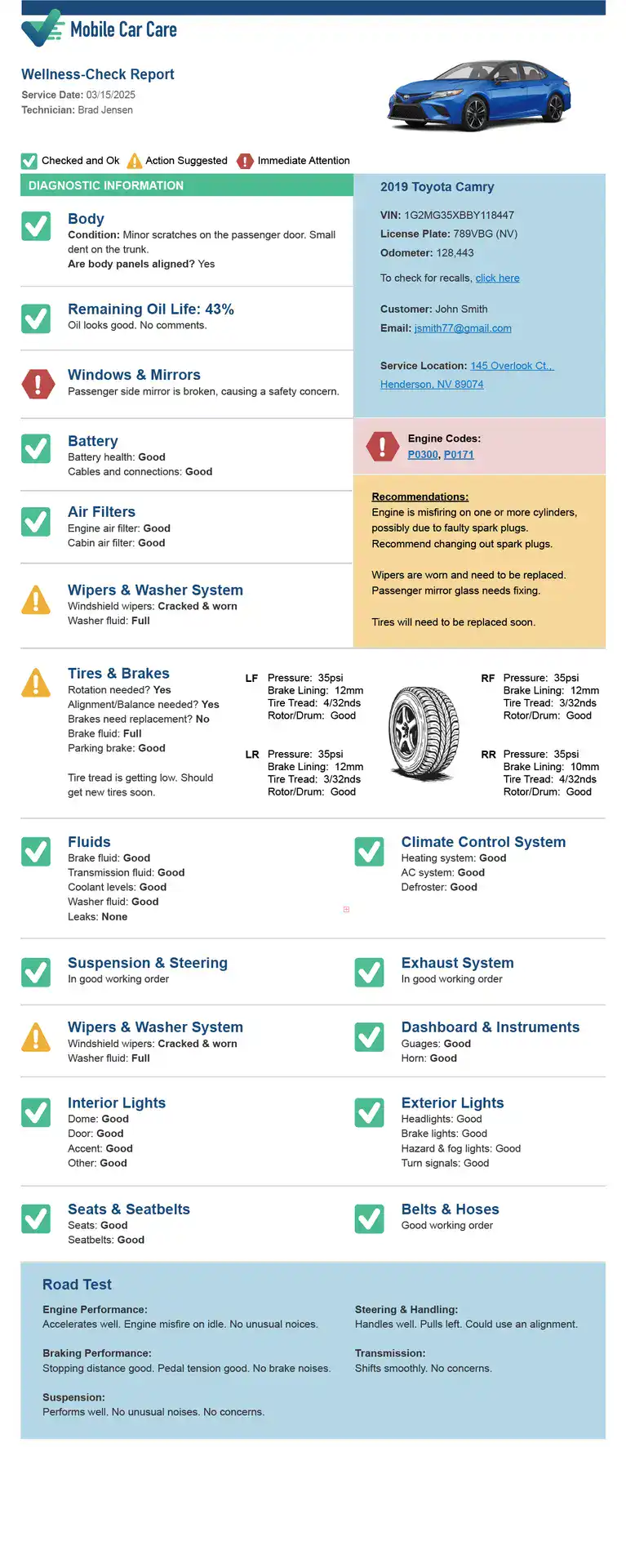
Your car actually has two important air filters: one for the engine and one for the cabin. The engine air filter keeps dust and debris from getting into your engine, which is crucial for performance and fuel efficiency. The cabin air filter does the same for the air you breathe inside the car. There isn’t a single, universal schedule for changing them; it really depends on your driving conditions. If you live in a dusty area or do a lot of city driving, you might need to change them more frequently. A technician can easily check these for you during a routine inspection. It’s one of the many things we look at during our Essential Plan wellness check to make sure your car is running smoothly and your air is clean.
What Affects Your Filter Change Schedule?
If you’ve ever heard the “change your filters every three months” rule, I’m here to tell you it’s more of a guideline than a hard-and-fast rule. The truth is, there’s no single answer for how often to change your filters because it really depends on your specific situation. Think of it less like a strict deadline and more like a personal health checkup for your home and vehicle. Factors like your lifestyle, where you live, and even the type of filter you buy all play a significant role in how quickly they get dirty.
Understanding these variables helps you create a replacement schedule that actually works, saving you money on unnecessary changes while ensuring the air you breathe is clean. Whether it’s the HVAC filter in your home or the cabin and engine filters in your car, paying attention to your environment is key. A dirty filter makes your systems work harder, which can lead to higher energy bills and costly repairs down the road. A proactive approach ensures everything runs efficiently and keeps your air quality high.
Your Household and Lifestyle
How you live your life directly impacts your filters. A quiet home with one or two people will generate far less dust and debris than a busy house with kids and lots of foot traffic. Do you love to cook, have a fireplace, or live near a construction zone? All these things release more particles into the air, which means your HVAC filter will need to be changed more frequently.
The same logic applies to your car. If your daily commute involves dusty rural roads or stop-and-go city traffic, your car’s engine and cabin air filters will clog up much faster than if you primarily drive on clean highways. Your personal habits and environment set the baseline for how often you should be checking on your filters.
Pets and Allergies
Our furry friends bring so much joy, but they also bring hair, dander, and whatever they’ve rolled around in outside. If you have pets, especially heavy shedders, you should plan on changing your filters more often—sometimes as frequently as every month. This helps prevent pet dander from circulating through your home, which is a big deal if anyone in your household has allergies.
For allergy sufferers, clean filters are non-negotiable for feeling your best. A high-quality filter is your first line of defense against pollen, dust mites, and other allergens. This is just as important in your car, where the cabin air filter is the only thing standing between you and the pollen-filled air outside. Keeping it fresh can make seasonal allergies much more manageable during your drive.
Your Local Air Quality
Where you live has a huge impact on your filter’s lifespan. If you’re in a bustling city with a lot of pollution or a rural area with a high pollen count, your filters are working overtime to keep particles out. Seasonal events like wildfire season can also clog a filter in a matter of weeks. You can get a sense of what you’re up against by checking the daily Air Quality Index (AQI) for your area.
Your car’s filters are especially vulnerable to local air quality. The engine air filter protects your engine from sucking in dust, debris, and insects, while the cabin air filter cleans the air you breathe inside the car. Poor external air quality means both filters have a much tougher job to do, so they’ll need to be inspected and replaced more often.
The Type of Filter You Use
Not all filters are created equal. Inexpensive fiberglass filters for your home might need to be replaced every 30 days, while higher-end pleated filters can last up to three months. Thick media filters can even last six months to a year. The filter’s MERV (Minimum Efficiency Reporting Value) rating tells you how effective it is at capturing small particles—a higher rating means better filtration, but it may also need to be changed more often to maintain airflow.
Similarly, your car can use different types of filters. A standard paper engine filter might not last as long as a high-performance synthetic one. For your cabin, charcoal-activated filters are excellent at blocking odors and gases but may have a different lifespan than a standard particulate filter. Regular, comprehensive wellness checks can ensure you have the right type of filter for your car and that it’s changed at the proper interval.
What Are the Telltale Signs Your Filter Needs Changing?
While following a replacement schedule is a great starting point, sometimes your filters will need to be changed sooner. Your home, car, and even your own body will often give you clues that a filter is past its prime. Paying attention to these signs can help you maintain healthy air quality and keep your systems running smoothly. A clogged filter forces your HVAC system or your car’s engine to work harder, which can lead to costly repairs and higher energy bills down the road. Think of it as a quick health check-up for your home and vehicle. By learning to spot the warning signs, you can catch a dirty filter before it becomes a bigger issue.
What a Dirty Filter Looks Like
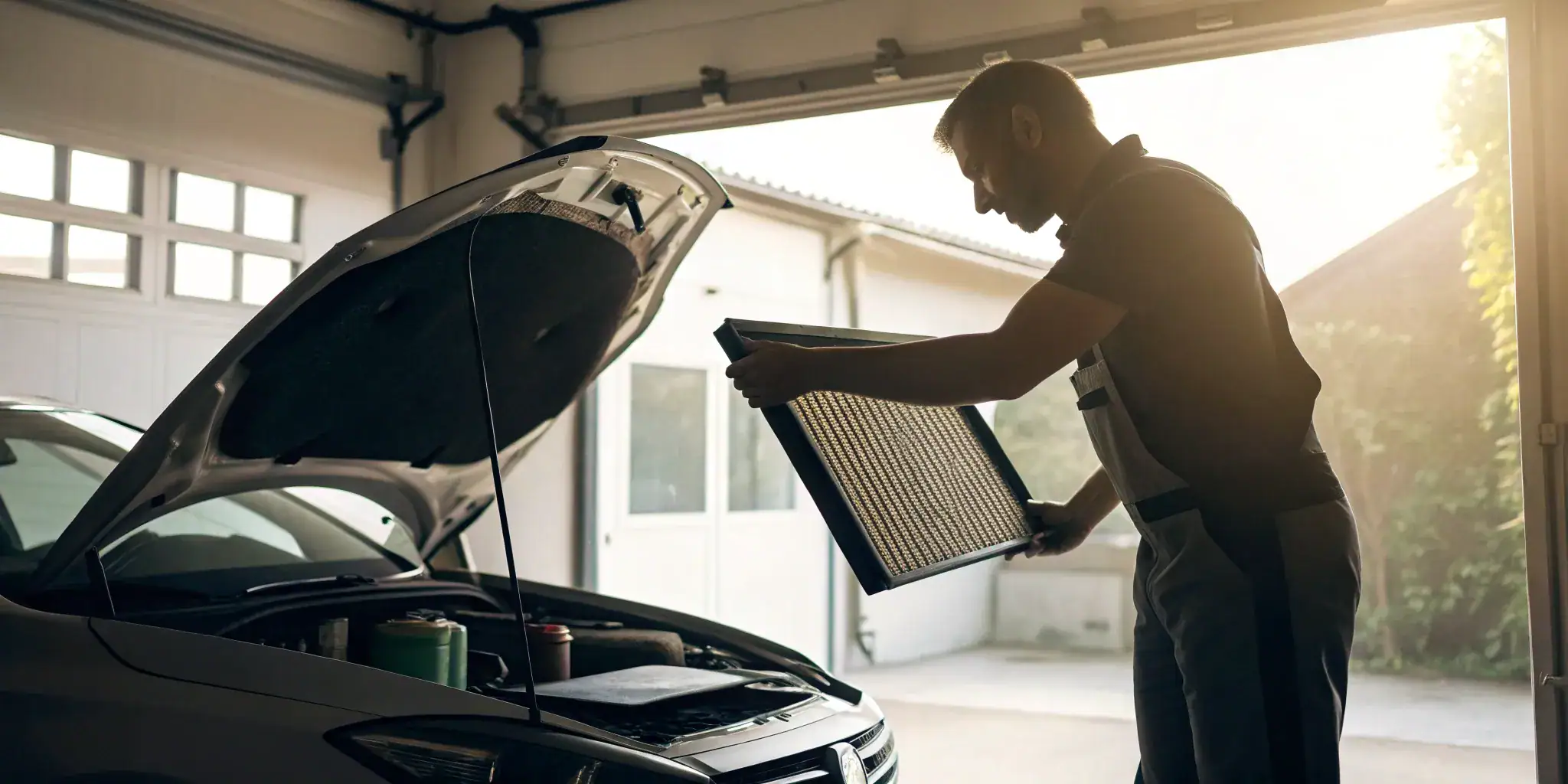
The most straightforward way to check a filter is to simply look at it. A new filter is typically bright white or off-white. Over time, as it traps dust, dirt, and other particles, it will change color. If you pull out your filter and it’s visibly gray, dark, or caked in a layer of dust and grime, it’s time for a new one. You might see a thick buildup of dust bunnies, pet hair, and other debris. You don’t need to be an expert to see the difference—if it looks dirty, it is dirty, and it’s no longer doing its job effectively.
A Drop in Performance
Have you noticed that your home’s air conditioner seems to be running constantly just to keep the house cool? Or maybe the air coming from your car’s vents feels weak, even when you have the fan on full blast. These are classic signs of a clogged filter. When a filter is packed with dirt, it restricts airflow, forcing the system’s fan to work much harder to push air through. This not only reduces its heating and cooling power but also puts a major strain on the motor, which can lead to premature failure. A clean filter ensures your car’s ventilation system and home HVAC can operate effortlessly.
Changes in Your Air Quality (and Health)
If your allergies have been flaring up or you find yourself sneezing and coughing more often at home or in your car, your air filter could be the culprit. A filter’s main job is to capture airborne irritants like dust, pollen, pet dander, and mold spores. When the filter becomes saturated, it can no longer trap these particles effectively. Instead, they get circulated back into the air you breathe. Paying attention to indoor air quality is especially important for households with children, pets, or anyone who suffers from asthma or allergies. A fresh filter is one of the easiest ways to keep your air clean.
How to Do the Light Test
Sometimes a filter might not look terribly dirty at first glance, but it could still be clogged enough to reduce airflow. If you’re on the fence, you can perform a quick and easy light test. Simply remove the filter and hold it up to a bright light source, like a lamp or a sunny window. If you can easily see light passing through the filter media, it’s likely still in good shape. However, if the filter is so thick with dust that it blocks most or all of the light, it’s definitely too clogged to work properly and should be replaced right away.
How to Remember to Change Your Filters
Let’s be honest—life gets busy. Between work deadlines, family schedules, and trying to find a moment for yourself, remembering to change the air filter in your home or car can easily fall to the bottom of the to-do list. But this small task has a big impact on your air quality and the efficiency of your systems. Forgetting it can lead to dusty homes, higher energy bills, and even costly repairs down the road.
The good news is that you don’t need a perfect memory to stay on top of it. All you need is a simple system that works for you. Think of it like setting up automatic bill pay—you put a process in place once so you don’t have to think about it again. These straightforward strategies will help you create a routine for checking and changing your filters, giving you one less thing to worry about.
Set Calendar Reminders
This might be the simplest trick in the book, but it’s also one of the most effective. Use the calendar you already check every day to your advantage. Whether you prefer a digital calendar on your phone or a physical planner on your desk, schedule your filter changes as recurring events. For your home, you can set a reminder for the first Saturday of every third month. For your car, you can set a reminder based on mileage or time, like every 12,000 miles. The key is to use a tool to help you remember so your brain doesn’t have to.
Create a Simple Replacement Schedule
If you’re not a calendar person, you can create a schedule by tying filter changes to other regular events. Some people swap out their home air filters every time the seasons change. Others do it when they change the clocks for daylight saving time. The goal is to create a habit. For your vehicle, a great approach is to have the filters checked during your routine maintenance. Services like our Essential Plan include regular wellness checks that take the guesswork out of remembering these important details. A consistent schedule ensures your car and home are always taken care of.
Use a Home Maintenance App
For those who love to keep things organized on their phone, a dedicated app can be a game-changer. There are many home maintenance apps designed to help you track tasks like changing filters, cleaning gutters, and testing smoke detectors. You can input the last replacement date and the recommended interval, and the app will send you a notification when it’s time for a change. It’s a modern, set-it-and-forget-it solution that keeps all your home and vehicle maintenance information in one convenient place, right in your pocket.
Keep Spare Filters on Hand
It’s one thing to remember you need to change a filter, but it’s another to have a new one ready to go. Half the battle is avoiding that last-minute trip to the store. Make it easy on yourself by buying extra filters and storing them in a convenient spot, like a utility closet or your garage. When you get that calendar reminder, you can swap the old filter for a new one in minutes. This simple step removes a major barrier and makes you far more likely to complete the task right away, ensuring your home and vehicle systems continue running smoothly.
Related Articles
- Cabin Filter Cost: DIY Savings vs. Pro Service – Mobile Car Care
- Engine Air Filter Price: A Complete Cost Breakdown – Mobile Car Care
- Your Guide to Easy Engine Air Filter Replacement – Mobile Car Care
Frequently Asked Questions
Is it really a big deal if I wait a little longer to change my filters? It can be, yes. A clogged filter forces your HVAC system or car engine to work much harder to pull air through. This extra strain can lead to higher energy bills and put you at risk for expensive repairs down the road. It also means the filter is no longer effectively trapping dust and allergens, which get circulated back into the air you breathe.
My car has two air filters? Which one is more important? Both are important, but they protect different things. The engine air filter stops dirt and debris from getting into your engine, which is vital for your car’s performance and longevity. The cabin air filter cleans the air that flows into the car for you and your passengers to breathe. Think of one as protecting your car’s health and the other as protecting yours.
I have pets and allergies. How much sooner should I really be changing my home’s air filter? Instead of sticking to a generic three-month schedule, it’s best to start checking your filter monthly. If you pull it out after 30 days and it’s already covered in a gray layer of dust and pet hair, then you have your answer—a monthly change is right for your home. This proactive check ensures your air stays as clean as possible.
Besides looking dirty, what’s the clearest sign my filter is overdue for a change? A noticeable drop in performance is a major red flag. You might find that your air conditioner runs constantly but the house never feels cool enough, or that the air coming from your car’s vents feels weak even with the fan on high. This happens because the system is struggling to push air through a clogged filter.
I’m terrible at remembering this stuff. What’s the most foolproof way to stay on track? The easiest method is to take the task off your brain’s to-do list. Set a recurring reminder in your phone’s calendar for every three months (or whatever schedule you determine is best). Then, make it even easier on your future self by buying a few filters at once so you always have a fresh one ready to go.