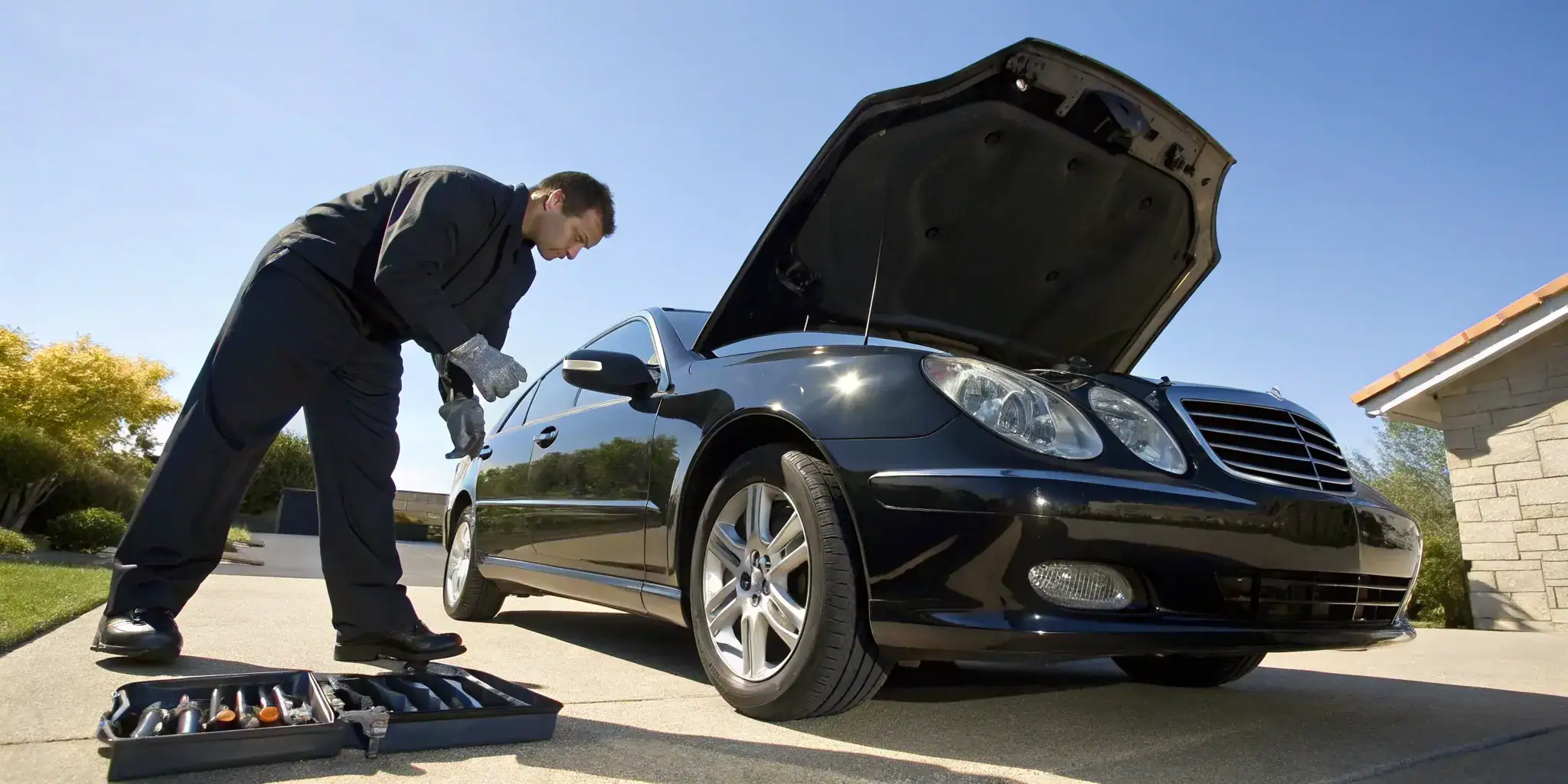
Let’s be honest: no one has time to spend an afternoon in a garage waiting room. The traditional process of scheduling car maintenance—dropping off your car, arranging a ride, and waiting for a call—is a hassle that disrupts your entire day. That’s why a mobile vehicle health check is such a game-changer for busy people. It brings expert care directly to your driveway, allowing you to continue with your work or family life while a professional gives your car the attention it needs. It’s a modern, stress-free approach that fits car care into your schedule, not the other way around.
Key Takeaways
- Think Proactively, Not Reactively: A regular vehicle health check is about prevention, not panic. It helps you catch small issues before they become major, expensive problems, saving you money and stress in the long run.
- It’s an Inspection, Not a Repair Bill: A health check provides a complete overview of your car’s condition—from brakes to battery—giving you a clear, prioritized list of what needs attention so you can make informed decisions.
- Get Expert Service Without the Waiting Room: Mobile car care brings the garage directly to you. You get a thorough, professional inspection at your home or office, fitting essential maintenance into your life, not the other way around.
What Is a Vehicle Health Check?
Think of a vehicle health check as a routine physical for your car. It’s a comprehensive, top-to-bottom inspection designed to give you a clear and accurate picture of your vehicle’s overall condition. Instead of just focusing on one problem area when a warning light comes on, a technician methodically examines all of your car’s essential systems—from the engine and brakes to the tires and electrical components. The goal isn’t to perform major repairs on the spot, but to identify potential issues early on, giving you a complete overview of your car’s health.
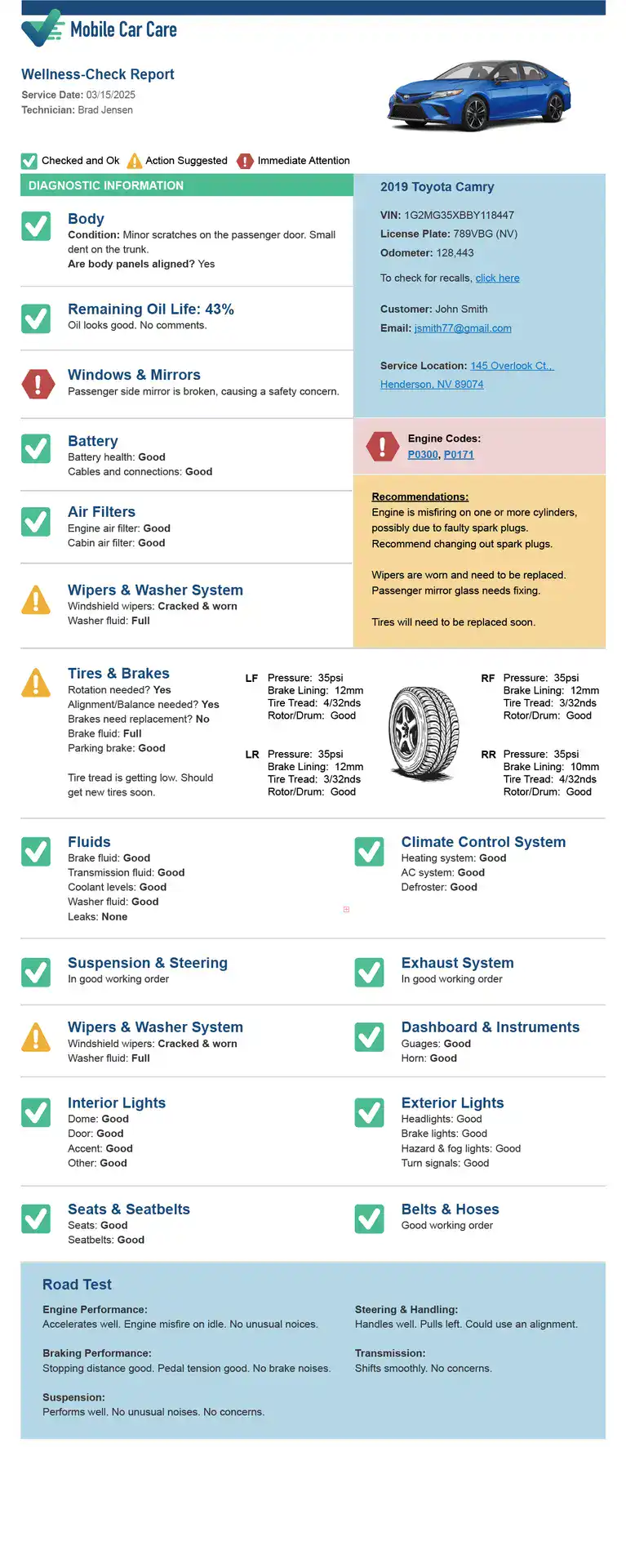
This proactive approach is all about awareness. After the inspection, you get a detailed report that outlines what looks good, what needs attention soon, and what requires immediate action. It’s like a report card for your car that translates confusing mechanical jargon into straightforward, actionable advice. This information empowers you to make informed decisions about maintenance and repairs, helping you plan for future services instead of being caught off guard by a sudden breakdown. A service like our Essential Plan is built around this very idea: providing a thorough wellness check to keep you ahead of any problems and in control of your car care schedule.
Why It Matters
A regular vehicle health check is one of the smartest things you can do for your car, your wallet, and your peace of mind. Its main purpose is to catch small issues before they snowball into major, expensive repairs. A worn belt or a low fluid level is a simple fix, but if left ignored, it can lead to significant engine damage. By staying proactive, you keep your car running smoothly and reliably. More importantly, these checks are crucial for your safety. Knowing that your brakes, tires, and lights are in good working order ensures you and your family are safe on the road. It replaces uncertainty with confidence.
How It’s Different from a Tune-Up
It’s easy to confuse a vehicle health check with a tune-up, but they serve very different purposes. A health check is an inspection—a broad assessment of the entire vehicle to diagnose its current condition. A tune-up, on the other hand, is a specific service focused on replacing parts to maintain engine performance, like changing spark plugs and filters. Think of it this way: a health check is the “what,” and a tune-up is the “how.” The health check identifies what might be wrong or wearing out, while a tune-up is one of the ways you might fix or maintain it. A comprehensive car wellness check might reveal that your engine is running inefficiently, leading to a recommendation for a tune-up, but the initial inspection itself is a separate, much broader process.
Why Vehicle Health Checks Are a Must-Do
Think of a vehicle health check as a physical for your car. It’s not about waiting for a warning light to flash; it’s about being proactive to get a clear picture of what’s happening under the hood. This simple habit helps you avoid stressful surprises, keeps your car running smoothly, and protects you and your passengers on the road. It’s a small investment of time that pays off in big ways, from your wallet to your peace of mind.
Prevent Costly Repairs Down the Road
We’ve all felt that sinking feeling when a strange noise from the engine leads to a massive repair bill. A regular wellness check is your best defense against those unexpected expenses. By identifying potential issues before they escalate, you can address small problems—like a fraying belt or a minor fluid leak—before they become major, budget-breaking repairs. This approach to proactive maintenance allows you to plan for service on your own terms, rather than being forced into an emergency fix. It’s the difference between a small, manageable cost and a huge, stressful one.
Keep Your Family Safe
Your car is what you trust to carry your most precious cargo. The main goal of a vehicle health check is to spot any issues that could make your car unsafe. Think worn-out brake pads, thinning tire treads, or faulty lights. These are things you might not notice in your day-to-day driving but can have serious consequences. Scheduling regular safety checks gives you confidence that your vehicle is reliable and road-ready, whether you’re heading to the grocery store or on a family road trip. It ensures your car’s core safety systems are always in top condition.
Help Your Car Last Longer
Your car is a significant investment, and you want it to last. Consistent health checks are key to extending your vehicle’s lifespan and protecting its value. When a technician catches small problems early, it prevents them from causing a domino effect of damage to other components. This not only keeps your car running efficiently but also helps maintain its resale value when it’s time to sell or trade it in. If you’re not sure where to begin, a simple Quick Check is a great first step toward giving your car the attention it needs to perform well for years to come.
What’s Included in a Comprehensive Check?
Think of a comprehensive vehicle health check as a yearly physical for your car. It’s a thorough, top-to-bottom inspection designed to give you a clear picture of your vehicle’s condition and catch small issues before they turn into major headaches. While the exact checklist can vary, a truly comprehensive service looks at all the critical systems that keep your car running safely and reliably.
A technician will methodically go through your vehicle, examining everything from the engine to the electrical system. The goal is to identify any existing wear and tear, potential safety hazards, and maintenance items that need attention. This proactive approach is key to preventing unexpected breakdowns and expensive repairs. For instance, our Total Care plan includes an 85-point wellness check that covers every one of these crucial systems, giving you complete peace of mind. It’s about more than just a quick look under the hood; it’s a deep assessment that provides a detailed report on your car’s overall health. This allows you to make informed decisions about maintenance and repairs, helping you budget for future needs instead of being caught off guard by a sudden failure. Below, we’ll break down the main areas covered in a detailed inspection so you know exactly what to expect.
Brakes, Lights, and Safety Systems
Your safety on the road is the number one priority, which is why this part of the check is so important. A technician’s main goal here is to find any issues that could make the car unsafe, like worn brakes or failing lights, before they can cause an accident. They will inspect your brake pads, rotors, and brake fluid levels to ensure you have the stopping power you need. They’ll also test all your lights—headlights, taillights, brake lights, and turn signals—to make sure you can see and be seen. This part of the inspection also covers essentials like your horn, windshield wipers, and seatbelts to confirm every safety feature is working correctly.
Essential Fluids and Filters
The fluids in your car are like its lifeblood, and keeping them clean and at the right levels is crucial for its long-term health. During an inspection, a technician will check your engine oil, coolant, transmission fluid, and brake fluid. They’ll look for signs of leaks and make sure each fluid is topped off and not contaminated. Just as important are the filters that keep debris out of your engine and cabin. The engine air filter and cabin air filter will be inspected to see if they’re clogged and need replacing, ensuring your engine breathes clean air and you do, too.
Battery and Electrical Components
Modern cars are packed with technology, and it all relies on a healthy electrical system. This check starts with your battery. A technician will test its charge and look for any corrosion on the terminals that could prevent your car from starting. They’ll also make sure the charging system is working properly so your battery stays healthy. Beyond that, the inspection covers all the basics you rely on every day: ensuring your power windows and locks operate smoothly, your dashboard warning lights come on and off as they should, and all interior lights are functional. It’s all about making sure your car is reliable from the moment you turn the key.
Tire Health and Alignment
Your tires are your car’s only connection to the road, so their condition is critical for safe handling and performance. A thorough check includes inspecting your tires for proper inflation, tread depth, and any signs of uneven wear, which could point to an alignment problem. The technician will also look at your suspension components, including the shock absorbers, to make sure they’re in good shape. A regular check-up, like our Essential Plan, can spot alignment issues before they cause premature tire wear, saving you money and keeping you safer on the road.
How Often Should You Get a Health Check?
Knowing when to schedule a vehicle health check can feel like a guessing game, but it doesn’t have to be. While every car and driver is different, a few simple guidelines can help you stay on top of your car’s needs. Think of it less as a rigid rule and more as a rhythm. Regular check-ups are one of the best things you can do for your car’s longevity and your own peace of mind. By creating a simple schedule and learning to spot key warning signs, you can keep your vehicle running smoothly and safely.
A Simple Schedule to Follow
For most vehicles, a comprehensive health check once or twice a year is a great rule of thumb. This cadence allows a technician to catch small issues like worn brake pads or dirty filters before they turn into expensive headaches. As experts note, “Regular vehicle check-ups can significantly enhance your car’s performance and extend its lifespan.” To make it effortless, you can set up a recurring service like our Essential Plan, which puts your car’s maintenance on autopilot. An annual check is a solid baseline, but twice a year is even better if you rely on your car daily.
Warning Signs You Can’t Ignore
Beyond your regular schedule, your car has its own ways of telling you it needs attention. Learning to recognize these signals is key. One of the most straightforward indicators is on your dashboard. As auto professionals often say, “Dashboard warning lights or a check engine light are one of the most obvious signs you need vehicle maintenance.” Don’t ignore it! Other symptoms like rough idling, a sudden drop in fuel economy, or strange noises are also clear calls for a check-up. If you notice any of these issues, it’s best to book a Quick Check right away.
Why Seasonal Checks Are a Smart Move
Your driving habits and the climate you live in play a big role in your car’s health. If you live somewhere with harsh winters or scorching summers, a seasonal check is a smart move. It’s also important to remember that “if you’re frequently driving in harsh conditions or racking up miles more quickly than average, your vehicle might need attention sooner than the recommended schedule.” Before summer, check your AC and coolant levels. Before winter, test your battery and inspect your tires. This proactive approach ensures your car is ready for whatever the weather throws at it, giving you year-round confidence.
What to Expect During Your Appointment
So, you’ve scheduled your appointment, and you’re wondering what happens next. The great thing about a mobile vehicle health check is that it’s designed to be completely transparent and stress-free. You don’t have to rearrange your day to sit in a stuffy waiting room. We come to you, whether you’re at home or at the office, so you can carry on with your life while we take care of your car.
Our goal is to give you a clear, honest snapshot of your vehicle’s condition without any of the pressure or confusing jargon you might be used to. Think of it as a wellness visit for your car. We’ll perform a thorough inspection, give you a straightforward report, and offer clear recommendations. You’ll know exactly what’s going on under the hood, what needs attention now, and what can wait. It’s all about empowering you to make smart decisions for your vehicle and your family’s safety.
The Step-by-Step Inspection
When our technician arrives, they’ll start with a comprehensive evaluation of your car’s most critical systems. This isn’t just a quick look-over; it’s a detailed, multi-point inspection that covers everything from the engine and brakes to your tires and lights. We methodically check fluid levels, inspect belts and hoses, test your battery, and ensure all your safety features are working as they should. Our Quick Check plan, for example, includes an 85-point wellness check to make sure nothing is overlooked. You can watch and ask questions or just relax knowing a professional is giving your car the attention it deserves.
How to Read Your Vehicle Report
After the inspection, we don’t just hand you a clipboard full of technical terms. We provide a detailed report that’s easy to understand. It clearly outlines our findings using a simple system to show you what’s in great shape, what might need attention soon, and what requires immediate action. Each point will include a description of the issue, our professional recommendation, and a clear cost estimate for any necessary repairs. The report is your tool for understanding your car’s health, giving you a complete picture so you can make informed decisions without any guesswork.
What to Do with the Recommendations
Receiving a list of recommendations can feel overwhelming, but our report is designed to help you prioritize. We’ll help you understand which items are critical for safety and which are part of routine maintenance that will prevent bigger headaches later. Addressing small issues promptly is the best way to avoid costly, unexpected repairs down the line. For ongoing peace of mind, our Essential Plan can help you stay on top of regular maintenance. Ultimately, our recommendations are here to help you keep your vehicle running safely and reliably for years to come.
How Much Does a Vehicle Health Check Cost?
When you’re thinking about getting a vehicle health check, one of the first questions that comes to mind is, “What’s this going to cost me?” The answer isn’t one-size-fits-all. Generally, you can expect to pay anywhere from $20 for a basic check to over $400 for a more in-depth diagnostic service. This wide range exists because not all health checks are created equal.
A basic diagnostic test might fall in the $20 to $65 range, which usually involves plugging a scanner into your car to read any error codes. A more thorough inspection, which is what we’re really talking about when we say “health check,” typically costs between $65 and $160. For high-end, specialized vehicles or complex issues, the price can climb from $160 to $400 or more. The key is to understand what you’re getting for your money, as a comprehensive check can save you from much bigger bills down the road. Think of it as a small investment in your car’s future and your own peace of mind.
What Determines the Price?
So, why the big price difference? Several factors can influence the final cost of a vehicle health check. The age and mileage of your car play a big role; an older vehicle with more miles on the clock often needs a more detailed inspection to catch potential wear and tear. The type of car you drive also matters, as luxury or high-performance vehicles can require specialized tools and expertise.
Even your location can affect the price. Different states and counties have their own emissions regulations and inspection requirements, which can add to the checklist and the cost. It’s all about the level of detail required to give you a clear and accurate picture of your car’s health.
Mobile Service vs. a Traditional Garage
Choosing where to get your vehicle checked is just as important as the check itself. You could go to a traditional garage, which means scheduling an appointment, driving over, and waiting for the service to be completed. Or, you could opt for a mobile service that comes directly to you. A mobile vehicle health check brings a qualified technician to your home or office, saving you a ton of time and hassle.
This convenience means you can carry on with your day while your car gets the attention it needs. Plus, services like ours provide a comprehensive wellness check right in your driveway, ensuring every part of your vehicle is inspected thoroughly. It’s a modern, stress-free approach to car care designed for your busy life.
Comparing the Value of Different Plans
Instead of thinking about a health check as a one-time expense, consider it part of a proactive maintenance routine. Regular checks are the best way to keep your car running smoothly and safely. Many mobile services offer flexible plans that make staying on top of your car’s health easy and affordable. For example, a one-time Quick Check is perfect for a specific concern or a pre-road-trip inspection.
For ongoing peace of mind, subscription plans like our Essential or Total Care options provide regular, comprehensive checks. These plans are designed to help you stay ahead of potential issues, so you can avoid the stress and expense of unexpected breakdowns.
Common Myths About Vehicle Health Checks
When it comes to car care, there are a lot of old adages and bits of “common knowledge” floating around. But some of this advice is outdated or just plain wrong, and following it can lead to bigger headaches and repair bills. Let’s clear the air and tackle some of the most common myths about vehicle health checks so you can make smart, confident decisions about your car’s maintenance.
Myth: “If It Isn’t Broken, Don’t Fix It”
I get the appeal of this mindset—why look for trouble? But waiting for a dashboard light to flash or a strange noise to start is a reactive approach that often costs more in the long run. Think of a vehicle health check as a wellness visit for your car. These regular inspections are designed to catch small issues, like a worn belt or low fluid levels, before they can cause a major breakdown. This kind of preventative maintenance is the key to keeping your vehicle reliable and avoiding those surprise, budget-busting repair bills. A small fix today is almost always cheaper than a major repair tomorrow.
Myth: “New Cars Don’t Need Checks”
It’s easy to assume a brand-new car is invincible, but that’s unfortunately not the case. While new vehicles are certainly more reliable, they still need regular attention to stay in top condition. Most manufacturers require routine maintenance to keep your warranty valid, and a vehicle health check is the perfect way to meet those requirements. Even in the first year, things like tire pressure, fluid levels, and battery connections need monitoring. Catching a minor issue early on a new car not only keeps you safe but also ensures you’re protecting your investment and adhering to your warranty requirements.
Myth: “All Inspections Are the Same”
You might think that one inspection is just like any other, but the quality and thoroughness can vary dramatically. Some places might only do a quick, superficial look-over. A truly comprehensive health check, like our 85-point Quick Check, examines your vehicle’s most critical systems in detail. It’s also a misconception that you have to go to a dealership for expert service. Certified technicians, whether at an independent shop or a mobile service, have the skills and tools to perform high-quality inspections. The most important thing is choosing a reputable provider who gives you a detailed report and clear recommendations.
Mobile vs. Traditional: Which Is Right for You?
Deciding where to get your vehicle health check often comes down to what works best for your schedule and peace of mind. While a traditional garage is a familiar option, mobile services have changed the game by bringing expert care directly to you. Let’s look at how they compare so you can find the right fit for your life.
The Convenience of At-Home Service
Let’s be honest—scheduling car maintenance can feel like a chore. Finding time to drive to a garage, wait around, and arrange for a ride back is a hassle most of us don’t have time for. This is where at-home service really shines. A mobile check brings an expert technician to your driveway, saving you the trip and letting you get on with your day. Instead of flipping through old magazines in a waiting room, you can be on a work call, playing with your kids, or making lunch. It’s the long-overdue update to vehicle maintenance, bringing convenience and expertise right where you need it, without disrupting your entire afternoon.
How to Choose a Great Service Provider
Not all vehicle checks are created equal, so it pays to do a little research. When you’re looking for a provider, start by asking what their inspection includes. A comprehensive service like Mobile Car Care’s Total Care Plan ensures that no stone is left unturned, helping you prevent big problems down the road. It’s also helpful to find a service that can handle minor issues on the spot. While the core of the service is a thorough wellness check, many mobile technicians can perform common maintenance and minor repairs right away. Finally, look for a provider who gives you a detailed, easy-to-understand report so you have a complete picture of your car’s health and can make informed decisions.
Related Articles
- Mobile Vehicle Inspection: Your Complete Guide
- Car Health Check Programs: The Ultimate Guide
- Your Guide to Preventive Vehicle Maintenance
- What Is Preventive Maintenance? A Complete Guide
Frequently Asked Questions
How is a vehicle health check different from my annual state inspection? Think of your state inspection as a pass/fail test that only covers the bare minimum for safety and emissions required by law. A vehicle health check is much more like a complete physical. It’s a proactive, in-depth look at your car’s overall condition, designed to spot wear and tear and catch small problems before they become serious. While a state inspection makes sure your car is legal to drive today, a health check helps ensure it stays reliable and safe for the months and years ahead.
How long does a mobile appointment take, and do I need to be present the whole time? A comprehensive check usually takes about an hour to an hour and a half. The best part about a mobile service is that you don’t need to watch over the technician’s shoulder. You can continue with your workday or family time, and we’ll let you know when we’re finished. We’ll then walk you through the detailed report and answer any questions you have, so you get all the information you need without sacrificing your entire afternoon.
What happens if you find a problem during the check? If we discover an issue, our first step is to give you a clear, easy-to-understand report that explains what we found. We prioritize our recommendations, letting you know what needs immediate attention for safety reasons and what can be scheduled for later. For many minor repairs or maintenance items, we can often take care of them on the spot. For anything more significant, we provide a transparent estimate and help you plan for the repair without any pressure.
Is a health check really necessary for a newer car that seems to be running fine? Absolutely. Even new cars benefit from regular check-ups. These inspections help ensure you’re meeting the maintenance requirements to keep your manufacturer’s warranty valid. More importantly, they can catch minor issues that might arise from daily driving, like tire alignment problems or low fluid levels, before they have a chance to cause damage. It’s all about protecting your investment and making sure your new car stays in excellent condition from the very start.
I only use my car for short trips around town. Do I still need a regular health check? Yes, and it might be even more important. Short, infrequent trips can be tough on a vehicle. The engine may not get warm enough to burn off condensation, which can affect your oil, and the battery doesn’t get a chance to fully recharge. A regular health check ensures that these specific types of wear aren’t leading to hidden problems, keeping your car ready to go when you need it.