
Your schedule is already packed. Between work, family, and everything in between, finding time to take your car to a shop is a hassle you just don’t need. Waiting rooms and scheduling conflicts can throw off your entire day. This is where preventative auto care changes the game, especially when the service comes to you. It’s about keeping your car in top shape on your terms, without disrupting your life. This guide will walk you through everything you need to know, from essential services to understanding preventative auto care pricing, so you can make smart, convenient choices that protect your investment and, more importantly, give you back your valuable time.
Key Takeaways
- Be proactive, not reactive, with car care: Think of maintenance as a wellness plan for your vehicle. Sticking to a regular schedule helps you catch small issues before they become expensive, stressful breakdowns, keeping you in control of your car and your budget.
- Treat maintenance as a smart financial investment: Spending a little on routine care now saves you from huge repair bills later. This approach also helps your car last longer and protects its resale value, giving you a direct return on your effort.
- Build a maintenance plan that fits your life: Use standard service timelines as a starting point, but adjust for your specific car and driving habits. Choosing a convenient service option, like a mobile mechanic, makes it easy to stay on track without the hassle of a shop.
What is Preventative Auto Care?
Think of preventative auto care as a wellness plan for your vehicle. Instead of waiting for a dashboard light to flash or a strange noise to start, you take proactive steps to keep your car in top shape. It’s a simple shift in mindset from reacting to problems to preventing them from happening in the first place. This approach involves regular checks, routine servicing, and catching small issues before they have a chance to become major, expensive headaches.
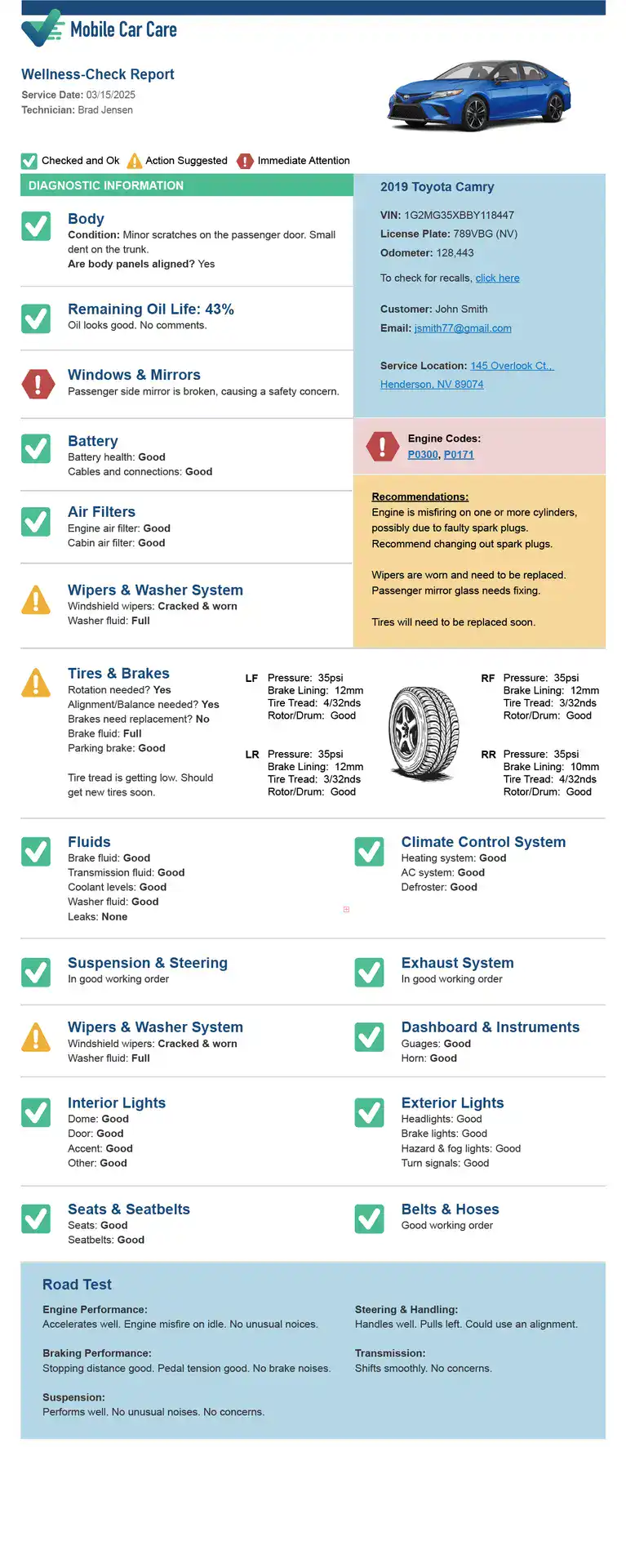
Just like a regular health check-up, preventative maintenance gives you a clear picture of what’s going on under the hood. A technician performs a series of inspections, from checking fluid levels to examining your brakes and tires, to ensure everything is working as it should. At Mobile Car Care, our Total Care plan includes a comprehensive 85-point wellness check for exactly this reason. It’s all about giving you peace of mind and confidence every time you get behind the wheel, knowing your car is safe and reliable for you and your family.
Why These Key Services Matter
Sticking to a regular maintenance schedule is one of the smartest financial decisions you can make as a car owner. It’s a cost-effective approach because it helps prevent minor issues from escalating into complex and costly repairs down the road. A small fluid leak caught early is a simple fix; left unchecked, it could lead to catastrophic engine damage. Beyond saving money, consistent care makes your vehicle significantly more dependable. In fact, data shows that a good preventative maintenance routine can reduce the likelihood of a breakdown by as much as 70%.
How Maintenance Improves Performance and Lifespan
When your car’s components are clean, lubricated, and working in harmony, the entire vehicle performs better. You’ll notice a smoother ride, more responsive handling, and even better fuel efficiency. Regular maintenance is the key to making your car run smoothly and last for many years. By investing in consistent care with a service like our Essential Plan, you’re not just maintaining your car for today—you’re protecting its long-term health and maximizing the years of service you’ll get from it. This helps you protect your investment and get the most value out of your vehicle for as long as you own it.
How Much Does Preventative Maintenance Cost?
Let’s talk about the bottom line. Budgeting for car care can feel like a guessing game, but it doesn’t have to be. While there’s no single price tag for preventative maintenance, understanding what influences the cost and what to expect for common services can help you plan ahead and avoid surprises. The goal is to make auto care feel manageable, not mysterious. By breaking down the numbers, you can see how proactive maintenance is a smart financial decision that keeps you in control of your vehicle’s health and your budget.
What Determines the Price?
The cost of preventative maintenance isn’t a flat fee—it changes based on a few key factors. How much you’ll pay depends on your car’s make and model, its age, and where you choose to get the work done. For example, servicing a luxury import will typically cost more than a domestic sedan due to specialized parts and labor. As vehicles get older and rack up more miles, they naturally require more attention to stay in top shape, which can also increase the cost. Basic routine car maintenance costs can add up to a few hundred dollars a year, but this investment is small compared to the price of a major, unexpected breakdown.
Average Costs for Essential Services
To give you a clearer picture, let’s look at some typical price ranges for individual services. An oil and filter change can run from $50 to $200, while a tire rotation might cost between $25 and $140. Replacing brake pads usually falls in the $100 to $350 range. A multi-point inspection, which is crucial for catching issues early, can be free with other services or cost up to $250 on its own. Many services, like our Essential Plan, bundle these checks together. Over the long term, the value of preventive maintenance becomes clear, with average annual costs for a standard car hovering around $1,000 to $1,250 for the first 75,000 miles.
Your Essential Maintenance Checklist
Keeping your car running smoothly doesn’t have to be a mystery. Think of it like a health routine—a few regular check-ups can prevent major issues down the road. Sticking to a basic maintenance checklist is the best way to ensure your vehicle is safe, reliable, and holds its value over time. It’s all about catching small problems before they become expensive headaches. Here are the essential services that should be on every car owner’s radar.
Oil Changes and Filter Replacements
Clean oil is the lifeblood of your engine. It lubricates moving parts, reduces friction, and helps carry away heat and debris. Over time, oil breaks down and gets dirty, losing its effectiveness. That’s why regular changes are non-negotiable. Most mechanics recommend changing your oil and filter every 5,000 to 7,500 miles. Neglecting this can lead to serious engine damage. The filter is just as important, as it traps contaminants, so always replace it with the oil. This simple service is one of the most effective ways to extend the life of your engine.
Tire Rotations and Alignments
Your tires are your car’s only connection to the road, so their condition is critical for safety and performance. A tire rotation simply means moving your tires to different positions to ensure they wear down evenly. This helps them last longer and saves you money. You should have this done every 5,000 to 8,000 miles, which often lines up perfectly with your oil change schedule. A proper wheel alignment is also key for preventing premature tire wear and ensuring your car drives straight. Keeping up with these services provides a smoother, safer ride.
Brake System Checks
Your car’s brake system is its most important safety feature. Brake pads naturally wear down with use, and waiting too long to replace them can be dangerous and lead to more expensive rotor damage. A professional should inspect your brakes regularly, but a good rule of thumb is to have the pads replaced every 30,000 to 50,000 miles, though this can vary widely based on your driving habits. Paying attention to any squealing or grinding sounds is also important. Regular checks give you peace of mind that you can stop safely when you need to.
Fluid Top-Offs and Replacements
Your car relies on more than just oil to function properly. It uses a variety of fluids—including coolant, transmission fluid, brake fluid, and power steering fluid—that all need to be at the right levels and in good condition. These fluids cool components, create hydraulic pressure, and lubricate parts. Letting any of them run low or get too old can cause major system failures. Making sure these fluids are checked and topped off during routine service visits is a core part of preventive maintenance that protects your entire vehicle.
Multi-Point Inspections
A multi-point inspection is like a complete physical for your car. A technician will go through a detailed checklist to examine your vehicle’s major systems, from belts and hoses to battery life and suspension components. This comprehensive check is the best way to get a full picture of your car’s health and spot potential issues before they leave you stranded. Our Total Care Plan includes a detailed 85-point wellness check, giving you a clear report and the confidence that your vehicle is in top shape without you ever having to visit a shop.
When Should You Service Your Car?
Knowing when to service your car can feel like a guessing game. Do you follow the sticker on your windshield, the alert on your dashboard, or a schedule you found online? The truth is, there isn’t a single, perfect answer for every vehicle. The right maintenance schedule depends on your car’s make, model, age, and even your personal driving style.
Think of car care like a health check-up. Regular appointments help you catch small issues before they turn into major, expensive problems that leave you stranded on the side of the road. Sticking to a consistent service schedule is one of the easiest ways to ensure your car runs smoothly, keeps you safe, and saves you from the stress of an unexpected breakdown. It’s all about being proactive rather than reactive. Instead of waiting for a warning light to flash or a strange noise to start, you stay ahead of potential trouble. By understanding the general guidelines and knowing how to adjust them for your life, you can create a plan that keeps your car in top shape without disrupting your busy schedule. This approach gives you confidence every time you get behind the wheel, knowing your vehicle is reliable and well-cared for.
Standard Service Timelines
To get started, it helps to know the general rules of thumb for car care. These timelines are a great baseline for the average driver and can help you plan for upcoming maintenance needs. Keeping these intervals in mind prevents you from going too long without essential checks that protect your vehicle’s most important components.
Here are some of the most common service recommendations:
- Oil and Filter Change: Every 5,000 to 7,000 miles, or at least once a year.
- Tire Rotation: Every 5,000 to 8,000 miles, which often lines up with your oil change schedule.
- Cabin Air Filter: Every 15,000 to 25,000 miles to keep the air inside your car fresh and clean.
- Brake Pads: Typically every 30,000 to 50,000 miles, though this can vary widely.
Understanding the typical costs of routine car maintenance can also help you budget for these services ahead of time.
Adjust Your Schedule Based on Driving Habits
The standard service timelines are a solid starting point, but they don’t tell the whole story. Your personal driving habits have a huge impact on how often your car needs attention. If your daily routine involves lots of stop-and-go traffic, short trips of less than five miles, or driving in extreme heat or cold, your car is working harder than you might think. These conditions can cause parts to wear out faster than the manufacturer’s average estimates.
Your car’s owner’s manual is the best source for specific recommendations, so always start there. For a truly personalized approach, a recurring wellness check can help you build a maintenance plan tailored to your vehicle and lifestyle. Our Essential Plan provides comprehensive inspections that identify your car’s unique needs, ensuring it gets the right care at the right time.
How Preventative Care Saves You Money
It might feel counterintuitive to spend money on your car when nothing is obviously wrong, but preventative maintenance is one of the smartest financial moves you can make as a car owner. Think of it less as a recurring expense and more as an investment in your vehicle’s future and your own financial peace of mind. Regular check-ups are your first line of defense against the kind of sudden, wallet-draining repairs that always seem to happen at the worst possible time. It’s the difference between a small, manageable cost today and a massive, stressful bill tomorrow. This cost-effective approach helps prevent minor issues from turning into major headaches. By staying on top of your car’s needs with a consistent schedule, you’re not just keeping it running smoothly—you’re actively protecting its value and saving yourself from much larger bills down the road. A proactive plan, like our Essential Plan, takes the guesswork out of maintenance and helps you manage costs predictably. Ultimately, this strategy saves you money in three significant ways: by catching problems early, extending the life of your vehicle, and maintaining its resale value.
Avoid Expensive, Unexpected Repairs
One of the biggest perks of preventative maintenance is catching small issues before they become big, expensive problems. Think about your brake pads. Replacing them when they’re worn is a standard, affordable job. But if you let them wear down completely, they can damage your rotors—turning a simple fix into a much pricier repair. Regular inspections spot things like worn belts, low fluids, or tiny leaks that are easy to fix early on. Addressing these minor things right away prevents them from causing a chain reaction of damage that could leave you with a multi-thousand-dollar bill and a car that’s out of commission.
Extend Your Vehicle’s Lifespan
Your car is a major investment, and you want it to last as long as possible. Consistent maintenance is the key to making that happen. Simple acts like regular oil changes protect your engine from wear and tear, while checking transmission fluid can prevent one of the most costly repairs a car can need. Taking care of your car with regular automotive maintenance means you’ll get more years and more miles out of it. You’re not just delaying the need to buy a new car; you’re also ensuring the one you have remains reliable for your family for the long haul, significantly reducing the chance of unexpected breakdowns.
Keep a Higher Resale Value
When it’s time to sell or trade in your car, a complete and consistent service history is your best friend. A well-maintained vehicle is simply worth more. Potential buyers see a detailed maintenance log as proof that the car was cared for, which gives them confidence and makes them willing to pay a higher price. By addressing small issues as they come up, you not only avoid costly repairs but also maintain a higher resale value for your vehicle. Think of every oil change and tire rotation as a deposit into your car’s future worth. It’s a direct return on the investment you’ve been making all along.
DIY vs. Professional Car Care
Deciding between rolling up your sleeves for some DIY maintenance and calling in a professional often comes down to a trade-off between time, money, and expertise. While handling some basic tasks yourself can be empowering and save you a few dollars, knowing when to pass the keys to an expert is crucial for your car’s long-term health and your own peace of mind. The key is to find a balance that keeps your vehicle safe and reliable without adding more stress to your plate.
What Maintenance You Can Do Yourself
Let’s be honest, the biggest reason most of us consider DIY car care is to save money. And it’s a valid point—the costs of labor can add up. Even simple tasks like checking your oil, topping off washer fluid, and replacing windshield wipers are great ways to get familiar with your vehicle and keep it in good shape between professional check-ups. Taking a few minutes each month to check your tire pressure can also extend the life of your tires and improve fuel efficiency. These small, consistent efforts can help you save money on car repairs by catching minor needs before they require a specialist.
When to Call a Professional
While DIY is great for the basics, some jobs are best left to those with the right tools and training. A professional technician can spot subtle issues you might miss, like a worn belt or a small leak. This is where preventative maintenance truly shines, as it can reduce the risk of breakdowns and prevent minor issues from turning into major, expensive problems. For anything involving your brakes, engine diagnostics, or complex electrical systems, calling a pro is the safest bet. A comprehensive service like our Quick Check plan gives you an expert set of eyes on your vehicle, ensuring everything is running exactly as it should be without you ever having to leave home.
How to Choose the Right Service Provider
Finding a reliable service provider for your car is a big deal. You’re not just handing over your keys; you’re trusting someone with your safety and your budget. The right technician can save you from future headaches and expensive repairs, so it’s worth taking a moment to find a good fit. Your main options generally fall into three categories: dealerships, local independent shops, and mobile services that come to you. Each one offers a different experience, and the best choice often depends on your specific needs, your car’s age, and your lifestyle.
Before you decide based on a single quote, it’s smart to do a little homework. Look for a provider with a solid track record of positive customer reviews and transparent pricing. A good shop or service will be upfront about costs and happy to explain the work they recommend. Don’t be afraid to ask questions about their experience, the types of parts they use, and any warranties they offer on their work. Think of it as an interview—you’re hiring them for an important job. Taking these steps helps ensure you’re putting your car in capable hands and building a relationship with a provider you can count on for years to come. A little research now prevents a lot of stress later.
Dealerships vs. Independent Shops vs. Mobile Services
Deciding where to take your car comes down to what you value most: brand-specific expertise, a personal touch, or pure convenience.
- Dealerships are the specialists for your car’s brand, making them the go-to for warranty work or complex, model-specific issues. They use original manufacturer parts but tend to have the highest prices.
- Independent Shops often provide a more personal feel with competitive pricing. They can use quality aftermarket parts to keep costs down and are great for a wide range of common repairs and maintenance.
- Mobile Services bring the shop to you, whether you’re at home or the office. This is the ultimate time-saver for routine maintenance. Services like our Essential Plan handle preventative care without disrupting your day.
How to Budget for Auto Care
Let’s talk about money. Budgeting for car care can feel like a guessing game, with unexpected costs popping up at the worst times. But it doesn’t have to be that way. By planning ahead, you can turn unpredictable repair bills into manageable, expected expenses. This isn’t just about saving money—it’s about gaining peace of mind and taking one more thing off your mental to-do list. Here’s how you can get a handle on your auto care budget.
Estimate Your Annual Maintenance Costs
A great starting point is to get a rough idea of what to expect. For a typical sedan, you might spend around $1,000 to $1,250 per year on maintenance for the first 75,000 miles. As your car ages, this number will likely creep up. It’s not just about big repairs; even routine car maintenance adds up over time. Knowing these ballpark figures helps you set aside a realistic amount each month. Think of it as a “car care fund”—a little bit set aside regularly feels much better than a huge, unexpected bill later on.
Simple Ways to Save on Regular Car Care
The single best way to save money on car care is to be proactive. Catching small issues early is always cheaper than fixing a major breakdown. This is why preventive maintenance is your budget’s best friend. Instead of waiting for a warning light, stick to a regular service schedule. Services like our subscription plans—the Essential Plan or Total Care Plan—make this easy by turning variable costs into a predictable monthly expense. This approach helps you plan ahead and keeps your car running smoothly, saving you from stressful and expensive surprises down the road.
Related Articles
- Proactive Vehicle Maintenance: Your Car’s Best Friend – Mobile Car Care
- Preventive Car Maintenance: Your Complete Guide – Mobile Car Care
- Essential At-Home Car Maintenance Checklist – Mobile Car Care
- On-Site Auto Care Costs: A Complete Guide – Mobile Car Care
- Mobile Car Service for the Elderly: A Complete Guide – Mobile Car Care
Frequently Asked Questions
Is a subscription plan better than just paying for service when I need it? Think of it this way: a subscription turns unpredictable repair bills into a manageable, fixed expense. Instead of reacting to a sudden dashboard light and a surprise bill, you’re proactively managing your car’s health with a consistent plan. This approach removes the mental load of remembering when to schedule service and helps you budget for car care just like any other monthly utility, giving you financial predictability and peace of mind.
My car is pretty new. Do I really need to think about this yet? Absolutely. Starting a maintenance routine early is the best thing you can do for a new vehicle. Following the manufacturer’s recommended schedule from the beginning not only protects your warranty but also sets your car up for a long, reliable life. Consistent care from day one helps preserve your car’s performance and resale value, ensuring your investment stays in top condition for years to come.
What happens if you find a bigger problem during a routine check? The main goal of our wellness checks is to give you a clear picture of your car’s health. If we spot an issue that goes beyond routine maintenance, we provide you with a detailed, easy-to-understand report explaining the problem. For many minor repairs, we can handle them right on the spot. For more complex jobs, we’ll give you a transparent quote and help you understand the next steps, ensuring you have all the information you need to make a confident decision.
I don’t know much about cars. How do I know I’m not paying for services I don’t need? This is a common concern, and it’s why transparency is so important. A trustworthy service provider will always explain the “why” behind their recommendations. Our multi-point inspections are designed to give you a complete and honest assessment of your vehicle’s condition. We show you what we see, so you can feel confident that you’re only paying for the work your car actually needs based on its specific condition, not a generic checklist.
How is a mobile service different from a traditional garage? The biggest difference is convenience. Instead of rearranging your day to drop off your car, wait in a lobby, or coordinate rides, we bring the service directly to your home or office. Your car gets the professional attention it needs while you continue with your work or family life uninterrupted. It’s about fitting essential car care into your schedule, not the other way around.