
Let’s face it: your schedule is already packed. The idea of coordinating with a seller to take a car to a shop for an inspection can feel like one hassle too many. But what if the expert came to you? A pre-purchase inspection doesn’t have to disrupt your day. With a mobile service, a certified technician meets the car wherever it is—at the seller’s home or office—and performs a comprehensive check on the spot. This simple step gives you all the critical information you need without the logistical headache. The pre purchase inspection cost becomes even more reasonable when you factor in the time and stress you save by not having to manage the process yourself.
Key Takeaways
- Invest a little now to save a lot later: The small fee for a pre-purchase inspection is minimal compared to the thousands you could spend on unexpected repairs for hidden engine or transmission issues.
- Gain the upper hand in negotiations: An inspection report provides a professional assessment of the car’s true condition, giving you powerful leverage to ask for a lower price or the confidence to walk away from a bad deal.
- Prioritize expertise and convenience: Look for a certified technician with a solid reputation to ensure a thorough check, and consider a mobile service to get a detailed report without the hassle of coordinating a shop visit.
What Is a Pre-Purchase Inspection (and Why Do You Need One)?
So, you’ve found a used car that looks perfect. The color is right, the mileage seems reasonable, and you’ve already pictured yourself driving it. Before you sign on the dotted line, there’s one crucial step you shouldn’t skip: a pre-purchase inspection, or PPI. Think of it as a health checkup for your potential new car. A qualified mechanic gives the vehicle a thorough, unbiased review to uncover any hidden issues that might not be obvious during a test drive.
Getting a PPI is about making an informed decision. A shiny exterior can easily hide underlying mechanical or electrical problems that could turn your dream car into a financial nightmare. This inspection gives you a clear picture of the car’s actual condition, helping you avoid costly surprises down the road. It’s a small investment that provides serious peace of mind, ensuring the car you’re about to buy is safe, reliable, and worth the asking price. For busy people, avoiding unexpected trips to the repair shop is worth its weight in gold.
A Look Inside the Inspection Process
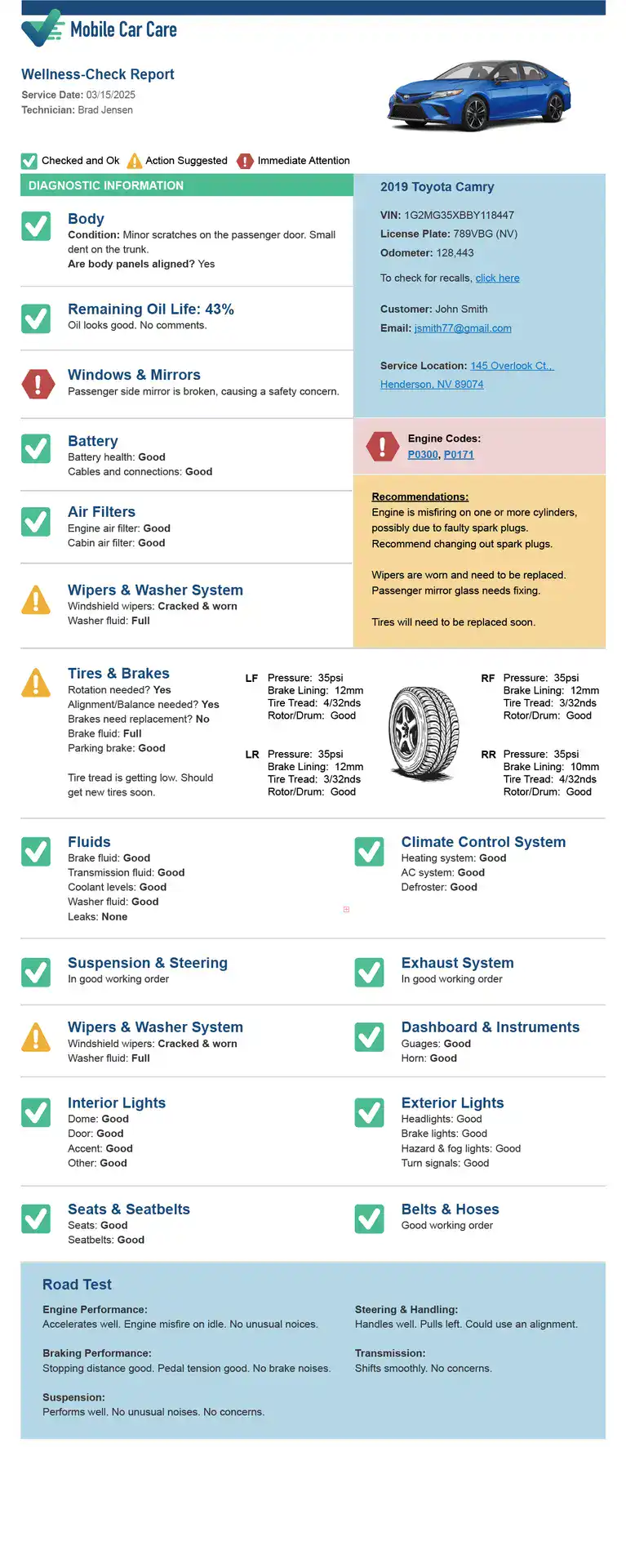
When you schedule a pre-purchase inspection, a technician does much more than just kick the tires. It’s a comprehensive process that examines the vehicle from top to bottom. The inspection typically includes a detailed visual check of the body and frame for any signs of past accidents or rust. The mechanic will then move on to the heart of the car, checking the engine, transmission, brakes, steering, and suspension for wear and tear.
They’ll also test the electrical systems—from the headlights to the dashboard warning lights—and check all the fluid levels and conditions. Finally, a road test helps the technician assess the car’s performance in real-world driving conditions. Our Quick Check Plan is a great example of a thorough wellness check that covers all the essential systems.
Why Skipping This Step Can Cost You Big
It can be tempting to skip the inspection to save a little time and money, but that decision can backfire in a big way. A used car might look great and drive well for a few miles, but it could be hiding serious problems like a failing transmission or a cracked engine block. These are issues that can cost thousands of dollars to fix—far more than the price of the inspection itself.
Think of a PPI as an affordable insurance policy against buying a lemon. It’s a smart, simple way to avoid expensive hidden problems and the stress that comes with them. Without it, you’re essentially trusting the seller’s word and hoping for the best. A detailed inspection report gives you the facts, so you can either walk away from a bad deal or negotiate a lower price to cover future repairs.
Common Myths About Inspection Costs
One of the biggest myths is that a pre-purchase inspection is an unnecessary expense, especially when you’re already spending a lot on the car. In reality, the small fee for an inspection is minor compared to the potential repair bills you could face later. It’s a classic case of spending a little now to save a lot later.
Another common misconception is that you only need an inspection for older, high-mileage vehicles. That’s simply not true. Even newer used cars can have hidden damage from accidents or suffer from a lack of proper maintenance by the previous owner. A clean vehicle history report doesn’t always tell the whole story. Getting a professional opinion ensures you know exactly what you’re buying, regardless of the car’s age.
How Much Should a Pre-Purchase Inspection Cost?
Okay, let’s talk numbers. You know you need a pre-purchase inspection, but what should you budget for it? The good news is that this crucial step is surprisingly affordable, especially when you consider the potential costs it helps you avoid. The price can vary based on who you hire and how detailed the inspection is, but here’s a general idea of what to expect.
Typical Price Ranges for Most Cars
For a standard car, you can generally expect a pre-purchase inspection to cost between $100 and $200. Some more comprehensive checks or inspections at a dealership might push that closer to $300. According to RepairPal, the average cost for a pre-purchase inspection falls between $183 and $322. If you’re looking at a luxury vehicle, a high-performance sports car, or a classic, the price might be a bit higher due to the specialized knowledge required. Think of this as the baseline—it’s a small price for a huge amount of information about the car you’re about to buy.
Our Straightforward Pricing at Mobile Car Care
We believe in making car care simple and transparent, and that includes our pricing. At Mobile Car Care, our one-time Quick Check is just $129. This comprehensive 85-point wellness check is perfect for a pre-purchase inspection, and the best part is, we come directly to you. You don’t have to coordinate with the seller to take the car to a shop or waste your afternoon in a waiting room. We perform the inspection right at the seller’s home or workplace, giving you a detailed report so you can make your decision with confidence. It’s convenient, thorough, and easy to budget for.
The Real Math: Inspection Fee vs. Potential Repair Bills
It’s helpful to think of an inspection fee not as a cost, but as a small investment that protects you from much larger ones. Spending a little over a hundred dollars now could easily save you thousands in the future. That small fee can uncover a hidden transmission issue or a failing engine component that would have become your financial nightmare. It’s the ultimate “cheap insurance” against buying a lemon. A quality inspection gives you the full picture, helping you avoid a bad deal or giving you the leverage to negotiate a lower price based on any issues we find. Either way, the inspection almost always pays for itself.
What Factors Affect the Final Price?
When you start shopping around for a pre-purchase inspection, you’ll notice that prices aren’t always the same. That’s because the final cost depends on a few key variables. Understanding what goes into the pricing will help you choose the right service for the car you’re considering and ensure you’re getting a great value, not just a low price. From the type of car to the depth of the inspection, here’s what you need to know.
The Car’s Make, Model, and Complexity
Not all cars are built the same, so it makes sense that inspecting them would vary in cost. For most standard sedans and SUVs, you can expect the cost of a pre-purchase inspection to fall within a predictable range. However, if you’re looking at a high-performance sports car, a luxury vehicle with advanced electronics, or a classic car, the price will likely be higher. These vehicles have more complex systems and often require a technician with specialized knowledge to properly evaluate every component. The extra time and expertise needed for these detailed inspections are reflected in the final price.
Your Location and the Provider You Choose
Just like with many other services, where you are located plays a big role in what you’ll pay. An inspection in a major metropolitan area with a higher cost of living will generally be more expensive than one in a smaller town. The provider you select matters, too. A dealership or a specialty shop with master technicians might charge more than a general auto shop. While the average cost for an inspection gives you a good baseline, remember to compare providers based on their reputation and qualifications, not just the price tag.
How Deep the Inspection Goes
The term “inspection” can mean different things to different providers. A basic check might only cover the essentials, while a truly comprehensive inspection will be a much more thorough process. A quality inspection evaluates all the critical systems, including the engine, transmission, brakes, suspension, frame, and electronics. When you’re comparing prices, make sure you’re also comparing what’s included in the service. A cheaper inspection that misses a major issue isn’t a bargain. You want a detailed report that gives you a complete picture of the vehicle’s overall condition before you make a decision.
Mobile Service vs. a Traditional Shop
You also have a choice between taking the car to a traditional repair shop or using a mobile service that comes to you. While a shop has access to heavy equipment like vehicle lifts, a mobile inspection offers unmatched convenience. For busy people, not having to coordinate schedules and spend hours at a garage is a huge advantage. At Mobile Car Care, we bring the expertise directly to your home or office. Our Quick Check plan is designed to be both thorough and convenient, giving you the critical information you need without disrupting your day.
What’s Included in a Comprehensive Inspection?
When you hear “inspection,” you might picture someone just kicking the tires and glancing under the hood. But a true pre-purchase inspection is a deep, systematic review of the entire vehicle, designed to give you a clear picture of its health before you commit. Think of it as a full physical for the car. A qualified technician will go through a detailed checklist, examining everything from the engine’s performance to the condition of the interior fabric.
At Mobile Car Care, our inspections are designed to be thorough, covering all the critical systems that keep a car safe and reliable. Our Essential Plan, for example, includes a comprehensive 85-point wellness check that leaves no stone unturned. The goal is to arm you with knowledge. A detailed report helps you understand exactly what you’re buying, identify potential red flags, and even gives you leverage to negotiate a better price. It’s about making a smart, informed decision instead of taking a costly gamble.
Checking the Engine, Transmission, and Mechanical Parts
The heart of any car is its engine and transmission, and this is where a detailed inspection begins. A technician will look for any signs of trouble, like oil leaks, worn belts, or cracked hoses. They’ll listen for any unusual noises that could point to internal problems. The transmission is checked just as carefully, ensuring it shifts smoothly and the fluid is clean. Beyond the engine, the inspection covers other critical mechanical parts, including the steering and suspension systems. These components are essential for control and a smooth ride, so we make sure they’re in solid condition.
Testing All Electrical Systems and Diagnostics
Modern cars are packed with complex electronics, and a problem here can be tricky and expensive to fix. That’s why a comprehensive inspection includes a thorough check of all electrical systems. We test the battery, alternator, and starter to make sure the car will start reliably every time. We also run through all the interior and exterior lights, power windows, and other electronic features. Most importantly, the technician will perform a diagnostic scan by plugging into the car’s computer. This scan can reveal hidden issues with the car’s computer system by pulling up error codes that you wouldn’t otherwise see.
A Deep Dive into Brakes, Suspension, and Safety
Your safety on the road is the top priority, so the inspection pays close attention to the car’s most important safety features. The entire brake system is examined, including the pads, rotors, and brake fluid, to ensure you have the stopping power you need. The suspension is also checked for wear and tear, as worn components can affect handling and stability. We’ll look at the tires to check for adequate tread depth and any signs of uneven wear, which could indicate an alignment problem. Finally, we confirm that essential safety equipment like seatbelts and airbags are in proper working order.
Inspecting the Body, Frame, and Fluids
A car’s history isn’t always obvious, but a close look at its body and frame can tell a story. A technician will carefully inspect the exterior for signs of past accidents, like mismatched paint, poor body panel alignment, or hidden rust. They’ll also check the vehicle’s undercarriage for any frame damage that could compromise its structural integrity. Just as important is checking the car’s vital fluids. The condition and levels of the engine oil, coolant, and transmission fluid provide valuable clues about how well the car has been maintained and can help predict its future reliability.
The All-Important Road Test
After the visual inspection is complete, it’s time to see how the car actually performs on the road. The road test is where all the individual components come together. During the drive, the technician will listen for any strange noises, feel for vibrations, and pay close attention to how the engine and transmission respond. They’ll test the brakes in a real-world scenario and check how the car handles turns and bumps in the road. This final step is crucial because some issues only become apparent when the car is in motion, making the road test an essential part of any thorough inspection.
How to Choose the Right Inspection Service
Okay, you’re sold on getting an inspection. But who do you trust to do it? The quality of a pre-purchase inspection depends entirely on the person performing it. A rushed or inexperienced check can be just as risky as skipping it altogether. You need a detailed, unbiased report from a professional who knows exactly what to look for. Think of it as hiring a detective for your potential new car—their job is to uncover its complete history, not just the highlights.
Choosing the right service isn’t just about finding the cheapest option. It’s about finding a partner who can give you the confidence to either walk away from a bad deal or sign the papers knowing you’ve made a solid investment. The right inspector will be your advocate, providing a clear, comprehensive breakdown of the car’s condition. From checking for hidden frame damage to spotting early signs of engine trouble, their expertise is your best defense against buyer’s remorse. It’s about finding someone meticulous, trustworthy, and communicative. You want a report that makes sense to you, not a list of technical jargon you have to Google later. Let’s walk through the key things to look for to ensure you hire the right pro for the job.
Look for Certified and Qualified Technicians
When you’re looking for a mechanic, keep an eye out for professional certifications. The most respected one in the industry is from the National Institute for Automotive Service Excellence, or ASE. An ASE-certified technician has passed rigorous testing and has proven hands-on work experience. This isn’t just a piece of paper; it’s a benchmark for competence and professionalism. It tells you that the person inspecting your potential car has a solid foundation of automotive knowledge. While it’s not the only thing that matters, it’s a strong indicator that you’re dealing with a qualified expert who takes their craft seriously.
Find an Expert for Your Specific Vehicle
Cars aren’t one-size-fits-all, and neither are the mechanics who work on them. A technician who spends all day on domestic trucks might not know the specific quirks of a German luxury sedan, and vice versa. When you can, try to find an inspector who has experience with the specific make or model you’re considering. They’ll be familiar with common issues, recall histories, and the little things that a generalist might miss. This specialized knowledge can be invaluable, helping them spot potential problems that are unique to that type of vehicle. It’s an extra layer of assurance that you’re getting a truly expert opinion.
Read Reviews and Check Their Reputation
Before you book an inspection, do a little homework online. A quick search for reviews on Google or Yelp can tell you a lot about a shop or technician’s reputation. Look past the star rating and read what actual customers are saying. Are they described as thorough, honest, and professional? Do they take the time to explain their findings clearly? Consistent positive feedback is a great sign that you’re choosing a reliable service. Don’t forget to ask friends, family, or colleagues for personal recommendations, too. A trusted referral is often the best way to find a great mechanic you can count on for an unbiased assessment.
Consider the Convenience of Mobile Service
Let’s be honest: coordinating a car inspection can be a logistical headache. You have to align your schedule with the seller’s and then spend time driving to a shop and waiting. This is where a mobile inspection service changes the game. A technician comes directly to the car’s location—whether it’s at the seller’s home or office—saving you a ton of time and hassle. It’s the ultimate convenience, especially if the car is located across town. Our Quick Check service, for example, brings a comprehensive 85-point wellness check right to you, ensuring you get a thorough, professional inspection without disrupting your day.
Is a Pre-Purchase Inspection Really Worth It?
You’ve found a used car that seems to check all the boxes. The paint is shiny, the interior is clean, and the test drive went smoothly. So, is it really necessary to spend extra money on a pre-purchase inspection (PPI)? The short answer is a resounding yes. Think of it less as a cost and more as an investment in your safety and financial well-being. A thorough inspection is your best defense against buying a vehicle with hidden, and often expensive, problems. It’s about making an informed decision, not just an emotional one.
Uncovering Hidden Problems Before You Buy
A car can look perfect on the surface while hiding serious mechanical or electrical issues. That’s where a pre-purchase inspection comes in. A qualified technician can find hidden problems with the engine, transmission, suspension, and other critical components that you wouldn’t notice on a test drive. They’ll look for signs of previous accidents, flood damage, or poor maintenance that the seller might not disclose. Catching these red flags before you sign the paperwork can save you from a major headache and a vehicle that spends more time in the shop than on the road.
Gaining Peace of Mind and Ensuring Safety
Buying a used car often feels like a gamble, especially since most private sales are “as-is,” meaning they come without a warranty. Even some dealer-sold cars have very limited coverage. A PPI removes a huge amount of that uncertainty. Knowing that an unbiased expert has thoroughly examined the vehicle gives you confidence that you’re making a safe choice for yourself and your family. This peace of mind is invaluable, ensuring the car you’re about to rely on every day is sound, secure, and road-ready from day one.
Giving You Leverage to Negotiate the Price
An inspection report is more than just a pass/fail grade; it’s a powerful negotiation tool. If the inspection uncovers minor issues—like worn brake pads or an aging battery—you don’t necessarily have to walk away. Instead, you can use the detailed report to ask for a lower price to cover the cost of the needed repairs. The seller is often more willing to negotiate when presented with a concrete list from a professional. This puts you in control of the conversation and helps you secure a fair deal based on the car’s true condition.
Saving You Money on Future Repairs
Spending a little on an inspection now can save you a lot on unexpected repairs later. A PPI is a smart, affordable way to avoid buying a used car with expensive hidden problems. It’s like a form of “cheap insurance” against a bad purchase. At Mobile Car Care, our Quick Check Plan is designed to give you a comprehensive overview without breaking the bank. When you compare the small, one-time cost of an inspection to the potential for thousands in engine or transmission repairs, the value becomes crystal clear.
Related Articles
- Pre-Purchase Car Inspection: A Smart Buyer’s Guide – Mobile Car Care
- Used Car Pre-Purchase Inspection Guide: Everything You Need to Know – Mobile Car Care
- A Smart Guide to Your Pre-Purchase Inspection – Mobile Car Care
Frequently Asked Questions
What if the seller won’t allow an inspection? Honestly, this should be a major red flag. A confident and transparent seller should have no issue with you getting a professional opinion on the car’s condition. If they push back or make excuses, it often suggests they might be aware of a problem they don’t want you to discover. In most cases, it’s wisest to thank them for their time and walk away from the deal.
Do I need to be present for the entire inspection? You don’t have to be there the whole time, but it can be very helpful to connect with the technician toward the end. This gives you a chance to ask questions and have them physically show you any areas of concern. With a mobile service, you get the convenience of a detailed digital report sent directly to you, which means you can get all the critical information even if your schedule doesn’t allow you to be there in person.
What should I do if the inspection uncovers problems? Finding some issues is actually pretty common with used cars. The inspection report gives you clear next steps. If the problems are minor, like worn tires or brake pads, you can use the report as a powerful tool to negotiate a lower price to cover the future repairs. If the inspection reveals major, costly issues, it gives you the solid evidence you need to confidently walk away from a bad investment.
How is a pre-purchase inspection different from a vehicle history report? A vehicle history report, like a CarFax, tells you about a car’s documented past, such as reported accidents or title issues. A pre-purchase inspection tells you about the car’s present physical condition. The inspection is a hands-on assessment that can uncover mechanical wear, unreported damage, or maintenance issues that would never show up on a history report. The two tools work best when used together.
How long does the inspection process typically take? A comprehensive inspection generally takes about 60 to 90 minutes to complete. This gives the technician enough time to work through a detailed checklist covering all the major systems, from the engine and transmission to the brakes and electronics. The process is capped off with a road test to ensure everything performs as it should under real-world driving conditions.