We’ve all seen that car on the shoulder of the highway, steam billowing from the engine, and felt a wave of sympathy and a little bit of fear. An overheating engine can feel sudden and chaotic, but the problem usually starts long before you see the steam. It often begins with a small leak or a worn-out part that goes unnoticed. This guide is here to demystify the process and put you in the driver’s seat of your car’s health. We will cover the essential warning signs, the safest way to handle an emergency, and the common culprits behind the problem. Most importantly, we’ll show you how a proactive overheating check can keep you from becoming that person on the side of the road.
Key Takeaways
- Act on warning signs immediately: A rising temperature gauge or steam from under the hood are urgent signals. The best response is to pull over safely and turn off the engine to prevent serious, expensive damage.
- Prevention is your best defense against breakdowns: Most overheating incidents are caused by simple issues like low coolant or worn hoses. Regular maintenance and quick visual checks are the most effective ways to keep your cooling system healthy.
- Prioritize safety to avoid injury and costly errors: Never open a hot radiator cap, as pressurized steam can cause severe burns. Continuing to drive an overheating car can also lead to catastrophic engine failure, a far more expensive problem than a tow.
What Are the Warning Signs of an Overheating Engine?
Your car has its own way of communicating, and an overheating engine is one of its most urgent messages. Catching the problem early can save you from a major breakdown and costly repairs. The good news is that the warning signs are usually clear if you know what to look for. By paying attention to your dashboard and using your senses, you can act fast and keep a small issue from turning into a roadside emergency.
Check Your Temperature Gauge
The temperature gauge on your dashboard is your car’s thermometer and your first line of defense. Normally, the needle stays in the middle of the range, but if you see it climbing into the red “H” (Hot) zone, your engine is in trouble. A warning light, often shaped like a thermometer, might also appear. This is your car’s most direct signal to pull over as soon as it’s safe. Making a quick scan of your gauges a regular habit is a great way to spot a rising temperature before it becomes a critical problem, giving you more time to react.
Look for Steam or Smoke
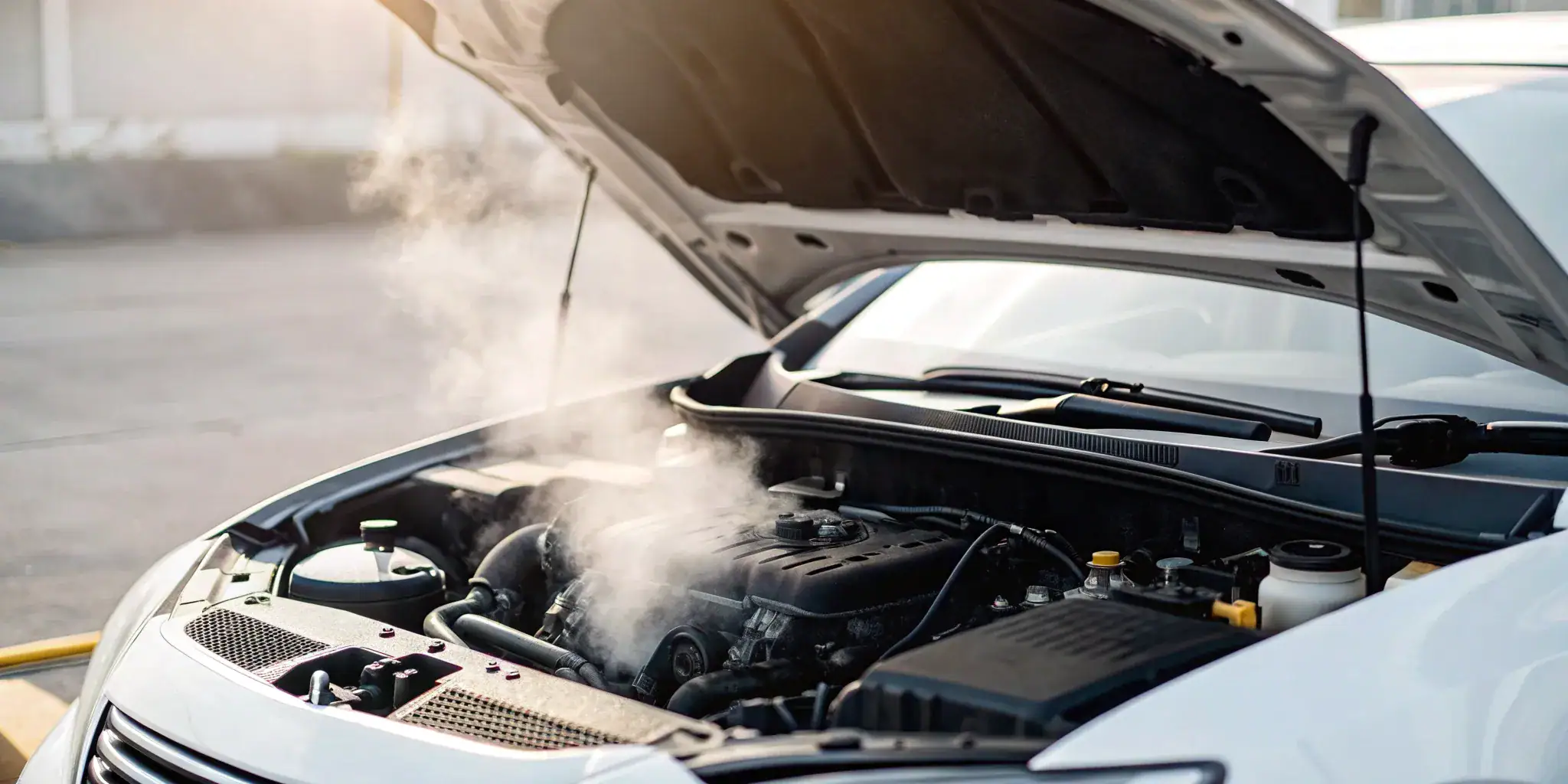
A dramatic sign of an overheating engine is steam billowing from under the hood. This isn’t exhaust; it’s typically white steam caused by boiling coolant escaping the system. It’s an unmistakable signal that your engine’s cooling system is overwhelmed and can’t keep up. If you see this, your first move should be to find a safe place to pull over immediately and turn off the engine. Trying to drive any farther can cause severe and permanent damage to your engine, so it’s a sign you absolutely can’t ignore.
Listen for Strange Noises and Smells
Your ears and nose can also alert you to trouble. You might hear a ticking or knocking sound, which can happen when hot, thin oil fails to lubricate engine parts properly. You should also pay attention to any unusual automotive smells. A sweet, syrupy scent often points to a coolant leak, which is a common cause of overheating. An acrid, burning smell could be oil leaking onto hot components. If something sounds or smells off, it’s your car’s way of asking for help before the situation gets worse.
Your Car Is Overheating. Now What?
Seeing steam billowing from under your hood or watching the temperature gauge spike into the red zone can be incredibly stressful. But don’t panic. Knowing the right steps to take can protect you, your passengers, and your car from further damage. Your immediate actions are what matter most in this situation. By staying calm and following a few simple guidelines, you can handle an overheating engine safely and effectively. Think of it as first aid for your car; a quick, smart response makes all the difference.
Pull Over Safely
The moment you suspect your car is overheating, your top priority is to get off the road safely. Don’t try to push it just a little further to the next exit. Turn on your hazard lights immediately to alert other drivers that you’re having trouble. Look for a safe place to pull over, like a wide shoulder or a nearby parking lot. The key is to get out of the flow of traffic as quickly as possible. Once you’ve stopped, put your car in park and turn off the engine completely. Following proper roadside safety procedures is crucial for keeping everyone out of harm’s way.
Help Your Engine Cool Down
Once you’ve turned off the car, you need to give the engine time to cool down. This is not a quick process, so be patient. A good rule of thumb is to wait at least 30 minutes, but an hour is even better. While you wait, you can actually help the process along with a counterintuitive trick. If it’s safe to do so, you can turn the key to the “on” position (without starting the engine) and blast the heater. This helps pull hot air away from the engine block and into the cabin. Just remember to keep the air conditioner off, as it puts extra strain on the engine.
Stay Safe While You Wait
Your personal safety is just as important as your car’s health. If you have passengers, have them exit the vehicle on the side away from traffic and find a secure spot far from the road. While it might be tempting to peek under the hood, you must resist the urge to open the radiator cap. The cooling system is highly pressurized when hot, and opening the cap can cause boiling coolant to spray out, leading to severe burns. It’s one of the most dangerous mistakes you can make. Instead, use this time to call for roadside assistance or a trusted mobile mechanic who can safely diagnose the problem.
Why Do Engines Overheat?
When that temperature gauge starts creeping into the red, it’s your car’s way of telling you something is wrong. An overheating engine isn’t just an inconvenience; it can cause serious and expensive damage if ignored. Understanding the root cause is the first step to getting it fixed. Most of the time, the problem lies within your car’s cooling system, which is designed to manage the immense heat your engine generates. From simple leaks to failing parts, several key issues can turn up the heat. Let’s walk through the most common culprits so you know what might be happening under your hood.
A Failing Cooling System
Think of your car’s cooling system as its personal air conditioner. Its one job is to keep the engine from getting dangerously hot. When your temperature gauge starts climbing, it’s almost always a sign that something in this system has gone wrong. The issue could be a simple leak, a broken radiator fan that isn’t pulling in air, a worn-out water pump that can’t circulate coolant, or even a clogged hose that’s blocking the flow. Because the cooling system has so many interconnected parts, a problem in one area can quickly affect the entire engine. Regular inspections are the best way to catch these small issues before they leave you stranded.
Low Coolant or Leaks
The most frequent reason for an overheating engine is simply a lack of coolant. Coolant, or antifreeze, is the lifeblood of your cooling system, absorbing heat from the engine and carrying it away. If the level is low, your engine can’t cool itself effectively. This is usually caused by a leak somewhere in the system. Hoses can crack over time, the radiator can get punctured, or the water pump seal can fail. You might notice a sweet smell or see colorful puddles under your car, which are telltale signs of a coolant leak. Catching and repairing these leaks early is key to preventing a major overheating event and potential engine damage.
A Broken Thermostat or Water Pump
Two of the hardest-working parts of your cooling system are the thermostat and the water pump. The thermostat acts like a valve, deciding when to let coolant flow to the engine. If it gets stuck in the closed position, coolant can’t get where it needs to go, and your engine will quickly overheat. The water pump is responsible for circulating the coolant through the engine and radiator. If the pump fails, the coolant just sits there, unable to do its job. Both of these parts can wear out over time, and their failure can cause serious problems without much warning, which is why they’re checked during routine maintenance.
Radiator and Fan Issues
The radiator is where the hot coolant releases its heat into the air. To do this effectively, it needs good airflow. When you’re driving at speed, the air moving over the car does the trick. But when you’re in stop-and-go traffic or idling, the radiator fan kicks in to pull air through the radiator fins. If this fan is broken or its sensor fails, your car will start to overheat as soon as you slow down. You can often tell if the fan is the problem by paying attention to when the overheating happens. If your car is fine on the highway but heats up in the city, a faulty fan is a likely culprit.
Common Mistakes to Avoid When Your Engine Overheats
When you see steam pouring from under your hood, panic can set in. It’s a stressful situation, but your first reactions are critical. Knowing what not to do can save you from serious injury and prevent a minor issue from turning into a catastrophic, wallet-draining repair. Let’s walk through the most common mistakes people make when their engine overheats so you can stay safe and protect your car.
Don’t Open a Hot Radiator Cap
This is the most important rule for your personal safety. Never, ever attempt to open the radiator cap while the engine is hot. Your car’s cooling system is highly pressurized, and the fluid inside can be well above boiling temperature. Opening the cap will release a violent eruption of scalding steam and antifreeze, which can cause severe burns. Think of it like a pressure cooker; you have to let it cool down completely before you can safely open the lid. Don’t even touch the cap until the engine has had at least 30 minutes (and preferably longer) to cool and is no longer hot to the touch.
Don’t Keep Driving
I know the temptation is strong to just try and make it to the next exit or even all the way home, but please don’t. Continuing to drive an overheated car will cause more serious and expensive damage. Pushing your engine when it can’t cool itself can lead to warped cylinder heads, a blown head gasket, or even a completely seized engine. These are some of the most costly engine repairs you can face. The best thing you can do for your car and your budget is to pull over as soon as it’s safe and turn off the engine. A tow is much cheaper than a new engine.
Don’t Use Cold Water on a Hot Engine
It might seem logical to pour cold water on a hot engine to cool it down, but this can be a fatal mistake for your car. Pouring cold water on a hot engine block can cause thermal shock, leading the metal to contract too quickly and crack. A cracked engine block is an unfixable, catastrophic failure. If your coolant is low and you need to add more, you must wait for the engine to cool down significantly first. Once it’s cool, you should add the proper mix of antifreeze and water. Using straight water is only a temporary fix in an emergency, as it doesn’t offer the same boiling and freezing protection.
How to Check Your Cooling System
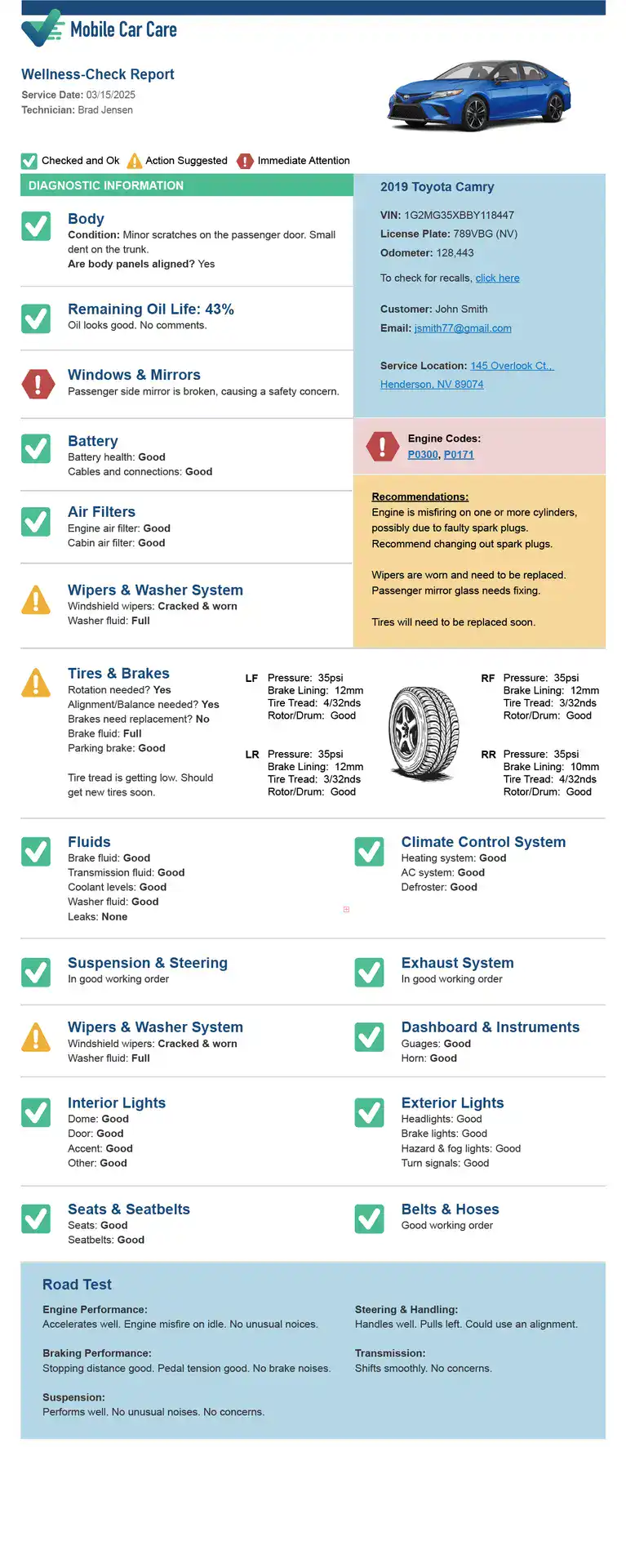
You don’t need to be a mechanic to spot the early signs of cooling system trouble. Taking a few minutes to perform some simple visual checks can help you catch problems before they leave you stranded on the side of the road. Think of it as a mini-health screening for your car that gives you peace of mind and helps you stay ahead of expensive repairs. These quick inspections are a great habit to build, and they’re also a key part of our comprehensive 85-point wellness check, where we take a deep look to ensure everything is running smoothly. Here’s what you can look for on your own.
Check Coolant Levels (When It’s Cool)
First and most importantly, only check your coolant when the engine is completely cool. Opening the system when it’s hot is dangerous. Once you’re sure the engine has cooled down, pop the hood and locate the coolant reservoir. It’s usually a semi-transparent plastic tank near the radiator with “low” and “full” markings on the side. The liquid inside, known as coolant or antifreeze, is vital for absorbing heat from the engine. Automotive experts recommend you check the overflow reservoir, ensuring the fluid is between the ‘low’ and ‘full’ marks. If the level is below the “low” line, it’s a sign you may have a leak or that your car is burning coolant.
Inspect Hoses for Leaks and Damage
Your car’s cooling system relies on a series of rubber hoses to circulate coolant between the engine, radiator, and heater. Over time, these hoses can crack, split, or become soft. A great way to check for leaks is to look for puddles on the ground where you normally park. You should look for puddles that are orange, blue, or green under the car, as this indicates a coolant leak. When the engine is cool, you can also give the main radiator hoses a gentle squeeze. They should feel firm, not mushy or brittle. If you see any visible cracks, bulges, or signs of leaking around the connections, it’s time to get them replaced.
Test the Radiator Cap
The radiator cap might seem like a minor part, but it plays a huge role in keeping your engine cool. It’s not just a lid; it’s designed to hold the cooling system at the correct pressure, which raises the boiling point of your coolant and makes it more effective. A faulty cap can’t maintain that pressure, causing the coolant to boil over at a lower temperature. A worn-out cap is a surprisingly common cause of overheating and, luckily, a simple fix. With the engine cool, you can remove the cap and inspect the rubber seal on the bottom. If it looks cracked, brittle, or worn down, replacing it is an easy and inexpensive step toward preventing overheating.
Watch Your Temperature Gauge
Your dashboard’s temperature gauge is your real-time window into your engine’s health. Most of the time, it should sit right in the middle of the normal range. Make it a habit to glance at it occasionally as you drive, especially in stop-and-go traffic or on hot days. If you ever see the needle start to creep into the red zone, treat it as an urgent warning. Pull over as soon as it’s safe to do so and turn off the engine. Continuing to drive an overheating car can cause catastrophic damage, including a warped cylinder head or a completely seized engine. Heeding this warning immediately is the single best thing you can do to avoid severe engine damage.
Prevent Overheating with Regular Maintenance
The best way to handle an overheating engine is to make sure it never happens in the first place. While roadside emergencies can happen to anyone, proactive care is your strongest defense against getting stranded with steam pouring from under your hood. Staying on top of your car’s health doesn’t have to be a huge, time-consuming chore that messes up your entire day. It’s about creating simple, consistent habits that keep your cooling system and your entire engine running smoothly, especially when the service can come directly to you.
Think of it like this: you wouldn’t wait for a toothache to visit the dentist. The same logic applies to your car. Regular check-ups can catch small issues, like a worn-out hose or low coolant, before they escalate into a major, and expensive, problem that leaves you stuck on the side of the road. By following a consistent schedule, getting targeted seasonal inspections, and knowing what to look for between appointments, you can drive with confidence. This approach not only protects your car but also saves you time, money, and the immense stress of an unexpected breakdown. It’s about taking control and ensuring your vehicle is always ready for the road ahead, so you can focus on what really matters in your busy life.
Follow a Maintenance Schedule
Your car’s owner’s manual is your best friend when it comes to creating a maintenance timeline. It outlines exactly when key services are needed to keep everything in working order. Following this schedule helps a professional technician spot potential cooling system problems before they can cause your engine to overheat. A small crack in a hose or a slightly low fluid level are easy fixes during a routine visit but can become big trouble if ignored. Our Essential Plan is designed to align with these factory recommendations, giving you a simple, set-it-and-forget-it way to stay on track with your car’s needs without ever leaving home.
Get Seasonal Inspections
Your car works harder during extreme weather, which is why seasonal inspections are so important for the cooling system. Before summer heat waves or winter freezes, it’s a great idea to have your coolant system professionally checked. This often includes a coolant exchange, where a mechanic drains the old fluid, adds fresh coolant, and inspects all the related parts like seals and hoses for wear and tear. This simple service ensures your engine has what it needs to regulate its temperature effectively, no matter what the weather looks like. A more comprehensive service like our Total Care Plan covers these deeper inspections to give you total peace of mind.
Know What to Look for Between Visits
You don’t have to be a mechanic to keep an eye on your car’s health. A few simple checks can help you spot trouble early. Once a month, when your engine is completely cool, take a look at the coolant overflow reservoir. The fluid should be between the “low” and “full” marks. Also, pay attention to your senses. A sweet, syrupy smell around your car often indicates a coolant leak. If you notice the level is low or you smell something unusual, it’s a good idea to get it checked out. A one-time Quick Check can confirm if there’s an issue and what needs to be done.
When to Call a Professional
While it’s great to be hands-on with your car, some situations are best left to the pros. Trying to diagnose and fix a complex engine problem on the side of the road can be risky and might even cause more damage. Recognizing when you need an expert is just as important as knowing how to check your coolant. Here’s when it’s time to put down the tools and pick up the phone.
In an Emergency
An overheating engine is more than just an inconvenience; it can be dangerous. In a worst-case scenario, severe overheating can damage your engine beyond repair, lead to a car fire, or cause you to lose control of your vehicle. Your safety is the top priority. If you see smoke coming from under the hood that smells like burning plastic or rubber, or if you suspect a fire for any reason, don’t hesitate. Call 911 immediately and get a safe distance away from your car. This is a situation where you absolutely need professional emergency services to take over.
When You Spot These Cooling System Issues
Even if it’s not a full-blown emergency, an overheating engine won’t fix itself. The problem is often a symptom of a deeper issue within the cooling system. Common culprits include leaks, a broken radiator fan, a bad water pump, or a clogged hose. If you’ve checked your coolant and the level is fine, or if you’re simply not sure what to do next, it’s time to call for help. A professional mechanic can properly diagnose the issue and prevent a small problem from turning into a costly repair. Our Total Care plan includes a thorough inspection to catch these exact kinds of problems before they leave you stranded.
How We Keep Your Engine Cool and Healthy
The best way to handle an overheating engine is to prevent it from happening in the first place. While it’s great to know what to do in an emergency, our goal is to make sure you never have to. We believe that proactive care is the key to a healthy car and your peace of mind. Instead of waiting for a warning light to flash, we help you stay ahead of potential problems with regular, thorough inspections that fit right into your schedule.
Our entire service is built around this idea of prevention. We know you’re busy, and taking your car to the shop is often the last thing you have time for. That’s why we bring expert vehicle maintenance directly to your driveway or office parking lot. By making car care incredibly convenient, we make it easier for you to follow your vehicle’s recommended service schedule and catch small issues, like a pinhole leak in a coolant hose, before they leave you stranded on the side of the road. It’s a stress-free approach to keeping your engine running smoothly and safely, giving you confidence every time you get behind the wheel.
Our 85-Point Wellness Check
Regular maintenance is the single most effective way to prevent your car from overheating. Our comprehensive Total Care plan is designed around this principle. During our 85-point wellness check, our technicians meticulously examine every major system in your vehicle, including the entire cooling system. We follow your car’s specific service schedule to ensure we’re checking the right things at the right time. This routine helps us spot wear and tear or potential failures long before they can cause a major breakdown. Think of it as a regular health physical for your car, ensuring everything is in top condition.
Proactive Cooling System Inspections
An overheating engine is almost always a symptom of a problem within the cooling system. Common culprits include leaks, a broken radiator fan, a failing water pump, or a clogged hose. During our inspections, we don’t just glance at your coolant levels. We actively look for these specific issues. Our technicians check for brittle hoses, listen for a struggling water pump, and ensure your radiator fan is working correctly. By identifying these problems early, we can address them before they cause your engine to overheat, saving you from costly repairs and dangerous situations on the road.
Convenient Maintenance That Comes to You
We understand that life gets in the way of car maintenance. That’s why we eliminate the biggest hurdle: the trip to the shop. Whether you need a one-time check-up or a recurring service, we come to you. You can be at home getting work done or spending time with family while we take care of your vehicle right in your driveway. This convenience makes it simple to stay on top of essential maintenance, ensuring your car is always ready for hot weather, long trips, or stop-and-go traffic without the risk of overheating.
Related Articles
- How to Check Coolant: A Quick and Safe Guide – Mobile Car Care
- How to Do a Coolant Leak Check (The Easy Way) – Mobile Car Care
- Coolant Freeze Point: A Guide to Engine Protection – Mobile Car Care
Frequently Asked Questions
My car only seems to overheat when I’m stuck in traffic. Why is that? This is a classic sign that your radiator fan might be failing. When you’re driving at higher speeds, air naturally flows through the radiator and keeps the engine cool. In stop-and-go traffic, your car relies on its electric fan to pull air through and do that job. If the fan is broken or its sensor is faulty, the temperature will start to climb as soon as you slow down.
Is it okay to just add water to the radiator if the coolant is low? While adding water is a better-than-nothing solution in a true emergency, it’s not a good long-term fix. First, you must wait for the engine to cool down completely before adding any liquid to avoid cracking the engine block. Second, your car needs a specific mixture of antifreeze and water to properly regulate temperature and prevent corrosion. Using only water can lead to boiling over in the summer and freezing in the winter.
What’s the absolute first thing I should do if I see the temperature gauge in the red? Your immediate priority is safety. The very first thing you should do is turn on your hazard lights to alert other drivers and find a safe place to pull over as soon as possible. Don’t try to push it to the next exit. Continuing to drive, even for a short distance, can turn a manageable problem into catastrophic engine damage.
How often should I be checking my coolant level myself? A quick check once a month is a great habit to get into. Just make sure you only do it when the engine is completely cool, like first thing in the morning before you’ve driven anywhere. Locate the plastic coolant reservoir and ensure the fluid is between the “low” and “full” lines. If you find you’re consistently having to top it off, it’s a strong sign of a leak that needs professional attention.
Besides the temperature gauge, are there any other subtle signs I should watch for? Yes, your other senses can give you important clues. A sweet, syrupy smell around your car is a telltale sign of a coolant leak. You might also hear a faint ticking or knocking sound from the engine, which can happen when the oil gets too hot and thin to lubricate parts properly. Catching these early sensory warnings can help you address a problem before it gets serious.