
That sinking feeling on a frigid morning when your car refuses to start is something we all dread. While we often blame the battery, another culprit could be lurking under the hood: your engine coolant. It’s easy to overlook this vital fluid, but when temperatures plummet, its condition becomes critical. The coolant freeze point—the exact temperature at which the liquid in your engine turns to destructive ice—is the single most important factor protecting you from a cracked engine block. Understanding this simple number is your first line of defense against catastrophic, wallet-draining repairs, ensuring your car remains reliable when you need it most.
Key Takeaways
- The 50/50 coolant mix is your engine’s best friend: This standard blend of antifreeze and water protects your engine from freezing down to about -35°F. Getting this ratio wrong by adding too much water or pure antifreeze significantly reduces its effectiveness.
- Frozen coolant can destroy your engine: When the water in your coolant freezes, it expands with enough force to crack the engine block or burst the radiator. This isn’t a minor leak; it’s one of the most severe and costly types of damage a car can sustain.
- Pay attention to your car’s warning signs: A temperature gauge running hot, a sweet smell, or strange engine noises are your car’s way of telling you the cooling system needs help. Addressing these signs early can prevent a small issue from turning into a major repair.
What Is Coolant Freeze Point, Anyway?
You’ve probably heard the terms “coolant” and “antifreeze” used interchangeably, and for good reason—they work together to protect your engine. The
This mixture, properly called coolant, dramatically lowers the freezing point to somewhere around -34°F. This is critical because when water freezes, it expands. Inside the tight spaces of your engine, that expansion can easily crack the engine block or damage the radiator—repairs that are as expensive as they sound. Think of it as your engine’s first line of defense against the cold. Keeping this fluid at the right concentration is a simple but vital part of routine maintenance that protects your car from serious damage.
How Antifreeze Protects Your Engine
So, how does a simple liquid stop your engine from turning into a giant ice cube? The magic is in the molecules. Antifreeze, usually made from ethylene glycol, works by getting in the way of water molecules. When water freezes, its molecules arrange themselves into a neat, crystalline structure we know as ice. Antifreeze essentially disrupts this process, making it much harder for those ice crystals to form. This molecular interference effectively lowers the freezing point of the water. As a bonus, it also raises the boiling point, which helps prevent your engine from overheating in the summer. It’s a year-round protector, keeping your engine safe in both blistering heat and bitter cold.
Why This Number Matters for Your Car
Knowing your coolant’s freeze point isn’t just for car enthusiasts—it’s about your peace of mind. When your coolant is mixed correctly, you can be confident that your engine is protected from freezing, even on the coldest winter nights. A standard 50/50 mix keeps the fluid in a liquid state down to about -35°F, which is more than enough for most climates. If that mixture is off—say, there’s too much water—the freeze protection is significantly reduced. A quick check can tell you if your coolant is ready for the season, preventing a small issue from turning into a catastrophic engine failure. It’s one of the easiest ways to ensure your car stays reliable when you need it most.
What’s the Freezing Point of Common Coolant Mixes?
Getting the right coolant mix for your car is a bit like following a recipe—the ratio of ingredients is everything. The blend of antifreeze and water in your cooling system determines how well it can stand up to freezing temperatures. Different climates and conditions call for different mixes, and using the right one is a simple but powerful way to protect your engine from serious damage when the temperature drops. Let’s break down the most common coolant ratios and what they mean for your car.
The Standard 50/50 Mix
For most drivers, the go-to solution is a 50/50 mix of antifreeze and distilled water. This balanced blend is the gold standard for a reason: it provides excellent protection in a wide variety of climates. A 50/50 mixture typically lowers the freezing point of your coolant down to about -35 degrees Fahrenheit. This is more than enough to handle the winter weather in most parts of the country. It’s the perfect middle ground, offering solid freeze protection without being overkill. If you’re unsure about your car’s coolant, a professional check can confirm you have the right balance for your engine.
The Cold-Weather 70/30 Mix
If you live somewhere that experiences truly brutal winters, you might need a little extra defense. A 70/30 mix, with 70% antifreeze and 30% water, is designed for extreme cold. This potent blend can push the freezing point all the way down to a staggering -84 degrees Fahrenheit. While that level of protection is impressive, it’s only necessary for those in the coldest regions. For most people, this mix is unnecessary and can even be less efficient at transferring heat in milder weather. It’s all about matching the coolant vs antifreeze ratio to your local climate.
Pure Antifreeze vs. a Water Mix
Here’s a common myth we need to bust: pouring 100% pure antifreeze into your radiator is not better for your car. In fact, it’s worse. On its own, pure antifreeze actually freezes at a much higher temperature, somewhere between 0 and -5 degrees Fahrenheit. That’s not much better than plain water! The magic happens when antifreeze is mixed with water. The antifreeze molecules work by disrupting the water molecules, making it much harder for them to form ice crystals. This chemical teamwork is how antifreeze works to lower the freezing point and protect your engine. Without water, you lose that essential protection.
Does More Antifreeze Mean More Protection?
It seems logical, right? If antifreeze is what stops your engine from freezing, then adding more of it should give you even better protection. It’s a common thought, but it’s one of those cases where more isn’t necessarily better. The truth is, your engine’s cooling system is designed to work with a specific balance of antifreeze and water. For most cars in most climates, the gold standard is a 50/50 mix. This combination effectively drops the freezing point to about -37°F, which is more than enough to handle even the harshest winter days. While you can use a higher concentration of antifreeze for extreme arctic conditions, it’s crucial to understand that this can affect your engine’s overall cooling performance.
Finding the Sweet Spot for Your Engine
Finding that perfect balance of antifreeze and water is key to keeping your engine happy and healthy. The 50/50 mix is the standard for a reason: it provides excellent freeze protection without sacrificing cooling efficiency. When you have too much antifreeze, the coolant becomes thick and syrupy. This forces your water pump to work much harder to circulate it through the engine. Over time, this extra strain can lead to premature wear on the pump and even affect your fuel economy. Sticking to the recommended ratio ensures your engine stays protected from the cold while running as efficiently as possible, which is exactly what you want.
Why Too Much Antifreeze Can Backfire
Going overboard with antifreeze can really backfire. A mixture that’s too rich in antifreeze and too low on water is less effective at transferring heat away from your engine. That’s a problem because cooling is the system’s main job. As we mentioned, the thick fluid makes the water pump struggle, which can wear out parts faster. On the flip side, having too much water and not enough antifreeze is just as risky. This raises the freezing point, leaving your engine vulnerable to freezing and cracking on a cold night. This is why it’s so important to check your vehicle’s coolant regularly. If you’re not sure about your mix, a Quick Check can give you peace of mind.
What Really Happens When Coolant Freezes?
Thinking about frozen coolant might not seem like a big deal, especially if you live in a milder climate. But what’s happening inside your engine when the temperature drops is a different story. When the water in your coolant mix freezes, it’s not just inconvenient—it can cause some of the most catastrophic and expensive damage a car can suffer. The liquid that’s supposed to protect your engine becomes its worst enemy.
It all comes down to a simple science lesson: water expands when it turns into ice. While a little expansion might not sound so bad, the components of your engine system are built with incredibly precise tolerances. There’s no extra room to accommodate expanding ice. This expansion puts immense pressure on everything it touches, from the solid metal of your engine block to the rubber hoses and delicate fins of your radiator. This isn’t a slow leak you can put off fixing; it’s a powerful force that can cause immediate and irreversible harm. Understanding these risks is the first step to avoiding a repair bill that could easily cost thousands. It highlights why checking your coolant’s freeze point isn’t just for people living in arctic conditions. Even a single unexpected cold snap can be enough to cause serious trouble if your coolant isn’t properly mixed, turning a simple maintenance check into a major mechanical failure overnight. The damage often happens silently, without any warning lights or strange noises, until it’s far too late. By the time you notice a problem, like a puddle under your car or a spiking temperature gauge, the internal damage is already done.
The Danger of a Cracked Engine Block
The single biggest fear when it comes to frozen coolant is a cracked engine block. Think of the engine block as the foundation of your entire engine; it’s the main structure that holds everything together. It’s made of heavy-duty cast iron or aluminum, but even that can’t stand up to the force of expanding ice. As the water in your coolant freezes, it expands by about 9%, pushing outward with incredible force. This pressure can create cracks in the engine block, leading to a total engine failure. A cracked block is one of the most severe and costly repairs a car can have, often requiring a complete engine replacement.
Damage to Radiators and Hoses
While the engine block is the most critical component at risk, it’s not the only one. Your car’s cooling system is a network of parts, and all of them are vulnerable. The radiator, with its thin metal fins and channels, can easily be warped, split, or burst by the pressure of freezing coolant. The same goes for your rubber hoses, heater core, and water pump. These parts are designed to handle high-pressure liquid, not solid ice. A freeze can cause them to crack and leak, which you might not even notice until your car starts to overheat once the weather warms up.
How a Small Issue Leads to Expensive Repairs
The scariest part is how a small oversight can quickly spiral into a major problem. You might not see any warning signs like steam or leaks right away. The initial damage from a freeze can be subtle—a tiny hairline crack in a hose or a small leak in the radiator. But over time, these minor issues get worse. That small leak will eventually lower your coolant level, leading to overheating and even more engine damage. This is why proactive care is so important. Catching an improper coolant mixture before a cold snap can save you from a massive headache. Getting regular wellness checks ensures your coolant is always ready for the season, preventing a small problem from becoming a wallet-draining disaster.
How to Test Your Coolant’s Freeze Point at Home
You don’t need to be a master mechanic to check on your engine’s health. Testing your coolant’s freeze point is a straightforward task you can do right in your driveway with a couple of simple tools. It’s a great way to catch potential problems before they turn into costly repairs, especially as the seasons change. Knowing your coolant is up to the task gives you one less thing to worry about when you’re juggling a busy schedule. Let’s walk through how you can get it done.
Using a Simple Coolant Tester
This is the most common and budget-friendly way to get a quick read on your coolant. You can find an affordable tester, often called a bubble gauge, at any auto parts store. This tool uses a series of small, floating balls to show your coolant’s protection level. To use it, you’ll carefully open your coolant reservoir (when the engine is completely cool!), squeeze the bulb to draw some fluid into the tester, and see how many balls float. The more balls that float, the better your freeze protection. It’s a simple system that gives you a good general idea of where you stand.
Getting a Precise Reading with a Refractometer
If you’re looking for a more exact measurement, a refractometer is the tool for the job. It might sound high-tech, but it’s surprisingly easy to use. This device works by measuring how light bends as it passes through the coolant, giving you a precise freeze point reading. You just need to take a small sample of coolant from your reservoir using a pipette and place a few drops onto the glass prism. Close the cover, look through the eyepiece, and you’ll see a scale that tells you the exact temperature at which your coolant will freeze. It’s a fantastic tool for anyone who likes precision.
How to Read the Results Correctly
Once you have your reading, you need to know what it means. For most vehicles, the ideal freeze point for a 50/50 coolant-to-water mix is around -34°F (-37°C). If your test shows a freeze point that’s much higher than this (say, closer to 32°F or 0°C), it means you have too much water and not enough antifreeze in your system. If the freeze point is significantly lower, you likely have too much antifreeze concentrate. Both situations can cause problems, so aiming for that sweet spot is key to keeping your engine protected year-round.
When Should You Test Your Coolant?
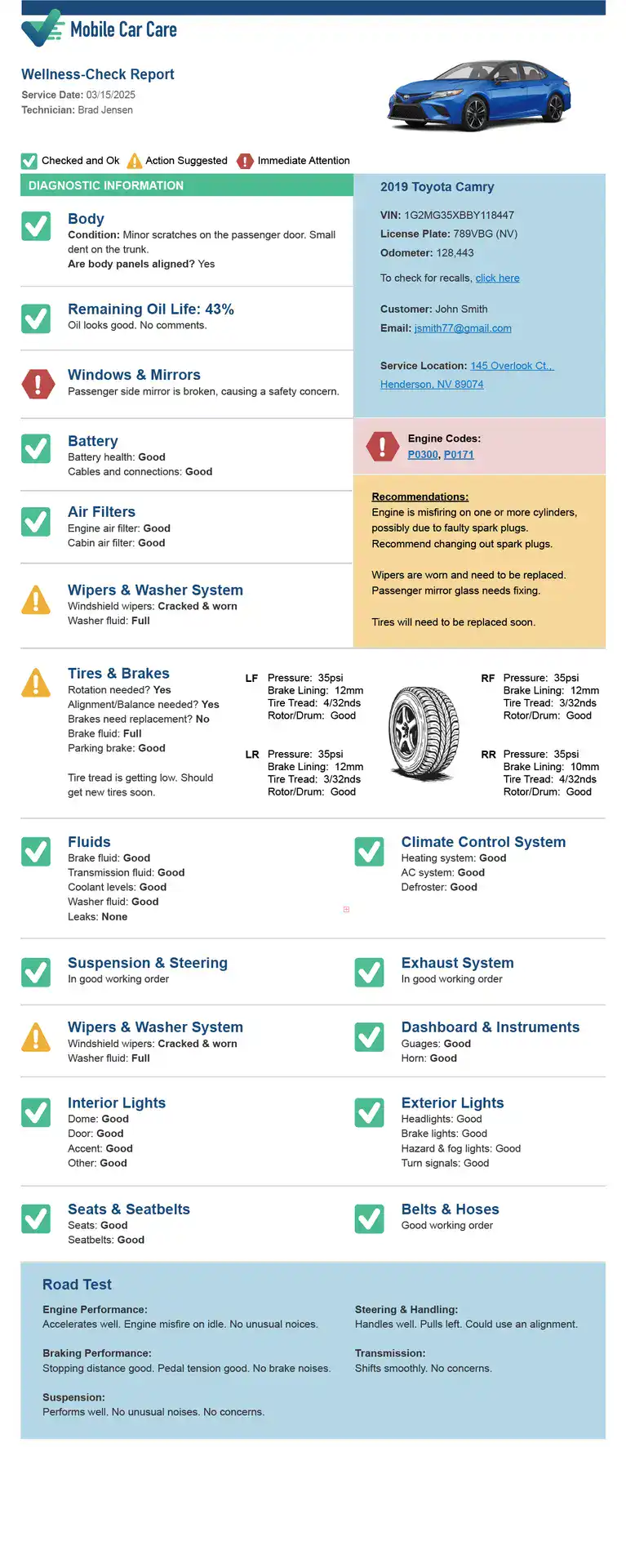
It’s a good practice to check your coolant’s condition at least twice a year, typically before summer and winter. This ensures you’re prepared for extreme temperatures. Regularly checking your coolant’s freeze point and overall condition is a core part of proactive vehicle maintenance. If you’d rather leave it to the experts, our Essential Plan includes comprehensive 85-point wellness checks that cover your entire cooling system, giving you total peace of mind without you ever having to leave home.
Warning Signs Your Coolant Needs Help
Your car is pretty good at telling you when something’s wrong—you just have to know what to look and listen for. When it comes to your coolant, the signs can be subtle at first, but ignoring them can lead to serious engine trouble. Think of these warnings as your car’s way of sending you an SOS before a small issue becomes a major, expensive repair. Paying attention to these key indicators is one of the best things you can do for your vehicle’s health and your own peace of mind. If you notice any of the following, it’s a clear signal that your cooling system needs attention.
Strange Noises from Under the Hood
If you start your car and hear unusual sounds like knocking, rattling, or grinding coming from the engine, don’t just turn up the radio. These noises can be a sign that your coolant isn’t circulating properly, especially in cold weather. When coolant freezes, it becomes thick and sludgy, preventing the water pump from moving it through the engine block. This means metal parts might not be properly cooled, leading to friction and those unsettling sounds. An engine that’s not operating smoothly is an engine at risk, so it’s important to address any strange noises before they lead to more significant damage.
Your Temperature Gauge Is Running Hot
One of the most straightforward signs of a coolant problem is right on your dashboard. Your car’s temperature gauge should typically sit in the middle of the range once the engine is warmed up. If you see that needle creeping into the red zone or consistently running hotter than normal, your engine is not getting the cooling it needs. This is a classic symptom of low or ineffective coolant. Driving with an overheating engine is a recipe for disaster, as it can cause internal components to warp or crack, leading to catastrophic failure. It’s a clear warning that your cooling system is struggling to keep up.
A Sweet Smell Coming from Your Car
Have you noticed a distinct, sweet smell around your car, maybe after you’ve parked? That’s not a friendly neighborhood bakery—it’s likely the smell of ethylene glycol, the main component in antifreeze. This telltale odor is a dead giveaway that you have a coolant leak somewhere in your system. The leak could be coming from a cracked hose, a faulty radiator cap, or the radiator itself. While it might start as a small drip, any loss of coolant compromises your engine’s protection against both freezing and overheating. If you catch a whiff of this sweet scent, it’s time to get your system checked out.
The Coolant Warning Light Is On
Your dashboard warning lights are your car’s way of asking for help, and the coolant light is one you should never ignore. It usually looks like a thermometer floating on wavy lines. When this light comes on, your car’s computer has detected a problem—most often that the coolant level is critically low or the engine temperature is dangerously high. You should pull over as soon as it’s safe and turn off the engine to let it cool down. Continuing to drive could cause severe damage. This light is a direct signal to check your coolant and have a professional inspect the system, something our Essential Plan covers with every visit.
Other Factors That Affect Your Coolant
It’s easy to think that as long as you have the right coolant-to-water ratio, you’re all set. But a few other key things can influence how well your coolant protects your engine. Your local weather, the age of the fluid in your system, and the special ingredients that make it work all play a significant part. Understanding these factors helps you stay ahead of potential problems. If you’re ever unsure, a professional wellness check, like our Essential Plan, can give you total peace of mind.
Your Local Climate and Temperature Swings
Where you live has a huge impact on your car’s needs. If you’re dealing with harsh winters, your coolant is your engine’s first line of defense against the cold. A standard 50/50 mix of antifreeze and water is designed to handle this, typically lowering the freezing point to a very chilly -37°F. This is the key difference between coolant vs. antifreeze and why the right mixture is so important. It prevents the water in your system from turning to ice and causing serious damage. So, while someone in a warmer state might not think about it often, for those of us with freezing temperatures, ensuring your coolant is up to the task is a non-negotiable part of seasonal car care.
The Age and Condition of Your Coolant
Coolant doesn’t last forever. Over time, it breaks down and loses its protective qualities. That’s why it’s important to check its condition, not just the level. Old coolant can become acidic, and a low pH level is a red flag that it could start corroding parts of your engine and radiator. When you’re low on fluid, resist the urge to just top it off with water. Doing so dilutes the protective additives. It’s always best to use the correct coolant mixture to maintain the right balance. If you’re unsure, a quick coolant check can tell you everything you need to know about its health.
How Additives Play a Role
So, what makes antifreeze so special? It’s all about the additives. These chemical compounds are the magic behind the scenes, working to disrupt water molecules so they can’t easily form ice crystals. This is how antifreeze works to lower the freezing point while also raising the boiling point, protecting your engine from both extremes. But that’s not all they do. These additives also contain corrosion inhibitors that protect the metal parts of your engine from rust. Water is a crucial part of the mix because it helps keep these additives suspended and circulating, ensuring every part of your cooling system stays protected.
Simple Ways to Prevent Frozen Coolant
Keeping your engine safe from freezing temperatures doesn’t require a degree in auto mechanics. It’s all about proactive care. A few simple checks can save you from the headache and expense of a cracked engine block or a damaged radiator. Think of it as winter-proofing your car from the inside out. The good news is that modern coolants are incredibly effective, but they can’t do their job if they aren’t maintained properly. By paying a little attention to your coolant system before the first frost hits, you can ensure your car starts reliably and runs smoothly all winter long, no matter how low the temperature drops.
Maintain the Right Coolant Ratio
The secret to effective engine protection in the cold is the right blend of antifreeze and water. Pure water freezes at 32°F, which is a recipe for disaster inside your engine. A standard 50/50 mix of coolant (antifreeze + water) dramatically lowers the freezing point to around -35°F. This ratio ensures the fluid in your engine stays liquid, circulating properly and preventing the water content from expanding and cracking vital components. You can buy pre-mixed coolant or mix it yourself, but always stick to the 50/50 ratio unless you live in an extremely cold climate and your vehicle’s manufacturer suggests otherwise.
Check Your Coolant Level Regularly
Making a quick check of your coolant level part of your routine is one of the easiest ways to prevent problems. When your engine is cool, pop the hood and locate the translucent coolant reservoir. The fluid should be between the “MIN” and “MAX” lines. If it’s low, you might have a leak. Beyond just the level, professionals can test the quality. Using a tool called a refractometer, a technician can instantly find your coolant’s exact freeze point to see if it’s still offering enough protection. This is a standard part of any comprehensive wellness check and gives you a clear picture of your engine’s health.
Prepare Your Car for Seasonal Changes
As you pull out your winter coats and boots, it’s the perfect time to think about your car’s seasonal prep. While modern antifreeze is highly effective, its protective qualities can degrade over time. Before winter arrives, it’s smart to have your coolant tested to ensure the mixture is correct and the fluid is clean. This simple step confirms your engine is ready for freezing temperatures. Having a mobile technician come to you makes this process incredibly simple. A proactive, on-site service means you can get your car winter-ready without ever leaving your home or office, ensuring you’re prepared for whatever the season brings.
When Is It Time to Call a Professional?
While testing your coolant at home is a great habit, some situations require an expert eye. Your car has its own way of communicating, and learning to recognize the signs of trouble can save you from a much bigger headache down the road. If you’re not comfortable checking things yourself or if something just feels off, trusting a professional is always the right move. It’s about being proactive, not reactive, with your car’s health. A strange noise or a warning light could point to a deeper problem that a home test won’t catch. Ignoring these signals can lead to significant engine damage, so it’s better to have an expert confirm everything is fine than to wait for a small issue to become a major breakdown.
Red Flags You Shouldn’t Ignore
Your car will often give you clear signals when the cooling system is struggling. One of the most common is a temperature gauge that’s reading higher than normal or a coolant warning light that suddenly appears on your dashboard. You might also notice unusual engine noises, like knocking or rattling, especially when you first start the car. Another tell-tale sign is a distinct, sweet-smelling odor either inside or outside your vehicle, which almost always points to an antifreeze leak. These aren’t just quirks; they’re direct warnings that your engine is at risk and needs immediate attention.
The Peace of Mind of a Professional Check
If you spot any of these red flags, or if you simply want to be sure your car is ready for the season, calling a professional is the best next step. An expert can do more than just check the freeze point; they can perform a thorough inspection of the entire cooling system, looking for leaks, worn-out hoses, and other potential problems. This is where the real value lies—catching small issues before they become major headaches. A service like our Quick Check provides a comprehensive wellness report, giving you a clear picture of your car’s health and the confidence that you’re safe on the road.
Related Articles
- How to Check Coolant: A Quick and Safe Guide – Mobile Car Care
- How to Do a Coolant Leak Check (The Easy Way) – Mobile Car Care
Frequently Asked Questions
My coolant level is a little low. Can I just top it off with water? It’s tempting to just add a splash of water, but it’s best to avoid it if you can. Topping off with only water dilutes the antifreeze in your system, which raises the freeze point and reduces its ability to protect your engine from corrosion. If you’re in a pinch, a small amount of distilled water is better than nothing, but the best solution is to top it off with the correct 50/50 pre-mixed coolant for your vehicle to keep that protective balance just right.
The post mentions testing coolant, but how often should I have it completely replaced? That’s a great question because testing and replacing are two different things. While you should check the level and condition twice a year, a full coolant flush and replacement is typically recommended every 30,000 to 50,000 miles, or about every three to five years. Your car’s owner’s manual will have the exact recommendation for your specific model, as different coolant types have different lifespans.
What’s the difference between all the different colors of coolant I see at the store? The colors can be confusing, but they are important. Different colors, like green, orange, pink, or blue, usually indicate different chemical formulas designed for specific types of engines and cooling systems. For example, older cars often use green coolant, while many newer models use orange or pink long-life formulas. Using the wrong type can cause corrosion and damage. The most important rule is to stick with the color and type recommended by your vehicle’s manufacturer.
My car’s temperature gauge is high, but it’s summer. Is this related to the freeze point? Absolutely. The same fluid that prevents your engine from freezing in winter also prevents it from boiling over in the summer. Antifreeze raises the boiling point of the water in your cooling system to well over 250°F. If your car is running hot, it’s a clear sign that the cooling system isn’t working efficiently, which could be due to low fluid, old coolant, or another issue. It’s a year-round job for your coolant.
I live in a place that never freezes. Do I still need to worry about my coolant mix? Yes, you definitely do. Even if you never see a snowflake, your coolant is still essential. The additives in antifreeze are critical for preventing rust and corrosion inside your engine, radiator, and water pump. It also raises the boiling point, which is crucial for preventing your engine from overheating during hot weather and stop-and-go traffic. Proper coolant is about total engine health, not just freeze protection.