
Let’s be real: no one has time to deal with car trouble. The moment you see a puddle under your car, you’re probably already dreading the hassle of scheduling a garage visit and rearranging your day. But what if you could figure out what’s wrong without leaving your driveway? A basic oil leak check is the perfect first step to diagnosing the problem and can give you peace of mind. This guide is designed for busy people who need clear, simple answers. We’ll cover how to identify a leak, find its source, and understand when it’s time to call for convenient, at-home help.
Key Takeaways
- Know the Telltale Signs of a Leak: Keep an eye out for dark stains on your driveway, a burning smell while driving, or a low oil light. These are your car’s most common ways of telling you something is wrong.
- Do a Quick DIY Inspection: You don’t need to be a mechanic to find clues. A simple look under the hood for oily residue or checking the ground where you park can often reveal the source, which is usually a worn-out gasket, seal, or loose filter.
- Don’t Wait to Get It Checked: Even a minor oil leak is a sign of a failing part that will only get worse. Addressing it promptly prevents small issues from turning into catastrophic engine damage and saves you from much larger repair bills.
What Are the Telltale Signs of an Oil Leak?
Noticing an oil leak early can save you from a world of headaches and expensive repairs down the road. Your car is pretty good at sending signals when something’s wrong, and an oil leak is no exception. You don’t need to be a mechanic to spot the clues—you just need to know what to look for. From strange puddles on your garage floor to unusual sounds and smells, learning to recognize these signs is the first step in keeping your engine healthy and your car running smoothly. Let’s walk through the most common red flags that point to an oil leak.
Dark Stains on Your Driveway
This is the classic sign everyone thinks of first. If you notice dark, greasy puddles forming under your car where you usually park, you likely have a leak. Fresh engine oil is amber-colored, but as it circulates through your engine, it picks up dirt and debris, turning dark brown or black. So, those dark spots are a clear indication that oil is escaping. Pay attention to the location of the puddle under the car, as it can help give a clue about where the leak is coming from. It’s one of the most obvious signs of an oil leak and definitely one you shouldn’t ignore.
A Low Oil Light or Dipstick Reading
Sometimes, an oil leak isn’t obvious enough to leave a puddle. Many modern cars have plastic shields underneath that can catch small drips before they hit the ground. In this case, your first warning might be the oil pressure light illuminating on your dashboard. This light is a direct message that your oil level is critically low. You can confirm this by checking your dipstick—if the level is below the minimum mark, you’re losing oil somewhere. Don’t just top it off and forget about it; a consistently low oil level is a sure sign of a problem that needs to be addressed.
A Burning Smell or Blue Smoke
If you catch a whiff of something acrid and burning while you’re driving, it could be oil. This distinct smell often happens when oil drips onto hot components of the engine or the exhaust system. You might also see blueish smoke coming from your tailpipe, especially when you accelerate. This is a sign that oil is leaking internally and being burned up along with the fuel. Both of these symptoms are serious and indicate it’s time to check for an oil leak before the problem gets worse.
An Overheating or Noisy Engine
Engine oil does more than just lubricate; it also helps keep your engine cool by reducing friction between moving parts. When your oil level is low due to a leak, that friction increases, generating excess heat and putting a strain on your engine. You might notice your temperature gauge creeping into the red. You could also hear unusual noises, like grinding, clattering, or knocking sounds. These are signs that the engine parts aren’t getting the lubrication they need, which can lead to severe and costly engine damage if not handled quickly.
How to Check for an Oil Leak Yourself
You don’t need to be a mechanic to play detective with your car. Finding an oil leak can feel intimidating, but a few simple checks can help you figure out what’s going on. These steps are easy enough for anyone to do on a Saturday morning and can give you valuable information about your car’s health. Grab a flashlight and an old rag, and let’s take a look together.
Inspect Your Usual Parking Spot
The easiest first step is to check the ground right under where you normally park. Look for fresh, dark puddles or stains on your driveway or garage floor. Engine oil is typically brown or black and feels slick. If you’re not sure whether the spots are new, place a large piece of clean cardboard under your car overnight. In the morning, any new drips will be obvious. This simple trick gives you a clear sign of an active leak and can even help you see roughly where it’s coming from.
Look Under the Hood for Clues
Next, it’s time to pop the hood. Make sure your engine is completely cool before you start looking around. Use a flashlight to carefully inspect the engine for any signs of oil. You’re looking for wet, shiny spots or areas covered in greasy grime, as leaking oil tends to attract a lot of dirt and dust. Pay close attention to the valve cover on top of the engine and the oil pan underneath. Any obvious residue in these areas is a strong clue that you’ve found the source of your leak.
Use Your Dipstick to Check Oil Levels
Your oil dipstick is a built-in tool for diagnosing leaks. With the engine cold and the car on level ground, pull the dipstick out, wipe it clean with a rag, and push it all the way back in. Pull it out again and check the oil level—it should be between the “upper” and “lower” marks. One low reading might just mean you need a top-up, but the real test is to check it consistently. If you notice the oil level dropping significantly every few days or weeks, you almost certainly have a leak.
Pinpoint the Leak with Advanced Methods
If you’ve confirmed a leak but can’t see where it’s coming from, you can try a more advanced method using UV dye. You can buy a special UV oil additive at an auto parts store and add it to your engine oil. After driving for a bit, park your car in a dark garage and use a black light to inspect the engine. The dye will make any leaking oil glow brightly, making it much easier to spot the exact source. If you’re not up for playing detective, a professional inspection can pinpoint the problem for you. Our Quick Check plan is a great way to get an expert diagnosis right in your driveway.
How to Find the Source of an Oil Leak
So, you’ve spotted the signs of a leak. Now it’s time to play detective and find out where that oil is coming from. Pinpointing the source can be tricky since oil can travel along engine parts before it drips, but with a little patience, you can often get a good idea of the culprit. These steps will guide you from a simple visual check to more precise methods, helping you understand what’s happening under your hood. Remember, identifying the problem is the first step toward fixing it and getting back on the road with confidence.
Start with Tools You Already Own
You don’t need a professional garage to do a basic investigation. Start by grabbing a flashlight and putting on some old clothes. First, take a good look at the engine bay. Do you see any wet, grimy spots or fresh, dark residue on the engine block? Oil tends to attract dirt, so look for areas that are significantly darker and filthier than their surroundings. Pay close attention to gaskets and seals. Next, check under your car for the location of the drips. This can give you a general idea of whether the leak is at the front, middle, or back of the engine. This initial visual inspection is often all you need to spot an obvious leak.
Try UV Dye for a Clearer Answer
If a simple look-around doesn’t reveal the source, using an ultraviolet (UV) dye kit is a fantastic next step. It sounds technical, but it’s surprisingly straightforward. You simply add a special fluorescent dye to your engine oil and then drive your car for a day or two as you normally would. This gives the dye time to circulate and escape from the leak point. Afterward, park your car in a dark garage, grab a UV black light, and shine it around the engine. The leaking oil will glow brightly, making it incredibly easy to trace the leak back to its exact source.
Clean the Engine to See the Source
Sometimes, an engine is so covered in old grime and oil that finding a fresh leak is nearly impossible. In this case, a good cleaning can work wonders. You can use an engine degreaser and a bit of water to wash away the built-up gunk from the suspected area (just be sure to protect sensitive electrical components first). After the engine is clean and dry, run it for about 15 minutes or take it for a short drive. Then, pop the hood again and look for fresh oil trails. A clean surface makes it much easier to see exactly where the new oil is emerging, taking the guesswork out of your diagnosis.
Avoid These Common Misdiagnosis Mistakes
One of the trickiest things about oil leaks is that gravity is not always your friend. Oil can leak from a high point, run down the side of the engine, and drip from a completely different spot, leading you to misdiagnose the problem. For example, a leak from a valve cover gasket at the top of the engine can easily be mistaken for a leak from the oil pan gasket at the bottom. Before you jump to conclusions, always try to trace the oil trail to its highest point. Taking a moment to understand common leak points can save you from trying to fix the wrong part.
Where Do Oil Leaks Usually Come From?
When you spot that dreaded puddle under your car, it’s easy to assume the worst. But most oil leaks trace back to just a few common culprits. Gaskets and seals are the usual suspects—they’re designed to wear out over time from constant heat and pressure. Understanding where these parts are and why they fail can help you pinpoint the source of the leak and figure out your next steps.
A Worn-Out Valve Cover Gasket
The valve cover gasket seals the top of your engine to prevent oil from escaping. Because it’s exposed to high temperatures, this rubber or cork gasket can become brittle, shrink, and crack over time. A worn-out valve cover gasket is one of the most frequent sources of oil leaks, often starting at the corners. You might notice oil seeping down the side of the engine block or smell burning oil as it drips onto hot exhaust components. If you look under the hood, you can often see these common leak areas around the top of the engine, sometimes covered in a layer of oily grime.
A Deteriorating Oil Pan Gasket
Think of the oil pan as the reservoir at the bottom of your engine that holds all the oil. The oil pan gasket creates a seal between the pan and the engine block. Like the valve cover gasket, it can deteriorate with age and exposure to heat cycles. When this gasket fails, oil will drip from the bottom of the engine, creating those telltale dark spots on your driveway. Because of its location, the oil pan gasket is also vulnerable to damage from road debris, which can speed up its decline and lead to a more significant leak.
Failing Seals or a Loose Oil Filter
Your engine has several seals designed to keep oil where it belongs, but the crankshaft and camshaft seals are common failure points. These seals can dry out and crack, allowing oil to escape from the front or back of the engine. Another simple but messy culprit is the oil filter. If it wasn’t tightened correctly during your last oil change, it can vibrate loose and leak. Sometimes, the old filter’s rubber seal gets stuck to the engine, and if it isn’t removed before the new filter is installed, the double-gasket will cause a major leak almost immediately.
A Loose or Damaged Drain Plug
The oil drain plug is a small but mighty bolt at the bottom of the oil pan used to drain old oil during a change. If this plug isn’t tightened properly, it will slowly drip oil. The threads on the plug or in the oil pan can also get stripped from over-tightening, preventing a secure seal. Since it’s at the lowest point of your car, the drain plug is one of the most common causes of an oil leak and can also be damaged by hitting road debris, a high curb, or a deep pothole. A quick check of the drain plug can often solve a mystery leak.
Why You Shouldn’t Ignore an Oil Leak
Seeing a dark puddle under your car can be tempting to ignore, especially when life gets busy. You might think, “It’s just a small drip, I’ll get to it later.” But that small drip is your car’s way of telling you something is wrong. Addressing an oil leak promptly isn’t just about keeping your driveway clean—it’s about protecting your engine, your wallet, and your safety on the road.
Prevent Serious Engine Damage and High Costs
Even a minor oil leak deserves your immediate attention because it can quickly escalate into a major issue. Ignoring it can lead to catastrophic engine damage, expensive repairs, and in the worst-case scenario, an engine fire. Oil is the lifeblood of your engine, lubricating its many moving parts to reduce friction and heat. When the oil level drops too low, that friction skyrockets, causing components to grind against each other and wear out prematurely. What might start as a simple, inexpensive seal replacement can snowball into a complete engine rebuild if left unchecked. Acting fast saves you from much bigger headaches and repair bills down the line.
Protect the Environment (and Your Wallet)
An oil leak doesn’t just affect your car; it has a real impact on the environment. Motor oil is toxic, and when it drips onto roads and driveways, it gets washed into storm drains, eventually contaminating soil and waterways. According to environmental experts, these leaks can harm the environment by increasing engine pollution and preventing used oil from being properly recycled. Beyond the ecological cost, there’s a financial one. Every drop of oil on the pavement is wasted money. You’re paying to top off your oil more frequently, and that adds up over time. Fixing the leak is a responsible choice for both the planet and your budget.
Avoid Safety Risks on the Road
A significant oil leak is more than an inconvenience; it’s a serious safety hazard. If oil drips onto hot components like the exhaust manifold, it can ignite, causing smoke or even a fire. A sudden, major loss of oil can cause your engine to seize while you’re driving, leading to a complete loss of power and control. If you notice signs of a severe leak—like a large puddle of oil, grinding noises from the engine, smoke, or a strong burning smell—the safest thing to do is to pull over and have your car towed. Don’t risk driving it. Your safety, and the safety of others on the road, is the top priority.
Understand How Small Leaks Turn into Big Problems
It’s easy to underestimate a small leak, but the underlying cause is usually a part that’s already failing, like a worn-out gasket or a deteriorating seal. The constant heat and pressure inside your engine will only make that small failure worse. Over time, a tiny drip can become a steady stream, causing your oil levels to drop much faster than you’d expect. As one auto expert notes, a big leak will quickly lower your oil levels, which multiplies the risk of engine damage. By catching and fixing the problem when it’s small, you prevent the inevitable chain reaction that turns a minor repair into a major crisis.
When to Call Mobile Car Care for Help
While doing your own oil leak check is a great first step, there are times when you need a professional eye. Knowing when to call for backup can save you from costly repairs and keep you safe on the road. If you’re feeling unsure or the problem seems bigger than a simple fix, that’s where we come in.
Signs It’s Time for an Expert Opinion
If you’ve spotted a leak, it’s always best to get it checked out. Even small oil leaks need quick attention because they can become very serious problems for your engine. You should definitely call for help if you can’t find the source of the leak, if the puddle is growing quickly, or if you notice blue smoke coming from your exhaust. A persistent burning smell is another major red flag. These symptoms often point to issues that require professional tools and expertise to diagnose and repair correctly. Don’t wait for a small drip to turn into a major mechanical failure; an expert opinion can provide clarity and a solid plan of action.
The Convenience of a Professional At-Home Inspection
Let’s be honest—taking your car to a garage can be a huge hassle. Between scheduling the appointment, dropping it off, and figuring out a ride, it can eat up your entire day. If you’re unsure about a leak and want expert help, a mobile car care service provides the convenience of an inspection right at your home or office. We bring the expertise of a trusted technician to you, on your schedule. You can skip the waiting room and get on with your life while we take a look. Our goal is to make essential car care completely stress-free.
What to Expect from Our Comprehensive Check
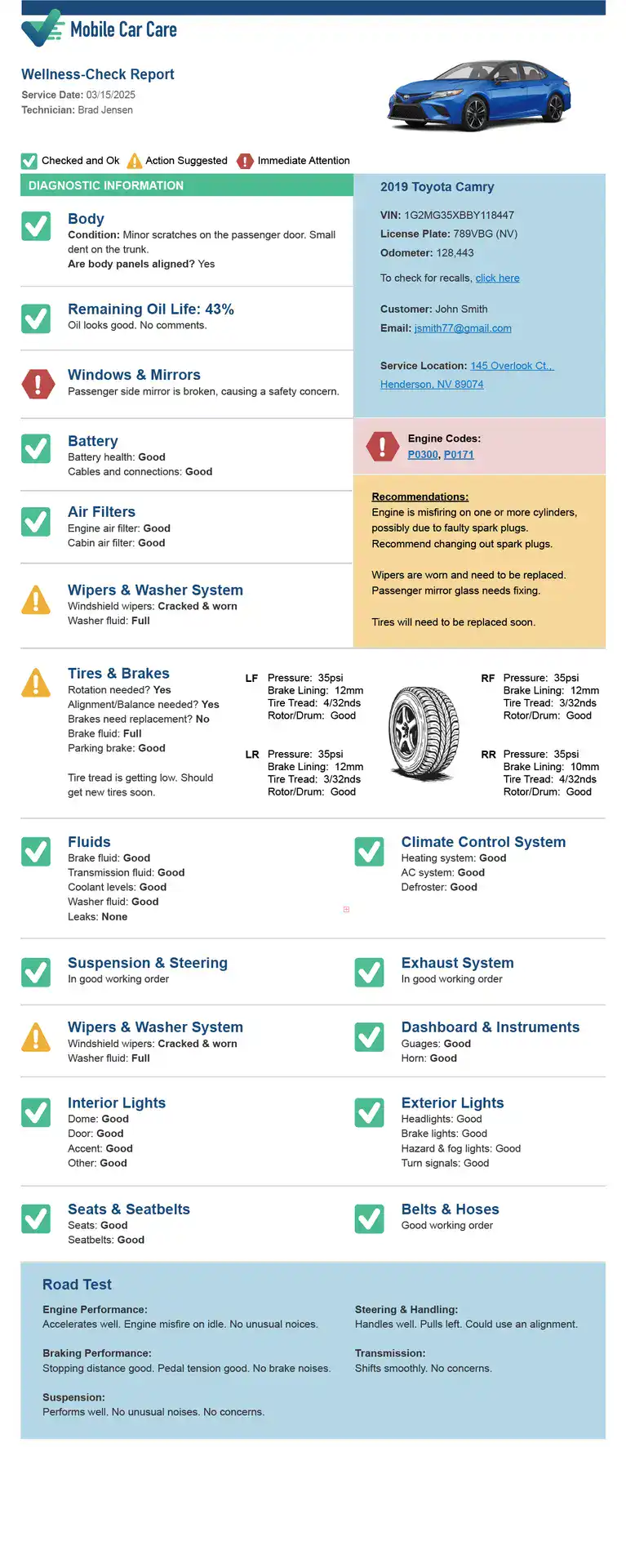
When you call us, we do more than just confirm you have a leak. Our technician will perform a thorough inspection to find the exact source and assess any related issues. We want to make sure all potential problems are addressed during our visit. A great starting point is our Quick Check service, which includes a comprehensive 85-point wellness check of your vehicle. You’ll get a detailed report explaining what we found, photos of the problem area, and a clear, no-pressure estimate for any needed repairs. We give you the information you need to make a confident decision about your car’s health.
Stay Ahead of Leaks with Our Maintenance Plans
The best way to deal with oil leaks is to prevent them from happening in the first place. Regular maintenance is the key to keeping your engine’s gaskets and seals in good shape. To stay ahead of potential issues, consider enrolling in a maintenance plan. Our Essential and Total Care plans are designed to provide proactive, ongoing care for your vehicle. With regular wellness checks, we can spot worn parts and minor drips before they become serious, saving you money and giving you peace of mind on the road. It’s the easiest way to keep your car running smoothly without the last-minute emergencies.
Related Articles
- Your Guide to the Car Leak Inspection Process – Mobile Car Care
- How to Check Oil: The Simple 5-Step Guide – Mobile Car Care
- How to Do a Coolant Leak Check (The Easy Way) – Mobile Car Care
Frequently Asked Questions
Is a tiny oil spot under my car really a big deal? It’s easy to dismiss a spot the size of a quarter, but it’s always best to pay attention. That small drip is a clear sign that a seal or gasket is starting to fail. While it might not seem urgent, the constant heat and pressure from your engine will cause that small failure to get worse over time. Addressing it now is the difference between a simple, inexpensive fix and a much more complicated and costly repair down the road.
Can I just keep adding oil instead of fixing the leak? Topping off your oil might feel like a solution, but it’s really just a temporary patch that ignores the root cause. Continuing to drive with a leak means you’re constantly at risk of the oil level dropping too low, which can cause serious friction and overheating in your engine. It also creates a safety hazard if oil drips onto hot exhaust parts, and it isn’t great for the environment. Fixing the leak is the only way to truly protect your engine and ensure your car is safe to drive.
Is it safe to drive my car if I think it has an oil leak? This really depends on how severe the leak is. If you see a few small drops on your driveway, you can likely drive it carefully to get it inspected. However, if you notice a large, active puddle forming, see blue smoke from your tailpipe, or hear grinding noises from the engine, you should not drive the car. In those cases, the safest move is to pull over and call for roadside assistance to avoid catastrophic engine failure.
How can I tell if the puddle under my car is oil or something else? This is a great question, as cars can leak several different fluids. Engine oil is typically light brown when new and dark brown or black when old, and it will feel slick and greasy. Other fluids have distinct characteristics. For example, coolant is often bright green, pink, or orange and has a slightly sweet smell, while transmission fluid is usually a reddish color. If you just see clear water, it’s likely normal condensation from your air conditioner.
What’s involved in a professional oil leak inspection? When you have a professional look at a leak, they go beyond a simple visual check. A technician will often clean the grimy areas of the engine to get a clear view of where fresh oil is coming from. They may also use a special fluorescent dye and a UV light to trace the leak back to its precise source. This thorough process ensures the correct problem is identified, so you’re not wasting time or money fixing the wrong part.