
Picking the right oil change service feels a lot like choosing a coffee shop—you have the quick drive-thru, the local spot where they know your name, and the premium place that delivers. Each one gets the job done, but the experience and value are completely different. When it comes to your car, the choice matters even more. It’s not just about fresh oil; it’s about finding a service that fits your life, gives you confidence in the work, and respects your time. Let’s break down your options, from the speed of quick lube shops to the convenience of an at-home oil change service, so you can find the perfect fit for your vehicle and your busy schedule.
Key Takeaways
- Look beyond the oil itself: A valuable oil change is a wellness check for your car. Ensure the service includes a multi-point inspection to catch small issues before they become major problems, giving you peace of mind.
- Define value on your own terms: The best service isn’t always the one with the lowest price tag. Consider the quality of the products, the technician’s expertise, and the value of your own time to find an option that truly benefits your car and your schedule.
- Reclaim your schedule with at-home service: Instead of planning your day around a trip to the garage, let the service come to you. Mobile mechanics provide expert care at your home or office, saving you hours and eliminating the stress of traditional car maintenance.
What Are My Oil Change Options?
When it’s time for an oil change, you have more choices than just where to get it done. The type of oil you choose and the thoroughness of the service can make a big difference in your car’s health and longevity. Understanding your options helps you make the best decision for your vehicle and your budget, ensuring you’re not just changing the oil, but truly caring for your car.
Let’s walk through the different types of motor oil and what a quality service should include. This way, you can feel confident the next time you book a maintenance appointment, knowing exactly what your car needs and why. It’s all about taking the guesswork out of car care so you can get back to your busy life.
Conventional, Synthetic, and High-Mileage Oil Explained
Walking into a service appointment can feel overwhelming when you’re asked, “Conventional or synthetic?” Here’s a simple breakdown to make the choice easier. Conventional oil is the standard, most affordable option that gets the job done for many cars under normal driving conditions. Synthetic oil is a bit of an overachiever; it’s chemically engineered to last longer and protect your engine better in extreme temperatures, which is why it costs more. The average cost of an oil change can vary widely depending on which you choose. Then there’s high-mileage oil, which is specially designed for cars with over 75,000 miles. It contains special additives to help reduce oil consumption and prevent leaks in older engines.
What to Expect from a Multi-Point Inspection
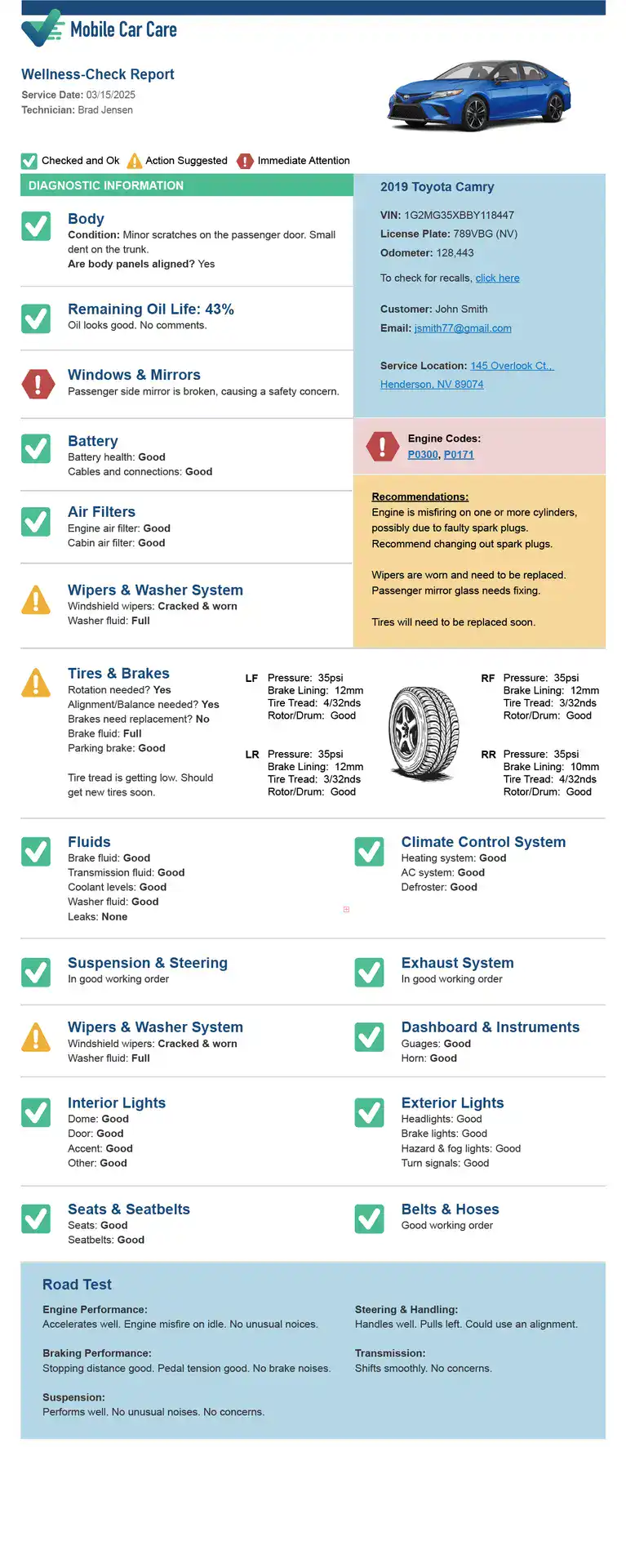
A great oil change is more than just an oil change—it should come with a multi-point inspection. Think of it as a wellness check for your car. A technician should look over your vehicle’s essential systems to catch small issues before they become big, expensive problems. This typically includes checking your tire pressure, inspecting your brakes, topping off essential fluids like windshield washer fluid, and checking your belts and hoses for wear. Keeping up with regular oil changes and inspections is one of the best things you can do for your car. It leads to a cleaner engine and improved heat management, keeping everything properly lubricated and running smoothly for miles to come.
How Much Does an Oil Change Really Cost?
Figuring out the cost of an oil change can feel like hitting a moving target. You see ads for super cheap deals, but then hear stories of friends paying over a hundred dollars. The truth is, the price varies quite a bit based on a few key factors. Let’s break down what you can realistically expect to pay and what goes into that final price tag, so you can approach your next service with confidence.
Comparing Prices: Conventional vs. Synthetic
The biggest factor in your oil change cost is the type of oil your car needs. A standard oil change using conventional oil typically runs between $35 and $75. If your car requires full synthetic oil, you can expect to pay more, usually somewhere between $70 and $125. Why the big difference? Synthetic oil is engineered to provide better engine protection and can last longer between changes, which is why it’s recommended for many newer or high-performance vehicles. While the upfront cost is higher, many drivers find that the long-term benefits and extended service intervals make it a worthwhile investment in their car’s health. Understanding the difference between oil types is the first step to knowing what you should be paying.
How Your Car and Location Affect the Price
Beyond the oil itself, your vehicle and your zip code play a big role in the final bill. A larger truck or an SUV that needs eight quarts of oil will naturally cost more than a compact car that only takes four. Similarly, luxury or European cars often require specific, premium oil brands and filters, which adds to the price. Location is another key variable. Labor rates and the cost of doing business are higher in major metropolitan areas, so an oil change in a big city will likely cost more than one in a small town. This is why you’ll see such a wide average cost range quoted online—it has to account for all these different scenarios.
Watch Out for Hidden Fees and Upsells
That $29.99 oil change special you saw on a billboard can be tempting, but it’s important to look beyond the headline price. Many quick lube shops use low-cost oil changes to get you in the door, then try to upsell you on additional services like new air filters, fluid flushes, or wiper blades. While some of these might be necessary, the pressure can be uncomfortable. The biggest mistake you can make is choosing a provider based on cost alone, without considering the quality of the oil or the technician’s expertise. A transparent service that focuses on proactive care, like our Total Care Plan, ensures you get exactly what your car needs without the high-pressure sales tactics, giving you peace of mind.
What Happens During an Oil Change?
An oil change seems simple, but a lot goes on behind the scenes to keep your car running smoothly. Knowing what to expect helps you choose a service that truly cares for your vehicle, not just one that gets you in and out the door. Let’s walk through what a quality oil change service really involves, from the moment a technician gets to work to the final checks that ensure your safety on the road.
A Step-by-Step Look at the Process
First, a technician will drain the old, dirty oil from your engine. Next comes a fresh oil filter—a crucial step that protects your engine from harmful debris. After that, they’ll add the correct type and amount of new, high-quality oil for your specific vehicle. But the service shouldn’t stop there. A comprehensive oil change also involves a thorough wellness check. This means inspecting key fluids, checking your tire pressure, and looking over belts and filters to catch small issues. Our Essential Plan, for example, includes an 85-point check to give you a complete picture of your car’s health.
How Long It Takes (and What Else a Pro Should Check)
You’ve probably seen signs for 15-minute oil changes. While the oil swap itself is quick, a truly valuable service takes a little more time to ensure your car is safe. A professional technician uses that time to perform a multi-point inspection. They should be checking your engine air filter, topping off essential fluids like windshield washer and power steering fluid, and inspecting your car’s lights and wiper blades. This isn’t just an upsell; it’s proactive care. A few extra minutes for these checks can give you peace of mind and save you from a potential breakdown down the road.
Common Mistakes to Avoid When Picking a Provider
Not all oil changes are created equal, and a cheap service can cost you more in the long run. One of the biggest mistakes is choosing a provider based on price alone, without considering the quality of the oil and the technician’s expertise. Using the wrong type of oil can damage your engine, and a low-quality filter won’t protect it properly. It’s also important to find a service that doesn’t just go through the motions. A skilled technician will know what to look for and can spot potential issues, giving you a clear picture of your car’s health. Always ask what kind of oil and filter they use and what their inspection includes.
How to Choose the Right Oil Change Service
Picking the right oil change service feels a lot like choosing a coffee shop—you have the quick drive-thru, the local spot where they know your name, and the premium place that delivers. Each one gets the job done, but the experience and value are completely different. When it comes to your car, the choice matters even more. It’s not just about fresh oil; it’s about finding a service that fits your life, gives you confidence in the work, and respects your time. Let’s break down your options so you can find the perfect fit.
The At-Home Service Advantage
Let’s be honest: no one enjoys spending their lunch break or Saturday morning in a greasy waiting room. The biggest benefit of an at-home oil change is pure convenience. Mobile services bring certified mechanics and all the necessary equipment directly to your driveway or office parking spot. This means you can carry on with your day—whether that’s taking a work call, playing with your kids, or just relaxing—while your car gets the attention it needs. You completely eliminate travel and wait times, turning a two-hour chore into a simple background task. It’s the ultimate life hack for busy people who would rather not schedule their day around an oil change.
Quick Lube Shops vs. Mobile Mechanics
Quick lube shops are built for one thing: speed. They are designed to get you in and out as fast as possible, which can be great if you’re in a pinch. However, this high-volume model can sometimes lead to a rushed, impersonal experience. A mobile mechanic, on the other hand, offers a more focused and personal service. Since they come to you for a scheduled appointment, their attention is entirely on your vehicle. This allows for a more thorough job and a chance to ask questions without feeling like you’re holding up a line. It’s the difference between grabbing fast food and having a personal chef—both fill you up, but the quality and attention to detail are worlds apart.
What to Consider Besides Price and Convenience
While cost and convenience are huge factors, they aren’t the only things that matter. The quality of the service and the expertise of the mechanic are just as important. A reputable provider should be transparent about their process and what’s included. Look for services that employ certified mechanics and provide detailed reports on your vehicle’s health. For example, our Essential Plan includes a comprehensive 85-point wellness check with every service. This proactive approach helps you catch small issues before they become expensive problems, giving you peace of mind that goes far beyond a simple oil change.
Why Go Mobile for Your Next Oil Change?
Let’s be honest: no one looks forward to getting their oil changed. The process usually involves finding a gap in your schedule, driving to a shop, and then spending an hour or more in a waiting room with stale coffee and daytime TV. It’s a chore that disrupts your entire day. But what if you could get that essential maintenance done without ever leaving your home or office?
That’s the simple, powerful promise of mobile oil change services. Instead of you going to the car shop, the shop comes to you. This modern approach transforms a time-consuming task into a background event, letting you focus on what actually matters in your day. It’s about more than just convenience; it’s about getting expert service on your terms, reducing stress, and taking a proactive approach to your car’s health. By bringing certified technicians and all the necessary equipment to your driveway, mobile services offer a smarter way to handle routine car care.
Reclaim Your Time with On-Site Service
Your time is your most valuable asset, and traditional oil changes demand a lot of it. Between the drive to the shop, the wait time, and the drive back, a simple 30-minute service can easily eat up half of your afternoon. Mobile oil change services give you that time back. A technician can perform the service in your driveway while you’re on a work call, making lunch for your kids, or finishing a project.
There’s no need to arrange your schedule around a garage’s availability. You simply book an appointment, and the work gets done while you carry on with your life. This streamlined process makes vehicle care completely stress-free, allowing you to check a major item off your to-do list without skipping a beat. A one-time Quick Check is a great way to experience the convenience firsthand.
Getting Expert Care Delivered to Your Door
You might wonder if a service that comes to you can match the quality of a traditional shop. The answer is a resounding yes. Mobile mechanics are certified professionals who bring all the tools and high-quality products needed to service your vehicle properly. In fact, you often get more personalized attention than you would at a busy garage where technicians are juggling multiple cars at once.
Many mobile services go beyond a simple oil and filter swap. Our technicians perform comprehensive wellness checks to ensure your vehicle receives thorough care without the hassle. This can include topping off fluids, checking tire pressure, and inspecting key components for wear and tear. It’s like having a personal mechanic dedicated to keeping your car safe and reliable, all from the comfort of your home. An Essential Plan provides this level of detailed, recurring attention.
Answering Your Top Questions About Mobile Service
It’s natural to have questions before trying a new service. One common concern is the potential for mess. Professional mobile technicians are trained to work cleanly, using ground mats and proper equipment to ensure not a single drop of oil is left behind. Another question is cost. Mobile services are competitively priced with brick-and-mortar shops, and when you factor in the value of your saved time, they often provide a much better deal.
But what if a bigger issue is found? A trustworthy mobile service will provide you with a detailed, easy-to-understand report outlining any findings and clear recommendations—no pressure or confusing jargon. The goal is to give you peace of mind, which is exactly what our Total Care Plan is designed to do, handling everything from routine checks to minor repairs.
How to Get the Best Value on Your Oil Change
Getting the best value on an oil change isn’t just about finding the lowest price. True value comes from a combination of fair pricing, quality service, and long-term benefits that keep your car running smoothly and save you money down the road. It’s about investing in your vehicle’s health without sacrificing your time or peace of mind.
Instead of just hunting for the cheapest deal, think about the bigger picture. A quality oil change can prevent expensive engine problems, and a convenient service can give you back hours of your day. By focusing on comprehensive care and smart savings strategies, you can ensure you’re getting the most for your money every time.
The Smart Savings of a Maintenance Plan
One of the smartest ways to save on car care is by thinking ahead. Instead of paying for individual services as they come up, consider a maintenance plan. Many service providers offer subscription packages that bundle routine services like oil changes, tire rotations, and inspections for a consistent monthly fee. This approach not only helps you budget for car maintenance but often comes at a lower overall cost than paying for each service separately. A recurring plan like our Essential Plan also ensures you never miss a critical service, which is key to preventing small issues from turning into major, costly repairs.
Finding Promotions and Loyalty Rewards
If a maintenance plan isn’t the right fit for you, you can still find great deals on individual oil changes. Keep an eye out for seasonal promotions, first-time customer discounts, and loyalty programs. Many national chains and local shops offer coupons online or through mailers. For example, it’s common to find a discount on a signature service at quick lube shops. While these one-off deals can be a great way to save in the short term, always make sure you’re not sacrificing quality for a lower price. Read reviews and confirm what’s included in the service before you book.
Investing in Your Car’s Long-Term Health
The cheapest oil change isn’t always the best value. A quality service is an investment in your car’s future performance and resale value. A skilled technician using the right oil and filter for your vehicle protects your engine from wear and tear, improving its efficiency and lifespan. Furthermore, the benefits of keeping up with oil changes extend to when you decide to sell your car; a well-maintained vehicle with a consistent service history is much more attractive to potential buyers. Choosing a reputable provider who performs a thorough inspection with every oil change gives you peace of mind and helps you catch potential problems early.
Related Articles
- Mobile Oil Change: How It Works & What It Costs – Mobile Car Care
- Mobile Oil Change Service: Benefits, Costs & Convenience – Mobile Car Care
Frequently Asked Questions
Is synthetic oil really worth the extra cost? For many cars, especially newer ones, the answer is a definite yes. While conventional oil does its job, synthetic oil is engineered to protect your engine better and last longer, particularly in very hot or cold weather. Think of it as an investment in your car’s long-term health. You might pay more upfront, but the superior protection and potentially longer time between changes can make it a smarter financial choice in the long run.
How do I know if a mechanic is trying to upsell me on services I don’t need? This is a common concern, and the key is to find a service provider you trust. A good mechanic should explain exactly what they see and why they recommend a particular service, without using high-pressure tactics. Look for providers who give you a detailed report on your car’s condition. This transparency allows you to make an informed decision rather than feeling pushed into a purchase you’re unsure about.
Will a mobile oil change service make a mess in my driveway? Not at all, as long as you choose a professional service. Reputable mobile mechanics are experts at working cleanly and efficiently in any environment. They come equipped with all the necessary tools, including ground mats and spill containment equipment, to ensure your driveway or parking spot looks exactly the same as it did when they arrived.
How often should I really get my oil changed? The old rule of every 3,000 miles doesn’t apply to most modern cars. The best answer is always in your vehicle’s owner’s manual, as the manufacturer knows what your engine needs. Your ideal schedule will depend on your car’s age, the type of oil it uses, and your personal driving habits. If you do a lot of city driving or towing, you may need changes more frequently than someone who primarily drives on the highway.
Is a maintenance plan actually cheaper than paying for each service? In many cases, yes. A maintenance plan bundles essential services for a recurring fee, which often works out to be less than what you’d pay for each service individually. Beyond the direct cost savings, the real value is in the consistency. It helps you budget for car care and ensures you never fall behind on crucial maintenance, which is the best way to prevent small, inexpensive issues from becoming big, costly problems.