
Gone are the days of relying on a faded sticker on your windshield to track your car’s maintenance. Modern vehicles are equipped with smart systems that analyze your driving habits to determine exactly when your engine needs fresh oil. This technology gives you a personalized and far more accurate timeline than old-school mileage estimates. But what does that light on your dashboard actually mean? Understanding how your car’s oil change reminder works is the first step toward better vehicle care. We’ll explain the technology behind these alerts, the different types you might encounter, and how to make them work for you.
Key Takeaways
- Don’t Ignore the Dashboard Light: Your car’s oil change reminder is a key tool for preventing expensive engine damage. Acting on it promptly helps maintain fuel efficiency and protects your vehicle’s long-term value.
- Know the Difference Between Oil Life and Level: Your car’s reminder system tracks the quality of your oil, not the amount. Even with 100% oil life, your engine could be low on oil, so it’s still important to check your fluid levels regularly.
- Find a Reminder Method That Fits Your Life: The best system is one you’ll actually use. Whether you prefer a simple sticker, a mobile app, or a hands-off subscription service that manages the schedule for you, choose a method that removes the guesswork from car care.
What Is an Oil Change Reminder?
An oil change reminder is your car’s built-in nudge to let you know it’s time for some essential maintenance. Think of it as a friendly tap on the shoulder, taking the guesswork out of one of the most important things you can do for your engine’s health. Gone are the days of trying to remember a specific mileage number off the top of your head. Modern systems are much smarter, often using advanced sensors to monitor your driving habits and the actual condition of your oil.
Whether it’s a simple light on your dashboard, a percentage countdown, or a notification from an app on your phone, the goal is the same: to help you change your oil at the right time. Paying attention to these alerts is a simple way to prevent small issues from turning into major, expensive problems down the road. It’s a key part of proactive car care that keeps your vehicle running smoothly and safely, so you can focus on your busy life without worrying about what’s happening under the hood.
Common Types of Reminder Systems
You’ll find oil change reminders in a few different forms, from old-school to high-tech. Many modern cars have an in-dash display that shows a warning light or an oil life percentage, giving you a clear visual cue. These systems are pretty smart, often using sensors that track engine data like temperature and driving time to estimate when your oil is breaking down. Of course, there’s also the classic windshield sticker—that simple static-cling reminder from the shop with a date and mileage for your next visit. And for those of us who live on our phones, mobile apps can track your car’s entire maintenance schedule and send push notifications when it’s time for service.
How Reminders Protect Your Engine
At its core, an oil change reminder is designed to protect your engine. Fresh oil is essential for lubricating moving parts, reducing friction, and preventing your engine from overheating. As oil ages, it breaks down and collects dirt and debris, becoming less effective. Ignoring the reminder means you’re letting that old, sludgy oil circulate, which can lead to increased wear and tear. A good rule of thumb is to schedule a change when your oil life indicator hits 20-30%. Waiting too long can result in poor performance, worse gas mileage, and eventually, expensive repairs that could have been easily avoided.
How Do Oil Change Reminders Work?
Ever wonder how your car actually knows it’s time for an oil change? It’s not just a simple timer or a mileage counter anymore. Modern vehicles use surprisingly sophisticated systems to figure out precisely when your engine needs fresh oil. Understanding how these reminders work can help you take better care of your car and avoid unnecessary maintenance. It’s less about guesswork and more about smart technology that’s tailored to your specific driving habits.
Smart Tech vs. Simple Mileage Tracking
For years, the standard advice was to change your oil every 3,000 miles. You’d get a little sticker on your windshield, and that was that. While simple, this one-size-fits-all approach didn’t account for how different people drive. Today, most cars are equipped with an Oil Life Monitoring (OLM) system. Instead of just tracking mileage, these systems use sensors to analyze engine data like engine temperature, speed, and workload to estimate how much the oil has broken down. This means the reminder you see is based on your actual driving, not an arbitrary number.
How Your Car Knows It’s Time
So, what exactly is your car paying attention to? The computer system considers a whole range of factors to calculate your oil’s remaining life. It looks at how many times you start the engine, how long your trips are, the engine’s temperature, and even the outside air temperature. For example, making a lot of short trips where the engine doesn’t fully warm up is much harder on your oil than a long, steady highway drive. The system processes all this information to give you a personalized and much more accurate timeline for your next oil change, ensuring your engine gets the care it needs right when it needs it.
Oil Life vs. Oil Level: What’s the Difference?
Here’s a critical point that trips up a lot of drivers: your car’s oil life reminder is not the same as your oil level indicator. When your dashboard says “Oil Life: 80%,” it’s telling you about the quality of the oil, not the quantity. It’s an estimate of how much longer the oil can effectively lubricate and protect your engine. Your car could have 100% oil life but still be dangerously low on oil due to a leak or natural consumption. That’s why it’s still important to check your oil level regularly. A comprehensive service, like our Quick Check, always includes checking fluid levels to make sure you’re covered on all fronts.
What Kinds of Oil Change Reminders Are There?
Keeping track of your next oil change doesn’t have to be another item on your mental to-do list. There are several ways to get a friendly nudge when it’s time for service, from high-tech apps to the classic sticker on your windshield. The best method is simply the one you’ll actually use. Whether you prefer a digital ping on your phone or a simple visual cue in your car, there’s a reminder system that fits your life. Let’s look at the most common options so you can find the right one for you and your family.
Digital Reminders and Mobile Apps
If you live by your phone calendar, a digital reminder is probably your best bet. There are tons of mobile apps designed specifically to help you manage your car’s health. Many of these tools do more than just track oil changes; they can log all your vehicle’s service needs, from tire rotations to transmission fluid checks. An app like Car Maintenance Reminders sends notifications directly to your phone, so you don’t have to remember a thing. It’s a super convenient way to keep all your vehicle information in one place, especially if you’re managing more than one car.
Your Car’s Built-In Dashboard System
Most modern cars come with their own reminder systems built right into the dashboard. You’ve probably seen the little wrench or “maintenance required” light pop up. This isn’t just a simple mileage counter. Many of these onboard reminder systems are surprisingly smart, tracking things like engine temperature, starts and stops, and load to estimate your oil’s actual condition. Because it uses real-time data from your engine, it’s one of the most accurate ways to know when you need a change. When that light comes on, it’s your car’s way of telling you it needs attention to keep running smoothly.
Old-School Stickers and Manual Tools
Sometimes, the simplest solution is the most effective. The classic static-cling sticker on the inside of your windshield has been a reliable reminder for decades for a reason. It’s a low-tech, can’t-miss-it visual cue every time you get in the car. The mechanic jots down the date and mileage for your next service, and that’s it—no app to download, no notification to clear. For those who prefer to keep things offline, this straightforward method works perfectly. It’s a simple, effective way to ensure you don’t forget when your vehicle is due for its next check-up.
Find the Best Oil Change Reminder for You
With so many ways to track your car’s maintenance, the best reminder is the one you’ll actually use. Your goal is to find a system that fits seamlessly into your life, whether that’s a simple sticker on your windshield or a service that handles everything for you. The right approach removes the guesswork and stress from car care, giving you one less thing to worry about. Think about your daily routines and what kind of reminder will genuinely grab your attention. Are you always on your phone? An app might be perfect. Do you prefer a hands-off approach? A subscription service could be the ideal solution. Let’s explore some of the most popular options to help you find the perfect fit for your busy schedule.
Top Apps for Tracking Maintenance
If you manage most of your life from your smartphone, a maintenance app is a natural choice. Dedicated apps like Car Maintenance Reminders are designed to help you log services and get alerts for upcoming needs. You can input your car’s make, model, and mileage, and the app will send you a notification when it’s time for an oil change, tire rotation, or other essential tasks. It’s a great way to keep all your vehicle’s information in one place, creating a digital log that’s easy to reference. For anyone who appreciates a good digital to-do list, this method can bring a welcome sense of order to vehicle upkeep.
How Mobile Car Care Keeps You on Track
For the ultimate hands-off approach, a subscription service is the answer. Instead of just reminding you what to do, we take care of it for you. Our Essential and Total Care plans are designed to be your complete vehicle wellness system. We track your maintenance schedule and come to you for regular 85-point checks, ensuring everything from your oil levels to your tire pressure is in top shape. You don’t have to set a reminder because we manage the schedule for you. It’s the perfect solution if you want the peace of mind that comes from proactive care without adding another task to your plate.
Services That Come to Your Door
The convenience of at-home service is a game-changer for busy schedules. Mobile oil change services are becoming incredibly popular because they eliminate the need to drive to a shop and wait. Instead of blocking off half your day for a simple oil change, a technician comes to your home or office to get the job done. This model gives you back valuable time while ensuring your car gets the attention it needs. While many companies offer one-off mobile oil changes, finding a trusted provider who can offer comprehensive, ongoing care ensures your vehicle is always in good hands.
Simple Stickers and DIY Methods
Sometimes, the simplest solution is the most effective. The classic oil change reminder sticker is a low-tech but reliable tool that has been used for decades. These little static cling stickers go right on your windshield, giving you a clear visual cue of your next due date every time you get in the car. While they don’t track other maintenance needs and can be easy to overlook after a while, they are a straightforward, no-fuss way to keep your next oil change on your radar. You can also set a recurring event in your digital calendar for a simple DIY reminder.
Why Using an Oil Change Reminder Matters
Think of an oil change reminder as your car’s personal assistant—a small nudge that helps you avoid big problems. It’s easy to dismiss that little light on your dashboard or the sticker on your windshield, but staying on top of this simple task is one of the smartest things you can do for your vehicle. It’s a small habit that pays off by saving you money, time, and a whole lot of stress. Let’s break down exactly why these reminders are so important.
Avoid Expensive Engine Repairs
Your car’s engine has a lot of moving parts, and clean oil is what keeps them all working together without grinding into each other. Over time, oil breaks down and picks up dirt and debris, turning from a slick lubricant into a thick sludge. When you neglect to change it, that dirty oil can’t protect your engine properly. This leads to friction, overheating, and eventually, significant engine damage that can result in some seriously expensive repairs. A timely oil change is a small price to pay to keep your engine healthy and avoid a massive bill later on.
Get Better Gas Mileage and Performance
Want to save a little money at the pump? Keeping up with your oil changes can help. When your engine is running on old, thick oil, it has to work much harder to move all its components. That extra effort burns more fuel, which means you’ll see your car’s fuel efficiency drop. Fresh, clean oil reduces friction, allowing your engine to run smoothly and efficiently. This simple piece of maintenance helps your car perform its best and can even improve your gas mileage, putting a little extra cash back in your pocket with every fill-up.
Protect Your Car’s Resale Value
When it’s eventually time to sell or trade in your car, a complete and consistent service history is one of your best assets. Potential buyers want to know they’re getting a reliable vehicle, and a well-documented maintenance record is proof that you’ve taken good care of it. Regular oil changes are a key part of that history, showing that you’ve protected the engine from unnecessary wear and tear. This attention to detail can be a major selling point that helps maintain your car’s overall value, making it much more attractive to the next owner.
Save Time and Hassle
Life is busy enough without adding a surprise car breakdown to your to-do list. An oil change reminder system helps you stay ahead of your vehicle’s needs, preventing the stress and inconvenience of being stranded on the side of the road. And when that reminder does pop up, you don’t have to rearrange your entire day to visit a garage. With a service like Mobile Car Care’s Essential Plan, a technician comes to your home or office. You can stay on track with your maintenance schedule without ever losing a minute of your day.
What to Look For in an Oil Change Reminder
With so many options out there, from dashboard lights to smartphone apps, how do you pick the right one? The best oil change reminder is the one that fits seamlessly into your life. It should reduce your mental load, not add to it. When you’re evaluating your options, focus on a few key features that make a real difference for busy people and families.
Easy to Use and Customize
Let’s be honest—if a system is complicated, you’re not going to use it. The best reminder tools are user-friendly and intuitive from the start. You should be able to set it up in minutes and trust it to work without constant tinkering. Look for a system that lets you customize alerts to fit your schedule. Whether you prefer a heads-up a month in advance or a week before, the reminder should work for you. The goal is to find a tool that lets you focus on driving, not on remembering your car’s maintenance calendar.
Support for All Your Family’s Cars
If you’re managing more than one vehicle, you need a system that can handle the whole fleet. Juggling the maintenance schedules for a commuter car, a family SUV, and maybe a teen’s first car can be a headache. A great reminder system allows you to track every vehicle in one place. This centralized approach means you can see what each car needs at a glance, preventing services from falling through the cracks. Our Total Care Plan is designed for this, simplifying maintenance for all the cars your family relies on.
Clear Notifications on Your Phone
A reminder is only effective if you actually see it. That’s why clear, direct notifications sent to your phone are so important. Look for an app or service that sends simple, actionable alerts when it’s time for service. The best ones don’t just tell you what’s due—they make it easy to take the next step. A simple notification can be the perfect trigger to schedule a visit from a mobile mechanic, turning a reminder into a completed task without disrupting your day. This is exactly how our Essential Plan keeps your car care on track.
The Best Reminder Method for a Busy Life
Let’s be real: your to-do list is already a mile long. Adding “remember to change the oil” is just one more thing to juggle. The best reminder system is one that fits so seamlessly into your life you barely notice it’s there—until you need it. It’s not about finding another app to manage, but about creating a process that automates the remembering and simplifies the doing. For a busy life, this means combining smart technology with services that respect your time.
Automated Alerts That Do the Work for You
The easiest way to stay on top of maintenance is to let your car do the thinking for you. Most newer vehicles have sophisticated sensors that track your engine’s performance—not just the miles you’ve driven—to determine when your oil actually needs changing. This data triggers a warning light or a percentage-based oil life monitor right on your dashboard. For an extra layer of security, a good mobile app can be a lifesaver. Apps like Car Maintenance Reminders allow you to log your car’s information and get push notifications sent directly to your phone. You set it up once, and it handles the rest, giving you one less mental task to worry about.
On-Site Services That Fit Your Schedule
A reminder is great, but it doesn’t solve the bigger problem: finding time to act on it. This is where the traditional model of car care breaks down for busy people. Instead of rearranging your day to sit in a waiting room, you can have the service come directly to you. On-site maintenance turns a multi-hour errand into a simple appointment that happens in your driveway or office parking lot while you continue with your day. Once your automated alert goes off, your next step is simply to schedule a visit. A good rule of thumb is to book the service when your car’s oil life indicator hits around 20-30%. With a service like our Quick Check, you can get your oil changed without ever leaving home.
What Happens If You Ignore an Oil Change Reminder?
It’s tempting to hit “snooze” on your car’s oil change reminder. That little light on the dashboard is easy to ignore when you have a million other things on your to-do list. But putting off this simple task can lead to serious headaches down the road. Think of the oil change reminder as your car’s way of asking for a little TLC to keep it running smoothly. Ignoring it is like skipping a doctor’s check-up—you might feel fine now, but you could be missing the signs of a bigger problem. Let’s break down what really happens when that reminder goes unaddressed.
Increased Wear and Tear on Your Engine
Your car’s engine has a lot of moving parts, and engine oil is the one thing that keeps them from grinding against each other. Fresh oil lubricates, cleans, and cools these critical components. Over time, that oil breaks down and picks up dirt and debris, becoming thick and sludgy. When you skip an oil change, you’re forcing your engine to work with this dirty, ineffective oil. This causes friction and heat to build up, leading to premature wear and tear on the engine. Ignoring the reminder can cause real, lasting damage, turning a minor maintenance task into a major mechanical issue.
The Risk of Voiding Your Warranty
If you have a newer car that’s still under warranty, ignoring your oil change reminder could be a costly mistake. Most manufacturer warranties require you to keep up with a regular maintenance schedule, and they’ll want to see proof. If your engine fails and the automaker discovers you’ve been skipping oil changes, they can argue that the damage was caused by neglect and deny your warranty claim. Following a consistent schedule with comprehensive wellness checks not only keeps your car running well but also protects your investment by keeping your warranty intact. It’s a simple step that provides significant peace of mind.
Facing Higher Repair Bills Later
Putting off an oil change might seem like you’re saving a little money now, but it often leads to much higher repair bills later. The wear and tear from running on old oil doesn’t just disappear; it accumulates until something breaks. A simple oil change is one of the least expensive maintenance services for your car. In contrast, repairing or replacing a damaged engine can cost thousands of dollars. Ignoring the signs that your car needs an oil change can lead to these expensive repairs and hurt your car’s performance. A proactive service like a Quick Check can help you stay on top of maintenance and avoid those budget-busting surprises.
How to Make Your Reminder System Work for You
An oil change reminder is a fantastic tool, but it only works if you pay attention to it and know what it’s telling you. Think of it less as a suggestion and more as your car’s way of asking for a little TLC. Getting your system set up correctly and building a few simple habits can make all the difference, turning car maintenance from a nagging chore into a seamless part of your routine. It’s all about creating a process that fits your life, so you can spend less time worrying about your car and more time on what matters. When you’re juggling work, family, and a dozen other commitments, the last thing you need is an unexpected car problem. By taking a few minutes to understand your car’s alerts and decide on a tracking method, you can avoid the stress of last-minute service appointments and the risk of costly engine damage down the road. This proactive approach not only keeps your vehicle safe and reliable but also gives you back valuable time and peace of mind. It’s the key to making sure your car serves you, not the other way around.
Set Up Reminders the Right Way
Most modern cars have a built-in oil life monitor (OLM) that’s much smarter than the old-school sticker on your windshield. Instead of just tracking miles, these systems use sensors to monitor your actual driving habits—things like engine temperature, starts and stops, and load—to estimate when your oil is starting to break down. You’ll usually see a warning light or a percentage on your dashboard. The most important step? After every oil change, you have to reset the monitor. If you don’t, it will keep counting down from the last cycle and give you a false warning. Your owner’s manual will show you how, but it’s a simple step that ensures your reminders are always accurate.
Keep a Simple, Accurate Maintenance Log
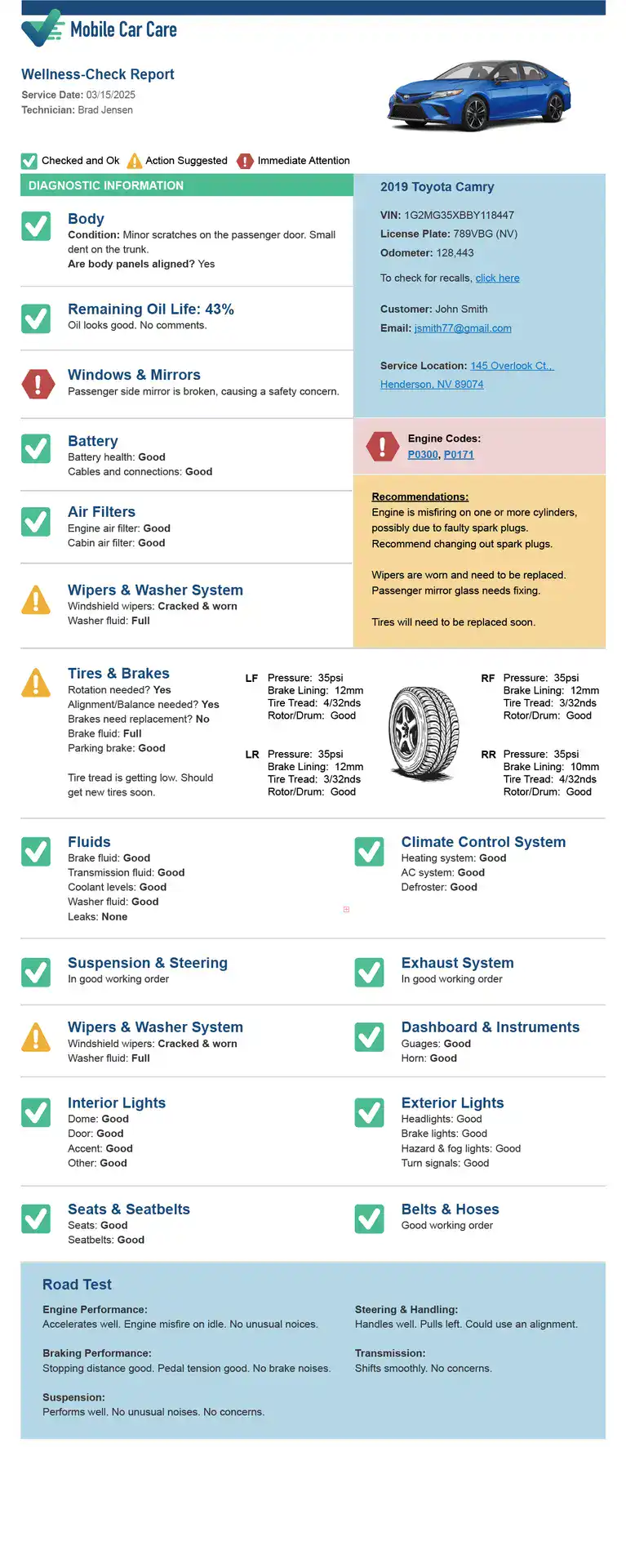
Even with a great reminder system, it helps to have your own records. You don’t need a complicated spreadsheet; find a method that feels easy. You can use a dedicated car maintenance app on your phone to log service dates and mileage, which is perfect if you like having everything in one digital space. If you’re more of a pen-and-paper person, a small notebook in your glove compartment or a note in your planner works just as well. The goal is to have a simple, clear history. Of course, the easiest way is to let someone else handle it. Our recurring Essential Plan includes detailed wellness reports after every visit, so you always have a professional and accurate log of your car’s health.
Follow Your Car’s Recommended Schedule
Your car’s dashboard reminder is your first line of defense, but your owner’s manual is the ultimate authority. It contains the most detailed information about your vehicle’s specific needs and maintenance intervals. A good rule of thumb is to schedule an oil change when your car’s oil life indicator hits the 20-30% mark. This gives you a safe buffer and prevents you from running the engine on degraded oil. Don’t just rely on a generic “every 5,000 miles” rule, as your car’s needs can vary based on its age, model, and your driving conditions. Following the manufacturer’s schedule is the best way to keep your engine running smoothly and protect its long-term health.
Related Articles
- How to Check Oil: The Simple 5-Step Guide – Mobile Car Care
- Mobile Oil Change: How It Works & What It Costs – Mobile Car Care
- What Is Preventive Maintenance? A Complete Guide – Mobile Car Care
- Mobile Oil Change Service: Benefits, Costs & Convenience – Mobile Car Care
Frequently Asked Questions
My car’s reminder says I have 20% oil life left. Do I need to get it changed immediately? Think of that 20% warning as a friendly heads-up, not a five-alarm fire. It’s your car’s way of telling you to get an oil change on your calendar soon. While you don’t need to pull over and call for service that very second, you shouldn’t put it off for weeks, either. This is the perfect window to schedule a visit so you can get it taken care of before it becomes urgent.
Is the oil life monitor on my dashboard more accurate than the sticker on my windshield? Yes, your car’s built-in system is almost always more accurate. The sticker on your windshield is just a general estimate based on a standard mileage or time interval. Your dashboard’s oil life monitor, on the other hand, uses sensors to analyze your actual driving habits—like trip length and engine temperature—to determine the real condition of your oil. It’s a personalized recommendation tailored specifically to you and your car.
What’s the difference between an “oil life” warning and an “oil level” warning? This is a critical distinction that trips up a lot of drivers. An “oil life” reminder is about the quality of your oil and its ability to protect your engine. An “oil level” warning means the quantity of oil in your engine is dangerously low. You could have 100% oil life but still be low on oil due to a leak. That’s why it’s still a good idea to check your oil level with the dipstick every so often.
I forgot to reset my oil change reminder after my last service. What should I do? Don’t worry, this is a really common mistake. Your owner’s manual will have simple, step-by-step instructions for resetting the monitor yourself. Once you do that, you’ll need to figure out when your next change is due. You can check the receipt from your last service for the date and mileage, or use a general guideline to get back on track. Then, your car’s system will be accurate for the next cycle.
Can I just rely on my car’s built-in reminder, or do I need an app too? For many people, the car’s built-in system is perfectly fine. It gives you the essential alert you need to take action. However, a mobile app can be a great tool if you’re managing maintenance for more than one family car or if you want to keep a detailed digital log of all your services, not just oil changes. It really comes down to personal preference and finding the system that makes your life easiest.