
Popping the hood of your car can feel like looking at a complex puzzle with a million missing pieces. It’s easy to feel overwhelmed and just hope for the best. But ignoring your car is a recipe for stress, usually when you can least afford it, like during finals week. You don’t need to become a master mechanic to be a responsible car owner. This guide is designed to demystify college student car maintenance and build your confidence. We’ll walk you through easy DIY checks, help you build a roadside emergency kit, and teach you how to know when it’s time to call a professional for help.
Key Takeaways
- Protect your freedom with preventative checks: Your car is your ticket to independence, and simple habits like checking your fluids and tire pressure are the best way to ensure it’s reliable when you need it most.
- Knowledge is your most powerful tool: Understanding the basics—from what your dashboard lights mean to how to find a trustworthy mechanic—saves you from stress and helps you avoid getting overcharged for repairs.
- Make car care fit your student life: You don’t have to choose between your studies and a healthy car. Use smart budgeting, simple DIY fixes, and convenient mobile services to stay on top of maintenance without the hassle.
First Things First: Why Car Care Matters
Between classes, studying, and trying to have a social life, your car is probably the last thing on your mind—until it breaks down. But thinking about car care isn’t about adding another chore to your list; it’s about protecting your freedom. Your car is your ticket to a weekend getaway, your ride to an off-campus job, and your reliable way to get home for the holidays. A little bit of attention now ensures your car is ready when you need it, saving you from the stress and cost of a sudden breakdown. Let’s get into why a simple maintenance routine is one of the smartest habits you can build in college.
Why Regular Maintenance is a Must
Think of regular maintenance as a health check-up for your car. Simple tasks like getting an oil change every 3,000 to 5,000 miles keep your engine running smoothly and prevent serious damage down the road. These routine checks are your first line of defense, helping you catch small issues before they turn into major headaches. Consistent care keeps your car safe, reliable, and even helps maintain its resale value for when you’re ready to upgrade after graduation. It’s the easiest way to ensure your car starts every time you need it to, whether you’re heading to a final exam or a much-needed coffee run.
Making Car Care Work on Campus
Let’s be real: finding time to take your car to a garage is a huge hassle when you’re a student. But your car is a key part of your independence, and you can’t afford to have it out of commission. Keeping your vehicle in good shape means you won’t be stranded on campus or miss out on an important internship interview. The key is to find a car care routine that fits your packed schedule. Proactive, on-site services can be a lifesaver, handling the checks for you while you’re in class or studying. This way, you can keep your car dependable without sacrificing your precious time.
The True Cost of Skipping Maintenance
Ignoring that weird noise or dashboard light might seem like a good way to save money in the short term, but it almost always costs more later. A minor fluid leak can become a failed transmission, and worn-out brake pads can lead to a much more expensive rotor replacement. These are the kinds of surprise repairs that can completely wreck a student budget. Investing in preventative checks helps you manage costs on your own terms. A simple Quick Check can spot potential problems early, giving you peace of mind and saving you from a financial emergency when you can least afford it.
How to Read Your Owner’s Manual (Without Falling Asleep)
Your car’s owner’s manual is the ultimate cheat sheet, and you don’t have to read it cover-to-cover. Just keep it in your glove compartment and use it to find a few key pieces of information. Look for the “Maintenance Schedule” section—it tells you exactly when your car needs specific services. You can also find the recommended type of oil, coolant, and other fluids, which is super helpful for DIY top-offs. It will also tell you the correct tire pressure for your car. Knowing these few details will make you a much more confident and responsible car owner.
Your Student Car Care Toolkit
Heading off to college with a car means freedom, but it also comes with the responsibility of keeping it running. It can feel like a lot, especially when you’re juggling classes, a social life, and maybe even a part-time job. The good news is you don’t need to become a master mechanic overnight. Building a simple toolkit—both with physical tools and a bit of know-how—can give you the confidence to handle minor issues and know when to call for help.
Think of this as your car care starter pack. It’s about being prepared, not paranoid. Having the right items in your trunk and understanding a few basics can turn a stressful situation, like a dead battery or a flat tire, into a manageable inconvenience. It also helps you become a smarter car owner, so you can talk to mechanics without feeling lost or taken advantage of. Let’s get you set up with the essentials you’ll actually use.
The Essential Tools You Actually Need
Your trunk is valuable real estate, but a few items are non-negotiable for a roadside emergency. A well-stocked kit can be a lifesaver. Make sure your car is equipped with these basics:
- A spare tire, jack, and lug wrench: Know where they are and how to use them.
- Jumper cables: A dead battery is a common issue, especially in cold weather.
- A flashlight: A phone light is fine, but a dedicated, bright flashlight (with extra batteries) is better.
- A first-aid kit: For any minor scrapes you might get while working on your car or for other emergencies.
- Basic tools: A multi-tool, screwdriver, and a pair of pliers can handle simple tasks.
Learn Basic Diagnostic Skills
You don’t need to know what every part under the hood does, but learning a few simple checks will empower you. Start by learning how to check your oil and other essential fluids, like coolant and windshield wiper fluid. Your owner’s manual will show you exactly where each reservoir is located so you don’t accidentally mix them up. Getting familiar with these basics helps you spot a small leak or low fluid level before it becomes a major, expensive problem. It’s a five-minute habit that makes a huge difference.
Helpful Apps for Car Maintenance
When that dreaded “check engine” light pops on, your first instinct might be to panic. Instead, you can use technology to your advantage. A cheap Bluetooth code reader is a game-changer. This small device plugs into a port under your dashboard and connects to an app on your phone. It translates the cryptic error code into plain English, telling you what the issue might be. This information helps you decide if it’s a minor problem you can ignore for a bit or something serious that needs immediate attention.
How to Find a Mechanic You Can Trust
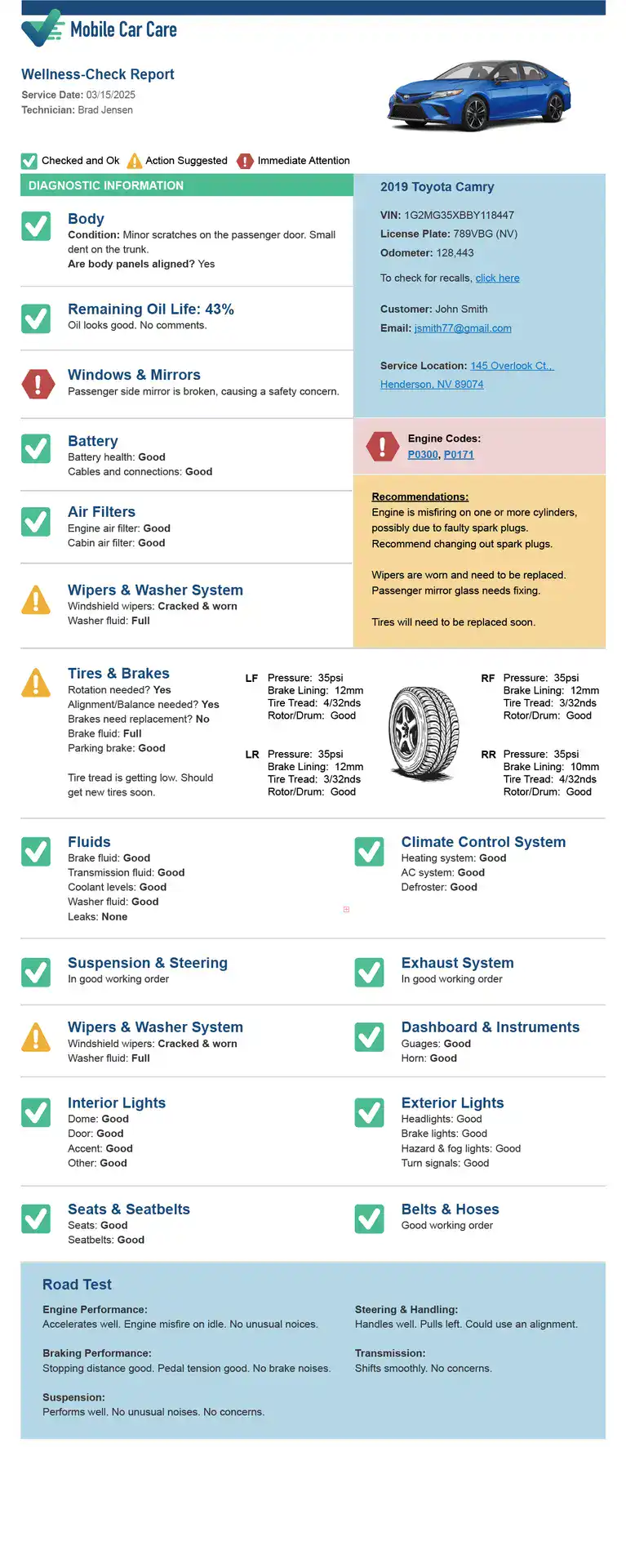
Finding a reliable mechanic is tough, especially in a new town. Before you take your car anywhere, do a quick search online for the symptoms you’re experiencing. Understanding the potential problem helps you have a more informed conversation and spot an unfair quote. If you’re unsure where to go, ask for recommendations from classmates or professors. For ultimate peace of mind, a service that comes to you can be a great option. Our Quick Check plan brings a professional technician right to your dorm or campus parking lot to perform a full wellness check, so you know exactly what’s going on with your car.
Easy DIY Car Checks You Can Do Yourself
You don’t need to be a mechanic to keep your car in good shape. A few simple checks can save you from a major headache down the road. Think of it as a quick health screening for your vehicle—something you can easily do in a dorm parking lot or before heading home for break. Taking just a few minutes each month to look things over helps you catch small issues before they turn into expensive, inconvenient problems. Getting familiar with what’s under the hood builds confidence and helps you understand when something truly needs a professional’s attention.
These DIY inspections are a great first line of defense, but they don’t replace a thorough professional look-over. For a more in-depth analysis without the hassle of a repair shop, a service like our Quick Check Plan can give you peace of mind. We come to you and perform a comprehensive wellness check, so you know exactly what’s going on with your car without ever leaving campus. It’s the perfect way to supplement your own checks and ensure everything is running as it should be. Let’s walk through the five easiest and most important checks you can start doing today.
Check and Top Off Your Fluids
Your car relies on several key fluids to run smoothly, and checking them is easier than you think. Pop the hood and locate the dipsticks and reservoirs for your engine oil, coolant, brake fluid, and windshield washer fluid. Your owner’s manual can show you exactly where they are. Engine oil keeps everything lubricated, coolant prevents overheating, and brake fluid is essential for stopping safely. And while washer fluid might seem minor, you’ll be glad you have it when you’re driving through a storm. Keeping these topped off is one of the simplest ways to maintain your car’s health and performance.
Inspect Your Tires for Safety
Your tires are the only part of your car that actually touches the road, so their condition is critical for your safety. Once a month, take a few minutes to check the tire pressure. You can find the correct pressure level on a sticker inside your driver’s side door. Properly inflated tires give you better steering control, improve gas mileage, and help you avoid a flat. While you’re at it, give the tread a quick look. If the grooves look shallow, it might be time for new tires. A quick visual inspection for any bulges or cracks can also help you spot a problem before it leaves you stranded.
Keep Your Battery Healthy
A dead battery is one of the most common reasons for a car not starting, especially during cold snaps. Take a peek at your battery every so often to check for rust or crusty buildup on the terminals. If you see any, you can clean it off carefully with a wire brush. If your car has been struggling to start or the headlights seem dim, it could be a sign the battery is on its way out. Most car batteries last about three to five years. If yours is getting up there in age, it’s a good idea to have it tested. Our Essential Plan includes battery checks to ensure you have the power you need.
Replace Your Air Filter and Wipers
Some car parts are surprisingly easy to replace yourself, and your engine air filter and windshield wipers are two of the best examples. A clogged air filter can hurt your car’s performance and fuel economy, but swapping it for a new one usually just involves opening a box under the hood—no tools required. Similarly, new wiper blades are crucial for clear visibility in rain or snow. If your current wipers are leaving streaks or making noise, don’t put off replacing them. You can find the right size at any auto parts store, and they typically just click into place.
Decode Your Dashboard Warning Lights
Those little symbols that light up on your dashboard are your car’s way of talking to you. Don’t ignore them! A glowing light is a signal that something needs your attention. While some are simple reminders, like a low fuel warning, others can indicate a serious issue with your engine or brakes. Your owner’s manual will have a guide to what each symbol means. If the “check engine” light comes on, it’s best to get it looked at sooner rather than later. For complete diagnostics without the trip to a garage, our Total Care Plan includes detailed reports to help you understand exactly what your car needs.
Build Your Roadside Emergency Kit
Think of a roadside emergency kit as your car’s safety net. You hope you never have to use it, but knowing it’s there provides incredible peace of mind, especially when you’re driving far from home. A flat tire or a dead battery can feel overwhelming, but being prepared turns a potential crisis into a manageable inconvenience. Putting together a kit doesn’t take long, and it’s one of the smartest things you can do as a car owner. It’s all about being self-sufficient and ready for the unexpected.
A well-stocked kit ensures you have the right tools and supplies to handle common car troubles safely. Instead of waiting helplessly on the side of the road, you’ll have what you need to either fix the problem or stay safe until help arrives. Plus, having a service like our Quick Check Plan can help you catch potential issues before they leave you stranded, making your emergency kit your second line of defense.
Essential Tools for Your Trunk
You don’t need a professional mechanic’s toolbox, but a few key items are non-negotiable. These tools will help you tackle the most common roadside issues, like a flat tire or a dead battery. Make sure you know where they are and how to use them before you actually need them.
Your essential toolkit should include:
- A spare tire, jack, and lug wrench: These three items work together to help you change a flat. Check your spare tire’s pressure every few months to make sure it’s ready to go.
- Jumper cables: A dead battery can happen to anyone. Jumper cables will allow you to get a boost from another vehicle and get back on the road.
- A tire pressure gauge: Properly inflated tires are safer and more fuel-efficient. A simple gauge lets you check your tire pressure anytime.
Your Safety Supplies Checklist
If you get stuck on the side of the road, your personal safety is the top priority, especially at night. Your emergency kit should include supplies to keep you visible, safe, and able to handle minor injuries while you wait for assistance.
Here’s a checklist for your safety supplies:
- A flashlight: A bright, reliable flashlight with extra batteries is a must-have for nighttime breakdowns. A headlamp is even better because it keeps your hands free.
- A first-aid kit: You can buy a pre-made kit or build your own with bandages, antiseptic wipes, pain relievers, and any personal medications.
- Reflective triangles or flares: These make your vehicle much more visible to other drivers, reducing the risk of an accident.
What to Add for Winter and Summer
The weather can turn a minor inconvenience into a dangerous situation, so it’s smart to adapt your kit for the seasons. In the winter, getting stranded can mean facing freezing temperatures, while a summer breakdown can expose you to extreme heat.
For cold weather, add these items to your kit:
- Blankets, gloves, and a warm hat
- An ice scraper and a small shovel
- Non-perishable snacks and water
- A portable phone charger or power bank
For hot weather, make sure you have:
- Extra bottles of water
- A sunshade for your windshield
- Sunscreen
Simple Spare Parts to Keep on Hand
While you won’t be performing major repairs on the roadside, having a few simple spare parts and fluids can be incredibly useful for minor issues. These items can help you top off essential fluids or handle a small, quick fix that gets you to the nearest service station safely.
Consider keeping these in your trunk:
- A quart of motor oil (make sure it’s the right type for your car)
- A jug of windshield washer fluid
- Extra fuses
- A roll of duct tape (it has a surprising number of temporary uses)
Create an Emergency Contact List
What happens if your phone dies and you can’t access your contacts? An old-school paper list of important numbers can be a lifesaver. Keep it in your glove compartment so you know exactly who to call when you’re feeling stressed and need help.
Your list should include:
- Family members or close friends
- Your roadside assistance provider (like AAA)
- Your auto insurance company’s claims hotline
- The number for a trusted mechanic or a service like Mobile Car Care that can come to you.
How to Afford Car Maintenance on a Student Budget
Let’s be real: between tuition, books, and late-night pizza runs, your budget is probably tight. The last thing you want to think about is car maintenance. But here’s the thing—a little planning now can save you from a massive, wallet-draining repair bill later. Think of it as an investment in your freedom and your peace of mind. You don’t need a huge income to keep your car running smoothly; you just need a smart strategy.
Managing car care on a student budget is all about being proactive and knowing where to find savings. From setting aside a small fund to learning a few basic DIY skills, you have more control over your car expenses than you might think. It’s about working smarter, not harder, to keep your car safe and reliable without sacrificing your social life. Let’s get into some simple, actionable ways to make it happen.
Start a Car Maintenance Fund
The best way to handle an unexpected car expense is to expect it. Setting up a dedicated car maintenance fund means you won’t have to scramble for cash when your “check engine” light comes on. Ignoring small car problems can lead to big, expensive repairs later, so having money set aside is your first line of defense.
You don’t need to start with a huge amount. Try automatically transferring just $20 or $25 from each paycheck into a separate savings account. You can even name it “Car Care” to keep it top of mind. Over time, this small habit will build a solid financial cushion for everything from routine oil changes to new tires, preventing a minor issue from turning into a major financial crisis.
Know When to DIY vs. Call a Pro
You can save a lot of money by handling some basic car tasks yourself. Learning how to check your oil and other fluid levels is a great starting point. Topping off your windshield washer fluid or replacing your own air filter are simple jobs that only take a few minutes and can save you the cost of labor at a shop.
However, it’s just as important to know your limits. Things like brake repairs or transmission issues are best left to the professionals. If you’re unsure about a repair, don’t risk making it worse. For those times, a service like our Quick Check Plan can give you a professional opinion right on campus, so you know exactly what you’re dealing with without the hassle.
Hunt for Student Discounts
Your student ID is a powerful tool for saving money, and that includes car care. Many auto parts stores, service centers, and even insurance companies offer discounts specifically for students. You just have to ask! Before you buy parts or book a service, always check if they have a student rate.
This is especially true for car insurance. Many insurers offer a good student discount—often 5% or more—for full-time students who maintain a certain GPA. It’s worth a call to your insurance agent to see if you qualify. A few minutes on the phone could lower your premium and free up more cash for your maintenance fund.
What Your Insurance Covers
It’s a common misconception that car insurance will pay for routine maintenance, but that’s not how it works. Your insurance policy is there for the big, unexpected events. For example, comprehensive car insurance covers damage from things like theft, vandalism, or a tree falling on your car during a storm. It’s designed to protect you from major financial losses, not to cover the cost of wear and tear.
This is exactly why your car maintenance fund is so important. Your insurance won’t pay for an oil change, new brake pads, or a tire rotation. Those predictable expenses are your responsibility. Understanding the difference helps you plan accordingly and ensures you’re prepared for both routine upkeep and unexpected accidents.
How Prevention Saves You Money
The single best way to save money on car care is to catch small issues before they become big problems. Proactive maintenance is your secret weapon. Simple, regular checks can make a huge difference in the long run. For instance, regularly checking your tire pressure helps improve your gas mileage and prevents premature wear, saving you money at the pump and on new tires.
Think of it this way: spending a little on an oil change now is much cheaper than paying for a new engine later. A subscription like our Essential Plan is designed for this kind of proactive care. We come to you and perform an 85-point wellness check, helping you stay on top of maintenance so you can focus on your studies, not on surprise repair bills.
Create a Simple Maintenance Schedule
The idea of a “maintenance schedule” can sound like a lot of work, especially when you’re juggling classes, a job, and a social life. But trust me, it’s not as complicated as it sounds. Think of it as a simple routine that keeps your car safe and saves you from surprise repair bills down the road. A little bit of attention now prevents a massive headache later.
Breaking down car care into small, regular tasks makes it completely manageable. You don’t need to be a mechanic to handle the basics. By creating a rhythm of weekly, monthly, and seasonal checks, you’ll get to know your car better and spot small issues before they turn into major problems. For the bigger tasks that come up once or twice a year, you can plan ahead. Services like our recurring Essential Plan are designed to take the guesswork out of it, handling the comprehensive checks so you can focus on everything else. The goal is to make car care a simple, stress-free part of your routine.
Your Weekly 5-Minute Check
Set aside just five minutes once a week—maybe every Sunday before your grocery run—for a quick walk-around. First, check your tire pressure. You can find the recommended PSI on a sticker inside your driver’s side door. Properly inflated tires give you better gas mileage, help you steer more safely, and prevent flats. Next, quickly test your lights. Turn on your headlights, then check your turn signals and have a friend confirm your brake lights are working. Finally, peek under the car where you normally park to see if there are any new drips or puddles. This simple habit can alert you to a fluid leak early on.
Monthly Tasks to Tackle
Once a month, you’ll want to look under the hood. Don’t worry, it’s easier than it looks. Your owner’s manual will show you exactly where to find everything. Check your key fluid levels: engine oil, coolant, brake fluid, and windshield washer fluid. Most have clear reservoirs or dipsticks that make it easy to see if you’re running low. This is also a great time to double-check your tire pressure and inspect the tread. A quick way to check your tire tread is with a penny; if you can see all of Lincoln’s head, it’s time for new tires. These checks take less than 15 minutes and are your best defense against unexpected issues.
Prep Your Car for Each Season
Changing seasons mean changing driving conditions, so it’s smart to give your car a little extra attention a few times a year. Before winter hits, make sure your battery is strong and your antifreeze levels are correct to handle the cold. As summer approaches, you’ll want to ensure your A/C is blowing cold and your cooling system is ready for the heat. It’s also a good idea to check your brake pads and rotors regularly. If you hear any squeaking or grinding when you brake, that’s your car telling you it needs attention. A seasonal Quick Check can give you peace of mind that your car is ready for whatever the weather brings.
Key Annual Services to Schedule
Some maintenance tasks don’t need to be on your monthly to-do list but are critical to schedule once or twice a year. The most common one is the oil change. Most cars need one every 3,000 to 5,000 miles, but your owner’s manual will have the specific recommendation for your vehicle. This is also a good time to have your tires rotated to ensure they wear evenly, which helps them last longer. Think of this as your car’s annual physical. A comprehensive wellness check will catch any underlying issues and keep your car running smoothly for the year ahead.
Get Ready for Road Trips
Whether you’re heading home for the holidays or planning a spring break adventure, a pre-trip inspection is non-negotiable. Before you hit the highway, give your car a thorough check of the essentials: tires, brakes, fluids, belts, and hoses. You don’t want a preventable issue to leave you stranded hundreds of miles from home. It’s also the perfect time to make sure your roadside emergency kit is fully stocked with items like jumper cables, a first-aid kit, a flashlight, and a spare tire that’s properly inflated. For ultimate confidence on the road, our Total Care Plan ensures your vehicle is in top shape for any long journey.
Know When to Call a Professional
Even the most dedicated DIY-er needs a professional sometimes. Knowing when to put down the wrench and pick up the phone can save you time, money, and a whole lot of stress. Here’s how to spot the signs that your car needs an expert eye.
Don’t Ignore These Sights and Sounds
Your car has its own way of telling you something is wrong, so it’s important to pay attention. If you hear squeaking or grinding when you brake, that’s a clear sign your brake pads need attention. Don’t put it off. Other sounds to watch for include hissing from under the hood, which could mean a leak, or clunking noises when you go over bumps. Also, keep an eye out for puddles under your car (other than water from the A/C) or any unusual smoke. Strange smells, like burning rubber or a sweet, syrupy scent, are also red flags. These are your car’s warning signals, and ignoring them can turn a small fix into a major, expensive repair.
Notice Changes in Performance
You know how your car is supposed to feel. If you suddenly notice a change, trust your gut. Does the car pull to one side when you’re driving straight? Is there a new vibration in the steering wheel or seat? Maybe it’s taking a few extra seconds to start in the morning, or you feel a hesitation when you accelerate. Even the most well-maintained car can run into issues like a dead battery or overheating engine. These shifts in performance are early indicators that something needs a professional look. A quick diagnostic check can identify the root cause, saving you from getting stranded on your way to a final exam.
Major Maintenance Milestones
Some jobs are just better left to the pros. While you can handle the basics, major maintenance milestones require specific tools and expertise. Most cars need an oil change every 3,000 to 5,000 miles, but your owner’s manual will have the exact schedule for your vehicle. Other important services include tire rotations to ensure even wear, transmission fluid changes, and replacing belts and hoses before they fail. Staying on top of this schedule is the best way to keep your car running reliably for years. A recurring service like our Essential Plan makes it easy to handle these tasks without disrupting your busy class schedule.
How to Choose a Good Mechanic
Finding a mechanic you can trust can feel overwhelming, but a little homework goes a long way. Before you even make a call, try to research your car’s problem online so you can describe the issue clearly. Ask friends or family on campus for recommendations and check online reviews for local shops. Always ask for a written estimate before agreeing to any work. If the hassle of dropping your car off at a shop feels like too much, a mobile service is a great alternative. You can schedule a Quick Check to get a professional diagnosis right in your campus parking spot, giving you a clear picture of what needs to be done.
Quick Car Care Tips for a Busy Schedule
Between classes, studying, and trying to have a social life, who has time to worry about their car? I get it. But ignoring your vehicle can lead to stressful breakdowns and expensive repairs you definitely don’t have time for. The good news is that staying on top of car care doesn’t have to be a huge commitment. By building a few simple habits into your routine, you can keep your car running smoothly and safely without derailing your packed schedule.
The 2-Minute Inspection Routine
You can learn a lot about your car’s health in less time than it takes to scroll through your social media feed. Once a week, maybe before you head out for groceries, do a quick walk-around. Check your tire pressure—properly inflated tires give you better gas mileage, improve steering, and help you avoid a flat. Give your tires a quick glance to look for any obvious damage or low tread. Peek under the car for any new leaks. Make sure your headlights, taillights, and turn signals are all working. This simple two-minute check can help you spot a small issue before it becomes a major, schedule-wrecking problem.
Car Care You Can Do Between Classes
Got a 15-minute break between lectures? That’s enough time for some basic under-the-hood checks. Pop the hood and learn how to check your essential fluids, like engine oil, coolant, and windshield washer fluid. Your owner’s manual will show you exactly where each dipstick and reservoir is located so you don’t mix them up. Keeping these fluids at the right level is one of the easiest ways to maintain your engine’s health and prevent overheating. While you’re at it, you can schedule your next oil change online. Staying on top of these small tasks will save you from the stress of a last-minute mechanic visit during midterms.
Smart Parking on Campus
Where you park matters more than you think. To avoid dings and scratches from other drivers in a hurry, try to park a little further away in less congested parts of the lot. It’s also wise to choose well-lit areas, especially if you’ll be returning to your car after dark. Most importantly, think about your safety in case of a breakdown. If your car ever stops working in a busy area or on the side of the road, stay inside with your doors locked and your seatbelt on until help arrives. Standing outside near traffic is incredibly dangerous, so your car is the safest place to wait.
Combine Errands with Car Care
The best way to make time for car care is to pair it with things you’re already doing. While you’re filling up your gas tank, use the squeegee to clean your windows and headlights for better visibility. You can also use this time to do your quick tire pressure check. Another great way to save time is to have the service come to you. A Quick Check from a mobile maintenance service can be done right in your campus parking lot or at your apartment while you’re studying. You can also build a simple roadside emergency kit next time you’re at a big-box store—grab some jumper cables, a flashlight, and a portable phone charger so you’re prepared for anything.
Related Articles
- Trusted Car Care for College Students in Las Vegas – Mobile Car Care
- The College Student’s Guide to Car Problems Away From Home – Mobile Car Care
- Best Car Care Subscriptions for College Students – Mobile Car Care
Frequently Asked Questions
What’s the absolute minimum I should be doing for my car if I have almost no time? If you can only commit to one thing, make it checking your tire pressure. You can do it in two minutes at almost any gas station. Properly inflated tires are crucial for safe steering and braking, and they even help you save money on gas. Think of it as the single easiest and most important habit you can build to keep yourself safe on the road.
My “check engine” light just came on. Should I panic? Don’t panic! That light can mean anything from a loose gas cap to a more complex engine issue. While you shouldn’t ignore it, it doesn’t automatically signal a massive repair bill. The best first step is to get the code read by a professional. This will tell you exactly what the problem is so you can make an informed decision without guessing.
How do I know if a mechanic is overcharging me? Trust your gut, but also do a little homework. Before you agree to any work, always ask for a written estimate that breaks down the costs for parts and labor. If something feels off, don’t be afraid to get a second opinion. A trustworthy mechanic will take the time to explain why a repair is necessary and answer your questions clearly.
Is a mobile car service really practical for a student on a budget? It can be one of the smartest ways to manage your money. The real cost of car care often comes from ignoring small problems until they become huge, expensive ones. A mobile service that comes to you for a wellness check helps you catch issues early. You also save a ton of time by not having to drop your car off at a shop, which is a huge advantage when you’re juggling a student schedule.
How often should I get my car professionally inspected if it seems to be running fine? Think of it like an annual physical for your car. Even if you feel fine, you go to the doctor for a check-up to stay ahead of any potential health issues. Your car needs the same attention. A comprehensive professional inspection at least once a year is a great way to ensure everything is in good working order and to catch any hidden wear and tear before it leaves you stranded.