Being a college student means balancing classes, exams, and a packed schedule—the last thing you have time for is sitting in a mechanic’s waiting room. When you’re miles away from your family’s trusted repair shop, a simple issue like a dead battery or a flat tire quickly becomes a stressful, week-derailing crisis. This article is your essential guide to handling car ownership away from home.
We’ll show you exactly how to get ahead of the most frequent student car problems, from proactive maintenance and building an emergency kit to the ultimate time-saver: getting expert, on-site car care delivered right to your campus. Focus on your studies, and let us take care of the rest.
5 Most Common Car Problems Students Face
Being a college student is stressful enough without your car adding to the chaos. After servicing hundreds of student vehicles near UNLV, CSN, and Nevada State College, we’ve identified the issues that plague student drivers most:
DEAD BATTERIES (40% OF STUDENT SERVICE CALLS)
College schedules are unpredictable. Your car might sit for days during finals week, then suddenly you need it for a job interview. Combine infrequent driving with Vegas heat (which destroys batteries faster than any other climate), and dead batteries become inevitable. Warning signs to watch for:
- Slow engine cranking when starting
- Dimming headlights
- Dashboard battery light
- Battery more than 3 years old
ENGINE LIGHT ANXIETY (25% OF CALLS)
That glowing orange light triggers panic in most students. Is it serious? Can I drive? Will it cost my entire semester’s savings? The truth: check engine lights range from “tighten your gas cap” to “stop driving immediately.” Without diagnosis, you’re just guessing.
BRAKE PROBLEMS (15% OF CALLS)
Students often inherit family hand-me-down cars or buy cheap used vehicles with deferred maintenance. We frequently discover brake pads worn to 10% or less during routine inspections—dangerous conditions the student had no idea existed.
OVERHEATING IN TRAFFIC (10% OF CALLS)
Las Vegas traffic plus 115°F temperatures plus an older car with questionable cooling system maintenance equals overheating. This is especially common for students commuting from Henderson or North Las Vegas during summer sessions.
FLAT TIRES AND TPMS WARNINGS (10% OF CALLS)
Construction zones, parking lot debris, and sun-rotted tires create constant flat tire risks. Many students have never changed a tire and don’t know their spare might be flat too.
Key Takeaways
- Prevent problems before they start: A pre-college inspection and a consistent maintenance schedule are your best defense against unexpected breakdowns and expensive repairs while you’re away at school.
- Be prepared for the unexpected: Assemble a roadside emergency kit for your trunk and create a “Car Emergency” contact list in your phone so you can handle any situation calmly and safely.
- Make car care convenient with on-site service: Mobile maintenance brings the mechanic directly to you on campus, saving you time and stress so you can focus on your studies, not a waiting room.
Know the Mechanical Warning Signs
Think of your car’s dashboard lights as its way of talking to you. It’s essential to learn what these indicators mean before one starts flashing. Take some time to flip through the owner’s manual and familiarize yourself with the symbols for the check engine light, oil pressure, and battery charge. Understanding these dashboard warning lights is the first step in catching a problem early. Ignoring a warning can allow a small, fixable issue to grow into a major repair that drains your time and budget. Being able to tell a mechanic exactly what you’re seeing will also help you get a more accurate and faster diagnosis when you’re miles from home.
Stay on Top of Regular Maintenance
The best way to deal with car trouble is to prevent it from happening in the first place. Sticking to a regular car care schedule is your best defense against unexpected breakdowns. This means keeping up with routine oil changes, tire rotations, and fluid checks. You don’t have to be a mechanic to perform basic checks, like making sure your tire pressure is correct or that your lights are working. Setting calendar reminders for these tasks can help you stay on track. Consistent maintenance ensures your vehicle is reliable for getting to class, work, or weekend trips, giving you and your parents valuable peace of mind.
How to Handle a Roadside Emergency
Even with perfect maintenance, things can still go wrong. If your car breaks down, your first priority is safety. Carefully move your vehicle to the shoulder or an emergency lane and turn on your hazard lights immediately to make sure other drivers can see you. Once you are safely off the road, stay in your car and call for help. This is where having a plan matters. Know who to contact for roadside assistance, whether it’s through your insurance, a service like AAA, or your car’s manufacturer. Having their number saved in your phone ahead of time will save you a lot of stress in the moment.
How to Prepare Your Car for College
Sending your student off to college with a car is a big step. To make sure they’re safe and prepared for the road ahead, a little prep work goes a long way. Before they pack up and drive off, focus on these three key areas to prevent stressful surprises and keep their car running smoothly. Taking care of these things now will give both of you confidence that their vehicle is ready for campus life and the occasional road trip home.
Complete a Pre-College Inspection
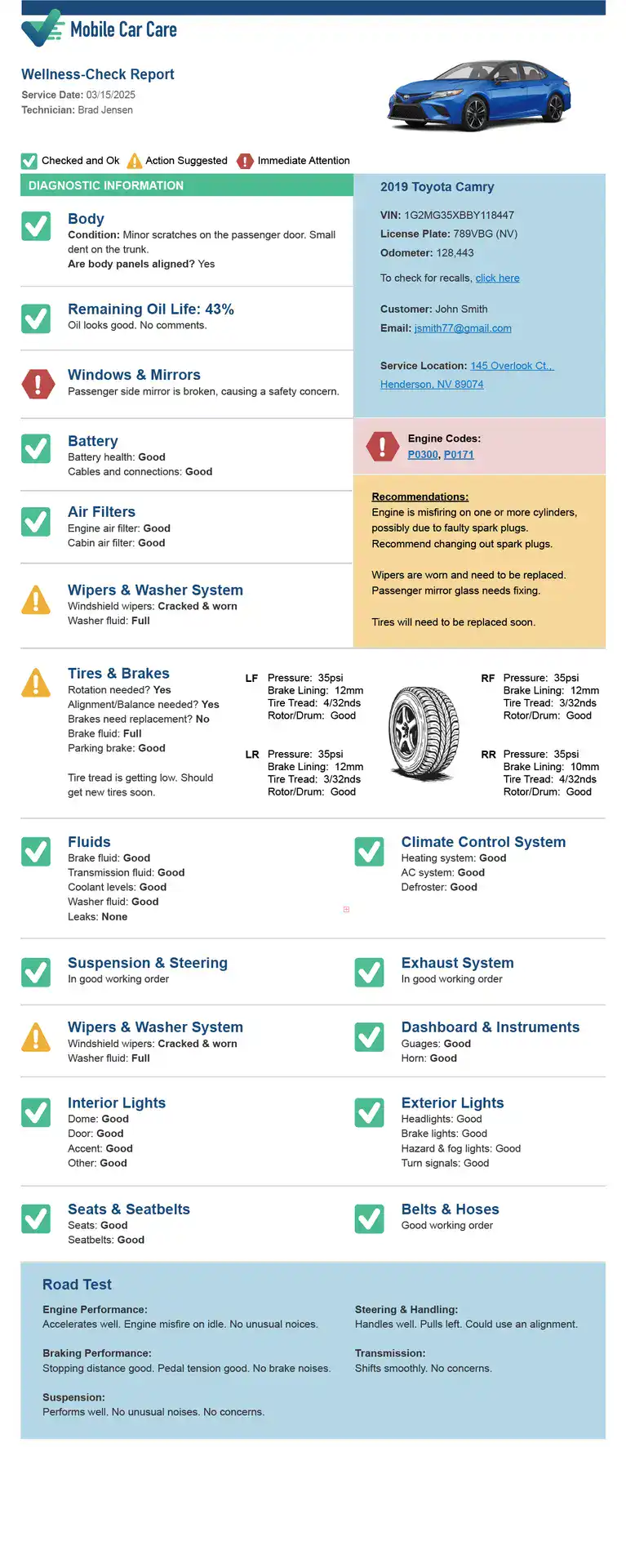
Before the big move, a comprehensive vehicle inspection is non-negotiable. This isn’t just about kicking the tires; it’s a deep dive into your car’s health to catch small issues before they become major headaches on the highway. A professional should check the tire pressure and tread, test the battery, inspect the brakes, and top off all essential fluids. Getting a Quick Check at home takes the stress out of this process, giving you a detailed report on your car’s condition. It’s also a great idea to research a trusted auto repair shop near campus ahead of time, so you have a reliable contact if anything comes up during the semester.
Create a Maintenance Schedule
A single inspection is a great start, but consistent upkeep is what truly keeps a car reliable. Regular maintenance, like oil changes and tire rotations, is crucial for your vehicle’s long-term health and safety. Refer to the car’s owner’s manual for the recommended service intervals and set calendar reminders so these important dates don’t get missed amidst classes and exams. For ultimate peace of mind, setting up a recurring maintenance plan handles the scheduling for you. This ensures the car gets the consistent attention it needs, allowing your student to focus on their studies, not on remembering their next oil change.
Learn These Basic Car Care Skills
Beyond professional servicing, every driver should have a few basic skills to handle minor issues confidently. Before your student leaves, make sure they know how to check the tire pressure and add air, check the oil and other fluid levels, and safely change a flat tire. It’s also critical that they can identify common dashboard warning lights and understand what to do when one comes on. Knowing how to handle these simple tasks can turn a potentially stressful situation into a manageable one, giving both of you greater peace of mind while they’re away from home.
What to Do When Your Car Breaks Down
A car breakdown is stressful enough at home, but it can feel like a real crisis when you’re away at college. The key is to stay calm and follow a few simple steps to handle the situation safely and effectively. Knowing what to do ahead of time can make a huge difference when you’re suddenly on the side of the road. Your first priority is always safety, followed by getting the right help and figuring out the logistics of a repair. Let’s walk through exactly what to do if you find yourself stranded.
First Steps for Roadside Safety
The moment you realize something is wrong with your car, focus on getting to a safe location. If you can, steer your vehicle to the shoulder or an emergency lane, as far from moving traffic as possible. Once you’ve stopped, turn on your hazard lights immediately to make your car visible to other drivers. In most situations, the safest place to be is inside your car with the doors locked and your seatbelt on, especially on a busy highway. Getting out of your vehicle can be dangerous, so only do so if you are certain it’s safe and you need to get further away from the road.
Who to Call for Help
With your hazard lights blinking, it’s time to call for help. The best first call is to your roadside assistance provider, whether it’s through your insurance, a service like AAA, or your car’s manufacturer. Have your policy or membership number ready. If you don’t have a roadside assistance service, your next call should be to a local towing company. A quick search on your phone for “towing service near me” will give you options. Finally, make a call to a parent, family member, or friend to let them know what’s happened and where you are. It’s always a good idea to have someone who knows your situation and can offer support.
How to Manage Repairs Far from Home
Once you and your car are in a safe place, like a local repair shop, the next challenge is managing the fix. Being far from your trusted family mechanic means you’ll need to find a reputable shop in an unfamiliar town. Ask your tow truck driver for recommendations or check online reviews. Be prepared for a range of costs; a simple fix might be affordable, but major issues can be expensive. For example, some mobile mechanics might charge around $400 plus parts for a head gasket, but repair costs vary widely depending on your car and the shop. Always get a clear estimate before agreeing to any work.
Your Go-To Resources for Car Trouble
When your car acts up and you’re miles from your family’s trusted mechanic, it’s easy to feel overwhelmed. But you’re not alone, and there are plenty of resources available to help you get back on the road safely. The key is knowing who to call and where to turn before you’re stuck on the side of the road. Having a game plan for car trouble will give you the confidence to handle any unexpected issue that comes your way. Let’s walk through the best resources to have in your back pocket.
Use Your Campus Support Services
Your first line of defense might be closer than you think. Many colleges offer support services that can assist students with car troubles, from providing transportation options to connecting you with reputable local mechanics. Before you even need help, take a few minutes to explore your school’s student services website or give the student life office a call. You might find that campus security can help with a dead battery or that the university keeps a list of vetted local businesses. These campus resources are designed for students just like you, so don’t hesitate to use them.
Find a Trustworthy Local Mechanic
Don’t wait for a flashing dashboard light to start searching for a mechanic. One of the smartest things you can do is find a trusted car repair shop near your college before you ever have an issue. Ask for recommendations from professors, campus staff, or older students who have been in the area for a while. You can also look for certified shops, like those in the AAA Approved Auto Repair network, which have already been vetted for quality and reliability. Establishing this relationship early means you’ll have a go-to expert to call for advice or repairs, saving you time and stress when you need it most.
Know Your Roadside Assistance Options
If you find yourself stranded, your first call should be to your roadside assistance service, if you have one. Many car insurance policies include this service, or you might be covered under a parent’s plan, so it’s worth checking your documents ahead of time. These services can help with towing, jump-starts, flat tires, and lockouts. If you don’t have a plan, your next best step is to call a local towing company. No matter who you call for help, always let a friend or family member know your exact location and what’s happening. Your safety is the top priority, and having someone check in on you provides an extra layer of support.
Build Your College Car Emergency Kit
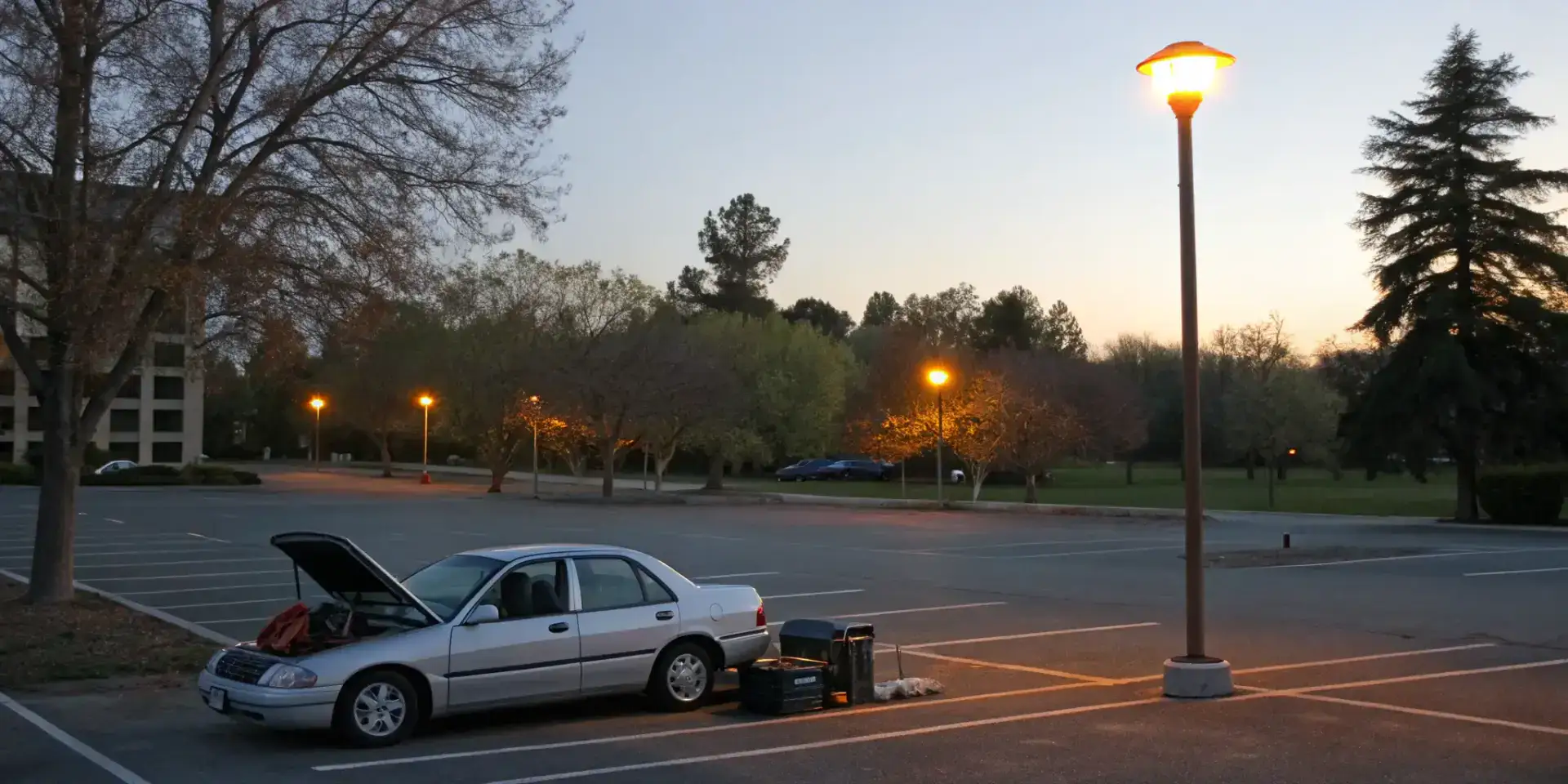
Being stranded on the side of the road is stressful, but it’s a lot more manageable when you’re prepared. Think of an emergency kit as your personal roadside assistant—it has everything you need to handle minor issues, stay safe, and keep comfortable while you wait for help. Packing one before you head off to school is one of the smartest things you can do. You can buy a pre-made kit or assemble your own with a few key items. Stash it in your trunk, and you’ll have peace of mind knowing you’re ready for whatever the road throws at you.
Essential Tools and Equipment
Your emergency kit should start with the basics for tackling common car troubles. First up: everything you need to change a flat tire, including a properly inflated spare tire, a jack that fits your car, and a lug wrench. Next, add a set of jumper cables. A dead battery can happen to anyone, and having cables on hand can get you back on the road in minutes instead of waiting for a tow. A reliable LED flashlight with extra batteries is also a must-have for any issue that happens after dark. Finally, toss in a simple tire pressure gauge to help you keep your tires properly inflated and prevent flats in the first place.
Safety Gear and First-Aid Supplies
When you’re pulled over on a busy road, your top priority is staying safe and visible. Pack a set of reflective triangles or road flares to alert other drivers to your presence. A pair of work gloves will protect your hands if you need to change a tire or handle anything under the hood. It’s also wise to include a well-stocked first-aid kit with essentials like bandages, antiseptic wipes, and pain relievers for any minor scrapes. If you’re attending college in a colder climate, add a snow brush, an ice scraper, and a warm blanket. Some kitty litter or sand can also provide much-needed traction if you get stuck in snow or ice.
Communication and Comfort Items
A dead phone can turn a minor inconvenience into a major problem. Always keep a portable power bank and a charging cable in your kit to ensure you can call for help. Waiting for a tow truck can take time, so pack some non-perishable snacks like granola bars and a few bottles of water to stay comfortable. Before you even leave for school, take a moment to save important contacts in your phone: your roadside assistance provider, your insurance company, and a trusted service like Mobile Car Care. Having a Quick Check Plan in place means you already have a reliable contact for on-site maintenance and support, giving you one less thing to worry about.
Get On-Site Support with Mobile Car Care
Juggling classes, studying, and a social life is hard enough without adding car maintenance to the mix. Finding a trustworthy mechanic in a new town can feel overwhelming, and let’s be honest, who has time to sit in a repair shop waiting room? This is where on-site car care changes the game. Instead of you going to the shop, the shop comes to you—right to your dorm, apartment, or campus parking lot.
Mobile Car Care was designed for this exact kind of busy lifestyle. We bring professional, reliable vehicle maintenance directly to you, taking the stress and guesswork out of keeping your car in great shape. Our technicians perform comprehensive wellness checks and minor repairs on-site, so you can get back to your day without interruption. It’s a simple, modern way to handle car care, giving you and your parents peace of mind knowing your vehicle is safe and reliable, no matter how far you are from home.
Convenient On-Site Maintenance Checks
Forget about rearranging your entire day just for an oil change. With on-site service, you can schedule a check-up between classes or while you’re studying in your room. A technician arrives, performs the service, and gives you a detailed, easy-to-understand report on your car’s health. There’s no need to find a ride, disrupt your schedule, or wonder if you’re getting a fair deal. It’s the most convenient way to stay on top of your car’s needs. If you just want a one-time inspection to make sure everything is running smoothly, a Quick Check is the perfect place to start.
Prevent Problems Before They Start
The best way to deal with car trouble is to prevent it from happening in the first place. Regular maintenance is key, but it’s also one of the easiest things to forget when you’re focused on midterms and final exams. Proactive care catches small issues, like low fluid levels or worn brake pads, before they turn into major, expensive repairs that leave you stranded. An ongoing service plan helps you stay ahead of your car’s maintenance schedule without even thinking about it. Our Essential Plan provides recurring wellness checks to ensure your car remains a reliable ride for trips home and weekend adventures.
Choose a Plan That Fits Your Schedule
Every student’s schedule and budget are different, so your car care plan should be just as flexible. Whether you need a single check-up after a long road trip or want consistent, year-round support, you can find a plan that works for you. Think of it like any other subscription that makes your life easier—but this one is for your car. By choosing a plan, you make car maintenance a predictable and manageable part of your routine. For complete coverage that includes runner services for more complex repairs, the Total Care Plan offers the highest level of support, so you’re always prepared for whatever comes your way.
Develop Responsible Car Ownership Habits
Taking your car to college offers incredible freedom, but it also comes with real responsibility. Developing smart car ownership habits now will keep you safe and save you stress and money down the line. It’s about being proactive, not reactive, with your vehicle. Here are a few key habits to build.
Understand Your Car Insurance
Before you leave for school, talk to your parents about car insurance. Students can often stay on a family policy, which is usually the most affordable way to get coverage and build a good driving record. Make sure you know what your policy covers—like collision or just liability—and what your deductible is. That’s the amount you pay before insurance helps out. Keep a digital and physical copy of your insurance card in your car or wallet. Knowing these details makes handling anything from a fender bender to a cracked windshield much less stressful.
Keep Important Contacts on Hand
When you’re dealing with car trouble, you don’t want to be scrambling for a phone number. Get ahead of it by creating a “Car Emergency” contact group in your phone. Add your roadside assistance provider, your insurance company’s claims hotline, and a trusted local mechanic. You can also add Mobile Car Care to your list for convenient on-site maintenance and support. Having these numbers saved and ready means you can get help quickly and calmly, turning a potential crisis into a manageable problem.
The Long-Term Benefits of Good Car Care
Think of regular maintenance as preventative care for your vehicle. Sticking to a schedule for oil changes, tire rotations, and general wellness checks is the best way to avoid major, expensive problems. Being proactive helps you catch small issues before they leave you stranded. This is where a subscription like our Essential Plan can be a lifesaver, bringing expert checks directly to you on campus. Building these habits in college doesn’t just protect your car; it establishes a foundation of responsible ownership that will benefit you for years to come.
Related Articles
- Vegas Heat: Student Car Battery & Fluid Checks – Mobile Car Care
- Best Auto Care Plans for Young Drivers (Save $$$) – Mobile Car Care
- 85-Point Vehicle Check: Your Complete Guide – Mobile Car Care
- Preventive Car Maintenance: Your Complete Guide – Mobile Car Care
- Essential At-Home Car Maintenance Checklist – Mobile Car Care
Frequently Asked Questions
I’m busy with classes. How can I realistically keep up with car maintenance at school? I completely get it—finding time for anything extra in college feels impossible. The key is to make maintenance as automatic as possible. Start by setting calendar reminders on your phone for essential tasks like checking your oil and tire pressure. For bigger services like oil changes, a service like Mobile Car Care is a game-changer. Since the technician comes to you, you can have your car serviced right in the campus parking lot while you’re in class, which means no time is wasted at a repair shop.
What’s the first thing I should do if my car breaks down on the highway? Your absolute first priority is safety. Before you even think about calling for help, focus on getting your vehicle to the shoulder, as far away from moving traffic as you can. Once you’re stopped, immediately turn on your hazard lights. In almost every situation, the safest place to be is inside your locked car with your seatbelt on until help arrives.
My check engine light is on, but the car seems to be driving fine. Can I ignore it? It’s tempting to ignore a warning light when nothing feels wrong, but please don’t. Think of the check engine light as an early warning system. It could be signaling a simple issue, like a loose gas cap, or it could be the first sign of a more serious problem that could become very expensive to fix down the road. The smart move is to have it checked out by a professional as soon as you can to find out what’s really going on.
Besides jumper cables, what are a few must-have items for my car’s emergency kit? Jumper cables are essential, but a few other items can make a huge difference. A portable power bank for your phone is non-negotiable so you can always call for help. I also recommend packing a set of reflective triangles to make your car more visible on the side of the road, especially at night. Finally, a simple first-aid kit and a few bottles of water are always wise to have on hand while you wait.
How do I know if I need a one-time check-up or a recurring maintenance plan? A one-time service like our Quick Check is perfect for specific situations, like before you drive home for a long holiday break or if you just want a professional opinion on a weird noise. A recurring plan, like our Essential or Total Care plans, is designed to make proactive maintenance effortless throughout the school year. It takes the guesswork out of car care and ensures small issues are caught before they become major problems, which is ideal when you’re far from home.