Being a seasonal resident in Las Vegas can make finding reliable services feel like a gamble. You need a mechanic you can trust, but you’re not here year-round to build that long-term relationship. How do you know who is fair, honest, and understands the specific needs of a car that sits for half the year? This guide is your local insider’s checklist. We’ve done the research to help you navigate your options with confidence. From essential checks before you leave town to finding a service you can count on, we’ll help you find the best car maintenance for snowbirds Vegas, so you can feel secure in your choice.
Key Takeaways
- Be Proactive Against the Desert Heat: Your car’s battery, tires, and cooling system are especially vulnerable in Las Vegas. Performing regular checks on these key components is the most effective way to prevent sudden failures and expensive roadside repairs.
- Protect Your Car While You’re Away: A vehicle that sits idle for months needs special attention. Using a sunshade, finding secure storage, and scheduling professional check-ins will ensure your car is healthy and ready to drive the moment you return.
- Find a Maintenance Plan That Fits Your Life: Save time and avoid stress by choosing a service that matches your needs, like a mobile mechanic who comes to you. A consistent plan keeps your car in top shape and helps you maintain organized service records.
Why Your Car Needs Special Care in Las Vegas
Living in or visiting Las Vegas means your car faces a unique set of challenges you won’t find in most other places. Between the scorching summer heat and the potential for your car to sit unused for months at a time, a standard maintenance approach just won’t cut it. Understanding these environmental pressures is the first step to keeping your vehicle safe and reliable, whether you’re here year-round or just for the season. A little proactive care goes a long way in preventing stressful breakdowns and expensive, last-minute repairs.
How the Desert Heat Takes a Toll
The desert heat is more than just uncomfortable—it’s tough on your vehicle. When Las Vegas temperatures climb over 100 degrees, the heat can seriously degrade your car’s most vital components. Your battery is particularly vulnerable, as the intense desert heat can be just as hard on it as extreme cold, leading to a shorter lifespan and unexpected failures. Your engine’s cooling system also works overtime. Coolant is essential for preventing your engine from overheating, and in this climate, it’s critical to ensure the fluid is full and clean. Ignoring these systems is a recipe for getting stranded on the side of the road when you least expect it.
What Happens When Your Car Sits for Months
For many snowbirds, a car might sit idle in a garage or driveway for the entire summer. While this protects it from the peak heat, cars are designed to be driven regularly. In fact, leaving a vehicle unused for extended periods can lead to its own set of problems, including flat spots on tires, a dead battery, and fluid degradation. When you return for the cooler months, you need your car to be ready and safe to drive. This includes having tires in good condition for changing weather, as even Las Vegas can see slick roads. Regular check-ins can catch these issues before they become major headaches when you get back behind the wheel.
Your Essential Snowbird Maintenance Checklist
Whether you’re driving daily under the desert sun or preparing to leave your car parked for the season, a thorough maintenance check is non-negotiable. The extreme Las Vegas heat puts a unique strain on every part of your vehicle, from the battery to the tires. Following a simple checklist helps you catch small issues before they turn into major, expensive problems, giving you peace of mind on the road or while you’re away. Think of it as a wellness check for your car. A little proactive care ensures your vehicle is safe, reliable, and ready for whatever your schedule holds.
Check Your Battery and Electrical System
The intense desert heat is just as hard on your car’s battery as extreme cold. High temperatures can cause battery fluid to evaporate, which can damage the internal structure and shorten its lifespan. Before you hit the road for a long trip or settle in for the summer, it’s a smart move to have your battery and charging system tested. Many services, including our Quick Check plan, include a battery inspection to ensure it holds a proper charge. This simple step can save you from being stranded with a dead battery at the worst possible moment.
Maintain Your Cooling System
Your car’s cooling system works overtime in Las Vegas. The coolant, or antifreeze, is essential for preventing your engine from overheating, which can lead to catastrophic failure. You’ll want to visually check that the coolant reservoir is full and that the fluid itself is clean—it should be brightly colored, not murky or brown. Over time, coolant loses its protective properties and can become contaminated. If it looks dirty, it’s time for a professional flush and refill. A healthy cooling system is your engine’s best defense against the desert heat, protecting it from serious damage and keeping you safely on the move.
Manage Tire Pressure
Properly inflated tires are a cornerstone of vehicle safety, especially on scorching hot asphalt. Heat causes the air inside your tires to expand, which can increase the pressure beyond safe limits and raise the risk of a blowout. It’s also important to have an expert check for even wear and sufficient tread depth. To help your tires last longer, consider getting them rotated with every oil change. This ensures they wear down evenly and maintain a solid grip on the road, giving you better handling and braking performance when you need it most.
Service Your Air Conditioning
A functioning air conditioner is more than a luxury in Las Vegas—it’s a necessity for a safe and comfortable drive. It’s a good idea to have your A/C system checked before the summer heat truly kicks in. If the air isn’t blowing as cold as it used to, the system might need a recharge. This service replenishes the refrigerant that cools the air. For most vehicles, a professional A/C service is recommended every couple of years to keep it running efficiently and to catch any potential leaks before they become bigger issues.
Top Off Critical Fluids
Beyond coolant, your car relies on several other fluids to run smoothly, including engine oil, brake fluid, power steering fluid, and windshield washer fluid. Regular maintenance is the best way to keep your car safe and prevent costly future repairs. Having a professional perform a comprehensive inspection, like the 85-point check included in our Essential Plan, ensures all your fluids are at the correct levels. This proactive approach keeps your vehicle in top condition and gives you confidence every time you get behind the wheel.
Inspect Your Brakes
Your brakes are your car’s most important safety feature, and they deserve regular attention. Don’t wait for a problem to arise. Be mindful of any warning signs, like squealing or grinding noises, a pulsating feeling in the brake pedal, or a dashboard warning light. These are clear signals that your car needs an immediate brake inspection. A trained technician can properly assess the condition of your brake pads, rotors, and fluid levels to ensure everything is working as it should. A routine brake check is a small investment that pays huge dividends in safety, giving you total confidence every time you stop.
How to Protect Your Car While You’re Away
Leaving your car behind for several months can feel a bit stressful. You want to return to a vehicle that starts right up and is ready to go, not one with a dead battery and cracked dashboard. The Las Vegas sun and dry air are tough on a car that just sits idle. Taking a few protective measures before you leave is the best way to ensure your car stays in great shape. It’s all about creating a secure environment for your vehicle and scheduling a little TLC while you’re gone. This simple preparation gives you peace of mind, so you can enjoy your time away without worrying about what you’ll come back to. Here’s how to make sure your car is safe and sound until you return.
Find Secure Storage
The best place for your car is out of the elements, so a garage is your top choice. This protects it from the intense sun, dust storms, and potential theft. If you don’t have a garage, look for a covered parking spot or a reputable long-term storage facility. For a complete checklist, see our guide to car storage tips for the Vegas climate. Leaving your car in an open, unsecured lot for months is a risky move. Ask friends or neighbors for recommendations if you’re new to the area. Finding a secure spot is the first and most important step in protecting your investment while you’re away. It’s the foundation for keeping your car safe from both environmental damage and security threats.
Schedule Monthly Check-Ins
A car isn’t designed to sit unused for long periods. The battery can lose its charge, tires can develop flat spots, and fluids need to circulate. Arranging for someone to check on your car is a smart move. A simple monthly check-in where the engine is started and run for a few minutes can prevent major headaches later. This is where a service like our Essential Plan comes in handy. We can perform regular wellness checks right where your car is parked, ensuring everything from the battery to the tire pressure is in good shape. It’s a simple way to maintain your vehicle’s health without you having to be there.
Protect the Interior and Exterior
The desert sun is relentless and can do serious damage to your car’s interior and exterior. To protect your dashboard from cracking and fading, always use a quality, reflective sunshade. For even better protection, consider a full, breathable car cover. This will shield the paint from sun damage and keep it clean from dust. Before you leave, give your car a good wash and wax. The wax adds an extra layer of defense against the harsh UV rays. These small steps go a long way in preserving your car’s appearance and resale value, preventing the sun from aging it prematurely.
Follow Vehicle Security Best Practices
Before you lock up your car for the season, do a final sweep to make sure it’s secure. Remove all valuables, including loose change, sunglasses, and any personal documents from the glovebox. A clean car is less tempting for thieves. Double-check that all windows are rolled up tightly and that the doors are locked. It’s also a great idea to have your battery checked before you go. A healthy battery is more likely to hold its charge while you’re away. This simple check can prevent the unwelcome surprise of a car that won’t start when you get back to town.
Trusted Auto Service Options in Las Vegas
Finding a mechanic you can trust is tough, especially when you’re only in town for the season. The last thing you want is to feel taken advantage of or spend your sunny days waiting in a stuffy auto shop lobby. You need someone reliable who understands your situation and can get the job done right without any hassle. The good news is that Las Vegas has plenty of reliable, highly-rated auto services ready to help. Whether you prefer the incredible convenience of a mobile mechanic who comes right to your driveway or a traditional, owner-operated garage with a stellar reputation, you have great options. We’ve gathered a list of trusted local services to help you keep your car in top shape, so you can spend less time worrying about maintenance and more time enjoying everything Vegas has to offer. From quick checks to more involved repairs, these businesses are known for their quality work and fair treatment of customers.
Mobile Car Care
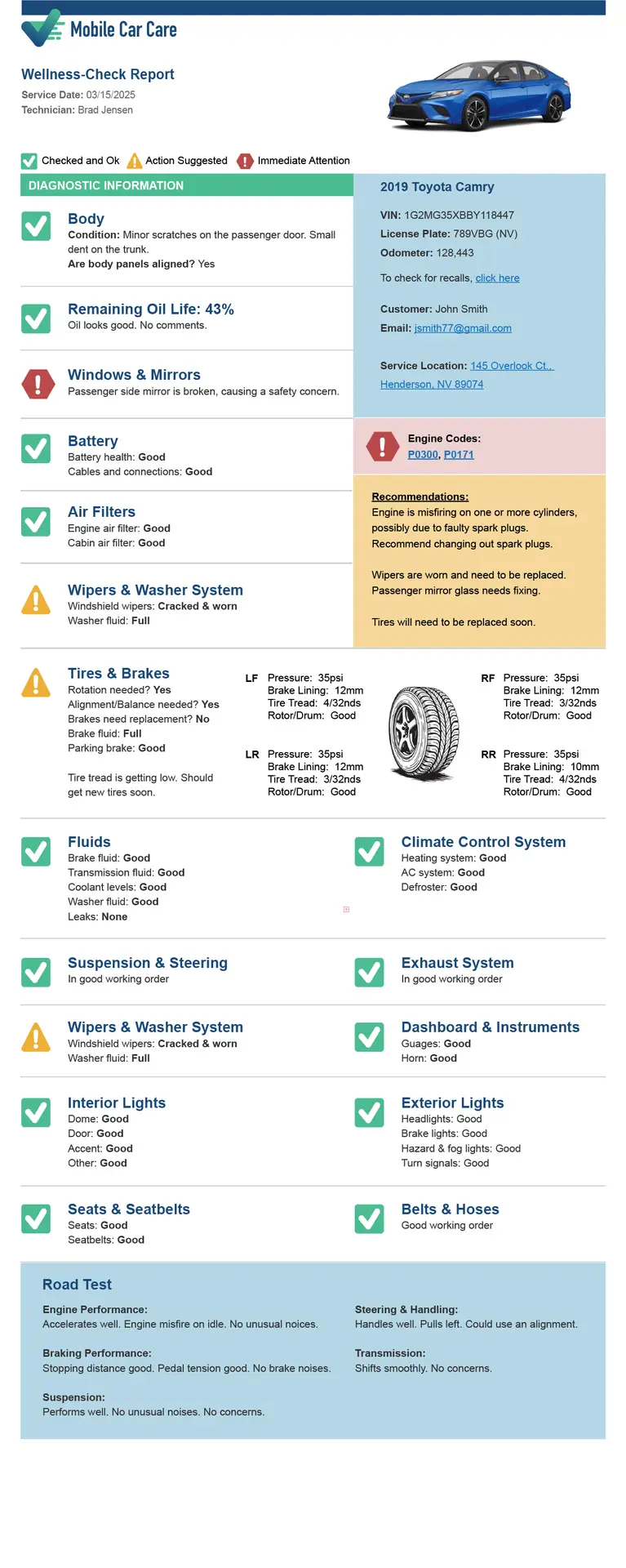
For the ultimate convenience, you can’t beat a service that comes to your doorstep. Mobile Car Care brings professional maintenance directly to your home, which is perfect if you’re unfamiliar with the area or simply want to avoid a trip to the shop. Their technicians handle everything from routine wellness checks to minor repairs on-site. This is an ideal solution for busy snowbirds who want proactive, stress-free car care. You can schedule a one-time check or a recurring plan to ensure your vehicle is looked after, even when you’re not driving it every day. It takes all the guesswork and travel time out of vehicle maintenance.
Charlie’s Car Repair
If you’re looking for a classic, trustworthy neighborhood mechanic, Charlie’s Car Repair is a fantastic choice. Located at 4012 W Charleston Blvd, this shop has earned a strong reputation among locals. Customers on a Vegas community forum describe the owner, Sammy, as an honest and fair mechanic. For snowbirds, having a reliable person to turn to for straightforward advice and quality work can provide incredible peace of mind. This is the kind of place you go when you want to build a relationship with the person working on your car and feel confident you’re getting an honest assessment.
Goodyear Superior Tire and Auto
Sometimes, there’s comfort in a familiar name. The Goodyear Superior Tire and Auto on Rainbow and Russell is praised for its excellent customer service and fair pricing. Customers appreciate that the staff doesn’t push unnecessary services, which is a common concern when visiting a new mechanic. If you need routine maintenance like tire checks, oil changes, or brake inspections, this is a solid and dependable option. It’s a great choice for those who value the reliability and standards of a well-established national brand while still getting friendly, local service.
Leavitt’s Auto Care
Located on S. Decatur, Leavitt’s Auto Care is another highly recommended, owner-operated shop. Small, local businesses like this often thrive on word-of-mouth and repeat customers, which speaks volumes about their quality and service. The personal touch of an owner-operated garage often translates to more dedicated care and a better overall experience. For snowbirds seeking a reliable and well-regarded expert to handle their vehicle’s needs, Leavitt’s is a name that frequently comes up among Las Vegas locals for its consistent and trustworthy service.
Nevada Tire City
Keeping your car maintained doesn’t have to break the bank. Nevada Tire City is known for offering a wide range of automotive services at competitive, local-friendly prices. This makes them an attractive option for snowbirds who need to manage their budget while ensuring their vehicle remains safe and reliable. From tire services to general repairs, they provide essential maintenance that helps you stay on top of your car’s health without overspending. It’s a practical choice for getting the job done right at a fair price.
Desert Oasis Auto Care
Desert Oasis Auto Care is another well-regarded name in the Las Vegas auto service scene, known for its comprehensive services and customer satisfaction. While they handle all types of vehicles, they have a strong reputation for their expertise with European models. If you drive a BMW, Mercedes, or Audi, finding a specialist can make all the difference in getting accurate diagnostics and proper repairs. As with any service, it’s always a good idea to check recent customer reviews online to ensure they’re the right fit for your specific vehicle and needs.
Maxx Auto Care
Praised for its reasonable pricing and helpful staff, Maxx Auto Care on Decatur and Reno is a local favorite. What really makes this shop stand out is the owner, Ali, who is known for going the extra mile for his customers—even offering them a ride if they need one. This level of personal service can be a lifesaver, especially for snowbirds who might be managing with just one vehicle or are new to the area. It’s a clear sign of a business that genuinely cares about its customers and is committed to making car repair as painless as possible.
Find a Maintenance Plan That Fits Your Needs
Choosing the right car maintenance plan is a lot like picking a cell phone plan—what works for your neighbor might not be the right fit for you. As a snowbird, your car has unique needs, whether it’s sitting idle for months or hitting the road for a long-distance trip. The key is to find a service level that matches your lifestyle and gives you confidence that your vehicle is safe and reliable. Instead of waiting for a warning light to appear, you can choose a plan that proactively keeps your car in top shape, saving you from stress and unexpected, costly repairs down the line.
One-Time Quick Checks
Sometimes you just need a professional set of eyes on your car for a specific reason. Maybe you’ve just arrived back in Vegas after a few months away, or you’re about to head out on a long road trip. A one-time check-up is perfect for these situations. Getting your battery tested, for example, is a simple step that can prevent you from getting stranded. For this kind of targeted service, a Quick Check Plan is an ideal solution. It’s a straightforward, on-demand inspection that covers the essentials to ensure your car is ready for the road without committing to a recurring service.
Essential Care Packages
If you’re looking for consistent, preventive care that keeps your car healthy while you’re away, an essential package is your best bet. Regular maintenance is the most effective way to keep your vehicle running safely and efficiently, helping you avoid major issues by catching small problems early. Think of it as a wellness plan for your car. A subscription like the Essential Plan provides scheduled 85-point wellness checks, ensuring that everything from your fluids to your tire pressure is managed proactively. This is a great option for snowbirds who want to return to a well-maintained car without having to manage every detail themselves.
Total Care Solutions
For those who want the ultimate peace of mind, a total care solution is the way to go. This is for the car owner who prefers to hand the keys to a trusted professional and know that everything will be taken care of. Finding a service you can rely on for honest advice and fair prices is crucial. The Total Care Plan is designed for this exact purpose, offering comprehensive checks, detailed reports, and even runner services for repairs. It’s like having a personal vehicle manager who ensures your car is always in peak condition, giving you one less thing to worry about.
Ask About Snowbird Discounts
Living in Vegas part-time often makes you eligible for deals that full-time residents might not get. Many local businesses, including auto shops, understand the snowbird lifestyle and offer seasonal discounts to earn your business. Don’t be shy about asking! When you call to schedule a service, simply mention that you’re a seasonal resident and inquire if they have any special offers. You might be surprised to find auto repair coupons or package deals that can save you a significant amount of money on everything from oil changes to major repairs.
Keep Track of Your Service History
Keeping a detailed record of all your car’s maintenance is one of the smartest things you can do as a vehicle owner. A complete service history helps you stay on top of what needs to be done and when, making it easier to budget for future needs. It also serves as proof of diligent care, which can increase your car’s resale value. Services that provide detailed digital reports after every check-up make this incredibly easy. You’ll have a running log of every inspection and repair, empowering you to make informed decisions and ensuring that small issues are addressed before they become expensive problems.
What to Do in a Car Emergency
Even with the most diligent maintenance schedule, unexpected issues can pop up. A flat tire, a dead battery, or a strange noise under the hood can happen to anyone. The key isn’t to prevent every single problem—it’s to be prepared so you can handle it calmly and efficiently when one does occur. Having a clear plan of action turns a potential crisis into a manageable inconvenience, which is especially important when you’re away from your primary home.
Instead of scrambling for information when you’re stressed and stranded on the side of the road, take a few minutes now to get organized. A little preparation gives you incredible peace of mind, knowing you have the resources you need right at your fingertips. This checklist will help you put together a simple but effective emergency plan for your vehicle in Las Vegas.
Know Local Emergency Numbers
While 911 is the universal number for any life-threatening emergency, most car troubles aren’t quite that dire. For issues like a breakdown or a flat tire, you’ll need a different set of numbers. Start by saving the contact information for a few local Las Vegas towing companies in your phone. It’s also wise to identify a trusted local mechanic you can call for advice. Having a service like Mobile Car Care on your contact list means you have an expert who can come to you, which can be a lifesaver in a non-towing situation.
Choose a Roadside Assistance Plan
A good roadside assistance plan is one of the best investments you can make for your peace of mind on the road. These services are designed to help with common problems like running out of gas, needing a jump-start, getting locked out, or requiring a tow. Major providers offer various levels of coverage, so you can compare plans to find one that fits your budget and driving habits. Before you choose, check the coverage area to ensure it includes Las Vegas and any other areas you plan to travel through.
Look for Seasonal Service Deals
Keeping your car in top shape is the best way to prevent emergencies, and you can often save money by looking for seasonal promotions. Many auto shops offer discounts on services like oil changes, brake inspections, and tire rotations during certain times of the year. For example, you can often find auto repair service deals that make routine maintenance more affordable. Getting into the habit of checking for these offers before scheduling service is a smart way to manage your car care budget without cutting corners on quality.
Keep Important Contacts in Your Glovebox
Your phone is great, but what happens if its battery dies? That’s why a physical list of important contacts stored in your glovebox is a non-negotiable backup. On a simple index card, write down the number for your roadside assistance provider, your preferred towing service, and your insurance company’s claim hotline. Also, include the contact information for a trusted friend or family member. This simple step ensures you have all the essential information in one place, ready for any situation, so you can get the help you need quickly.
Smart Ways to Save on Car Maintenance
Keeping your car in great shape doesn’t have to drain your wallet. The real secret to saving money on vehicle maintenance is being proactive, not reactive. A little planning and strategic thinking can prevent small issues from turning into major, expensive headaches down the road. By adopting a few smart habits, you can keep your car running smoothly and your budget intact, giving you one less thing to worry about while you enjoy the Las Vegas sunshine.
Prioritize Preventive Care
The most effective way to save money on your car is to invest in regular, preventive maintenance. Think of it like a wellness check-up; catching a potential problem early is always cheaper and less stressful than dealing with a full-blown emergency. Following your vehicle’s recommended service schedule for things like oil changes, tire rotations, and fluid checks keeps it running efficiently and safely. A well-maintained car is less likely to break down, which means you avoid surprise repair bills and the hassle of being stranded. Services that offer routine wellness checks are perfect for this, as they build a history with your vehicle and spot trouble before it starts.
Use Package Deals to Save Money
Instead of paying for individual services à la carte, look for package deals or subscription plans that bundle common maintenance tasks. Many auto care providers offer these bundles at a discounted rate, saving you money over the long term. This approach is not only cost-effective but also makes budgeting for car care much simpler. For snowbirds, a recurring plan ensures your car gets the attention it needs on a consistent schedule, even if you’re not thinking about it. A comprehensive Total Care Plan, for example, can cover all your bases for one predictable price, giving you total peace of mind.
Schedule Services Strategically
Finding a trustworthy and convenient auto service is key to staying on top of maintenance without the stress. Instead of waiting for a dashboard light to come on, schedule your appointments in advance. Building a relationship with a reliable provider means you can trust their recommendations and avoid unnecessary up-sells. For ultimate convenience, a mobile service that comes to your home or office saves you the time and hassle of driving to a shop and waiting around. This strategic approach streamlines the entire process, making it easier to fit essential car care into your busy life.
Keep Detailed Maintenance Records
A well-organized log of your car’s service history is an incredibly valuable tool. It helps you track every oil change, tire rotation, and repair, ensuring you follow the manufacturer’s recommendations and don’t pay for redundant work. When it’s time to sell your car, a complete service record can significantly increase its resale value by showing potential buyers that it was well-cared-for. Many modern services make this easy by providing detailed digital reports after each visit. Even a one-time Quick Check can provide a valuable snapshot of your vehicle’s health to add to your records.
Related Articles
- Book a Student Car Checkup in Las Vegas: Costs & Options – Mobile Car Care
- Your Guide to Mobile Auto Repair in Las Vegas – Mobile Car Care
- Car Care & Inspections | Mobile Car Care LLC
- Essential At-Home Car Maintenance Checklist – Mobile Car Care
Frequently Asked Questions
What are the top two things I absolutely must check on my car because of the Las Vegas heat? The intense heat puts the most strain on your battery and your cooling system. High temperatures can shorten your battery’s life unexpectedly, while your cooling system has to work constantly to prevent your engine from overheating. Keeping a close eye on these two areas is the most important thing you can do to avoid getting stranded. A quick, professional inspection can tell you if your battery is still holding a good charge and if your coolant is clean and full.
My car will be parked for the whole summer. Is it okay to just leave it until I get back? While it might seem fine, leaving a car to sit for months can cause its own set of problems. The battery will slowly lose its charge, the tires can develop flat spots from sitting in one position, and fluids can degrade. Cars are designed to be driven. The best approach is to have someone start it and let it run for a few minutes at least once a month. This simple step helps keep the battery healthy and circulates essential fluids.
I’m overwhelmed by all the maintenance options. Where should I start? A great starting point is a simple, one-time wellness check. This gives you a clear snapshot of your car’s current health without committing to a long-term plan. If you’ve just arrived for the season or are about to leave, a basic inspection of the battery, tires, and fluids provides immediate peace of mind. From there, you can decide if a recurring plan for more consistent care makes sense for your lifestyle.
How can I be sure I’m not getting overcharged for repairs in a city I’m not familiar with? Finding a trustworthy mechanic is all about doing a little research and asking the right questions. Look for shops with a strong local reputation and recent positive reviews. Don’t be afraid to ask for a clear explanation of any recommended services and why they’re needed. A good mechanic will be transparent. Services that provide detailed digital reports after an inspection also help build trust by showing you exactly what they see.
Besides a dead battery, what are some other common car problems caused by just letting a vehicle sit? When a car sits idle for a long time, the tires can lose air and develop flat spots, which can create a bumpy and unsafe ride when you start driving again. Brake rotors can also develop rust, and in some cases, pests might decide to make a home in your engine bay, where they can chew through wiring. Regular check-ins help catch these kinds of issues before they become serious headaches.