Few things ruin a schedule faster than a car that refuses to start. In that moment, you have a choice: make a reactive call for help or wish you had been more proactive. An emergency call will get you going, but it often comes at a premium. The average jump start cost for a last-minute service can be surprisingly high, especially if you need help after hours or in a remote location. Instead of getting caught off guard, it pays to be informed. We’ll explore what you can expect to pay and how regular maintenance can help you avoid needing that emergency call in the first place.
Key Takeaways
- Understand the real cost of a service call: A jump start can cost anywhere from $50 to $150, with factors like your location and the time of day affecting the final price. Knowing the potential cost helps you decide if a one-time fee is better than a long-term solution.
- Invest in your own portable jump starter: For less than the price of a single emergency call, you can buy a portable jump starter. This puts you in control, turning a major disruption into a minor inconvenience you can handle yourself in minutes.
- Prioritize proactive care to prevent getting stranded: A dead battery rarely happens without warning. Pay attention to signs like a slow engine start or dimming headlights, and schedule regular battery checks to address the issue on your terms.
How Much Does a Jump Start Cost?
A dead car battery is one of life’s most inconvenient surprises. One minute you’re ready to go, and the next, you’re stuck. When you’re weighing your options, one of the first questions you’ll have is, “How much is this going to set me back?” The cost of a jump start can vary quite a bit, but knowing the typical price range and the factors that influence it can help you make a smart decision without adding financial stress to an already frustrating situation.
Let’s break down what you can expect to pay for a jump start service and why the price isn’t always the same. Understanding these details will help you find the right help without overpaying.
Typical Service Costs
When you call for help, you can generally expect to pay between $50 and $150 for a professional jump start service. Most standard calls fall within the $50 to $75 range, but this is just a baseline. This fee covers a technician coming to your location with the right equipment to get your car started safely.
While some services might advertise a lower price, it’s always a good idea to confirm what’s included. Does that price cover the service call fee, labor, and any potential after-hours charges? Getting a clear quote upfront is the best way to avoid any surprises when it’s time to pay.
How Location Affects the Price
Where your car is located plays a big role in the final cost. If you’re in a hard-to-reach spot—like the bottom level of a tight parking garage or a remote rural area—the price will likely be higher. Technicians factor in the time and difficulty of getting to you and your vehicle. A simple jump in your driveway during off-peak hours will almost always be cheaper than one on the side of a busy highway.
The cost of roadside assistance is often calculated based on distance and accessibility, so a service provider farther away will naturally charge more to cover their travel time and fuel.
Emergency vs. Scheduled Service Rates
The time of day you call for a jump start also impacts the price. Needing help in the middle of the night, on a weekend, or during a holiday will typically cost more than a call during regular business hours. Many companies add a surcharge for emergency or after-hours service because it requires them to have technicians on standby.
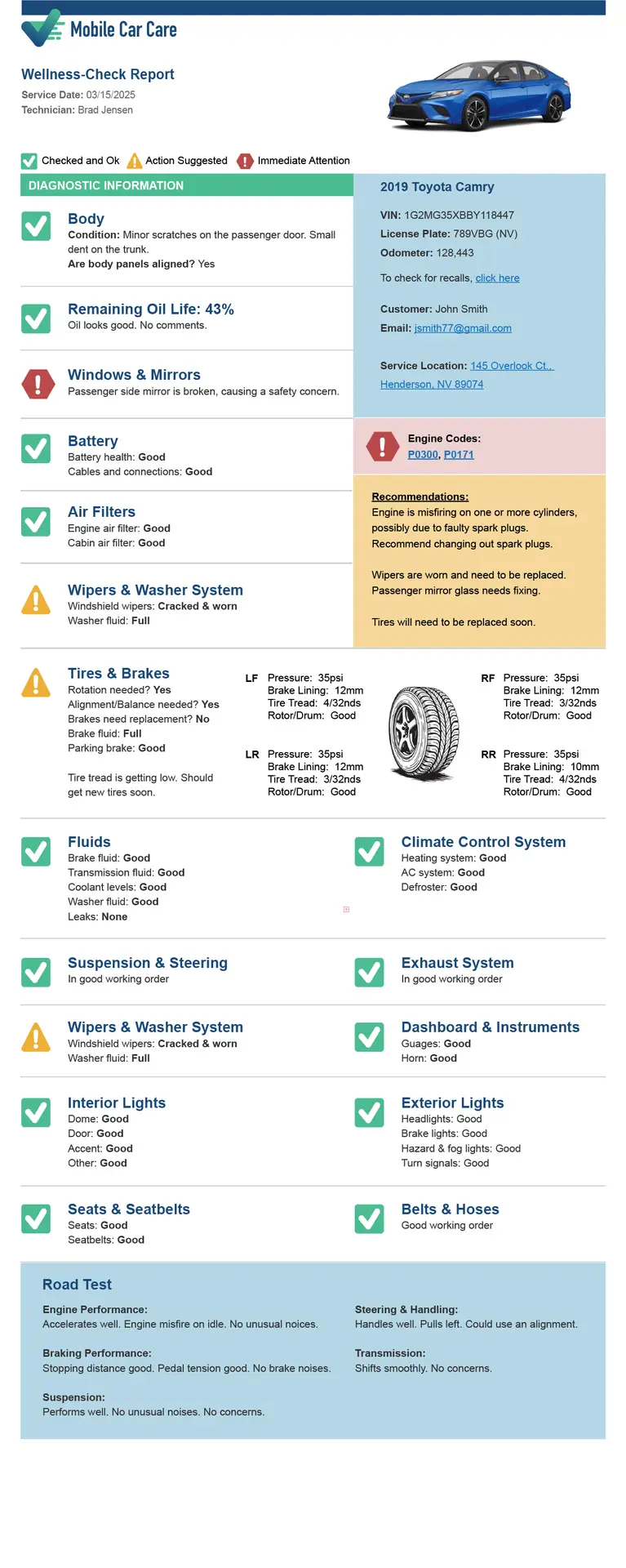
This is where proactive maintenance can save you money and stress. By having your battery checked regularly through a plan like Mobile Car Care’s Essential maintenance plan, you can catch issues before they leave you stranded and forced to pay premium rates for an emergency call. A scheduled check-up is always more affordable than a last-minute rescue.
What Factors Change the Price of a Jump Start?
When your car battery dies, the first question that usually pops into your head is, “How much is this going to cost me?” The answer isn’t always straightforward. The price for a jump start can swing quite a bit depending on a few key variables. It’s not just about getting a simple boost; factors like where you are, what time it is, and even the car you drive play a role in the final bill. Understanding these elements can help you know what to expect and avoid any surprises when it’s time to pay.
Your Location
Where you are when your battery gives out is one of the biggest factors in determining the cost. A jump start in a dense urban area might have a different price tag than one in a rural setting, simply due to travel time and local market rates. On average, the cost of a professional jump start can range from $50 to $150. If you’re in a hard-to-reach place, like a remote parking garage or off a main road, the provider might charge more for the extra effort required to get to you. It’s always a good idea to give the dispatcher a clear and accurate location to get the most precise quote possible.
The Time of Day
Just like surge pricing for a rideshare, the time you call for help matters. Needing a jump start in the middle of a weekday will likely cost less than a call late on a Saturday night or during a holiday. Many service providers have standard business hours, and any request outside of that window is considered an after-hours call. You can expect to see additional charges for these late-night or weekend services, which can increase the total cost. Planning ahead is always best, but if you’re stranded at an odd hour, be prepared for a slightly higher fee for the convenience.
Your Car’s Make and Model
You might not think your car type would affect the price of a jump start, but it can. Some vehicles, especially luxury brands or larger trucks, have batteries in tricky spots like under a seat or in the trunk, making them harder to access. The price for a battery jump can depend on your vehicle because some models require more specialized equipment or expertise to jump-start safely without damaging the car’s sensitive electronics. If your car has a complex electrical system, the technician needs to be more careful, and that extra care can be reflected in the price.
Who You Call for Help
The company you choose to call will have a major impact on your bill. A local towing company, a dedicated roadside assistance service, or a mobile mechanic will all have different pricing structures. For a standard jump, you can expect to pay between $50 and $75, but this varies based on the service provider you choose. National roadside assistance clubs might have a flat rate or include it in your membership, while an independent tow truck driver might charge based on mileage. It pays to have a trusted provider in mind before you actually need one.
Comparing Your Jump Start Options
When your car battery dies, your first instinct might be to call the first number you find online. But taking a moment to consider your options can save you time, money, and future headaches. The right choice depends on your situation: Do you just need a quick fix to get to your next appointment, or do you want to understand why the battery died in the first place? From a simple jump to a full diagnostic, different services offer different levels of support. Let’s break down who you can call and what you can expect from each so you can make the best decision when you’re in a pinch.
Towing Companies and Taxis
Towing companies are often the go-to for roadside trouble, and they can certainly give you a jump start. You can expect to pay between $40 and $60 for the service. However, here’s a tip many people don’t know: taxi companies often offer jump starts at a much lower rate, sometimes for as little as $10 to $20. If you’re confident that a dead battery is your only problem and you just need a quick fix to get on your way, calling a local cab company can be a very economical choice.
Roadside Assistance Memberships
If you have a roadside assistance membership like AAA, a dead battery is exactly the kind of situation it’s made for. While you pay an annual fee, these plans can be cost-effective if you want a safety net for various issues. A single service call for a jump start is typically included in your membership, along with other perks like towing, gas delivery, and lockout services. This is a great option for anyone who values the peace of mind that comes with knowing help is just one call away, no matter the issue.
Mobile Mechanics
Calling a mobile mechanic is another excellent option, especially if you suspect there might be a bigger problem than just a dead battery. While the cost can range from $50 to $150, the value comes from the expertise. Unlike a tow truck or taxi driver, a mechanic can diagnose why your battery died. They can check your alternator and look for other electrical issues right on the spot. This proactive approach is central to our Total Care Plan, which focuses on catching small problems before they leave you stranded.
Watch Out for Hidden Fees
No matter who you call, it’s important to be aware of potential hidden fees. The price you’re quoted over the phone might not be the final bill. Many companies add extra charges for after-hours service or for reaching you in a difficult location, like a multi-level parking garage. The best way to avoid a surprise is to be direct. Before you agree to any service, simply ask, “Are there any other fees I should be aware of?” This simple question ensures you know the full cost upfront.
Should You Just Buy a Portable Jump Starter?
Dealing with a dead battery is a huge hassle, and it always seems to happen at the worst possible moment. While calling for help is a reliable option, you might be wondering if it’s smarter to just buy your own portable jump starter. It’s a great question, and the answer really comes down to weighing the one-time cost against the price of a service call, plus considering your own comfort level with handling a little DIY car care.
Having a jump starter in your trunk can offer incredible peace of mind, turning a day-ruining event into a minor, five-minute inconvenience. But not all jump starters are created equal, and it’s important to know what you’re buying and how to use it safely before you invest. Let’s break down what you need to know to decide if this is the right move for you.
Service Call vs. Buying Your Own
When your battery dies, your first instinct might be to call a towing company, which can run you anywhere from $40 to $60 for a jump. It’s a straightforward solution, but that fee can sting. As a more budget-friendly alternative, some people have found that calling a taxi company can be much cheaper, sometimes only costing $10 to $20.
When you compare those service fees to the cost of a portable jump starter, the math starts to look interesting. You can find basic models for less than the price of a single tow. Investing in your own device means you’re covered for the next time it happens, and the time after that, without paying another service fee. It’s a classic case of paying for either on-demand service or long-term preparedness.
Features That Drive Up the Cost
The price for portable jump starters can be all over the map, from under $50 to several hundred dollars. So what’s the difference? It usually comes down to power and perks. A more expensive unit will typically have a stronger battery, capable of jumping larger engines or holding a charge for much longer.
Beyond the core function, many jump starters come loaded with extra features that add to their cost. You’ll find models with built-in air compressors for your tires, powerful LED flashlights for nighttime emergencies, and USB ports to charge your phone and other devices. While these extras are definitely convenient, they aren’t essential for getting your car started. Think about which features you’ll actually use to decide how much you really need to spend.
Essential Safety Features
If you decide to buy a portable jump starter, using it safely is the top priority. It’s not complicated, but following the correct steps is crucial to avoid damaging your car’s electronics or, more importantly, hurting yourself. Always read the manufacturer’s instructions, but the general rule is to connect the positive (red) clamp to the positive battery terminal first.
Next, connect the negative (black) clamp to an unpainted metal surface on the car’s frame or engine block—not directly to the negative battery terminal. This grounds the connection and prevents sparking. It’s also a good idea to periodically check your jump starter’s charge level. A dead jump starter is just as useless as a dead car battery, so make sure it’s fully charged and ready to go when you need it most.
The Best Portable Jump Starters for Your Budget
Investing in a portable jump starter is one of the smartest moves you can make for your peace of mind on the road. Instead of waiting for a service call, you can handle a dead battery yourself in minutes. The good news is you don’t have to spend a fortune to get a reliable device, as the market is full of great options that fit any budget.
Choosing the right one comes down to your vehicle, your budget, and what features matter most. A small car won’t need the same power as a large truck, and some models even come with bonus features like air compressors or phone chargers. We’ve sorted through the options to find some of the best picks at every price point, so you can find the perfect match for your needs.
Best Budget-Friendly Options
You don’t need to break the bank to get a jump starter you can count on. For an affordable and reliable option, the AstroAI S8 is a fantastic choice. It’s lightweight, compact, and has received plenty of positive reviews for its efficiency in getting vehicles back up and running. This model proves that a smaller price tag doesn’t mean you have to compromise on performance. It’s the perfect entry-level device for drivers who want a straightforward, effective tool for emergencies without paying for features they’ll never use.
Best Mid-Range Jump Starters
If you’re willing to spend a bit more for added power and durability, the mid-range category offers a great balance of price and performance. The Hulkman Alpha 85 is a popular favorite in this space, praised by users for its solid, dependable performance. Many drivers report that it has successfully started their cars multiple times on a single charge without any trouble. This type of jump starter is a solid investment for anyone who wants a workhorse device that will be ready to go when they need it most.
Best Premium and Heavy-Duty Models
For those with larger vehicles like trucks and SUVs, or for anyone who wants a multi-functional powerhouse, a premium model is the way to go. The WOLFBOX 4000A is an excellent example, offering enough power to start massive 10L gas and diesel engines. What really sets it apart is the built-in air compressor, which can inflate a flat tire on the spot. With features like fast charging and a clear LED display, it’s a comprehensive roadside safety tool that handles much more than just a dead battery.
Is a Roadside Assistance Plan Worth It?
Deciding whether to sign up for a roadside assistance plan feels a lot like deciding whether to pack an umbrella on a cloudy day. You might not need it, but if it starts to pour, you’ll be incredibly glad you have it. The core question is whether you prefer paying a predictable annual fee for peace of mind or taking your chances with potentially higher pay-per-service costs when trouble strikes.
Your answer will likely depend on a few things: the age and reliability of your car, how much you drive, and your personal comfort level with handling unexpected car issues and expenses. If you have an older vehicle or a long daily commute, a plan can feel like a non-negotiable safety net. For others with a brand-new car that’s still under warranty, it might seem less critical. Ultimately, it’s about weighing the cost of the membership against the potential cost—and stress—of being stranded on the side of the road.
Paying for a Membership vs. Per Service
Let’s break down the numbers. If your car won’t start and you need to call for help, a one-time jump start can cost anywhere from $50 to $150. If the problem is more serious and you need a tow, you’re looking at a starting price of $75 to $125, plus an additional $2 to $7 for every mile you’re towed. These costs can add up fast, and a single incident could easily surpass the annual fee of a basic roadside assistance plan. Think of a membership as a form of car-mishap insurance. You pay a set amount each year, and in return, you’re covered for common roadside emergencies. If you end up needing help even once, the plan has likely paid for itself.
What Else Does a Membership Cover?
The real value of a roadside assistance plan often lies in the breadth of services it includes. It’s not just about dead batteries or towing. Most plans also cover things like delivering fuel if you run out of gas, helping you get back in if you’ve locked your keys in the car, or changing a flat tire. A huge, often overlooked benefit is that many memberships cover you, not just a specific vehicle. This means you’re protected whether you’re driving your own car, a friend’s, or a rental. As many drivers suggest, having a plan can be far cheaper than paying for a single service call and gives you comprehensive coverage for a variety of frustrating situations.
How Fast Will They Arrive?
When you’re stuck on the side of the road, every minute feels like an hour. One of the biggest advantages of having a roadside assistance plan is the streamlined response. Instead of frantically searching for a local tow company and vetting prices, you make one call to a dedicated number. Typically, you can expect a service provider to arrive within 30 to 45 minutes. Once they’re there, a simple fix like a jump start usually takes another 15 to 30 minutes to complete. This reliable and relatively quick response can be a massive relief, especially if you’re in an unfamiliar area, in bad weather, or have your family with you. It’s one less thing to worry about when you’re already stressed.
How to Find the Best Deal on a Jump Start
When your car won’t start, your first instinct might be to call the first service you find online. But taking a moment to weigh your options can save you a surprising amount of money and stress. The best deal isn’t always about finding the cheapest emergency call-out; sometimes, it’s about having a plan in place so you don’t need one. A little preparation goes a long way in turning a potential crisis into a minor inconvenience. By knowing who to call or what to have on hand, you can handle a dead battery without draining your wallet.
Check Online Retailers
One of the most effective ways to get a good deal on a jump start is to buy your own equipment ahead of time. Having a portable jump starter in your trunk means you’re always prepared and won’t have to pay for an emergency service call. Retailers like AutoZone sell a wide variety of portable jump starters you can order online for delivery or pick up the same day. Investing in one of these devices gives you independence and peace of mind, knowing you have a reliable solution ready whenever you need it. It’s a one-time purchase that can save you from multiple service fees down the road.
Ask About Local Deals
If you find yourself stranded without your own jump starter, think beyond traditional towing companies. A local taxi company might be a much cheaper option. While a tow truck could charge anywhere from $40 to $60 for a simple jump, many taxi services offer the same service for as little as $10 to $20. It’s worth making a quick call to a few local cab companies to ask if they provide jump starts and what their rate is. This simple step can cut your cost by more than half and often gets you back on the road just as quickly.
See What Your Insurance Covers
The best price for a jump start is free, and you might already have access to it without knowing. Before you pay out of pocket, take a look at your existing plans and memberships. Many car insurance policies include basic roadside assistance that covers jump starts. Some premium credit cards also offer this perk as part of their cardholder benefits. Check your policy documents or call your insurance provider to see what’s included. Knowing your coverage ahead of time ensures you’re not paying for a service you’ve already got.
What to Expect When You Call for a Jump Start
Okay, so your car won’t start and you’ve decided to call for help. It can feel a little stressful waiting for a stranger to show up, especially if you’re in a hurry. Knowing what the process looks like can make it a lot less intimidating. Here’s a quick rundown of what happens next, from the phone call to getting your car running again.
The Step-by-Step Process
Once you’ve made the call, you can generally expect to wait about 30 to 45 minutes for help to arrive. When the technician gets there, the actual jump start process is usually quick, taking only about 15 to 30 minutes. They’ll start by making sure both cars are turned off and parked safely. Then, they’ll locate the batteries and connect the jumper cables in the correct order—positive to positive, and negative to a metal ground on the dead car. After letting the healthy battery charge yours for a few minutes, they’ll have you start your engine. Once you’re running, they’ll safely disconnect the cables. It’s a straightforward procedure designed to get you back on your schedule with minimal fuss.
Will They Test Your Battery?
If this is your first time dealing with a dead battery, a simple jump might be all you need. But if you’re starting to need jump starts more often, it’s a clear sign your battery is on its way out. A good technician won’t just jump your car and leave. Many will perform a quick assessment of your battery’s health to see if it’s holding a charge properly. This is a huge help because it gives you an on-the-spot diagnosis. It lets you know whether you need to start shopping for a replacement right away or if there might be another electrical issue at play, saving you from getting stranded again next week.
How to Pay and What to Expect
Let’s talk money. No one likes surprise fees, so it helps to know the general cost upfront. On average, a professional jump start service will run you between $50 and $150. If you don’t have a roadside assistance membership, the national average is a bit wider, usually falling somewhere between $30 and $120. The final price can depend on your location, the time of day, and the type of vehicle you have. To avoid any confusion, it’s always a smart idea to ask for a price estimate over the phone when you first call for service. This way, you know exactly what to expect when it’s time to pay.
How to Avoid Needing a Jump Start Again
Getting stranded with a dead battery is one of life’s little frustrations we could all do without. While it happens to the best of us, a dead battery often doesn’t come out of nowhere. With a bit of proactive care and by paying attention to your car, you can significantly reduce your chances of ever needing a jump start again. Here’s how you can stay ahead of the game.
Maintain Your Battery
Think of your car battery like any other part of your vehicle—it needs regular attention to perform its best. If you find yourself needing jump-starts more than once in a short period, it’s a strong signal that your battery is on its last legs and likely needs to be replaced. The best way to avoid this surprise is through routine checks. Our technicians can test your battery’s health during our Essential Plan wellness checks, giving you a clear picture of its condition. This simple step takes the guesswork out of battery maintenance and helps you replace it on your schedule, not on the side of the road.
Know the Warning Signs of a Dying Battery
Your car often gives you hints that the battery is starting to fail. Learning to recognize these signs can save you from getting stranded. The most common red flag is a slow engine crank—when you turn the key, the engine sounds sluggish and takes longer than usual to start. You might also notice your headlights dimming when you start the car or hear a clicking sound when you turn the key. These are all signs that the battery is struggling to provide enough power. Paying attention to these small changes can give you the heads-up you need to get your battery checked before it fails completely.
Simple Tips for Prevention
Beyond professional maintenance, a few simple habits can extend your battery’s life. First, always double-check that you’ve turned off your headlights and interior lights before leaving your car. It’s an easy mistake to make but a common cause of a drained battery. If you don’t drive your car daily, try to take it for a 30-minute drive at least once a week to allow the alternator to fully recharge the battery. For extra peace of mind, consider keeping a portable jump-starter in your trunk. It’s a small investment that can be a huge help in an emergency.
Related Articles
- Las Vegas Mobile Car Care: Your Complete Guide
- Emergency Fuel Delivery in Las Vegas
- At-Home Car Battery Check in Las Vegas
- 4 Car Battery Test Methods You Should Know
Frequently Asked Questions
What’s a reasonable price to pay for a jump start? You can generally expect to pay between $50 and $75 for a standard service call. However, this price can climb toward $150 depending on a few factors. If you need help late at night, on a holiday, or in a hard-to-reach location like a remote road or a tight parking garage, the cost will likely be higher to account for the technician’s extra time and effort.
Is it better to buy a roadside assistance plan or just pay for a jump start when I need one? This really comes down to your preference for peace of mind versus paying as you go. A single service call for a jump start or a tow can sometimes cost more than an entire year’s membership fee. If you have an older car or simply want a safety net for various issues like lockouts or flat tires, a plan is a great value. If you have a newer car and feel comfortable with the potential one-time cost, paying per service might work for you.
Are portable jump starters actually worth the money? For many people, absolutely. A reliable portable jump starter can cost less than a single emergency service call. Owning one means you can handle a dead battery yourself in minutes instead of waiting for help to arrive. It’s a one-time purchase that offers independence and can save you from paying for service calls in the future, making it a very practical tool to keep in your trunk.
My car needed a jump start last week and now it’s dead again. What’s going on? Needing repeated jump starts is a classic sign that your battery is failing and can no longer hold a charge. While a jump gets your car running, it doesn’t fix the underlying problem. It could also point to an issue with your alternator, which is responsible for charging the battery while you drive. Your best next step is to have a professional test your battery and charging system to find the root cause.
Besides the price, what should I ask when I call for help? When you call for service, it’s smart to ask for an estimated time of arrival so you know how long you’ll be waiting. It’s also a good idea to confirm the total cost by asking, “Are there any other fees I should be aware of?” This helps you avoid surprises like extra charges for after-hours service or mileage. Knowing these details upfront ensures a much smoother process.