There are two ways to approach car care: you can wait for a warning light to flash and disrupt your day, or you can stay one step ahead of potential problems. A sudden brake issue is the definition of a stressful, reactive situation. But you can choose a more proactive path. Learning how to do a routine brake leak check is a simple yet powerful habit that puts you in control of your vehicle’s safety. This article will show you how to spot the earliest signs of trouble, understand the common causes, and prevent small issues from turning into dangerous and expensive emergencies on the road.
Key Takeaways
- Look for the three key signs: You can often spot a brake fluid leak by paying attention to your car. Look for oily, yellowish puddles on the ground, notice if your brake pedal feels soft or spongy, and never ignore a brake warning light on your dashboard.
- Never drive with a suspected leak: If you think your car is leaking brake fluid, your ability to stop safely is compromised. The only safe course of action is to stop driving immediately and have the vehicle inspected where it is parked.
- Stay ahead of problems with routine checks: The best way to handle a brake fluid leak is to prevent one from happening. Regular professional inspections and keeping an eye on your fluid levels help you catch small issues like worn hoses or corrosion before they become dangerous and expensive.
How to Spot a Brake Fluid Leak
Your car’s brake system is its most important safety feature, and keeping it in top shape is non-negotiable. A brake fluid leak can compromise your ability to stop safely, but the good news is that your car often gives you warning signs before things get serious. You don’t need to be a mechanic to spot the early signs of trouble. By paying attention to a few key indicators, you can catch a leak early and get it fixed before it becomes a major problem. Here are four simple ways to check for a brake fluid leak right in your own driveway.
Look for Puddles Under Your Car
One of the most straightforward signs of a leak is a puddle on your garage floor or driveway. If you spot a patch of liquid, take a closer look. Brake fluid is typically light yellow to brown and has an oily texture, distinct from the dark brown of motor oil or the bright colors of coolant. The puddle is often found near one of the wheels or directly under the engine bay where the master cylinder is located. If you’re unsure, slide a clean piece of cardboard under the car overnight. This makes it easier to identify the fluid leak by its color and consistency in the morning. Finding a puddle is a clear signal to get your brake system inspected right away.
Notice How Your Brake Pedal Feels
You know how your car feels better than anyone. If your brake pedal suddenly feels different, pay attention. A classic symptom of a brake fluid leak is a soft or spongy brake pedal. You might press down and feel like it sinks toward the floor with very little resistance. This happens because a leak allows air to enter the brake lines, reducing the hydraulic pressure needed to stop your car effectively. Your brake pedal should feel firm and responsive. If you experience a spongy brake pedal, it’s a serious safety concern that means your brakes aren’t performing at full strength. Don’t wait to have it checked out.
Check Your Dashboard Warning Lights
Your car’s dashboard is your first line of defense for diagnostics. It’s designed to alert you to potential issues before they escalate. If you see the brake warning light illuminate, it’s time to investigate. This light often looks like an exclamation point inside a circle or simply the word “BRAKE.” It can indicate several issues, but one of the most common is low brake fluid, which is frequently caused by a leak. Ignoring this warning is a major risk. Think of it as your car telling you it needs immediate attention. If a brake warning light comes on, it’s best to pull over safely and assess the situation.
Inspect the Brake Fluid Reservoir
A quick look under the hood can tell you a lot. The brake fluid reservoir is a small, semi-transparent plastic container located in the engine bay, usually on the driver’s side. You can check the fluid level without even opening the cap, as it has “MIN” and “MAX” markings on the side. The fluid should be between these two lines. If the level is at or below the “MIN” line, you likely have a leak somewhere in the system. While topping it off might seem like a quick fix, it doesn’t solve the underlying problem. A consistent drop in the fluid level is a sure sign that you need to inspect your brake system for a leak.
How to Check for a Brake Leak at Home
If you suspect a brake fluid leak, you can do a quick visual inspection at home to try and locate the source. This can help you understand the problem before you call for help. Just remember, your safety is the top priority, so if you feel unsure at any point, it’s best to leave it to the professionals.
Gather Your Tools and Materials
For a basic visual check, you won’t need much more than a flashlight and something to lie on, like a piece of cardboard. If you plan to get a closer look, you might need a few more items. To safely lift your vehicle for a better view, you’ll want a car jack and jack stands. It’s also a good idea to have some wheel chocks to keep the car from rolling. Having a rag handy is also useful for wiping away grime to get a clearer look at brake components.
Prioritize Safety Before You Start
Before you even think about looking for a leak, you need to make sure your car is secure. The most important rule is to not drive the car if you think you have a brake problem. It is simply unsafe. Park your vehicle on a flat, level surface, not on a slope or uneven ground. Engage the parking brake and place wheel chocks behind the wheels that will remain on the ground. This prevents any accidental movement while you’re working. Never get under a car that is only supported by a jack; always use jack stands for safety.
Follow This Step-by-Step Inspection
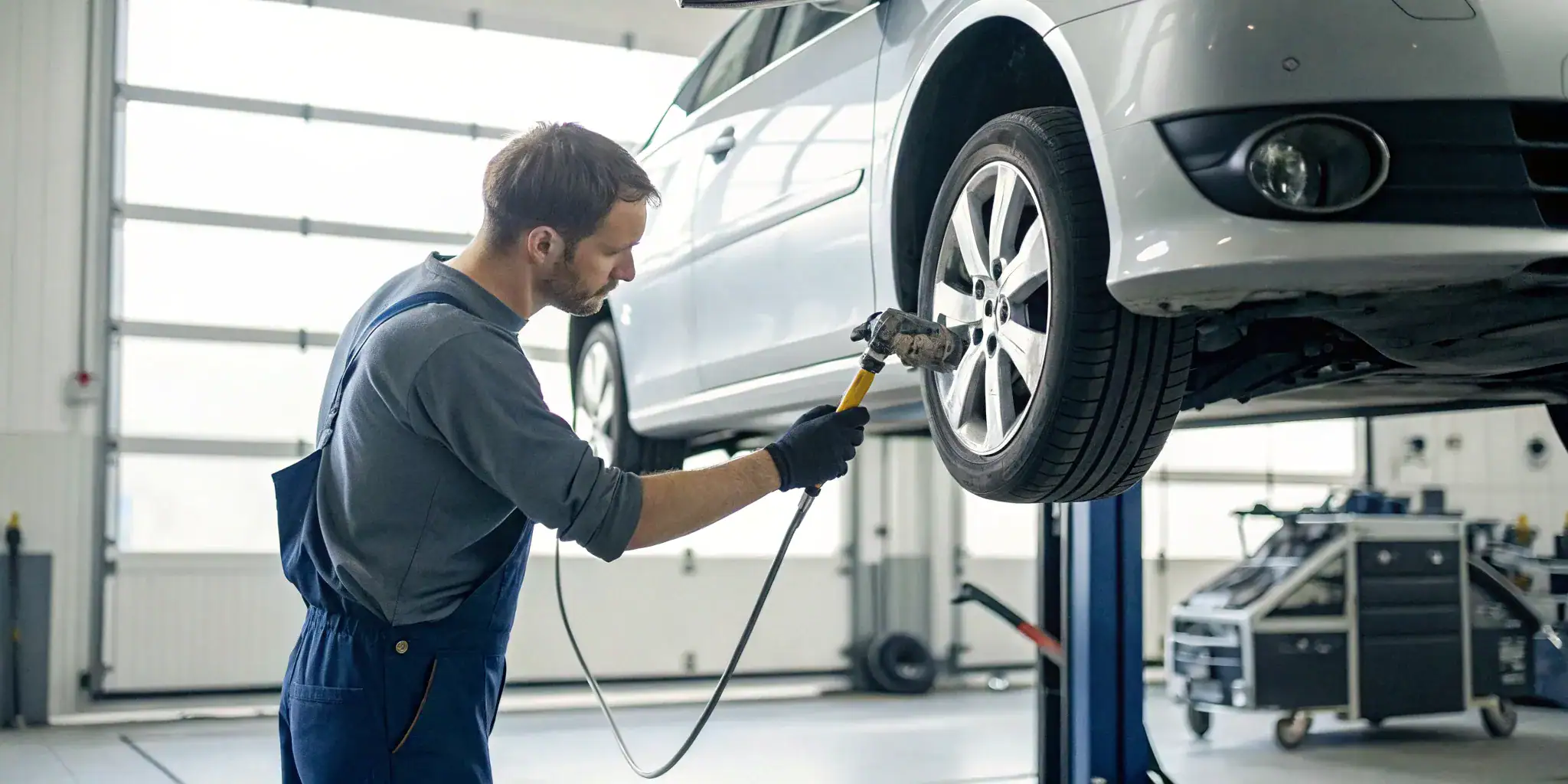
With your car safely secured, you can begin the inspection. Your goal is to look closely at the whole brake system to find exactly where the fluid is coming from. Start at the master cylinder, which is usually located under the hood on the driver’s side, and check the reservoir for cracks or leaks. From there, use your flashlight to trace the brake lines that run from the master cylinder down to each wheel. You’re looking for any signs of moisture, drips, or wetness along these lines and their connections.
Examine Brake Lines, Hoses, and Parts
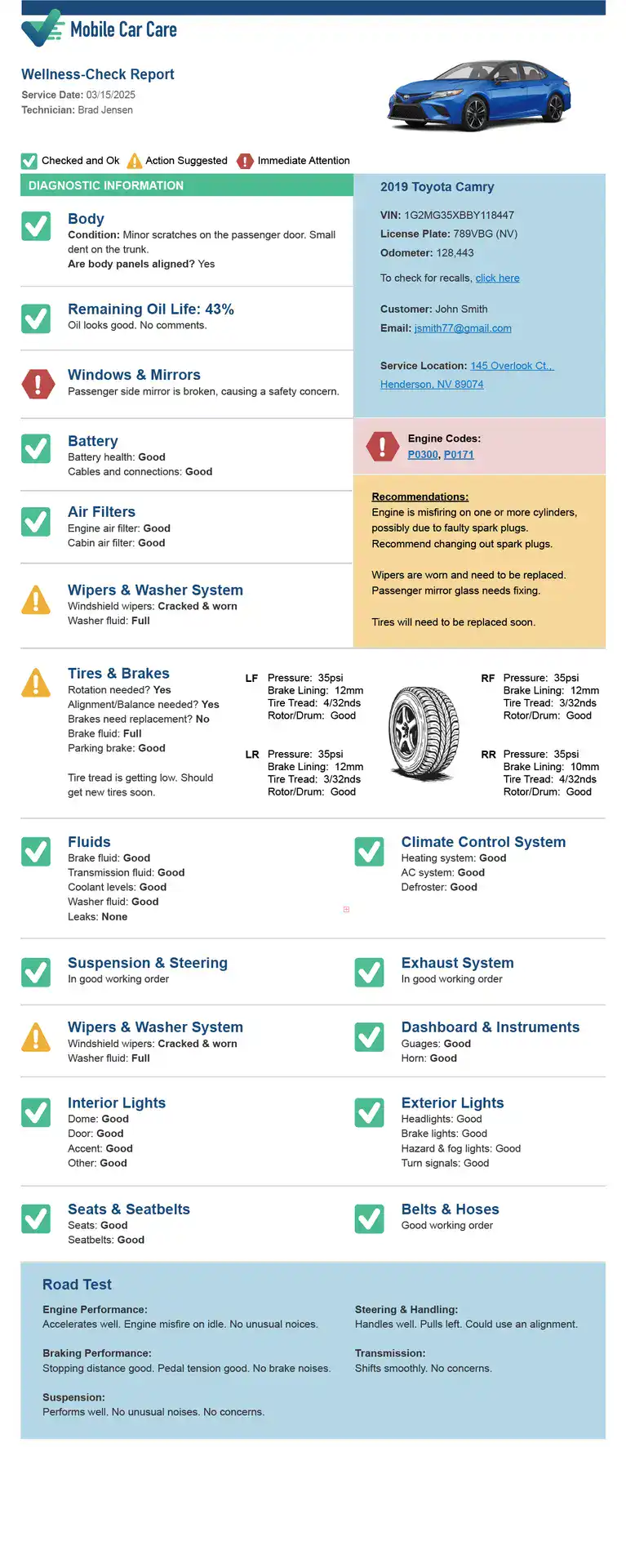
Pay close attention to the details as you follow the brake system. You’ll want to check the brake lines, master cylinder, and calipers for any signs of rust, damage, or wet spots. The flexible rubber hoses near each wheel are common culprits, so inspect them for cracks, bulges, or dampness. At each wheel, look at the caliper (or wheel cylinder on older cars with drum brakes) for any fluid residue. Catching these issues early is key, which is why regular wellness checks are so helpful for spotting wear and tear before it becomes a major leak.
What Causes Brake Fluid Leaks?
A brake fluid leak is your car’s way of telling you something is wrong. These leaks don’t just happen randomly; they’re almost always a sign that a part of your brake system is worn out, damaged, or has failed. Your brake system is a network of components working together under high pressure, and over time, these parts can degrade.
Understanding the common causes can help you know what to look for. Most leaks trace back to a few key areas: the lines and hoses that carry the fluid, the mechanical parts that apply pressure, and the simple, unavoidable effects of age and environment on your vehicle. Catching the issue early is key to preventing a small drip from turning into a major safety concern.
Worn-Out Brake Lines and Hoses
Think of brake lines and hoses as the veins of your brake system. They are responsible for carrying high-pressure brake fluid from the master cylinder to each wheel. The rigid, metal brake lines can rust, crack, or get punctured by road debris over time. The flexible rubber hoses, which connect the lines to the brake calipers, can also wear out. They might become brittle, crack, or swell, eventually leading to a leak. Because these parts are constantly exposed to the elements and under pressure, they are one of the most common sources of brake fluid leaks.
Failing Calipers and Master Cylinders
The master cylinder and brake calipers are the muscle of your brake system. The master cylinder converts the force from your foot on the pedal into hydraulic pressure. If its seals wear out, it can leak fluid, sometimes near the back of the engine or even inside your car under the dashboard. At the wheels, the brake calipers use that pressure to squeeze the brake pads against the rotors, stopping your car. Calipers have seals and pistons that can fail with age, causing fluid to leak out around the wheel. A leak in either of these critical components can significantly reduce your stopping power.
Damage from Corrosion and Age
Time and the environment are tough on your car. Over the years, simple aging can make rubber hoses brittle and seals less effective. Corrosion is another major factor, especially if you live in an area where roads are salted in the winter. Salt and moisture can cause the metal brake lines running under your car to rust. This corrosion weakens the metal, eventually creating small holes that allow brake fluid to escape. This kind of damage can be hard to spot without getting under the car, which is why regular, thorough brake inspections are so important for catching rust before it causes a dangerous leak.
Found a Leak? Here’s What to Do Next
Finding a puddle under your car is never a welcome sight. If you suspect it’s brake fluid, it’s normal to feel a wave of concern. Your braking system is your car’s most critical safety feature, so any issue with it needs immediate attention. Don’t worry, I’m here to walk you through the exact steps to take. By staying calm and following a clear plan, you can handle this situation safely and get the right help without adding extra stress to your day. Let’s go through what to do, from the moment you spot the leak to getting a permanent fix.
Take These Immediate Safety Steps
First, prioritize safety above all else. If you see a puddle of yellowish or brownish, slightly oily fluid under your car, treat it as an emergency. Your car’s most important safety system is compromised. Before you even think about your schedule, make sure the area is secure. Keep children and pets away from the puddle, as brake fluid is toxic. Don’t try to clean it up with your bare hands. The most important step is to resist the urge to start the car to “see if it’s okay.” A brake fluid leak means your ability to stop is at risk, and you don’t want to find that out on the road.
Figure Out How Serious the Leak Is
You can get a sense of the problem’s severity without being a mechanic. Check your dashboard for a red or yellow brake warning light; this is your car’s way of telling you something is wrong. Another clear sign is the brake fluid reservoir under the hood. If the fluid level is below the “minimum” line, you have a problem. As one expert source notes, “If your brake fluid light is on, or the fluid level is low even after you’ve added more, you likely have a brake fluid leak.” Topping it off might seem like a quick fix, but if the level drops again, it confirms an active leak that needs professional attention right away.
Know When It’s Unsafe to Drive
Let me be perfectly clear on this: if you have a confirmed brake fluid leak, do not drive the car. It is unsafe. Even a small leak can quickly become a major failure, leaving you with little to no braking power when you need it most. A spongy or soft brake pedal is another sign that your hydraulic system is failing. Driving to a repair shop is not worth the risk to yourself, your passengers, and others on the road. The only safe options are to have your vehicle towed or to have a mobile mechanic service it where it is parked. Your safety is not negotiable.
Understand Temporary vs. Permanent Fixes
Adding more brake fluid to the reservoir is not a solution; it’s a temporary measure that doesn’t address the underlying problem. The leak will continue, and you’ll still be driving an unsafe vehicle. For a critical issue like a brake fluid leak, you need a professional. Mechanics have the specialized tools and knowledge to properly diagnose the source of the leak, whether it’s a cracked hose, a failing caliper, or a rusted brake line. They can perform a thorough inspection and ensure the repair meets safety standards. A service like our Quick Check Plan can identify the problem right in your driveway, providing a clear path to a safe, permanent fix.
How to Prevent Brake Fluid Leaks
Preventing a brake fluid leak is far less stressful and expensive than fixing one. The good news is that proactive care goes a long way in keeping your brake system healthy and reliable. Think of it as a simple routine that gives you peace of mind every time you drive. These preventative steps help you catch small issues before they become major safety concerns, ensuring your car is ready to stop when you need it to.
Schedule Regular Brake Inspections
The easiest way to prevent leaks is with regular professional inspections. A trained technician can spot potential problems, like worn hoses or early signs of corrosion, long before they cause a leak. Catching these issues early saves you from costly repairs. Our Total Care plan includes comprehensive wellness checks that cover your entire brake system, giving you a clear picture of its condition. Regular check-ups are your best defense against unexpected brake failure.
Keep an Eye on Your Fluid Levels
You don’t need to be a mechanic for this quick check. Pop your hood and find the brake fluid reservoir, a small plastic container near the back of the engine bay. It has “MIN” and “MAX” lines, and your fluid level should always be between them. If you find yourself constantly topping it off, that’s a strong sign of a slow leak. Making this a monthly habit helps you spot a problem before a warning light ever comes on.
Stick to a Maintenance Schedule
Your car’s owner’s manual is your guide to maintenance. It provides a schedule for everything, including when to change your brake fluid. Over time, brake fluid absorbs moisture, which can cause internal corrosion and lower its boiling point. Following your manufacturer’s guidelines for a brake fluid flush keeps the fluid fresh and protects the system from the inside out. This simple service is critical for long-term brake health.
Consider Environmental Factors
Where you live and drive can affect your brake system. If you’re in an area with harsh winters, road salt can accelerate rust on your car’s undercarriage, including the metal brake lines. High humidity can also cause moisture to build up in the brake fluid more quickly. If your car is frequently exposed to these conditions, more frequent inspections are a smart move to keep everything in top shape.
Why You Shouldn’t Ignore a Brake Fluid Leak
Spotting a puddle of fluid under your car can be alarming, and it’s tempting to hope it’s just condensation from the A/C. But if that fluid is brake fluid, you’re looking at a problem that needs your immediate attention. Ignoring a brake fluid leak isn’t just risky; it’s a gamble with your safety and your wallet. The entire braking system relies on this fluid to function, and even a small leak can quickly spiral into a major issue.
Think of it this way: your car’s brake system is a sealed, high-pressure environment. When a leak appears, it compromises that entire system. What starts as a minor drip can lead to complete brake failure, expensive component damage, and a whole lot of stress you just don’t need. Addressing it quickly is the smartest move you can make for your car and your peace of mind.
The Risk of Losing Your Brakes
Let’s be direct: a brake fluid leak can cause your brakes to work poorly or even fail completely. Your car’s hydraulic brake system depends on the pressure created by the brake fluid to press the brake pads against the rotors, which is what stops your car. When fluid leaks out, the system loses pressure. You might notice your brake pedal feels spongy or has to be pushed all the way to the floor. In a worst-case scenario, there won’t be enough pressure to stop your car at all, which is incredibly dangerous for you and everyone else on the road. This isn’t a “wait and see” kind of problem; it’s a critical safety issue.
How Small Leaks Lead to Big Bills
Catching a brake fluid leak early can be the difference between a minor inconvenience and a major expense. A small leak from a worn-out hose or a loose connection is often a straightforward and relatively inexpensive fix. However, letting it go is where the real trouble begins. As the fluid level drops, you risk damaging more expensive parts of the brake system. What could have been a simple repair can quickly turn into a bill for over $1,000 if components like the master cylinder fail. Proactive maintenance is key here. A regular check, like our Essential Plan, helps spot these small issues before they drain your bank account.
Potential for Further System Damage
Ignoring a brake fluid leak doesn’t just put you at risk; it actively harms your car. Brake fluid is designed to absorb moisture, but when a leak exposes the system to air, it can draw in too much water. This leads to rust and corrosion forming inside your brake lines, calipers, and master cylinder. This internal damage can cause parts to seize up or fail entirely. For example, a leak from the master cylinder can seep into the brake booster. If this happens, you’ll likely need to replace both expensive components. It’s a chain reaction where one problem creates another, leading to more complex and costly repairs down the line.
When to Call a Professional for Your Brakes
While doing a quick brake check at home is a great first step, knowing your limits is just as important. Brakes are the single most critical safety feature on your car, and some jobs are best left to those with the right tools and training. If you’ve spotted a leak or something just feels off, calling a professional isn’t giving up; it’s making a smart, safe decision for you and everyone else on the road. A trained technician can move beyond just spotting a symptom to providing an accurate diagnosis and a reliable repair, giving you confidence every time you get behind the wheel.
Get an Expert Diagnosis
Finding a puddle of fluid is one thing, but pinpointing its exact source can be tricky. Some leaks are hidden deep within the brake system and are nearly impossible to spot without a trained eye. For example, if you find brake fluid inside the brake booster, it’s a clear sign of an internal leak that likely requires replacing both the brake booster and the master cylinder. A professional can quickly identify these complex issues that an amateur might miss. They can distinguish between a loose fitting and a failing component, ensuring you get the right fix the first time and avoiding more costly brake system repairs down the road.
Ensure a Complete System Check
When it comes to serious issues like a brake fluid leak, it’s best to have a professional mechanic take a look. They have specialized tools and deep knowledge to make sure your brakes are not only fixed but are also safe and meet all required standards. Your car’s brakes are an interconnected system, and a leak in one area could be putting stress on another. A technician won’t just patch the leak; they’ll perform a complete inspection of the lines, hoses, calipers, and master cylinder to ensure the entire system is sound. Our Essential Plan includes a comprehensive 85-point wellness check that covers your entire brake system for this very reason.
Enjoy Convenient, At-Home Service
Let’s be honest, the thought of dealing with a car repair can be stressful, especially if you’re not comfortable working on your vehicle. If you don’t know where a leak is coming from or simply don’t have the time, calling a trained mechanic is always the right move. The best part is that you don’t have to arrange for a tow or spend your afternoon in a waiting room. With a service like Mobile Car Care, a certified technician comes directly to your home or office. We can perform a Quick Check to diagnose the problem on-site, taking the guesswork and hassle out of the entire process.
Related Articles
- Your Guide to the Car Leak Inspection Process – Mobile Car Care
- How to Do a Coolant Leak Check (The Easy Way) – Mobile Car Care
- How to Do an Oil Leak Check at Home: A Simple Guide – Mobile Car Care
Frequently Asked Questions
My brake pedal feels soft or spongy. Does this definitely mean I have a leak? A spongy brake pedal is a classic sign of a brake fluid leak because it often means air has entered the brake lines, reducing hydraulic pressure. While it’s the most common cause, it can also point to other serious issues like a failing master cylinder. Regardless of the specific cause, a soft or spongy pedal means your brakes are not working at full capacity. You should stop driving immediately and have your brake system professionally inspected.
Can I just add more brake fluid if the reservoir is low? Adding brake fluid might seem like a quick fix, but it doesn’t solve the root problem. If your fluid is low, it has gone somewhere, which points to a leak. Topping it off only masks the issue temporarily and gives a false sense of security. The leak will continue, and you will still be driving an unsafe vehicle. The only real solution is to have a professional find and repair the source of the leak.
What does brake fluid look and feel like? Fresh brake fluid is typically a light yellow or amber color and has a slick, oily texture, similar to vegetable oil. As it ages, it can darken to a brown color. This is different from motor oil, which is usually dark brown or black, or coolant, which is often brightly colored like green, pink, or orange. Knowing what to look for can help you correctly identify a puddle under your car.
How often should I have my brakes professionally inspected? A good rule of thumb is to have your entire brake system checked by a professional at least once a year or whenever you have your tires rotated. However, if you live in an area with harsh winters where roads are salted, or if you do a lot of stop-and-go driving, you might consider more frequent inspections. Regular check-ups are the best way to catch wear and tear before it leads to a dangerous leak.
My brake warning light just came on. What’s the first thing I should do? If your brake warning light appears on your dashboard, you should treat it as an urgent signal. The first thing to do is find a safe place to pull over as soon as possible. Once you’ve stopped, turn off the car and check how your brake pedal feels. Do not continue driving. A warning light indicates a potential failure in your car’s most important safety system, so your next step should be to call for roadside assistance or a mobile mechanic.