That faint squeaking or grinding noise you hear from one wheel isn’t something to ignore by turning up the radio. While it could be worn brake pads, it’s often a sign of a more specific problem: a stuck brake caliper. The calipers are responsible for applying even pressure to stop your car, but they can get clogged with dirt and rust, causing them to seize up. When this happens, the brake pad can drag against the rotor, causing damage and compromising your safety. Understanding the importance of a brake caliper service can help you catch this issue early, preventing a costly repair and ensuring your car stops smoothly and safely when you need it to most.
Key Takeaways
- Service Your Calipers to Prevent Bigger Problems: This essential maintenance involves cleaning and lubricating the caliper’s slide pins so they move freely. This simple step ensures even braking and helps your pads and rotors last longer.
- Know the Warning Signs: Your car will tell you when its calipers need help. Listen for squeaking or grinding from one wheel, feel for a soft or spongy brake pedal, and take note if your brake pads are wearing down unevenly.
- Skipping Service Costs You More: Neglecting your calipers is a risk to both your safety and your wallet. A stuck caliper reduces your car’s stopping power and can quickly ruin your brake pads and rotors, leading to a much more expensive repair bill.
What Is Brake Caliper Service (and Why It Matters)?
When you think about your car’s brakes, you probably picture the brake pads and maybe the rotors. But there’s another key player that makes it all happen: the brake caliper. This small but mighty component is essential for safe, reliable stopping. Ignoring it can lead to bigger, more expensive problems down the road. A dedicated caliper service ensures every part of your braking system works together smoothly, giving you peace of mind every time you get behind the wheel. It’s a proactive step that keeps you safer and can even save you money.
What Your Brake Calipers Actually Do
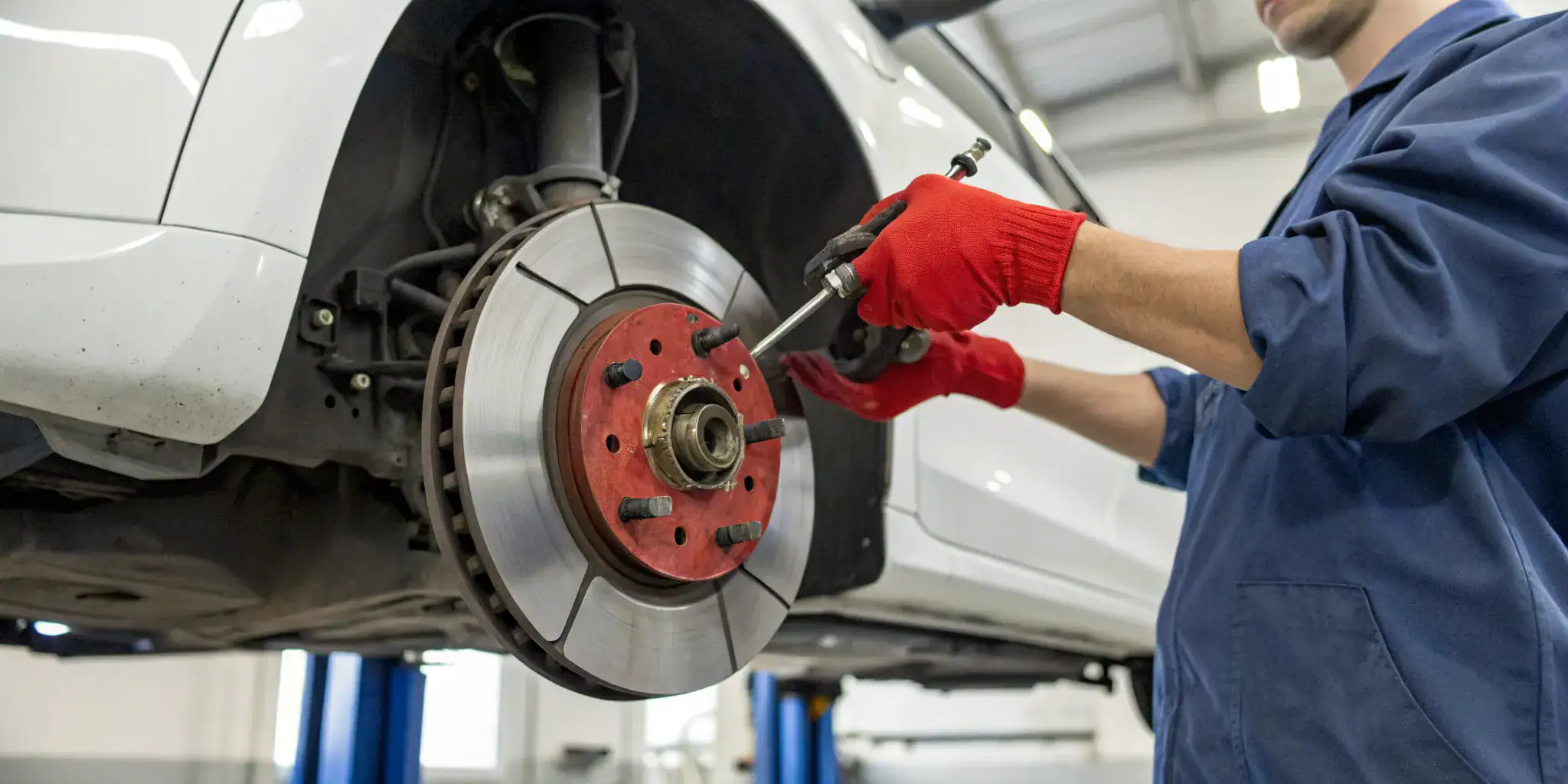
Think of your brake calipers as the powerful clamps in your car’s braking system. When you press the brake pedal, the calipers squeeze the brake pads against the spinning brake rotors (the metal discs inside your wheels). This friction is what slows and stops your car. For this to work perfectly, the calipers need to be able to move freely. If they get stuck or sluggish due to dirt, rust, or old grease, they can’t apply or release pressure correctly, which directly impacts your car’s stopping power and safety.
What a Caliper Service Includes
A brake caliper service is like a deep clean and tune-up for these critical parts. A technician will carefully disassemble the caliper components to clean away all the built-up rust, road grime, and brake dust. The most important part of this process is servicing the slide pins, which allow the caliper to move back and forth. These pins are cleaned and lubricated with a special, high-temperature grease so they can slide smoothly again. The service also includes cleaning the brackets where the brake pads sit, ensuring everything moves exactly as it should.
Common Myths About Brake Maintenance
You might hear that caliper service isn’t a “real” thing because it’s often done during a full brake pad and rotor replacement. While it’s true that good mechanics will clean these parts during a brake job, a standalone service is crucial preventative care, especially if you live in an area with harsh winters or a lot of road salt. Neglecting them can cause your brake pads to wear out unevenly or get stuck against the rotor, leading to overheating and premature failure. Including this service in your routine maintenance, like with our Total Care plan, prevents these issues before they start.
Signs Your Brake Calipers Need Service
Your car is pretty good at telling you when something’s wrong, especially with the brakes. The key is knowing what to look (and listen) for. Brake calipers don’t always fail suddenly; they usually give off warning signs that they need attention. Paying attention to changes in how your car sounds and feels when you brake can help you catch a small issue before it becomes a major, and expensive, problem. If you notice any of the following signs, it’s a clear signal that your calipers need a professional look.
Listen for These Warning Sounds
Turn down the radio for a moment and listen to your car. One of the most common red flags for a caliper issue is a distinct noise coming from your wheels. If you hear a persistent squeaking or grinding noise from one specific wheel when you brake, it’s often a sign that a caliper is stuck. This could mean it’s either failing to apply pressure or, worse, failing to release it. When a caliper doesn’t release properly, it keeps the brake pad pressed against the rotor, causing friction, heat, and that unmistakable sound. Ignoring it won’t make it go away; it will only lead to more damage.
Feel for These Performance Issues
Beyond strange noises, you can often feel when your calipers are in trouble. Is your brake pedal suddenly soft or spongy when you press it? That can indicate a problem within the brake system, possibly related to the calipers. You might also notice that your car takes longer to stop than it used to, or that you have to push the brake pedal much harder to get the same stopping power. These are serious signs that your calipers aren’t applying the right amount of force, which directly impacts your vehicle’s braking performance and your safety on the road.
When to Schedule an Inspection Immediately
Some signs are more than just a friendly warning; they’re a demand for immediate action. If a technician ever tells you that your brake pads are wearing out unevenly, it’s a strong indicator that a caliper’s slide pins are stuck. This is a problem that needs to be fixed right away. Procrastinating on brake issues is never a good idea. In fact, delaying brake repairs can put you and your passengers at risk and often leads to more extensive damage to the entire brake system. If you notice any of the sounds or performance issues we’ve covered, schedule an inspection as soon as you can.
What to Expect During a Professional Caliper Service
When you book a professional brake caliper service, you’re getting more than just a quick look. It’s a detailed, hands-on process designed to restore your braking system to its best condition. Understanding what a technician does can give you confidence that your car is in good hands. A thorough service follows a few key steps, from deep cleaning and inspection to precise lubrication and final testing, ensuring every component works exactly as it should. This level of detail is a core part of our Total Care Plan, where we focus on proactive maintenance to keep you safe on the road.
The Inspection and Cleaning Process
The first thing a technician will do is give your brake calipers a thorough inspection and cleaning. This isn’t just a quick wipe-down. The service involves cleaning the caliper slide pins to remove all the built-up dirt, grease, and rust that can accumulate over time. Once the components are spotless, the technician applies a special, heat-resistant grease. This fresh lubricant ensures the pins can slide smoothly again, allowing the caliper to apply and release pressure evenly. This step is fundamental because it clears away any contaminants that could interfere with your brake performance.
Lubricating Pins and Parts
Next, the focus shifts to lubrication and movement. The technician will inspect the rubber dust covers for any cracks or damage and confirm the caliper pins move freely within the carrier. If these pins get stuck, the brake piston can only push on one brake pad. This leads to a whole host of problems, including uneven pad wear, excessive heat, warped discs, and a significant drop in braking power. Proper lubrication is essential for the caliper to function correctly, giving you the full stopping power you rely on for a safe drive.
Testing and Final Adjustments
After the technician cleans, lubricates, and reassembles the calipers, they perform final tests to ensure everything is working perfectly. This includes pumping the brake pedal several times. This simple action is crucial because it pushes hydraulic fluid back through the system and properly resets the piston against the brake pads. It’s the final quality check that confirms your brakes are responsive and ready for the road. This step ensures that the moment you drive away, your braking system is fully engaged and functioning correctly.
How Often Do Your Calipers Need Service?
So, how often should you be thinking about your brake calipers? While there’s no single magic number that fits every car and driver, a few key factors can give you a reliable timeline. Your driving habits, local climate, and vehicle’s age all play a role in creating a service schedule that keeps your brakes working exactly as they should. Understanding these factors helps you stay ahead of potential issues and drive with confidence.
General Service Timelines
As a rule of thumb, it’s a good idea to have your calipers serviced every one to two years if you live in a region with heavy snowfall and salted roads. During a service, a technician cleans the caliper slide pins to remove grime and rust, then applies a special high-temperature grease. This ensures they can move freely. For those in drier, warmer climates, this service may be needed far less often, if at all. The best approach is to have them inspected during your regular brake maintenance to see how they’re holding up.
Factors That Change the Schedule
Your environment is the biggest factor influencing your service schedule. Road salt is especially tough on brake components, accelerating rust and causing the grease on the slide pins to break down. Over time, brake dust and road grime can also build up, causing the pins to get sticky. When this happens, your brake pads can’t apply or release pressure evenly. This leads to uneven pad wear and can cause the pads to drag against the rotor, generating excess heat and wearing out your entire brake system much faster. This is why a proper caliper servicing is so important in certain climates.
Quick Checks You Can Do Yourself
You don’t have to be a mechanic to keep an eye on your brakes between professional check-ups. Take a moment to look at your calipers and the surrounding area for any obvious corrosion or fluid leaks. You can also peek through your wheels to check the thickness of your brake pads and look for any deep grooves on the rotors. Popping the hood to check your brake fluid level is another easy step. If you spot anything that looks off or just want a professional opinion without the hassle, a Quick Check can give you valuable peace of mind.
The Risks of Skipping Caliper Maintenance
Putting off brake maintenance might seem like a way to save time and money, but it often leads to the opposite. When it comes to your brake calipers, a little neglect can create some serious headaches down the road. Ignoring them doesn’t just wear parts out faster; it can create genuine safety hazards for you and your family. Understanding the risks, from your personal safety to your wallet, makes it clear why this service is so important. It’s a classic case of proactive care preventing much bigger problems.
The Real Safety Concerns
Let’s be direct: your ability to stop safely depends on your calipers working correctly. When calipers aren’t serviced, their slide pins can get stuck, preventing the brake pads from moving as they should. This can cause your brake pads to wear out unevenly or, even worse, get stuck against the rotor. When that happens, your brakes can overheat and become far less effective. As experts point out, this can make your brakes less safe and reduce your car’s stopping power when you need it most. This isn’t just about performance; it’s a critical safety issue that you can easily avoid with regular checks.
How Neglect Hits Your Wallet
Proactive maintenance is always more affordable than reactive repairs, and that’s especially true for your brakes. Skipping a caliper service to save a few dollars now can lead to much more expensive repairs later. A stuck caliper can quickly destroy your brake pads and rotors, forcing you to replace multiple components instead of just servicing one. When brake pads wear down to the metal, you get that awful grinding sound, which is the sound of expensive damage happening in real-time. A routine service keeps everything moving smoothly, extending the life of your entire brake system and saving you from a surprisingly large repair bill.
The Ripple Effect on Your Entire Brake System
Your brakes are more than just pads and rotors; they’re a complex system where every part has to work together perfectly. A problem with your calipers can set off a chain reaction. For instance, a seized caliper can cause extreme heat that boils your brake fluid, making your brake pedal feel spongy and unresponsive. It puts extra strain on other components, leading to premature wear across the board. Think of it as a team where one player isn’t doing their job, forcing everyone else to work harder. Regular caliper maintenance ensures every part of your brake system can perform its role effectively, keeping you safe and secure on the road.
Why Mobile Brake Service Makes Sense
Let’s be honest, finding time for car maintenance can feel like a chore. Between work, family, and everything else, your car’s needs often get pushed aside. But when it comes to your brakes, waiting isn’t an option. Mobile brake service changes the game by bringing expert care directly to your driveway or office parking lot. It’s about fitting essential maintenance into your life, not the other way around, so you can stay safe without sacrificing your schedule.
On-Site Service for Your Busy Schedule
Juggling a packed schedule means some things are bound to slip through the cracks. It’s no surprise that many drivers overlook critical maintenance. For instance, a AAA study found that while most people remember their oil changes, a staggering 88% of vehicles are behind on brake fluid service. That’s where we come in. Instead of you rearranging your day to visit a shop, our technicians service your car wherever you are. You can continue your workday or manage things at home while we handle the maintenance. Our Quick Check plan is a perfect way to get a professional look at your brakes without disrupting your routine.
Our Comprehensive, Peace-of-Mind Process
Convenience is key, but it means nothing without trust and quality. Our goal is to give you complete peace of mind, knowing your vehicle is in good hands. A thorough, proactive approach is the best way to keep your car running smoothly and help you avoid expensive repairs down the road. We perform detailed, 85-point wellness checks to catch small issues before they become big problems. After every service, you get a full report explaining what we found and what we did. For ongoing care that keeps your vehicle in top shape, our Essential plan provides the comprehensive maintenance you need for total confidence on the road.
Schedule Service That Puts Your Safety First
Your brakes are your car’s most important safety feature, and delaying service is a risk you can’t afford to take. Neglecting maintenance can not only compromise your safety but also lead to much more expensive damage later on. Your brake system is more than just pads and rotors; it’s a complex network of calipers, fluid, lines, and sensors that all have to work together perfectly. We treat it that way, inspecting every component to ensure your car can stop safely and reliably every single time. By scheduling a service, you’re making a direct investment in the safety of yourself and your passengers. Our Total Care plan offers the highest level of proactive maintenance for ultimate security.
Related Articles
- Mobile Brake Service: A Complete Guide for Drivers
- Brake Pad Replacement 101: Your Complete Guide
- Mobile Brake Check Price Breakdown: Costs & Savings
- Brake Pad Thickness: How Thin Is Too Thin?
Frequently Asked Questions
Is a brake caliper service different from getting my brake pads replaced? Yes, they are different but related. A standard brake pad replacement focuses on swapping out the worn pads and often the rotors. While a good mechanic will clean the caliper hardware during that job, a dedicated caliper service is a proactive maintenance step. It focuses entirely on deep cleaning and re-lubricating the caliper’s moving parts, like the slide pins, to ensure they don’t get stuck in the first place.
My brakes are making a squeaking noise. Does that automatically mean my calipers are bad? Not necessarily, as squeaking can be caused by several things, including worn brake pads or even morning moisture. However, if you hear a persistent squeak or a grinding sound coming from just one wheel every time you brake, it’s a strong signal that a caliper might be sticking. This means it isn’t applying or releasing pressure correctly, and you should get it inspected soon.
Why is this service so important if I live in a place with harsh winters? Road salt and grime are incredibly tough on your car’s undercarriage, especially the brake system. This mixture accelerates rust and causes the special grease on the caliper slide pins to break down and get gummy. When that happens, the pins can’t move freely, leading to uneven brake pad wear and reduced stopping power. In snowy climates, this service is essential preventative care.
If I skip this service, what’s the worst that could happen? Skipping caliper maintenance can lead to two major problems: safety risks and higher costs. A stuck caliper can significantly reduce your car’s ability to stop effectively. It can also cause a domino effect of damage, quickly ruining your new brake pads and rotors. This turns what could have been a simple service into a much more expensive, multi-part replacement job.
How do I know if my calipers need a service or a full replacement? A service is for calipers that are still functional but are getting sluggish or stuck due to built-up grime and old lubricant. It’s a maintenance task to restore their smooth movement. A full replacement is needed when the caliper itself is damaged, such as when it’s leaking brake fluid or a piston is permanently seized and cannot be repaired. Regular servicing is the best way to avoid the need for a costly replacement.