
There’s a special kind of satisfaction that comes from fixing something on your own car. If you’re looking for a project that makes a real impact without being overly complicated, a battery terminal replacement is a perfect place to start. It’s a task that looks intimidating but is surprisingly straightforward with the right instructions. Taking an hour to do this yourself can solve frustrating starting problems and give you the confidence to tackle other small repairs. We’ll guide you through every step, from gathering your tools and choosing the best terminals to the final, secure connection, ensuring you get the job done safely and correctly.
Key Takeaways
- Identify the real problem by checking for key symptoms: Before you begin, confirm your terminals are the issue by looking for significant corrosion, physically loose clamps, or electrical glitches like dimming lights and trouble starting the engine.
- Work safely by following the correct connection order: Your safety is the top priority. Always disconnect the negative cable first and reconnect it last to prevent dangerous sparks and protect your car’s sensitive electronics.
- Choose the right replacement and know your limits: Select a new terminal that matches your battery’s post style (top or side) and consider durable materials like brass. If you feel unsure or suspect a larger electrical issue, calling a professional is the smartest move.
How to Know If Your Battery Terminals Need Replacing
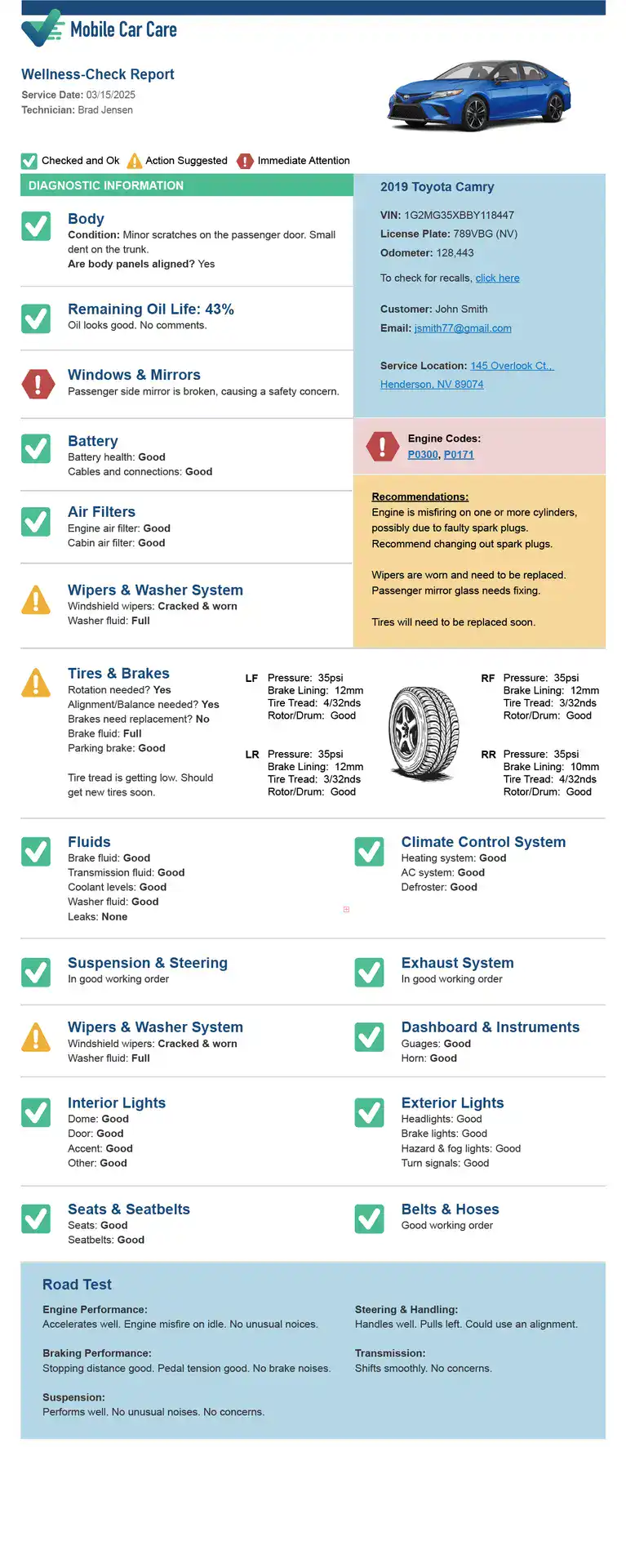
Before you can replace your battery terminals, you need to be sure they’re actually the problem. Sometimes, a dead battery is just a dead battery. But other times, the terminals are the real culprits behind your car troubles. Spotting the warning signs early can save you from the headache of a car that won’t start. Luckily, you don’t have to be a mechanic to play detective here. A quick visual inspection can tell you a lot about the health of your battery connections. If you’re ever unsure what you’re looking at, a simple wellness check can give you a clear answer without you ever having to leave your driveway.
Spotting Corrosion and Buildup
One of the most obvious signs of trouble is corrosion. Pop your hood and look at where the cables connect to your battery posts. If you see a crusty, white, or bluish-green substance that looks like something out of a science experiment, that’s corrosion. While a little bit can sometimes be cleaned away, significant buildup is a major red flag. If you’ve tried cleaning it and the gunk just won’t budge, or if the metal underneath looks pitted and eaten away, it’s time for a replacement. That corrosion prevents a solid electrical connection, which is why your car might be struggling.
Checking for Loose or Damaged Connections
Next, give the terminals a gentle wiggle. They should be completely snug and not move at all. If a terminal is loose and you can’t tighten the bolt any further, it won’t be able to maintain a reliable connection. Also, take a close look at the terminals themselves for any physical damage. You’re looking for things like cracks in the metal clamp or frayed wires where the cable enters the terminal. Any visible damage can compromise the flow of electricity and is a clear signal that the terminal needs to be replaced to prevent future electrical issues and ensure your car starts reliably every time.
Recognizing Starting and Electrical Problems
Sometimes, the signs aren’t under the hood but in how your car behaves. If you turn the key and hear a clicking sound or the engine struggles to turn over, your first thought might be a dead battery. But if your battery is relatively new, the terminals could be the issue. Faulty terminals can interrupt the electrical flow needed to start the car. You might also notice other weird electrical problems, like your headlights dimming when you turn on the A/C or the radio cutting out. These are classic symptoms of a poor connection that can’t handle the car’s electrical load.
Choosing the Right Type of Battery Terminal
When you realize you need to replace your battery terminals, you might head to the auto parts store and find a whole wall of options. It can feel a little overwhelming, but picking the right one isn’t as complicated as it looks. The best terminal for your car depends on three main things: where it connects to the battery, what it’s made of, and how much power it needs to handle.
Think of the terminal as the critical handshake between your battery and your car’s entire electrical system. A weak or improper connection here can cause all sorts of frustrating issues, from a car that won’t start to flickering headlights and intermittent power loss. Getting this choice right is the foundation for a solid, lasting repair that keeps your car starting reliably every time you turn the key. We’ll walk through the different types so you can feel confident you’re grabbing the perfect fit for your vehicle.
Top Post vs. Side Post: What’s the Difference?
The first thing you’ll notice is that battery terminals connect in one of two places: on the top or on the side of the battery. Top-post terminals are the most common type you’ll see. They look like little clamps that fit over two lead posts sticking up from the top of the battery. Side-post terminals, as you might guess, are found on the side and use a bolt that screws directly into the battery.
Your vehicle’s design determines which type you need, so you can’t just swap between them. The easiest way to figure out what you have is to just pop the hood and take a look. Your new terminals must match your car’s existing setup to ensure a secure fit and proper connection. Knowing your post style is the first step to a successful battery terminal replacement.
Understanding Materials: Copper, Lead, and Brass
Battery terminals are typically made from one of three materials: copper, lead, or brass, and each has its own pros and cons. Lead terminals are usually the most affordable and common option, but they tend to corrode more easily, which could land you back in the same fuzzy, green mess you’re trying to fix. Copper terminals are fantastic conductors and very durable, making them a top-quality choice for performance and longevity.
If you’re looking for a great middle ground, consider brass terminals. They provide good conductivity and are more resistant to corrosion than lead. When choosing, think about your budget and how long you want the repair to last. Avoiding common mistakes like choosing a material prone to corrosion can save you headaches down the road.
Deciding Between Universal and Heavy-Duty Options
Finally, you’ll need to decide between universal and heavy-duty terminals. Universal terminals are designed to fit a wide variety of vehicles and are perfectly fine for most daily drivers. They are generally easy to find and straightforward to install, making them a popular choice for standard cars and sedans.
However, if you drive a truck, an off-road vehicle, or have a car with a high-powered stereo system, you might want to consider heavy-duty terminals. These are built to be more robust and can handle more demanding electrical loads and tougher conditions. They ensure your connection stays strong, no matter what you put your vehicle through. Choosing the right one is a key part of correctly installing new car batteries and their components.
Finding a Quality Battery Terminal Brand
When you’re replacing your battery terminals, the brand you choose really matters. It’s not just about finding a part that fits; it’s about ensuring a safe, solid connection that keeps your car’s electrical system running smoothly. A quality terminal will resist corrosion better and provide a more reliable connection, which means fewer headaches for you down the road. Think of it as a small investment in your car’s long-term health and your own peace of mind. A weak or poorly made terminal can lead to all sorts of frustrating issues, from trouble starting your car to flickering lights, and can even become a safety hazard.
Luckily, you don’t need to be an expert to pick a good one. There are a handful of trusted brands that consistently deliver on quality and durability. Sticking with a few well-known names helps you feel confident that you’re getting a product designed for performance and longevity. These companies have built their reputations on creating parts that meet or even exceed the standards of the original equipment your car came with. Below, we’ll walk through some of the brands we often recommend, so you know exactly what to look for when you’re ready to buy.
Our Go-To Recommendations
When you’re standing in the auto parts aisle or browsing online, the number of options can feel overwhelming. To make it easier, we’ve narrowed it down to a few brands that have earned a solid reputation for quality. These are the names that professionals and experienced DIYers trust for reliable performance. Brands like Duralast, Dorman, ACDelco, and Battery Cables USA consistently produce durable terminals that provide a secure connection. By choosing one of these, you’re setting yourself up for a successful replacement that will last.
A Look at Duralast and Dorman
Duralast is a name you’ll see often, and for good reason. Their battery terminals are designed to meet or exceed the quality of the original parts in your car, ensuring a great fit and a long-lasting connection. Another excellent choice is Dorman, a brand known for its high-performance and durable automotive parts. Both Duralast and Dorman offer a wide variety of terminals, so you can easily find the right one for your specific vehicle. You can find a great selection of battery terminals from these brands at most major auto parts retailers.
Exploring Options from ACDelco and Battery Cables USA
ACDelco is another heavyweight in the auto parts world. As a trusted brand, their products, like the popular ACDelco Gold 3BA35, are built to handle the tough conditions under your hood and provide a secure connection. You can often find them listed among the best-selling automotive terminals online. If you’re looking for top-tier materials, check out Battery Cables USA. They offer high-quality post battery terminals made from 100% pure copper for superior conductivity and strength. Their terminals are also tin-plated to prevent rust, making them an incredibly durable choice.
Gather Your Tools and Safety Gear
Before you get started, gathering your supplies is the best way to ensure the job goes smoothly and safely. A little preparation makes the entire process feel less intimidating and helps you avoid any mid-project scrambles to find a missing tool. Think of it as setting up your station so you can focus on the task at hand. With the right gear, you’ll be ready to tackle this replacement with confidence.
First Things First: Essential Safety Precautions
Working with a car battery requires your full attention, so let’s cover the most important safety steps first. Always wear safety gloves and goggles to protect your hands and eyes from battery acid and potential sparks. Before you begin, make sure your car is turned off and the key is out of the ignition. This simple step prevents any accidental electrical discharge. When it’s time to disconnect the battery, always remove the negative (-) terminal first. This is a critical rule in auto care because it helps prevent electrical shocks and keeps you safe.
The Tools and Materials You’ll Need
Having the right tools on hand makes all the difference. You don’t want to be stuck with a disconnected battery and a missing wrench. Here’s a list of what you’ll likely need to complete a battery terminal replacement:
- New battery terminals
- A wrench or socket set (a 10mm is very common for this job)
- Wire brush or battery terminal cleaner
- Wire stripper and cable cutters
- A rag or towel
- Baking soda and water mixture for cleaning
- Anti-corrosion spray or terminal grease
How to Prepare Your Workspace
A clean and organized workspace is a safe workspace. Start by finding a well-lit and ventilated area, whether it’s your garage or a flat spot in your driveway. Lay down a few old towels or shop rags around the battery to catch any corrosive dust or spills. This makes cleanup much easier later on. Most importantly, make sure you have enough room to move around the battery comfortably. A cluttered area can lead to trips or accidental bumps, so clearing some space allows you to work without feeling cramped and helps you stay focused.
Your Step-by-Step Guide to Replacing Battery Terminals
Alright, you’ve gathered your new terminals and your tools. Replacing your car’s battery terminals is a manageable project that can make a big difference in your vehicle’s reliability. The key is to work carefully and prioritize safety above all else. Let’s walk through the process together, step by step. You’ve got this.
Step 1: Safely Disconnect the Battery
First things first, let’s make sure the scene is safe. Turn your car completely off and, just to be sure, take the keys out of the ignition. This is also the perfect time to put on your safety gloves and goggles. Now, find the negative (-) terminal on your battery. Use a wrench to loosen the nut on the clamp, then gently twist and pull the cable off the battery post. Always disconnect the negative terminal first. This is a crucial rule of car battery safety because it breaks the electrical circuit, preventing accidental sparks or shocks while you work on the positive side.
Step 2: Remove and Clean the Old Terminals
Once the negative cable is disconnected and tucked safely to the side, you can repeat the process to remove the positive (+) cable. Now it’s time to get rid of the old, corroded terminals. Using a pair of cable cutters, snip the old terminal off the wire, getting as close to the base of the terminal as you can. Next, you’ll need to prepare the cable for its new connection. Carefully use a wire stripper or a utility knife to remove about half an inch of the plastic insulation from the end of the cable, exposing the clean wire inside. This is also a great time to clean the battery posts with a wire brush to scrub away any leftover grime.
Step 3: Install and Secure the New Terminals
You’re on the home stretch now. Take your new positive terminal and slide the exposed end of the positive cable into it. Make sure no insulation gets caught under the clamp, as this can create a weak connection. Use your wrench to tighten the clamp until it’s secure. Once it’s snug, place the new terminal onto the positive battery post and tighten it down. Now, do the exact same thing for the negative terminal and cable. Remember, when you’re installing, the order is the reverse of removal: connect the positive (+) terminal first, then the negative (-).
Step 4: Reconnect and Test Your Work
Before you close the hood, double-check your work. Give both terminals a gentle wiggle to ensure they are completely secure and won’t vibrate loose while you’re on the road. A solid connection is key to a reliable start. For extra credit and to prevent future corrosion, you can apply a thin layer of anti-corrosion spray or terminal grease. Now for the moment of truth: start your car to make sure everything is working properly. If this process felt a little overwhelming, that’s completely fine. You can always schedule a Quick Check, and we’ll come to you to get it sorted out.
Common Mistakes to Avoid
Replacing your battery terminals can feel like a win, but a few simple mistakes can turn a quick fix into a major headache. From creating electrical issues to damaging your battery, small errors can have big consequences. Knowing what to watch out for is just as important as knowing the right steps to follow. Taking a moment to review these common slip-ups will help you get the job done right the first time, keeping you and your car safe. If you ever feel unsure, remember that a professional check-up from our Essential Plan can give you total peace of mind.
Installation Errors to Watch Out For
One of the most critical mistakes is mixing up the connection order. Always disconnect the negative terminal first and reconnect it last. As experts note, connecting terminals in the wrong order can create dangerous sparks or even cause electrical damage to your car’s sensitive electronics. Another common error is getting too aggressive with cleaning. While you want a clean connection, you should never sand the battery posts. This can damage the battery’s useful life and create a poor fit. Instead, use a dedicated battery terminal brush to gently remove corrosion without harming the lead posts.
Don’t Overlook These Safety Steps
This is non-negotiable: you must prioritize your safety. Battery acid is highly corrosive, and sparks are always a possibility when working with electrical systems. Before you even touch the battery, make sure you “always wear safety gloves and goggles to protect yourself from potential hazards.” It’s also smart to work in a well-ventilated space. Remember to keep all metal tools away from the top of the battery to prevent them from touching both posts at once, which would cause a short circuit. A little preparation goes a long way in preventing accidents and ensuring a smooth repair.
How to Properly Tighten and Secure Connections
Getting the right amount of torque on your new terminals is key. It’s tempting to tighten them as much as possible, but over-tightening can crack the terminal or damage the battery posts. On the other hand, a loose connection can cause starting problems or intermittent electrical issues. The best approach is to use an appropriately sized wrench to tighten the nut until the terminal is snug and doesn’t move when you try to wiggle it. A secure connection ensures your car gets the consistent power it needs. If you’re not confident in your work, a Quick Check can confirm everything is safe and secure.
Where to Buy Terminals and What They Cost
Once you know which battery terminal you need, the next step is finding where to buy it and what to expect in terms of cost. Fortunately, this is a straightforward and affordable part to source, whether you prefer shopping in person or online.
Shopping at Auto Parts Stores vs. Online
You have two main options for buying battery terminals: a local auto parts store or an online retailer. Heading to a physical store is great because you can get the part immediately and ask an employee for advice if you’re feeling unsure. It’s the perfect solution for a quick fix. On the other hand, shopping online offers convenience and a massive selection from your couch. Many retailers, like AutoZone, even blend the two experiences by letting you buy online for free next-day delivery or same-day store pickup. Your best choice really just depends on how quickly you need the part and whether you want that in-person support.
A Quick Guide to Pricing by Type and Brand
Let’s talk budget. The good news is that battery terminals are usually an inexpensive fix. Prices can range from just a few dollars to over a hundred for high-performance or specialty options, but you’ll find that most quality terminals fall comfortably in the $10 to $15 range. The final cost depends on the material (brass is often more than lead), the brand, and whether you choose a universal fit or one designed specifically for your vehicle. You’ll frequently see brands like Duralast and Dorman, and both offer reliable, budget-friendly choices. You don’t need to spend a fortune here; a solid, well-made terminal is all you need to get the job done right.
What to Look for in a Warranty
A warranty on a small part like a battery terminal might seem like overkill, but it’s a great indicator of quality. A manufacturer that stands behind its product with a warranty is confident in its durability. When you’re comparing options, take a moment to check the warranty details. Think of it as a safety net. If the terminal fails prematurely due to a manufacturing defect, you’re covered. It’s a small step that ensures the part you’re installing is built to last, protecting your investment and your vehicle’s electrical system.
Know When to Call a Professional
While replacing battery terminals can be a manageable DIY project, there are times when it’s smarter and safer to leave it to a professional. Knowing your limits is key to avoiding bigger headaches, more expensive repairs, and potential injuries. If you find yourself hesitating or the problem seems more complex than you first thought, it’s always a good idea to get an expert opinion. Your safety and your car’s health are what matter most.
When the Problem Goes Beyond the Terminals
Sometimes, corroded terminals are just a symptom of a larger issue. If you’ve cleaned or replaced the terminals and your car still won’t start, the battery itself might be the real problem. A battery that is old, cracked, or bulging needs to be replaced entirely. In these cases, the battery is often hopeless, and simply swapping the terminals won’t solve anything. Modern cars also have complex electrical systems, and completely disconnecting the battery can sometimes reset onboard computers, leading to a whole new set of problems. If you suspect the issue is more than just the terminals, it’s best to call for help.
If You Have Any Safety Concerns
Your personal safety should always be your top priority. Car batteries contain corrosive acid and can produce flammable hydrogen gas. If you don’t have the proper safety gear, like gloves and eye protection, or if you feel at all uncertain about handling the battery, it’s a clear sign to stop. The risk of chemical burns, electrical shocks, or creating a spark that could ignite fumes is very real. There is absolutely no shame in calling a professional when you feel out of your depth. It’s the smartest and safest decision you can make for yourself and your vehicle.
How Mobile Car Care Can Help
Let’s be honest, DIY battery work can be tricky. Modern vehicles often have a Battery Management System (BMS) that needs to be reset after a new battery or major electrical work is done, a step that’s easily missed at home. Our technicians are equipped to handle these technical details right in your driveway. We can diagnose whether the issue is your terminals or the battery itself and perform the replacement safely and correctly. A service like our Quick Check Plan is a perfect way to get an expert eye on the problem without the hassle of a trip to the garage, giving you total peace of mind.
Related Articles
- How to Jump Start a Car Safely: A Simple Guide
- Starter Replacement: Everything You Need to Know
- How to Test a Battery: A Quick & Easy Guide
- On-Site Car Battery Checks: Costs & Providers
Frequently Asked Questions
Can I just clean the corrosion off instead of replacing the terminals? Cleaning is a great first step for minor, powdery buildup. A simple paste of baking soda and water can often restore a good connection. However, if the corrosion is severe and has started to eat away at the metal, or if the terminal clamp is cracked or warped, cleaning is only a temporary fix. A damaged terminal won’t hold a secure connection, so in those cases, replacement is the best long-term solution.
How long does it typically take to replace battery terminals? For someone who is comfortable working on cars, this is usually a quick job that takes about 30 minutes. If this is your first time tackling a project like this, it’s smart to set aside about an hour. This gives you plenty of time to work carefully, double-check your connections, and clean up the area without feeling rushed.
What happens if I mix up the positive and negative cables? Connecting the cables in the wrong order is one of the most critical mistakes to avoid. If you connect the positive terminal while the negative is still attached, you can create sparks, which are dangerous around a battery. More seriously, you could cause a short circuit that damages sensitive electronics in your car, like the onboard computer. Just remember this simple rule: the negative cable is the first one off and the last one on.
Will new terminals definitely fix my car’s starting issues? New terminals can absolutely solve starting problems if a poor connection was the root cause. However, they aren’t a magic bullet for every issue. If your car still struggles to start after the replacement, the problem might be a failing battery, a problem with the alternator, or another electrical issue. The new terminals are a great starting point, but other components might need attention too.
Do I need any special, expensive tools for this job? Not at all. The tools required for replacing battery terminals are quite basic and are likely already in your home toolkit. You’ll primarily need a wrench or socket set to loosen and tighten the nuts, along with a wire brush for cleaning and wire cutters to remove the old terminal. You don’t need any professional-grade equipment to get this done right.