You notice your blinker is flashing too fast, signaling a burnt-out bulb. Now you have a choice: Is this a quick five-minute fix you can squeeze into your weekend, or will it turn into a frustrating project? With modern cars, the answer isn’t always obvious. Some vehicles make it easy, while others require removing the entire headlight assembly. This guide is designed to help you figure out which camp your car falls into. We’ll give you the information you need to confidently decide whether to tackle the turn signal bulb replacement yourself or call in a professional for a hassle-free solution.
Key Takeaways
- A fast-blinking signal means a bulb is out: This rapid clicking is your car’s built-in warning system. Paying attention to it and replacing the bulb quickly is essential for staying safe and communicating clearly with other drivers.
- Verify the correct bulb size before you buy: Check your owner’s manual or the number printed on the old bulb to find the exact part you need. This simple step ensures you get the right fit and avoids a frustrating return trip to the store.
- Know when to do it yourself or call for help: While changing a bulb is often a simple DIY fix that saves money, some modern cars make it difficult. If the job requires removing other parts or you feel unsure, calling a professional is the smarter, safer choice.
Why You Need to Replace Your Turn Signal Bulb
A burnt-out turn signal might seem like a minor annoyance, but it’s a critical safety feature. Your blinkers are your primary way of communicating your intentions to other drivers, whether you’re changing lanes on the highway or turning onto a quiet street. A non-working bulb can lead to confusion, frustration, and even accidents.
The good news is that diagnosing and fixing this issue is often straightforward. It’s one of those small but essential tasks that keeps you and others safe on the road. Ignoring it can also lead to a traffic ticket, turning a tiny problem into a much bigger headache. Taking care of it quickly ensures your car is safe, legal, and predictable to everyone else you share the road with.
How to Tell if Your Bulb is Burnt Out
The most common sign of a burnt-out turn signal is a blinker that suddenly starts clicking twice as fast as usual. This rapid blinking, known as hyper-flashing, happens because the electrical circuit’s resistance changes when one bulb goes out. It’s your car’s built-in way of telling you something is wrong.
Other clear signs include a signal that doesn’t light up at all or one that appears very dim or discolored compared to the others. It’s a good habit to occasionally walk around your car with the hazard lights on to check that all your bulbs are working correctly. If you spot any of these symptoms, it’s time for a replacement.
Staying Safe and Legal on the Road
Driving with a broken turn signal is a safety risk. Without it, other drivers can’t anticipate your moves, which increases the chance of a collision. It’s especially dangerous during lane changes, at intersections, or in heavy traffic. Beyond the immediate safety concerns, a non-functioning turn signal can also get you pulled over and ticketed, as all vehicle lights are required by law to be in working order.
Replacing a bulb is a simple fix that prevents these problems. If you’re not comfortable handling it yourself or just don’t have the time, our Quick Check plan is a perfect way to have a professional take care of small issues like this before they cause bigger trouble.
Find the Right Turn Signal Bulb for Your Car
Before you can get your hands dirty, the most important first step is making sure you have the correct replacement bulb. Cars are surprisingly particular, and grabbing the wrong bulb is a surefire way to turn a quick fix into a frustrating trip back to the auto parts store. Taking a few minutes to identify the exact bulb you need will save you time and a headache later. Think of it as your prep work, setting you up for a smooth and successful replacement. From the type of bulb to its specific size, getting it right from the start is key.
Understanding Bulb Types and Fit
Every car model has specific requirements for its light bulbs. You can’t just pick any bulb off the shelf and expect it to work. The base of the bulb needs to match the socket in your car’s headlight or taillight assembly perfectly. Luckily, you don’t have to guess. Most auto parts websites have handy tools that let you check if a bulb fits your exact vehicle. You can usually enter your car’s year, make, and model, or even your license plate number, to see a list of compatible bulbs. This simple check ensures you buy the right part the first time.
Find Your Car’s Correct Bulb Size
Once you know the bulb type, you need to confirm the size. The easiest place to find this information is in your vehicle’s owner’s manual, which should have a dedicated section listing all the bulb sizes for your car. If you don’t have your manual handy, your next best bet is to examine the old bulb itself. After you remove it, look closely at the metal or plastic base. The bulb number, which indicates its size and specifications, is usually printed right there. This number is all you need to find an exact match at the store or online.
Choosing Between LED and Incandescent Bulbs
You’ll generally have two options for your turn signal: incandescent or LED. Incandescent bulbs are the traditional, budget-friendly choice and are likely what your car came with from the factory. They get the job done but have a shorter lifespan. On the other hand, LED bulbs are a popular upgrade. They are much brighter, last significantly longer, and use less energy. While they cost a bit more upfront, their longevity means you won’t have to worry about replacing them again anytime soon. Many drivers find the extra visibility and durability a worthwhile investment.
Where to Buy the Best Turn Signal Bulbs
Once you know which bulb you need, it’s time to buy a replacement. The good news is that you have plenty of options, whether you prefer shopping online or heading to a local store. Big-box auto parts stores are a great place to start. For example, AutoZone offers a huge selection and makes it easy to find what you need with options for same-day pickup or next-day delivery.
If you’d rather have the bulbs come to you, online marketplaces are your best bet. You can find thousands of turn signal bulbs on Amazon, where you can easily filter by brand, price, and customer reviews to see what other drivers are saying. Both online and in-person stores have tools to help you confirm the bulb fits your car, so you can feel confident you’re buying the right one.
Our Top Brand Recommendations
Walking down the bulb aisle can be a little overwhelming with so many brands to choose from. To make it easier, let’s focus on a few trusted names known for their quality and long-lasting performance. Brands like Sylvania, Philips, PEAK, and LASFIT consistently get great reviews for their reliability. Sylvania even offers different lines, like their LongLife and LED options, so you can pick one that best suits your needs. Sticking with a reputable brand is a simple way to ensure you’re getting a quality product that will keep you safe on the road.
What to Look for in a New Bulb
Before you click “buy” or head to the checkout counter, the single most important thing to do is confirm the bulb fits your specific vehicle. Cars are picky, and a bulb that works for one model might not work for another, even from the same manufacturer. Thankfully, you don’t have to guess. Most retailer websites have a tool where you can enter your car’s year, make, model, and even your VIN or license plate number. This feature instantly filters the results to show you only the bulbs that are a perfect match for your car, saving you from the headache of a return trip.
How to Compare Prices and Find Deals
You don’t have to spend a lot to get a quality turn signal bulb. Prices can range quite a bit, but most standard bulbs fall into a very reasonable $8 to $25 price range. To make sure you’re getting a good deal, take a moment to compare your options. If you’re shopping on Amazon, look for products with an “Amazon’s Choice” or “Best Seller” badge. These labels are often a good indicator of a product that offers a great balance of quality, price, and positive customer feedback, helping you find a reliable bulb without overspending.
How Much Does Turn Signal Bulb Replacement Cost?
Replacing a turn signal bulb is one of the most budget-friendly car maintenance tasks you’ll encounter. Unlike bigger repairs that can set you back hundreds of dollars, this fix is surprisingly light on the wallet. The final cost really comes down to three things: the price of the bulb itself, whether you handle the replacement yourself or hire a professional, and if you need to buy any basic tools for the job.
The good news is that you have a lot of control over the total expense. By tackling this simple task on your own, you can keep the cost to just a few dollars. Even if you decide you’d rather have someone else do it, understanding the cost breakdown helps you know what to expect so you can make the best choice for your schedule and budget. Let’s walk through what goes into the cost so you can get that blinker working again without any financial surprises.
A Breakdown of Bulb Costs
Let’s start with the main component: the bulb. You’ll be happy to know that a new turn signal bulb usually costs only a few dollars. Standard incandescent bulbs, which are common in many vehicles, are incredibly inexpensive and easy to find at any auto parts store. If you want to upgrade, you could opt for LED bulbs. These are a bit more expensive upfront but offer a brighter light and a much longer lifespan, so you won’t have to worry about replacing them again anytime soon. For most people, a standard bulb does the job perfectly. The key takeaway here is that the part itself is not going to break the bank.
Cost of DIY vs. Hiring a Pro
This is where you’ll see the biggest difference in cost. Changing a turn signal bulb is a simple job you can do yourself in just a few minutes, which means your only expense is the bulb. This is the most affordable route by far. If you’d rather have a professional handle it, you’ll be paying for labor. A trip to the dealership or a local repair shop could turn a $5 part into a $50 or even $100+ bill, depending on their hourly rate. For those who value convenience but don’t have the time, a service like our Total Care Plan can be a great middle ground, taking care of minor fixes like this right in your driveway while handling your car’s overall health.
Factoring in the Cost of Tools
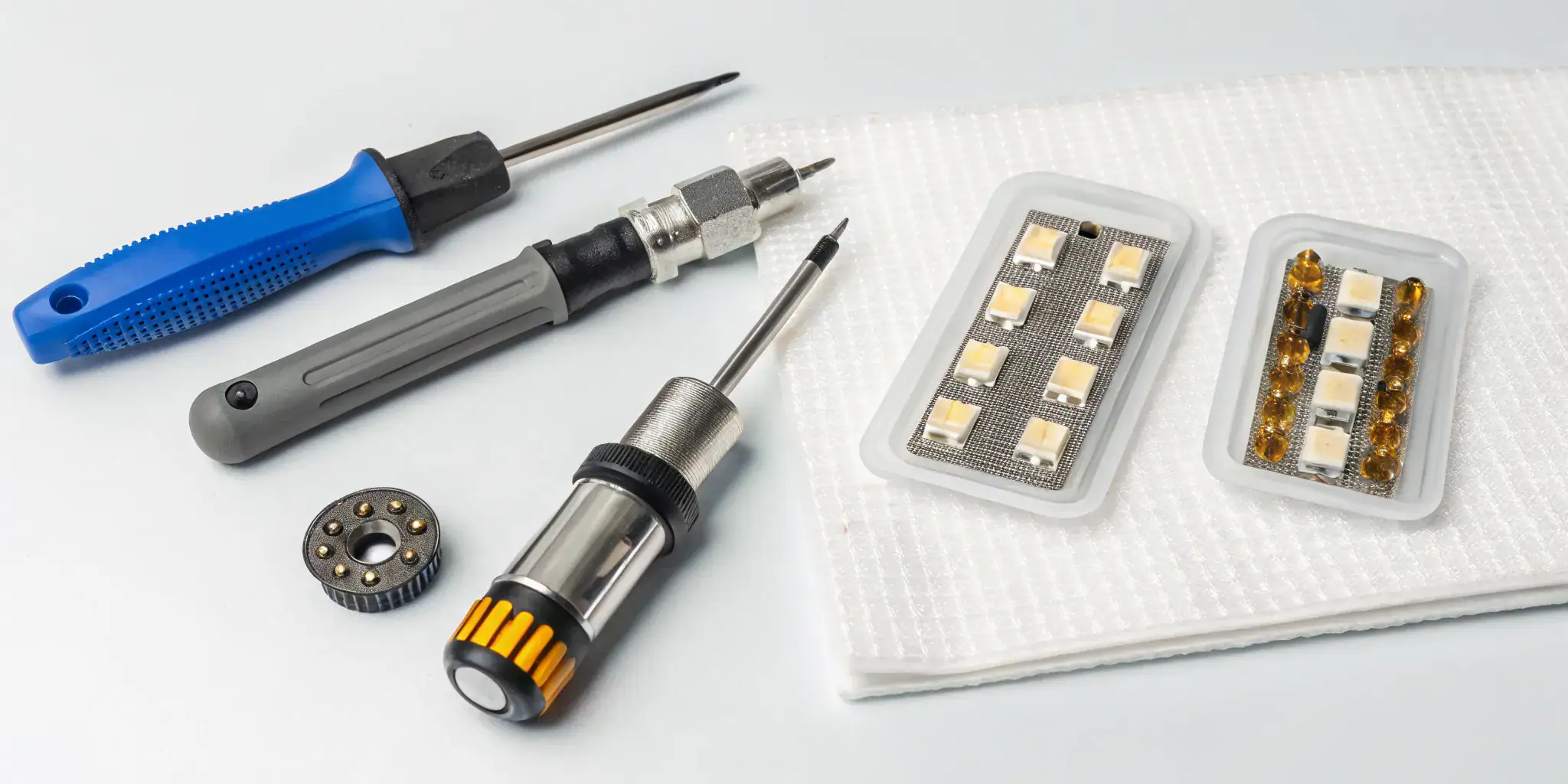
If you decide to replace the bulb yourself, you’ll need a few basic tools. In most cases, all you need is a screwdriver and maybe a pair of pliers to get the job done. Many cars don’t even require tools to access the bulb housing. If you don’t already have these items, a basic automotive toolkit is an affordable, one-time purchase that will come in handy for all sorts of small projects around the car and home. You can find a simple set for under $30. For this specific task, though, you likely have what you need lying around in a junk drawer, making the tool cost zero for most people.
DIY or Call a Pro: Which is Right for You?
Deciding whether to replace a turn signal bulb yourself or call a professional often comes down to a simple trade-off: time versus money. For many, a burnt-out bulb is a quick fix that saves a trip to the shop. But with cars becoming more complex, what used to be a five-minute task can sometimes turn into a frustrating afternoon project.
The good news is that you don’t have to be a master mechanic to figure out the best approach. Understanding when to grab your tools and when to grab your phone is key. If you have a bit of time and the job seems straightforward, doing it yourself can be incredibly satisfying. On the other hand, if you’re short on time, dealing with a tricky vehicle design, or just don’t want the hassle, letting a professional handle it is a smart move. This guide will help you weigh your options so you can make the right choice for your car and your schedule.
When to Tackle it Yourself
For many vehicles, changing a turn signal is a perfect entry-level DIY project. You can often tell a bulb is out when your blinker starts clicking about twice as fast as usual. This is your car’s built-in alert system telling you it’s time for a change. If you can easily access the bulb housing through the trunk or under the hood without removing other parts, you’re likely in good shape to do the job yourself. A quick check of your owner’s manual or a search online for your specific make and model can confirm how simple the process is. Taking on this small repair can save you a few bucks and give you a nice sense of accomplishment.
When It’s Time to Call for Help
While some cars make bulb replacement easy, many modern vehicles are designed in a way that makes it surprisingly difficult. You might find that you need to remove the entire headlight assembly or even part of the bumper just to reach the bulb. If your owner’s manual suggests consulting a technician, it’s wise to follow that advice. Forcing parts or using the wrong tools can lead to broken clips or costly damage. If you’re feeling unsure or simply don’t have the time to deal with a complicated replacement, we can help. Our Quick Check plan is perfect for handling these kinds of minor but important fixes right in your driveway.
The Tools and Safety Gear You’ll Need
If you’ve decided to give it a go yourself, getting prepared is the most important step. Safety should always come first. Before you start, park your car on a flat, stable surface, turn off the engine, and engage the parking brake. It’s also a good idea to wear safety glasses and gloves to protect yourself. You won’t need a massive toolbox for this job. In most cases, a basic set of tools including a screwdriver, a pair of pliers, and your new replacement bulb is all you’ll need. Having everything ready before you begin makes the process smoother and helps you stay safe on the road.
Your Step-by-Step Guide to Replacing a Turn Signal Bulb
Ready to get your hands a little dirty? Replacing a turn signal bulb is one of the most straightforward car maintenance tasks you can do yourself, and it’s a great way to get more comfortable working on your own vehicle. It usually takes just a few minutes and can save you a trip to the mechanic. Before you start, make sure you have your new bulb and any necessary tools, like a screwdriver or pliers, handy. The most important thing is to prioritize your safety, so take a moment to get set up properly. Follow these three simple steps, and you’ll have your turn signal flashing again in no time. It’s a small fix that makes a big difference for your safety on the road.
Step 1: Get Prepared and Access the Bulb
First things first, let’s get you and your car ready. Park on a level surface, engage the parking brake, and turn off the engine. For extra safety, it’s a good practice to disconnect the negative terminal of your car’s battery to prevent any electrical mishaps. You’ll also want to wear gloves to protect your hands. Depending on your car’s make and model, you might need to open the hood or access the bulb through the trunk or a panel in the wheel well. Sometimes you have to remove the entire headlight assembly to get to the bulb, so check your owner’s manual for the specific access instructions for your vehicle.
Step 2: Safely Remove the Old Bulb
Once you’ve located the back of the turn signal, you’ll see the bulb socket. To remove it, you’ll typically need to twist the socket counter-clockwise and pull it straight out. The bulb itself is held in the socket. To get it out, gently push the bulb in, twist it to the left, and then pull it free. Be careful not to apply too much force, as you don’t want to break the bulb or damage the socket. If it feels stuck, wiggle it gently. This push-and-twist mechanism is common for most cars, but again, your vehicle might be slightly different.
Step 3: Install and Test Your New Bulb
Now for the easy part. When handling the new bulb, try not to touch the glass with your bare fingers, as the oils from your skin can cause it to burn out prematurely. Use your gloves or a clean cloth. Line up the pins on the new bulb with the slots in the socket, push it in, and twist it to the right to lock it in place. Before you put everything back together, reconnect your car battery. Hop in the driver’s seat, turn on the ignition, and test the new signal. If it lights up, you’re golden! If it doesn’t, the issue might be more complex than a simple bulb change. In that case, a professional wellness check can help diagnose the problem.
Common Mistakes to Avoid
You’re almost at the finish line, but even a straightforward task like changing a bulb can have a few tricky spots. Knowing what to watch out for can save you from a second trip to the auto parts store or a bigger headache down the road. Let’s walk through a few common mistakes so you can get this done right the first time. From handling delicate parts to knowing when it’s smarter to call in a professional, a little foresight goes a long way. This will help you avoid turning a simple fix into a frustrating project and ensure your car is safe and ready to go.
How to Handle Bulbs and Parts with Care
The most important thing to remember is to be gentle. Car parts, especially the plastic clips and housing around your lights, can become brittle over time. When you’re putting the bulb holder back in, it might take a bit of careful twisting to get it seated correctly. Don’t force it. Forcing a part can cause it to snap, leading to a much more involved repair. And of course, it’s crucial to replace a broken turn signal as soon as you notice it’s out. Driving with a faulty signal isn’t just a ticket risk; it’s a major safety hazard for you and everyone else on the road.
What to Do if the New Bulb Doesn’t Work
So you’ve installed the new bulb, but it’s still not lighting up. Don’t panic! The first step is to double-check your work. Is the bulb seated all the way in the socket? Are the electrical connectors firmly attached? Often, it’s just a loose connection. If everything looks right but your signal is flashing much faster than usual (this is called “hyperflashing”), it’s a sign something else is wrong. This could mean the new bulb is faulty, another bulb on the same circuit is out, or there’s an issue with the car’s flasher relay. Start by checking your other signal lights first.
Know When to Stop and Get Help
While many turn signal replacements are simple, some cars are designed in a way that makes accessing the bulb incredibly difficult. You might find you need to remove the entire headlight assembly or even part of the bumper. If you’re feeling frustrated or find yourself needing to apply a lot of force, it’s a good time to pause. Trying to muscle through a tricky replacement can lead to broken clips or damaged wiring, which will cost far more to fix. Knowing your limits is key. If the job feels like it’s over your head, our technicians can handle it for you during a Quick Check visit, saving you the time and potential for a costly mistake.
Related Articles
- Wiper Replacement Near Me: Cost & Options Guide – Mobile Car Care
- A Beginner’s Guide to Car Electrical Diagnostics – Mobile Car Care
- Starter Replacement: Everything You Need to Know – Mobile Car Care
- Alternator Replacement: Symptoms, Cost & Guide – Mobile Car Care
Frequently Asked Questions
My blinker is flashing really fast. Does that always mean the bulb is bad? Most of the time, yes. That rapid clicking, or “hyper-flashing,” is your car’s way of telling you that a bulb in the circuit has burned out. However, in some cases, it can also point to a bad connection or a problem with the vehicle’s flasher relay. The easiest first step is to check the bulb, as that is the most common cause.
Should I replace both turn signal bulbs at the same time? It’s a good practice, though not strictly necessary. Bulbs on a car are installed at the same time, so they tend to have a similar lifespan. If one has just burned out, the other one is likely not far behind. Replacing them in pairs can save you the trouble of having to repeat the job on the other side in a few weeks or months.
Are LED bulbs a good upgrade for turn signals? They can be a great choice if you’re looking for a long-term solution. LED bulbs are significantly brighter, which improves your visibility to other drivers, and they last much longer than traditional incandescent bulbs. While they do cost more initially, many people find the added safety and the convenience of not having to replace them again for a long time is worth the investment.
How can I tell if replacing the bulb on my car will be difficult before I start? A quick look at your owner’s manual is the best place to start. It will usually show you where the bulb is located and what you need to do to access it. If the instructions involve removing the headlight assembly, the front bumper, or other major parts, it’s likely a more complex job. A quick online search for your car’s make and model can also show you videos of the process, giving you a clear idea of the difficulty.
I put in a new bulb, but it’s still not working. What’s next? Don’t worry, this can happen. First, double-check that the bulb is seated correctly in the socket and that the socket is securely connected. Sometimes the connection is just a bit loose. If it’s still not working, the problem could be a blown fuse or an issue with the wiring. At that point, it’s best to have a professional take a look to diagnose the electrical system properly.