
That sinking feeling when your car’s dashboard lights flicker or your headlights dim is a universal sign of trouble. Your first thought might be a dead battery, but the real culprit is often its hardworking partner: the alternator. This small but essential component powers your car’s electrical systems and keeps your battery charged. When it starts to fail, it can leave you stranded at the most inconvenient time. This guide is your roadmap to understanding what’s happening under the hood. We’ll cover the warning signs to watch for, break down the costs of an alternator replacement, and help you decide if it’s a job you can handle yourself.
Key Takeaways
- Watch for the Warning Signs: Your car will signal a failing alternator with flickering lights, strange whining noises, or trouble starting. Addressing these symptoms early is the best way to avoid getting stranded.
- Know What to Expect from a Replacement: A professional alternator replacement usually costs between $500 and $750 and takes about one to two hours. Understanding the cost and time involved helps you plan for the repair without any surprises.
- Simple Habits Extend Your Alternator’s Life: Prevent premature failure by not overloading your car’s electrical system and keeping your battery in good shape. Proactive maintenance checks can catch minor issues before they turn into major headaches.
What Is an Alternator and Why Does It Matter?
Think of your car’s alternator as its own personal power plant. While your battery provides the initial jolt of energy to start the engine, the alternator takes over from there. It’s a small but mighty generator that converts the engine’s mechanical energy into the electrical energy needed to run everything in your car. From your headlights and radio to your power windows and that all-important phone charger, the alternator is what keeps the lights on—literally.
It’s responsible for two critical jobs: recharging your battery as you drive and powering all the electrical systems. Without a functioning alternator, your car would be running solely on battery power, which would drain in a matter of minutes. This delicate balance is what keeps your car running smoothly trip after trip. That’s why a problem with your alternator can bring your entire vehicle to a halt, often at the most inconvenient times. Understanding what it does is the first step in recognizing when something’s wrong and avoiding the stress of getting stranded on the side of the road. It’s a key component of your vehicle’s charging system, and keeping it in good shape is essential for reliability. A healthy alternator means you can trust your car to start every time and get you where you need to go without any electrical surprises.
How Your Alternator Powers Your Car
So, how does this little generator actually work? It’s a pretty clever system. When your engine is running, it spins a drive belt that is connected to a pulley on the alternator. As this pulley spins, the alternator gets to work, turning that rotational energy into electricity. This continuous cycle ensures your battery stays topped off and ready for the next time you need to start your car. This process is how an alternator charges your car battery and powers your electrical accessories, all while keeping your music playing and your GPS guiding you to your destination.
What Happens When Your Alternator Gives Out
When your alternator starts to fail, it can no longer produce enough electricity to power your car and charge the battery. Your vehicle will try to compensate by drawing all its power directly from the battery, which isn’t designed for that kind of workload. This leads to classic warning signs like dimming or flickering headlights, a battery warning light on your dashboard, or other electrical problems. You might also find your car struggles to start or dies while driving. If you spot any of these issues, it’s best to have a qualified mechanic check it as soon as possible. A simple Quick Check can diagnose the problem before it leaves you stranded.
Is Your Alternator Failing? Watch for These Warning Signs
Your car has a way of telling you when something isn’t right, and a failing alternator is no exception. Before it gives out completely and leaves you stranded, it will usually send up a few red flags. Paying attention to these early warnings can be the difference between a scheduled service call and an emergency tow. The alternator is the heart of your car’s electrical system, powering everything from your headlights to your radio while also recharging the battery. When it starts to struggle, the signs can be subtle at first, but they’ll become more obvious over time.
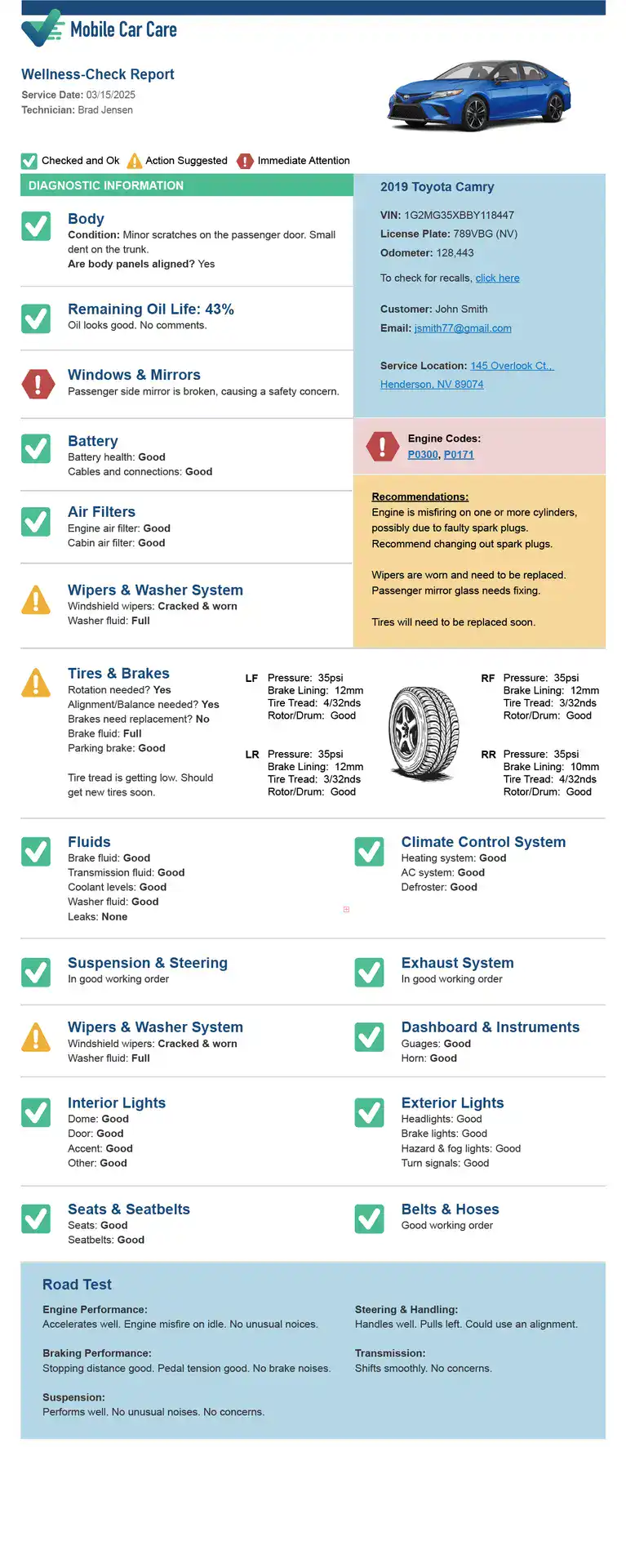
Catching these issues early is key to avoiding bigger, more expensive problems down the road. That’s why having a professional perform regular wellness checks is so important. A trained technician can spot a weak alternator before it fails, saving you a major headache. Our Essential Plan is designed for exactly this kind of proactive care, bringing peace of mind right to your driveway. But if you’re between check-ups, here are the key symptoms to watch for.
Flickering Lights and Electrical Glitches
Have you noticed your headlights seem to dim and brighten on their own? Or maybe your dashboard lights are flickering? This is one of the most common signs of a failing alternator. Because the alternator provides the power for all your car’s electronics, it can’t keep up with the demand when it’s going bad. You might see this as pulsing headlights, especially when you’re idling or driving at low speeds.
Beyond your lights, you might notice other strange electrical problems. Your radio could suddenly turn off, your power windows might move slower than usual, or you might see the battery warning light illuminate on your dash. Don’t ignore these seemingly minor annoyances—they’re often your car’s first cry for help.
Your Car Struggles to Start
If you turn the key and hear a clicking sound or the engine struggles to turn over, your first thought is probably a dead battery. While that might be true, the battery isn’t always the root cause. The alternator’s job is to recharge your battery as you drive. If it’s failing, it can’t do its job properly, and your battery will eventually drain, leaving you with a dead car battery.
You might be able to jump-start the car, but if the alternator is the culprit, the engine will likely die again shortly after you remove the jumper cables. A car that frequently stalls or has trouble starting is a clear sign that your charging system needs immediate attention.
Strange Noises or a Burning Smell
Sometimes, your ears and nose will be the first to detect an alternator problem. A failing alternator can make a distinct whining or growling sound that rises and falls with your engine’s RPMs. This noise is often caused by worn-out bearings inside the alternator. If you hear a sound like this coming from under the hood, it’s time to get it checked out.
An unusual smell is another serious warning sign. You might notice a scent like burning rubber, which can happen if the alternator’s drive belt is slipping and creating friction. An even more concerning smell is that of burning wires, which indicates the alternator is overheating and can create a fire hazard. If you notice any of these sounds or smells, stop driving and have your vehicle inspected as soon as possible.
How Much Does Alternator Replacement Cost?
Let’s be real: seeing a warning light on your dash is stressful, and the first question that usually comes to mind is, “How much is this going to set me back?” When it comes to alternator replacement, the final price can vary quite a bit, but most drivers can expect to pay somewhere between $500 and $750 for a professional replacement. Some high-end or luxury vehicles might even push that cost closer to $1,000.
This price tag covers both the new part and the skilled labor required to install it. The exact total depends on a few key factors, like the car you drive and where you get the work done. Understanding what goes into the final bill can help you feel more in control of the process and ensure you’re getting a fair price for the work.
Breaking Down the Cost: Parts vs. Labor
Your final invoice for an alternator replacement is split into two main categories: the cost of the new alternator itself and the cost of the mechanic’s time. The alternator is one of the more expensive components to replace in your car’s electrical system. The part alone can range from $150 for a basic model to over $400 for one designed for a luxury vehicle. You’ll also see a difference in price between OEM and aftermarket parts, with manufacturer-original parts typically costing more.
Labor costs cover the mechanic’s expertise and the time it takes to perform the replacement, which is usually one to two hours. Depending on the shop’s hourly rate, you can expect labor to add another $150 to $300 to your bill. This is where the convenience of a mobile mechanic can be a huge advantage, saving you the time and hassle of dropping your car off at a traditional garage.
What Influences the Final Price?
So, why isn’t there a single, flat price for this repair? Several factors can make the cost swing one way or the other. The biggest variable is your car’s make and model. An alternator for a common domestic car is generally less expensive and easier to access than one for a European luxury sedan, which often has a more compact and complex engine bay.
The location of the alternator also plays a significant role. If it’s easily accessible at the top of the engine, the job is quicker and therefore cheaper. If the mechanic has to remove several other parts just to reach it, the labor time—and your bill—will increase. Finally, where you choose to have the service done matters. Dealerships tend to have the highest prices, while independent shops are often more affordable. Services like Mobile Car Care offer transparent pricing and the convenience of coming to you, which simplifies the entire repair process.
Can You Replace an Alternator Yourself?
If you’re comfortable working on your car and have the right equipment, replacing an alternator can be a manageable DIY project. It’s a great way to save on labor costs and get to know your vehicle better. However, it’s not a simple task for a beginner. It requires a decent amount of mechanical know-how, the right tools, and a few hours of your time. Before you decide to tackle this yourself, let’s walk through what the job involves so you can make an informed decision.
The Tools You’ll Need for the Job
First things first, you’ll need to gather your tools. Having everything ready before you start will make the process much smoother. While the exact tools can vary slightly depending on your car’s make and model, you’ll generally need a good socket and ratchet set, a set of wrenches, and a serpentine belt tool to release the tension on the belt. You’ll also want a multimeter to test the old alternator before you remove it and the new one after installation. For a more comprehensive list of tools, it’s always a good idea to check a repair manual specific to your vehicle.
Safety First: What to Do Before You Start
Before you even think about loosening a single bolt, you must disconnect the battery. Specifically, disconnect the negative battery terminal. This is the most important step for your safety. Your car’s electrical system carries a powerful charge, and failing to disconnect the battery can lead to dangerous electrical shocks or short circuits that could damage other components. This simple action takes less than a minute and is crucial to prevent any electrical accidents while you work. Always put safety first—no exceptions.
Your Step-by-Step Replacement Guide
Once the battery is safely disconnected, the replacement process generally follows a few key steps. You’ll start by loosening the serpentine belt and slipping it off the alternator pulley. Next, you’ll need to unplug the electrical connectors from the back of the alternator. After that, you can unbolt the old alternator and remove it from the engine bay—it can be heavy, so be prepared. Then, you’ll install the new alternator, secure the mounting bolts, reconnect the electrical plugs, and put the serpentine belt back on. For a more detailed walkthrough, it’s helpful to watch a video for your specific car model.
Know Your Limits: When to Call a Professional
Let’s be honest: this job isn’t for everyone. If you’ve read through the steps and feel a bit overwhelmed, that’s perfectly okay. In many modern cars, the alternator is tucked away in a hard-to-reach spot, making the job frustrating without specialized tools. If you’re not confident in your skills, it’s always better to call a professional. A botched installation can cause more damage and lead to even costlier repairs. If you’d rather have peace of mind and get the job done right without sacrificing your weekend, you can always have one of our technicians from our Total Care Plan handle it for you.
How Long Does Alternator Replacement Take?
When your car needs a new alternator, one of the first questions you probably have is, “How long will my car be out of commission?” Time is valuable, and knowing the timeline helps you decide whether to tackle the job yourself or call in a professional. The answer depends on the car’s make and model and who’s doing the work, but we can give you a solid estimate to help you plan.
How Long a Professional Replacement Takes
If you opt for a professional mechanic, you can expect the job to be done relatively quickly. Most alternator replacements take between one and two and a half hours, with the average landing just over an hour. A skilled technician has the tools and experience to work efficiently, even in a tight engine bay. Of course, if the mechanic runs into a rusted bolt or finds another issue that needs attention, it could extend the timeline. For busy people, the convenience of a mobile service is a huge plus. A technician can perform the replacement right in your driveway while you continue with your day, turning a potential headache into a simple fix.
Planning Your DIY Timeline
If you’re comfortable working on your own car, replacing an alternator is a manageable weekend project. You should set aside anywhere from 90 minutes to three hours for the job. The process involves a few key steps, including disconnecting the battery, loosening and removing the serpentine belt, unplugging the electrical connections, and finally unbolting the old alternator. For a more detailed walkthrough, you can find great step-by-step guides online. I always recommend giving yourself a little extra buffer time, especially if it’s your first time. You never know when you might need to make an extra trip for a tool or deal with a stubborn part.
How to Keep Your New Alternator Healthy
Getting a new alternator is a great start, but making it last is the real goal. You don’t have to be a car expert to protect this vital component. With a few simple habits and a proactive approach to maintenance, you can extend its life and avoid the stress of another breakdown. Think of it as a little TLC that goes a long way in keeping your car’s electrical system running smoothly.
The key is to reduce the strain on your alternator and catch small issues before they turn into major, expensive problems. We’ll walk through some easy-to-adopt habits and explain why a little bit of prevention is worth so much more than a cure when it comes to your car’s health.
Easy Habits to Make Your Alternator Last
You can help your new alternator live a long and happy life with a few minor adjustments to your routine. First, try not to overload your car’s electrical system. While it’s fine to charge your phone, running multiple high-power devices at once—like a powerful sound system and extra lights—can put a heavy strain on the alternator. Second, pay attention to your battery. A weak or failing battery forces the alternator to work overtime to keep it charged, which can lead to premature failure. Finally, keep an eye on the serpentine belt—the belt that spins the alternator. If it’s cracked, frayed, or loose, it can’t do its job effectively and needs to be replaced.
Why Regular Check-ups Prevent Major Headaches
Ignoring the early warning signs of a failing alternator is a recipe for trouble. If you notice dimming headlights or strange electrical glitches, don’t wait for them to get worse. Driving with a faulty alternator can damage other parts of your car’s electrical system, leading to more complex and costly repairs. In a worst-case scenario, the alternator will fail completely, leaving you stranded.
This is where proactive care makes all the difference. Our Essential Plan includes comprehensive wellness checks that can spot alternator and battery issues early on. By having a professional look at your vehicle regularly, you can catch problems like a worn-out belt or a weak battery before they sideline you, saving you time, money, and a major headache.
Related Articles
- Mobile Battery Replacement: What You Need to Know – Mobile Car Care
- On-Site Car Battery Checks: Costs & Providers – Mobile Car Care
Frequently Asked Questions
My car won’t start. Is it the battery or the alternator? This is a classic car-trouble question. A good way to tell the difference is with a jump-start. If your car starts with a jump and stays running on its own, your battery was likely the problem. However, if the car starts but dies again shortly after you disconnect the jumper cables, the alternator is the probable culprit. It isn’t doing its job of recharging the battery, leaving you with no power to keep the engine going.
Is it safe to drive with a failing alternator? It’s best not to. When your alternator is failing, your car is running entirely on battery power, which won’t last long. You risk the car shutting down completely while you’re on the road, which can leave you stranded in an unsafe situation. If you notice warning signs like flickering lights or a battery warning on your dash, your safest bet is to get it inspected right away instead of trying to push your luck.
Why does the cost to replace an alternator vary so much? The final price tag depends on a few key things. The make and model of your car is the biggest factor—an alternator for a common sedan is usually much less expensive than one for a high-end European vehicle. The location of the alternator in the engine also matters. If it’s easy to get to, labor costs will be lower. If a mechanic has to remove other parts to reach it, the job will take longer and cost more.
Can a bad alternator drain my new battery? Absolutely. In fact, it’s one of the most common ways a new battery dies prematurely. The alternator is responsible for keeping your battery charged while you drive. If the alternator fails, your car’s electrical components will draw all their power directly from the battery until it’s completely drained. This constant strain can damage the battery and shorten its overall lifespan.
What’s the first thing I should do if I see the battery light on my dashboard? Don’t ignore it. That light is your car’s way of telling you there’s a problem with the charging system, which includes the alternator. Find a safe place to pull over and turn off any non-essential electronics like the radio or air conditioning to conserve battery power. Your next step should be to schedule a check-up as soon as possible to diagnose the issue before it leaves you stranded.