
We often think of car safety in terms of brakes and airbags, but clear visibility is your first line of defense. Your wiper blades are more than just accessories; they are essential safety equipment. When you’re driving your family through a storm, you need to trust that they’ll work perfectly. But with so many options on the market, understanding the true wiper blade cost can be tricky. This article will help you look beyond the price tag. We’ll explore how different types of blades perform, what you get for your money with various brands, and why a proper fit is non-negotiable for keeping the road ahead crystal clear.
Key Takeaways
- Match your blade to your climate and budget: Conventional blades are an affordable choice for mild weather, while beam or hybrid blades are a worthwhile investment for their superior, all-weather performance and longer lifespan.
- Decide between saving time or money on installation: Replacing blades yourself is the cheapest option, but professional installation is surprisingly affordable and saves you the time and hassle of getting the fit right.
- Focus on fit and quality over the lowest price: The correct blade size is essential for safety and a clear view. A more durable, higher-quality blade might cost more initially but saves you money and replacement trips in the long run.
A Breakdown of Wiper Blade Types and Costs
When it’s time to replace your wiper blades, you’ll quickly notice they aren’t all created equal. Walking down the aisle at an auto parts store can feel overwhelming with so many options, each with a different price tag. The main difference comes down to three types: conventional, beam, and hybrid. Understanding how each one works will help you choose the right fit for your car, your local weather, and your budget. Think of it less as just buying a part and more as an investment in clear visibility and safer driving, which is something we all want for our families.
The type of blade you choose directly impacts how well you can see during a storm and how long the blades will last before you need another replacement. A cheaper blade might save you a few dollars now, but if it streaks or wears out in a few months, was it really a good deal? On the other hand, you don’t always need the most expensive option to get great performance. Let’s break down what you get for your money with each type, so you can make a confident decision without overspending. Choosing the right blade ensures you’re prepared for anything the road throws your way, from a light drizzle to a sudden downpour.
Conventional Blades
Conventional blades are the classic standard you’ve probably seen on most cars. They have an external metal frame with several pressure points that hold the rubber blade against your windshield. They’re the most affordable option out there, typically costing between $10 and $20 per blade. Because of their design, they can sometimes leave streaks if the pressure isn’t perfectly even, and they’re more susceptible to collecting ice and snow in the winter. If you live in an area with mild weather and are looking for a budget-friendly fix, conventional wiper blades are a solid, no-frills choice. Just plan on replacing them every six months to a year to maintain clear visibility.
Beam Blades
Beam blades are a more modern, premium option. Instead of a metal frame, they consist of a single piece of rubber with a built-in spoiler. This sleek, frameless design allows the blade to apply uniform pressure across the entire windshield, which means a cleaner, streak-free wipe every time. They’re also much better at handling high speeds and harsh weather, as their aerodynamic shape prevents wind lift and they don’t have joints that can freeze up. While they cost more upfront—usually between $20 and $40 per blade—their superior performance and longer lifespan of about a year make beam-style blades a worthwhile investment for drivers who want maximum visibility.
Hybrid Blades
If you can’t decide between conventional and beam blades, hybrid blades offer the best of both worlds. They combine the sturdy, articulated frame of a conventional blade with the sleek, aerodynamic cover of a beam blade. This design provides the even pressure and all-weather performance of a beam blade while keeping the cost more manageable. They are a fantastic all-around choice, effectively clearing away rain, ice, and snow without the higher price tag of a premium beam blade. You can expect to pay between $20 and $30 for hybrid blades, making them a popular mid-range option for drivers who want reliable, year-round performance.
How Much Do Wiper Blades Cost by Brand?
Walking down the wiper blade aisle can feel a little overwhelming. With prices ranging from less than a movie ticket to a nice dinner out, how do you know what to choose? The brand name on the package often tells you a lot about the blade’s quality, materials, and expected performance. While you don’t always need the most expensive option, investing a little more can mean better visibility and a longer lifespan, saving you hassle down the road.
Generally, wiper blade brands fall into three main categories: budget-friendly, mid-range, and premium. Each tier offers a different balance of cost, durability, and all-weather performance. Understanding what each level provides will help you make a smart choice for your car and your driving conditions. Let’s break down what you can expect to find in each price range so you can feel confident in your purchase.
Budget-Friendly Options ($10-$20)
In the budget-friendly tier, you’ll mostly find conventional-style wiper blades. These are the classic, old-school blades with a metal frame and a rubber squeegee. Brands like ANCO or store-specific lines like Duralast offer perfectly functional options that get the job done for a low upfront cost. They are a great choice if you live in a mild climate with infrequent rain. The main trade-off is durability; these blades typically need to be replaced more often, usually every six months, as the rubber can wear down. You can find a wide variety of wiper blades in this price range at most auto parts stores.
Mid-Range Brands ($20-$40)
This is the sweet spot for most drivers. Mid-range blades, often from trusted brands like Bosch, Rain-X, and Trico, offer a significant upgrade in performance and longevity without a huge jump in price. Here, you’ll start seeing more beam and hybrid blades, which provide more uniform pressure against the windshield for a cleaner, streak-free wipe. They’re also built to handle more diverse weather, from heavy downpours to light snow. For most vehicles, you can get a quality pair of blades in this price range that will last you closer to a year, making them a fantastic value.
Premium Brands ($40-$80)
If you live somewhere with harsh winters or frequent storms, premium wiper blades are a worthwhile investment in your safety. Brands like Bosch ICON, Rain-X Latitude, and Michelin Guardian lead this category. These are typically advanced beam blades made with higher-quality materials like silicone or specially treated rubber that resists wear from ice and sun exposure. Many also feature aerodynamic designs that prevent wind from lifting them off the windshield at high speeds. While the initial cost is higher, their superior performance and durability mean you get maximum visibility in the worst conditions. These blades can often last well over a year, justifying the higher replacement costs for many drivers.
Where’s the Best Place to Buy Wiper Blades?
Once you’ve decided on the type and brand of wiper blade you need, the next question is where to buy them. The right place for you depends on what you value most: the lowest price, expert help, or pure convenience. Each option has its own set of pros and cons, so let’s walk through them.
Auto Parts Stores vs. Online Retailers
Your local auto parts store is a classic choice. Places like AutoZone have a wide selection of blades, with prices often falling in the $10 to $40 range. The biggest advantage is immediacy—you can walk in and grab what you need. Plus, some stores will even install the blades for you for free. The downside is you have to go to the store. Online retailers offer a massive selection, and you can use tools on sites like Valvoline to find the exact blades that fit your car. The trade-off is waiting for shipping and then installing them yourself, which isn’t ideal if you’re short on time.
Dealership Service Centers
Going to your car’s dealership is another option, especially if you prefer using Original Equipment Manufacturer (OEM) parts. You can be confident you’re getting blades designed specifically for your vehicle. However, this peace of mind comes at a premium. A dealership will charge for both parts and labor, with a simple replacement costing anywhere from $50 to over $100. While it’s a reliable choice, it’s often the most expensive and time-consuming, requiring you to schedule an appointment and wait at the service center. For a simple task, that’s a lot of time out of your day.
Convenient At-Home Installation with Mobile Car Care
If you want professional expertise without the hassle of a trip to the store or dealership, at-home installation is the perfect solution. While you can buy blades and attempt to install them yourself, it can be a frustrating process. Why spend your weekend fumbling with plastic clips when you don’t have to? This is where a service like Mobile Car Care shines. We bring the expertise directly to your driveway. You get high-quality wiper blades installed correctly by a professional, all while you handle more important things. This service can easily be included in one of our routine maintenance visits, like our Essential Plan, for total peace of mind.
DIY vs. Professional Installation: What’s the Cost Difference?
Deciding whether to replace your wiper blades yourself or have a professional handle it often comes down to a simple trade-off: time versus money. If you’re comfortable with a little hands-on work, the DIY route can save you a few bucks. But if your schedule is packed and you’d rather leave it to an expert, professional service offers a convenient, worry-free solution. It’s a common dilemma for car owners. On one hand, there’s the satisfaction and savings of doing it yourself. On the other, there’s the sheer convenience of handing the task over to someone else, especially when your weekend is already booked solid with family activities, errands, and trying to find a moment to just relax.
The good news is that neither option will break the bank, but knowing the cost difference can help you decide what makes the most sense for you. Think about your comfort level with car maintenance. For some, a quick YouTube tutorial is all it takes to feel confident enough to snap on a new pair of wipers. For others, the fear of buying the wrong size or breaking a plastic clip is enough to justify calling in a pro. There’s also the value of your time to consider. Could the 30 minutes you spend researching and replacing your wipers be better spent elsewhere? Understanding the real costs—both in dollars and in time—is key. Let’s break down what you can expect to pay for each option so you can make the best choice for your wallet and your schedule.
The DIY Route: Paying for Parts Only
If you enjoy a quick and satisfying car project, replacing your own wiper blades is a great place to start. When you go the DIY route, your only expense is the cost of the new blades. For most cars, you can find a decent pair of front wiper blades for somewhere between $30 and $75. This is a straightforward way to save on labor fees, which can add up quickly. You’ll just need to set aside about 15-20 minutes, find the right blades for your car model, and follow the instructions on the package. It’s a simple task that can give you a real sense of accomplishment and keep a little extra cash in your pocket.
Professional Service: Factoring in Labor
Let’s be honest—sometimes, you just don’t have the time or energy for another to-do list item. That’s where professional installation comes in. When you have a mechanic or technician replace your wipers, you’re paying for both the parts and their expertise. On average, a professional windshield wiper replacement costs between $50 and $61, including labor. While it’s more expensive than doing it yourself, you’re paying for the convenience of having it done correctly and quickly without having to lift a finger. For many busy people, that peace of mind is well worth the extra cost, especially when it means one less thing to worry about during a hectic week.
Finding Free Installation Offers
Want the best of both worlds? You might be in luck. Some auto parts stores have a fantastic perk: they’ll install your new wiper blades for free if you purchase them in-store. This is a great middle-ground option that saves you from paying separate labor costs while still getting the job done by someone who knows what they’re doing. It’s a smart way to get professional help without the professional price tag. Just be sure to call ahead to your local store to confirm they offer this service before you head over. It’s a simple step that can save you both time and money, making it a win-win for any driver.
What Really Determines Wiper Blade Cost?
When you see wiper blades priced anywhere from $10 to over $80, it’s fair to wonder what you’re actually paying for. The truth is, not all blades are created equal. The final price tag comes down to a few key factors: the size your car needs, the materials and design of the blade itself, and how well it’s built to handle different weather conditions. Understanding these differences will help you choose the right blades for your car and your budget, ensuring you get the best performance for your money without any guesswork.
Your Vehicle’s Size and Blade Length
One of the most straightforward factors influencing cost is the blade’s size. It’s simple: larger vehicles like trucks and SUVs require longer wiper blades than a compact sedan, and more material means a higher price. But it’s not just about length. Every vehicle has specific requirements for how the blades attach to the wiper arms. Using the wrong size or type can lead to streaks, chattering, or even damage to your windshield. That’s why it’s so important to find the exact fit. You can typically find the right wiper blades for your vehicle by checking your owner’s manual or using an online tool that asks for your car’s year, make, and model.
Material Quality and Design
Beyond size, the blade’s design and the materials used to make it play a huge role in its price. There are three main types of wiper blades: conventional, beam, and hybrid. Conventional blades are the traditional, budget-friendly option with an external frame. Beam blades are more modern, with a sleek, frameless design that applies more uniform pressure for a cleaner wipe. Hybrid blades combine features of both for top-tier performance. The rubber squeegee itself also varies, from standard natural rubber to more durable synthetic or silicone-coated options that resist wear and tear from the sun and elements, giving you a longer-lasting, clearer view.
Durability and All-Weather Performance
If you live in an area with unpredictable weather, investing in more durable blades is a smart move. Wiper blades designed for all-weather performance cost more because they’re engineered to handle everything from heavy rain to ice and snow without failing. These premium blades often feature protective shells to prevent ice buildup and use advanced rubber compounds that stay flexible in freezing temperatures. While their upfront cost is higher, their resilience means you won’t have to replace them as often. Think of it as paying for reliability and peace of mind, knowing your wipers will give you a clear view no matter what the forecast says.
How to Save Money on Wiper Blade Replacements
Wiper blades are a non-negotiable safety feature, but that doesn’t mean you have to break the budget to replace them. With a little planning, you can easily find quality blades without overpaying. A few simple strategies can help you save money on parts and installation, ensuring your view of the road stays clear all year long.
Look for Seasonal Sales and Promotions
Timing your purchase can make a big difference. Auto parts retailers often run sales on wiper blades right before the rainy or snowy seasons hit. Keep an eye out for promotions around spring cleaning events, back-to-school season in the fall, and major holidays like Black Friday. Signing up for email newsletters from your favorite auto parts stores is a great way to get notified about upcoming deals. Many retailers, like AutoZone, also offer free next-day delivery or in-store pickup, so you can take advantage of a sale without an extra trip.
Consider Bulk Buys and Loyalty Programs
When you spot a great deal on the right wiper blades for your car, consider buying more than one pair. Having a spare set on hand saves you from making a desperate, full-price purchase when your current blades unexpectedly fail during a downpour. It’s a simple way to plan ahead and save. Also, check to see if retailers offer loyalty programs that reward you with points or discounts. Some brands even provide perks like free shipping on orders over a certain amount, making it even more cost-effective to stock up.
Avoid Common Cost Myths
Many drivers avoid professional installation because they fear it will be too expensive. While doing it yourself saves on labor, the cost for professional service might be more reasonable than you think. The average windshield wiper blade replacement cost at a repair shop is typically between $53 and $64, a price that includes both the parts and the labor. For most standard vehicles, you can expect the total to be under $100. Knowing these ballpark figures helps you identify a fair price and ensures you don’t overpay for this simple but essential service.
What to Consider Besides the Price Tag
Choosing the right wiper blades goes beyond just finding the cheapest option on the shelf. While it’s tempting to grab the first pair you see, thinking about performance, durability, and fit will save you headaches and keep you safer on the road. A cheap blade that streaks during a downpour isn’t a bargain—it’s a liability. Investing a little more thought into your purchase ensures you get clear visibility when you need it most, giving you peace of mind every time you get behind the wheel. After all, your wiper blades are one of your car’s most important safety features, and they deserve more than a glance at the price tag.
Balancing Performance with Price
Wiper blades come in a wide range of prices, with many options falling between $10 and $40. It’s easy to wonder if a premium blade is really worth the extra cash. The answer depends on your driving conditions and priorities. A budget-friendly conventional blade might work just fine in a climate with infrequent rain. However, if you face harsh winters or heavy storms, a higher-end beam or hybrid blade will provide more consistent, streak-free performance. These premium blades often feature advanced rubber compounds and aerodynamic designs that maintain better contact with your windshield at high speeds, giving you a much clearer view. Think of it as an investment in your safety and comfort.
Thinking About Long-Term Value
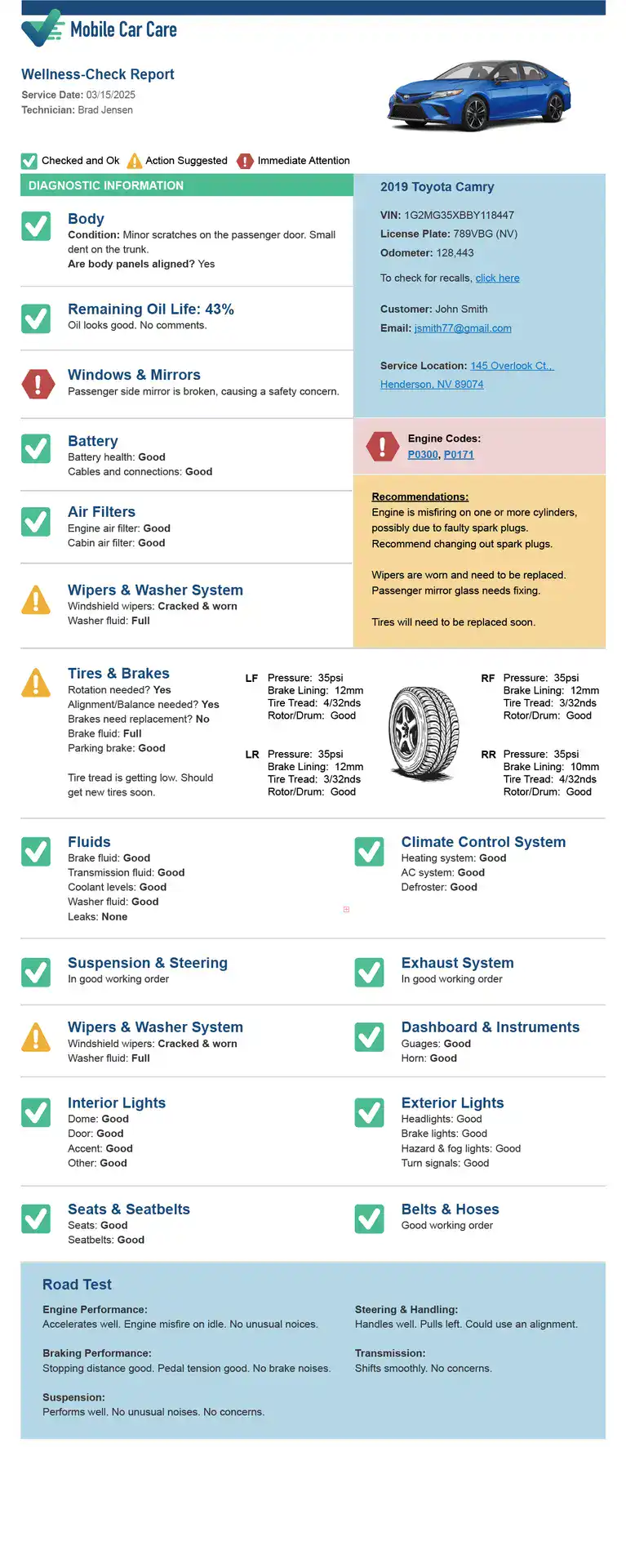
A durable, high-quality wiper blade can last significantly longer than a cheaper alternative, saving you money over time. While the upfront cost is higher, you won’t have to replace them as often. This also saves you the hassle of frequent trips to the auto parts store or repair shop. According to Kelley Blue Book, having a shop replace your blades can cost between $53 and $64 for parts and labor. By choosing a better blade from the start, you reduce that recurring expense. Services like our Essential Plan include wellness checks that can spot worn-out wipers early, ensuring you replace them before they become a problem and helping you get the most value out of every part on your car.
Why a Proper Fit Matters Most
Of all the factors to consider, getting the right size is the most critical. Using blades that are too long or too short can be ineffective and even damaging. Blades that are too long might hit each other or the edge of the windshield, while blades that are too short will leave large, uncleared patches in your line of sight. It’s a common mistake to just guess the size, but it’s one that can compromise your visibility. Your vehicle’s owner’s manual will list the correct sizes, or you can look them up online. If you’d rather leave it to a professional, a simple Quick Check can ensure you have the perfect fit for a streak-free view.
Related Articles
- The Complete Windshield Wiper Replacement Guide – Mobile Car Care
- On-Site Auto Care Costs: A Complete Guide – Mobile Car Care
- Mobile Car Detailing at Home: The Complete Guide – Mobile Car Care
Frequently Asked Questions
How often should I really be replacing my wiper blades? A good rule of thumb is to replace your wiper blades every six to twelve months. However, this isn’t a strict deadline. The best indicator is their performance. If you start to see streaks or hear chattering sounds, it’s time for a new pair. Your local climate also plays a big role; harsh sun and icy winters will wear down the rubber much faster, so you may need to replace them more frequently.
Are expensive wiper blades actually worth the extra money? For many drivers, they absolutely are. While a budget-friendly blade works fine in mild weather, a premium beam or hybrid blade provides noticeably better performance in heavy rain or snow. You’re paying for a more durable design that applies even pressure across the windshield, which means a clearer, streak-free view when you need it most. Think of it less as an expense and more as an investment in your safety and peace of mind during bad weather.
What are the signs that my current wipers need to be replaced? Your car will give you a few clear signals. The most obvious is streaking, where the blades leave behind lines or patches of water. You might also notice them skipping or chattering as they move across the glass instead of gliding smoothly. Take a close look at the rubber edge—if you see any cracks, splits, or rounded edges, their ability to clear your windshield is compromised and it’s time for a new set.
Can I mix and match different brands or types of wiper blades on my car? Yes, you can. There’s no rule that says your driver-side and passenger-side blades have to be from the same brand or even the same type. The most important thing is that each blade is the correct size and fits the attachment arm for its specific side. Sometimes one side of your windshield might even require a different length than the other, so always confirm the right sizes for your vehicle.
Is it difficult to install new wiper blades myself? While it’s considered a simple maintenance task, it can be a bit frustrating. The process itself isn’t complex, but the plastic clips and attachment mechanisms can be tricky and sometimes break if you apply too much force. For some, it’s a quick 15-minute job. For others, it can turn into a time-consuming puzzle. It really comes down to whether you prefer the satisfaction of doing it yourself or the convenience of having an expert handle it correctly in minutes.