
That high-pitched squeal when you start your car isn’t just an annoying noise; it’s your vehicle trying to tell you something important. Cars have their own language of sounds, feelings, and visual cues that signal when a part is wearing out. The belts are some of the most “talkative” components, often giving you plenty of warning before they fail completely. Learning to translate a chirp from the engine or a change in steering feel can turn a potential roadside emergency into a simple, scheduled repair. This guide will help you understand those signals so you know exactly when to replace a belt and keep your car running smoothly.
Key Takeaways
- Know the difference between your car’s main belts: Your car has two critical belts: the serpentine belt runs accessories like the power steering and A/C, while the timing belt keeps the engine’s internal parts synchronized. A failure in either one can stop your car, but a broken timing belt can cause severe engine damage.
- Watch for clear warning signs: Your car will give you clues that a belt is wearing out. Listen for high-pitched squealing, look for visible cracks or fraying on the rubber, and pay attention to performance issues like an overheating engine or stiff steering.
- Stick to a replacement schedule to avoid breakdowns: Proactive maintenance is always better than a reactive repair. Following your vehicle’s recommended replacement schedule prevents a belt from snapping unexpectedly, saving you from the stress and high cost of a roadside emergency.
What Are the Essential Belts in Your Car?
When you pop the hood of your car, you’ll see a network of rubber belts winding around various pulleys. These belts are the unsung heroes of your vehicle, transferring power from the engine to keep critical systems running smoothly. While they might not get as much attention as your tires or brakes, their health is just as important for keeping you safely on the road. Understanding the key players in this system, like the serpentine and timing belts, helps you know what to look for and why proactive checks are so important. Let’s break down the essential belts and what each one does.
Serpentine Belt: The Multi-Tasker
Think of the serpentine belt as your car’s ultimate multi-tasker. This single, long, snaking belt powers several of your car’s essential accessories all at once. Its job is to keep the alternator, power steering pump, air conditioning compressor, and water pump running. If the serpentine belt snaps, you’ll immediately lose power steering, your battery will stop charging, and your engine could quickly overheat. Because it does so much, a failing serpentine belt can cause a lot of problems, making regular inspections a must for keeping your car’s components running properly.
Timing Belt: The Precision Keeper
Hidden away inside the engine, the timing belt has one of the most important jobs of all: keeping your engine’s internal parts moving in perfect harmony. It acts like a bicycle chain, synchronizing the rotation of the crankshaft and the camshafts. This ensures the engine’s valves open and close at the exact right moment for smooth operation. Unlike a serpentine belt, if a timing belt breaks, it can cause catastrophic and expensive engine damage. That’s why it’s so important to follow your vehicle manufacturer’s replacement schedule for this part, as a failure can be a major problem for your engine.
Drive Belt vs. Accessory Belt: What’s the Difference?
You might hear a few different terms for belts, which can get a little confusing. “Accessory belt” is just another name for the serpentine belt, since it powers your car’s accessories. The term “drive belt” is a bit more general. It can be used as a catch-all for any belt that drives a component, including the serpentine belt. However, in older vehicles, you might find multiple individual drive belts instead of a single serpentine belt. Each of these smaller belts would power just one component, like the alternator or the water pump. Most modern cars use a single serpentine belt for simplicity and efficiency.
How Long Do Car Belts Actually Last?
It would be nice if every part of your car came with a clear expiration date, but that’s not quite how it works. When it comes to your car’s belts, think of their lifespan as a “best by” date rather than a hard deadline. The actual timing for a replacement depends on your vehicle’s make and model, your driving habits, and even the climate you live in. A car that sits in a hot garage all summer will experience different wear than one driven daily in a mild climate.
Knowing the general guidelines for your car’s essential belts is the first step toward preventing a breakdown. While a broken belt can seem like a sudden surprise, it’s usually the result of gradual wear that could have been spotted earlier. Understanding the typical replacement intervals for both serpentine and timing belts helps you plan ahead, budget for the service, and avoid getting stranded on the side of the road. It’s all about turning potential emergencies into routine maintenance.
Serpentine Belt Lifespan
Your serpentine belt is a real workhorse, powering everything from your alternator and power steering to your air conditioner. As a general rule, you can expect a serpentine belt to last between three to five years. While a snapped serpentine belt will cause your car to stop running, the good news is that it typically doesn’t cause catastrophic engine damage. However, it will leave you without power steering and a way to charge your battery, which is an immediate problem. Regular visual inspections can help you catch signs of wear long before it gets to that point, making it an easy issue to address during a routine check.
When to Replace Your Timing Belt
The timing belt is a different story, and its replacement schedule is one you don’t want to ignore. Most manufacturers recommend replacing the timing belt every five years or somewhere between 60,000 and 100,000 miles. The absolute best source of information is your car’s owner’s manual, which will give you the precise interval for your specific vehicle. Unlike the serpentine belt, a broken timing belt can cause serious and expensive damage to your engine’s internal components. Sticking to the recommended replacement schedule is one of the most important things you can do to protect your engine’s health for the long haul.
What Makes Car Belts Wear Out Faster?
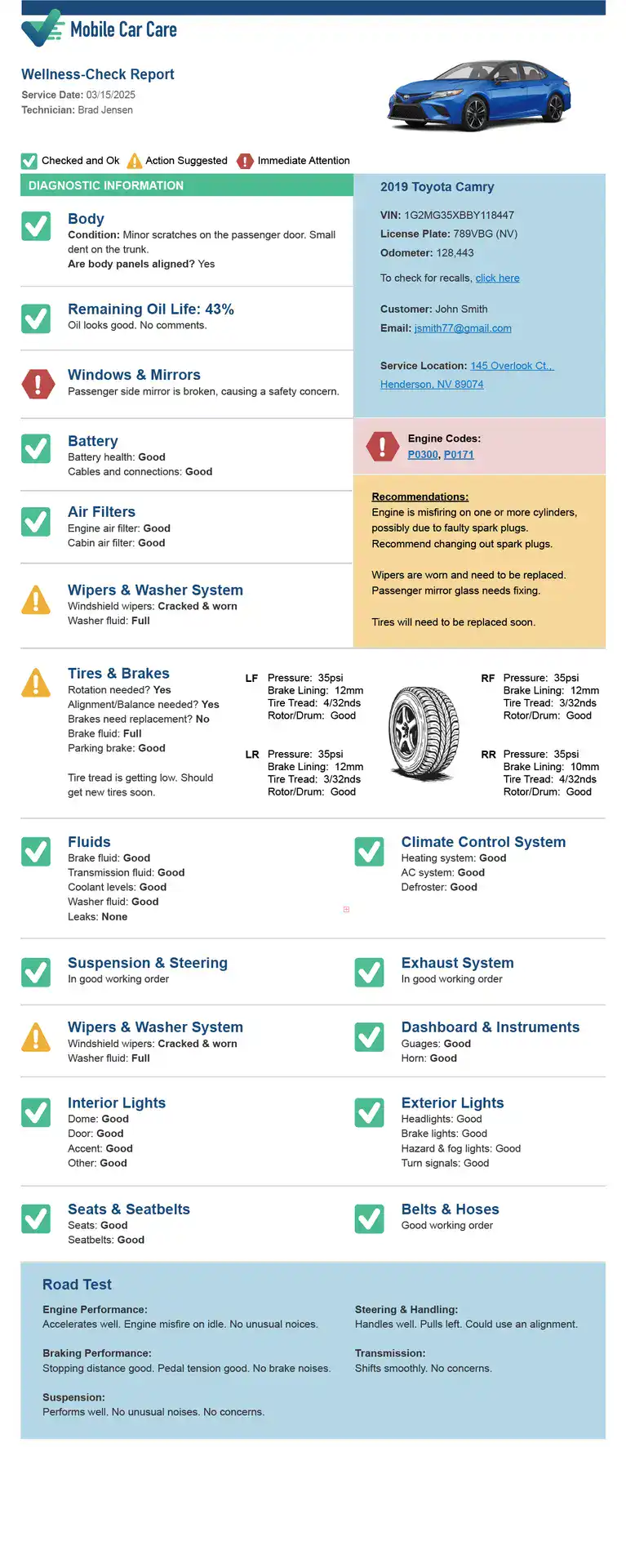
Mileage is just one piece of the puzzle. Several factors can cause your car’s belts to wear out ahead of schedule. The intense heat from the engine is a primary cause, as it slowly degrades the rubber over time. Extreme weather, from scorching summers to freezing winters, also takes a toll. Even small leaks from oil or coolant can contaminate the belt, causing the rubber to soften and slip. This is why a car with low mileage might still need a new belt if it’s several years old. Our technicians check for these exact issues during our comprehensive wellness checks, which are included in our Essential Plan.
What Are the Warning Signs of a Failing Belt?
Your car is pretty good at telling you when something’s wrong, especially when it comes to its belts. You just have to know what to look and listen for. Catching the early warning signs of a failing belt can save you from the stress of a roadside breakdown and a much bigger repair bill. Think of it as a little health check-up for your vehicle. The key is to pay attention to any new sights, sounds, or feelings when you drive. These clues usually fall into three main categories, making it easier to spot trouble before it starts.
What to Look For: Cracks, Fraying, and Wear
One of the most straightforward ways to check on your belts is to simply look at them. A healthy belt should be smooth and solid black. If you pop the hood and see a belt that looks shiny or glazed, it might be slipping. You should also look for cracks, fraying along the edges, or any pieces that are missing from the ribbed side. These are clear signs that the rubber is old and brittle and could snap soon. If you’re not comfortable checking yourself, this is a standard part of any vehicle inspection, like the one included in our Quick Check service.
What to Listen For: Squeals, Chirps, and Grinds
Your ears are one of your best tools for diagnosing a belt issue. If you hear a high-pitched squealing or a persistent chirping sound coming from the engine, a worn or loose belt is the likely culprit. This noise often gets louder when you first start the car, turn the steering wheel, or run the air conditioner, because these actions put more demand on the belt. While the sound might come and go, especially with changes in weather, it’s a clear signal that the belt is losing its grip. Ignoring it is like ignoring a smoke alarm; it’s a warning that needs attention before the situation gets worse.
How Your Car Feels: Steering Issues and Overheating
Sometimes, you can feel a failing belt before you see or hear it. Since the serpentine belt powers several critical systems, you’ll notice when it starts to slip. Your steering might suddenly feel heavy or difficult to turn, which points to a problem with the power steering pump. You might also see your battery light flicker on the dashboard, signaling that the alternator isn’t charging properly. The most serious sign is an overheating engine. If your temperature gauge starts to climb, the belt may no longer be turning the water pump. This is an urgent issue, as driving an overheating car can cause severe engine damage. Regular maintenance, like our Total Care Plan, helps prevent these surprises.
What Happens If You Don’t Replace a Worn Belt?
Putting off belt replacement might seem like a way to save a little time and money now, but it’s a gamble that rarely pays off. A worn-out belt doesn’t just get a little weaker; it can fail completely and without warning. When that happens, the consequences range from a major inconvenience to catastrophic engine damage. Let’s break down exactly what’s at stake when you ignore a worn belt.
The Risk of a Broken Timing Belt
Think of the timing belt as the conductor of your engine’s orchestra. If it snaps, the harmony is gone. In many cars with what’s known as an interference engine, a broken timing belt causes the engine’s valves and pistons to collide. This isn’t a minor fender bender inside your engine; it’s a high-speed crash that can lead to bent valves, damaged pistons, or even a completely ruined cylinder head. The result is serious, expensive damage that could have been avoided with a timely replacement.
Why a Snapped Serpentine Belt Stops You in Your Tracks
If the timing belt is the conductor, the serpentine belt is the powerhouse. This one long, winding belt runs several crucial components. When it breaks, your car loses power to the alternator (which charges the battery), the power steering pump (making the wheel incredibly hard to turn), and the water pump (which cools the engine). Your car will stop working almost immediately, leaving you stranded wherever you are. Trying to drive even a short distance can cause the engine to overheat, turning a single broken part into a much bigger problem.
The High Cost of Waiting: Safety and Repair Bills
Proactive maintenance always wins against reactive repairs, especially when it comes to your car’s belts. The cost to replace a timing belt on schedule is significant, but it’s a fraction of what you’d pay to repair an engine after the belt has failed. We’re talking a difference of thousands of dollars. Beyond the financial hit, there’s the safety risk of your car breaking down unexpectedly, potentially on a busy highway or in an unfamiliar area. Regular inspections, like those in our Essential Plan, are designed to catch wear and tear before it leads to a breakdown, saving you money and keeping you safe on the road.
How to Extend the Life of Your Car’s Belts
A little proactive care can go a long way in keeping your car’s belts in good shape, saving you from the stress of a sudden breakdown. You don’t have to be a car expert to play a part in this. By combining simple at-home checks with regular professional inspections, you can catch wear and tear early and keep your vehicle running smoothly. Think of it as a small investment of your time that pays off big in safety and savings. Let’s walk through a few easy steps you can take to help your car’s belts last as long as possible.
Your Quick Monthly Belt Check
Once a month, take just a few minutes to pop the hood and look at your car’s belts. You’re looking for any obvious signs of trouble like cracks, fraying, or glazing, which gives the belt a shiny, worn-down appearance. A healthy belt should look smooth and fit snugly in its pulleys without any loose threads hanging off the sides. This quick visual check is your first line of defense and can help you spot a problem before it leaves you stranded on the side of the road.
Why Professional Checks Matter
While your monthly once-over is a great habit, it doesn’t replace the trained eye of a technician. Some signs of wear are subtle and hard to spot without experience. If you notice anything that looks off during your check, it’s best to have a professional take a look right away. Our technicians include this as part of our comprehensive wellness checks, where we can assess belt tension and identify less obvious wear. Getting an expert opinion provides peace of mind and ensures a small issue doesn’t turn into a major, expensive repair down the line.
Simple Tips for Proactive Maintenance
The single best way to extend the life of your belts is to follow your vehicle manufacturer’s recommended replacement schedule. Replacing belts on schedule is a proactive step that prevents them from breaking unexpectedly, which can cause serious engine damage. When it is time for a replacement, make sure to use high-quality belts that match your car’s original specifications. Sticking to a maintenance plan and using the right parts are simple but powerful ways to ensure your car remains reliable and safe for you and your family.
Related Articles
- Mobile Serpentine Belt Replacement: What to Expect – Mobile Car Care
- Serpentine Belt Replacement: Your Guide to Cost & DIY – Mobile Car Care
- How to Do a DIY Belt and Hose Inspection – Mobile Car Care
Frequently Asked Questions
My car is making a squealing sound. Does that definitely mean a belt is failing? A high-pitched squeal, especially when you start the car or use the AC, is a classic sign of a worn or loose serpentine belt. While it’s the most common cause, the noise could also point to a problem with a pulley or the belt tensioner. It’s your car’s way of asking for attention. Getting it checked out promptly is the best way to diagnose the exact issue and fix it before the belt fails completely.
My car doesn’t have a lot of miles on it. Do I still need to check the belts? Yes, absolutely. Time can be just as tough on belts as mileage is. The rubber material degrades naturally over the years due to constant exposure to engine heat and changing weather conditions. A five-year-old belt on a car with low mileage could be just as cracked and brittle as a newer belt with high mileage. That’s why most manufacturers provide replacement guidelines based on both miles and years, whichever comes first.
What’s the most important takeaway about the timing belt versus the serpentine belt? The simplest way to think about it is to consider the consequences if one breaks. If your serpentine belt snaps, your car will stop running and leave you stranded, which is a major inconvenience. If your timing belt breaks, however, it can cause a catastrophic collision inside your engine, leading to thousands of dollars in damage. Both are critical, but ignoring the timing belt’s replacement schedule carries a much higher financial risk.
If my serpentine belt breaks while I’m driving, can I still get to a repair shop? I would strongly advise against it. When the serpentine belt snaps, your engine will quickly start to overheat because the water pump is no longer working. Driving even a short distance with an overheating engine can cause severe and permanent damage, like a warped cylinder head. The safest thing to do is to pull over immediately and call for assistance.
Can I just wait until a belt breaks to replace it? While it might seem practical to wait, it’s a risky approach that often leads to more stress and higher costs. A broken belt never happens at a convenient time; it happens on the highway, in bad weather, or when you’re already running late. Proactive replacement based on inspections and your car’s maintenance schedule turns a potential emergency into a predictable, routine service, saving you from the danger and expense of a sudden breakdown.