
Sooner or later, every driver faces a moment of car trouble. For a new teen driver, a flat tire or a dead battery can feel like a genuine crisis, especially when they’re far from home. The goal isn’t to teach them how to rebuild an engine, but to give them a clear, calm plan for what to do when the unexpected happens. Knowing how to identify a problem and how to stay safe while getting help can turn a moment of panic into a manageable inconvenience. These crucial teens car care tips away from home are designed to build that problem-solving confidence, ensuring they feel equipped to handle common roadside issues safely and effectively.
Key Takeaways
- Master the Monthly Check-Up: Teach your teen a few non-negotiable monthly habits, like checking the oil and tire pressure. This simple routine builds their confidence and helps them catch small issues before they become big problems.
- Prepare for the Unexpected: Equip your teen’s car with an emergency kit and walk them through what to do if they break down. Knowing how to stay safe and who to call turns a moment of panic into a manageable situation.
- Learn Your Car’s Language: Help your teen understand what dashboard warning lights and strange noises mean. Knowing how to interpret these signals is key to identifying problems early and knowing when it’s time to call a professional.
What Car Maintenance Should Your Teen Master?
When your teen gets their driver’s license, it’s a huge step toward independence. But with that freedom comes responsibility, and that includes knowing their way around the car they’re driving. Teaching them a few basic maintenance skills isn’t just about saving money on repairs; it’s about building their confidence and keeping them safe on the road. If they can spot a small issue before it becomes a major problem, they’ll be better prepared for whatever comes their way.
Think of these skills as the foundation of responsible driving. By mastering these simple checks, your teen will develop a better understanding of how their car works and learn to be a more proactive, aware driver. Let’s walk through the essential checks every new driver should have in their toolkit.
How to Check the Oil
Engine oil is like the lifeblood of a car, keeping all the moving parts lubricated and running smoothly. Checking the oil is one of the easiest and most important tasks your teen can learn. Show them how to find the dipstick (it usually has a brightly colored handle), pull it out, and wipe it clean with a paper towel. Then, they’ll push it all the way back in and pull it out again to get an accurate reading. The oil level should be between the two marks. If it’s low, they can add a little at a time. This simple car care tip should be done every month or so to keep the engine healthy.
Check Tire Pressure and Treads
Properly inflated tires are critical for safe handling, braking, and fuel efficiency. Teach your teen that they can’t check tire pressure just by looking. They’ll need a simple pressure gauge. Once a month, they should check the pressure in all four tires when they’re cold (meaning the car hasn’t been driven for a few hours). The correct pressure level, or PSI, is listed on a sticker inside the driver’s side door. They should also check the tire treads using the “penny test.” Just place a penny upside down in the tread groove. If they can see all of Lincoln’s head, the treads are too worn and it’s time for new tires, a key part of teen driver safety.
Inspect Key Fluid Levels
Beyond oil, there are a few other fluids that are easy to monitor. Show your teen where to find the reservoirs for coolant and windshield washer fluid. The coolant reservoir is usually a translucent plastic tank, so they can see the fluid level without even opening the cap. Keeping it at the right level prevents the engine from overheating. Windshield washer fluid is just as important for maintaining clear visibility in bad weather. It’s also a good habit to keep the gas tank at least a quarter full. Consistently running on empty can damage the fuel pump over time, leading to a costly repair.
What to Know About the Battery
A dead battery is one of the most common reasons for a car breakdown, and it can leave your teen stranded. While they won’t be performing complex electrical work, they should know the warning signs of a failing battery. Teach them to pay attention if the engine seems slow to start, the headlights are dim when the car is idling, or the battery warning light comes on. They should also know how to identify the battery and look for corrosion—a white or bluish fuzzy substance—on the terminals. This can be a sign the battery needs professional attention before it fails completely. This basic car care knowledge can prevent a lot of future headaches.
How to Do a Quick Pre-Trip Inspection
Before your teen heads out, whether it’s for a short drive to school or a longer road trip, a quick pre-trip inspection is one of the best habits they can form. This isn’t about being a master mechanic; it’s about being an observant driver. Taking just five minutes to check on the car’s basic condition can help them spot small issues before they turn into major, trip-ruining problems. Think of it as a quick wellness check for their vehicle.
This simple routine builds confidence and reinforces the responsibility that comes with driving. It teaches them to be proactive about their safety and the health of their car. By knowing what to look for, they can catch potential problems early and learn when it’s time to ask for help. For a more detailed professional review, a service like our Quick Check can provide that extra layer of confidence, but a daily visual scan is a powerful tool for any driver to have. Let’s walk through the three simple steps to make this a regular part of their driving routine.
Look Under the Hood
Popping the hood might seem intimidating, but this step is purely visual. You don’t need any tools. With the engine off and cool, simply open the hood and look for anything that seems out of place. Scan the engine compartment for any signs of leaks on the components or drips on the ground below. Check for corrosion, which often looks like white or bluish fuzzy buildup on the battery terminals. Make sure you don’t see any loose wires or cracked hoses. This quick glance helps you identify potential issues before they become serious problems on the road.
Walk Around the Car
Next, do a simple walk-around. Start at one corner and make a full circle, looking at the car’s exterior. Check the tires to see if any look low on air and glance at the tread for excessive wear. Make sure all the lights—headlights, taillights, and turn signals—are clean and don’t have any visible cracks. You can have your teen turn them on to ensure they’re all working correctly. This simple visual inspection is a critical step in making sure the vehicle is safe to drive every single time.
Check the Interior and Dashboard
Finally, before pulling out of the driveway, have your teen hop in and check the interior. First, they should adjust their mirrors and seat for proper visibility. Then, turn the key to the “on” position without starting the engine. All the dashboard lights should illuminate. Once the car is started, these lights should turn off. If any warning lights stay on, it’s a signal that something needs attention. It’s a great idea to familiarize yourself with what each warning light means so you can address issues right away. Give the horn a quick beep to make sure it works, too.
What to Do When Car Trouble Happens
Even the most well-maintained car can have a bad day. For a teen driver, a sudden breakdown or a flashing dashboard light can be genuinely scary. The key isn’t to prevent every possible issue but to equip them with the knowledge and confidence to handle problems safely when they arise. It’s about turning a moment of panic into a manageable situation.
The best thing you can do is walk them through different scenarios before they happen. Talk about what to do if the car won’t start, if they get a flat tire, or if a strange light appears on the dash. By creating a clear plan, you give them a roadmap to follow instead of leaving them to figure it out alone on the side of the road. This preparation helps them stay calm, make smart decisions, and know exactly who to call for help. It’s one of the most important lessons in car ownership you can teach them.
Spot Common Warning Signs
The first step in handling car trouble is noticing it before it becomes a major emergency. Teach your teen to be in tune with their car and recognize when something feels, sounds, or smells off. Explain that the car uses warning lights and sounds to communicate problems. For example, a squeaking or grinding noise when they hit the brakes is a clear sign the brake pads need attention. Similarly, if they see puddles of colorful fluid under the car, it’s a signal of a leak that needs to be checked out. A blinking check engine light is especially serious and means they should pull over as soon as it’s safe.
Stay Safe in an Emergency
If car trouble happens while driving, your teen’s top priority is safety. The first rule is to get off the road. Instruct them to turn on their hazard lights immediately to alert other drivers, then carefully pull over to the shoulder or into a nearby parking lot. If they’re on a busy highway, it’s almost always safer to stay in the car with the doors locked and call for help. Remind them that their well-being is more important than the car. By having a clear plan for handling car problems on the road, they can avoid making a stressful situation more dangerous.
How to Handle a Dead Battery or Flat Tire
A dead battery and a flat tire are two of the most common roadside headaches. If the car won’t start and just makes a clicking sound, the battery is the likely culprit. While knowing how to jump-start a car is a great skill, make sure they also know it’s okay to call for help if they aren’t comfortable. For a flat tire, the car will often pull to one side or feel wobbly. The most important thing is having a plan. This could mean learning how to change a tire themselves or knowing they have a reliable roadside assistance plan to call.
Know When to Call a Pro
Part of responsible car ownership is knowing your limits. While it’s great for teens to handle basic checks, it’s crucial they understand when a problem needs a professional. A blinking check engine light, for instance, signals a serious issue that could damage the engine if they keep driving. Persistent problems, like a tire that keeps losing air or brakes that feel spongy, are also clear signs to call for help. Instead of letting a small issue turn into a major repair, it’s always better to have a professional get it checked. This proactive approach not only keeps them safer but also saves stress and money down the line.
What Every Teen Should Keep in Their Car
Knowing your teen is prepared for the unexpected brings incredible peace of mind. While you can’t be in the passenger seat for every drive, you can make sure their car is. Equipping their vehicle with the right tools and supplies is one of the best ways to prepare them for common roadside issues. It’s not about turning them into a mechanic overnight; it’s about giving them the resources to handle a situation safely and confidently until help arrives.
A well-stocked car empowers a new driver to be more self-reliant. It transforms a moment of panic—like a dead battery or a low tire—into a manageable problem. Think of it as a safety net on wheels. Before they hit the road, walk them through everything in their kit, explaining what each item does. This simple walkthrough can make all the difference when they’re faced with their first car problem alone.
The Emergency Kit Essentials
Every car should have an emergency kit, and this is especially true for new drivers. Start with the absolute basics: jumper cables, a powerful flashlight with extra batteries, a first-aid kit, and a portable phone charger or power bank. Non-perishable snacks and a few bottles of water are also smart additions. Beyond that, include a blanket, gloves, and some basic tools like a wrench and screwdrivers. The goal is to cover the most common roadside troubles. Of course, the best way to handle an emergency is to prevent one, which is why a routine maintenance check-up is so important for addressing potential issues before your teen even gets behind the wheel.
Tools for Simple On-the-Go Fixes
Your teen doesn’t need a full mechanic’s toolbox, but a few key items can help them diagnose a problem. A tire pressure gauge is a must-have for checking and maintaining proper inflation. You should also include a small set of wrenches, pliers, and screwdrivers for minor adjustments, like tightening a loose battery terminal. It’s also wise to teach your teen how to identify the signs of common problems, like leaking fluids or the squealing sounds of worn-out brakes. Having these simple tools on hand gives them the ability to assess a situation and make a safe, informed decision on whether to call for professional help.
How to Keep the Car Clean and Safe
A clean car isn’t just about looking good—it’s a key part of being a safe and responsible driver. Clutter can create dangerous distractions and hide potential issues. Teaching your teen these simple habits will help them maintain their vehicle and stay focused on the road.
Organize the Interior for Safety
Anything not tied down can become a projectile in a sudden stop or a distraction if it rolls under the brake pedal. Start by getting rid of any trash, old papers, or random items that have collected on the floor or seats. To keep things tidy long-term, use car seat organizers to give essentials like water bottles, charging cables, and snacks a designated home. A clutter-free car means a clutter-free mind, allowing your teen to concentrate fully on driving. This simple practice not only makes the car more pleasant to be in but also removes potential hazards from the driver’s space.
Simple Ways to Keep the Exterior Clean
A car’s exterior takes a beating from dirt, sun, and bird droppings, which can damage the paint over time. You don’t need a professional detail every week to keep it in good shape. Encourage your teen to incorporate regular vehicle cleaning into their routine, even if it’s just a quick wash once a month. For in-between messes, keeping a pack of automotive cleaning wipes in the glove compartment is a game-changer. It’s an easy way to wipe away grime or spills before they become a bigger problem, helping maintain the car’s condition and value.
Why a Tidy Car Matters
It might seem like a small thing, but a tidy car has a big impact. First and foremost, it’s about safety. A clean and organized car helps reduce distractions while driving, which is one of the leading causes of accidents for new drivers. Beyond that, it teaches responsibility. Taking care of a vehicle—inside and out—shows respect for the investment and builds good habits that will last a lifetime. When your teen takes pride in their car’s condition, they’re more likely to pay attention to its mechanical needs, too.
What Your Car Is Trying to Tell You
Cars can’t talk, but they have their own ways of telling you when something is wrong. Learning to interpret these signals—the lights on the dashboard and the sounds from under the hood—is one of the most important skills a new driver can develop. It’s the difference between a quick, minor fix and a major, expensive repair, or worse, getting stranded on the side of the road. Paying attention to these cues helps your teen become a more responsible and confident driver, ready to handle issues before they become emergencies. Think of it as learning your car’s language; once you know what it’s saying, you can respond quickly and keep it running smoothly for years to come.
A Guide to Dashboard Warning Lights
That colorful display of lights on the dashboard isn’t just for decoration. It’s your car’s primary way of communicating a problem. While some lights are simple reminders (like a seatbelt warning), others signal serious issues. The best way to learn what each symbol means is to check the owner’s manual—keep it in the glove box! The most infamous is the “Check Engine” light. If it’s on and steady, you should get the car checked soon. But if it’s blinking, that’s a sign of a serious problem. You need to pull over safely as soon as possible and call for help. Understanding these signals is a key part of driver safety.
Listen for Unusual Noises
It’s easy to tune out car sounds, especially with the radio on. But new or strange noises are often the first sign that something is off. Encourage your teen to listen for anything out of the ordinary. Brakes, for example, have their own set of warning sounds. The common signs of brake issues include a high-pitched squeal when you press the pedal, a grinding sound, or a spongy feeling. Other sounds to watch for are hissing, which could mean a fluid leak, or clunking when you go over bumps. The rule is simple: if you hear a new noise, don’t ignore it. Getting it looked at with a Quick Check can give you peace of mind and prevent a small issue from growing.
Where Teens Can Learn More About Cars
Empowering your teen with knowledge is one of the best ways to prepare them for the road. While you can’t be in the passenger seat for every trip, you can give them the tools to understand their car and handle unexpected issues with confidence. The key is balancing hands-on learning with knowing when it’s time to call in a professional. Luckily, there are plenty of resources available to help them learn the difference and build a solid foundation of car care knowledge.
Helpful Apps and Online Guides
The internet is packed with car care information, but it can be tough to know where to start. A great first step is to focus on the fundamentals. There are fantastic online guides that teach teens how to spot and fix car problems early, like what that check engine light is trying to tell them or how to identify a strange fluid leak. Beyond diagnostics, it’s about preparation. Every driver should know what goes into a basic emergency kit—think jumper cables, a flashlight, and a phone charger. Having these items and knowing how to use them can turn a stressful situation into a manageable one.
When to Lean on the Professionals
Knowing what you can’t fix is just as important as knowing what you can. Some car issues are clear signals to pull over and call for help. If your teen notices grinding noises when they brake or the pedal feels spongy, that’s not something to ignore. More complex issues with the alternator, fuel pump, or transmission can cause a breakdown and require an expert. It’s crucial they understand that trying to fix these problems without experience can make things worse. Teaching them to recognize the signs of a serious issue and knowing who to call is a critical part of driver safety. For parents, a routine maintenance check-up can address imminent car repair issues before they become a roadside emergency.
Build Confidence with a Simple Maintenance Routine
A little bit of routine goes a long way in building confidence behind the wheel. When your teen knows their car is in good shape, they can focus on driving safely. The best way to get there is by turning car care into a simple, repeatable habit rather than a series of stressful, unexpected events. It’s not about becoming a master mechanic overnight; it’s about creating a basic rhythm of checks and maintenance that keeps their car reliable and gives everyone peace of mind. This proactive approach helps them understand their vehicle and feel more prepared for whatever happens on the road.
Set Up a Maintenance Schedule
Every car comes with a roadmap for its own care: the owner’s manual. This is the best place to find the manufacturer’s recommended schedule for everything from oil changes to brake inspections. A good rule of thumb is to change the oil every 5,000 miles, but the manual will have the final say. To make things even simpler, you can establish a professional maintenance plan that handles the heavy lifting. Our recurring Essential Plan brings an 85-point wellness check right to your driveway, taking the guesswork out of tracking service dates and ensuring small issues are caught before they become big problems. It’s a great way to help your teen learn what professional maintenance looks like without the hassle of a repair shop.
Form Good Car Care Habits for Life
Beyond the scheduled service appointments, a few simple habits can make a huge difference in a car’s health and longevity. Encourage your teen to learn how to check the car’s oil level every month or so—it’s a quick and easy task that helps them stay connected to their vehicle’s needs. Another crucial habit is to never run the gas tank down to empty. Consistently driving on a low tank can cause sediment from the bottom of the tank to clog the fuel filter and can even damage the fuel pump over time. Keeping the tank at least a quarter full is a simple habit that prevents expensive, avoidable repairs down the road.
Give Them Confidence on the Road
Watching your teen drive off alone for the first time is a mix of pride and nerves. One of the best ways to quiet those nerves—for both of you—is to equip them with knowledge. When a new driver understands their car, they feel more capable and less anxious behind the wheel. The goal isn’t to turn them into a mechanic overnight, but to give them the confidence to handle small issues and the wisdom to know when to call for help.
Start by walking them through the basics. When you teach your teens how to perform simple checks on their own, you’re giving them a sense of ownership and control. This hands-on guidance helps them understand that a car isn’t just a magic box that gets them from point A to point B; it’s a machine that needs care. Knowing how to check the oil or what a healthy tire looks like demystifies the vehicle and replaces fear with familiarity.
Preparedness is another huge confidence builder. Make sure your teen’s car has an emergency kit with essentials like jumper cables, a flashlight, and a first-aid kit. Just knowing those tools are in the trunk can reduce the panic if something goes wrong. It’s the same reason we have fire extinguishers in our kitchens—we hope we never need them, but we feel safer knowing they’re there. This preparation shows your teen that they can handle unexpected bumps in the road, literally and figuratively.
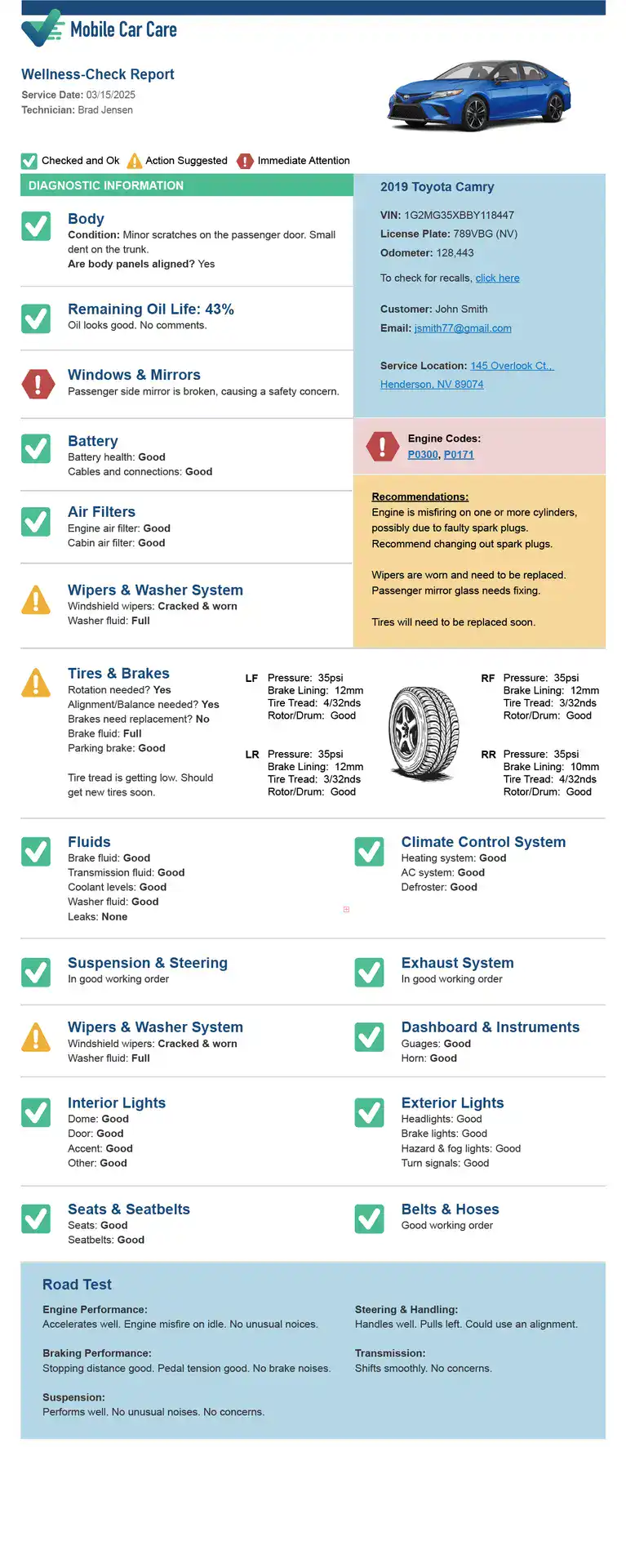
Ultimately, confidence comes from knowing how to respond. Teaching your teen to recognize dashboard warning lights or listen for strange noises empowers them to be proactive instead of reactive. This foundation of basic car maintenance knowledge is invaluable. For an extra layer of assurance, a professional wellness report from a service like our Quick Check can give you both a clear picture of the car’s health, ensuring there are no hidden surprises waiting down the road.
Related Articles
- How to Teach Teens Car Upkeep: Safety and Confidence – Mobile Car Care
- Simple Car Maintenance Tips for Busy College Students – Mobile Car Care
Frequently Asked Questions
What’s the single most important check my teen should learn first? If you teach them just one thing, make it the quick pre-trip inspection. This simple walk-around before they drive is an incredibly powerful habit. It trains them to be observant and spot obvious issues, like a low tire or a burned-out headlight, before they get on the road. It’s less about being a mechanic and more about being an aware and responsible driver.
How often should my teen be doing these inspections? Think of it in layers. The quick visual walk-around and dashboard light check should happen before every single drive—it only takes a minute. For the more hands-on tasks, checking tire pressure with a gauge and looking at the oil level are great monthly habits. Setting a reminder on their phone for the first Saturday of the month is an easy way to make it stick.
My teen seems completely uninterested in learning this. Any tips? This is really common. Try framing it less as a chore and more as a tool for their own freedom. The goal isn’t to turn them into a car expert, but to give them the confidence to handle their own problems without having to call for help. Connect it to things they care about, like not getting stranded on the way to a friend’s house or avoiding an expensive repair that could cut into their own budget.
What if my teen gets a flat tire or a dead battery and I’m not around to help? This is a core fear for so many parents. The key here is preparation over skill. While learning to change a tire is great, it’s more important that they have a clear plan. Make sure they have a roadside assistance number saved in their phone and a fully stocked emergency kit in the trunk. Knowing exactly who to call and that they have the tools to stay safe while they wait is what turns a panic-inducing event into a manageable inconvenience.
If my teen is doing these checks, is a professional service still needed? Absolutely. Think of at-home checks like brushing your teeth, while a professional service is like going to the dentist. Your teen can spot the obvious, day-to-day issues, which is fantastic. A professional technician, however, can identify problems that aren’t visible to the naked eye, like worn brake pads or a subtle fluid leak. Regular professional wellness checks ensure that small, hidden issues are caught before they become major, expensive problems.