
Have you ever noticed your car’s temperature gauge creeping a little higher than usual? Or maybe you’ve caught a whiff of a strange, sweet smell after you park? These are subtle signs your car is trying to tell you something important about its cooling system. Ignoring them can lead to overheating and serious engine damage. The solution is often a straightforward coolant service, a process that involves completely flushing the old, ineffective fluid and replacing it. It’s one of the most effective preventative maintenance tasks you can do, protecting your engine from costly repairs and keeping you safely on the road.
Key Takeaways
- Prioritize a coolant flush over a simple top-off: A complete flush is a full system reset that cleans out rust and debris that cause overheating and corrosion. This is the most effective way to prevent serious, long-term engine damage.
- Watch for warning signs and follow your car’s schedule: An overheating engine, colorful puddles under your car, or a heater that won’t blow hot are clear signals you need a service. Otherwise, check your owner’s manual and stick to the recommended schedule, typically every 30,000 to 60,000 miles.
- Leave it to the pros to avoid costly errors: A professional service guarantees the correct type of coolant is used, prevents damaging air pockets in the system, and handles the safe disposal of toxic fluid. It’s the smartest way to ensure the job is done right and protect your investment.
What is a Coolant Service? (And Why Your Car Needs One)
Think of a coolant service as a detox for your car’s engine. It’s a process where a technician flushes out the old, tired coolant (also known as antifreeze) from your vehicle’s cooling system and replaces it with a fresh supply. This isn’t just a simple top-off; it’s a complete fluid exchange that removes dirt, rust particles, and other gunk that can build up over time.
So, why is this so important? Your car’s engine generates an incredible amount of heat, and the cooling system is its first line of defense against overheating. Over time, the protective additives in coolant break down, making it less effective. When this happens, your engine is more susceptible to heat damage and internal corrosion. A proper coolant service ensures this system works efficiently, helping to protect your car’s engine from serious damage. It’s a critical piece of preventative maintenance that keeps your vehicle running smoothly and reliably, giving you peace of mind on the road. Using the correct type of coolant for your specific make and model is also key, as it ensures optimal performance and longevity.
What Coolant Actually Does for Your Engine
Coolant, or antifreeze, is the unsung hero working under your hood. Its main job is to regulate your engine’s temperature by absorbing excess heat and carrying it away to the radiator. This prevents your engine from overheating on hot summer days and, true to its “antifreeze” name, stops the system from freezing up in the winter.
But its job doesn’t stop there. Coolant is also formulated with special additives that prevent rust and corrosion from forming inside your engine, radiator, and water pump. This is a huge deal because rust can clog the narrow passages in your cooling system, leading to blockages, leaks, and eventually, major engine trouble. In short, clean coolant keeps your engine healthy from the inside out and protects against rust that can cause expensive damage down the line.
Warning Signs You Need a Coolant Service
Your car is pretty good at telling you when something is wrong—you just have to know what to look for. When it comes to your cooling system, there are a few classic signs that it’s time for a service. The most obvious one is if your engine is frequently overheating or running hotter than usual.
You should also pay attention to what’s happening under your car. Finding a puddle of brightly colored fluid (usually green, pink, or orange) is a clear sign of a coolant leak. Other red flags include a sweet, syrupy smell coming from your engine after you’ve been driving or if the coolant in the reservoir looks sludgy, rusty, or discolored. Finally, if you notice the temperature gauge reads hotter than normal on your dashboard, it’s a definite signal to get your cooling system checked.
Breaking Down the Types of Coolant Service
When you hear “coolant service,” you might picture a simple fluid top-off, but there’s a bit more to it. Understanding the different types of service helps you make the right call for your car’s health and your budget. It’s not just about pouring in more liquid; it’s about ensuring the entire system that keeps your engine from overheating is in top shape. Let’s break down the key services so you know exactly what your car needs and why.
Coolant Flush vs. Coolant Top-Off
Think of a top-off as a temporary fix—it’s like adding a bit of water to a wilting plant. If your coolant level is low, adding more will help in the short term. A coolant flush, on the other hand, is a complete system reset. This service involves draining all the old, degraded coolant, cleaning the system to remove any gunk or rust particles, and then refilling it with fresh, new coolant that meets your car’s specifications. A professional antifreeze change is the best way to protect your engine long-term, as it removes contaminants that can cause corrosion and blockages. While a top-off is fine in a pinch, a flush is the proper maintenance your car needs.
The Importance of a System Inspection
A coolant service should be more than just a fluid swap. A thorough inspection of the entire cooling system is crucial for catching small problems before they become major headaches. During an inspection, a technician will check for leaks, cracked hoses, and a properly functioning radiator cap and thermostat. Over time, old coolant becomes acidic and can damage these components, leading to rust and engine damage. A properly working cooling system is essential for keeping your engine at the right temperature, no matter the weather. This proactive check gives you peace of mind, knowing your car is protected from unexpected and expensive repairs down the road.
A Quick Guide to Coolant Types
Not all coolant is created equal, and using the wrong kind is a recipe for disaster. Coolant, also known as antifreeze, is specifically formulated with additives to prevent corrosion and rust in your engine. Different car manufacturers use different metals and materials in their engines, so they require specific types of coolant to protect them. You’ll see various colors like green, orange, pink, or blue, and they are not interchangeable. Mixing different types can cause a chemical reaction that turns the fluid into a thick, sludgy gel, clogging your cooling system and leading to serious engine problems. Always check your owner’s manual or consult a professional to ensure you’re using the correct coolant for your vehicle.
How Often Should You Get a Coolant Service?
Knowing when to service your car’s coolant can feel like a guessing game, but it’s one of the most important maintenance tasks for your engine’s health. The right schedule prevents your engine from overheating in the summer and freezing up in the winter. While there’s no single answer that fits every car and driver, a couple of key factors will help you figure out the perfect timing: your vehicle manufacturer’s recommendations and your personal driving habits.
Think of the manufacturer’s timeline as your baseline—it’s the standard schedule for an average driver. But if you frequently find yourself in stop-and-go traffic or live in a place with extreme temperatures, your car’s cooling system is working harder than average. That extra stress means you’ll likely need to check on your coolant more often. Staying on top of this simple service is one of the best ways to catch small issues before they turn into expensive engine damage. A regular wellness check, like the one included in our Essential Plan, can give you peace of mind that everything is in working order.
Following Your Manufacturer’s Timeline
The most reliable starting point for your coolant service schedule is the one created by the people who built your car. Most automakers suggest a coolant change every 30,000 to 60,000 miles, or roughly every two to five years. However, this is just a general guideline. Your best bet is to check your car’s owner’s manual for the exact interval recommended for your specific make and model. Sticking to this schedule helps ensure the additives in your coolant are fresh and effectively protecting your engine from corrosion and temperature extremes.
How Your Driving Habits Affect Service Frequency
The manufacturer’s schedule assumes ideal driving conditions, but daily life is rarely ideal. If your commute involves a lot of city driving, you tow a trailer, or you live in a climate with scorching summers or freezing winters, your engine’s cooling system is under more strain. These demanding conditions can cause coolant to break down faster. A properly working cooling system is critical to preventing your engine from getting hot enough to cause serious damage. Instead of waiting for a full flush, it’s a good idea to have a professional test your coolant periodically to check its condition and see if a service is needed sooner.
How Much Does a Coolant Service Cost?
Let’s talk about one of the most common questions we get: what’s this going to cost? When it comes to car maintenance, nobody likes surprises on the final bill. The good news is that a coolant service is a fairly standard and affordable procedure. The price can shift a bit depending on a few key factors, but understanding the basics will help you know what to expect and ensure you’re getting a fair deal. We’ll break down the typical costs and what influences them, so you can feel confident when you book your next service.
What to Expect on the Bill
When you book a professional coolant service, you can generally expect the cost to land somewhere between $100 and $200. This price isn’t just for a quick top-off; it typically covers the full, comprehensive service your cooling system needs to stay healthy. This includes completely draining the old, worn-out coolant, thoroughly flushing the entire system to remove any gunk or buildup, and refilling it with the correct type of new coolant for your vehicle. A final check for any leaks is also part of the standard process, giving you peace of mind that everything is sealed up and working correctly.
What Affects the Final Price?
Several things can cause the price of a coolant service to vary. A major factor is the shop’s hourly labor rate, which can differ quite a bit depending on your location. The type of service you choose also plays a role; a complete system ‘flush’ is more involved and will cost more than a simple ‘drain and fill.’ The kind of coolant your car requires can also affect the price, as some specialized formulas are more expensive. This is why our Essential Plan includes a comprehensive vehicle check, so we can give you a precise quote based on your car’s specific needs.
DIY vs. Professional Service: Why Call an Expert?
I get it—the urge to roll up your sleeves and tackle a car project yourself is strong. A quick YouTube search can make almost any repair seem doable, and who doesn’t want to save a little money? But when it comes to a coolant service, what looks like a simple fluid swap can quickly turn into a messy, complicated, and even risky job. It’s one of those tasks where the potential for things to go wrong outweighs the satisfaction of doing it yourself.
While you might be able to top off your coolant without much trouble, a full flush is a different story. It requires specific tools, knowledge of how to handle hazardous materials, and a precise process to avoid damaging your engine. A small mistake can lead to overheating, engine damage, and a repair bill that makes the cost of a professional service look like a bargain. Before you start draining fluids in your driveway, let’s walk through why calling an expert is often the smartest move for your car and your peace of mind. It’s about more than just convenience; it’s about ensuring the job is done right, safely, and without creating bigger problems down the road.
The Right Tools and Know-How
A proper coolant flush is more than just draining the old liquid and pouring in the new. To do it right, you need to remove air bubbles from the system, a process mechanics call “burping.” If air gets trapped, it can create hot spots in your engine and lead to overheating, completely defeating the purpose of the service. Professionals use specialized equipment to pressurize the system, ensuring every last bit of old fluid and gunk is removed and no air pockets are left behind. This process is far more effective than a simple gravity drain you’d do at home, leading to a cleaner system and better performance.
Handling Coolant Safely and Responsibly
Here’s something many DIY guides gloss over: old antifreeze is toxic. It’s harmful to people, and its sweet smell can be dangerously attractive to pets and wildlife. When you do the job yourself, you’re responsible for safely collecting, storing, and disposing of the old coolant. You can’t just pour it down the drain or dump it in the yard. You have to find a designated hazardous waste disposal site, which adds another errand to your list. A professional service handles all of this for you, taking the risk and responsibility off your shoulders so you don’t have to worry about the cleanup.
Avoiding Costly DIY Mistakes
A small mistake during a DIY coolant flush can lead to big, expensive problems. Using the wrong type of coolant for your vehicle can cause corrosion and damage to your radiator and engine components. Failing to flush the system completely can leave behind sludge and deposits that clog passages and lead to overheating. These simple errors can easily result in repair bills that are far higher than the cost of a professional service. When an expert handles the job, you get the assurance that it’s done correctly. Our technicians perform comprehensive wellness checks with every service, ensuring your entire cooling system is in top shape as part of our Total Care Plan.
What to Expect During a Professional Coolant Service
Knowing what happens during a service can take the mystery out of car maintenance and give you confidence that the job is being done right. When you book a professional coolant service, you can expect a thorough, step-by-step process that leaves your car’s cooling system in top shape. It’s all about being meticulous and ensuring your engine is protected.
Our Step-by-Step Process
So, what actually happens when a technician gets to work? It’s a straightforward process designed to keep your engine running smoothly. First, the technician will drain all the old, worn-out coolant from your vehicle’s system. Over time, coolant loses its protective properties and can pick up debris, so getting it all out is a critical first step.
Next, they’ll flush the entire system. Think of this as a deep clean for your radiator and engine passages, removing any built-up gunk or corrosion. Once it’s sparkling clean, they will refill it with brand-new coolant that’s specifically recommended for your vehicle’s make and model. Using the right formula is essential for maintaining the right temperature and preventing rust.
Final Checks to Ensure Everything’s Right
Our job isn’t done until we’re sure everything is working perfectly. After the new coolant is in, we perform a series of final checks—and we’ll show you what to keep an eye on, too. We double-check that the coolant is filled to the proper level and that there are no air pockets trapped in the system, which can cause major overheating issues.
A final, thorough inspection for leaks is a must. We check all the hoses, the radiator, and every connection to confirm there are no drips. Spotting puddles of coolant under your car is a classic sign of a leak, so it’s something we take very seriously. These careful checks are a standard part of our service and are also included in our ongoing Total Care Plan to give you complete peace of mind.
Key Warning Signs Your Car Needs Coolant Service
Your car is pretty good at telling you when something’s wrong—you just have to know what to look and listen for. When it comes to your cooling system, the warning signs are usually quite clear. Ignoring them can lead to serious engine damage and expensive repairs down the road. Paying attention to these signals can help you catch a small problem before it becomes a major headache. A regular vehicle wellness check, like the one included in our Essential Plan, is a great way to stay ahead of these issues.
Your Engine is Overheating
This is the most urgent and obvious red flag. If you see the temperature gauge on your dashboard climbing into the red zone, it’s a clear signal your engine is running too hot. In more extreme cases, you might even see steam billowing out from under the hood. An overheating engine means the coolant is no longer doing its job of absorbing and carrying heat away from critical components. Pull over safely as soon as you can and turn off the engine. Continuing to drive can cause severe, sometimes irreversible, damage. It’s a sign that your cooling system needs immediate attention.
You Spot Leaks or Murky Coolant
Keep an eye on your driveway or regular parking spot. Finding a bright green, pink, or orange puddle under the front of your car is a classic sign of a coolant leak. Another easy check is to look at the coolant reservoir under the hood (when the engine is cool, of course). The fluid should be a vibrant, translucent color. If it looks murky, rusty, or has particles floating in it, the coolant is old and contaminated. This means it has lost its anti-corrosive properties and can no longer protect your engine and radiator effectively. Fresh coolant is essential for a healthy cooling system.
Your Heater is Acting Up
This one might surprise you, but your car’s heater and its cooling system are directly connected. The heater works by using hot coolant from the engine to warm up the air that blows into your cabin. If you turn on the heat on a chilly day and only get lukewarm or cold air, it could be a sign of a cooling system problem. This often indicates that the coolant level is too low to circulate properly through the heater core, or that there might be a blockage somewhere in the system. It’s a subtle clue that your car is telling you it’s time for a coolant service.
How to Choose the Right Service Provider
Finding a mechanic you trust can feel like a huge win, especially when it comes to something as critical as your car’s cooling system. You want to know it’s in good hands. The right provider won’t just perform a simple fluid swap; they’ll take the time to ensure the entire system is healthy, giving you genuine peace of mind on the road. But with so many options out there, from quick-lube chains to local independent shops and even mobile services, how do you pick the best one for your car? It really comes down to asking the right questions and looking for clear signs of quality work. A little bit of homework upfront can save you from the headache of future breakdowns and the sting of expensive, unexpected repairs. Think of it as an investment in your car’s long-term health and your own safety. Choosing a provider isn’t just about finding the cheapest price—it’s about finding a partner who values your vehicle’s well-being as much as you do.
Key Questions to Ask Before You Book
Before you hand over your keys, a little prep work goes a long way. Start with the basics: confirm the shop actually offers the specific coolant service your car needs. It sounds simple, but not every location provides a full flush. Next, spend a few minutes checking online reviews, as they often reveal whether a shop is thorough or just trying to get cars in and out quickly. Once you have a promising candidate, call and ask a few direct questions: What type of coolant do you use? Does your service include a system inspection for leaks? Can you give me a detailed price estimate upfront? Their answers will tell you a lot about their transparency and expertise.
Look for Guarantees and Quality Standards
A quality coolant service is more than just a fluid swap. Paying a professional ensures the job is done right with the proper equipment, which can remove more old, contaminated fluid than a simple drain. A reputable shop will also handle the toxic old coolant safely and responsibly. A professional antifreeze change should always include a full system check for leaks or worn-out hoses. Ask if they offer any guarantee or warranty on their work. This shows they stand behind their service and gives you an extra layer of confidence. Ultimately, you’re paying for expertise and the assurance that your car’s engine is protected.
The Ultimate Convenience: Why Go Mobile for Your Coolant Service?
Let’s be honest: no one enjoys spending their afternoon in a mechanic’s waiting room. Juggling your schedule to drop off your car, arranging a ride, and then waiting for a call is a hassle we could all do without. But what if essential maintenance, like a coolant service, could happen on your terms? Mobile car care changes the game by bringing the service directly to you, blending professional expertise with unparalleled convenience. It’s a modern solution for a timeless problem, making it easier than ever to keep your car in top shape without disrupting your day.
Save Time and Skip the Waiting Room
Your time is valuable. Instead of blocking off half a day for a trip to the auto shop, imagine using that time to finish a work project, play with your kids, or simply relax at home. That’s the core promise of a mobile coolant service. We come to your location—whether it’s your driveway or your office parking lot—and handle the maintenance while you carry on with your life. The benefits of a mobile car check fit seamlessly into your busy schedule, eliminating travel time and long waits. You get back hours in your day, turning a dreaded chore into a simple, stress-free task.
Expert Service, Delivered to Your Doorstep
Choosing convenience doesn’t mean you have to sacrifice quality. A common question is whether a mobile technician can provide the same level of service as a traditional garage. The answer is a resounding yes. Our certified technicians arrive with all the professional-grade tools and high-quality coolant needed to do the job right. We perform the same thorough coolant flush and system inspection you’d get at a shop, ensuring your engine is protected from overheating and running at peak efficiency. It’s expert care delivered right to your doorstep, giving you total confidence that your vehicle is in skilled hands without you ever having to leave home.
Get a Comprehensive Vehicle Wellness Check
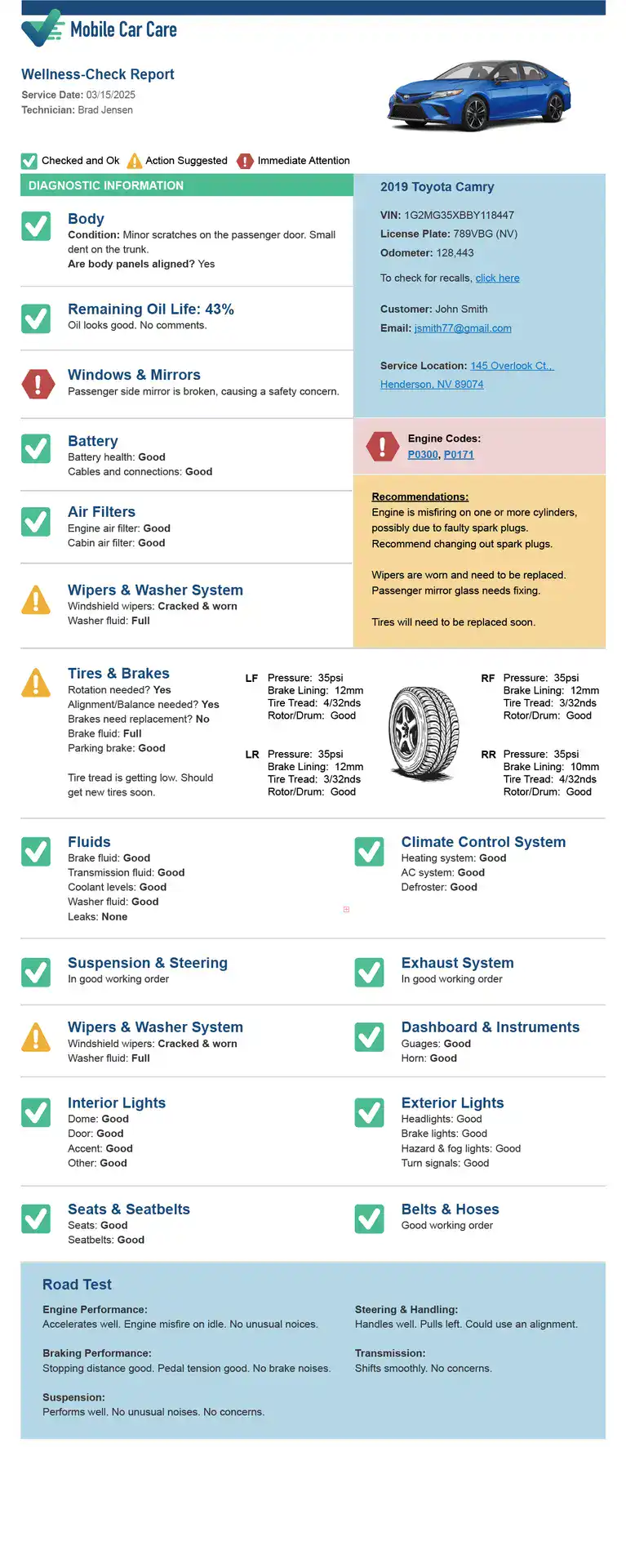
A coolant service is a perfect opportunity to check on your car’s overall health. While we’re taking care of your cooling system, we can also perform a complete wellness check to catch small issues before they become big, expensive problems. A proper coolant flush removes rust and contaminants that can harm your engine, but what about your brakes, tires, or battery? Our Essential Plan includes a comprehensive 85-point inspection alongside your regular maintenance. This proactive approach not only extends the life of your vehicle but also gives you invaluable peace of mind, knowing your car is safe and reliable for the road ahead.
Related Articles
- How to Check Coolant: A Quick and Safe Guide – Mobile Car Care
- How to Do a Coolant Leak Check (The Easy Way) – Mobile Car Care
- Mobile Mechanic Pricing: Your Ultimate Guide – Mobile Car Care
Frequently Asked Questions
Can I just add more coolant myself instead of getting a full flush? While topping off your coolant can help in a pinch if the level is low, it’s only a temporary fix. Think of it like adding clean water to a dirty bucket—it doesn’t solve the underlying issue. A full coolant flush is a deep clean that removes all the old, degraded fluid along with any rust and gunk that can clog your system and cause damage. This complete exchange is the proper maintenance your engine needs for long-term health.
How long does a mobile coolant service usually take? One of the best parts of a mobile service is how efficiently it fits into your day. A complete coolant flush and system check typically takes about an hour from start to finish. Since we come to your home or office, you can use that time for anything you want instead of spending it driving to a shop and sitting in a waiting room.
What’s the worst that can happen if I use the wrong coolant? Using the wrong type of coolant is one of the most common and costly DIY mistakes. Different coolants have different chemical makeups, and mixing them can cause a reaction that turns the fluid into a thick, sludgy gel. This gel can clog the narrow passages in your radiator and engine, leading to blockages, overheating, and potentially serious engine damage. It’s always best to let a professional ensure the correct formula is used for your specific vehicle.
My temperature gauge seems fine. Why should I get a coolant service? That’s great news because it means you’re catching this on time! A coolant service is preventative maintenance. The goal is to keep that temperature gauge right where it should be. Over time, the protective additives in coolant break down, making it less effective at preventing corrosion. A flush replaces this worn-out fluid before it has a chance to cause rust or clogs that lead to overheating.
Is a small coolant leak really a big deal? Yes, even a small leak is a sign that something needs immediate attention. Your car’s cooling system is pressurized, and a leak prevents it from holding that pressure, which is essential for keeping the engine cool. A small drip can quickly turn into a bigger problem, leaving you stranded with an overheated engine. It’s always smarter and less expensive to fix a leak as soon as you spot it.