
Let’s be honest, car maintenance can feel like another chore on an already endless to-do list. Between work, family, and life, who has time to sit in a dealership waiting room? The good news is that not all maintenance tasks are a huge ordeal. Replacing your cabin air filter is one of the quickest and most impactful things you can do for your car and your health. It ensures you’re breathing clean, fresh air on every drive. If you’ve been putting it off or are searching for a “cabin filter near me” hoping for a convenient solution, you’re in the right place. We’ll show you the most efficient ways to get this done.
Key Takeaways
- It’s More Than Just Dust: Your cabin air filter is a crucial health feature that traps allergens, pollutants, and odors, ensuring the air you and your family breathe on the road is clean and fresh.
- Trust Your Senses Over the Schedule: While your manual provides a guideline, a weak airflow from your vents or a musty smell are the most reliable signs that your filter is clogged and needs to be replaced.
- Choose the Right Service for Your Schedule: You can save on labor with a DIY replacement, but for a truly stress-free solution, a mobile service brings the right part and professional installation directly to your home or office.
What’s a Cabin Air Filter, and Why Should You Care?
We spend a lot of time in our cars, but we rarely think about the quality of the air we’re breathing inside them. That’s where the cabin air filter comes in. This small but mighty component is your first line of defense against dust, pollen, and other pollutants from the road. It works silently to keep the air inside your vehicle fresh and clean for you and your passengers. But like any filter, it doesn’t last forever. Understanding what it does and why it matters is the first step toward a healthier, more comfortable drive.
What Your Filter Actually Does
Your cabin air filter has one main job: to clean the air that comes into your car’s interior through the heating, ventilation, and air conditioning (HVAC) system. It acts as a physical barrier, trapping all sorts of unwanted particles before they reach you. We’re talking about dust, pollen, smog, mold spores, and even bugs. Essentially, it filters out airborne contaminants that you’d otherwise be breathing in during your commute or road trip. By stopping this gunk at the source, the filter ensures the air circulating inside your car is significantly cleaner than the air outside, protecting both you and your car’s HVAC system from getting clogged with debris.
Breathe Easier: The Health Benefits for You and Your Passengers
A clean cabin air filter isn’t just about keeping dust off your dashboard—it’s about your health. For anyone with allergies, asthma, or other respiratory issues, a functioning filter can make a world of difference by trapping common triggers like pollen and mold spores. This means fewer sneezes and itchy eyes during your drive. But even if you don’t have allergies, you benefit from breathing cleaner air with fewer pollutants and exhaust fumes. This is especially important for kids, whose respiratory systems are still developing. A fresh filter also helps prevent musty odors from building up in your HVAC system, giving you a more pleasant and healthy environment inside your car.
Clearing the Air: Common Filter Myths
There are a few common myths about cabin air filters that can lead to confusion. First is the idea that they’re an unnecessary add-on. In reality, they are a critical component for maintaining both your car’s air quality and the efficiency of its HVAC system. Another myth is that you can simply wash and reuse an old filter. While it might look cleaner, washing can’t remove the microscopic particles trapped deep within the filter’s fibers and can even damage it. It’s always best to replace it with a new one. Finally, some believe that just changing the filter guarantees clean air, but it’s one part of a larger system that may occasionally need a deeper cleaning to fully clear out any lingering odors or buildup.
When Should You Replace Your Cabin Air Filter?
Knowing when to swap out your cabin air filter isn’t just about sticking to a rigid schedule. While your car’s manufacturer gives you a good starting point, the real answer depends on where you drive and what your senses are telling you. Paying attention to a few key signs will help you know exactly when it’s time for a change, ensuring the air inside your car stays fresh and clean. Think of it as proactive care for both your vehicle and your well-being.
Check the Manufacturer’s Guidelines
Your car’s owner’s manual is the best place to start. Most automakers suggest replacing the cabin air filter every 15,000 to 30,000 miles. Consider this your baseline. If you mostly drive on clean, paved roads in an area with good air quality, you might find this timeline works perfectly for you. However, this is just a general recommendation. Your personal driving habits and local environment play a huge role in how quickly your filter gets dirty. Sticking to the manufacturer’s schedule is a great habit, but it’s also smart to know the other signs that indicate a replacement is due sooner.
Telltale Signs It’s Time for a Change
Your car often gives you clear hints when its cabin air filter is clogged. The first thing you might notice is a significant drop in airflow from your vents. If you have to turn the fan on full blast just to feel a weak breeze, a dirty filter is the likely culprit. You might also hear a whistling or whining noise from the fan as it works harder to push air through the blockage. And then there’s the smell. If you’re greeted by a musty, dirty-sock odor when you turn on your A/C or heat, that’s a sure sign that your filter is trapping moisture and growing mildew. Trust your senses—they’re one of the best tools for diagnosing car issues.
Factors That Speed Up Replacement Time
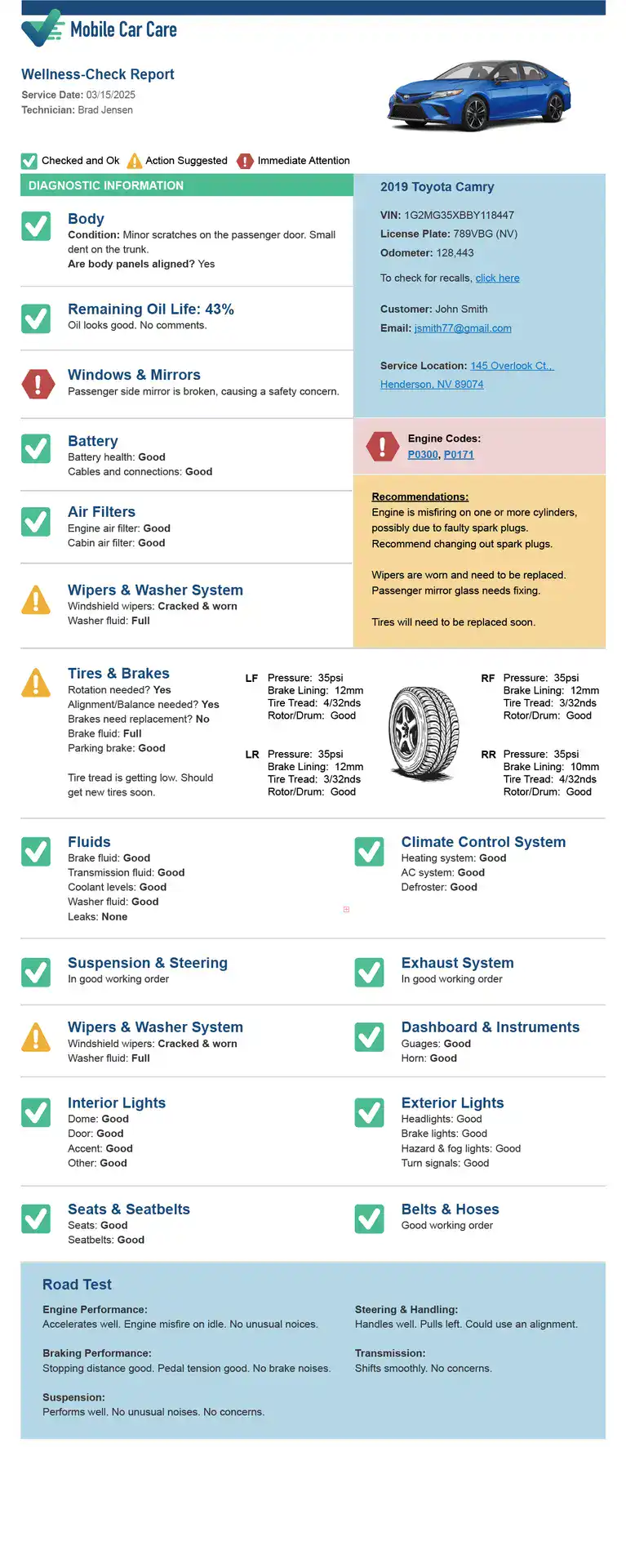
The 15,000-mile rule goes right out the window if you live in certain environments. If your daily commute involves dusty gravel roads, city streets with heavy pollution, or areas with high pollen counts during allergy season, your filter is working overtime. All that extra debris clogs it up much faster, reducing its effectiveness and putting a strain on your car’s HVAC system. This is why a routine inspection is so valuable. During a comprehensive wellness check, a technician can assess your filter based on your specific conditions, not just the odometer. Our Essential Plan includes these checks, so you can be sure you’re replacing your filter exactly when it’s needed.
Where to Get a New Cabin Air Filter
Once you’ve figured out it’s time for a new cabin air filter, the next question is simple: where do you get one? You have a few solid options, and the best one for you really depends on how much time you have and how hands-on you want to be. Whether you prefer to have someone handle it all, buy the part yourself, or have a professional come to you, there’s a straightforward path to getting that fresh, clean air flowing in your car again. Let’s walk through the most common choices so you can decide what fits your life best.
The Traditional Route: Auto Shops and Service Centers
The most classic approach is to head to local auto shops and service centers. Places like Jiffy Lube or your neighborhood mechanic can take care of the entire process for you. The biggest advantage here is that it’s a completely hands-off experience. You drop off your car, and they identify the right filter, install it, and get you back on the road. The downside, of course, is that it requires you to schedule an appointment, drive to the shop, and wait. For anyone with a packed schedule, finding that block of time can be a real challenge, and let’s be honest, nobody loves sitting in a waiting room.
Find a Local Store Online
If you’re comfortable with a little DIY or already have a mechanic you trust for labor, you can buy the filter yourself. Big retailers and auto parts stores have made this easier than ever. You can browse a huge selection of cabin air filters online at places like AutoZone or even Walmart to find the exact part for your vehicle. Often, you can check if it’s in stock for same-day pickup or have it delivered. This route can save you money on the part itself, but it does put the responsibility on you to make sure you’ve bought the correct one. After you have it, you still need to set aside time for the installation.
The Convenient Choice: Mobile Service That Comes to You
For the best of both worlds, you can have a professional service come directly to you. This option eliminates the need to drive to a shop or hunt down parts on your own. A mobile maintenance service brings the expertise and the new filter right to your driveway or office parking lot. At Mobile Car Care, this is exactly what we do. During one of our comprehensive wellness checks, we can inspect your cabin air filter and replace it on the spot if needed. It’s the most stress-free way to handle routine maintenance, because it fits into your day instead of disrupting it.
How to Choose the Best Cabin Air Filter
Once you’ve decided to replace your cabin air filter, the next step is picking the right one. Walking into an auto parts store or browsing online can feel a bit overwhelming with all the different boxes and brands. But don’t worry—choosing a filter is much simpler than it seems. It really comes down to three things: finding a reputable brand, balancing cost with quality, and making sure it’s the perfect match for your car and your needs.
Think of it like choosing any other product for your home or family. You want something that works well, fits your budget, and does the job it’s supposed to do. A little bit of know-how can help you cut through the noise and find a filter that will keep your car’s air fresh and clean. We’ll walk through exactly what to look for so you can make a confident choice without spending hours on research. This isn’t about becoming a car expert overnight; it’s about making a smart, simple decision that improves your driving experience and protects your health. With the right information, you can quickly identify a great filter and get back to your day, knowing you’ve made a solid choice for your vehicle and your passengers.
A Look at Popular Brands
When you start shopping, you’ll see a lot of different names on the shelves. While you don’t need to be an expert, it helps to know which brands have a solid reputation. You’ll likely come across well-known brands like STP, ACDelco, and Beck/Arnley at most auto part retailers. These companies have been around for a while and are trusted choices for everyday vehicles. You don’t have to overthink it—sticking with a recognized brand is usually a safe bet for quality and reliability. The most important thing is that the filter is compatible with your car’s make and model.
Balance Price and Performance
You don’t need to buy the most expensive filter on the market to get clean air. Cabin air filters typically range from about $15 to $40, and you can find a great option without breaking the bank. The key is to find a sweet spot between price and performance. A good way to do this is by checking customer ratings online. See what other drivers with your type of car are saying. Often, a mid-range filter with fantastic reviews will perform just as well as a premium one for a fraction of the cost. A small investment here goes a long way for your comfort and health.
Find the Perfect Fit for Your Car
This is the most important step. An air filter can’t do its job if it doesn’t fit correctly. The easiest way to find the right size is by using the filter finder tool on an auto parts website or asking for help in-store—you’ll just need your car’s year, make, and model. Beyond size, consider any special features you might want. If you’re trying to get rid of stubborn smells from pets or smoke, look for a filter with activated carbon. If you or your passengers have allergies, a filter with N95-grade media can provide an extra layer of protection by trapping more fine particles.
DIY or Hire a Pro: What’s the Right Move?
Deciding whether to replace your cabin air filter yourself or hire a professional often comes down to one thing: what you value more, your time or a few extra dollars. For many, changing a cabin air filter is a manageable DIY task that can save a bit of money. It’s a great way to get more familiar with your car and feel a sense of accomplishment. However, what seems like a quick 15-minute job can sometimes turn into a frustrating hour of trying to reach a hidden compartment or figuring out which way the new filter is supposed to face.
On the other hand, calling a professional takes the guesswork and hassle out of the equation. You don’t have to research the right part, buy any tools, or block out time in your weekend. It’s the straightforward path to getting the job done right without any stress. Let’s break down what each option looks like so you can decide which route is the best fit for you and your schedule.
The DIY Approach: What You’ll Need
If you’re ready to tackle this yourself, the first step is to find your car’s owner’s manual and a replacement filter. The manual will tell you how often to change the filter—usually every 15,000 to 30,000 miles—and show you where it’s located, which is typically behind the glove compartment. You might need a screwdriver or a small socket wrench, but often it’s a tool-free job. The process involves opening the filter housing, pulling out the old, dirty filter, and sliding the new one in. Just be sure to note the airflow direction arrows on the side of the filter to install it correctly.
When to Call in a Professional
Sometimes, your car will tell you when it’s time for a change. If you notice the airflow from your vents feels weak, even with the fan on high, a clogged filter is a likely culprit. Another telltale sign is a persistent musty or dirty smell coming through the vents when you turn on the heat or AC. These symptoms mean your filter is struggling to pass clean air into the cabin. While a new filter often solves the problem, these signs can sometimes point to other issues with your HVAC system. A professional can quickly diagnose the root cause and ensure everything is working as it should.
The Stress-Free Option: Professional On-Site Service
If researching parts and spending your weekend with your head under the dashboard doesn’t sound appealing, a professional on-site service is the perfect solution. You get the expertise of a trained technician without ever having to leave your home or office. They’ll have the right filter for your specific make and model and can get the job done quickly and correctly. At Mobile Car Care, checking your cabin air filter is part of our comprehensive 85-point wellness check included in our Essential Plan. We handle the details so you can enjoy fresh, clean air with zero hassle.
How to Save Money on Your Next Replacement
Keeping your car in top shape doesn’t have to drain your bank account. While some maintenance tasks come with a hefty price tag, replacing your cabin air filter is one area where you can be strategic and save some cash. It’s a small part, but the costs can add up if you’re not paying attention. The good news is that it’s all about knowing where to look, what your time is worth, and when to buy. A little bit of planning can make a big difference in the final cost, whether you decide to handle it yourself or have a professional take care of it for you.
Think of it this way: you wouldn’t buy the first flight you see without comparing prices, right? The same logic applies here. By shopping around for the best deals, you can find quality filters without overpaying. You also have a choice to make between doing it yourself and hiring a pro. While a DIY replacement saves on labor, a professional service saves you time and hassle—a valuable commodity for any busy person. Finally, timing is everything. Catching a sale or promotion can cut the cost of the part itself, making proactive maintenance feel even better. Let’s walk through how you can use these strategies to make your next replacement more affordable.
Find Deals and Discounts
Your first move in saving money is to shop around. Don’t just grab the first filter you find. Big retailers often have a surprisingly wide selection of cabin air filters for different vehicles, with prices that can range from around $10 for a basic model to over $30 for a premium one. Comparing different brands and models is key to finding the best value for your car. You might find that a perfectly good mid-range filter does the job just as well as a more expensive option. A few minutes of online research can easily save you a nice chunk of change.
Compare the Costs: DIY vs. Professional Service
One of the biggest decisions you’ll make is whether to replace the filter yourself or hire a professional. If you’re comfortable with a little hands-on work, a DIY replacement is a fantastic way to save on labor costs. For many cars, it’s a simple task that takes less than 30 minutes. You can use your car’s manual or visit an auto parts website to find the correct filter for your specific make and model. However, you have to ask yourself what your time is worth. For busy parents and professionals, spending an afternoon tracking down a part and installing it might not be the best use of time. Sometimes, paying for the convenience of a professional service is the real money-saver.
Time Your Purchase for Better Savings
Patience can pay off. Just like with clothes or electronics, auto parts go on sale. To get the best price on a new filter, keep an eye out for seasonal promotions and holiday sales events at major retailers and auto parts stores. Some brands also offer their own discounts throughout the year, so it’s worth checking their websites directly. If you know your filter will need replacing in a few months, start looking for deals ahead of time. Buying the part when it’s on sale, even if you don’t need it immediately, is a smart move that ensures you get the best possible price without the last-minute rush.
Related Articles
- Cabin Filter Cost: DIY Savings vs. Pro Service – Mobile Car Care
- Engine Air Filter Price: A Complete Cost Breakdown – Mobile Car Care
- Your Guide to Easy Engine Air Filter Replacement – Mobile Car Care
Frequently Asked Questions
Is a cabin air filter the same thing as an engine air filter? That’s a great question, and it’s a common point of confusion. They are two completely different parts with separate jobs. The engine air filter keeps dust and debris out of your engine, protecting its performance. The cabin air filter, on the other hand, cleans the air that you and your passengers breathe inside the car. Think of one as protecting your car’s health and the other as protecting yours.
What actually happens if I just don’t replace my cabin air filter? Ignoring a dirty cabin air filter won’t cause your car to break down, but it will definitely make your driving experience less pleasant. Over time, a clogged filter will restrict airflow, making your A/C and heating system work much harder and less effectively. You’ll also likely notice a persistent musty smell and a decline in air quality inside your car, which isn’t great for your health, especially if you have allergies.
Can I just clean my old filter instead of buying a new one? While it might seem like a good way to save a few dollars, you should always replace a dirty filter rather than trying to clean it. Washing or vacuuming a filter can’t remove the microscopic particles trapped deep within its fibers and can even damage the filter material, making it less effective. A fresh, new filter is the only way to guarantee you’re getting clean air.
I have bad allergies. Is there a specific type of filter I should get? Yes, absolutely. If you’re sensitive to pollen, dust, or other allergens, look for a filter that offers a higher level of filtration. Many brands offer premium options with activated carbon, which helps neutralize odors, or special electrostatic layers that are better at trapping fine particles like pollen and mold spores. It’s a small upgrade that can make a huge difference in your comfort during allergy season.
How do I know where my cabin air filter is located? The location can vary from car to car, but in most vehicles, it’s conveniently placed behind the glove compartment. Accessing it is often as simple as emptying the glove box and unclipping a panel. However, your car’s owner’s manual is your best resource—it will show you the exact location and provide step-by-step instructions for your specific model.